• Trade
  • Markets
  • Copy
  • Contests
  • 24/7
  • Calendar
  • Q&A
  • Chats
Screeners
SYMBOL
LAST
BID
ASK
HIGH
LOW
NET CHG.
%CHG.
SPREAD
SOURCE
SPX
S&P 500 Index
7473.48
7473.48
7473.48
7506.32
7463.29
+27.75
+ 0.37%
--
--
DJI
Dow Jones Industrial Average
50579.69
50579.69
50579.69
50830.24
50434.65
+294.04
+ 0.58%
--
--
IXIC
NASDAQ Composite Index
26343.96
26343.96
26343.96
26504.55
26309.80
+50.87
+ 0.19%
--
--
USDX
US Dollar Index
99.190
99.190
99.270
99.340
99.080
+0.050
+ 0.05%
--
--
EURUSD
Euro / US Dollar
1.16014
1.16014
1.16051
1.16210
1.15880
-0.00153
-0.13%
--
--
GBPUSD
Pound Sterling / US Dollar
1.34278
1.34278
1.34323
1.34625
1.34129
-0.00007
-0.01%
--
--
XAUUSD
Gold / US Dollar
4509.66
4509.66
4509.66
4545.94
4491.55
-33.22
-0.73%
--
--
WTI
Light Sweet Crude Oil
96.068
96.068
96.163
98.439
93.817
-1.115
-1.15%
--
--

Community Accounts

Signal Accounts
--
Profit Accounts
--
Loss Accounts
--
View More

Become a signal provider

Sell trading signals to earn additional income

View More

Guide to Copy Trading

Get started with ease and confidence

View More

Signal Accounts for Members

All Signal Accounts

Best Return
  • Best Return
  • Best P/L
  • Best MDD
Past 1W
  • Past 1W
  • Past 1M
  • Past 1Y

All Contests

  • All
  • Recommend
  • Stocks
  • Cryptocurrencies
  • Central Banks
  • Trump Updates
  • Featured News
Top News Only
Share

U.S. President Trump Stated On Social Media That The Republican-controlled House Of Representatives Should Attach The SAVE America Act To All Bills Sent To The Senate

Share

According To An Axios Reporter, US President Trump Told Me That He Believes Israeli Prime Minister Netanyahu Is Not Worried About A Potential Agreement Between The US And Iran

Share

According To A Report By AXIOS, Citing Two Sources Familiar With The Matter, US President Trump Is Expected To Hold A Phone Conference With Gulf Leaders At 1 P.m. Eastern Time (1 A.m. Beijing Time The Following Day) To Discuss The Situation In Iran

Share

Ukrainian President Volodymyr Zelensky Rejected A Proposal From A German Advisor That Ukraine Should Enjoy A Special Status In The European Union, Demanding Full Accession To The EU

Share

According To CBS News: US President Trump Said, "I Will Only Sign An Agreement That Will Allow US To Get Everything We Want From Iran."

Share

According To CBS News: US President Trump Said The Agreement Would Achieve A "satisfactory Treatment" Of Iran's Enriched Uranium

Share

According To CBS News: US President Trump Said The Final Agreement Would Prevent Iran From Acquiring Nuclear Weapons

Share

According To CBS News: US President Trump Said The Situation With Iran Is "improving"

Share

According To CBS News: US President Trump Said The Two Sides Are Much Closer Now

Share

According To CBS News: US President Trump Has Reviewed A Draft Agreement With Iran

Share

Ukrainian President Volodymyr Zelenskyy Stated That, Based On Intelligence From Ukraine, The United States, And Europe, Russia Is Preparing To Launch An Attack On Ukraine Using The ORESHNIK Missile

Share

U.S. Media: The United States Has Reached The Limit In Sanctioning Iran's Economy

Share

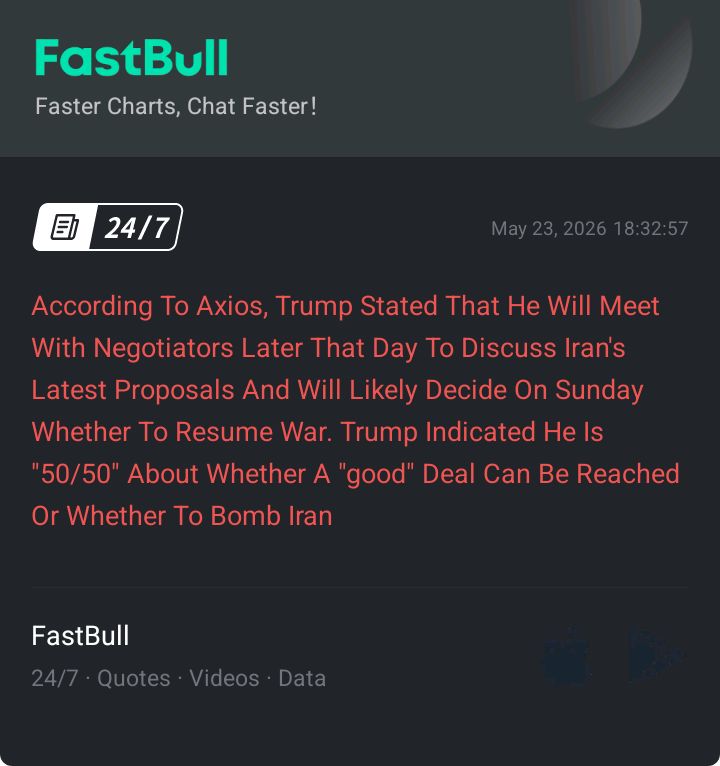
According To Axios, Trump Stated That He Will Meet With Negotiators Later That Day To Discuss Iran's Latest Proposals And Will Likely Decide On Sunday Whether To Resume War. Trump Indicated He Is "50/50" About Whether A "good" Deal Can Be Reached Or Whether To Bomb Iran

Share

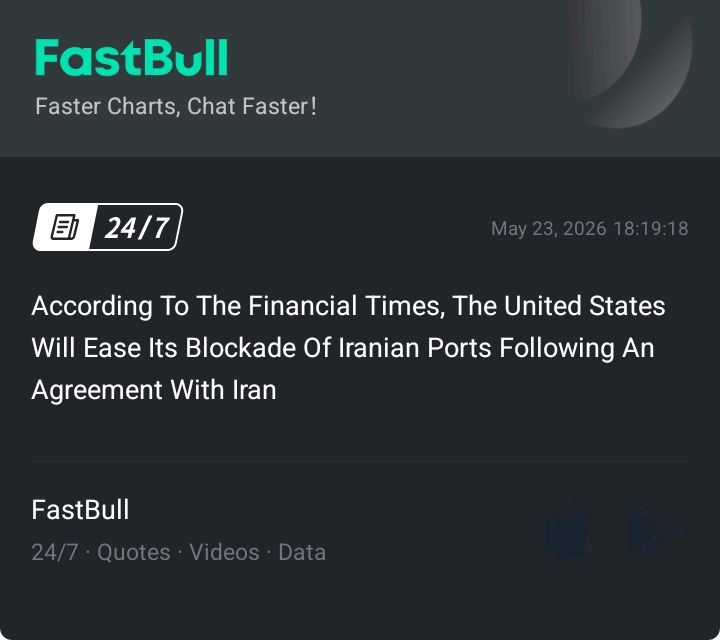
According To The Financial Times, The United States Will Ease Its Blockade Of Iranian Ports Following An Agreement With Iran

Share

Toxic Gases At The Liushenyu Coal Mine Accident Site Have Remained Above Permissible Limits For An Extended Period, Posing A Risk Of Secondary Disasters

Share

Press Conference On The Gas Explosion At The Liuzhenyu Coal Mine In Shanxi: We Must Provide A Responsible Account To The Victims, Their Families, And The General Public

Share

Press Conference On The Gas Explosion Accident At Liushenyu Coal Mine In Shanxi: The Coal Mining Enterprise Involved Committed Serious Illegal Acts

Share

The Pakistan Army Stated That Discussions Remain Focused On Expediting The Current Mediation Process To Support Peace And Stability In The Region

Share

Press Conference On The Gas Explosion At Liushenyu Coal Mine In Shanxi: The Accident Has Claimed 82 Lives

Share

Pakistan Army Statement: Field Marshal Saeed Asim Munir Has Concluded A Brief But Productive Official Visit To Iran. During The Visit, Munir Held High-level Contacts With The Iranian Leadership. Munir Met With The Iranian President, The Speaker Of The Iranian Parliament, The Iranian Foreign Minister, And The Iranian Interior Minister

TIME
ACT
FCST
PREV
IMPACT
U.S. 10-Year TIPS Auction Avg. Yield

A:--

F: --

P: --

XAUUSD
  • XAUUSD
  • XAGUSD
  • WTI
  • USDX
U.S. Weekly Treasuries Held by Foreign Central Banks

A:--

F: --

P: --

USDX
  • USDX
  • XAUUSD
  • XAGUSD
  • WTI
U.K. GfK Consumer Confidence Index (May)

A:--

F: --

P: --

GBPUSD
  • GBPUSD
  • XAUUSD
  • XAGUSD
  • WTI
Japan CPI MoM (Apr)

A:--

F: --

P: --

USDJPY
  • USDJPY
  • XAUUSD
  • XAGUSD
  • WTI
  • USDX
Japan National CPI MoM (Apr)

A:--

F: --

P: --

USDJPY
  • USDJPY
  • XAUUSD
  • XAGUSD
  • WTI
Japan National CPI YoY (Apr)

A:--

F: --

P: --

USDJPY
  • USDJPY
  • XAUUSD
  • XAGUSD
  • WTI
Japan National Core CPI YoY (Apr)

A:--

F: --

P: --

USDJPY
  • USDJPY
  • XAUUSD
  • XAGUSD
  • WTI
Japan National CPI MoM (Not SA) (Apr)

A:--

F: --

P: --

USDJPY
  • USDJPY
  • XAUUSD
  • XAGUSD
  • WTI
ECB Chief Economist Lane Speaks
U.K. Retail Sales MoM (SA) (Apr)

A:--

F: --

P: --

GBPUSD
  • GBPUSD
  • XAUUSD
  • XAGUSD
  • WTI
  • USDX
U.K. Retail Sales YoY (SA) (Apr)

A:--

F: --

P: --
GBPUSD
  • GBPUSD
  • XAUUSD
  • XAGUSD
  • WTI
  • USDX
Germany GfK Consumer Confidence Index (SA) (Jun)

A:--

F: --

P: --
EURUSD
  • EURUSD
  • XAUUSD
  • XAGUSD
  • WTI
  • USDX
U.K. Core Retail Sales YoY (SA) (Apr)

A:--

F: --

P: --
GBPUSD
  • GBPUSD
  • XAUUSD
  • XAGUSD
  • WTI
  • USDX
ECB Chief Economist Lane Speaks
Turkey Capacity Utilization (May)

A:--

F: --

P: --

XAUUSD
  • XAUUSD
  • XAGUSD
  • WTI
  • USDX
Turkey Trade Balance (Apr)

A:--

F: --

P: --

XAUUSD
  • XAUUSD
  • XAGUSD
  • WTI
  • USDX
Germany Ifo Current Business Situation Index (SA) (May)

A:--

F: --

P: --

EURUSD
  • EURUSD
  • XAUUSD
  • XAGUSD
  • WTI
  • USDX
Germany Ifo Business Expectations Index (SA) (May)

A:--

F: --

P: --
EURUSD
  • EURUSD
  • XAUUSD
  • XAGUSD
  • WTI
  • USDX
Germany IFO Business Climate Index (SA) (May)

A:--

F: --

P: --
EURUSD
  • EURUSD
  • XAUUSD
  • XAGUSD
  • WTI
  • USDX
Mexico Economic Activity Index YoY (Mar)

A:--

F: --

P: --

XAUUSD
  • XAUUSD
  • XAGUSD
  • WTI
  • USDX
Canada Industrial Product Price Index YoY (Apr)

A:--

F: --

P: --
USDCAD
  • USDCAD
  • XAUUSD
  • XAGUSD
  • WTI
  • USDX
Canada Retail Sales MoM (SA) (Mar)

A:--

F: --

P: --

USDCAD
  • USDCAD
  • XAUUSD
  • XAGUSD
  • WTI
  • USDX
Canada Industrial Product Price Index MoM (Apr)

A:--

F: --

P: --
USDCAD
  • USDCAD
  • XAUUSD
  • XAGUSD
  • WTI
  • USDX
Canada Core Retail Sales MoM (SA) (Mar)

A:--

F: --

P: --
USDCAD
  • USDCAD
  • XAUUSD
  • XAGUSD
  • WTI
  • USDX
U.S. Conference Board Leading Economic Index MoM (Apr)

A:--

F: --

P: --

USDX
  • USDX
  • XAUUSD
  • XAGUSD
  • WTI
U.S. Conference Board Leading Economic Index (Apr)

A:--

F: --

P: --

USDX
  • USDX
  • XAUUSD
  • XAGUSD
  • WTI
U.S. Conference Board Coincident Economic Index MoM (Apr)

A:--

F: --

P: --

USDX
  • USDX
  • XAUUSD
  • XAGUSD
  • WTI
U.S. Conference Board Lagging Economic Index MoM (Apr)

A:--

F: --

P: --

USDX
  • USDX
  • XAUUSD
  • XAGUSD
  • WTI
U.S. Weekly Total Rig Count

A:--

F: --

P: --

WTI
  • WTI
  • XAUUSD
  • XAGUSD
  • USDX
U.S. Weekly Total Oil Rig Count

A:--

F: --

P: --

WTI
  • WTI
  • XAUUSD
  • XAGUSD
  • USDX
Argentina Retail Sales YoY (Mar)

A:--

F: --

P: --

XAUUSD
  • XAUUSD
  • XAGUSD
  • WTI
  • USDX
Turkey Economic Sentiment Indicator (May)

--

F: --

P: --

Canada National Economic Confidence Index

--

F: --

P: --

Mexico Trade Balance (Apr)

--

F: --

P: --

U.K. BRC Shop Price Index YoY (May)

--

F: --

P: --

U.K. CBI Retail Sales Expectations Index (May)

--

F: --

P: --

U.K. CBI Distributive Trades (May)

--

F: --

P: --

Brazil Current Account (Apr)

--

F: --

P: --

U.S. Chicago Fed National Activity Index (Apr)

--

F: --

P: --

U.S. S&P/CS 20-City Home Price Index YoY (Not SA) (Mar)

--

F: --

P: --

U.S. S&P/CS 20-City Home Price Index MoM (SA) (Mar)

--

F: --

P: --

U.S. FHFA House Price Index MoM (Mar)

--

F: --

P: --

U.S. FHFA House Price Index (Mar)

--

F: --

P: --

U.S. FHFA House Price Index YoY (Mar)

--

F: --

P: --

U.S. S&P/CS 10-City Home Price Index MoM (Not SA) (Mar)

--

F: --

P: --

U.S. S&P/CS 10-City Home Price Index YoY (Mar)

--

F: --

P: --

U.S. S&P/CS 20-City Home Price Index (Not SA) (Mar)

--

F: --

P: --

U.S. S&P/CS 20-City Home Price Index MoM (Not SA) (Mar)

--

F: --

P: --

U.S. Conference Board Consumer Expectations Index (May)

--

F: --

P: --

U.S. Conference Board Consumer Confidence Index (May)

--

F: --

P: --

U.S. Conference Board Present Situation Index (May)

--

F: --

P: --

U.S. Dallas Fed General Business Activity Index (May)

--

F: --

P: --

U.S. Dallas Fed New Orders Index (May)

--

F: --

P: --

U.S. 2-Year Note Auction Avg. Yield

--

F: --

P: --

Australia Westpac Leading Index MoM (Apr)

--

F: --

P: --
China, Mainland Industrial Profit YoY (YTD) (Apr)

--

F: --

P: --

Australia Construction Work Done YoY (Q1)

--

F: --

P: --

Australia RBA Trimmed Mean CPI YoY (Q2)

--

F: --

P: --

Australia Construction Work Done QoQ (SA) (Q1)

--

F: --

P: --

France Unemployment Class-A (Apr)

--

F: --

P: --

U.S. MBA Mortgage Application Activity Index WoW

--

F: --

P: --

Q&A with Experts
    • All
    • Chatrooms
    • Groups
    • Friends
    Nawhdir Øt flag
    @EuroTraderCOUSIN..
    john flag
    Nawhdir Øt
    @johnhanya mengamankan posisi segera setel TS seperti gaya biasanya.
    @Nawhdir Øtalright let's see how it plays out,,,, anything can happen
    Nawhdir Øt flag
    Nawhdir Øt flag
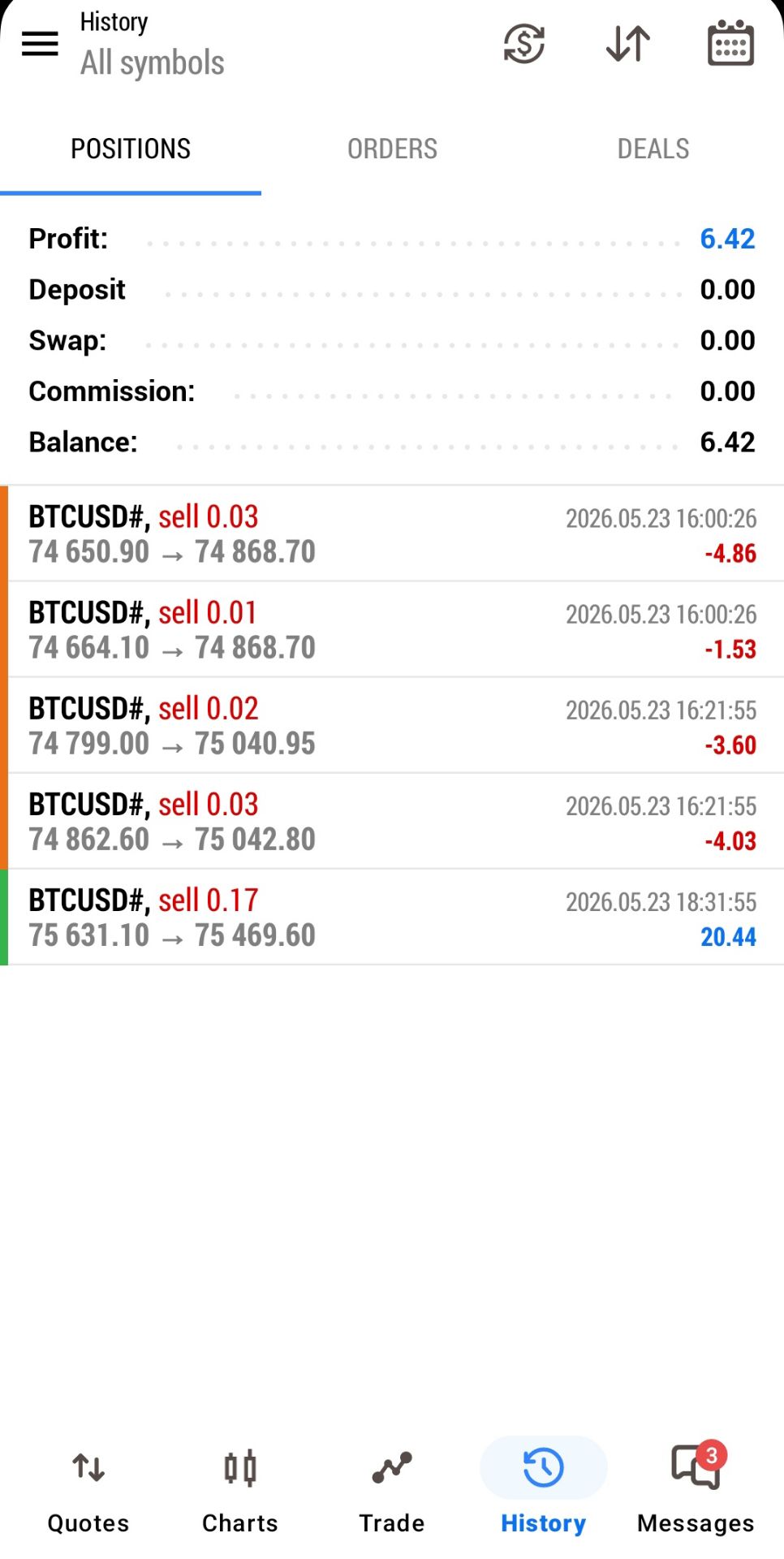
    @EuroTraderaku "AGAK" dibantai market 🤏. Skor sementara BTCUSD 4 - 1 Nawhdir. Øt menit 68'.
    john flag
    this is a bigger market event to watch tomorrow
    john flag
    Nawhdir Øt flag
    john
    this is a bigger market event to watch tomorrow
    @john🤦🏻‍♂️ ah, back to uncertainty. As Always
    Nawhdir Øt flag
    Nawhdir Øt
    @EuroTraderaku "AGAK" dibantai market 🤏. Skor sementara BTCUSD 4 - 1 Nawhdir. Øt menit 68'.
    @EuroTraderatmosfer stadion tuan rumah begitu menyeramkan dan dukungan penuh terhadap aset BTC ! ia berada di atas angin.
    john flag
    if this happens,,,we might some optimism next week
    john flag
    Nawhdir Øt flag
    john
    if this happens,,,we might some optimism next week
    @johnhow bout cut rates.
    john flag
    Nawhdir Øt
    @johnhow bout cut rates.
    @Nawhdir Øtit's another thing that we will be watching
    john flag
    Nawhdir Øt
    @johnhow bout cut rates.
    @Nawhdir Øtwe have to watch how Kelvin Warsh will do as the fed chair
    Nawhdir Øt flag
    john
    this is a bigger market event to watch tomorrow
    @johnsaid Axios.
    Osaghae Cephas flag
    Nawhdir Øt flag
    john
    @Nawhdir Øtwe have to watch how Kelvin Warsh will do as the fed chair
    @johnmy schedule Monday full match Vs XAU/USD High Tempo.
    fred flag
    guys look at this
    fred flag
    fred flag
    what did you see
    fred flag
    abput the prise
    Type here...
    Add Symbol or Code

      No matching data

      All
      Recommend
      Stocks
      Cryptocurrencies
      Central Banks
      Trump Updates
      Featured News
      • All
      • Russia-Ukraine Conflict
      • Middle East Flashpoint
      • All
      • Russia-Ukraine Conflict
      • Middle East Flashpoint
      Search
      Products

      Charts Free Forever

      Chats Q&A with Experts
      Screeners Economic Calendar Data Tools
      Membership Features
      Data Warehouse Market Trends Institutional Data Policy Rates Macro

      Market Trends

      Market Sentiment Order Book Forex Correlations

      Top Indicators

      Charts Free Forever
      Markets

      News

      24/7 Analysis Education

      Latest Views

      Latest Update

      Signals

      Copy Rankings Latest Signals Become a signal provider AI Rating
      Contests
      Brokers

      Overview Brokers Assessment Rankings Regulators News Claims
      Broker listing Forex Brokers Comparison Tool Live Spread Comparison Scam
      Q&A Complaint Scam Alert Videos Tips to Detect Scam
      More

      Business
      Events
      Careers About Us Advertising Help Center

      White Label

      Broker API

      Data API

      Web Plug-ins

      Affiliate Program

      Awards Institution Evaluation IB Seminar Salon Event Exhibition
      Vietnam Thailand Singapore Dubai
      Fans Party Investment Sharing Session
      FastBull Summit BrokersView Expo
      Recent Searches
        Top Searches
          Markets
          Analysis
          User
          24/7
          Economic Calendar
          Education
          Data
          • Names
          • Latest
          • Prev

          View All

          No data

          Scan to Download

          Faster Charts, Chat Faster!

          Download App
          English
          • English
          • Español
          • العربية
          • Bahasa Indonesia
          • Bahasa Melayu
          • Tiếng Việt
          • ภาษาไทย
          • Français
          • Italiano
          • Türkçe
          • Русский язык
          • 简中
          • 繁中
          Open Account
          Search
          Products
          Charts Free Forever
          Markets
          News
          Signals

          Copy Rankings Latest Signals Become a signal provider AI Rating
          Contests
          Brokers

          Overview Brokers Assessment Rankings Regulators News Claims
          Broker listing Forex Brokers Comparison Tool Live Spread Comparison Scam
          Q&A Complaint Scam Alert Videos Tips to Detect Scam
          More

          Business
          Events
          Careers About Us Advertising Help Center

          White Label

          Broker API

          Data API

          Web Plug-ins

          Affiliate Program

          Awards Institution Evaluation IB Seminar Salon Event Exhibition
          Vietnam Thailand Singapore Dubai
          Fans Party Investment Sharing Session
          FastBull Summit BrokersView Expo

          Sovereign Green Bond Explained: Meaning, Framework & Interest Rates

          zhan chen
          Summary:

          The sovereign green bond is transforming global debt markets. We examine the structural trade-offs behind the "greenium" and what it means for your portfolio.

          As nations worldwide race to finance their climate and sustainability goals, sovereign green bonds have emerged as a critical mechanism in global public finance. These specialized debt instruments allow governments to raise capital strictly dedicated to environmental projects, offering investors a unique blend of sovereign-grade security and verifiable climate impact. Understanding how these bonds are structured, governed, and priced is essential for both mandate-driven institutional funds and individual investors navigating the modern fixed-income landscape.
          Sovereign Green Bond Explained: Meaning, Framework & Interest Rates

          What Is a Sovereign Green Bond and How Does It Differ From a Regular Government Bond?

          A sovereign green bond is a debt instrument issued by a national government where the capital raised is strictly ring-fenced for climate mitigation, adaptation, or other environmental infrastructure projects. Unlike standard sovereign debt, which flows into a central treasury pool to fund general government operations, green bond proceeds are structurally tied to eligible expenditures defined in a national Sovereign Green Bond Framework.

          To maintain market credibility, these national frameworks typically align with third-party standards, most notably the International Capital Market Association (ICMA) Green Bond Principles or the certification criteria of the Climate Bonds Initiative. This ensures the capital genuinely funds sustainable development rather than being absorbed by unrelated fiscal deficits.

          Despite the targeted use of proceeds, the fundamental financial mechanics of the bond mirror standard government debt. Investors do not assume project-level risk; if a government-funded solar project fails, the sovereign entity is still legally obligated to pay the bond's principal and coupon.

          Structural Differences: Sovereign Green Bonds vs. Regular Government Bonds

          FeatureSovereign Green BondRegular Government Bond
          Use of ProceedsStrictly earmarked for pre-approved environmental projects (e.g., renewable energy, clean transportation).General purpose; funds any government expenditure or deficit financing.
          Credit RiskBacked by the full faith and credit of the issuing government; zero project-specific risk.Backed by the full faith and credit of the issuing government.
          Yield / Interest RateOften features a "greenium" (green premium), yielding 1 to 5 basis points lower due to high institutional ESG demand.Yield reflects standard macroeconomic factors, sovereign credit rating, and duration risk.
          Tracking & ReportingMandatory annual reporting on allocation of funds and quantifiable environmental impact (e.g., tons of CO2 reduced).No specific reporting required on how individual investment dollars were deployed.
          Investor BaseHeavy participation from dedicated ESG funds, green mutual funds, and sovereign wealth funds with sustainability mandates.Broad institutional and retail market, driven purely by yield, duration, and credit risk profiles.

          The most debated distinction between the two instruments is the sovereign green bond interest rate. Because institutional investors have strict ESG allocation targets, demand for green issuances frequently outstrips supply. This oversubscription allows governments to price the bonds at a slight premium, resulting in a lower yield for the investor—a phenomenon known as the "greenium." For the issuing government, this translates to slightly cheaper borrowing costs in exchange for the administrative burden of tracking and reporting the funds.

          The asset class has rapidly evolved beyond developed markets. While European nations like France and Germany dominate overall issuance volume, emerging markets utilize these bonds as a catalyst for sustainable debt market development. Fiji issued the first developing-country green bond, Egypt launched the first in the MENA region, and the Reserve Bank of India (RBI) recently standardized the India sovereign green bond market to fund its transition toward net-zero emissions.

          What Framework Governs How a Government Can Issue a Sovereign Green Bond?

          To ensure capital is deployed responsibly across these growing markets, issuers must adhere to strict operational guidelines. A government must publish a formal Sovereign Green Bond Framework prior to issuance, a legally referenced document that contractually limits how the raised capital can be spent. Rather than relying on sovereign guarantee alone, this framework maps national environmental targets to specific, ring-fenced budgetary expenditures and subjects them to independent third-party verification.

          What Standards or Principles Do Most Countries Follow?

          Sovereign issuers align their frameworks with one of three primary international standards to secure institutional investor demand and prevent greenwashing penalties.

          • ICMA Green Bond Principles (GBP): The global baseline for issuance. Though technically voluntary, institutional demand gives the GBP de facto regulatory weight. It mandates four core components: a strict use of proceeds, a defined project evaluation process, secure management of proceeds, and granular annual reporting.
          • Climate Bonds Standard (CBS): Managed by the Climate Bonds Initiative, this standard requires strict alignment with a 1.5°C decarbonization trajectory. It demands rigorous, science-based screening criteria and mandatory post-issuance certification, making it a heavier administrative lift but highly credible to dark-green funds.
          • EU Green Bond Standard (EU GBS): The most stringent regional standard, requiring full alignment with the EU Taxonomy. Proceeds must fund projects demonstrating a substantial contribution to at least one of six environmental objectives without doing significant harm (DNSH) to any of the others.

          How Do Governments Define Eligible Green Projects Before Issuing?

          Finance ministries define eligibility by isolating specific public sector capital expenditures, operational expenditures, and tax subsidies that directly yield environmental benefits. Before bringing a sovereign green bond to market, governments establish a cross-ministerial working group to filter the national budget through inclusion and exclusion criteria to build the eligible project portfolio.

          Eligible Expenditure CategoriesTypical Sovereign ExamplesStrict Exclusions (Non-Negotiable)
          Renewable EnergyAn India sovereign green bond funding grid-scale solar, wind capacity, and green hydrogen infrastructure.Any extraction, refining, or transportation of fossil fuels.
          Clean TransportationNational rail electrification; public transit subsidies; EV charging infrastructure build-outs.Rail systems primarily dedicated to transporting coal or fossil fuels.
          Climate Change AdaptationFiji’s inaugural $50 million bond (2017) funding tropical cyclone resilience and seawall construction.Large-scale hydropower (>25 MW) lacking strict ecological risk assessments.
          Sustainable Resource ManagementReforestation initiatives; municipal wastewater treatment plants; biodiversity protection programs.Nuclear power generation (excluded by most emerging market frameworks).

          What Reporting and Verification Requirements Come After Issuance?

          Sovereign issuers must undergo a strict chronological auditing process post-issuance to prove the capital was deployed as promised and achieved its stated environmental objectives. Because public money is highly fungible, standard treasury reporting is insufficient; debt management offices must execute a four-step verification mechanism.

          1. Pre-Issuance Second Party Opinion (SPO): Before pricing, governments hire independent reviewers (such as CICERO Shades of Green or Sustainalytics) to grade the framework. For instance, CICERO rated India's 2022 framework as "Medium Green" because it funded credible transition projects but allowed certain medium-term carbon lock-ins.
          2. Annual Allocation Reporting: Within 12 months of issuance, the sovereign must publish an itemized accounting showing exactly how much capital was drawn down from the ring-fenced account and applied to the eligible budget items.
          3. Quantitative Impact Reporting: Issuers must translate the spent capital into measurable environmental metrics. Instead of broad policy claims, reporting must state figures like "megawatts of clean energy capacity installed" or "metric tons of CO2 equivalent reduced."
          4. Independent Post-Issuance Audit: A recognized external auditor must verify the internal tracking method and the validity of the allocation report.

          This dual-reporting burden creates a severe capacity bottleneck for emerging economies. The administrative cost of mapping, tracking, and auditing granular environmental data across fragmented state agencies often deters smaller sovereigns from issuing green debt, despite the pricing advantage (the "greenium") it frequently offers over conventional bonds.

          What Interest Rates Do Sovereign Green Bonds Typically Offer?

          Sovereign green bonds price directly off the issuing country’s conventional yield curve, typically clearing at interest rates within a few basis points of standard government debt. They do not offer a fixed or standardized global return. Instead, a sovereign green bond interest rate is determined by the prevailing central bank policy rates, macroeconomic conditions, and the sovereign credit rating at the time of the auction.

          Because green bonds carry the exact same credit risk and maturity profile as standard government paper, their yields run parallel to conventional benchmark bonds. However, pricing mechanics usually favor the issuer, resulting in a slight yield discount.

          Representative Sovereign Green Bond Pricing Dynamics

          Sovereign IssuerInstrument TypeConventional Equivalent YieldGreen Bond YieldGreenium (Yield Discount)
          Germany10-Year "Twin Bond"2.55%2.53%-2 bps
          India (RBI)10-Year SGrB (Inaugural)7.34%7.29%-5 bps
          United KingdomGreen Gilt (2033)3.60%3.58%-2 bps

          Do Sovereign Green Bonds Pay Less Than Conventional Government Bonds?

          Yes, they frequently price at a slightly lower yield than conventional debt—a pricing dynamic known as the "greenium" (green premium). Because bond prices and interest rates move inversely, investors willing to pay a higher upfront price for the certified green label must accept a lower yield to maturity.

          Data tracked by the Climate Bonds Initiative indicates this greenium typically ranges from 1 to 5 basis points (0.01% to 0.05%) in developed markets. Germany isolates this exact spread through its "twin bond" structure, where the government issues a green bond and a conventional bond simultaneously with identical maturities and coupons. The green bond consistently trades at a higher price in the secondary market, proving that investors are willing to forfeit yield for sustainable assets.

          Institutional investors accept this yield penalty to fulfill rigid ESG allocation mandates and regulatory requirements. In return, the issuing government secures cheaper debt servicing costs, which helps offset the administrative expenses of tracking the use of proceeds. However, for retail investors without mandate constraints, buying an instrument from the sovereign green bonds list simply means sacrificing yield while taking on identical sovereign credit risk.

          What Factors Drive the Size of the Greenium in Practice?

          The yield discount on green government debt is not static. It fluctuates in secondary trading and varies wildly across primary auctions based on structural and macroeconomic variables.

          • Dedicated ESG Capital Supply: The primary driver is a supply-demand mismatch. When the influx of capital into dedicated green mutual funds and sovereign wealth mandates exceeds the available supply of green debt, asset managers bid up prices to secure the limited allocation, driving yields down.
          • Liquidity Penalties vs. Green Demand: Green bond tranches are often significantly smaller than conventional benchmark issuances. Institutional investors typically demand a higher yield to hold less liquid assets. If the illiquidity penalty of a smaller issuance exceeds the green demand premium, the greenium will compress to zero or even turn negative.
          • Framework Credibility: Institutional demand hinges on the rigor of the issuing country's Sovereign Green Bond Framework. Governments with strict project ring-fencing, transparent impact reporting, and alignment with the ICMA Green Bond Principles command stronger greeniums. Conversely, frameworks lacking a robust Second-Party Opinion (SPO) face "greenwashing" skepticism, forcing the sovereign to pay conventional interest rates to clear the auction.
          • Macroeconomic Rate Cycles: Greeniums are highly sensitive to the broader interest rate environment. In zero-interest-rate regimes, investors aggressively pursued green paper. In higher-rate environments, fixed-income markets become more yield-sensitive, causing the spread between green and conventional sovereign yields to shrink. For example, recent India sovereign green bond auctions have seen the initial 5-6 basis point greenium compress to just 1-2 basis points as local demand normalized.

          How Has the Global Landscape of Sovereign Green Bond Issuers Expanded and What Can Investors Expect?

          Beyond localized pricing fluctuations, the broader asset class has experienced significant structural evolution. The sovereign green bond market has expanded to capture nearly 32% of total global green bond issuance, helping push the broader green debt market past the $3 trillion cumulative milestone in late 2025. What began as experimental issuances by Poland in 2016 and France in 2017 has evolved into a highly institutionalized asset class. Investors can now expect continuous supply across the entire yield curve, tightening regulatory frameworks, and shifting pricing dynamics as supply meets baseline ESG demand.

          Growth is no longer limited to high-income European nations. Emerging markets are actively utilizing the sovereign green bond to fund climate adaptation and build local sustainable yield curves. However, as the market matures, the pricing premium that investors pay for these instruments—known as the greenium—is compressing. According to historical trading data, the average greenium for developed market sovereign green bonds has stabilized at a modest 1 to 4 basis points, down from wider spreads in previous years. This signals a transition from a niche premium product to a mainstream fixed-income staple.

          How Are Major Developed and Emerging Market Issuers Structuring Their Deals Today?

          Issuers dictate their deal structures based on domestic market liquidity and specific investor bases, resulting in a stark divide between developed market "twin bonds" and emerging market benchmark issuances. Developed nations prioritize price transparency and secondary market liquidity, while emerging economies focus on attracting foreign capital and absorbing currency risk.

          In developed markets, the previously mentioned "twin bond" structure pioneered by Germany has become the gold standard. By matching a green bond with the exact same financial characteristics (maturity, coupon, and payment schedule) as an existing conventional bond, issuers allow investors to directly observe the greenium. Denmark advanced this model in late 2025 by issuing a DKK 7 billion 10-year twin bond that became the first sovereign issuance fully aligned with the strict European Green Bond (EuGB) Standard, yielding a precise 1.5 basis point greenium.

          Emerging markets typically utilize standalone benchmark issuances to build a local sustainable yield curve from scratch. India's Reserve Bank, for instance, issues sovereign green bonds in distinct 5-year, 10-year, and 30-year tenors to establish long-term pricing for domestic infrastructure. Meanwhile, Latin American issuers like Colombia have pioneered local-currency green bonds to bypass the foreign exchange risks that traditionally plague emerging market dollar-denominated debt.

          FeatureDeveloped Markets (e.g., Germany, Denmark)Emerging Markets (e.g., India, Colombia, Romania)
          Primary StructureTwin bonds matched to conventional equivalents.Standalone benchmark bonds in key tenors.
          Typical Greenium1 to 4 basis points.5 to 10 basis points.
          Primary ObjectiveProvide pricing transparency and liquid green curves.Attract foreign ESG capital and build local yield curves.
          Currency StrategyExclusively local currency (EUR, DKK, etc.).Mix of local currency and hard currency (USD/EUR).
          Framework AlignmentMoving toward the stringent EU Green Bond Standard (EuGB).Heavily reliant on ICMA Green Bond Principles.

          What Risks Should Investors Watch for, Including Greenwashing?

          Investors must evaluate structural greenwashing, liquidity constraints, and shifting regulatory definitions that can abruptly alter an asset's ESG eligibility. A sovereign green bond carries the exact same credit and default risk as conventional government debt, meaning its unique risks stem entirely from its environmental characteristics and market structure.

          To accurately price these instruments, bondholders must underwrite four specific risk vectors:

          • Fungibility of Capital (Greenwashing): Money is fungible. When a sovereign issues a green bond to finance a renewable energy grid, it frees up capital in the general budget. If that freed capital is then used to subsidize fossil fuels, the net environmental impact is neutralized. Investors must analyze a government’s broader fiscal policy, not just the isolated use of proceeds.
          • Regulatory Divergence: What qualifies as "green" is highly fragmented. Many legacy issuances rely on the voluntary International Capital Market Association (ICMA) Green Bond Principles. However, the introduction of the European Green Bond Standard (EuGB) requires at least 85% of proceeds to align strictly with the EU Taxonomy. Bonds that fail to meet these newer, stricter classifications may face sudden drops in institutional demand.
          • Greenium Compression and Capital Loss: Investors inherently accept a lower yield when purchasing a sovereign green bond at a premium. If that premium vanishes in the secondary market due to oversupply or fading ESG demand, the investor suffers a capital loss. In 2025, German greeniums compressed below 1 basis point on several maturities, proving this pricing benefit is not permanently guaranteed.
          • Liquidity Deficits: Because green issuances are typically carved out of a government's total borrowing requirements, their individual tranche sizes are smaller. Germany's green issues, for example, average €9 billion compared to €33 billion for their conventional twins. In times of market stress, this smaller float can lead to wider bid-ask spreads and difficulty exiting positions.

          Are Sovereign Green Bonds Worth Buying for an Individual or Institutional Investor?

          When assessing if sovereign green bonds are worth buying, investors must weigh their identical credit risk against the slightly lower yields they typically offer. Whether this yield sacrifice is justified depends entirely on regulatory requirements for institutional funds and specific tax treatments or values-alignment priorities for individual investors. Because demand from ESG-mandated funds consistently outstrips the supply of verifiable green sovereign debt, these bonds continue to command a "greenium," often yielding 1 to 6 basis points less than conventional bonds from the same issuer with the same maturity. The sovereign green bond interest rate remains structurally tied to the nation's baseline borrowing cost, simply discounted by this premium.

          The Institutional Case: Mandates Over Yield

          For institutional investors, buying sovereign green debt is rarely an alpha-generating strategy. Instead, it is a structural necessity for compliance, risk management, and portfolio construction.

          • Regulatory Compliance: Asset managers operating under strict frameworks—such as Article 8 or 9 of the EU’s Sustainable Finance Disclosure Regulation (SFDR)—must maintain specific allocations to sustainable assets. Sovereign green bonds provide a massive, highly liquid asset class to fulfill these quotas without taking on corporate credit risk.
          • Duration Matching: Pension funds and life insurers require long-dated, secure assets to match future liabilities. Sovereign green issuances, such as the UK’s 32-year green gilt, allow these institutions to lock in long-term risk-free rates while simultaneously improving their portfolio's ESG metrics.
          • Collateral Utility: Central banks, including the European Central Bank (ECB), are actively greening their collateral frameworks. A sovereign green bond typically receives identical—and in some future scenarios, potentially preferential—haircut treatments compared to vanilla sovereign debt when pledged for liquidity.

          The Retail Case: Values and Incentives

          For individual investors, the math changes. Retail buyers do not have regulatory ESG quotas, meaning they absorb the yield penalty (the greenium) purely for non-financial utility or structural incentives.

          • Tax Advantages: In certain jurisdictions, governments incentivize retail participation by offering tax-exempt interest on green issuances. If a bond is tax-free, the after-tax yield can easily outperform a higher-yielding conventional bond. (Note: Investors must verify local tax laws, as the inaugural India sovereign green bond, for example, did not offer special tax exemptions, though it did reserve a 5% quota specifically for retail buyers).
          • Verifiable Impact: Standard government bonds fund general expenditure, meaning retail capital could theoretically finance coal subsidies or defense. A designated Sovereign Green Bond Framework requires strict ring-fencing of funds. Annual reporting, often aligned with the Climate Bonds Initiative or ICMA principles, allows investors to trace their capital directly to specific solar grids, clean water infrastructure, or public transit projects.
          • Portfolio Anchoring: When constructing a personal ESG portfolio, investors frequently face heavy exposure to volatile growth equities (like electric vehicle manufacturers or clean energy tech). Sovereign green debt provides a strictly regulated, low-volatility anchor to balance this equity risk.

          The Decision Matrix: Standard vs. Sovereign Green Debt

          When screening a sovereign green bonds list against conventional alternatives, investors must weigh the exact cost of the greenium against the reporting and mandate benefits. Germany's "twin bond" concept—where the government issues a green bond with the exact same maturity and coupon as a conventional bond—makes this trade-off perfectly observable.

          AttributeStandard Sovereign BondSovereign Green Bond
          YieldBaseline sovereign curveBaseline minus greenium (typically 1-6 bps)
          Credit RiskSovereign default riskIdentical sovereign default risk
          Use of ProceedsGeneral government expenditureStrictly ring-fenced for eligible green projects
          Reporting & AuditingStandard fiscal auditsAnnual allocation and environmental impact reports
          Target UtilityCapital preservation, maximum yieldMandate fulfillment, verifiable climate impact

          Ultimately, an institutional investor buys a sovereign green bond because their mandate requires it, while an individual investor buys one because the transparency of the Sovereign Green Bond Framework justifies the marginal loss in yield. If neither condition applies, the standard sovereign bond remains the more mathematically efficient allocation.

          FAQs about sovereign green bond

          What is the meaning of sovereign green bond?

          A sovereign green bond is a debt instrument issued by a national or state government to raise capital specifically for environmental or climate-related initiatives. Unlike regular government bonds that fund general public expenditures, the proceeds from green bonds are strictly earmarked for eco-friendly projects. This financial tool allows governments to fund their sustainability goals and demonstrate a commitment to a low-carbon economy.

          Are sovereign green bonds a good investment?

          Sovereign green bonds can be a reliable investment for those looking to support environmental initiatives while earning a steady yield. They provide the traditional security, principal repayment, and regular interest payments typically associated with government-backed debt. Additionally, these bonds are highly appealing to institutional and retail investors seeking to meet specific Environmental, Social, and Governance (ESG) objectives.

          What are the main risks associated with investing in sovereign green bonds?

          A primary risk is "greenwashing," where governments might fail to deliver genuine environmental impacts or backtrack on their climate commitments due to changing political cycles. They also carry the standard risks of regular government debt, including interest rate fluctuations and policy continuity risks. Finally, some investors may experience a "greenium," meaning the bonds could offer a slightly lower yield compared to conventional government bonds.

          How are the proceeds from sovereign green bonds used?

          The capital raised from sovereign green bonds is exclusively dedicated to financing or refinancing public projects with clear environmental benefits. Common uses for these proceeds include developing nationwide renewable energy infrastructure, building sustainable public transportation systems, and funding energy efficiency improvements. The funds can also be directed toward large-scale pollution prevention, sustainable waste management, and climate change adaptation initiatives.

          Conclusion

          Sovereign green bonds successfully bridge the gap between traditional government fixed income and urgent global climate objectives. By adhering to strict verification frameworks, governments can finance national sustainability projects while allowing institutional and retail investors to fulfill critical ESG mandates. Although purchasers must carefully navigate a landscape of varying yields, green premiums, and regulatory standards, this asset class provides an indispensable tool for aligning capital preservation with measurable environmental impact.

          Risk Warnings and Disclaimers
          You understand and acknowledge that there is a high degree of risk involved in trading. Following any strategies or investment methods may lead to potential losses. The content on the site is provided by our contributors and analysts for information purposes only. You are solely responsible for determining whether any trading assets, securities, strategy, or any other product is suitable for investing based on your own investment objectives and financial situation.
          Add to Favorites
          Share
          FastBull
          Copyright © 2026 FastBull Ltd

          728 RM B 7/F GEE LOK IND BLDG NO 34 HUNG TO RD KWUN TONG KLN HONG KONG

          TelegramInstagramTwitterfacebooklinkedin
          App Store Google Play Google Play
          Products
          Charts

          Chats

          Q&A with Experts
          Screeners
          Economic Calendar
          Data
          Tools
          Membership
          Features
          Function
          Markets
          Copy Trading
          Latest Signals
          Contests
          24/7
          Analysis
          Education
          Company
          Careers
          About Us
          Contact Us
          Advertising
          Help Center
          Feedback
          User Agreement
          Privacy Policy
          Personal Information Protection Statement
          Business

          White Label

          Broker API

          Data API

          Web Plug-ins

          Poster Maker

          Affiliate Program

          Risk Disclosure

          The risk of loss in trading financial instruments such as stocks, FX, commodities, futures, bonds, ETFs and crypto can be substantial. You may sustain a total loss of the funds that you deposit with your broker. Therefore, you should carefully consider whether such trading is suitable for you in light of your circumstances and financial resources.

          No decision to invest should be made without thoroughly conducting due diligence by yourself or consulting with your financial advisors. Our web content might not suit you since we don't know your financial conditions and investment needs. Our financial information might have latency or contain inaccuracy, so you should be fully responsible for any of your trading and investment decisions. The company will not be responsible for your capital loss.

          Without getting permission from the website, you are not allowed to copy the website's graphics, texts, or trademarks. Intellectual property rights in the content or data incorporated into this website belong to its providers and exchange merchants.

          Not Logged In

          Log in to access more features

          Connect Broker
          Become a signal provider
          Help Center
          Customer Service
          Dark Mode
          Price Up/Down Colors

          Log In

          Sign Up

          Position
          Layout
          Fullscreen
          Default to Chart
          The chart page opens by default when you visit fastbull.com