• Trade
  • Markets
  • Copy
  • Contests
  • News
  • 24/7
  • Calendar
  • Q&A
  • Chats
Trending
Screeners
SYMBOL
LAST
BID
ASK
HIGH
LOW
NET CHG.
%CHG.
SPREAD
SPX
S&P 500 Index
6921.45
6921.45
6921.45
6931.27
6899.71
+0.52
+ 0.01%
--
DJI
Dow Jones Industrial Average
49266.10
49266.10
49266.10
49357.74
48792.34
+270.03
+ 0.55%
--
IXIC
NASDAQ Composite Index
23480.01
23480.01
23480.01
23558.17
23353.46
-104.26
-0.44%
--
USDX
US Dollar Index
98.560
98.640
98.560
98.700
98.390
+0.080
+ 0.08%
--
EURUSD
Euro / US Dollar
1.16607
1.16617
1.16607
1.16827
1.16424
-0.00146
-0.13%
--
GBPUSD
Pound Sterling / US Dollar
1.34437
1.34449
1.34437
1.34651
1.34154
-0.00131
-0.10%
--
XAUUSD
Gold / US Dollar
4474.43
4474.87
4474.43
4479.43
4407.63
+18.29
+ 0.41%
--
WTI
Light Sweet Crude Oil
58.332
58.362
58.332
58.605
55.890
+2.032
+ 3.61%
--

Community Accounts

Signal Accounts
--
Profit Accounts
--
Loss Accounts
--
View More

Become a signal provider

Sell trading signals to earn additional income

View More

Guide to Copy Trading

Get started with ease and confidence

View More

Signal Accounts for Members

All Signal Accounts

Best Return
  • Best Return
  • Best P/L
  • Best MDD
Past 1W
  • Past 1W
  • Past 1M
  • Past 1Y

All Contests

  • All
  • Trump Updates
  • Recommend
  • Stocks
  • Cryptocurrencies
  • Central Banks
  • Featured News
Top News Only
Share

Prime Minister: Senegal Will Not Need Debt Restructuring

Share

On Thursday (January 8), Spot Gold Rose 0.37% To $4,473.13 Per Ounce In Late New York Trading, Showing A V-shaped Reversal. Comex Gold Futures Rose 0.48% To $4,483.30 Per Ounce, After Hitting A Daily Low Of $4,415 At 20:16 Beijing Time

Share

Mexico Central Bank Governor Rodriguez: She Met With Chinese Ambassador To Venezuela - Post On Telegram

Share

The Federal Reserve's Discount Window Lending Balance Was $7.23 Billion In The Week Ending January 7, Compared With $9.66 Billion The Previous Week

Share

[CME Raises Margin Requirements For Precious Metals Futures For The Third Time In Nearly A Month] The Chicago Mercantile Exchange (CME) Has Issued A Notice Raising Margin Requirements For Precious Metals Futures Contracts, Marking The Third Such Notice Issued In Nearly A Month. The Notice States That Margin Requirements For Gold, Silver, Platinum, And Palladium Futures Contracts Will Be Raised Across The Board After The Market Closes On January 9th (local Time). In Addition, Margin Requirements For Most Natural Gas Contracts Will Be Lowered. The CME Stated That The Margin Adjustments Are Based On A Review Of Market Volatility To Ensure Adequate Collateral Coverage

Share

Colombian President Petro Called Brazil President Lula On Thursday, They Spoke About Venezuela - Brazil Presidency

Share

Trump: Instructing My Representatives To Buy $200 Billion Dollars In Mortgage Bonds

Share

On Thursday (January 8), The "Rate Cut Winners" Index Rose 2.69% To 104.68 Points. The "Trump Tariff Losers" Index Rose 2.71% To 119.13 Points. The "Trump Financial Index" Rose 0.37% To 179.91 Points. The Retail Investor-heavy Stock/meme Stock Index Rose 1.97% To 16.42 Points

Share

[Venezuelan National Assembly Declares All Fallen Citizens As Heroes And Martyrs Of The Fatherland] On January 8, Local Time, The Venezuelan National Assembly Passed A Draft Resolution To Commemorate Venezuelan Personnel Who Died In The US-led Military Operation Against Venezuela. The Resolution Includes Formally Declaring All Fallen Citizens As Heroes And Martyrs Of The Fatherland, Approving Support For The Establishment Of A National Monument To Commemorate The Victims Of The Military Operation, And Calling On The International Community To Condemn The US Actions And Seek Justice From International Organizations

Share

U.S. Interior Secretary Burgum: President Trump Will Decide Whether Cuba Can Continue To Receive Venezuelan Oil

Share

Trump: Great Meeting With Very Successful Intel CEO, Lip-Bu Tan

Share

North Korea's Supreme Leader Kim Jong UN Tells Russian President Putin In A Letter That He Will Permanently Support Putin's Policies

Share

[Colombian Foreign Minister Discusses US-Colombian Presidential Phone Call, Says Colombia Willing To Mediate Venezuelan Situation] Colombian Foreign Minister David Villavinciio Said On August 8 That The Phone Call Between Colombian President Petro Petro And US President Donald Trump On August 7 Was The Starting Point For Building A Clearer And More Mutually Respectful Bilateral Relationship, And That Colombia Is Willing To Mediate The Situation In Venezuela. Speaking At A Press Conference In Bogotá, The Capital, Villavinciio Said The Call Was The Result Of Colombia's Long-term Efforts To Open Communication Channels In Order To Seek Constructive Dialogue Amidst Tensions. He Added That The Normalization Of Colombian-US Relations Will Be A Long And Complex Process, But Colombia Is Confident That The Two Countries Can Achieve Cooperation Through Mutual Respect

Share

[US House Fails To Overturn First Veto Of Trump's Presidency] On January 8, The US House Of Representatives Failed To Overturn President Trump's First Veto Of His Second Term. Last Month, Trump Vetoed Two Bills Aimed At Supporting Local Infrastructure In Colorado And Florida. Both Bills Had Previously Passed Unanimously By Voice Vote In Both The House And Senate

Share

Pentagon: State Dept Approves Potential Sale Of Agm-114R Hellfire Missiles And Related Equipment To Denmark For $951 Million

Share

The S&P 1500 Consumer Discretionary Index Rose 1.8%, Hitting A Record High

Share

South Korea Says Dec 2025 Foreign Net Investment In Local Bonds +7.89 Trillion Won Versus+16.25 Trillion Won In Nov

Share

Trump On Nigeria Strike: Would Love To Make It One-Time Strike But Could Also Be A "Many-Time Strike” If Christians Killed

Share

In Late New York Trading On Thursday (January 8), The Euro Fell 0.18% Against The Dollar To 1.1653, The Pound Fell 0.16% To 1.3436, And The Dollar Rose 0.23% Against The Swiss Franc To 0.7993. Among Commodity Currency Pairs, The Australian Dollar Fell 0.36% Against The Dollar, The New Zealand Dollar Fell 0.39%, And The Dollar Rose 0.03% Against The Canadian Dollar, Showing An Overall M-shaped Trend. The Swedish Krona Fell 0.35% Against The Dollar, The Norwegian Krone Rose 0.03%, And The Danish Krone Fell 0.18%. The Polish Zloty Fell 0.26% Against The Dollar, And The Hungarian Forint Fell 0.32%

Share

Brent Crude Oil Rose 5.0% To $62.96 A Barrel. WTI Crude Oil Rose 4.5% To $58.42 A Barrel

TIME
ACT
FCST
PREV
France 10-Year OAT Auction Avg. Yield

A:--

F: --

P: --

Euro Zone Consumer Inflation Expectations (Dec)

A:--

F: --

P: --

Euro Zone Unemployment Rate (Nov)

A:--

F: --

P: --

Euro Zone PPI MoM (Nov)

A:--

F: --

P: --

Euro Zone Selling Price Expectations (Dec)

A:--

F: --

P: --

Euro Zone PPI YoY (Nov)

A:--

F: --

P: --

Euro Zone Industrial Climate Index (Dec)

A:--

F: --

P: --

Euro Zone Economic Sentiment Indicator (Dec)

A:--

F: --

P: --
Euro Zone Services Sentiment Index (Dec)

A:--

F: --

P: --
Euro Zone Consumer Confidence Index Final (Dec)

A:--

F: --

P: --

Mexico 12-Month Inflation (CPI) (Dec)

A:--

F: --

P: --

Mexico Core CPI YoY (Dec)

A:--

F: --

P: --

Mexico PPI YoY (Dec)

A:--

F: --

P: --

Mexico CPI YoY (Dec)

A:--

F: --

P: --

U.S. Challenger Job Cuts MoM (Dec)

A:--

F: --

P: --

U.S. Challenger Job Cuts (Dec)

A:--

F: --

P: --

U.S. Challenger Job Cuts YoY (Dec)

A:--

F: --

P: --

U.S. Exports (Oct)

A:--

F: --

P: --

U.S. Trade Balance (Oct)

A:--

F: --

P: --
U.S. Initial Jobless Claims 4-Week Avg. (SA)

A:--

F: --

P: --
Canada Imports (SA) (Oct)

A:--

F: --

P: --
U.S. Weekly Initial Jobless Claims (SA)

A:--

F: --

P: --
U.S. Weekly Continued Jobless Claims (SA)

A:--

F: --

P: --
Canada Exports (SA) (Oct)

A:--

F: --

P: --
Canada Trade Balance (SA) (Oct)

A:--

F: --

P: --
U.S. Unit Labor Cost Prelim (SA) (Q3)

A:--

F: --

P: --

U.S. Wholesale Sales MoM (SA) (Oct)

A:--

F: --

P: --

U.S. EIA Weekly Natural Gas Stocks Change

A:--

F: --

P: --

U.S. Consumer Credit (SA) (Nov)

A:--

F: --

P: --
U.S. Weekly Treasuries Held by Foreign Central Banks

A:--

F: --

P: --

Japan Foreign Exchange Reserves (Dec)

--

F: --

P: --

China, Mainland CPI YoY (Dec)

--

F: --

P: --

China, Mainland PPI YoY (Dec)

--

F: --

P: --

China, Mainland CPI MoM (Dec)

--

F: --

P: --

Japan Leading Indicators Prelim (Nov)

--

F: --

P: --

Germany Industrial Output MoM (SA) (Nov)

--

F: --

P: --

Germany Exports MoM (SA) (Nov)

--

F: --

P: --
France Industrial Output MoM (SA) (Nov)

--

F: --

P: --

Italy Retail Sales MoM (SA) (Nov)

--

F: --

P: --

Euro Zone Retail Sales MoM (Nov)

--

F: --

P: --

Euro Zone Retail Sales YoY (Nov)

--

F: --

P: --

Italy 12-Month BOT Auction Avg. Yield

--

F: --

P: --

India Deposit Gowth YoY

--

F: --

P: --

Brazil IPCA Inflation Index YoY (Dec)

--

F: --

P: --

Mexico Industrial Output YoY (Nov)

--

F: --

P: --

Brazil CPI YoY (Dec)

--

F: --

P: --

U.S. Building Permits Revised YoY (SA) (Sept)

--

F: --

P: --

U.S. Building Permits Revised MoM (SA) (Sept)

--

F: --

P: --

U.S. U6 Unemployment Rate (SA) (Dec)

--

F: --

P: --

U.S. Manufacturing Employment (SA) (Dec)

--

F: --

P: --

U.S. Labor Force Participation Rate (SA) (Dec)

--

F: --

P: --

U.S. Private Nonfarm Payrolls (SA) (Dec)

--

F: --

P: --

U.S. Unemployment Rate (SA) (Dec)

--

F: --

P: --

U.S. Nonfarm Payrolls (SA) (Dec)

--

F: --

P: --

U.S. Average Hourly Wage YoY (Dec)

--

F: --

P: --

Canada Full-time Employment (SA) (Dec)

--

F: --

P: --

Canada Part-Time Employment (SA) (Dec)

--

F: --

P: --

Canada Unemployment Rate (SA) (Dec)

--

F: --

P: --

Canada Labor Force Participation Rate (SA) (Dec)

--

F: --

P: --

Canada Employment (SA) (Dec)

--

F: --

P: --

Q&A with Experts
    • All
    • Chatrooms
    • Groups
    • Friends
    ethane flag
    ethane flag
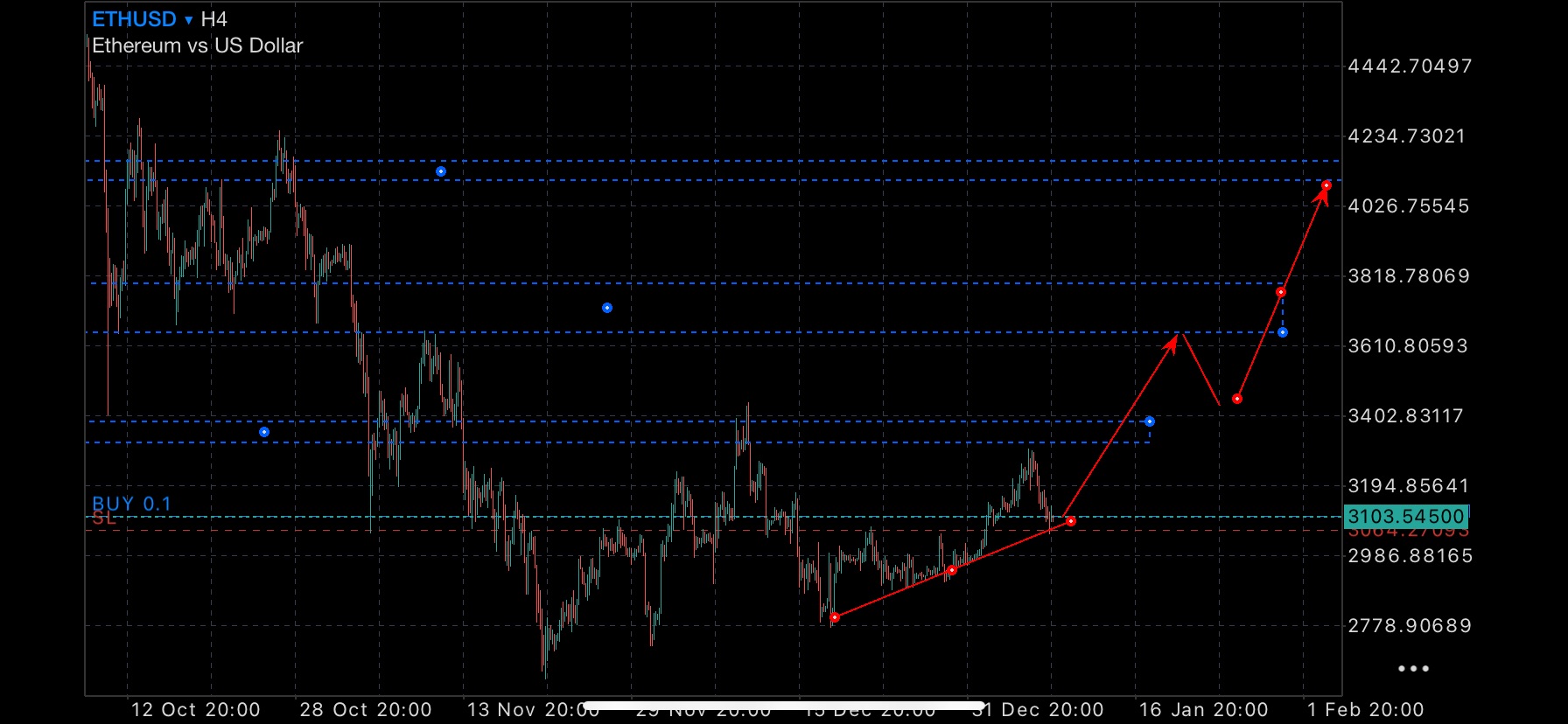
    ETHUSD: An opportunity like never before
    Sanjeev Ku flag
    Sanjeev Ku
    high 4478 4485 may come anyway almost there
    SNYPPER_TRADES™️ flag
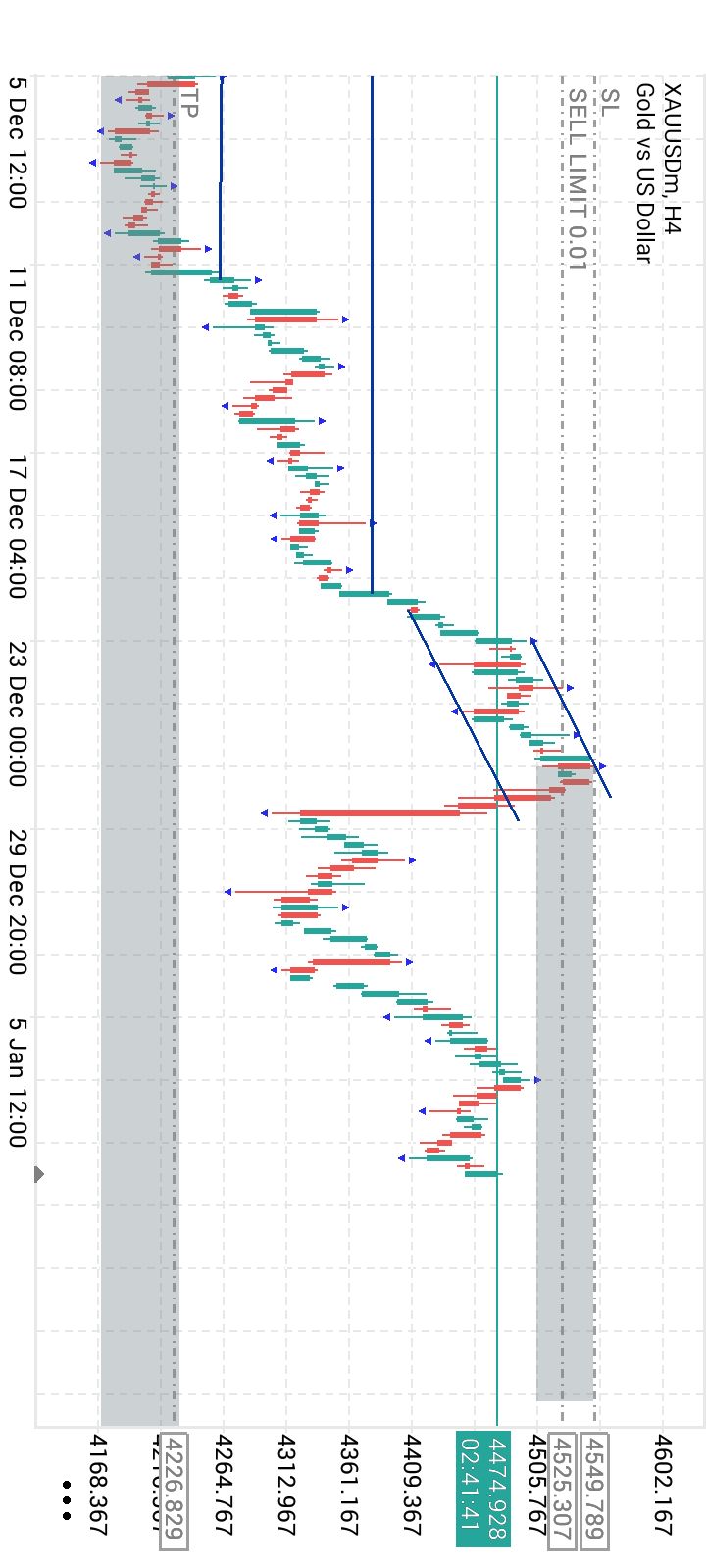
    XAUUSD INTERNAL BO →$4,494 that's were it's heading to..
    SNYPPER_TRADES™️ flag
    Sanjeev Ku
    @Sanjeev KuXAUUSD?
    Sanjeev Ku flag
    SNYPPER_TRADES™️
    @SNYPPER_TRADES™️ yeh bro
    Perseverance flag
    euro n Dollar are just Consolidating .. we can wait for breakout maybe around midnight
    SNYPPER_TRADES™️ flag
    Sanjeev Ku
    @Sanjeev Kuare u a scalper??
    favour flag
    what's y'all's bias on gold
    Sanjeev Ku flag
    Sanjeev Ku
    if a candle close above 4445.98 we may see good upmove in gold CMP 4438
    at 4438 breakout point was detected on chart 4445.98 was breakout point and above it high made 4479
    ethane flag
    favour
    what's y'all's bias on gold
    @favour I believe that gold is currently bullish
    Sanjeev Ku flag
    SNYPPER_TRADES™️
    @SNYPPER_TRADES™️ bro mainly swing trader
    Perseverance flag
    ethane
    @ethaneit's currently bullish but reversing from A Zone ... yu should think of selling now
    favour flag
    ethane
    @ethanehmm ok am seeing some little bearish movement yet to happen before the bulls more like a counter trade
    favour flag
    Ntus_03 flag
    Hello everyone, I noticed that the trading section of the upcoming competition has a minimum requirement of 50 or 100 trades. So, I'd like to ask if trading more than 100 trades will count?
    Ntus_03 flag
    Sanjeev Ku flag
    Ntus_03
    Hello everyone, I noticed that the trading section of the upcoming competition has a minimum requirement of 50 or 100 trades. So, I'd like to ask if trading more than 100 trades will count?
    @Ntus_03 no you can take as many trades you want but at least 100 trades should be taken on market orders and should hold for minimum 60 seconds
    Ntus_03 flag
    Sanjeev Ku
    Thank you for answering my question <3
    Sanjeev Ku flag
    Ntus_03
    @Ntus_03 welcome bro
    Type here...
    Add Symbol or Code

      No matching data

      All
      Trump Updates
      Recommend
      Stocks
      Cryptocurrencies
      Central Banks
      Featured News
      • All
      • Russia-Ukraine Conflict
      • Middle East Flashpoint
      • All
      • Russia-Ukraine Conflict
      • Middle East Flashpoint
      Search
      Products

      Charts Free Forever

      Chats Q&A with Experts
      Screeners Economic Calendar Data Tools
      Membership Features
      Data Warehouse Market Trends Institutional Data Policy Rates Macro

      Market Trends

      Market Sentiment Order Book Forex Correlations

      Top Indicators

      Charts Free Forever
      Markets

      News

      News Analysis 24/7 Columns Education
      From Institutions From Analysts
      Topics Columnists

      Latest Views

      Latest Views

      Trending Topics

      Top Columnists

      Latest Update

      Signals

      Copy Rankings Latest Signals Become a signal provider AI Rating
      Contests
      Brokers

      Overview Brokers Assessment Rankings Regulators News Claims
      Broker listing Forex Brokers Comparison Tool Live Spread Comparison Scam
      Q&A Complaint Scam Alert Videos Tips to Detect Scam
      More

      Business
      Events
      Careers About Us Advertising Help Center

      White Label

      Data API

      Web Plug-ins

      Affiliate Program

      Awards Institution Evaluation IB Seminar Salon Event Exhibition
      Vietnam Thailand Singapore Dubai
      Fans Party Investment Sharing Session
      FastBull Summit BrokersView Expo
      Recent Searches
        Top Searches
          Markets
          News
          Analysis
          User
          24/7
          Economic Calendar
          Education
          Data
          • Names
          • Latest
          • Prev

          View All

          No data

          Scan to Download

          Faster Charts, Chat Faster!

          Download App
          English
          • English
          • Español
          • العربية
          • Bahasa Indonesia
          • Bahasa Melayu
          • Tiếng Việt
          • ภาษาไทย
          • Français
          • Italiano
          • Türkçe
          • Русский язык
          • 简中
          • 繁中
          Open Account
          Search
          Products
          Charts Free Forever
          Markets
          News
          Signals

          Copy Rankings Latest Signals Become a signal provider AI Rating
          Contests
          Brokers

          Overview Brokers Assessment Rankings Regulators News Claims
          Broker listing Forex Brokers Comparison Tool Live Spread Comparison Scam
          Q&A Complaint Scam Alert Videos Tips to Detect Scam
          More

          Business
          Events
          Careers About Us Advertising Help Center

          White Label

          Data API

          Web Plug-ins

          Affiliate Program

          Awards Institution Evaluation IB Seminar Salon Event Exhibition
          Vietnam Thailand Singapore Dubai
          Fans Party Investment Sharing Session
          FastBull Summit BrokersView Expo

          U.S. Treasuries Extend Gains into 2026 After Best Annual Return Since 2020

          Gerik

          Economic

          Summary:

          Treasuries kicked off 2026 with renewed momentum as yields fell on the heels of a strong 2025 performance, fueled by dovish Fed expectations even as U.S. growth complicates the timing of future rate cuts....

          Treasuries Rally as Market Eyes More Rate Cuts in 2026

          U.S. Treasuries continued their upward trajectory on the first trading day of 2026, building on their strongest annual return in five years. The benchmark 10-year yield dropped two basis points to 4.15%, while the 30-year yield slipped by one basis point to 4.84%, reversing earlier gains seen in morning trading.
          This rally comes after a Bloomberg index tracking Treasuries posted a return exceeding 6% in 2025 the best since the pandemic-driven surge in 2020. The gains were supported by softening inflation pressures, a shift in Federal Reserve tone, and a sharp decline in bond market volatility, which has now fallen to its lowest level since early 2022.

          Fed Outlook Drives Bullish Sentiment Despite Mixed Data

          Investors are entering 2026 with strong conviction that more interest rate cuts are on the horizon, especially amid speculation that President Donald Trump will appoint a more dovish successor to Fed Chair Jerome Powell, whose term ends in May. This expectation serves as a key driver behind the demand for longer-dated Treasuries.
          However, this outlook is being tested by economic fundamentals. Data released last week revealed that the U.S. economy expanded at its fastest pace in two years, raising questions about whether the Fed will act as swiftly or as deeply as markets anticipate. The disconnect between growth momentum and policy expectations introduces a degree of fragility to the Treasury rally, suggesting that incoming data could sharply alter the market’s course.
          The release of the S&P Global U.S. Manufacturing PMI later on Friday is among the first data points likely to test this narrative, with further labor market and inflation readings expected in the coming weeks.

          Global Bond Markets Show Divergence as U.S. Leads

          While U.S. yields fell, global bond markets moved in the opposite direction. Germany’s 10-year bund yield rose as much as six basis points to 2.91% before paring gains, while the UK’s 10-year gilt yield climbed five basis points to 4.53%. These moves reflect a catch-up in trading activity, as European markets reopened following the New Year’s Day holiday and responded to earlier U.S. developments.
          Australian bonds lagged most, with yields on three- and 10-year notes rising about nine basis points. This was partially driven by renewed speculation around rising commodity prices, which could reignite inflationary concerns in resource-heavy economies like Australia.

          Issuance Calendar and Technicals to Play Key Role in January

          January is traditionally a heavy month for bond issuance, and the resulting supply pressures could exert upward force on yields. Investors may require higher returns to absorb the influx of new government and corporate debt, which could temporarily dampen the rally unless balanced by continued dovish signals from the Fed or disappointing macroeconomic data.
          U.S. Treasuries have entered 2026 with solid momentum, but whether that performance can be sustained will depend on a delicate balance between market expectations for rate cuts and the actual resilience of the U.S. economy. For now, bond markets are leaning into a dovish pivot but any surprises in inflation, labor, or leadership at the Fed could quickly test that assumption.
          With Powell’s tenure winding down and Trump poised to reshape central bank leadership, Treasuries are not just a barometer of rate expectations they’re also a reflection of deepening uncertainty about how U.S. monetary policy will be shaped in a pivotal election year.

          Source: Bloomberg

          To stay updated on all economic events of today, please check out our Economic calendar
          Risk Warnings and Disclaimers
          You understand and acknowledge that there is a high degree of risk involved in trading. Following any strategies or investment methods may lead to potential losses. The content on the site is provided by our contributors and analysts for information purposes only. You are solely responsible for determining whether any trading assets, securities, strategy, or any other product is suitable for investing based on your own investment objectives and financial situation.
          Add to Favorites
          Share

          Fewer Than Half of Americans Can Sustain Their Lifestyle in Retirement Are You Prepared?

          Gerik

          Economic

          Majority of Americans Face a Retirement Readiness Gap

          Despite the growing emphasis on long-term financial planning, a sobering new report by Vanguard reveals that fewer than half of U.S. retirement savers are adequately prepared to maintain their current lifestyle after exiting the workforce. The findings highlight a widening readiness gap one exacerbated by rising living costs, inconsistent saving habits, and uneven access to employer-sponsored retirement plans.
          Older Gen Z workers (ages 24–28) currently exhibit the strongest trajectory, with 47% expected to maintain their lifestyle in retirement. This percentage drops with each older generation: 42% for Millennials, 41% for Gen X, and only 40% for younger Baby Boomers. While homeownership among Boomers (nearly 90%) offers some buffer through home equity, it does not replace the need for sufficient cash flow during retirement years.
          The disparity reflects more than just age differences it indicates a cause rooted in access to defined contribution plans, early savings discipline, and structural changes in retirement benefits over time. Workers with access to defined contribution plans like 401(k)s or 403(b)s are twice as likely to meet their retirement goals compared to those without such plans.

          Why Lifestyle Creep and Inadequate Savings Are a Threat

          A key driver behind the shortfall is “lifestyle creep” the tendency to increase spending as income rises. Many Americans build their current lifestyle around higher earnings without proportionately increasing savings. Consequently, when they retire and income drops, the gap between desired and actual post-retirement lifestyle becomes unsustainable.
          To mitigate this, financial advisors often recommend accumulating between 10 and 12 times one’s final salary by retirement, aiming to replace around 70%–80% of pre-retirement income. Unfortunately, many Americans fall short of this benchmark, particularly those who delay retirement planning or rely solely on Social Security benefits.

          Solutions: From Catch-Up Contributions to Budget Planning

          For those still in the workforce especially those approaching retirement there are practical solutions that can improve preparedness:
          Delay retirement: Vanguard found that extending work life by even two years can significantly boost the number of individuals able to maintain their current lifestyle. This additional time allows for more contributions, compound growth, and delayed withdrawals.
          Maximize employer match: With the median employer match at 4% of salary, workers not taking full advantage are forgoing substantial long-term gains. This match, over years of compounding, can close retirement gaps dramatically.
          Make catch-up contributions: Those aged 50 and older can contribute more to retirement accounts. These higher limits offer late savers an opportunity to bridge deficits.
          Track spending and adjust expectations: Managing post-retirement expenses is just as critical as accumulating wealth. Budgeting now can help forecast and control spending habits in retirement, from housing and transportation to medical care.

          Retirement Isn’t One-Size-Fits-All Adaptability Is Key

          Not everyone will reach their ideal savings target by retirement, but adaptability can help maintain financial stability. Downsizing homes, relocating to lower-cost areas, and reducing discretionary spending are common strategies among retirees.
          Government programs also offer support for those facing financial strain. Medicare Savings Programs, energy assistance grants, food subsidies, and housing aid all contribute to a basic safety net. Meanwhile, part-time work is becoming increasingly normalized among older adults, with nearly 1 in 5 Americans aged 65 or older working or seeking employment as of 2024.
          Retirement readiness is ultimately shaped by early participation in retirement plans, consistent savings, and the willingness to make informed lifestyle adjustments. While current data suggests less than half of Americans are positioned to preserve their lifestyle post-retirement, the tools and resources to change that outcome are widely available particularly for those who act early and often. Whether you're just starting your career or nearing retirement, understanding the variables that impact your financial future is the first step toward bridging the gap.

          Source: Investopedia

          To stay updated on all economic events of today, please check out our Economic calendar
          Risk Warnings and Disclaimers
          You understand and acknowledge that there is a high degree of risk involved in trading. Following any strategies or investment methods may lead to potential losses. The content on the site is provided by our contributors and analysts for information purposes only. You are solely responsible for determining whether any trading assets, securities, strategy, or any other product is suitable for investing based on your own investment objectives and financial situation.
          Add to Favorites
          Share

          U.S. Equity Funds End 2025 with Strong Inflows as AI Rally Lifts Sentiment into 2026

          Gerik

          Economic

          Equity Inflows Surge as AI Optimism and Earnings Outlook Fuel Market Momentum

          U.S. investors closed out 2025 with renewed enthusiasm for equities, injecting $16.89 billion into U.S. equity funds during the week ending December 31, according to LSEG Lipper data. This marks the second consecutive week of strong inflows, following a $18.3 billion surge the week before, capping a year defined by a broad rally in tech-driven large-cap stocks and mounting optimism about 2026 earnings.
          The S&P 500 advanced 16.39% in 2025, while the Nasdaq soared 20.36%, and the Dow Jones rose 12.97%, marking three consecutive years of gains across the major indexes. Analysts now expect earnings for large- and mid-cap U.S. companies to grow 15.13% in 2026, a notable upgrade from the 12.92% forecast for 2025.
          The latest fund flow data reveals a clear investor preference for large-cap exposure. A net $16.87 billion flowed into large-cap equity funds, building on the prior week’s staggering $37.4 billion. These flows appear directly correlated with confidence in mega-cap tech and AI beneficiaries, which significantly outperformed in 2025.

          Small and Mid-Caps Lag as Rotation Into Large-Caps Continues

          While large-cap funds gained, investors pulled $1.42 billion from small-cap equity funds and $269 million from mid-cap funds during the same period. This divergence reflects both a cause-and-effect relationship and a sentiment shift: as interest rate expectations stabilize and market concentration intensifies, capital is rotating toward more established names perceived as safer and more profitable in an AI-accelerated economy.
          The cautious stance toward smaller companies suggests concerns over capital costs, inflation pressure, and limited pricing power factors that disproportionately affect firms with less market share or weaker balance sheets.

          Sector Rotation: Healthcare and Financials See Outflows

          Sectoral fund flows were largely muted, with total net sales of $116 million for the week. Healthcare and financials bore the brunt of sector-specific selling, facing outflows of $502 million and $290 million, respectively. This could signal early repositioning ahead of 2026 policy or earnings headwinds, as both sectors are sensitive to interest rate movements and fiscal policy shifts.
          Investors reversed course on fixed income, pulling $2.09 billion from U.S. bond funds the first weekly outflow in over three months. The most dramatic shift came in short-to-intermediate government and Treasury funds, which saw a $5.43 billion outflow, sharply offsetting the $7.68 billion inflow from the week prior.
          This withdrawal likely reflects shifting expectations for the Federal Reserve’s rate policy, especially amid mounting political uncertainty over Fed leadership and possible rate cuts in 2026. Some investors may be taking profits or rebalancing portfolios into riskier assets with higher return potential.
          Still, not all segments of fixed income suffered. General domestic taxable fixed-income funds and short-to-intermediate investment-grade funds attracted $1.17 billion and $920 million, respectively, suggesting selective demand for higher-quality corporate debt.

          Money Market Funds Attract Defensive Flows

          In a parallel move signaling caution, investors poured $83.71 billion into money market funds the largest weekly allocation in four weeks. This defensive positioning indicates that while equity sentiment remains bullish at the top end of the market, many investors are still wary of macroeconomic uncertainties and are parking funds in liquid, low-risk assets.
          The final week of 2025 confirms that investors are entering 2026 with a mixed but optimistic posture. Large-cap and AI-related equity allocations remain dominant themes, while selective exits from small-cap equities and U.S. government debt suggest risk-aversion at the margins. The dramatic move into money market funds underscores that liquidity and capital preservation are still top of mind for many.
          As the market transitions into 2026, the focus will likely center on corporate earnings, interest rate policy, and the unfolding leadership transition at the Fed. For now, investor flows reflect a balancing act chasing gains where growth appears robust, while hedging against volatility with high-grade debt and cash reserves.

          Source: Investopedia

          To stay updated on all economic events of today, please check out our Economic calendar
          Risk Warnings and Disclaimers
          You understand and acknowledge that there is a high degree of risk involved in trading. Following any strategies or investment methods may lead to potential losses. The content on the site is provided by our contributors and analysts for information purposes only. You are solely responsible for determining whether any trading assets, securities, strategy, or any other product is suitable for investing based on your own investment objectives and financial situation.
          Add to Favorites
          Share

          BYD Delivers 4.6 Million Vehicles in 2025, Likely Overtakes Tesla

          Glendon

          Stocks

          Economic

          BYD (BYDDF) met its full-year sales target in 2025 and is expected to have surpassed Teslato become the world's largest electric-vehicle maker, according to company statements and Bloomberg data. The Shenzhen-based automaker delivered 4.6 million vehicles last year, marking a 7.7% increase from 2024 and matching the revised target it set in September. Sales were split almost evenly between fully electric vehicles and plug-in hybrids, while BYD's Hong Kong-listed shares rose as much as 2.3% on the first trading day of the new year, suggesting some near-term investor support despite a more uncertain outlook for China's auto market.

          Competitive pressures remain elevated across the sector. Tesla is expected to report fourth-quarter deliveries of about 440,900 vehicles, down 11% from a year earlier, which would put full-year deliveries at roughly 1.6 million and mark a second consecutive annual decline, based on Bloomberg-compiled data. Within China, BYD has faced intensifying competition from Geely Automobile Holdings and Xiaomi, alongside reduced purchase incentives and tighter regulatory oversight. Chief Executive Officer Wang Chuanfu said in early December that BYD's technological edge has narrowed and weighed on domestic sales, though he pointed to potential breakthroughs ahead, citing confidence in the company's 120,000-strong engineering team.

          Overseas markets have emerged as a key offset. BYD's international deliveries reached 1.05 million vehicles in 2025, exceeding the company's high-end estimate and helping cushion weakness at home, where passenger EV and hybrid sales fell for an eighth straight month and dropped 37.7% in December. Looking ahead, BYD has set an overseas sales target of between 1.5 million and 1.6 million units for 2026, according to a Citigroup report, while analyst estimates compiled by Bloomberg suggest total sales could rise to 5.3 million units next year. Still, mounting pressure from back-to-back quarterly profit declines and increased scrutiny of discounting practices could shape a tougher operating environment as consolidation across China's EV sector accelerates.

          Source: TradingView

          To stay updated on all economic events of today, please check out our Economic calendar
          Risk Warnings and Disclaimers
          You understand and acknowledge that there is a high degree of risk involved in trading. Following any strategies or investment methods may lead to potential losses. The content on the site is provided by our contributors and analysts for information purposes only. You are solely responsible for determining whether any trading assets, securities, strategy, or any other product is suitable for investing based on your own investment objectives and financial situation.
          Add to Favorites
          Share

          Trump Threatens Intervention as Iranian Protests Escalate Over Economic Crisis

          Gerik

          Political

          Trump Issues Warning as Iran Faces Widespread Unrest

          U.S. President Donald Trump stated early Friday that the United States is prepared to "rescue" Iranian protesters if they are violently targeted by the Islamic Republic's authorities. The remarks, posted on Truth Social, follow the eruption of nationwide demonstrations sparked by Iran's deepening economic crisis, including a record collapse of the rial and surging consumer prices.
          “If Iran shoots and violently kills peaceful protesters, which is their custom, the United States of America will come to their rescue,” Trump wrote, adding, “We are locked and loaded and ready to go.”
          Though lacking operational specifics, the post represents a provocative rhetorical escalation. Trump’s comments were released around 3 a.m. Washington time late morning in Tehran and were quickly met with condemnation from Iranian officials. Security Council Secretary Ali Larijani warned that the U.S. “should be mindful of their soldiers’ safety,” and cautioned that interference would destabilize the region and harm U.S. interests.

          Protests Intensify as Economy Deteriorates

          The protests began in response to a collapse in Iran’s national currency, which has exacerbated inflation and economic hardship in a country already reeling under stringent international sanctions. The unrest quickly spread from Tehran to multiple cities across Iran. According to the Associated Press, at least seven people have died in recent clashes between demonstrators and security forces.
          President Masoud Pezeshkian attempted to defuse tensions earlier in the week by pledging to revise proposed tax hikes and acknowledging the legitimacy of public grievances. However, the demonstrations have persisted, reflecting broader frustration with governance and the worsening cost-of-living crisis.
          This wave of unrest follows previous nationwide protest movements in 2019 and 2022, both of which were met with violent crackdowns by Iranian authorities. Trump’s comments imply a willingness to intervene in a situation that could mirror those earlier crackdowns.

          Rhetoric Signals Strategic Shift Amid Broader Iran Tensions

          Trump’s warning is notable for its apparent contradiction to his long-standing promise to avoid deepening U.S. military involvement abroad. His statement follows a recent meeting with Israeli Prime Minister Benjamin Netanyahu, during which the two leaders discussed Iran’s nuclear ambitions and regional missile capabilities. On Monday, Trump had already threatened potential strikes against Iranian targets tied to its nuclear program.
          Observers see Trump’s recent messaging as part of a broader hardline strategy. His administration previously engaged in direct actions against Venezuela’s regime, including asset seizures and targeted strikes, raising the prospect of similar hybrid tactics being used against Iran.
          Iran’s Larijani drew a sharp line in his response, distinguishing between “the stance of the protesting shopkeepers” and “the actions of disruptive actors,” suggesting Tehran may attempt to divide the protest movement rhetorically while preparing a potential response to unrest.
          With domestic unrest spreading rapidly inside Iran and the U.S. signaling readiness to act, the stage is set for heightened volatility in the Middle East. While Trump’s remarks may be intended as a deterrent, the lack of clarity about what intervention would entail introduces the risk of miscalculation on both sides. Given the historical pattern of Iranian crackdowns and American reactions, the coming days will likely prove decisive in determining whether this crisis remains internal or spills over into a larger geopolitical flashpoint.

          Source: Reuters

          Risk Warnings and Disclaimers
          You understand and acknowledge that there is a high degree of risk involved in trading. Following any strategies or investment methods may lead to potential losses. The content on the site is provided by our contributors and analysts for information purposes only. You are solely responsible for determining whether any trading assets, securities, strategy, or any other product is suitable for investing based on your own investment objectives and financial situation.
          Add to Favorites
          Share

          Why Family Capital Must Become System-building Capital

          Winkelmann

          Economic

          For decades, Southeast Asia's private wealth has excelled at preservation. Capital has been channelled into public equities, real estate, fixed-income instruments and offshore funds. This approach delivered stability and continuity. What it has not done, at scale, is participate meaningfully in the creation of new industries.

          That limitation is now becoming a structural risk. The next wave of value creation — artificial intelligence, cybersecurity, frontier infrastructure, deep technology and intelligence-driven platforms — is not emerging from public markets. These businesses are conceived, tested and scaled in private environments defined by uncertainty, long development cycles and asymmetric outcomes. They require a fundamentally different capital partner — long-term in orientation, technically informed and operationally engaged.

          The question is no longer whether private capital will shape the next generation of industries but who will control that capital — and to what end. This is where family capital, increasingly organised through private investment groups rather than traditional family offices, must play a far more consequential role. Yet in practice, much of this capital remains passive — delegated to intermediaries and disconnected from the ecosystems shaping the future economy.

          The structural limits of the traditional family office

          Historically, many family offices were designed to preserve wealth, not to build systems. Their structures favoured low volatility, liquidity and diversification over engagement, complexity and long-duration risk. This model was rational in a world where value creation was incremental and well understood. That world no longer exists.

          Across global markets, a clear evolution is underway. Leading family offices are transitioning into private investment groups — organisations with partners, dedicated operating teams, formal investment committees and institutional governance standards. This shift reflects a growing recognition that private capital is no longer a peripheral asset class. It is now a structural driver of economic development, technological leadership and competitive advantage.

          In doing so, many family offices have outsourced not just risk but responsibility — ceding influence over the very systems that will define future economic power. In effect, they have optimised for safety in a world that increasingly rewards agency.

          Our own journey reflects this shift. What began as a family-capital platform focused on preservation and selective investing has, over time, evolved into a more institutional private investment group. As exposure to private markets deepened and the complexity of investments increased, it became clear that passive allocation was insufficient. Meaningful participation required operating capability, governance depth and long-horizon alignment.

          As our operating model matured, partnerships formed with like-minded external capital — co-investors, strategic partners and long-term capital — aligned with the same time horizon. External capital introduced discipline, accountability and scale. The result is a platform that retains the flexibility of proprietary capital while operating at an institutional standard trusted beyond the founding balance sheet.

          This approach has also been validated through outcomes, including early investments in frontier technology companies such as Anthropic and Neurophos, reinforcing the conviction that patient, system-aware capital can identify and support transformative platforms before they become consensus. This evolution is not unique; it is increasingly the pattern among family capital that seeks relevance in technology-driven economies.

          From allocation to participation

          The distinction between allocating capital and participating in systems is critical. In frontier sectors, capital alone is rarely the binding constraint. Execution risk, governance quality and technical judgment often determine outcomes more than access to funding.

          This is why private investment groups that remain purely financial consistently underperform their potential impact. Passive exposure may provide optionality but it does not build capability. Active participation — through governance involvement, operating support and long-term alignment — allows capital to shape outcomes rather than merely observe them. It also requires investment in regulatory readiness, financial discipline and organisational resilience — systems often overlooked but essential for sustainable growth.

          Building the research-to-enterprise pipeline

          One of Southeast Asia's most underutilised strategic assets is its research and engineering base. Universities across the region produce capable researchers and engineers, yet their work often remains disconnected from real commercial systems and long-term capital.

          Globally, this gap has been addressed through tighter integration between academia, venture creation and private capital. Institutions such as the University of Cambridge — my alma mater — through vehicles like Cambridge Enterprise Ventures — demonstrate how research ecosystems can be translated into enduring commercial platforms. These structures focus not merely on technology transfer but on venture formation, IP stewardship and long-horizon scaling.

          The lesson is clear: where capital, research and venture-building are structurally aligned, innovation compounds; where they are siloed, it stalls.

          This global benchmark informs how university collaboration should be approached in Southeast Asia. The objective is not to replicate models wholesale but to apply the same principles locally — rigorous research, professional venture building, patient capital and tight integration between academia and industry. Universities should not be treated as upstream suppliers of ideas but as co-creators in a private capital ecosystem that spans research, execution and markets.

          The role of active partnerships: The Hive Southeast Asia

          System-building capital does not operate in isolation. It compounds through repeat partnerships that combine technical depth, operating capability and long-term alignment.

          Our partnership with The Hive Southeast Asia as an active limited partnership (LP) reflects this belief. Its Co-Creation model — focused on company building and early institutionalisation — aligns closely with how enduring technology businesses are formed.

          Through this partnership, exposure is gained to venture-built companies with real technical depth, within an ecosystem that bridges global innovation into Southeast Asia with contextual intelligence. Equally important, we contribute operating insight, regional access and long-duration alignment. This reciprocity — rather than transactional deployment — is how private capital ecosystems mature.

          A strategic and generational imperative

          Family offices and private investment groups are uniquely positioned to shape the next phase of economic development in Southeast Asia. They can take longer-term risk, underwrite complexity, bridge research and markets and provide stability where venture capital alone is insufficient. The opportunity is not merely financial; it is strategic and generational.

          Passive capital consumes innovation; active capital creates it.

          Private capital is now the primary engine of technological progress. The question is no longer whether family capital should participate — but whether it is prepared to accept the responsibility that participation demands.

          Faris Lodin leads Sterling Equity, a family-backed private investment office allocating long-term capital across technology and operating businesses. This opinion piece on family office investments is part of an ongoing biweekly series by The Hive, which explores how private capital drives innovation and growth in Malaysia and the Asean region.

          Source: Theedgemarkets

          To stay updated on all economic events of today, please check out our Economic calendar
          Risk Warnings and Disclaimers
          You understand and acknowledge that there is a high degree of risk involved in trading. Following any strategies or investment methods may lead to potential losses. The content on the site is provided by our contributors and analysts for information purposes only. You are solely responsible for determining whether any trading assets, securities, strategy, or any other product is suitable for investing based on your own investment objectives and financial situation.
          Add to Favorites
          Share

          Venezuela's Maduro Holds Out Olive Branch to US, Suggests Serious Talks

          Michelle

          Political

          Venezuela's President Nicolas Maduro has extended an olive branch to U.S. President Donald Trump, proposing serious talks on combating drug trafficking and offering U.S. companies ready access to Venezuelan oil.

          Maduro said Venezuela was a "brother country" to the United States and a friendly government. He noted that when he and Trump last spoke in November, the U.S. president had acknowledged his authority by addressing him as "Mr. President."

          The longtime Venezuelan strongman spoke in an interview that was filmed on New Year's Eve and aired on Venezuelan state TV on the evening of New Year's Day.

          In the broadcast, Maduro and his interviewer walk through a militarized zone of the capital Caracas. Later, Maduro takes the wheel of a car with the journalist in the passenger seat and the president's wife, Cilia Flores, in the back - a gesture commentators interpreted as an attempt to project confidence amid fears of a U.S. strike, despite Maduro's scaling back of public appearances in recent weeks.

          The comments represent a shift in Maduro's tone towards the United States since the latter launched a large-scale military buildup in the southern Caribbean. Trump has accused the "illegitimate" Maduro of running a narco-state and threatened to remove him from power.

          Maduro has vehemently denied links to crime and says that the U.S. is seeking to oust him to take control of Venezuela's vast oil reserves and rare earth mineral deposits.

          At an event shortly before Christmas, Maduro urged Trump to focus on domestic challenges, saying: "Honestly, if I speak with him again, I will tell him that each one should attend to their internal affairs."

          In the latest remarks, Maduro told his interviewer: "To the people of the United States I say what I have always said, Venezuela is a brother country... a friendly government.

          "We must start to speak seriously, with the facts in hand. The U.S. government knows that, because we have said it a lot to their interlocutors, that if they want to speak seriously about the agreement to battle drug trafficking, we are ready to do that. If they want Venezuela's oil, Venezuela is ready to accept U.S. investments like those of Chevron, when, where and how they want to make them."

          Source: Reuters

          Risk Warnings and Disclaimers
          You understand and acknowledge that there is a high degree of risk involved in trading. Following any strategies or investment methods may lead to potential losses. The content on the site is provided by our contributors and analysts for information purposes only. You are solely responsible for determining whether any trading assets, securities, strategy, or any other product is suitable for investing based on your own investment objectives and financial situation.
          Add to Favorites
          Share
          FastBull
          Copyright © 2026 FastBull Ltd

          728 RM B 7/F GEE LOK IND BLDG NO 34 HUNG TO RD KWUN TONG KLN HONG KONG

          TelegramInstagramTwitterfacebooklinkedin
          App Store Google Play Google Play
          Products
          Charts

          Chats

          Q&A with Experts
          Screeners
          Economic Calendar
          Data
          Tools
          Membership
          Features
          Function
          Markets
          Copy Trading
          Latest Signals
          Contests
          News
          Analysis
          24/7
          Columns
          Education
          Company
          Careers
          About Us
          Contact Us
          Advertising
          Help Center
          Feedback
          User Agreement
          Privacy Policy
          Personal Information Protection Statement
          Business

          White Label

          Data API

          Web Plug-ins

          Poster Maker

          Affiliate Program

          Risk Disclosure

          The risk of loss in trading financial instruments such as stocks, FX, commodities, futures, bonds, ETFs and crypto can be substantial. You may sustain a total loss of the funds that you deposit with your broker. Therefore, you should carefully consider whether such trading is suitable for you in light of your circumstances and financial resources.

          No decision to invest should be made without thoroughly conducting due diligence by yourself or consulting with your financial advisors. Our web content might not suit you since we don't know your financial conditions and investment needs. Our financial information might have latency or contain inaccuracy, so you should be fully responsible for any of your trading and investment decisions. The company will not be responsible for your capital loss.

          Without getting permission from the website, you are not allowed to copy the website's graphics, texts, or trademarks. Intellectual property rights in the content or data incorporated into this website belong to its providers and exchange merchants.

          Not Logged In

          Log in to access more features

          FastBull Membership

          Not yet

          Purchase

          Become a signal provider
          Help Center
          Customer Service
          Dark Mode
          Price Up/Down Colors

          Log In

          Sign Up

          Position
          Layout
          Fullscreen
          Default to Chart
          The chart page opens by default when you visit fastbull.com