

Markets
News
Analysis
User
24/7
Economic Calendar
Education
Data
- Names
- Latest
- Prev



Signal Accounts for Members
All Signal Accounts
All Contests
 France Trade Balance (SA) (Oct)
A:--
F: --
 Euro Zone Employment YoY (SA) (Q3)
A:--
F: --
 Canada Part-Time Employment (SA) (Nov)
A:--
F: --
P: --
Canada Unemployment Rate (SA) (Nov)A:--
F: --
P: --
Canada Full-time Employment (SA) (Nov)A:--
F: --
P: --
Canada Labor Force Participation Rate (SA) (Nov)A:--
F: --
P: --
Canada Employment (SA) (Nov)A:--
F: --
P: --
 U.S. PCE Price Index MoM (Sept)
A:--
F: --
P: --
U.S. Personal Income MoM (Sept)A:--
F: --
P: --
U.S. Core PCE Price Index MoM (Sept)A:--
F: --
P: --
U.S. PCE Price Index YoY (SA) (Sept)A:--
F: --
P: --
U.S. Core PCE Price Index YoY (Sept)A:--
F: --
P: --
U.S. Personal Outlays MoM (SA) (Sept)A:--
F: --
U.S. 5-10 Year-Ahead Inflation Expectations (Dec)A:--
F: --
P: --
U.S. Real Personal Consumption Expenditures MoM (Sept)A:--
F: --
U.S. Weekly Total Rig CountA:--
F: --
P: --
U.S. Weekly Total Oil Rig CountA:--
F: --
P: --
U.S. Consumer Credit (SA) (Oct)A:--
F: --
 China, Mainland Foreign Exchange Reserves (Nov)
A:--
F: --
P: --
 Japan Trade Balance (Oct)
A:--
F: --
P: --
Japan Nominal GDP Revised QoQ (Q3)A:--
F: --
P: --
China, Mainland Imports YoY (CNH) (Nov)A:--
F: --
P: --
China, Mainland Exports (Nov)A:--
F: --
P: --
China, Mainland Imports (CNH) (Nov)A:--
F: --
P: --
China, Mainland Trade Balance (CNH) (Nov)A:--
F: --
P: --
China, Mainland Exports YoY (USD) (Nov)A:--
F: --
P: --
China, Mainland Imports YoY (USD) (Nov)A:--
F: --
P: --
 Germany Industrial Output MoM (SA) (Oct)
A:--
F: --
Euro Zone Sentix Investor Confidence Index (Dec)A:--
F: --
P: --
Canada National Economic Confidence IndexA:--
F: --
P: --
 U.K. BRC Like-For-Like Retail Sales YoY (Nov)
--
F: --
P: --
U.K. BRC Overall Retail Sales YoY (Nov)--
F: --
P: --
 Australia Overnight (Borrowing) Key Rate
--
F: --
P: --
RBA Rate Statement RBA Press Conference Germany Exports MoM (SA) (Oct)--
F: --
P: --
U.S. NFIB Small Business Optimism Index (SA) (Nov)--
F: --
P: --
 Mexico 12-Month Inflation (CPI) (Nov)
--
F: --
P: --
Mexico Core CPI YoY (Nov)--
F: --
P: --
Mexico PPI YoY (Nov)--
F: --
P: --
U.S. Weekly Redbook Index YoY--
F: --
P: --
U.S. JOLTS Job Openings (SA) (Oct)--
F: --
P: --
China, Mainland M1 Money Supply YoY (Nov)--
F: --
P: --
China, Mainland M0 Money Supply YoY (Nov)--
F: --
P: --
China, Mainland M2 Money Supply YoY (Nov)--
F: --
P: --
U.S. EIA Short-Term Crude Production Forecast For The Year (Dec)--
F: --
P: --
U.S. EIA Natural Gas Production Forecast For The Next Year (Dec)--
F: --
P: --
U.S. EIA Short-Term Crude Production Forecast For The Next Year (Dec)--
F: --
P: --
EIA Monthly Short-Term Energy Outlook U.S. API Weekly Gasoline Stocks--
F: --
P: --
U.S. API Weekly Cushing Crude Oil Stocks--
F: --
P: --
U.S. API Weekly Crude Oil Stocks--
F: --
P: --
U.S. API Weekly Refined Oil Stocks--
F: --
P: --
 South Korea Unemployment Rate (SA) (Nov)
--
F: --
P: --
Japan Reuters Tankan Non-Manufacturers Index (Dec)--
F: --
P: --
Japan Reuters Tankan Manufacturers Index (Dec)--
F: --
P: --
Japan Domestic Enterprise Commodity Price Index MoM (Nov)--
F: --
P: --
Japan Domestic Enterprise Commodity Price Index YoY (Nov)--
F: --
P: --
China, Mainland PPI YoY (Nov)--
F: --
P: --
China, Mainland CPI MoM (Nov)--
F: --
P: --


No matching data

Latest Views
Latest Views
Trending Topics
Top Columnists
Latest Update
White Label
Data API
Web Plug-ins
Affiliate Program
View All
No data
Oil futures sank as the escalating global trade war and the possibility that OPEC+ may halt output hikes flashed warning signs for energy demand.
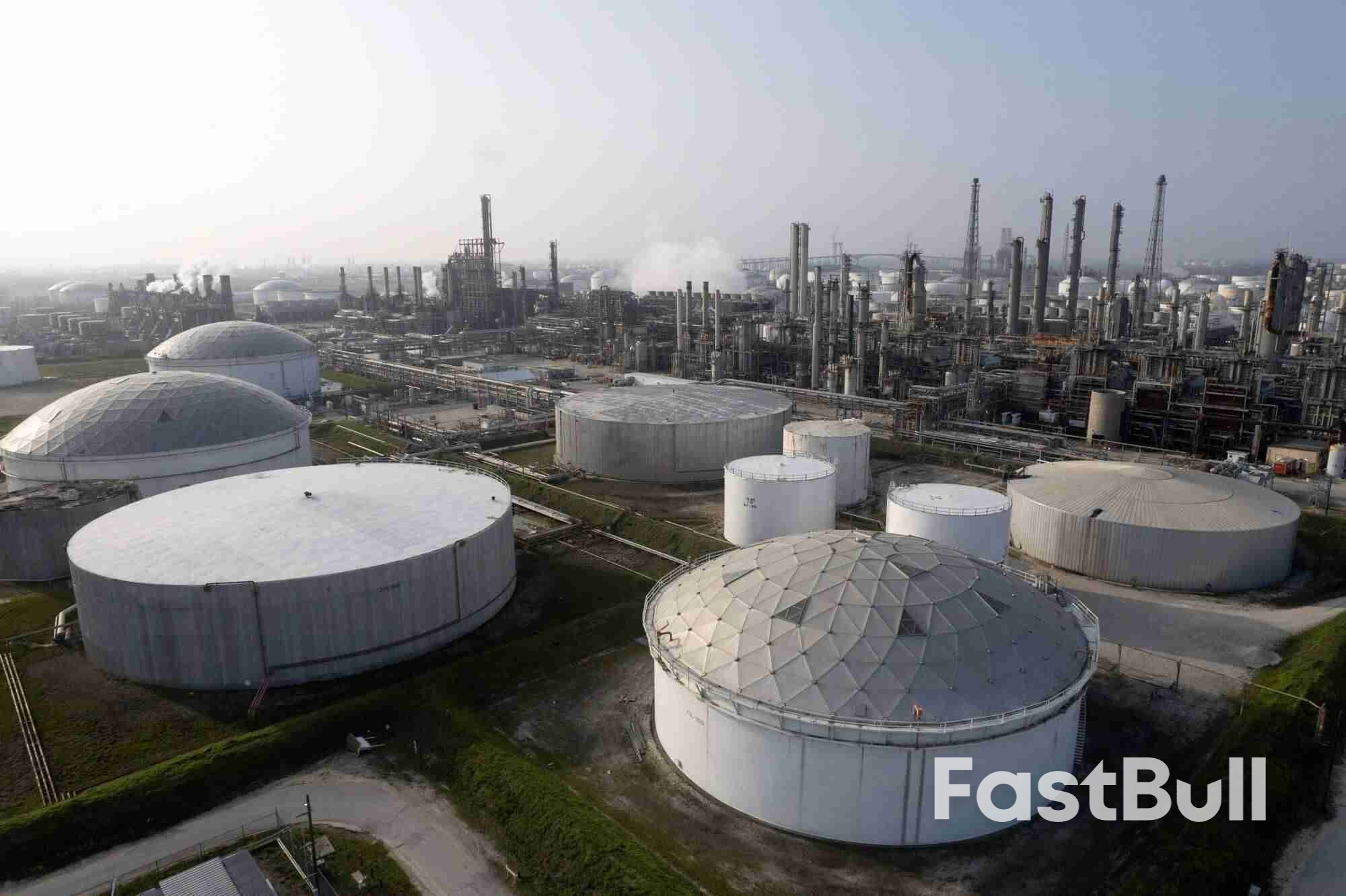
Oil futures sank as the escalating global trade war and the possibility that OPEC+ may halt output hikes flashed warning signs for energy demand.
West Texas Intermediate futures fell as much as 2.6% to trade below $67 a barrel after Bloomberg reported that the cartel is discussing a pause in further production increases from October. The early-stage deliberations are taking place as President Donald Trump unveils a new round of tariffs, including a 50% rate on Brazil, which sends some oil to the US.
Traders are probably interpreting the OPEC+ talks as a sign that “the market may not be able to cope with more oil,” said Ole Hansen, head of commodity strategy at Saxo Bank A/S. “We are potentially seeing the risk of an oversupplied market” once the peak demand period ends, he said.
The US-led tariff war has intensified in recent days, and Trump’s latest salvo of demands has overshadowed earlier deals with major trade partners including China and the UK, which had served to mollify investors. Now, the market is facing some of the highest tariff rates in US history, setting the stage for an uncertain period for global growth.
Oil has edged higher this week even after OPEC+ decided over the weekend to raise output by more than expected in August. Energy Aspects said it expects global oil demand to rise by less than 1 million barrels a day in the third and fourth quarters amid pressure from US tariff policies.
Director of Market Intelligence Amrita Sen said the consultant was “worried about the fourth quarter and into 2026 because tariff talks are back.”
Timespreads also show that perceptions of strength in physical market are waning. While WTI’s prompt spread — the gap between its two nearest contracts — is still in a bullish, backwardated structure, the differential narrowed to $1.28 from as high as $1.57 earlier this week.
Meanwhile, Houthi attacks in the Red Sea have sunk two cargo vessels and left multiple crew members dead. The escalation has notably failed to inject a risk premium into oil prices, with investors reluctant to buy on geopolitical developments after a standoff between the US and Iran spared energy infrastructure.
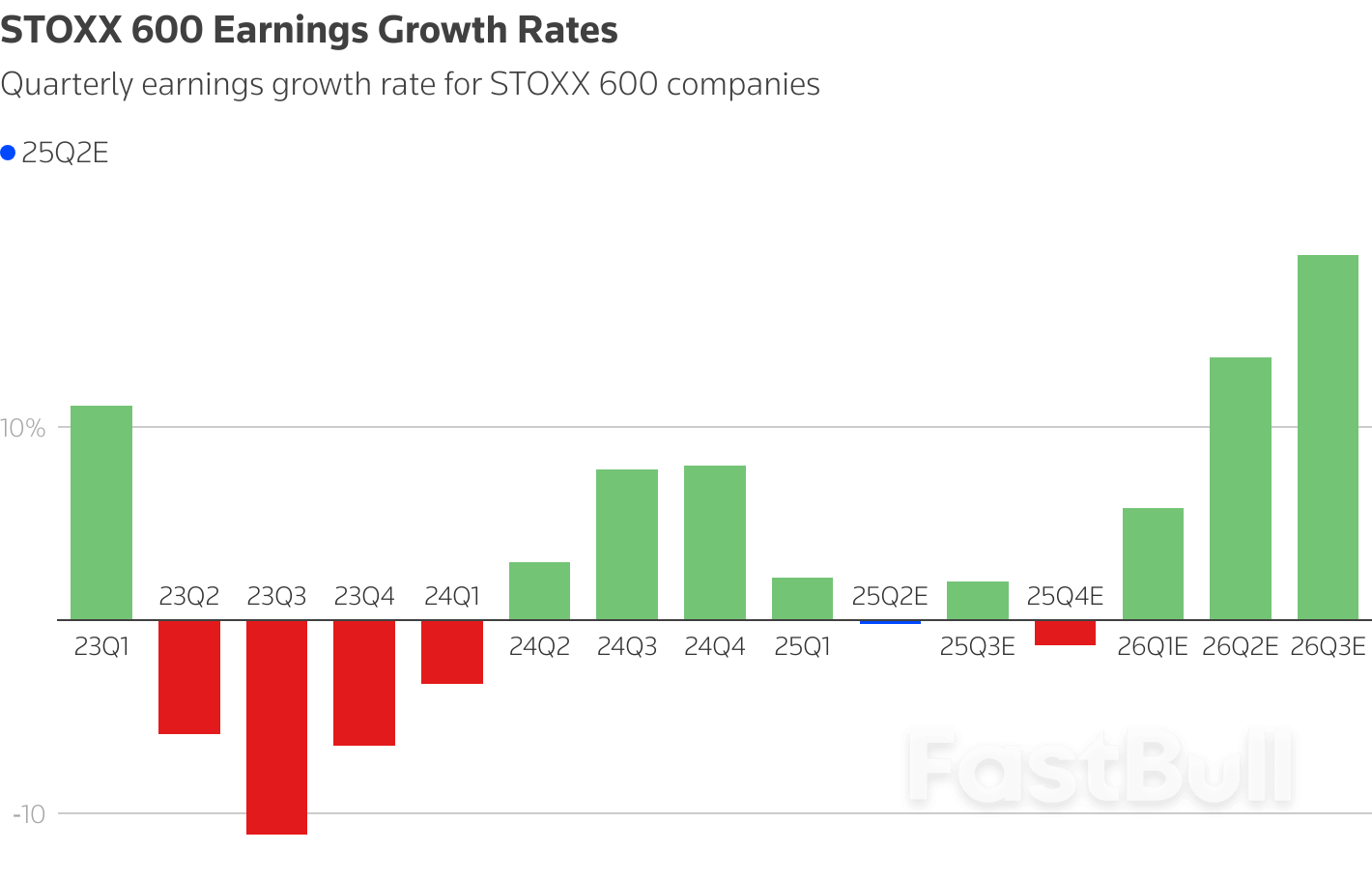
Brazil scrambled to respond to U.S. President Donald Trump’s announcement of 50% tariffs on Brazilian exports, with President Luiz Inacio Lula da Silva convening an urgent cabinet meeting on Thursday as officials worked to de-escalate the crisis.
Brazilian diplomacy "has always been available to the American government to seek a solution of greater partnership and greater understanding, as we have always done," Finance Minister Fernando Haddad told reporters on Thursday.
"I don't believe this situation will continue," he said, calling the tariffs announced by Trump on Wednesday "unsustainable."
Two government sources told Reuters that Lula is calibrating Brazil's response and is unlikely to announce concrete measures on Thursday. His chief of staff said the government is forming a working group to decide how to react.
While Lula said on Wednesday that Brazil would respond to any tariffs with reciprocal measures, the sources said diplomatic efforts were gaining traction within the government on Thursday.
The U.S. tariffs, slated to take effect on August 1, were tied by Trump to Brazil’s treatment of former President Jair Bolsonaro, who is standing trial before the country's Supreme Court under charges of plotting a coup to stop Lula from assuming office in 2023.
Haddad criticized Bolsonaro and Brazil’s far-right opposition for perpetuating claims of legal persecution against the former president. "This blow against Brazil, against national sovereignty, was orchestrated by extremist forces within the country," Haddad said. "Even the far right will have to admit sooner or later that it shot itself in the foot."
The U.S. is Brazil's second largest trading partner after China and has a rare trade surplus with world's top economic power.
The tariffs could have a significant impact on food prices in the U.S., experts say, with the South American agricultural powerhouse being a major seller of coffee, orange juice, sugar, beef and ethanol to the U.S., among other products.
Brazil's real weakened as much as 2% against the U.S. dollar in spot trading on Thursday, before paring some losses to trade down 0.7%. Benchmark stock index Bovespa slipped 0.7%, with planemaker Embraer and meatpacker Minerva among the biggest fallers.
Vietnam has become the third country (after the UK and China) to reach an agreement with President Donald Trump over the ‘reciprocal tariffs’ he announced on 2 April. Trump had originally imposed a 46 per cent tariff on Vietnamese exports to the US – the fifth highest figure announced on his ‘Liberation Day’. All those tariffs were suspended within hours but were due to be reimposed within 90 days (a deadline that has now been pushed to August 1).
Announcing the deal with Vietnam last week, Trump said that the US will instead impose a 20 per cent tariff on Vietnamese goods. A higher rate of 40 per cent will apply on any goods from Vietnam it considers to have been ‘trans-shipped’ – i.e. simply moved through Vietnam rather than being manufactured or assembled there. The Trump administration has previously accused Vietnam of trans-shipping Chinese goods into the US market, in effect concealing part of China’s trade surplus with the US.
The Vietnamese government has worked hard to reach an agreement with Washington. It has conducted well-publicized raids on sellers of counterfeit products to try to assuage Washington’s concerns over protecting intellectual property. Ministers have held multiple rounds of talks online, sent trade delegations to the US and pledged to buy billions of dollars’ worth of American products. Some reports even suggest Vietnam is considering buying American F-16 fighter jets, which would have been unthinkable even a few months ago in line with Hanoi’s long-held aversion to becoming dependent on Washington for strategic defence systems.
That said, all these purchases add up to a tiny fraction of Vietnam’s overall trade surplus with the US, perhaps $10 billion compared to a surplus in 2024 of $123 billion. According to President Trump, Vietnam has also pledged to cut all tariffs on imports from the US. This prompted him to declare that American-made SUVs ‘will be a wonderful addition to the various product lines within Vietnam’. While this seems optimistic given that many Vietnamese streets are too small for American cars, it is quite possible that Vietnamese government ministries might be told to ‘buy American’ for their next vehicle purchase to reduce the trade surplus a little more.
Vietnam has moved so fast to reach an agreement with Washington primarily because its economy depends on exports to the American market, and the country’s leadership knows it will be judged on its economic performance. The Communist Party of Vietnam (CPV) will hold its five-yearly Congress within a few months and its General-Secretary, To Lam, wants to be selected for another term in office. Keeping the country’s exports flowing to the US is a big win for him and his recently unveiled development strategy, which is firmly aimed at increasing economic growth.
To Lam’s strategy involves the embrace of the private sector, which was endorsed by the new Politburo in May. He has also largely ended the anti-corruption campaign initiated by his hard-line predecessor, which had hobbled the economy. This approach is intended to help catapult Vietnam into the ranks of ‘high income countries’ by 2045, the centenary of the Vietnamese Declaration of Independence, and avoid falling into the ‘middle income trap’ like most of its Southeast Asian neighbours.
To achieve this ambitious goal, Vietnam needs to sustain annual economic growth of at least eight per cent for the next 20 years. This will depend on maintaining very high levels of exports, particularly to the US and Europe.
At the same time, Vietnam is becoming more connected to Chinese-controlled supply chains. Vietnam’s economic growth has been driven in part by foreign firms building factories in the country to assemble products using components made in China. Historically, these assembly lines were owned by Japanese, Korean or Taiwanese firms. Increasingly, however, Chinese-owned companies are also setting up production in Vietnam.
There are three reasons for this. Firstly, corporations are seeking to mitigate the risks of having all their production in one country; secondly, they need to reduce their exposure to US tariffs on China; and thirdly, because it is made possible by Vietnam and China both being part of the huge 15-country free trade area known as the Regional Comprehensive Economic Partnership (RCEP).
For now, Vietnam’s major economic role globally is as an assembly line between Chinese producers and Western markets. This has rankled the Trump administration, which says China has trans-shipped products via Vietnam to avoid US tariffs. The higher tariff rate on trans-shipped products in the deal announced by Trump is intended to counter this. But exactly where the boundary lies between Vietnamese goods and trans-shipped goods will occupy trade negotiators, diplomats and customs officials for many months to come.
While the deal will certainly contribute to improved US–Vietnam relations it is unlikely to signal a major change in Vietnam’s foreign policy orientation. Hanoi cannot afford to antagonize either of its major partners. It needs the US as a market, but also relies on trade with, and political support from, China.
While Vietnam has developed close economic ties with the US, the CPV has remained wary of Washington’s political agenda. President Trump’s apparent lack of interest in promoting democracy abroad will help alleviate some of those fears, though some suspicion will inevitably remain.
China has been damaging its relations with Vietnam recently with aggressive moves in the South China Sea and it is possible that Hanoi could reach out to Washington for some assistance in defending its position. This was certainly the case during the 2010s. However, Vietnam will not be part of any potential American military efforts that specifically target China.
China will have mixed feelings about the US–Vietnam deal. Some of its companies and factories may benefit from continuing to route their production networks through Vietnam, but others may lose out from having their trans-shipment practices curtailed. Officials in Beijing may also be concerned about whether Hanoi has privately agreed other issues with Washington, such as greater security cooperation in the future. Hanoi will have to make full use of its communist party-to-party connections to reassure Beijing that it has not been flipped into the US camp.
There is also a role here for third parties. Vietnam risks becoming a casualty of the power competition between China and the US. European countries and others with an interest in a multipolar world and a liberal trading order can offer stability to Vietnam. But perhaps they could also start to ask for things in exchange.
Rather than reducing carbon emissions, Vietnam has been increasing the use of coal and gas-fired power stations and European manufacturers of, for example, clean energy generation technology have been blocked from the Vietnamese market by various non-tariff barriers. Vietnam is also failing to curb illegal migration to Europe. These issues are included in the EU and UK free trade agreements with Vietnam, and in other agreements on partnership and migration, but Vietnam is not upholding its side of the bargain. Perhaps it is time for Europeans to get tough too.
728 RM B 7/F GEE LOK IND BLDG NO 34 HUNG TO RD KWUN TONG KLN HONG KONG


White Label
Data API
Web Plug-ins
Poster Maker
Affiliate Program
The risk of loss in trading financial instruments such as stocks, FX, commodities, futures, bonds, ETFs and crypto can be substantial. You may sustain a total loss of the funds that you deposit with your broker. Therefore, you should carefully consider whether such trading is suitable for you in light of your circumstances and financial resources.
No decision to invest should be made without thoroughly conducting due diligence by yourself or consulting with your financial advisors. Our web content might not suit you since we don't know your financial conditions and investment needs. Our financial information might have latency or contain inaccuracy, so you should be fully responsible for any of your trading and investment decisions. The company will not be responsible for your capital loss.
Without getting permission from the website, you are not allowed to copy the website's graphics, texts, or trademarks. Intellectual property rights in the content or data incorporated into this website belong to its providers and exchange merchants.
Not Logged In
Log in to access more features

FastBull Membership
Not yet
Purchase


Log In
Sign Up


