• Trade
  • Markets
  • Copy
  • Contests
  • News
  • 24/7
  • Calendar
  • Q&A
  • Chats
Trending
Screeners
SYMBOL
LAST
BID
ASK
HIGH
LOW
NET CHG.
%CHG.
SPREAD
SPX
S&P 500 Index
6870.39
6870.39
6870.39
6895.79
6858.28
+13.27
+ 0.19%
--
DJI
Dow Jones Industrial Average
47954.98
47954.98
47954.98
48133.54
47871.51
+104.05
+ 0.22%
--
IXIC
NASDAQ Composite Index
23578.12
23578.12
23578.12
23680.03
23506.00
+72.99
+ 0.31%
--
USDX
US Dollar Index
98.880
98.960
98.880
98.960
98.730
-0.070
-0.07%
--
EURUSD
Euro / US Dollar
1.16529
1.16536
1.16529
1.16717
1.16341
+0.00103
+ 0.09%
--
GBPUSD
Pound Sterling / US Dollar
1.33275
1.33284
1.33275
1.33462
1.33136
-0.00037
-0.03%
--
XAUUSD
Gold / US Dollar
4208.92
4209.35
4208.92
4218.85
4190.61
+11.01
+ 0.26%
--
WTI
Light Sweet Crude Oil
59.384
59.414
59.384
60.084
59.291
-0.425
-0.71%
--

Community Accounts

Signal Accounts
--
Profit Accounts
--
Loss Accounts
--
View More

Become a signal provider

Sell trading signals to earn additional income

View More

Guide to Copy Trading

Get started with ease and confidence

View More

Signal Accounts for Members

All Signal Accounts

Best Return
  • Best Return
  • Best P/L
  • Best MDD
Past 1W
  • Past 1W
  • Past 1M
  • Past 1Y

All Contests

  • All
  • Trump Updates
  • Recommend
  • Stocks
  • Cryptocurrencies
  • Central Banks
  • Featured News
Top News Only
Share

GFZ - Earthquake Of Magnitude 5.45 Strikes Turkey

Share

Kremlin: India Buys Energy Where It Is Profitable To And As Far As We Understand They Will Continue To Do That

Share

Turkey's Main Banking Index Up 2.5%

Share

Turkey's Main BIST-100 Index Up 1.9%

Share

Hungary's Preliminary November Budget Balance Huf -403 Billion

Share

Indian Rupee Down 0.1% At 90.07 Per USA Dollar As Of 3:30 P.M. Ist, Previous Close 89.98

Share

India's Nifty 50 Index Provisionally Ends 0.96% Lower

Share

[JPMorgan: US Stock Rally May Stagnate Following Fed Rate Cut] JPMorgan Strategists Say The Recent Rally In US Stocks May Stall As Investors Take Profits Following The Anticipated Fed Rate Cut. The Market Currently Predicts A 92% Probability Of The Fed Lowering Borrowing Costs On Wednesday. Expectations Of A Rate Cut Have Continued To Rise, Fueled By Positive Signals From Policymakers In Recent Weeks. "Investors May Be More Inclined To Lock In Gains At The End Of The Year Rather Than Increase Directional Exposure," Mislav Matejka's Team Wrote In A Report

Share

Russian Defence Ministry: Russian Forces Take Control Of Novodanylivka In Ukraine's Zaporizhzhia Region

Share

Russian Defence Ministry: Russian Forces Take Control Of Chervone In Ukraine's Donetsk Region

Share

French Finance Ministry: Government Started Process To Block Temporarily Shein Platform

Share

Finance Minister: Indonesia To Impose Coal Export Tax Of Up To 5% Next Year

Share

[Trump Considering Fired Homeland Security Secretary Noem? White House Denies] According To Reports From US Media Outlets Such As The Daily Beast And The UK's Independent, The White House Has Denied Reports That US President Trump Is Considering Firing Homeland Security Secretary Noem. White House Spokesperson Abigail Jackson Posted On Social Media On The 7th Local Time, Calling The Claims "fake News" And Stating That "Secretary Noem Has Done An Excellent Job Implementing The President's Agenda And 'making America Safe Again'."

Share

HKEX: Standard Chartered Bought Back 571604 Total Shares On Other Exchanges For Gbp9.5 Million On Dec 5

Share

Morgan Stanley Reiterates Bullish Outlook On US Stocks Due To Fed Rate Cut Expectations. Morgan Stanley Strategists Believe That The US Stock Market Faces A "bullish Outlook" Given Improved Earnings Expectations And Anticipated Fed Rate Cuts. They Expect Strong Corporate Earnings By 2026, And Anticipate The Fed Will Cut Rates Based On Lagging Or Mildly Weak Labor Markets. They Expect The US Consumer Discretionary Sector And Small-cap Stocks To Continue To Outperform

Share

China's National Development And Reform Commission Announced That Starting From 24:00 On December 8, The Retail Price Limit For Gasoline And Diesel In China Will Be Reduced By 55 Yuan Per Ton, Which Translates To A Reduction Of 0.04 Yuan Per Liter For 92-octane Gasoline, 0.05 Yuan Per Liter For 95-octane Gasoline, And 0.05 Yuan Per Liter For 0# Diesel

Share

Tkms CEO: US Security Strategy Highlights Need For Europe To Take Care Of Its Own Defences

Share

USA S&P 500 E-Mini Futures Up 0.1%, NASDAQ 100 Futures Up 0.18%, Dow Futures Down 0.02%

Share

London Metal Exchange (LME): Copper Inventories Increased By 2,000 Tons, Aluminum Inventories Decreased By 2,500 Tons, Nickel Inventories Increased By 228 Tons, Zinc Inventories Increased By 2,375 Tons, Lead Inventories Decreased By 3,725 Tons, And Tin Inventories Decreased By 10 Tons

Share

Swiss Sight Deposits Of Domestic Banks At 440.519 Billion Sfr In Week Ending December 5 Versus 437.298 Billion Sfr A Week Earlier

TIME
ACT
FCST
PREV
France Industrial Output MoM (SA) (Oct)

A:--

F: --

P: --
France Trade Balance (SA) (Oct)

A:--

F: --

P: --
Euro Zone Employment YoY (SA) (Q3)

A:--

F: --

P: --
Canada Part-Time Employment (SA) (Nov)

A:--

F: --

P: --

Canada Unemployment Rate (SA) (Nov)

A:--

F: --

P: --

Canada Full-time Employment (SA) (Nov)

A:--

F: --

P: --

Canada Labor Force Participation Rate (SA) (Nov)

A:--

F: --

P: --

Canada Employment (SA) (Nov)

A:--

F: --

P: --

U.S. PCE Price Index MoM (Sept)

A:--

F: --

P: --

U.S. Personal Income MoM (Sept)

A:--

F: --

P: --

U.S. Core PCE Price Index MoM (Sept)

A:--

F: --

P: --

U.S. PCE Price Index YoY (SA) (Sept)

A:--

F: --

P: --

U.S. Core PCE Price Index YoY (Sept)

A:--

F: --

P: --

U.S. Personal Outlays MoM (SA) (Sept)

A:--

F: --

P: --
U.S. 5-10 Year-Ahead Inflation Expectations (Dec)

A:--

F: --

P: --

U.S. Real Personal Consumption Expenditures MoM (Sept)

A:--

F: --

P: --
U.S. Weekly Total Rig Count

A:--

F: --

P: --

U.S. Weekly Total Oil Rig Count

A:--

F: --

P: --

U.S. Consumer Credit (SA) (Oct)

A:--

F: --

P: --
China, Mainland Foreign Exchange Reserves (Nov)

A:--

F: --

P: --

Japan Trade Balance (Oct)

A:--

F: --

P: --

Japan Nominal GDP Revised QoQ (Q3)

A:--

F: --

P: --

China, Mainland Imports YoY (CNH) (Nov)

A:--

F: --

P: --

China, Mainland Exports (Nov)

A:--

F: --

P: --

China, Mainland Imports (CNH) (Nov)

A:--

F: --

P: --

China, Mainland Trade Balance (CNH) (Nov)

A:--

F: --

P: --

China, Mainland Exports YoY (USD) (Nov)

A:--

F: --

P: --

China, Mainland Imports YoY (USD) (Nov)

A:--

F: --

P: --

Germany Industrial Output MoM (SA) (Oct)

A:--

F: --

P: --
Euro Zone Sentix Investor Confidence Index (Dec)

A:--

F: --

P: --

Canada National Economic Confidence Index

--

F: --

P: --

U.K. BRC Like-For-Like Retail Sales YoY (Nov)

--

F: --

P: --

U.K. BRC Overall Retail Sales YoY (Nov)

--

F: --

P: --

Australia Overnight (Borrowing) Key Rate

--

F: --

P: --

RBA Rate Statement
RBA Press Conference
Germany Exports MoM (SA) (Oct)

--

F: --

P: --

U.S. NFIB Small Business Optimism Index (SA) (Nov)

--

F: --

P: --

Mexico 12-Month Inflation (CPI) (Nov)

--

F: --

P: --

Mexico Core CPI YoY (Nov)

--

F: --

P: --

Mexico PPI YoY (Nov)

--

F: --

P: --

U.S. Weekly Redbook Index YoY

--

F: --

P: --

U.S. JOLTS Job Openings (SA) (Oct)

--

F: --

P: --

China, Mainland M1 Money Supply YoY (Nov)

--

F: --

P: --

China, Mainland M0 Money Supply YoY (Nov)

--

F: --

P: --

China, Mainland M2 Money Supply YoY (Nov)

--

F: --

P: --

U.S. EIA Short-Term Crude Production Forecast For The Year (Dec)

--

F: --

P: --

U.S. EIA Natural Gas Production Forecast For The Next Year (Dec)

--

F: --

P: --

U.S. EIA Short-Term Crude Production Forecast For The Next Year (Dec)

--

F: --

P: --

EIA Monthly Short-Term Energy Outlook
U.S. API Weekly Gasoline Stocks

--

F: --

P: --

U.S. API Weekly Cushing Crude Oil Stocks

--

F: --

P: --

U.S. API Weekly Crude Oil Stocks

--

F: --

P: --

U.S. API Weekly Refined Oil Stocks

--

F: --

P: --

South Korea Unemployment Rate (SA) (Nov)

--

F: --

P: --

Japan Reuters Tankan Non-Manufacturers Index (Dec)

--

F: --

P: --

Japan Reuters Tankan Manufacturers Index (Dec)

--

F: --

P: --

Japan Domestic Enterprise Commodity Price Index MoM (Nov)

--

F: --

P: --

Japan Domestic Enterprise Commodity Price Index YoY (Nov)

--

F: --

P: --

China, Mainland PPI YoY (Nov)

--

F: --

P: --

Q&A with Experts
    • All
    • Chatrooms
    • Groups
    • Friends
    Connecting
    .
    .
    .
    Type here...
    Add Symbol or Code

      No matching data

      All
      Trump Updates
      Recommend
      Stocks
      Cryptocurrencies
      Central Banks
      Featured News
      • All
      • Russia-Ukraine Conflict
      • Middle East Flashpoint
      • All
      • Russia-Ukraine Conflict
      • Middle East Flashpoint
      Search
      Products

      Charts Free Forever

      Chats Q&A with Experts
      Screeners Economic Calendar Data Tools
      Membership Features
      Data Warehouse Market Trends Institutional Data Policy Rates Macro

      Market Trends

      Market Sentiment Order Book Forex Correlations

      Top Indicators

      Charts Free Forever
      Markets

      News

      News Analysis 24/7 Columns Education
      From Institutions From Analysts
      Topics Columnists

      Latest Views

      Latest Views

      Trending Topics

      Top Columnists

      Latest Update

      Signals

      Copy Rankings Latest Signals Become a signal provider AI Rating
      Contests
      Brokers

      Overview Brokers Assessment Rankings Regulators News Claims
      Broker listing Forex Brokers Comparison Tool Live Spread Comparison Scam
      Q&A Complaint Scam Alert Videos Tips to Detect Scam
      More

      Business
      Events
      Careers About Us Advertising Help Center

      White Label

      Data API

      Web Plug-ins

      Affiliate Program

      Awards Institution Evaluation IB Seminar Salon Event Exhibition
      Vietnam Thailand Singapore Dubai
      Fans Party Investment Sharing Session
      FastBull Summit BrokersView Expo
      Recent Searches
        Top Searches
          Markets
          News
          Analysis
          User
          24/7
          Economic Calendar
          Education
          Data
          • Names
          • Latest
          • Prev

          View All

          No data

          Scan to Download

          Faster Charts, Chat Faster!

          Download App
          English
          • English
          • Español
          • العربية
          • Bahasa Indonesia
          • Bahasa Melayu
          • Tiếng Việt
          • ภาษาไทย
          • Français
          • Italiano
          • Türkçe
          • Русский язык
          • 简中
          • 繁中
          Open Account
          Search
          Products
          Charts Free Forever
          Markets
          News
          Signals

          Copy Rankings Latest Signals Become a signal provider AI Rating
          Contests
          Brokers

          Overview Brokers Assessment Rankings Regulators News Claims
          Broker listing Forex Brokers Comparison Tool Live Spread Comparison Scam
          Q&A Complaint Scam Alert Videos Tips to Detect Scam
          More

          Business
          Events
          Careers About Us Advertising Help Center

          White Label

          Data API

          Web Plug-ins

          Affiliate Program

          Awards Institution Evaluation IB Seminar Salon Event Exhibition
          Vietnam Thailand Singapore Dubai
          Fans Party Investment Sharing Session
          FastBull Summit BrokersView Expo

          Keep Bullish on global stocks in 2022 (二)

          Summary:

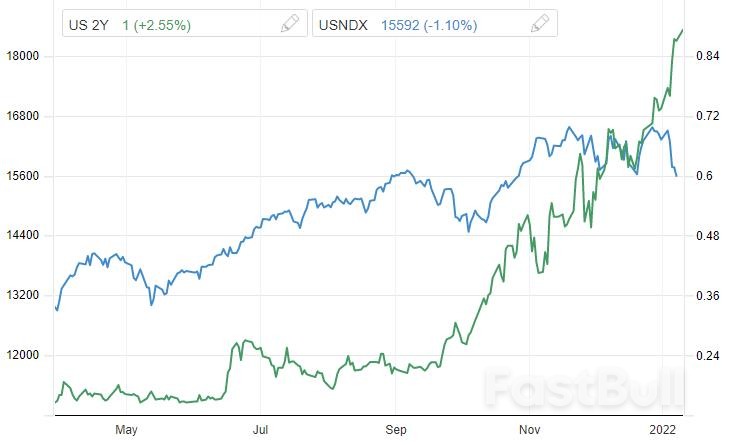
          To prevent the economy from recession as a whole, the Fed will still probably choose to raise interest rates, which may be late to cater for the market.
          Here is the related article Keep Bullish on global stocks in 2022 (一).

          Ⅲ Risk appetite remains positive

          The more adversity there is, the easier it is for the human community to gather its spirit. In the process of fighting the pandemic, the effectiveness of global pandemic prevention gradually emerged, and the smooth launch of vaccines, especially the steady progress of vaccination rates in developed countries, brought people hope of success in the fight against the pandemic.
          Over time, the accumulated experience in fighting the pandemic and the expectation of the normalization of the pandemic, coupled with the continued advancement of the global economic recovery, has led to a marginal decrease in the negative impact of the rebound of the pandemic caused by the new variant strains and a positive and optimistic psychological state.
          At the same time, persistently high financial asset prices are stabilizing investors’ confidence and boosting equity market participation, and global risk appetite continues to be exuberant.
          In addition, lockdown measures not only caused a reduction in the number of jobs, causing individuals looking for opportunities to increase their income in the stock market, but also reduced residential spending, which in turn allowed a portion of savings to flow to the stock market.
          Keep Bullish on global stocks in 2022 (二)_1

          Ⅳ Four forces supporting stock market continue to evolve and influence each other

          4.1 The pace of global tightening is accelerating

          The Fed has abandoned the theory of “transitory inflation”, accelerated the tapering of asset purchases, given a more aggressive dot plot of rate hikes, and has begun discussions on tapering.
          Although at this stage the Fed has given clear guidance on the pace of contraction, it has also further emphasized the policy tone of discretionary approaches, and the economic recovery process and high inflation may accelerate the policy frequency. In the context of the continuation of inflation and monetary tightening, the stock market may face an overall valuation shrinkage.

          4.2 Asset allocation will remain in favour

          Along with the huge scale of stimulus policies during the pandemic, global debt levels rose.
          According to the latest IMF data, global debt rose by 28 percentage points in 2020 and has reached $226 trillion, accounting for 256% of global GDP. With government bonds' hedging function reduced by high debt levels, commodity prices have largely completed their topping out, and real estate investment is contracting further, equity markets are expected to continue to gain favour in 2022 for large asset class allocation.

          4.3 New economy track continues to gain momentum

          In the post-pandemic era, the new supply shock accelerates the new economic industrial revolution, and the metabolism and differentiation between the old and new tracks will continue to expand.
          The application of technological innovation and digital technology will continue to strengthen the advantages of the new economy industry, continuously give rise to new economy enterprises sprouting, and the increasingly rich new economy industry forms will further add to the endogenous economic growth momentum.

          4.4 Optimism continues to prevail

          The increasing proportion of vaccination and the launch of potent drugs brings hope to the global unblock, which will further enhance optimism.
          From the perspective of assets, factors of production are expected to flow smoothly, supply chains may be repaired quickly, and corporate earnings are expected to turn better, which will help boost investors' confidence; from the perspective of personal life, the stabilization of the labour market may increase residents' income, and the end of the pandemic blockade is expected to restore order in daily life, which will help people relax.

          Conclusion

          With 2022 being the third year of the U.S. economic cycle, tightening monetary policy is natural.
          Since interest rates are now at a rather extreme and historically low position; on the other hand, with the mid-term elections in 2022, and the general election in 2024, the Fed will be cautious in making decisions to raise interest rates. If interest rates are raised too aggressively, it will inevitably trigger a recession.
          To prevent the economy from recession as a whole, the Fed will still probably choose to raise interest rates, which may be late to cater for the market.
          This will benefit the global stock market.
          Risk Warnings and Disclaimers
          You understand and acknowledge that there is a high degree of risk involved in trading. Following any strategies or investment methods may lead to potential losses. The content on the site is provided by our contributors and analysts for information purposes only. You are solely responsible for determining whether any trading assets, securities, strategy, or any other product is suitable for investing based on your own investment objectives and financial situation.
          Comments
          Add to Favorites
          Share

          Why Did The Double Killing Of Stocks And Bonds Follow After The “Weak Non-Farm Payrolls”?

          Winkelmann
          In the first week of the new year, from the U.S. stocks to U.S. bonds, have experienced a sell-off storm, especially technology stocks as the representative of the Nasdaq index, down huge. The yield of U.S. bonds also soared due to the massive sell-off of U.S. bonds, which naturally can not be separated from the impact of the Fed rate hike heating up. Even the non-farm payrolls shock last Friday did not stop the wave of double killing of stocks and bonds.Why Did The Double Killing Of Stocks And Bonds Follow After The “Weak Non-Farm Payrolls”?_1

          December Non-Farm Payrolls Mixed

          According to data from the U.S. Department of Labor, non-farm payrolls seasonally adjusted added just 199,000 in December, the smallest gain since last January and well below expectations of 400,000. The cumulative increase in employment since last April’s trough was 18.8 million, but still 3.6 million below the pre-pandemic period in February 2020.
          Such a weaker-than-expected non-farm payrolls figure was particularly disappointing after the ADP employment number was a big hit. Some analysts said that U.S. job growth was lower than expected in December, mainly due to labour shortages, with rising COVID-19 cases driven by Omicron disrupting economic activity and job growth likely to remain moderate in the short term.
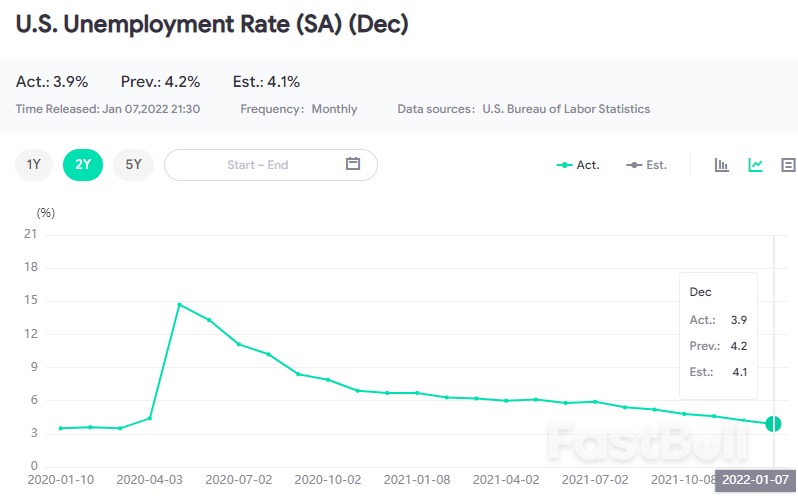
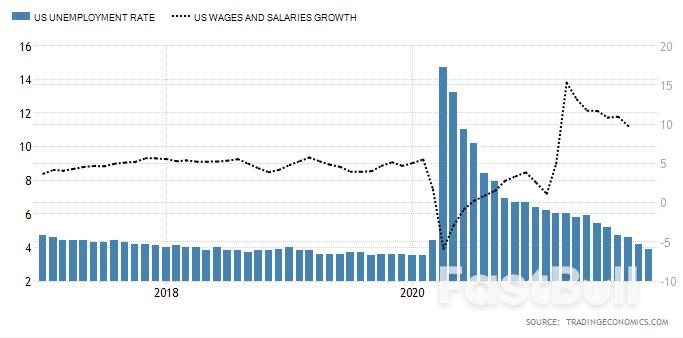
          Despite this, the U.S. job market is improving and the pandemic has not improved as expected, but employment is still performing well as we close out 2021. If you look closely at the household survey data, this was a very strong employment report. in December, the U.S. unemployment rate fell by 0.3% to 3.9%, significantly lower than the 4.1% expected. The number of unemployed also fell by 483,000 to 6.3 million.
          Financial website Fxstreet said that job growth did come in below expectations in December, but economic easing indicators such as the unemployment rate, the U6 underemployment rate and the participation rate all showed further improvement, while the labour force participation rate was steady at 61.9%, indicating an overall expansion in the size of the labour force. And wage growth was also stronger than expected, rising 0.6% quarter-on-quarter and 4.7% year-on-year. This suggests that labour force figures are determined by supply rather than demand, with some jobs still in short supply and wages having to be raised to attract labour, which further proves that the labor market is tight.Why Did The Double Killing Of Stocks And Bonds Follow After The “Weak Non-Farm Payrolls”?_2
          That said, with the current pandemic preventing workers from re-entering the labour market, the existing labour supply appears to be at or near full capacity and such a jobs report largely satisfies the Fed’s "full employment" condition for a rate hike, while the expected rise in interest rates is a double whammy for the stock and bond markets.

          The "Wage-Price" Spiral Is Taking Shape And Inflation Control Is A Matter Of Urgency

          In fact, the U.S. also faces the risk of a "wage-price" spiral, with rising wages and a tendency for firms to pass on labour costs and raise prices of end-use goods in order to maintain profits. At the same time, workers with higher incomes will expand consumer demand, further pushing up prices. Rising wages and falling unemployment have raised concerns that inflation may be higher and longer, with the market even expecting the U.S. CPI to exceed 7% in December.
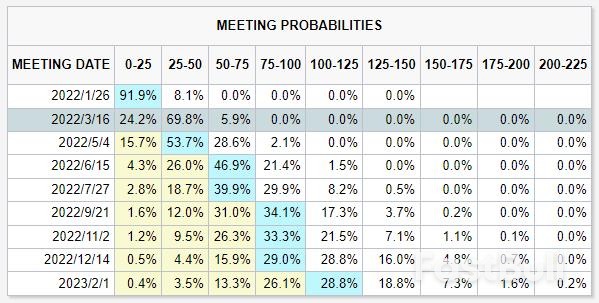
          The Fed is expected to remain strong in the short term, and market expectations for a rate hike at the March 2022 FOMC meeting have risen further to 75.8%. According to the latest CME “Fed Watch” tool, the probability of maintaining interest rates in the 0%-0.25% range in March is 24.2%, the probability of a 25 BP hike is 69.8%, and the probability of a 50 BP hike is 5.9%. And the probability of a rate hike in June is even higher at 95.7%, up more than 4 percentage points from a week ago.Why Did The Double Killing Of Stocks And Bonds Follow After The “Weak Non-Farm Payrolls”?_3
          In addition, the minutes of the Fed’s December meeting showed that the participating members of the committee felt that the current economy was stronger, inflation was higher and the labour market was tighter compared to the last normalisation of monetary policy. There was also an initial discussion on the sequence of interest rate hikes and tapering, with almost all participants believing that it would be appropriate to start tapering after the first rate hike.
          Along with the rapid rise in U.S. bond yields and the dollar, inflation expectations and rate hike expectations are picking up, also showing that markets (especially bond markets) are starting to worry about Omicron propagation leading to a longer global supply-demand mismatch, which could exacerbate inflationary pressures. In particular, following the release of the December 2021 Fed minutes, U.S. stocks also began to reflect concerns about tightening, with tech stocks falling more significantly.

          Conclusion

          In short, with mixed data on new jobs and unemployment, a shift in the Fed’s policy path is hardly likely to occur easily. With interest rate hikes and tapering gradually looming, U.S. bond yields have spiked and real yields have risen, which is clearly detrimental to U.S. stocks running at high levels. Growth stocks, which have performed better in previous easing environments, have borne the brunt of pullbacks when the policy is tightened.
          Risk Warnings and Disclaimers
          You understand and acknowledge that there is a high degree of risk involved in trading. Following any strategies or investment methods may lead to potential losses. The content on the site is provided by our contributors and analysts for information purposes only. You are solely responsible for determining whether any trading assets, securities, strategy, or any other product is suitable for investing based on your own investment objectives and financial situation.
          Comments
          Add to Favorites
          Share

          Top 5 Predictions for the Future of Crypto in 2022

          2021 was the most monumental year in the history of cryptocurrency as it finally hit the mainstream. It wasn’t just that some tokens made massive gains, with the likes of Bitcoin rising by 60%, Ethereum up more than 400% and Binance Coin gaining an impressive 1,300%. Rather, it was the major adoption of crypto by institutional investors, big companies and even countries, with El Salvador embracing Bitcoin as legal currency, plus the innovation and integration we saw in the DeFi, NFT and Metaverse spaces.
          Add to that the embrace of crypto by multiple well known personalities such as Elon Musk and Eminem, and we have dozens of reasons to argue why 2021 was the biggest year ever. So what follows in 2022?
          One thing is certain, crypto has a tough act to follow and while no-one is predicting a 2018-style meltdown, the reality is that the market may struggle to match last year’s stunning gains. That said, there are still plenty of bright spots in the crypto space that are worth keeping a close eye on as we head into the new year.

          1. DeFi to provide more financial inclusion and opportunity

          The decentralized finance space, which enables financial products without relying on intermediaries such as banks, showed it has real legs in 2021. With adoption growing across the space, it’s expected that by March of this year, DeFi contracts will have a combined value of $41 billion. So 2022 is shaping up to be a seminal year for hundreds of emerging DeFi dApps.
          DeFi is growing not only because it provides true financial freedom for its users and banks the unbanked. It also provides real investment opportunities for millions. One of the most popular fields of DeFi investing is yield farming, which incentivizes crypto asset holders to secure decentralized networks. One of the most popular DeFi apps in that regard is Compound Finance Protocol, which lets users provide liquidity in a variety of liquidity pools so long as they have an Ethereum wallet, earning rewards consistent with its basic principles.
          DeFi also opens up the possibility of more complex, and potentially more rewarding financial instruments. Take Synthetix, which issues synthetic assets in the form of ERC-20 smart contracts that track and provide returns on crypto assets without needing to hold said token. Similar to that is SynFutures, which makes it possible to synthesize and freely trade Ethereum-based cross-chain and off-chain assets. SynFutures works through a Synthetic Automated Market Maker, so users only need to hold one asset among trading pairs, with a smart contract synthesizing the other.
          The beauty of such DeFi apps is they enable exposure to assets that investors cannot access and potentially make sizable gains if they’re able to predict market movements.

          2. NFTs continue to capture the imagination

          Non-fungible tokens came under the spotlight in 2021 as their total sales volume surpassed $20 billion. A number of big-ticket items led the way, with a single JPG made by the artist Beeple selling for a record $69 million, and dozens of other multi-million sales of Bored Ape Yacht Club and CryptoPunks NFTs.
          While the euphoria and eye-watering price tags of NFTs may start to fade, there’s no doubt NFTs are here to stay. Fact is, they have too many potential use cases, ranging from gaming to the arts, real estate and the tokenization of assets. The benefits for those who adopt NFTs are clear too, with artists and musicians for example able to build automated royalties into the resale of their creators. Real estate sellers, meanwhile, can expand their horizons to millions of buyers by using NFTs to fractionalize property ownership.
          It means there’s a bright future not only for NFTs, but also for the marketplaces that sell them. At present the clear leader in the space is OpenSea, which captured more than 60 percent of the total sales registered in 2021. But keep an eye out for more decentralized platforms such as Infinity to increase in popularity. Infinity is a decentralized NFT marketplace that aims to improve on OpenSea by better representing and incorporating the needs of the community. Infinity is aiming to evolve towards a direct governance model in partnership with Common Protocol, while also making it easier to list NFTs and do so at lower cost, simply charging a 1.5 percent transaction fee that goes to its community-controlled treasury.

          3. The year that shapes the Metaverse

          The interactive nature of the Metaverse as a facilitator of social interaction, recreation, commerce, business, gaming and education, to name just a few, will ensure it grows to become a much bigger part of our culture and the economy in 2022.
          The idea of the Metaverse, a digital realm that combines technologies such as VR, AR and video, where people interact with digital avatars, has great promise. It will usher in an age of greater overlap between our digital and physical lives, streamlining connectivity and making each of our online interactions more realistic.
          While Mark Zuckerberg has been one of the most vocal proponents of the Metaverse, it won’t be Facebook that dominates it. Rather, it will be the truly decentralized metaverses that capture the imagination of the masses. We’re talking of worlds such as The Sandbox and Decentraland, where dwellers of those virtual universes are able to secure the rights to digital plots of land through NFTs. Play-to-earn gaming is another hot Metaverse prospect, with DEA creating an entire virtual culture based on its Play Mining platform, where users can explore new worlds, battle and complete tasks, collect in-game resources and then trade these with other players.
          The Metaverse might still be in its infancy and no one really knows what it will ultimately look like or how much it will influence how we interact with technology. Nonetheless, 2022 will be the year that lays the groundwork for the Metaverse and its evolution over the next decade, shaping how the masses will go about working, relaxing, gaming and socializing in the virtual space.

          4. Web3 to grow more legs

          The convergence of DeFi, NFTs and the Metaverse is leading to the creation of a Web3 ecosystem and all the signs suggest 2022 may be the year it truly arrives.
          Web3 is the next evolution of the internet, which began with the static Web1 that was best represented by the likes of Netscape and AOL. Then came Web2, which was far more engaging but dominated by massive corporations like Google and Facebook. With Web3, we will see an internet that’s fully decentralized and permissionless, where users gain control of their data.
          One of the main catalysts of Web3 will, again, be play-to-earn gaming, where users can earn and trade NFTs to make money from playing games. P2E gaming has already hit the big-time, as evidenced by Axie Infinity and its user base of over 2 million monthly active players, as well as Solana, which has amassed a $150 million Web3 gaming fund.
          Web3 is not only about gaming though. Other applications include Siacoin, a decentralized cloud storage platform and marketplace that works by encrypting and distributing files across its network. Siacoin allows users to control their private encryption keys, thus owning their data, unlike with traditional cloud storage.
          Then there’s Lum Network, which aims to revolutionize the world of product reviews by providing incentives for companies to reward people who take the time to write an honest review, no matter if it’s positive or negative. Lum Networks does this with its blockchain-based decentralized reward system, which allows anyone to check its immutable records and confirm that a consumer who left a 1-star review received the same reward as someone who left a 5-star verdict. It works by paying out rewards based on the quality of the reviews as opposed to how many stars are given.

          5. DAOs to collaborate for the good of their communities

          Decentralized autonomous organizations, known as DAOs, had a banner year in 2021, rapidly emerging as community led organizations structures for a range of purposes, be it investing, fundraising, managing tokenized assets and transparent governance.
          DAOs are really an alternative to the traditional board structure of large companies and provide a new way for crypto companies to go public. Some of the most popular DeFi apps, including Uniswap and MakerDAO, are governed by DAOs, which enable a mechanism for treasury management and protocol development through blockchain-based smart contracts.
          Some of the most popular DAOs exist to invest. Take BitDAO, which invests in DeFi projects and currently has more than $3 billion worth of assets in its treasury, according to its website. Another example is PleasrDAO, which was formed by NFT collectors, digital artists and DeFi leaders to buy Pplpleasr’s Uniswap V3 NFT. It has since acquired many more digital artworks, and in June was able to secure a $3.5 million loan using some of its high-value NFTs as collateral.
          GoodDollar is an up and coming DAO that has been set up to convince other DAOs to take on more social responsibility by supporting Universal Basic Income distribution. The December launch of GoodDollarV2 provides a new standard for UBI distribution. It works by leveraging yield farming and liquidity mining rewards to enable the sustainable generation of capital flow towards the protocol, providing crypto-based UBI for the entire community.
          It’s an initiative that’s likely to gain steam, because as 2021 has shown, the idea of specific purposes and identity-based DAOs that have the interest of their community at heart has already caught on. As we enter 2022, we can expect to see more DAOs increase their collaboration as they act for the good of their communities.

          Source:coinquora.com

          Risk Warnings and Disclaimers
          You understand and acknowledge that there is a high degree of risk involved in trading. Following any strategies or investment methods may lead to potential losses. The content on the site is provided by our contributors and analysts for information purposes only. You are solely responsible for determining whether any trading assets, securities, strategy, or any other product is suitable for investing based on your own investment objectives and financial situation.
          Comments
          Add to Favorites
          Share

          2022's Emerging Macro Trend: Focus on Micro

          Although not because of the shorter days or freezing rain or the post holiday blues, I don't like January. Since if you’re in the financial “strategery” game as I am, expectations are sky-high. This is when you are supposed to earn your keep, either making ridiculously precise predictions about the Russell 3000 Value Index or opining sagely on humanity’s prospects as the world order comes unglued.
          The first is far too specific for anyone to take the guess seriously; the second is much too broad for any answer to be meaningful. And as the recovery continues, the macroeconomic shifts this year will be significantly less dramatic than the Covid shocks and policy responses over the last two. This means investment returns will depend more on choosing the right parts of the capital structure of the right companies than trying to predict the number of rate hikes or the price of oil.
          Even for someone who does macro for a living, it’s shaping up to be a year of micro choices.
          New Covid variants will likely emerge throughout 2022, but we will manage them better. The Fed will tighten a few times, but will still err on the side of loose policy as inflation pressures ease. The world’s richest governments will post smaller deficits, but still spend generously. China will slow, but authorities will ensure economic health as the National Congress of the Chinese Communist Party convenes. Most emerging markets, at least where their leaders don’t defy the laws of economics, should finally benefit from vaccines and the global trade recovery.
          Will U.S. equities deliver another 27%? Unlikely. Will copper rise 25% again (on top of 26% the year before)? Highly unlikely. Will the Baltic Dry Index of commodity freight rates spike 62% amid supply chain woes? Almost certainly not.
          The real market action this year will not come from big moves in the dollar or treasuries or oil. The best investments will be in companies that look resilient amid much larger trends that will shape profits over the next decade.
          Even after the surge in pandemic support, government spending and debt look certain to rise amid pressures to redress inequality and pay the costs of climate transition. Savvy firms will angle for ways to benefit from this increased fiscal largesse, whether in tuition subsidies, bridge contracts, or electric vehicle charging stations. The really smart managements will be careful to not overstretch balance sheets in case rising government debts start driving up everyone’s borrowing costs.
          The changing climate itself is shifting relative prices of everything from food and land to energy and insurance. Of the $2 trillion in U.S. natural disaster costs since 1980, one-third have come in the last five years. The best investment targets will be those firms with their own climate strategies. This is more than just a commitment to a “net zero” emissions target; it means understanding how profit margins may expand or shrink from what is shaping up to be a comprehensive rearrangement of economic activity over the next several years.
          Then there’s technology. It’s hard to name a sector where the combined power of cheap data storage, mobile data networks, and artificial intelligence won’t bring enormous profits to the companies that understand how best to employ them. The Industrial Internet is already delivering productivity gains in manufacturing, while the disruption from decentralized ledgers is only just coming into view for global finance. Choosing the winners will be hard, but the clear losers are those that aren’t yet thinking carefully about these changes.
          People are changing, too. We are at the first moment in human history when the population over 64 outnumbers children under 5. This carries implications for the balance of saving and investment, the productivity of workers, and the mix of final demand. The pandemic has already delivered significant changes to work and travel patterns, and an aging population will bring even more.
          Finally, as always, global politics will matter, and rising tensions between the world’s two largest economies affects many bottom lines directly. Washington and Beijing will deploy even more tariffs, regulations, sanctions, and export controls on each other’s companies. There will be fresh opportunities as each country turns more inward, but any firm with a supplier or a customer in both jurisdictions will need to have a backup plan.
          The world is divided into “hedgehogs” and “foxes,” in the words of the great British philosopher Isaiah Berlin. Hedgehogs “know one thing” and view the world through a single defining idea, while foxes “know many things,” applying a range of experiences differently as circumstances require. To the chagrin of those of us who like to think in terms of unifying financial principles and elegant macroeconomic frameworks, the year ahead is shaping up to be a good time to be a fox.
          Investment strategies for 2022 will require lots of pencil sharpening and tire-kicking to vet individual business models for their ability to grow and thrive amid these broader transformations.

          Source: Christopher Smart, 2022’s Emerging Macro Trend: Focus on Micro, Barron's

          Risk Warnings and Disclaimers
          You understand and acknowledge that there is a high degree of risk involved in trading. Following any strategies or investment methods may lead to potential losses. The content on the site is provided by our contributors and analysts for information purposes only. You are solely responsible for determining whether any trading assets, securities, strategy, or any other product is suitable for investing based on your own investment objectives and financial situation.
          Comments
          Add to Favorites
          Share

          Keep Bullish on global stocks in 2022 (一)

          Here is the related article Keep Bullish on global stocks in 2022 (二)
          According to the IMF's projections, 84% and 53% of the world's economies will have total GDP below the pre-pandemic level in 2020 and 2021, respectively, and global inflation is rising, with the risk of "stagflation" beginning to emerge; however, the global stock market is bucking the trend, with the MSCI Global Index rising 16.8% in 2021 and 16.8% in 2019-2020. The MSCI Global Index, MSCI Developed Markets Index and MSCI Emerging Markets Index soared by 65.7%, 71.5% and 27.5%, respectively, from 2019-2021.
          The divergence between the economy and the stock market profoundly reflects the complexity of the macroeconomy. The abundance of global liquidity, preferences for broad asset class allocation, the rise of new economies and investors’ optimism together constitute the causes of the short-term boom in capital markets, and changes in these factors will continue to have an important impact on future market operations.
          Keep Bullish on global stocks in 2022 (一)_1

          Ⅰ Abundant capital pushed up global stock markets

          At the beginning of the pandemic, the global supply chain was nearly broken due to the isolation and lockdown measures, and economic growth was once put on hold, with the global economy falling by 3.1% in 2020, according to IMF data.
          In response to the economic downturn, major economies have generally adopted a combination of accommodative monetary policy and stimulative fiscal policy in an attempt to boost the economy.

          1. The United States

          Since February 2020, the U.S has launched more than $9 trillion economic stimulus package, more than 40% of the total GDP of the United States in 2020 and nearly five times than what it paid to deal with the financial crisis in 2008, specifically, $19,000,000.

          2. The United Kingdom

          In 2020, the UK has launched fiscal stimulus measures of more than 280 billion pounds and the total fiscal support is more than 400 billion pounds in 2021.

          3. Japan

          In 2020 and 2021, Japan has launched economic stimulus packages of 108 trillion yen and 78.9 trillion yen, respectively.
          The large scale and frequent stimulus measures in countries around the world have significantly increased market liquidity, making asset prices rally and pushing up global stock markets.

          II Preferences for equity markets in assets allocation

          Along with the macroeconomic environment and rate changes, global capital from the fixed-income market withdrawal, and instead, significantly rush into the commodity market and equity markets.
          The bond market ended the overall strength of the past decade and the market trend slowed down, with the Bloomberg Berkley Global Bond Composite Index return falling 4.7% in 2021. The global institutional investor asset allocation structure has changed significantly, with more market liquidity injected into equity markets. According to the Bank of America report, more than $1 trillion will flow into global equity markets in 2021, more than the last 20 years combined.
          The rise of the new economy has enriched investment targets, and the spread of pandemic has accelerated the structural transformation of the economy.
          On the one hand, the pandemic hit the traditional economic model. For example, the offline service industry was hit hard by the quarantine blockade policy; on the other hand, the pandemic also brought opportunities for innovative business, for example, online service platforms such as remote collaboration and mobile platforms gained more new application scenarios.
          New economy companies are springing up, creating a large amount of demand for investment and financing, and injecting new vitality into the capital market. Sectors such as information technology, media and telecom, healthcare and life sciences and industrial markets are prominent performers, accounting for nearly 70% of the total IPO market capital raised in the U.S., Hong Kong and A-share in 2021.
          The U.S. SPAC listing mechanism also achieved breakthrough growth during the pandemic, with 248 listings in 2020, raising a total of US$83.3 billion, far more than the sum of the last three years; in 2021, it remains at the strong end, with more than 500 listings and more than US$140 billion in capital raised.
          The market value of new economy companies listed in Hong Kong in 2021 has reached HK$14 trillion, accounting for 27% of the market value of the entire Hong Kong market. The rapid growth of new economy companies nurtured by the capital market has renewed new dynamics of economic growth, optimized the structure of economic fundamentals, and consolidated the material foundation of stock market prosperity.
          Risk Warnings and Disclaimers
          You understand and acknowledge that there is a high degree of risk involved in trading. Following any strategies or investment methods may lead to potential losses. The content on the site is provided by our contributors and analysts for information purposes only. You are solely responsible for determining whether any trading assets, securities, strategy, or any other product is suitable for investing based on your own investment objectives and financial situation.
          Comments
          Add to Favorites
          Share

          China's Property Market Supply Seen Rising At the End Of 2021, Property Investment May Bottom Out In Q2 2022 (II)

          Related Article: China’s Property Market Supply Seen Rising At the End Of 2021, Property Investment May Bottom Out In Q2 2022 (I)

          2. The Continuation Of Low Tide State At The Beginning Of New Year

          2.1 The Overall Trend Shows "First Rise And Then Fall" Pattern, Real Estate Enterprises Continue to Differentiate

          Data from CREIS shows that the cumulative increase in new home prices in 100 cities in the first half of 2021 was 1.7%, an expansion of 0.43 percentage points over the same period in 2020, while the cumulative increase in second-hand house prices was 2.56%, a high level for the year. The scale of transactions also increased significantly, with the average monthly area of commercial house transactions in the key cities it monitored increasing by 45% year-on-year.
          But in the second half of the year, along with regulatory policies and the continued tightening of the credit environment, the traditional peak season "Golden Sept & Silver Oct" for housing sales has been missed, 100 new housing prices in the first half of the year narrowed 0.97 percentage points, the average monthly area of new commercial house transactions in key cities fell by more than 20% year-on-year, the volume of prices has turned bleak.
          In February last year, with the "Two Concentrations" policy being implemented, the first round of land auction transactions heated, in April 2021 300 cities’ land average premium rate reached 23.6%, a record high in the past two years, May-June land transactions amounted to more than 7 trillion. But since July, the land market had cooled off significantly, with the average premium rate dropping sharply and the average premium rate less than 3% since the fourth quarter.

          2.2 Intensive Real Estate Policies

          Influenced by the "two concentrations" of land supply overlaid with the "three red lines" and real estate loan concentration policies, the financing environment for real estate enterprises continues to tighten, and some enterprises have defaulted on their debts. In this context, the fourth quarter policy continues to release stabilization signals, on December 10, 2021, China's central economic work conference stressed the need to strengthen the guidance of real estate market expectations, explore new development models, and promote the benign cycle and healthy development of the real estate industry based on city policies.
          On the same day, the China Dealers Association also said at a symposium for representatives of real estate enterprises that it would focus on supporting enterprises that comply with real estate regulation and control policies to register and issue debt financing instruments with medium and long-term limits, with the funds raised being used preferentially for real estate projects or equity acquisitions of assets and other aspects.
          Previously, the China Banking and Insurance Regulatory Commission also said that under the premise of implementing prudent management of real estate finance, it would guide banks and insurance institutions to do a good job in financial services for the real estate and construction industry, and reasonably issue real estate development loans and M&A loans.

          2.3 The Low Tide State Still Needs Improvement

          During the New Year's Day period in 2022, the transaction area of new commercial house units in CREIS key monitored cities dropped 42% year-on-year, among which the transaction scale in first-tier cities decreased by more than 20%, and the representative cities of second, third and fourth tier decreased by more than 60%, with insufficient motivation to purchase houses in the market and strong wait-and-see sentiment.
          Although the financing situation of real estate enterprises has improved, the current institutional financing is still biased towards real estate enterprises with better financial status, and the financing volume in December is still low in the year. Annual gross financing volume in 2021 of the 100 typical real estate enterprises monitored by CRIC reached 130.38 billion yuan, a significant decline of 26% year-on-year, the first negative growth in financing volume in the past five years.
          "The current market rebound is moderate, fragile and fragmented, mainly due to marginal improvement brought by policy correction", said the chief market analyst of Beike Research Institute, "the current housing prices are still falling, market expectations are still at a low position, and despite the slight improvement in land acquisition, it is still state-owned enterprises, central enterprises and local urban investment that are holding the bottom, and the situation of the low tide has not improved yet."

          3. 2022 May be A New Start of New Cycle At a Stable Growth

          "Loosening the financing so that risks can be mitigated."
          Mortgage loans have now increased for 2 consecutive months, and mortgage rates have also fallen for 3 consecutive months. Development loans are expected to improve subsequently, especially in the low inventory phase. Considering the leading role of financing, the overall risk and operating conditions of real estate enterprises are expected to improve, and real estate investment is expected to bottom out in the second quarter and then rebound.
          The "darkest moment" for real estate financing has passed, and credit issuance will be gradually strengthened in the first half of next year, the market is now at the combination of "fundamental bottom" plus "policy bottom". 2022 is the new start of a new real estate cycle, the market will be characterized by reduced volatility, lengthening the time and urban differentiation.
          Sales recovery will take time and is expected to stabilize in the second quarter of next year; completion repair is certain and sustainable, but may be weaker than in 2021. The national house price index may face downward pressure, with a longer cycle.

          Conclusion

          The current demand side is expected to improve, and looking ahead to 2022, the general tone of "housing without speculation" and the goal of achieving "three stability" will remain unchanged, the real estate tax pilot will become a disturbing factor for market expectations in the short term. Some real estate enterprises are still stuck in a liquidity crisis at the current phase. Encouraging high-quality real estate enterprises to merge and acquire high-quality projects of difficult real estate enterprises will help to resolve the negative social effects caused by the difficulties encountered by difficult real estate enterprises; in addition, for high-quality real estate enterprises, mergers and acquisitions will increase their reserves of high-quality projects and expand their market share, and the differentiation of the real estate industry will continue.
          Risk Warnings and Disclaimers
          You understand and acknowledge that there is a high degree of risk involved in trading. Following any strategies or investment methods may lead to potential losses. The content on the site is provided by our contributors and analysts for information purposes only. You are solely responsible for determining whether any trading assets, securities, strategy, or any other product is suitable for investing based on your own investment objectives and financial situation.
          Comments
          Add to Favorites
          Share

          How is the impact of Fed interest rates hike?

          At present, the conditions for the Fed to raise interest rates are already in place, and theoretically it can start raising interest rates at any time.Next, the Fed's plan to normalize monetary policy is roughly as follow: Discussion and implementation of Taper, interest rate hike , and reduce balance sheet. Currently stand on the second phase. Taking into account the communication period with the market before raising interest rates and the development of the pandemic in the United States, it is estimated that the Fed's first interest rate hike is more likely in March. We believe that after the Fed interest rates hike for the first time in March, it is very likely that the Fed will discuss the reduction of the balance sheet and announce the schedule for it.

          First condition for interest rates hike, U.S. inflation has long reached the condition for raising interest rates

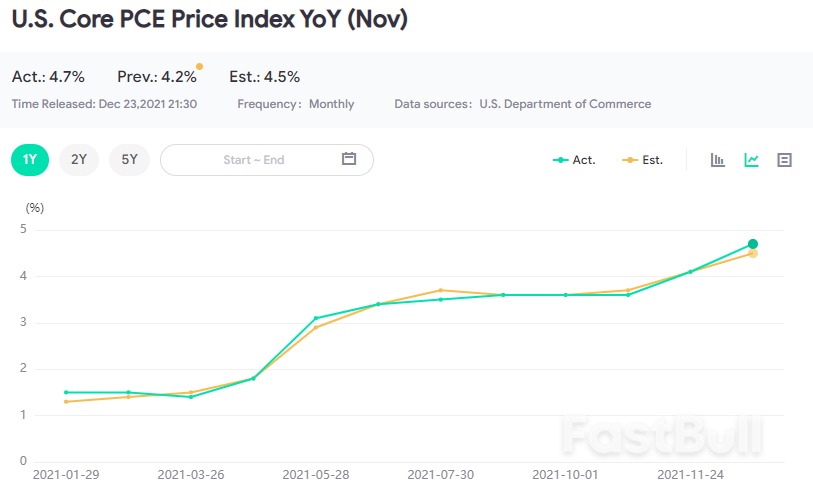
          Affected by factors such as the pandemic, the supply chains disruption and the service repair activities, U.S. inflation continued to be in a 'high temperature' state. In November 2021, the core PCE that the Fed is most concerned about has risen to 4.7% year-on-year, a new high since February 1989. It has remained above 4% for two consecutive months, far exceeding the Fed's 2% inflation target. In addition, even if the disruption factors such as the pandemic, supply chain and housing are excluded, the potential inflation pressure in the United States is still relatively high. For some time to come, there will be too much stimulus on the demand side. Even if U.S. inflation falls this year, it will remain in high level.How is the impact of Fed interest rates hike?_1

          Second condition for interest rates hike, the unemployment rate falls to a low level, and those who want to work are fully employed

          As of December 2021, the U.S. unemployment rate has fallen to a low of 3.9%, the recovery much faster than in previous rounds of recession. Although the U.S. labor participation rate is still down 1.5% before the pandemic, it is a long-term variable after all. According to PIIE, 35% of the 1.5% gap in the labor participation rate as of November 2021 is related to aging. According to the forecast of Miguel Faria-e-Castro, as of August 2021, more than 2 million people in the United States have retired early due to the coronavirus, accounting for more than 50% of the total resignation population. This means that some jobs will never come back, and the Fed's monetary policy cannot keep stimulating and 'waiting' for the return of these jobs. Because short-term inflation and unemployment indicators are already back to normal, if the Fed continues to stimulate demand, it will bring sustained inflationary pressure. So the only thing the Fed needs to do is to tighten demand-side stimulus.How is the impact of Fed interest rates hike?_2

          Possible Ways to Normalization of Monetary Policy

          Step 1: Release the Taper signal to give the economy and the market sufficient time to accept; assess whether the Taper conditions are met; Taper implement, and gradually reduce the scale of economic stimulus until QE is completely withdrawn.
          Step 2: Discuss interest rate hike when QE is about to end; assess whether the conditions for interest rate hikes has been reached; implement interest rate hike, assess market reaction and economic impact, and adjust the rate and ways of interest rate hikes.
          Step 3: Discuss the reduction of the balance sheet during the interest rate hike period, and evaluate the market reaction and economic impact; implement the reduction of the balance sheet; the reduction of the balance sheet and the rate hike are carried out at the same time until a new round of easing period begins.

          First impact of interest rate hike, the dollar strengthened before interest rate hikes, and likely weaken after it, emerging currencies continue to under pressure

          Judging from the experience of the Fed's nearly four rate hike, the U.S. dollar index strengthened significantly before the rate hike due to the expectation effect, and weakened after the rate hike due to the expectation already fulfillment. The exchange rate is mainly affected by the relative real interest rate of short-term debt, and the real interest rate of short-term debt can be divided into short-term debt nominal interest rate and inflation expectations, of which the short-term debt nominal interest rate is mainly affected by policy interest rates and interest rate hike expectations, and inflation expectations are largely influenced by current inflation levels. Therefore, in the expansion stage of interest rate hike expectations, it is often the stage where the USD react the most strongly.
          At present, the world is affected by the pandemic, and owes to the Fed's substantial and rapid easing stimulus, the US economy has not fallen into 'debt deflation' in this round. The income and assets of US residents are relatively guaranteed, and the US economic recovery is relatively better than that of Europe and Japan. In addition, U.S. monetary policy was also normalize earlier than in Europe and Japan, so the U.S. dollar index is expected to continue its current upward trend.
          In addition, considering that the U.S. economy and monetary policy will still relatively ahead of Europe and Japan in the future, the U.S. dollar index may remain at a high level even if interest rate hike are implemented. Against the backdrop that the dollar is likely to remain strong, the exchange rates and markets of emerging and developing economies may still face some impact.

          Second impact of interest rate hikes, the trend of US bond yields is mixed

          In the first four rounds of interest rate hikes, the US 10-year Treasury bond yields rose after two rounds of interest rate hikes, in 1994 and 1999 respectively. After another two rounds of interest rate hikes, the yield on the 10-year U.S. Treasury bond fell, in 2004 and 2015, respectively. U.S. bond yields are likely to break above 2.0% this year. Nominal U.S. Treasury yields are influenced by real yields and inflation expectations. As of January 7, the nominal yield of 10-year U.S. Treasuries rose sharply to 1.76%, a new high since January 2020. Among them, the real yield of U.S. Treasuries rose sharply to -0.72%, a new high since April 2021. For some time to come, as the impact of the U.S. pandemic gradually subsides and the U.S. economy continues to recover, there will still have room for recovery in the real yields of U.S. bonds. Considering the high inflation pressure in the United States, even if the rate hike reduces inflation expectations, it will be very slow. If the real yield of U.S. bonds return to the pre-pandemic average level of -0.2%, the probability of U.S. bond yields breaking through 2.0% this year is high.
          Risk Warnings and Disclaimers
          You understand and acknowledge that there is a high degree of risk involved in trading. Following any strategies or investment methods may lead to potential losses. The content on the site is provided by our contributors and analysts for information purposes only. You are solely responsible for determining whether any trading assets, securities, strategy, or any other product is suitable for investing based on your own investment objectives and financial situation.
          Comments
          Add to Favorites
          Share
          FastBull
          Copyright © 2025 FastBull Ltd

          728 RM B 7/F GEE LOK IND BLDG NO 34 HUNG TO RD KWUN TONG KLN HONG KONG

          TelegramInstagramTwitterfacebooklinkedin
          App Store Google Play Google Play
          Products
          Charts

          Chats

          Q&A with Experts
          Screeners
          Economic Calendar
          Data
          Tools
          Membership
          Features
          Function
          Markets
          Copy Trading
          Latest Signals
          Contests
          News
          Analysis
          24/7
          Columns
          Education
          Company
          Careers
          About Us
          Contact Us
          Advertising
          Help Center
          Feedback
          User Agreement
          Privacy Policy
          Business

          White Label

          Data API

          Web Plug-ins

          Poster Maker

          Affiliate Program

          Risk Disclosure

          The risk of loss in trading financial instruments such as stocks, FX, commodities, futures, bonds, ETFs and crypto can be substantial. You may sustain a total loss of the funds that you deposit with your broker. Therefore, you should carefully consider whether such trading is suitable for you in light of your circumstances and financial resources.

          No decision to invest should be made without thoroughly conducting due diligence by yourself or consulting with your financial advisors. Our web content might not suit you since we don't know your financial conditions and investment needs. Our financial information might have latency or contain inaccuracy, so you should be fully responsible for any of your trading and investment decisions. The company will not be responsible for your capital loss.

          Without getting permission from the website, you are not allowed to copy the website's graphics, texts, or trademarks. Intellectual property rights in the content or data incorporated into this website belong to its providers and exchange merchants.

          Not Logged In

          Log in to access more features

          FastBull Membership

          Not yet

          Purchase

          Become a signal provider
          Help Center
          Customer Service
          Dark Mode
          Price Up/Down Colors

          Log In

          Sign Up

          Position
          Layout
          Fullscreen
          Default to Chart
          The chart page opens by default when you visit fastbull.com