• Trade
  • Markets
  • Copy
  • Contests
  • News
  • 24/7
  • Calendar
  • Q&A
  • Chats
Trending
Screeners
SYMBOL
LAST
BID
ASK
HIGH
LOW
NET CHG.
%CHG.
SPREAD
SPX
S&P 500 Index
6870.39
6870.39
6870.39
6895.79
6858.28
+13.27
+ 0.19%
--
DJI
Dow Jones Industrial Average
47954.98
47954.98
47954.98
48133.54
47871.51
+104.05
+ 0.22%
--
IXIC
NASDAQ Composite Index
23578.12
23578.12
23578.12
23680.03
23506.00
+72.99
+ 0.31%
--
USDX
US Dollar Index
98.870
98.950
98.870
98.960
98.730
-0.080
-0.08%
--
EURUSD
Euro / US Dollar
1.16539
1.16547
1.16539
1.16717
1.16341
+0.00113
+ 0.10%
--
GBPUSD
Pound Sterling / US Dollar
1.33206
1.33213
1.33206
1.33462
1.33136
-0.00106
-0.08%
--
XAUUSD
Gold / US Dollar
4207.92
4208.33
4207.92
4218.85
4190.61
+10.01
+ 0.24%
--
WTI
Light Sweet Crude Oil
59.447
59.477
59.447
60.084
59.291
-0.362
-0.61%
--

Community Accounts

Signal Accounts
--
Profit Accounts
--
Loss Accounts
--
View More

Become a signal provider

Sell trading signals to earn additional income

View More

Guide to Copy Trading

Get started with ease and confidence

View More

Signal Accounts for Members

All Signal Accounts

Best Return
  • Best Return
  • Best P/L
  • Best MDD
Past 1W
  • Past 1W
  • Past 1M
  • Past 1Y

All Contests

  • All
  • Trump Updates
  • Recommend
  • Stocks
  • Cryptocurrencies
  • Central Banks
  • Featured News
Top News Only
Share

Russian Defence Ministry: Russian Forces Take Control Of Novodanylivka In Ukraine's Zaporizhzhia Region

Share

Russian Defence Ministry: Russian Forces Take Control Of Chervone In Ukraine's Donetsk Region

Share

French Finance Ministry: Government Started Process To Block Temporarily Shein Platform

Share

Finance Minister: Indonesia To Impose Coal Export Tax Of Up To 5% Next Year

Share

[Trump Considering Fired Homeland Security Secretary Noem? White House Denies] According To Reports From US Media Outlets Such As The Daily Beast And The UK's Independent, The White House Has Denied Reports That US President Trump Is Considering Firing Homeland Security Secretary Noem. White House Spokesperson Abigail Jackson Posted On Social Media On The 7th Local Time, Calling The Claims "fake News" And Stating That "Secretary Noem Has Done An Excellent Job Implementing The President's Agenda And 'making America Safe Again'."

Share

HKEX: Standard Chartered Bought Back 571604 Total Shares On Other Exchanges For Gbp9.5 Million On Dec 5

Share

Morgan Stanley Reiterates Bullish Outlook On US Stocks Due To Fed Rate Cut Expectations. Morgan Stanley Strategists Believe That The US Stock Market Faces A "bullish Outlook" Given Improved Earnings Expectations And Anticipated Fed Rate Cuts. They Expect Strong Corporate Earnings By 2026, And Anticipate The Fed Will Cut Rates Based On Lagging Or Mildly Weak Labor Markets. They Expect The US Consumer Discretionary Sector And Small-cap Stocks To Continue To Outperform

Share

China's National Development And Reform Commission Announced That Starting From 24:00 On December 8, The Retail Price Limit For Gasoline And Diesel In China Will Be Reduced By 55 Yuan Per Ton, Which Translates To A Reduction Of 0.04 Yuan Per Liter For 92-octane Gasoline, 0.05 Yuan Per Liter For 95-octane Gasoline, And 0.05 Yuan Per Liter For 0# Diesel

Share

Tkms CEO: US Security Strategy Highlights Need For Europe To Take Care Of Its Own Defences

Share

USA S&P 500 E-Mini Futures Up 0.1%, NASDAQ 100 Futures Up 0.18%, Dow Futures Down 0.02%

Share

London Metal Exchange (LME): Copper Inventories Increased By 2,000 Tons, Aluminum Inventories Decreased By 2,500 Tons, Nickel Inventories Increased By 228 Tons, Zinc Inventories Increased By 2,375 Tons, Lead Inventories Decreased By 3,725 Tons, And Tin Inventories Decreased By 10 Tons

Share

Swiss Sight Deposits Of Domestic Banks At 440.519 Billion Sfr In Week Ending December 5 Versus 437.298 Billion Sfr A Week Earlier

Share

Czech November Jobless Rate 4.6% Versus Mkt Fcast 4.7%

Share

Czech Jobless Rate Unchanged At 4.6% In November

Share

Singapore Central Bank Data: November Foreign Exchange Reserves At $400.0 Billion

Share

Fitch On EMEA Homebuilders Says Weak Demand Is Likely To Constrain Completions And New Starts, Despite Easing Inflation And Gradual Rate Cuts

Share

French Otc Day-Ahead Baseload Power Price At 22.50 EUR/Mwh, Down 35.3% From The Price Paid Friday For Monday Delivery - Lseg Data

Share

Cambodia Information Minister: 4 Cambodian Civilians Killed, 9 Injured Amid Conflict With Thailand

Share

Tkms CEO: With Meko Frigates We Are Offering To German Government An Alternative To Delayed F126 Frigates

Share

Tkms CEO: Expect Decision On Canadian Submarine Order In 2026

TIME
ACT
FCST
PREV
France Industrial Output MoM (SA) (Oct)

A:--

F: --

P: --
France Trade Balance (SA) (Oct)

A:--

F: --

P: --
Euro Zone Employment YoY (SA) (Q3)

A:--

F: --

P: --
Canada Part-Time Employment (SA) (Nov)

A:--

F: --

P: --

Canada Unemployment Rate (SA) (Nov)

A:--

F: --

P: --

Canada Full-time Employment (SA) (Nov)

A:--

F: --

P: --

Canada Labor Force Participation Rate (SA) (Nov)

A:--

F: --

P: --

Canada Employment (SA) (Nov)

A:--

F: --

P: --

U.S. PCE Price Index MoM (Sept)

A:--

F: --

P: --

U.S. Personal Income MoM (Sept)

A:--

F: --

P: --

U.S. Core PCE Price Index MoM (Sept)

A:--

F: --

P: --

U.S. PCE Price Index YoY (SA) (Sept)

A:--

F: --

P: --

U.S. Core PCE Price Index YoY (Sept)

A:--

F: --

P: --

U.S. Personal Outlays MoM (SA) (Sept)

A:--

F: --

P: --
U.S. 5-10 Year-Ahead Inflation Expectations (Dec)

A:--

F: --

P: --

U.S. Real Personal Consumption Expenditures MoM (Sept)

A:--

F: --

P: --
U.S. Weekly Total Rig Count

A:--

F: --

P: --

U.S. Weekly Total Oil Rig Count

A:--

F: --

P: --

U.S. Consumer Credit (SA) (Oct)

A:--

F: --

P: --
China, Mainland Foreign Exchange Reserves (Nov)

A:--

F: --

P: --

Japan Trade Balance (Oct)

A:--

F: --

P: --

Japan Nominal GDP Revised QoQ (Q3)

A:--

F: --

P: --

China, Mainland Imports YoY (CNH) (Nov)

A:--

F: --

P: --

China, Mainland Exports (Nov)

A:--

F: --

P: --

China, Mainland Imports (CNH) (Nov)

A:--

F: --

P: --

China, Mainland Trade Balance (CNH) (Nov)

A:--

F: --

P: --

China, Mainland Exports YoY (USD) (Nov)

A:--

F: --

P: --

China, Mainland Imports YoY (USD) (Nov)

A:--

F: --

P: --

Germany Industrial Output MoM (SA) (Oct)

A:--

F: --

P: --
Euro Zone Sentix Investor Confidence Index (Dec)

A:--

F: --

P: --

Canada National Economic Confidence Index

--

F: --

P: --

U.K. BRC Like-For-Like Retail Sales YoY (Nov)

--

F: --

P: --

U.K. BRC Overall Retail Sales YoY (Nov)

--

F: --

P: --

Australia Overnight (Borrowing) Key Rate

--

F: --

P: --

RBA Rate Statement
RBA Press Conference
Germany Exports MoM (SA) (Oct)

--

F: --

P: --

U.S. NFIB Small Business Optimism Index (SA) (Nov)

--

F: --

P: --

Mexico 12-Month Inflation (CPI) (Nov)

--

F: --

P: --

Mexico Core CPI YoY (Nov)

--

F: --

P: --

Mexico PPI YoY (Nov)

--

F: --

P: --

U.S. Weekly Redbook Index YoY

--

F: --

P: --

U.S. JOLTS Job Openings (SA) (Oct)

--

F: --

P: --

China, Mainland M1 Money Supply YoY (Nov)

--

F: --

P: --

China, Mainland M0 Money Supply YoY (Nov)

--

F: --

P: --

China, Mainland M2 Money Supply YoY (Nov)

--

F: --

P: --

U.S. EIA Short-Term Crude Production Forecast For The Year (Dec)

--

F: --

P: --

U.S. EIA Natural Gas Production Forecast For The Next Year (Dec)

--

F: --

P: --

U.S. EIA Short-Term Crude Production Forecast For The Next Year (Dec)

--

F: --

P: --

EIA Monthly Short-Term Energy Outlook
U.S. API Weekly Gasoline Stocks

--

F: --

P: --

U.S. API Weekly Cushing Crude Oil Stocks

--

F: --

P: --

U.S. API Weekly Crude Oil Stocks

--

F: --

P: --

U.S. API Weekly Refined Oil Stocks

--

F: --

P: --

South Korea Unemployment Rate (SA) (Nov)

--

F: --

P: --

Japan Reuters Tankan Non-Manufacturers Index (Dec)

--

F: --

P: --

Japan Reuters Tankan Manufacturers Index (Dec)

--

F: --

P: --

Japan Domestic Enterprise Commodity Price Index MoM (Nov)

--

F: --

P: --

Japan Domestic Enterprise Commodity Price Index YoY (Nov)

--

F: --

P: --

China, Mainland PPI YoY (Nov)

--

F: --

P: --

Q&A with Experts
    • All
    • Chatrooms
    • Groups
    • Friends
    Connecting
    .
    .
    .
    Type here...
    Add Symbol or Code

      No matching data

      All
      Trump Updates
      Recommend
      Stocks
      Cryptocurrencies
      Central Banks
      Featured News
      • All
      • Russia-Ukraine Conflict
      • Middle East Flashpoint
      • All
      • Russia-Ukraine Conflict
      • Middle East Flashpoint
      Search
      Products

      Charts Free Forever

      Chats Q&A with Experts
      Screeners Economic Calendar Data Tools
      Membership Features
      Data Warehouse Market Trends Institutional Data Policy Rates Macro

      Market Trends

      Market Sentiment Order Book Forex Correlations

      Top Indicators

      Charts Free Forever
      Markets

      News

      News Analysis 24/7 Columns Education
      From Institutions From Analysts
      Topics Columnists

      Latest Views

      Latest Views

      Trending Topics

      Top Columnists

      Latest Update

      Signals

      Copy Rankings Latest Signals Become a signal provider AI Rating
      Contests
      Brokers

      Overview Brokers Assessment Rankings Regulators News Claims
      Broker listing Forex Brokers Comparison Tool Live Spread Comparison Scam
      Q&A Complaint Scam Alert Videos Tips to Detect Scam
      More

      Business
      Events
      Careers About Us Advertising Help Center

      White Label

      Data API

      Web Plug-ins

      Affiliate Program

      Awards Institution Evaluation IB Seminar Salon Event Exhibition
      Vietnam Thailand Singapore Dubai
      Fans Party Investment Sharing Session
      FastBull Summit BrokersView Expo
      Recent Searches
        Top Searches
          Markets
          News
          Analysis
          User
          24/7
          Economic Calendar
          Education
          Data
          • Names
          • Latest
          • Prev

          View All

          No data

          Scan to Download

          Faster Charts, Chat Faster!

          Download App
          English
          • English
          • Español
          • العربية
          • Bahasa Indonesia
          • Bahasa Melayu
          • Tiếng Việt
          • ภาษาไทย
          • Français
          • Italiano
          • Türkçe
          • Русский язык
          • 简中
          • 繁中
          Open Account
          Search
          Products
          Charts Free Forever
          Markets
          News
          Signals

          Copy Rankings Latest Signals Become a signal provider AI Rating
          Contests
          Brokers

          Overview Brokers Assessment Rankings Regulators News Claims
          Broker listing Forex Brokers Comparison Tool Live Spread Comparison Scam
          Q&A Complaint Scam Alert Videos Tips to Detect Scam
          More

          Business
          Events
          Careers About Us Advertising Help Center

          White Label

          Data API

          Web Plug-ins

          Affiliate Program

          Awards Institution Evaluation IB Seminar Salon Event Exhibition
          Vietnam Thailand Singapore Dubai
          Fans Party Investment Sharing Session
          FastBull Summit BrokersView Expo

          'It makes sense to be on hold': Why Wall Street strategists think Fed rate cuts aren't coming anytime soon

          Adam

          Economic

          Summary:

          Despite improving inflation and stable jobs data, Wall Street strategists believe the Fed will delay rate cuts due to tariff uncertainties and unclear long-term trends, likely holding rates steady until at least September.


          It was an encouraging week for economic data, with inflation showing signs of moderation and consumer sentiment rebounding for the first time this year. The labor market remains broadly stable, with the unemployment rate holding at a healthy 4.2%, although a recent uptick in continuing jobless claims suggests some signs of cooling.
          Altogether, the backdrop appears supportive of the Federal Reserve’s path toward easing. But Wall Street watchers say policymakers may need more convincing before delivering any cuts.
          "We don’t know really how the second half of the year is going to play out," Loretta Mester, former Cleveland Fed president, told Yahoo Finance last week.
          Mester added that although the "hard" economic data, like the recent labor and inflation reports, have been encouraging, "the real question is what is going to happen in the second half of the year and [if] those trends continue. That's where the high level of uncertainty still is with us."
          The uncertainty centers on the scope and scale of President Trump's tariffs in the aftermath of his April "Liberation Day" announcements, which sent shockwaves through markets and businesses.
          Since then, many of those "reciprocal" tariffs have been paused, but the 10% baseline duties for most countries remain in place. The president is set to notify US trading partners of their respective unilateral tariff rates in the coming weeks.
          In the meantime, Mexico and Canada continue to face fentanyl-related tariffs, and industry-specific tariffs on steel, aluminum, and autos remain unchanged.
          Last week, the US and China agreed to a framework and implementation plan aimed at easing tariff and trade tensions. President Trump signaled his approval, saying the deal was "done," pending final sign-off from him and Chinese President Xi Jinping. As part of the agreement, Trump said the US would impose a total of 55% tariffs on Chinese goods.
          Many market observers said the deal was sparse on details. Outside analysts like the budget lab at Yale have calculated the effective tariff rate on China overall to be around 33%.
          "The Fed is on hold until we get a little more clarity about not only the magnitude of the tariffs and the breadth of the tariffs, but what effect they all have on inflation and what effect the tariffs and other policies, including the budget bill, will have on growth and employment," Mester said.

          'Wait-and-see time period'

          Despite the words of caution, markets are increasingly confident that rate relief is on the horizon, with nearly 70% now betting the Fed begins easing in September, up from 60% a week ago. Investors are putting a roughly 20% chance on the first cut arriving as soon as July, according to CME Fed projections as of Monday morning.
          Still, markets have almost fully priced in that the Fed will hold rates steady at next week’s policy meeting.
          Brent Schutte, chief investment strategist at Northwestern Mutual Wealth Management, said any rate cuts before September would likely require significant labor market deterioration. He also cautioned that the inflation threat hasn’t disappeared, especially with tariff effects still uncertain.
          "People are suggesting that maybe the tariffs won't have an inflationary impact. I think it's too early to decipher that," Schutte said. "All the inventories that have been pulled forward by importers, by consumers, by businesses to actually steady and ready themselves for the tariffs may be impacting the inflation data right now. It often has taken time in the past for that to show up in the actual numbers."
          He added that the Fed is in a "wait-and-see time period."
          "That's where I don't think the Fed likely cuts until September, unless you see significant weakening in the labor market, and then the question is always: Is it too late or not?"
          HSBC US economist Ryan Wang acknowledged the "double-sided risks" tariffs pose, noting that while goods prices will likely continue to rise through the rest of the year, early signs of a cooling labor market could help offset that by exerting downward pressure on inflation.
          But while markets may be betting on a smooth path to cuts, Wang warned the Fed will need confidence that inflation isn’t rising in an "uncontrolled fashion" and that activity in the broader economy isn’t slipping too quickly. "The benign version of rate cuts will take time to develop," he said.
          For now, the Fed appears firmly in a holding pattern — acknowledging the encouraging data, but not yet convinced it’s time to shift course.

          Source: finance.yahoo

          To stay updated on all economic events of today, please check out our Economic calendar
          Risk Warnings and Disclaimers
          You understand and acknowledge that there is a high degree of risk involved in trading. Following any strategies or investment methods may lead to potential losses. The content on the site is provided by our contributors and analysts for information purposes only. You are solely responsible for determining whether any trading assets, securities, strategy, or any other product is suitable for investing based on your own investment objectives and financial situation.
          Add to Favorites
          Share

          The Week Ahead

          Adam

          Economic

          Middle East Situation

          The focus as we start the new trading week is the escalating tensions between Iran and Israel. There have been strikes from both sides, and there is currently no end in sight, even as world leaders urge for calm. Headline risk is huge as we start a new week. The risk off tone to markets was clear at the end of last week, although the market reaction has been moderate so far on Monday.
          For now, it does not look like the markets are pricing in the possibility of a supply side shock for oil. The oil price is higher by a mere 0.5%. and is below $75.00 per barrel, and the gold price is falling. European and US stock market futures are pointing to a higher open later today.

          Why are markets so calm?

          So, why the sense of calm in financial markets when the war between the two countries continues to rage? President Trump seemed to calm fears when he said that the two sides could find a resolution, but they need to fight it out first. The prospect of US involvement in this conflict used to spook markets, however, now there is a chance that Trump could have a holistic influence. Reports suggest that Trump vetoed an Israeli plan to assassinate Iran’s Supreme Leader, which suggests that he is already having a moderating impact on this conflict, although there has been no direct involvement by US troops.
          Due to this, there may need to be a major escalation in the conflict before we get another sharp upswing in oil and gold prices. Financial markets are very good at absorbing geopolitical risk, and Opec+’s supply boost is also helping to cushion the blow.
          Back in 2022, when Russia invaded Ukraine, the oil price rose by more than 80% in the weeks and months before Russia invaded Ukraine, however, we may not cross the $100 per barrel level this time. There is expected to be excess oil supply this year and next, which will absorb some of the geopolitical risks for the oil price. Added to this, Opec + Is already boosting their supply, so oil traders will be discounting the supply boost when considering the impact from this latest geopolitical conflict.

          Where could oil go next?

          The oil price could have further to run if the conflict takes a more sinister turn. Firstly, if it spreads beyond just Iran and Israel, Secondly, if the attacks against Iran directly target export routes, or if Iran tries to punish Israel or the West by attacking the straits of Hormuz, which is used to transport one fifth of the world’s oil supply.
          The key question from a geopolitical standpoint is what does the US do next? President Trump has said that the US could intervene against Iran, and the UK has said that it will send fighter jets to the region. The EU is scheduled to have a meeting about the conflict this Tuesday, and this week’s G7 meeting is likely to be dominated by the situation.

          Why Donald Trump could limit oil’s upside

          Interestingly, the US’s involvement could have a calming effect on the oil price. President Trump has proudly touted his ability to keep a lid on oil prices, and we do not think that he will want to entertain a conflict that could put huge pressure on the price of energy. Instead, we think that US involvement could see the attacks on Iran narrow to nuclear sites, after Israel said that it gathered intelligence that Iran had enough uranium to make 9 atomic bombs.

          The market reaction

          The dollar is giving up last Friday’s gains as we start a new week, suggesting that its role as a haven might be short lived. The dollar was one of the weakest currencies in the G10 FX space last week, however, it did attract some haven flows on Friday, more so than the Swissie and the yen. Bitcoin sold off alongside stocks on Friday, however, it is erasing losses at the start of this week and is back above $106k. We believe that the situation in the Middle East would need to deteriorate rapidly and enter a more dangerous phase for Bitcoin to fall below $100,000.
          Global stocks slumped sharply on Friday; however, the FTSE 100 was protected from the worst of the sell off. The FTSE 100 managed to eke out a gain last week, even though other global indices registered losses. The top performing sector was energy, which benefited from the surge in oil prices. As volatility recedes and if European and US stocks stage a recovery, then we could see UK oil majors and the FTSE 100 underperform at the start of this week.

          Can tech lead the stock market recovery?

          The weakest stocks on Friday included airlines, credit card companies, and tech, as the prospect of higher interest rates spooked the market. However, with oil stabilizing on Monday, we could see these sectors trying to claw back some gains today. Likewise, bond yields are also receding early in the European session, after rising on Friday. If oil prices can remain contained, then rate cut expectations for the world’s major central banks could remain stable.
          In the week ahead, the markets will be incredibly sensitive to headline risk, especially what comes out of the G7 meeting, and the international response to this conflict. However, there are also some key economic events to watch out for. We list the two main ones below.
          The Federal Reserve Meeting
          There Is a mere 3% chance of a rate cut from the Fed this week, as the central bank is set to push back against pressure from Donald Trump to cut rates. However, there was some expectation that after a softer inflation print for May, and a clear slowing in the US labour market, the Fed may signal that interest rate cuts would be coming down the line. However, concerns that Chinese tariff rates will remain elevated, along with the recent rise in oil prices could shift the dynamic at the Fed, and we expect them to remain non-committal about the timing of potential future rate cuts.
          We also get the latest import price data from the US this week. If they come in stronger than expected on Tuesday, it could lead to a more cautious tone from the Fed when it comes to rate cuts. After recent softer economic data, the market priced in two full hikes from the Fed for the rest of this year. It is imperative that traders look closely at the Fed’s latest Dot Plot of median interest rate expectations, which are also released at this week’s meeting. If the Fed signals only one rate cut is coming this year, then we may see an immediate recalibration of interest rate expectations, further upside pressure on bond yields, especially at the short end of the curve, and the dollar losses may be halted.
          UK: the May inflation report and the BOE
          The Bank of England will announce its latest interest rate decision on Thursday, and they are likely to sound a similar message to the Fed. Upside risks to inflation have increased due to the conflict in the Middle East. The BOE is likely to express the fact that upside inflation pressures are out of its control, and it will remain data dependent when it comes to adjusting policy. This means that if the oil price is elevated in the long term and this feeds into inflation, the BOE will need to keep a tight lid on rate cuts.
          If oil prices remain stable in the coming days, then the market may focus on some expected good news on inflation in the UK. The market expects inflation to soften last month, after April’s jump higher. Weaker price growth is expected to reflect an amendment to vehicle excise duty, and airfares are also expected to have fallen last month, which is why service price growth is expected to moderate to 4.8% from 5.4% in April.
          The BOE will also need to maintain a fine balance, since a softening labour market is likely to depress wage growth in the coming quarters. Even so, we expect the BOE to stick with their line that easing monetary policy will be careful and gradual.

          Source: xtb

          To stay updated on all economic events of today, please check out our Economic calendar
          Risk Warnings and Disclaimers
          You understand and acknowledge that there is a high degree of risk involved in trading. Following any strategies or investment methods may lead to potential losses. The content on the site is provided by our contributors and analysts for information purposes only. You are solely responsible for determining whether any trading assets, securities, strategy, or any other product is suitable for investing based on your own investment objectives and financial situation.
          Add to Favorites
          Share

          Bank of England Urged to Put Brakes on Rate Cuts Over Iran Conflict

          Warren Takunda

          Economic

          Israel’s war with Iran threatens to keep interest rates higher for longer as the Bank of England struggles to control inflation, economists have warned.
          A surge in oil prices since Israel struck Iran risks reigniting inflation and has exposed the vulnerability of the Bank’s forecasts, said Robert Wood, at Pantheon Macroeconomics.
          “Events in the Middle East driving up oil prices last week are a reminder of just how close to the wind the MPC [Monetary Policy Committee] is sailing,” he said.
          Oil prices have risen from $65 per barrel to around $74 over the last week in a move that threatens to push British inflation closer to 4pc this year, double the Bank’s 2pc target.
          Mr Wood warned that the jump in energy costs could also ignite another wage-price spiral, as workers demand bigger pay packets to compensate for higher bills.
          Andrew Bailey, the Bank’s Governor, and the rest of the MPC are expected to keep rates on hold at 4.25pc on Thursday before cutting borrowing costs in August to take the headline rate to 4pc.

          Mixed bag

          Investors currently expect the Bank to eventually take the base rate down to 3.5pc over the next year. However, Mr Wood warned that events in the Middle East could force officials to hold borrowing costs at 4pc to stop inflation from spreading through the economy.
          “We find it far from implausible that inflation ends next year above 3pc if events in the Middle East worsen, or a cold winter boosts natural gas prices,” Mr Wood said.
          Inflation rose to 3.4pc in April, the highest level in more than a year.
          George Buckley, economist at Nomura, said: “We have had an energy shock in the past and look where it led us: to a whopping increase in inflation across the board, not just for energy, which did require a monetary policy response.”
          However, Mr Buckley said the impact of conflict in the Middle East may be mixed, with higher oil prices leading to more expensive petrol, but also potentially prompting businesses to hold off investment. This would slow the economy and reduce upward pressure on inflation.
          The economy shrank in April and the job market has shown signs of weakness, meaning the Bank’s officials face conflicting signals that make it harder to decide the most appropriate level of interest rates.
          Michel Nies, at Citi, said the conflict “and the associated changes in energy prices, shipping costs and risk sentiment will remind MPC members of the volatility and unpredictability of the operating environment”.
          He said it may push some MPC members who voted to cut rates in May to prompt for a pause this week.
          “It is possible that some of the more hawkishly minded members within the group of five that voted for a 0.25 percentage point cut recalibrate to a more neutral position, more truly in line with ‘gradual and careful’,” he said, referring to Mr Bailey’s guidance on the pace of future changes in rates.

          Source: TheTelegraph

          To stay updated on all economic events of today, please check out our Economic calendar
          Risk Warnings and Disclaimers
          You understand and acknowledge that there is a high degree of risk involved in trading. Following any strategies or investment methods may lead to potential losses. The content on the site is provided by our contributors and analysts for information purposes only. You are solely responsible for determining whether any trading assets, securities, strategy, or any other product is suitable for investing based on your own investment objectives and financial situation.
          Add to Favorites
          Share

          Trump Trade War, China Slowdown, and Middle East Crisis Fuel Oil Volatility

          Adam

          China–U.S. Trade War

          Middle East Situation

          Economic

          China’s Economic Data Weakens as Trump Tariffs Hit Manufacturing and Exports
          President Trump confirmed a new tariff package on Chinese goods last week. The total tariff rate now stands at 55%, including the existing 25% from his first term. This announcement came as China released new economic data showing signs of strain.
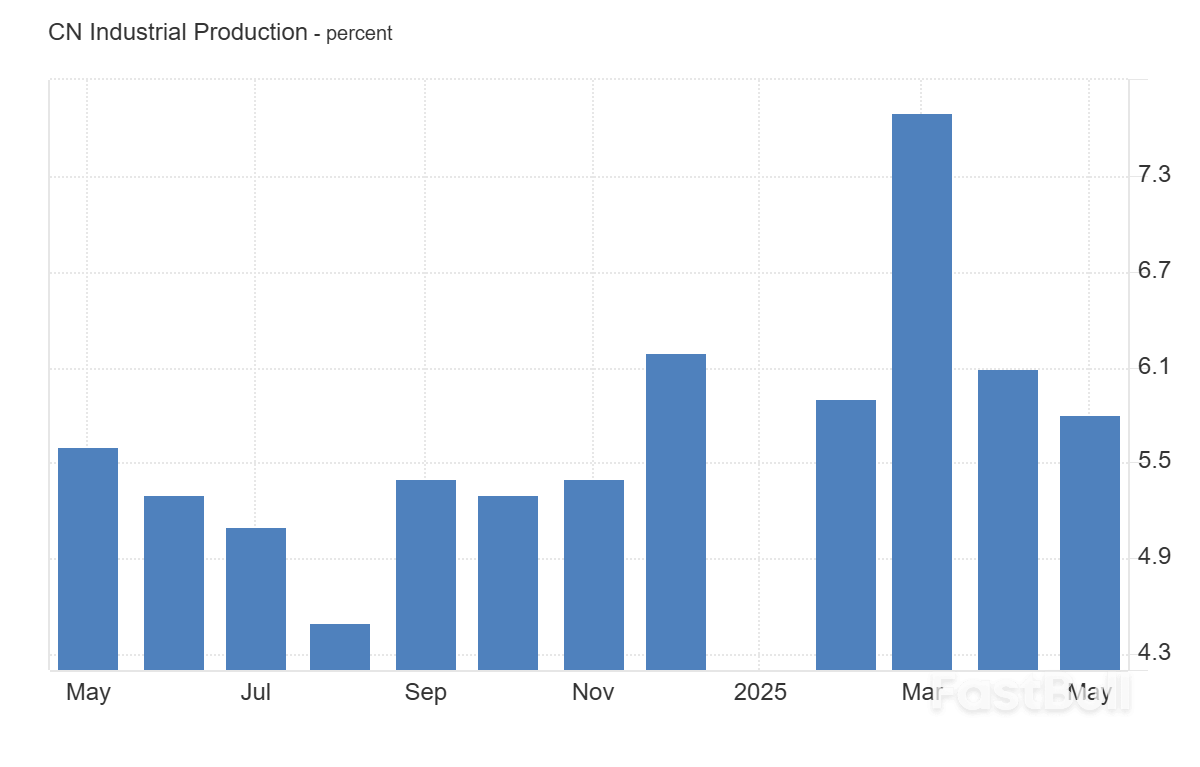
          The chart below shows that China’s industrial output grew by only 5.8% in May, marking the slowest pace in six months. In April, output had risen by 6.1%. This decline signals weakening momentum in factory activity and export production.
          Trump Trade War, China Slowdown, and Middle East Crisis Fuel Oil Volatility_1
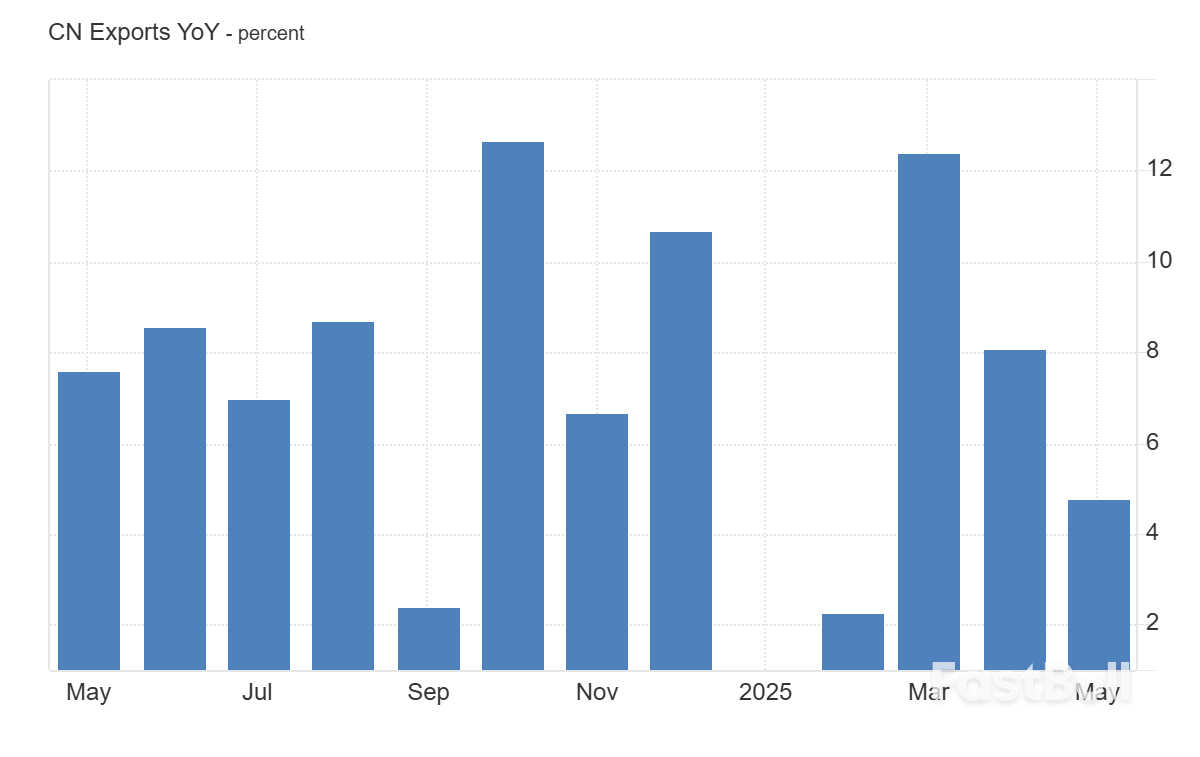
          Moreover, exports to the US have also dropped. However, the chart below shows that China’s total exports still grew by 4.8% in May, although the steep decline in U.S.-bound shipments offset this growth.
          Trump Trade War, China Slowdown, and Middle East Crisis Fuel Oil Volatility_2
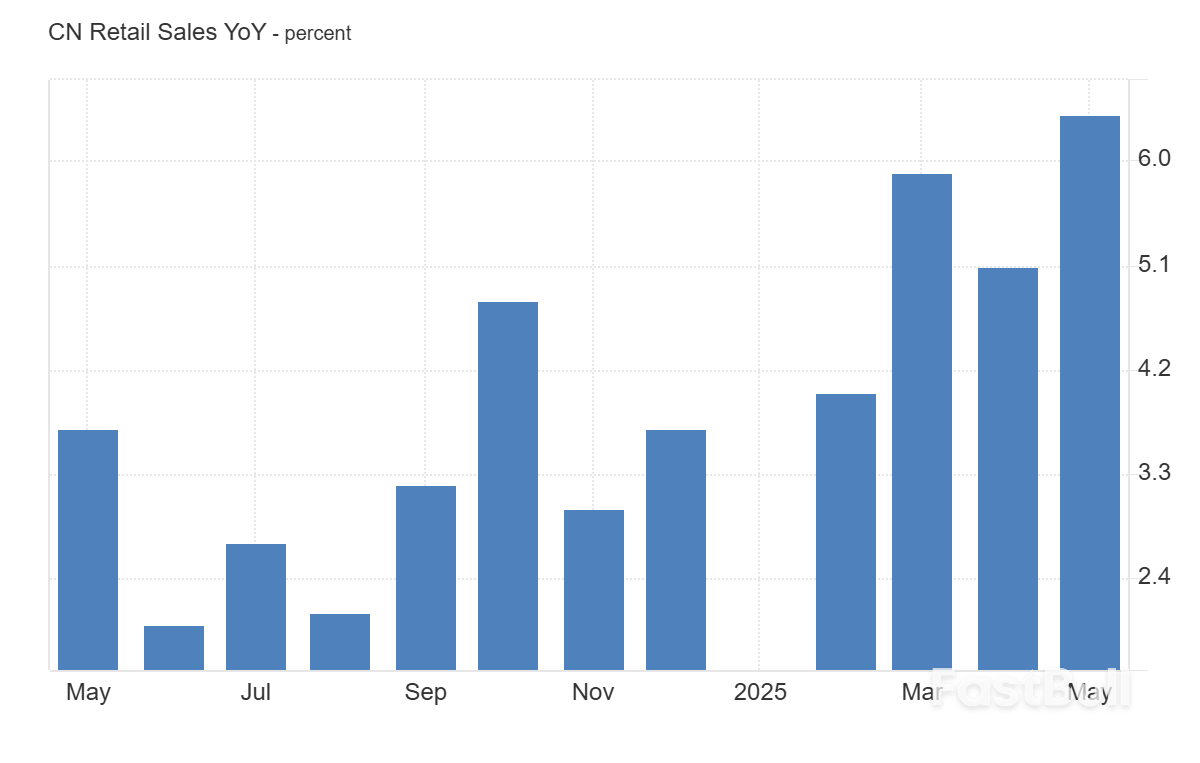
          On the other hand, retail sales in China increased to 6.4% in May, up from 5.1% in April. This marks the fastest growth since December 2023. The rise was driven by strong Labour Day holiday spending and the early launch of the “618” online shopping festival.
          Trump Trade War, China Slowdown, and Middle East Crisis Fuel Oil Volatility_3
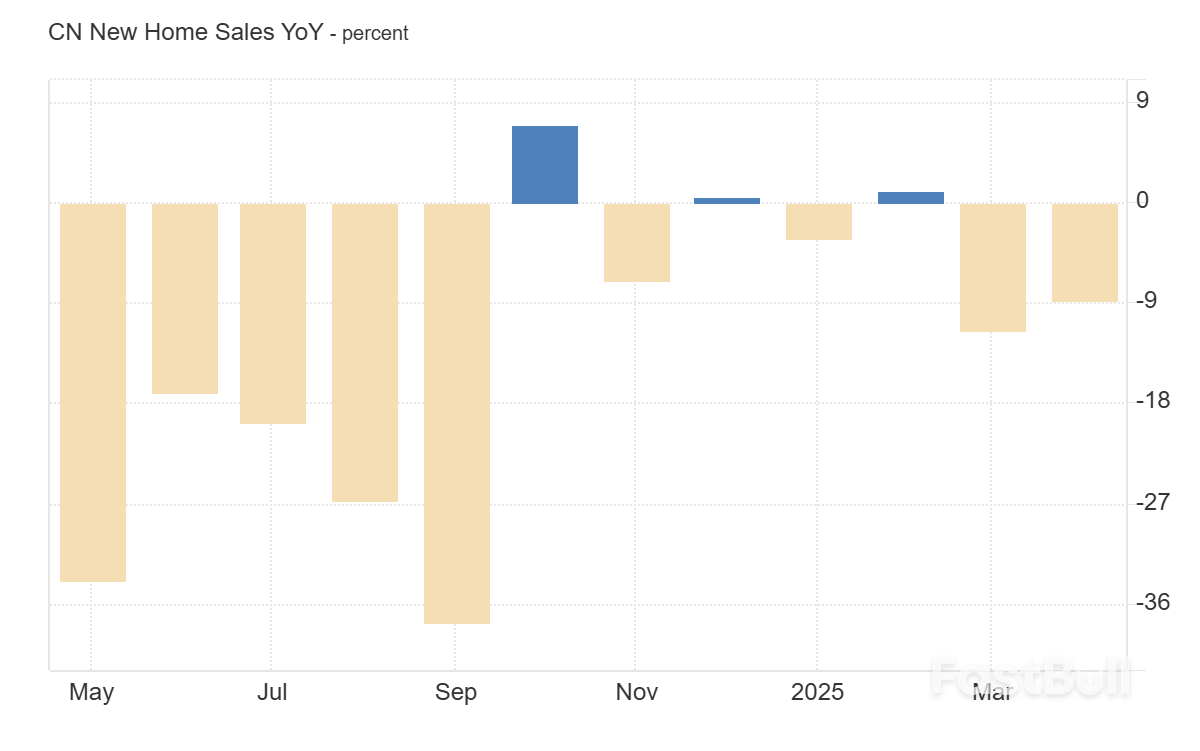
          Despite the boost in consumer activity, China’s overall growth outlook remains fragile. The housing sector continues to slump, with new home sales declining. Fixed asset investment grew by just 3.7% in the first five months, below the expected 3.9%. These indicators reflect weak domestic demand and persistent structural challenges.
          Trump Trade War, China Slowdown, and Middle East Crisis Fuel Oil Volatility_4
          Trump’s tariff hike now threatens to deepen these challenges. Higher trade barriers will likely further reduce China’s exports to the US. In turn, this may weaken Chinese factory output and increase pressure on its economy.
          Iran-Israel Conflict Impact Safe-Haven Demand
          Tensions in the Middle East escalated after Iran launched missiles at Israel, responding to Israeli strikes on nuclear facilities. The risk of broader regional war has surged. This uncertainty has rattled global markets.
          Gold (XAUUSD) prices climbed on safe-haven demand. Meanwhile, the US dollar remains under bearish pressure, which boosts EUR/USD and keeps USD/CHF in a long-term downtrend. The spike in volatility followed a familiar pattern: stocks dropped, Treasuries gained, and gold rallied.
          As fears mount, safe-haven assets may continue to outperform while risk-sensitive markets, such as equities, face downward pressure.
          The G7 summit also focused on how geopolitical tensions could disrupt global supply chains, particularly in the energy and critical minerals sectors. Leaders expressed concern that prolonged conflict in the Middle East could drive WTI crude oil (CL) prices higher and strain efforts to control inflation. Rising energy costs would put more pressure on central banks, which are already struggling to strike a balance between growth and price stability.
          US officials at the summit defended recent tariff measures as necessary for national interest. However, several allies warned that protectionist policies and regional wars could further fragment the global economy.
          Iran Strikes Drive Rebound Toward $77 Resistance.
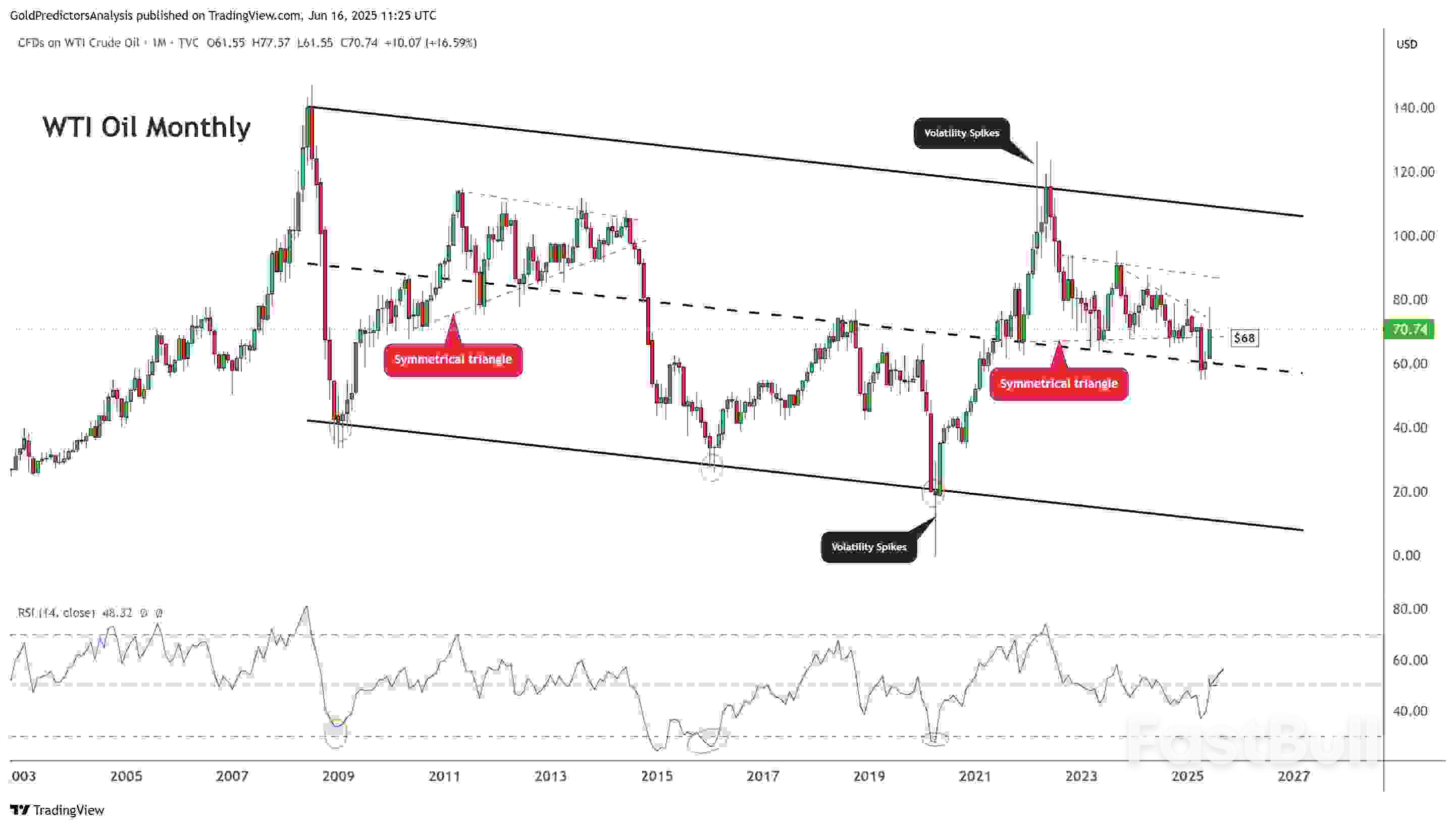
          The monthly chart for WTI crude oil shows a strong rebound following Israel’s launch of strikes on Iran. This rebound has pushed the price toward the resistance level within the symmetrical triangle, located around the $77 area. However, the move reflects heightened volatility driven by the geopolitical crisis, which could lead to unpredictable price action in the coming weeks.
          Trump Trade War, China Slowdown, and Middle East Crisis Fuel Oil Volatility_5
          The chart also shows a similar symmetrical triangle that formed between 2011 and 2014. A breakdown from that pattern triggered a significant move. However, the price has held above the long-term support of nearly $55 and has started to rebound this time. A breakout above $90 would likely trigger a strong rally toward the $110 area.
          Threat of Supply Disruptions Fuel Oil Rally Toward $100
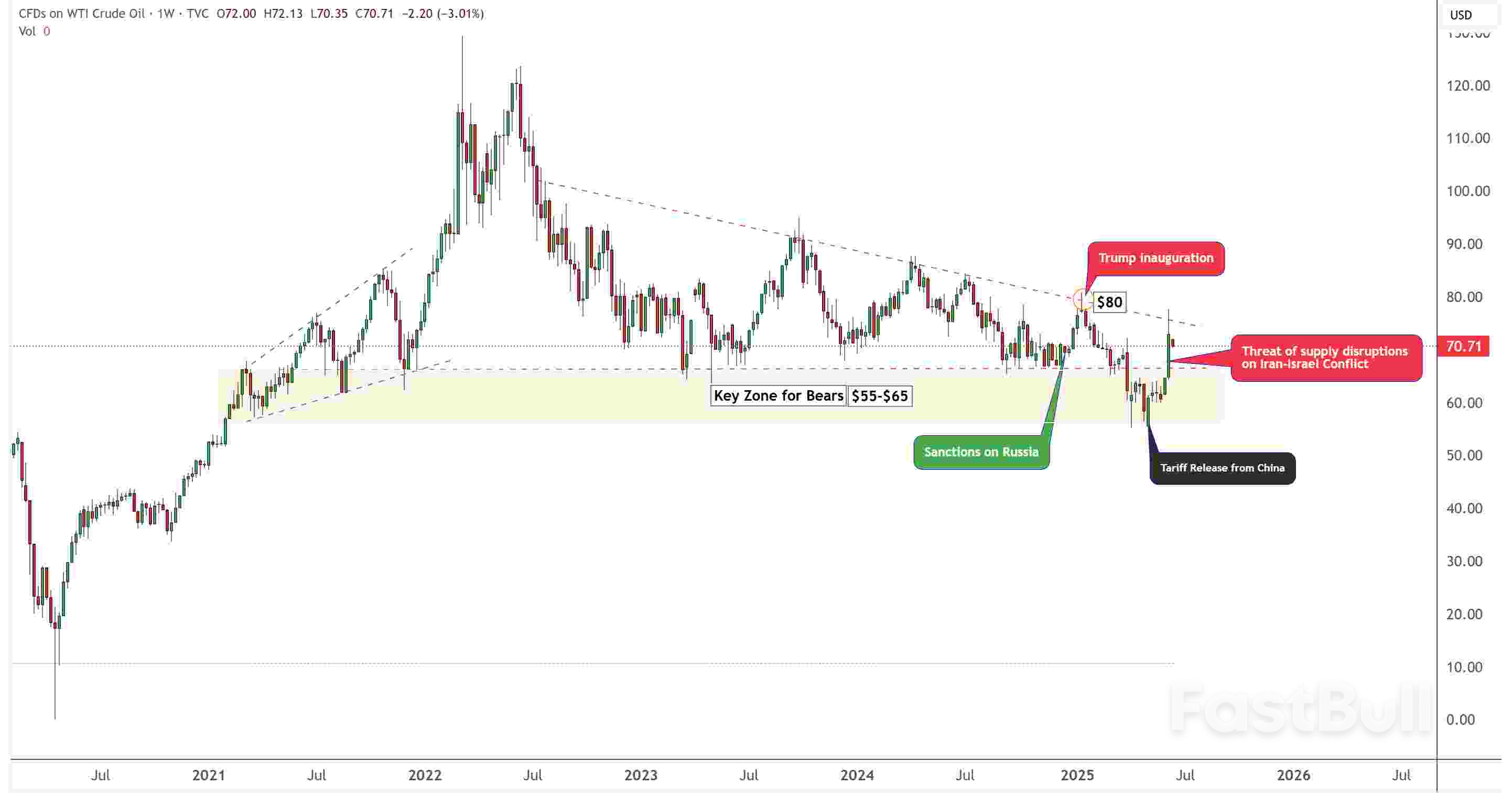
          The weekly chart for WTI crude oil shows a rebound from the long-term support zone, highlighted in orange on the chart. The price is bound within the red dotted trend lines and consolidating amid ongoing global events in 2024 and 2025.
          Sanctions on Russia triggered an earlier rebound toward the $80 resistance level. However, Trump’s inauguration pushed prices back down toward the long-term support at $55. The recent release of new tariffs on China sparked another rally, followed by a surge driven by fears of supply disruptions from the Iran-Israel conflict.
          A break above $80 would confirm a breakout from the triangle pattern and could initiate continued bullish momentum toward the $100 region.
          Trump Trade War, China Slowdown, and Middle East Crisis Fuel Oil Volatility_6

          source : fxempire

          To stay updated on all economic events of today, please check out our Economic calendar
          Risk Warnings and Disclaimers
          You understand and acknowledge that there is a high degree of risk involved in trading. Following any strategies or investment methods may lead to potential losses. The content on the site is provided by our contributors and analysts for information purposes only. You are solely responsible for determining whether any trading assets, securities, strategy, or any other product is suitable for investing based on your own investment objectives and financial situation.
          Add to Favorites
          Share

          USS Nimitz Carrier Group On Way To MidEast As Iran Reportedly Seeks De-Escalation With Israel

          Damon

          Political

          CONFIRMED: The USS Nimitz aircraft carrier strike group is on its way to the Middle East from the South China Sea, a U.S. official tells Fox News. The Nimitz was previously scheduled to replace the USS Carl Vinson carrier strike group which has been deployed for several months, but is now heading to the Middle East ahead of schedule. The two will now be in the Middle East at the same time. The USS Nimitz is the oldest active aircraft carrier in the U.S. Navy, commissioned on May 3, 1975. Scheduled to be decommissioned in 2026, this is possibly its final sea voyage. This is a very significant symbolic deployment because it was deployed in 1980 and its helicopters that were part of the failed US effort known as Operation Eagle Claw to rescue the American hostages being held at the US Embassy in Tehran. The US has been in a shadow war against Iran ever since.

          This comes on the heels of reports that the US Embassy in Tel Aviv suffered "minor damage" from a nearby Iranian ballistic missile impact.

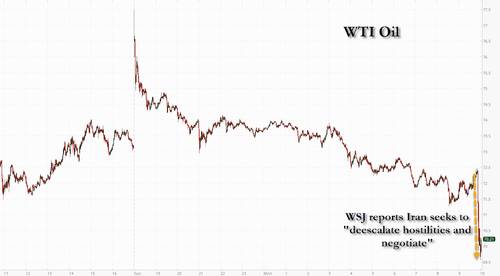
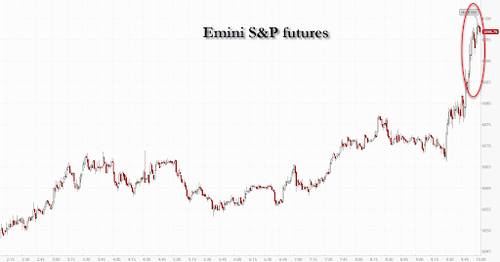
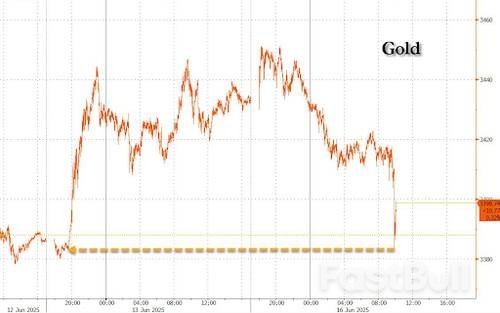
          Update(1008ET): Everything is suddenly exploding higher - also with gold and oil dropping - especially on the following WSJ breaking report which suggests (dubiously, we should add...) that the Iranians are 'open' to returning to the negotiating table with Trump officials, even as ballistic missiles rain down on Israel, and as much of the Islamic Republic - particularly oil depots - burn...

          "In the midst of a ferocious Israeli air campaign, Tehran has told Arab officials they would be open to return to the negotiating table as long as the U.S. doesn’t join the attack, the officials said. They also passed messages to Israel saying it is in the interest of both sides to keep the violence contained," per WSJ on Monday.

          Oil prices tumbling on the breaking report...

          S&P 2% from ATH...

          Gold has been falling since before the missile war started late on Thursday...

          WSJ continues, "Iran has been urgently signaling that it seeks an end to hostilities and resumption of talks over its nuclear programs, sending messages to Israel and the U.S. via Arab intermediaries, Middle Eastern and European officials said."

          This comes also amid reports that dozens of US Air Force tankers have in the last hours taken off from the United States and headed towards Europe, as also confirmed in Flightradar24 and Air Live. Is Trump ready to join the Israeli side militarily? The Iranians fear so, it appears.

          Iran's message is that "it is in the interest of both sides to keep the violence contained" - according to an urgeng diplomatic message passed along. But at this point it seems clear that Israel is going for full regime decapitation, given also that reports say the Israel Air Force has total aerial dominance over Western Iran and skies above Tehran at this point. If these reports of an Iranian olive branch are accurate, is it too-little-too-late?

          After another day on the receiving end of an Israeli war of aggression that began Friday, Iran delivered a major counterpunch overnight, further demonstrating that Israel's highly-touted Iron Dome defense system is vulnerable to Iran's hypersonic missiles. Upon completing a deadly barrage aimed at targets in Tel Aviv, Haifa and elsewhere, Iran claimed it had employed a "new method" that put Israel's multi-layered defense system in disarray to the point its various systems targeted each other.

          As fire and rescue teams scrambled to respond to the damage, Times of Israel reported at least eight people had been killed and more than 90 injured in the early-Monday attack, bringing Israel's running death toll to at least 24 with hundreds wounded. “The arrogant dictator of Tehran has become a scared murderer who fires at Israel’s civilian home front in order to deter the IDF from continuing to carry out attacks that are destroying his capabilities,” said Defense Minister Israel Katz, only to then promise that "residents of Tehran will pay the price, and soon."

          Iran claimed it struck targets that included a power plant in Haifa that "was seen engulfed in flames," an oil refinery complex in Bazan, a facility of the military technology company Rafael Advanced Defense Systems facility, as well as Ben Gurion Airport. The Cradle reports that other targets included Nevatim Air Base, an army camp in Galilee, and hits on power grid facilities that caused "widespread blackouts." Projectiles also hit a residential high-rise building and at least another residential area. An Iranian defense official said the attack included missiles with 1.5-ton warheads, but noted Iran has even heavier warheads in its inventory.

          Citing a statement from the Islamic Revolution Guards Corps, state media outlet PressTV reported that "the operation specifically targeted the Zionist regime’s command and control systems using advanced tactics and enhanced intelligence-tech capabilities."

          “As a result,” the IRGC said, “the enemy’s multilayered defense systems were thrown into disarray, to the point where their own air defense units began firing on each other.” One video making the rounds on social media appears to show an IDF missile interceptor blowing itself up, though the careful observer must contemplate the possibility that an unforced IDF error captured on video may have been opportunistically exploited to make an exaggerated claim:

          Dampening Israeli hopes that Iran may run out of missiles soon, Israeli National Security Advisor Tzachi Hanegbi told Army Radio that Iran has "thousands of ballistic missiles" in its inventory, which the Times of Israel called "a higher figure than previously estimated."

          Iran has similarly made repeated claims that it hasn't used its full resources yet. “We are still exercising restraint and have not deployed all our capabilities to avoid global chaos," IRGC chief Major General Mohsen Rezaei told Iranian state media. "However, we may reach a point where we use new weapons." While reiterating Iran's claim that it doesn't seek to acquire a nuclear weapon -- a claim re-certified as valid by the US intelligence community as recently as March of this year -- he hinted that Iran's stance on nuclear weapon development could change, saying "the future cannot be predicted with precision."

          A question is starting to loom large: How long can this Israeli society -- which has for years gone almost entirely unscathed as its military unleashes utter devastation on lesser forces and civilian populations -- withstand prolonged destruction from a well-equipped foe like Iran?

          Source: Zero Hedge

          Risk Warnings and Disclaimers
          You understand and acknowledge that there is a high degree of risk involved in trading. Following any strategies or investment methods may lead to potential losses. The content on the site is provided by our contributors and analysts for information purposes only. You are solely responsible for determining whether any trading assets, securities, strategy, or any other product is suitable for investing based on your own investment objectives and financial situation.
          Add to Favorites
          Share

          OPEC Sees Solid Second-half of 2025 for World Economy, Trims 2026 Supply

          Michelle

          Commodity

          Economic

          OPEC said on Monday it expected the global economy to remain resilient in the second half of this year despite concerns about trade conflicts and trimmed its forecast for growth in oil supply from producers outside the wider OPEC+ group in 2026.

          In a monthly report, the Organization of the Petroleum Exporting Countries left its forecasts for global oil demand growth unchanged in 2025 and 2026, after reductions in April, saying the economic outlook was robust despite trade concerns."The global economy has outperformed expectations so far in the first half of 2025," OPEC said in the report.

          "This strong base from the first half of 2025 is anticipated to provide support and sufficient momentum into a sound second half of 2025. However, the growth trend is expected to moderate slightly on a quarterly basis."

          OPEC also said supply from countries outside the Declaration of Cooperation - the formal name for OPEC+ - will rise by about 730,000 barrels per day in 2026, down 70,000 bpd from last month's forecast.

          Lower supply growth from outside OPEC+, which groups the Organization of the Petroleum Exporting Countries plus Russia and other allies, would make it easier for the wider group to balance the market. Rapid growth from U.S. shale and from other countries has weighed on prices in recent years.

          Source: Kitco

          To stay updated on all economic events of today, please check out our Economic calendar
          Risk Warnings and Disclaimers
          You understand and acknowledge that there is a high degree of risk involved in trading. Following any strategies or investment methods may lead to potential losses. The content on the site is provided by our contributors and analysts for information purposes only. You are solely responsible for determining whether any trading assets, securities, strategy, or any other product is suitable for investing based on your own investment objectives and financial situation.
          Add to Favorites
          Share

          US Fed meet outcome on Wednesday: Will soft inflation, Trump's pressure push Jerome Powell to cut rates this time?

          Adam

          Economic

          US Fed rate cut: One of the biggest market-moving events that's lined up this week is the US Federal Reserve's interest rate outcome. The two-day policy meeting, slated to end on June 18, would likely be the fourth straight one where Fed chair Jerome Powell is likely to hold the rates steady, and risk irking US President Donald Trump, again.
          While a weakening labour market and still above-target inflation are likely of influencers of Fed's rate cut decision, the latest flare-up in tensions between Iran and Israel has introduced another element of uncertainty for the global economy, which could also be factored in.
          The latest US retail inflation print defied the impact of tariffs for the second month in a row. Yet, policymakers are clear that they would make a move once the concerns around tariffs imposed by Trump are resolved. Thus, against this backdrop, analysts largely expect the Fed to maintain the status quo.
          Headline at 2.4% with a sequential gain of 0.1% MoM, US CPI was significantly lower than the market expectation of 2.5%, up 0.2% MoM.
          "May'25 US CPI was softer-than-expected, with any tariff impact not being felt for now due to the flood of front-run imported goods. While this print is somewhat reassuring, there remains very little signal in the data, with firms continuing to manage tariffs for now," said Madhavi Arora, Chief Economist, Emkay Global Financial Services.
          She added that the impact of the US tariffs will only show up in the date, either through higher inflation or lower profit margin, a few months down the line. "In such a scenario, the Fed will remain on wait-and-watch mode, with virtually no chance of a rate cut next week as it waits for tariff noise to settle," Arora added.

          All eyes on Fed 'dot plot'

          While the US central bank is widely expected to hold interest rates steady, investors are eager for any hints about whether the Fed might be poised to lower rates in the coming months. The Fed funds rate has been at 4.25%-4.50% since the central bank last eased in December, by a quarter percentage point.
          Powell's commentary will be of utmost importance, as he will share the latest round of projections, including the Fed "dot plot", which is updated quarterly and shows each Fed official's prediction about the direction of the Fed rate.
          "US Fed is expected to keep interest rates unchanged at 4.25-4.5% in its upcoming 17-18 June meeting. All eyes are expected to be on the summary of Economic Projections and the dot plot for the way forward by the Fed. The Fed is expected to maintain its earlier projection of two interest cuts of 25 bps happening in 2025, with the first of the 25 bps cuts to happen in September. Because of geopolitical and trade relation risks, the inflation forecast can be slightly higher, along with growth moderately slowing down. Commentary from Jerome Powell and his tone while addressing issues such as inflation risk and global uncertainties remains the key," opined Vaqarjaved Khan, Sr. Fundamental Analyst, Angel One.

          In line of fire

          This action, however, is likely to further pressurise Fed chair Powell, as Trump has been repeatedly making calls for a rate cut to support the slowing but otherwise healthy US economy.
          Speaking at the White House on Thursday, Trump slammed the Fed chair over the lack of rate cuts, calling him a numbskull. Trump last Thursday said he "may have to force something" as part of his ongoing push for the central bank to lower rates by a full percentage point, but added he will not fire Powell before the end of his term in 2026.

          Source: livemint

          To stay updated on all economic events of today, please check out our Economic calendar
          Risk Warnings and Disclaimers
          You understand and acknowledge that there is a high degree of risk involved in trading. Following any strategies or investment methods may lead to potential losses. The content on the site is provided by our contributors and analysts for information purposes only. You are solely responsible for determining whether any trading assets, securities, strategy, or any other product is suitable for investing based on your own investment objectives and financial situation.
          Add to Favorites
          Share
          FastBull
          Copyright © 2025 FastBull Ltd

          728 RM B 7/F GEE LOK IND BLDG NO 34 HUNG TO RD KWUN TONG KLN HONG KONG

          TelegramInstagramTwitterfacebooklinkedin
          App Store Google Play Google Play
          Products
          Charts

          Chats

          Q&A with Experts
          Screeners
          Economic Calendar
          Data
          Tools
          Membership
          Features
          Function
          Markets
          Copy Trading
          Latest Signals
          Contests
          News
          Analysis
          24/7
          Columns
          Education
          Company
          Careers
          About Us
          Contact Us
          Advertising
          Help Center
          Feedback
          User Agreement
          Privacy Policy
          Business

          White Label

          Data API

          Web Plug-ins

          Poster Maker

          Affiliate Program

          Risk Disclosure

          The risk of loss in trading financial instruments such as stocks, FX, commodities, futures, bonds, ETFs and crypto can be substantial. You may sustain a total loss of the funds that you deposit with your broker. Therefore, you should carefully consider whether such trading is suitable for you in light of your circumstances and financial resources.

          No decision to invest should be made without thoroughly conducting due diligence by yourself or consulting with your financial advisors. Our web content might not suit you since we don't know your financial conditions and investment needs. Our financial information might have latency or contain inaccuracy, so you should be fully responsible for any of your trading and investment decisions. The company will not be responsible for your capital loss.

          Without getting permission from the website, you are not allowed to copy the website's graphics, texts, or trademarks. Intellectual property rights in the content or data incorporated into this website belong to its providers and exchange merchants.

          Not Logged In

          Log in to access more features

          FastBull Membership

          Not yet

          Purchase

          Become a signal provider
          Help Center
          Customer Service
          Dark Mode
          Price Up/Down Colors

          Log In

          Sign Up

          Position
          Layout
          Fullscreen
          Default to Chart
          The chart page opens by default when you visit fastbull.com