


- GBPUSD
- XAUUSD
- XAGUSD
- WTI
- USDX



Markets
Analysis
User
24/7
Economic Calendar
Education
Data
- Names
- Latest
- Prev









Iran's sanctioned oil output grows, but deep discounts to China, high evasion costs, and new Venezuelan competition severely squeeze profits.
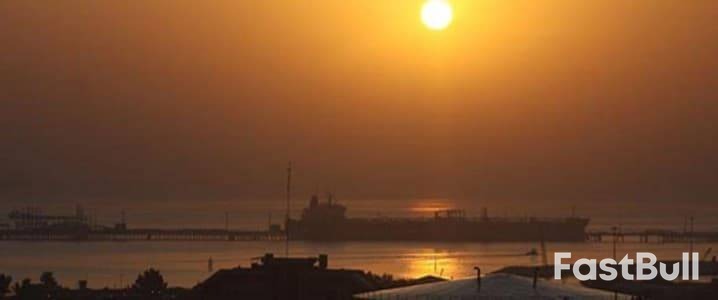
Iran's oil industry is caught in a complex economic trap. Under sanctions first imposed during Donald Trump's presidency, Tehran has managed to not only sustain its oil sector but also increase production. However, this growth in output masks a harsh reality: soaring production does not necessarily translate into higher revenue.
The primary reason Iran’s oil industry has survived, and even expanded, is China. With its massive appetite for crude oil, China has become the sole major buyer for sanctioned Iranian barrels, effectively providing a lifeline that has also supported Venezuela's sanctioned oil sector.
This dependency has created a buyer's market. With no other significant customers, Iran is forced to offer deep discounts, significantly cutting into its potential profits. For years, Tehran has relied on a single, powerful buyer that dictates the terms.
Beyond discounted prices, Iran faces a significant financial drain from the complex logistics required to circumvent sanctions. The process of getting oil to market is now riddled with expensive operational hurdles:
• Ship-to-ship transfers at sea add operational complexity and cost.
• Reflagging tankers to hide the oil's origin is another necessary but costly measure.
• Avoiding U.S. forces on patrol adds further logistical burdens and expenses.
In short, while Iran is selling more oil today than it was five years ago, the cost of each sale has climbed substantially, squeezing profit margins even further.
The situation is becoming more challenging with recent developments in Venezuela. As Washington has eased restrictions, Venezuelan oil is now being sold freely on the global market. This gives buyers a new source of sanction-free crude, making it an attractive alternative to Iranian oil, which still carries the risk and hassle of sanctions compliance.
Despite these headwinds, Iran continues to push for growth. Last month, Oil Minister Mohsen Paknejad announced that Tehran is actively seeking international partners for "golden investment opportunities" in its oil and gas sectors. He noted that Iran has already secured contracts with "friendly nations," a point made during a meeting with Belarusian energy minister Andrei Kuznetsov late last year.
This strategy is straightforward: when you are forced to sell a product cheaply, you compensate by selling more of it. Iran is betting on higher volumes to make up for lower per-barrel revenue.
Whether this strategy succeeds remains to be seen, especially with Venezuela back in the market. However, China's oil demand continues to be a powerful supportive factor. Last year, Chinese crude imports hit an all-time high of 11.55 million barrels per day, totaling 557.73 million tons—a 4.4% increase from 2024. This robust demand has helped support global oil prices, which benefits all producers, including Iran.
Ironically, recent threats against Iran from the Trump administration have also contributed to stronger oil prices. Analysts are already revising their forecasts upward to account for the heightened risk of a U.S. strike. While higher prices could boost Tehran's revenues, an actual military conflict would be devastating. In such a scenario, Iran's oil facilities would become prime targets, and the ultimate price of conflict could prove far too high.

728 RM B 7/F GEE LOK IND BLDG NO 34 HUNG TO RD KWUN TONG KLN HONG KONG


The risk of loss in trading financial instruments such as stocks, FX, commodities, futures, bonds, ETFs and crypto can be substantial. You may sustain a total loss of the funds that you deposit with your broker. Therefore, you should carefully consider whether such trading is suitable for you in light of your circumstances and financial resources.
No decision to invest should be made without thoroughly conducting due diligence by yourself or consulting with your financial advisors. Our web content might not suit you since we don't know your financial conditions and investment needs. Our financial information might have latency or contain inaccuracy, so you should be fully responsible for any of your trading and investment decisions. The company will not be responsible for your capital loss.
Without getting permission from the website, you are not allowed to copy the website's graphics, texts, or trademarks. Intellectual property rights in the content or data incorporated into this website belong to its providers and exchange merchants.
Not Logged In
Log in to access more features


Log In
Sign Up


