Markets
News
Analysis
User
24/7
Economic Calendar
Education
Data
- Names
- Latest
- Prev



 News
News 






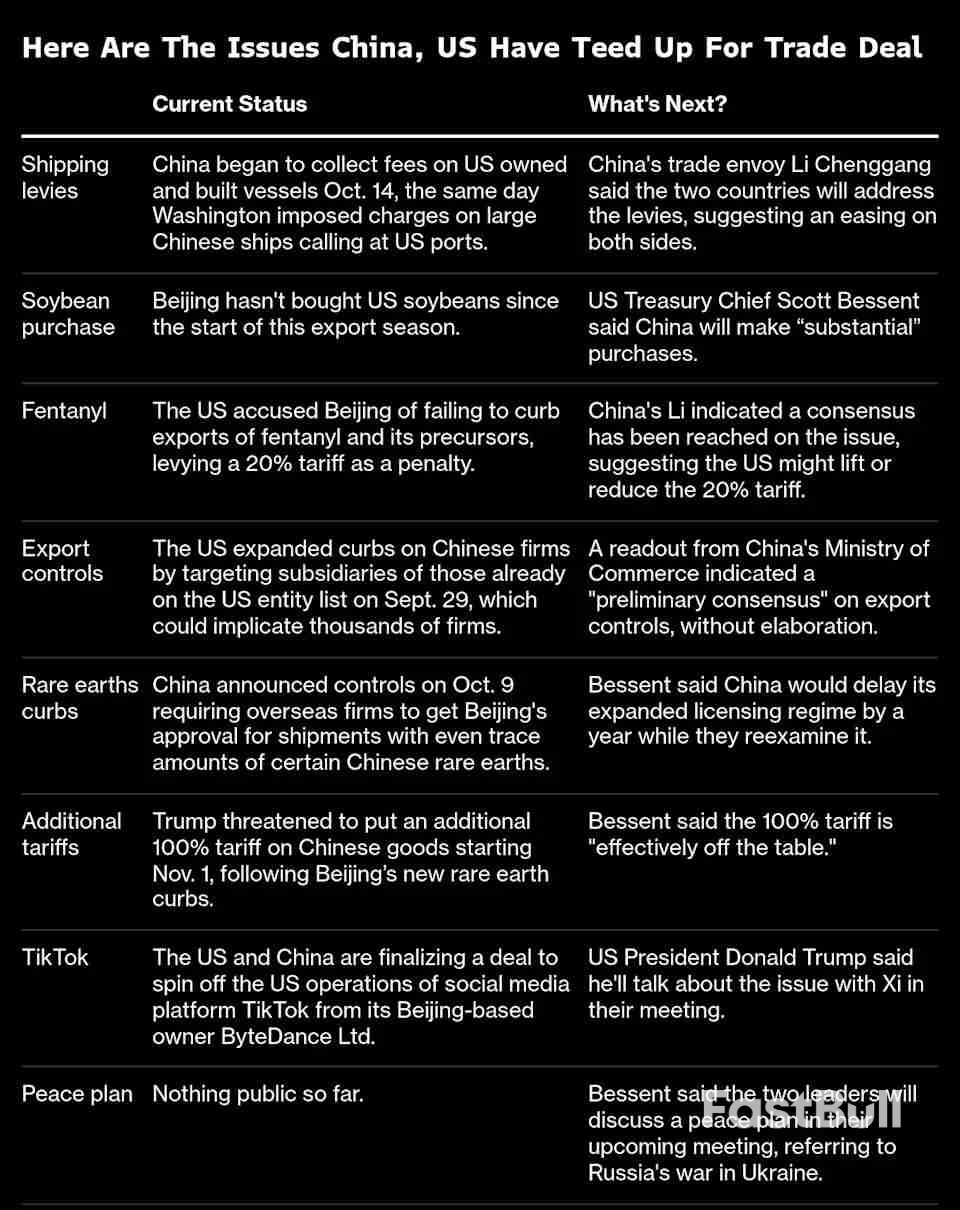
The United States and China appear to have hammered out the framework of a trade deal in advance of Presidents Donald Trump and Xi Jinping's meeting this week, removing the threat of an imminent collapse in trade between the world's two largest economies. World markets have welcomed the news, but, far from a game changer, this just looks like déjà vu.
The United States and China appear to have hammered out the framework of a trade deal in advance of Presidents Donald Trump and Xi Jinping's meeting this week, removing the threat of an imminent collapse in trade between the world's two largest economies. World markets have welcomed the news, but, far from a game changer, this just looks like déjà vu.
"OUR DEAL WITH CHINA IS DONE, SUBJECT TO FINAL APPROVAL WITH PRESIDENT XI AND ME," Trump wrote on Truth Social on June 11, adding: "RELATIONSHIP IS EXCELLENT!"
As it turned out, the deal was not done, and the relationship was not excellent.
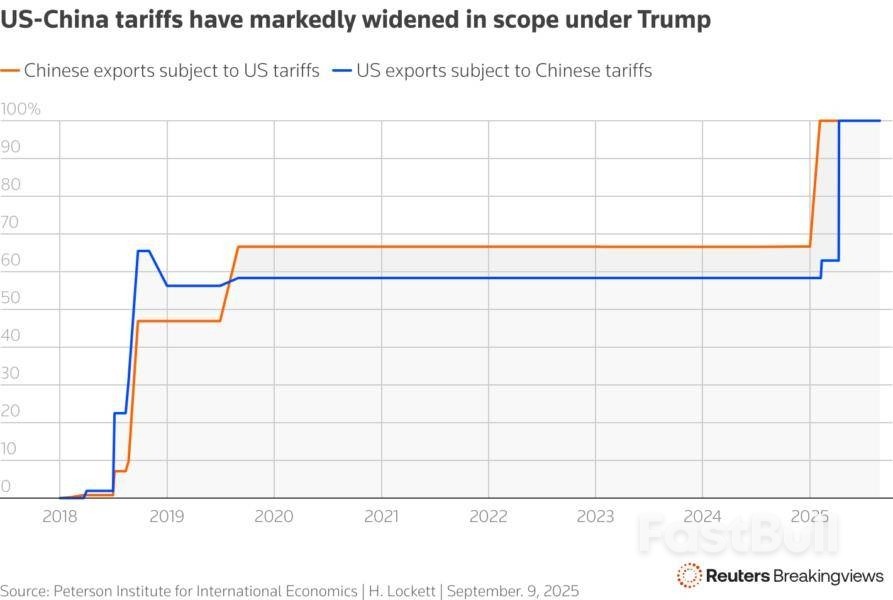
So much so, an emboldened Beijing earlier this month put extra controls on rare earth exports, and Washington responded with threats of 100% tariffs on U.S.-bound shipments of goods from China. U.S. Treasury Secretary Scott Bessent also publicly criticized top Chinese trade negotiator Li Chenggang as "unhinged".
However, the two men appear to have put these differences aside following talks in Malaysia over the weekend, agreeing to the roots of a preliminary deal in which China will delay its expanded licensing regime for rare earths and the U.S. will drastically lower its threatened tariffs on Chinese goods.
Soundings from the White House are upbeat, while the Chinese side is taking a more cautious line.
On the one hand, any deal that removes the worst-case scenario of a collapse in U.S.-China trade is good news. And all the evidence since the depths of 'Liberation Day' turmoil in April suggests that, if this doomsday threat is sidelined, the world economy will continue to muddle through, and markets will 'melt up' on policy stimulus, AI optimism and solid corporate earnings.
Cassandras say that's a dangerously complacent view. Whatever face-saving deal Trump and Xi eventually agree to will merely kick the can down the road.
Grace Fan at TS Lombard on Friday warned that a "perilous new chapter in geopolitics and global trade" has been opened, regardless of how the Trump-Xi meeting goes. The stakes are high, neither side wants to be seen backing down, and both will feel they hold the ace cards.
Trump leads the world's biggest economic, financial and military superpower, and every single trade deal he has signed so far this year has been in the United States' favor.
Meanwhile, Xi has huge leverage with something the U.S. needs - rare earths, the elements used in everything from lithium-ion batteries and semiconductors to cell phones, aircraft engines, LED TVs, electric vehicles and military radars.
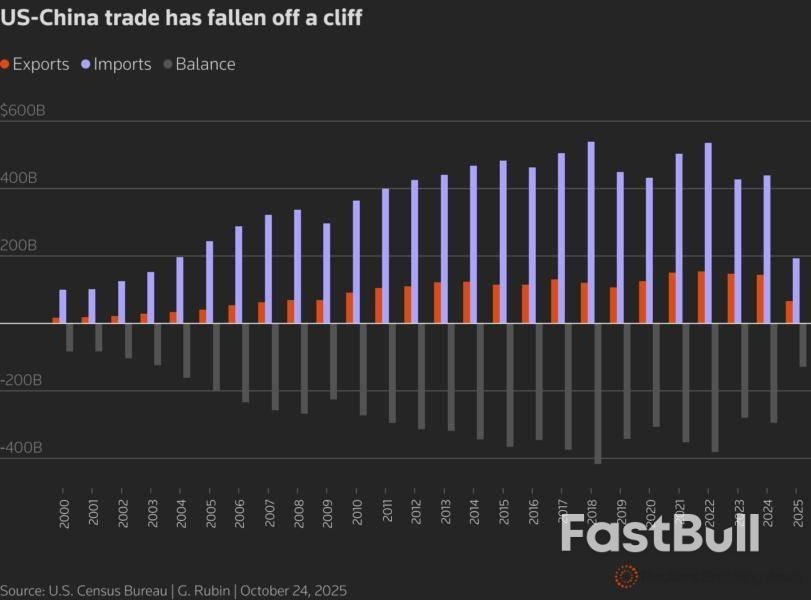
China mines about 60% of the world's rare earths and makes 90% of rare earth magnets. On its face, the dollar value of the global rare earths market looks tiny at just $12 billion, according to management consultant firm IMARC. That figure, which is at the higher end of estimates, is a fraction of last year's $670 billion U.S.-China bilateral trade.
But these elements are tied to trillions of dollars of global economic output, making the relatively tiny market a critical part of U.S.-China relations.
It would thus be naive to think that a temporary lifting of China's export controls, if that is part of any deal, will be the end of the matter.
Instead, both sides are apt to use the "deal" as an opportunity to shore up their own weaknesses to ensure they are in a better position once tensions flare up again, whether that's Beijing further diversifying its export markets or Washington diversifying its sources of critical minerals.
One of the big takeaways from the International Monetary Fund and World Bank annual meetings in Washington this month was that China's decision to use its rare earth leverage over the U.S. signals a new and more dangerous stage in this geopolitical struggle.
Daniel Yergin, vice chairman of S&P Global, said in a discussion that trust between the U.S. and China has "gone". Goldman Sachs President John Waldron told another panel that "something more monumental" between the two countries is playing out.
In private, many delegates were even more pessimistic.
But pessimism is not something that has characterized financial markets much in the last six months, with stocks in Japan, Australia, South Korea, Britain and France, and the U.S. reaching all-time highs last week.
Many markets jumped even higher on Monday ahead of the Trump-Xi meeting, expected on Thursday, with investors calculating that a 'placeholder' trade deal is better than no deal at all.

728 RM B 7/F GEE LOK IND BLDG NO 34 HUNG TO RD KWUN TONG KLN HONG KONG


The risk of loss in trading financial instruments such as stocks, FX, commodities, futures, bonds, ETFs and crypto can be substantial. You may sustain a total loss of the funds that you deposit with your broker. Therefore, you should carefully consider whether such trading is suitable for you in light of your circumstances and financial resources.
No decision to invest should be made without thoroughly conducting due diligence by yourself or consulting with your financial advisors. Our web content might not suit you since we don't know your financial conditions and investment needs. Our financial information might have latency or contain inaccuracy, so you should be fully responsible for any of your trading and investment decisions. The company will not be responsible for your capital loss.
Without getting permission from the website, you are not allowed to copy the website's graphics, texts, or trademarks. Intellectual property rights in the content or data incorporated into this website belong to its providers and exchange merchants.
Not Logged In
Log in to access more features


Log In
Sign Up