• Trade
  • Markets
  • Copy
  • Contests
  • News
  • 24/7
  • Calendar
  • Q&A
  • Chats
Trending
Screeners
SYMBOL
LAST
BID
ASK
HIGH
LOW
NET CHG.
%CHG.
SPREAD
SPX
S&P 500 Index
6870.39
6870.39
6870.39
6895.79
6858.28
+13.27
+ 0.19%
--
DJI
Dow Jones Industrial Average
47954.98
47954.98
47954.98
48133.54
47871.51
+104.05
+ 0.22%
--
IXIC
NASDAQ Composite Index
23578.12
23578.12
23578.12
23680.03
23506.00
+72.99
+ 0.31%
--
USDX
US Dollar Index
98.830
98.910
98.830
98.960
98.810
-0.120
-0.12%
--
EURUSD
Euro / US Dollar
1.16524
1.16532
1.16524
1.16539
1.16341
+0.00098
+ 0.08%
--
GBPUSD
Pound Sterling / US Dollar
1.33378
1.33387
1.33378
1.33399
1.33151
+0.00066
+ 0.05%
--
XAUUSD
Gold / US Dollar
4199.71
4200.10
4199.71
4211.68
4190.61
+1.80
+ 0.04%
--
WTI
Light Sweet Crude Oil
59.830
59.867
59.830
60.063
59.752
+0.021
+ 0.04%
--

Community Accounts

Signal Accounts
--
Profit Accounts
--
Loss Accounts
--
View More

Become a signal provider

Sell trading signals to earn additional income

View More

Guide to Copy Trading

Get started with ease and confidence

View More

Signal Accounts for Members

All Signal Accounts

Best Return
  • Best Return
  • Best P/L
  • Best MDD
Past 1W
  • Past 1W
  • Past 1M
  • Past 1Y

All Contests

  • All
  • Trump Updates
  • Recommend
  • Stocks
  • Cryptocurrencies
  • Central Banks
  • Featured News
Top News Only
Share

China's CSI Ai Index Up More Than 3%

Share

Australia Treasurer Chalmers: Mid-Year Teview Will Not Be A Mini-Budget, Will Include Savings

Share

Australia Treasurer Chalmers: Will Not Extend Electrictiy Rebates

Share

Most Active China Coke Contract Falls 6.1% To 1532 Yuan/Metric Ton

Share

Most Active China Coking Coal Contract Falls As Much As 6.6% To 1088.5 Yuan/Metric Ton

Share

China's Yuan Opens Trade At 7.0683 Per Dollar Versus Last Close At 7.0720

Share

Most Active China Coke Contract Falls 4.8%

Share

Most Active China Coking Coal Contract Falls More Than 5%

Share

China's Central Bank Sets Yuan Mid-Point At 7.0764 / Dlr Versus Last Close 7.0720

Share

Japan Chief Cabinet Secretary Kihara: Have Seen No Change In China's Export Of Rare Earths To Japan

Share

[Market Update] Spot Silver Fell Below $58/ounce, Down 0.47% On The Day

Share

Japan Chief Cabinet Secretary Kihara: Will Continue To Work Closely With USA With Heightening Regional Tension In Mind

Share

Japan Chief Cabinet Secretary Kihara: Japan Will Decide On Its Own What Is Appropriate For Its Defence Spending

Share

Japan Chief Cabinet Secretary Kihara: Ratio Of Defence Spending Versus GDP Is Not The Important Issue

Share

Taiwan Overnight Interbank Rate Opens At 0.805 Percent (Versus 0.805 Percent At Previous Session Open)

Share

USGS - Magnitude 5.8 Earthquake Strikes Yakutat, Alaska Region

Share

Japan Chief Cabinet Secretary Kihara: Very Important To Get Understanding Of Other Countries, Including USA, Over Japan's Stance

Share

[JPMorgan CEO Jamie Dimon Says Europe Has Big Problems And Internal Divisions Will Be A Major Challenge] JPMorgan Chase CEO Jamie Dimon Stated That European Bureaucracy Is Inefficient And Warned That A Weak European Continent Poses A Significant Economic Risk To The United States. Europe Has Big Problems. They've Done A Very Good Job With Social Security. But They've Also Driven Away Businesses, Investment, And Innovation. This Situation Is Gradually Improving. He Praised Some European Leaders, Saying They Are Aware Of These Problems, But He Also Cautioned That Politics Is "really Difficult."

Share

Thai Army Spokesman Says Military Launched Air Strikes In Disputed Border Area With Cambodia

Share

Bank Of Japan - Japan Nov Outstanding Bank Loans +4.2% Year-On-Year

TIME
ACT
FCST
PREV
Canada Labor Force Participation Rate (SA) (Nov)

A:--

F: --

P: --

U.S. Personal Income MoM (Sept)

A:--

F: --

P: --

U.S. PCE Price Index YoY (SA) (Sept)

A:--

F: --

P: --

U.S. PCE Price Index MoM (Sept)

A:--

F: --

P: --

U.S. Personal Outlays MoM (SA) (Sept)

A:--

F: --

P: --

U.S. Core PCE Price Index MoM (Sept)

A:--

F: --

P: --

U.S. Core PCE Price Index YoY (Sept)

A:--

F: --

P: --

U.S. UMich 5-Year-Ahead Inflation Expectations Prelim YoY (Dec)

A:--

F: --

P: --

U.S. Real Personal Consumption Expenditures MoM (Sept)

A:--

F: --

P: --

U.S. 5-10 Year-Ahead Inflation Expectations (Dec)

A:--

F: --

P: --

U.S. UMich Current Economic Conditions Index Prelim (Dec)

A:--

F: --

P: --

U.S. UMich Consumer Sentiment Index Prelim (Dec)

A:--

F: --

P: --

U.S. UMich 1-Year-Ahead Inflation Expectations Prelim (Dec)

A:--

F: --

P: --

U.S. UMich Consumer Expectations Index Prelim (Dec)

A:--

F: --

P: --

U.S. Weekly Total Rig Count

A:--

F: --

P: --

U.S. Weekly Total Oil Rig Count

A:--

F: --

P: --

U.S. Unit Labor Cost Prelim (SA) (Q3)

--

F: --

P: --

U.S. Consumer Credit (SA) (Oct)

A:--

F: --

P: --

China, Mainland Foreign Exchange Reserves (Nov)

A:--

F: --

P: --

China, Mainland Exports YoY (USD) (Nov)

--

F: --

P: --

China, Mainland Imports YoY (CNH) (Nov)

--

F: --

P: --

China, Mainland Imports YoY (USD) (Nov)

--

F: --

P: --

China, Mainland Imports (CNH) (Nov)

--

F: --

P: --

China, Mainland Trade Balance (CNH) (Nov)

--

F: --

P: --

China, Mainland Exports (Nov)

--

F: --

P: --

Japan Wages MoM (Oct)

A:--

F: --

P: --

Japan Trade Balance (Oct)

A:--

F: --

P: --

Japan Nominal GDP Revised QoQ (Q3)

A:--

F: --

P: --

Japan Trade Balance (Customs Data) (SA) (Oct)

A:--

F: --

P: --

Japan GDP Annualized QoQ Revised (Q3)

A:--

F: --

P: --
China, Mainland Exports YoY (CNH) (Nov)

--

F: --

P: --

China, Mainland Trade Balance (USD) (Nov)

--

F: --

P: --

Germany Industrial Output MoM (SA) (Oct)

--

F: --

P: --

Euro Zone Sentix Investor Confidence Index (Dec)

--

F: --

P: --

Canada Leading Index MoM (Nov)

--

F: --

P: --

Canada National Economic Confidence Index

--

F: --

P: --

U.S. Dallas Fed PCE Price Index YoY (Sept)

--

F: --

P: --

China, Mainland Trade Balance (USD) (Nov)

--

F: --

P: --

U.S. 3-Year Note Auction Yield

--

F: --

P: --

U.K. BRC Overall Retail Sales YoY (Nov)

--

F: --

P: --

U.K. BRC Like-For-Like Retail Sales YoY (Nov)

--

F: --

P: --

Australia Overnight (Borrowing) Key Rate

--

F: --

P: --

RBA Rate Statement
RBA Press Conference
Germany Exports MoM (SA) (Oct)

--

F: --

P: --

U.S. NFIB Small Business Optimism Index (SA) (Nov)

--

F: --

P: --

Mexico Core CPI YoY (Nov)

--

F: --

P: --

Mexico 12-Month Inflation (CPI) (Nov)

--

F: --

P: --

Mexico PPI YoY (Nov)

--

F: --

P: --

Mexico CPI YoY (Nov)

--

F: --

P: --

U.S. Weekly Redbook Index YoY

--

F: --

P: --

U.S. JOLTS Job Openings (SA) (Oct)

--

F: --

P: --

China, Mainland M2 Money Supply YoY (Nov)

--

F: --

P: --

China, Mainland M0 Money Supply YoY (Nov)

--

F: --

P: --

China, Mainland M1 Money Supply YoY (Nov)

--

F: --

P: --

U.S. EIA Short-Term Crude Production Forecast For The Next Year (Dec)

--

F: --

P: --

U.S. EIA Short-Term Crude Production Forecast For The Year (Dec)

--

F: --

P: --

U.S. EIA Natural Gas Production Forecast For The Next Year (Dec)

--

F: --

P: --

EIA Monthly Short-Term Energy Outlook
U.S. 10-Year Note Auction Avg. Yield

--

F: --

P: --

U.S. API Weekly Cushing Crude Oil Stocks

--

F: --

P: --

Q&A with Experts
    • All
    • Chatrooms
    • Groups
    • Friends
    Connecting
    .
    .
    .
    Type here...
    Add Symbol or Code

      No matching data

      All
      Trump Updates
      Recommend
      Stocks
      Cryptocurrencies
      Central Banks
      Featured News
      • All
      • Russia-Ukraine Conflict
      • Middle East Flashpoint
      • All
      • Russia-Ukraine Conflict
      • Middle East Flashpoint
      Search
      Products

      Charts Free Forever

      Chats Q&A with Experts
      Screeners Economic Calendar Data Tools
      Membership Features
      Data Warehouse Market Trends Institutional Data Policy Rates Macro

      Market Trends

      Market Sentiment Order Book Forex Correlations

      Top Indicators

      Charts Free Forever
      Markets

      News

      News Analysis 24/7 Columns Education
      From Institutions From Analysts
      Topics Columnists

      Latest Views

      Latest Views

      Trending Topics

      Top Columnists

      Latest Update

      Signals

      Copy Rankings Latest Signals Become a signal provider AI Rating
      Contests
      Brokers

      Overview Brokers Assessment Rankings Regulators News Claims
      Broker listing Forex Brokers Comparison Tool Live Spread Comparison Scam
      Q&A Complaint Scam Alert Videos Tips to Detect Scam
      More

      Business
      Events
      Careers About Us Advertising Help Center

      White Label

      Data API

      Web Plug-ins

      Affiliate Program

      Awards Institution Evaluation IB Seminar Salon Event Exhibition
      Vietnam Thailand Singapore Dubai
      Fans Party Investment Sharing Session
      FastBull Summit BrokersView Expo
      Recent Searches
        Top Searches
          Markets
          News
          Analysis
          User
          24/7
          Economic Calendar
          Education
          Data
          • Names
          • Latest
          • Prev

          View All

          No data

          Scan to Download

          Faster Charts, Chat Faster!

          Download App
          English
          • English
          • Español
          • العربية
          • Bahasa Indonesia
          • Bahasa Melayu
          • Tiếng Việt
          • ภาษาไทย
          • Français
          • Italiano
          • Türkçe
          • Русский язык
          • 简中
          • 繁中
          Open Account
          Search
          Products
          Charts Free Forever
          Markets
          News
          Signals

          Copy Rankings Latest Signals Become a signal provider AI Rating
          Contests
          Brokers

          Overview Brokers Assessment Rankings Regulators News Claims
          Broker listing Forex Brokers Comparison Tool Live Spread Comparison Scam
          Q&A Complaint Scam Alert Videos Tips to Detect Scam
          More

          Business
          Events
          Careers About Us Advertising Help Center

          White Label

          Data API

          Web Plug-ins

          Affiliate Program

          Awards Institution Evaluation IB Seminar Salon Event Exhibition
          Vietnam Thailand Singapore Dubai
          Fans Party Investment Sharing Session
          FastBull Summit BrokersView Expo

          Canada To Remove Many Retaliatory Tariffs On US Goods, Says Source

          Olivia Brooks

          Economic

          China–U.S. Trade War

          Summary:

          Canada will announce on Friday that it is removing many retaliatory tariffs on U.S. goods as a goodwill gesture designed to restart stalled trade talks, a source familiar with the matter said.

          Canada will announce on Friday that it is removing many retaliatory tariffs on U.S. goods as a goodwill gesture designed to restart stalled trade talks, a source familiar with the matter said.

          Canadian tariffs on U.S. autos, steel and aluminum will remain for now, said the source, who requested anonymity given the sensitivity of the situation.

          Prime Minister Mark Carney is scheduled to give a press conference at noon Eastern Time (1600 GMT) on Friday.

          The news helped the Canadian dollar extend its gains and by 11:05 a.m. it was up 0.5% at C$1.3837 to the U.S. dollar, or 72.27 U.S. cents.

          Canada has been holding talks with the United States on a new economic and security relationship for months but the two sides are not close to a deal.

          Carney spoke to U.S. President Donald Trump on Thursday for the first time since June and held what his office called a productive conversation.

          Carney's office did not respond to a request for comment.
          Source: Reuters

          To stay updated on all economic events of today, please check out our Economic calendar
          Risk Warnings and Disclaimers
          You understand and acknowledge that there is a high degree of risk involved in trading. Following any strategies or investment methods may lead to potential losses. The content on the site is provided by our contributors and analysts for information purposes only. You are solely responsible for determining whether any trading assets, securities, strategy, or any other product is suitable for investing based on your own investment objectives and financial situation.
          Add to Favorites
          Share

          Fed Chair Jerome Powell Signals Interest Rate Cuts Amid Trump Attacks

          Warren Takunda

          Economic

          The Federal Reserve is gearing up to resume cuts to interest rates, its chair, Jerome Powell has signaled, as he warned Donald Trump’s tariffs and immigration crackdown had roiled the global economy and hit the US workforce.
          For months, Powell has ignored demands from the president to cut interest rates and defied the US president’s calls to resign. But as Trump ramps up his extraordinary attack on the Fed’s independence, Powell suggested on Friday that Fed officials are considering a rate cut.
          “With policy in restrictive territory, the baseline outlook and the shifting balance of risks may warrant adjusting our policy stance,” Powell said in a closely scrutinized speech at the Jackson Hole symposium in Wyoming on Friday, highlighting a “challenging” dichotomy of risks: that Trump’s tariffs might increase inflation, while his immigration policies knock the US labor market.
          Trump, meanwhile, continues to encroach on the Fed’s independence and demand that it rapidly cuts rates. The president called on a Fed governor, Lisa Cook, to resign after one of his allies, the US Federal Housing Finance Agency head, Bill Pulte, alleged that she had committed mortgage fraud.
          After Cook said she had “no intention of being bullied” into stepping down, Trump told reporters in Washington on Friday: “I’ll fire her if she doesn’t resign.”
          Since Trump started his second term and overhauled America’s trade system, Powell – who is usually reserved about making direct comments on executive branch policies – has been more outspoken about the impact of Trump’s tariffs.
          “This year, the economy has faced new challenges. Significantly higher tariffs across our trading partners are remaking the global system,” Powell said in his speech on Friday. “Tighter immigration policy has led to an abrupt slowdown in labor force growth.”
          Changes to tax, spending and regulation may also affect the economy, Powell added, tacitly underlining the erratic nature of government by Trump. “There is significant uncertainty about where all of these policies will eventually settle and what their lasting effects on the economy will be,” he said.
          Recent government data shows that US labor growth stalled this summer. While new jobs are still being added to the economy each month, Powell noted that it was “a curious kind of balance” where both the supply and demand for workers have been slowing.
          “This unusual situation suggests that downside risks to employment are rising. And if those risks materialize, they can do so quickly in the form of sharply higher layoffs and rising unemployment,” he said.
          Cutting rates could help boost the labor market, but it can also make inflation worse. Powell pointed out that Trump’s tariffs have “begun to push prices up in some categories of goods”.
          “The effects of tariffs on consumer prices are now clearly visible. We expect those effects to accumulate over coming months, with high uncertainty about timing and amounts,” Powell said.
          It is unclear whether tariffs will cause lasting inflation, meaning prices will continue to go up at higher paces, or if it will mean a one-time shift in the price level.Fed Chair Jerome Powell Signals Interest Rate Cuts Amid Trump Attacks_1
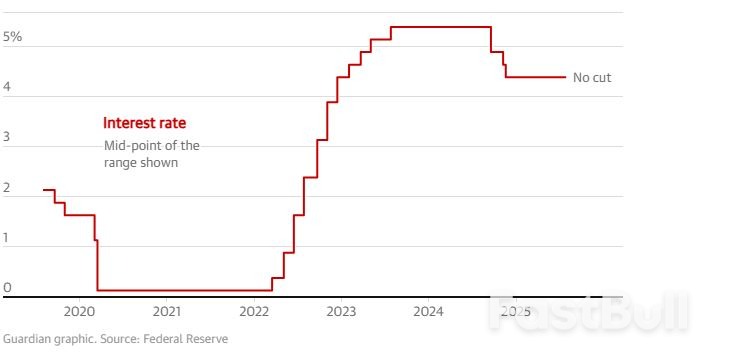
          At five consecutive meetings, the Fed has left rates unchanged, despite the president’s calls for rapid cuts. Before moving, most policymakers wanted more clarity on the economic impact of his policies, including sweeping tariffs on imports, and deportations.
          At the Fed’s last meeting, in July, where it again opted to leave its benchmark interest rate unchanged, two governors opposed the decision – the first time multiple governors have voted against the majority since 1993.
          After the meeting, official employment data showed that jobs growth stalled this summer – prompting Trump to fire the federal official in charge of labor statistics – as inflation continued to rise.
          A parade of those aspiring to replace Powell next year – believed to include the two governors who called for rate cuts at the last Fed meeting, Christopher Waller and Michelle Bowman, and Kevin Hassett, the director of Trump’s national economic council – will be interviewed in the coming weeks.

          Source: Theguardian

          To stay updated on all economic events of today, please check out our Economic calendar
          Risk Warnings and Disclaimers
          You understand and acknowledge that there is a high degree of risk involved in trading. Following any strategies or investment methods may lead to potential losses. The content on the site is provided by our contributors and analysts for information purposes only. You are solely responsible for determining whether any trading assets, securities, strategy, or any other product is suitable for investing based on your own investment objectives and financial situation.
          Add to Favorites
          Share

          Nvidia Asks Suppliers to Halt H20 Work, Information Says

          Adam

          Economic

          Nvidia Corp. has instructed component suppliers including Samsung Electronics Co. and Amkor Technology Inc. to stop production related to the H20 AI chip, the Information reported, citing unidentified sources.
          Nvidia issued those orders this week after Beijing urged local companies to avoid using the H20, the Information said, referring to a chip designed specifically for the Chinese market. The US company’s shares slid about 1.3% in US pre-market trading.
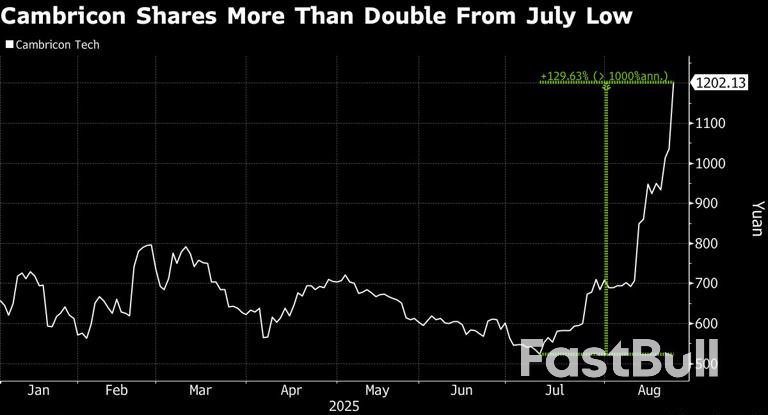
          A production suspension would raise questions about fundamental demand for the H20, a less-powerful version of Nvidia’s cutting-edge AI accelerators that competes with similarly capable chips from the likes of Huawei Technologies Co. and Cambricon Technologies Corp. The latter company’s shares soared as much as 20% Friday, leading a rally in fellow Chinese chip stocks.
          Nvidia and Advanced Micro Devices Inc. both recently secured Washington’s approval to resume lower-end AI chip sales to China, on the controversial and legally questionable condition that they give the US government a 15% cut of the related revenue. But their Chinese customers are under pressure to adopt homegrown chips instead — part of a broader objective to build a world-class domestic industry and wean the country off US technology.
          In past weeks, Chinese authorities have sent notices to a range of firms discouraging use of the less-advanced semiconductors, Bloomberg News has reported. That followed warnings about alleged security risks in the H20, after Washington officials said they were considering ways to equip chips with better location-tracking capabilities.
          The scrutiny coincides with the growing capabilities of homegrown alternatives to Nvidia designed by Huawei and its peers. On Thursday, Chinese AI phenomenon DeepSeek said its latest AI model was customized to work with next-generation Chinese-made AI chips, without elaborating.
          Chief Executive Officer Jensen Huang on Friday said he was surprised when Beijing expressed those concerns and was now addressing that in talks with the authorities. But he reiterated that the H20 houses no such security backdoors. Huang, who was in Taiwan to discuss his upcoming Rubin chip with Taiwan Semiconductor Manufacturing Co., said Nvidia’s also in talks with Washington about a potential follow-up to the H20 for China, though that depended on the Trump administration.
          “Offering a new product to China for AI data centers — the follow-on to the H20 — that’s not our decision to make. It’s up to of course the US government,” Huang told reporters during an impromptu briefing at the airport. “We’re in dialogue with them but it’s too soon to know.”
          What Bloomberg Intelligence Says
          Nvidia’s decision to halt H20 chip production, as reported by The Information, follows the Chinese government urging local companies to avoid using the chip and creates fresh uncertainty over when Nvidia’s China business can recover. We had previously projected H20 shipments to China would resume no earlier than the end of this year. Although a delay might temper optimistic estimates for China, robust US hyperscaler demand and Blackwell adoption should offset the impact on Nvidia this year.
          - Kunjan Sobhani and Oscar Hernandez Tejada, analysts
          Click here for the research.
          It’s unclear whether the Information’s story relates to new production of the H20 or stockpiles of unfinished AI accelerators.
          Semi-finished semiconductors are “piling up” at Amkor, which packages chips for customers like Nvidia, the Information reported. Representatives for Amkor didn’t immediately respond to requests for comment after normal hours. A Samsung representative declined to comment.
          Nvidia, which wrote off $5.5 billion of H20 chips for China after the Trump administration decided to ban the product, is still sitting on unsold inventory. Huang has said the US reversal of that ban over the summer could help Nvidia recover some but not all of that writedown.
          Nvidia Asks Suppliers to Halt H20 Work, Information Says_1

          Cambricon Shares More Than Double From July Low

          Nvidia — which is due to report earnings next week — has repeatedly denied it builds backdoors or location-tracking into its product. “We constantly manage our supply chain to address market conditions,” an Nvidia spokesperson said in response to the Information report.
          “As both governments recognize, the H20 is not a military product or for government infrastructure. China won’t rely on American chips for government operations, just like the US government would not rely on chips from China. However, allowing US chips for beneficial commercial business use is good for everyone.”

          Source: Bloomberg

          To stay updated on all economic events of today, please check out our Economic calendar
          Risk Warnings and Disclaimers
          You understand and acknowledge that there is a high degree of risk involved in trading. Following any strategies or investment methods may lead to potential losses. The content on the site is provided by our contributors and analysts for information purposes only. You are solely responsible for determining whether any trading assets, securities, strategy, or any other product is suitable for investing based on your own investment objectives and financial situation.
          Add to Favorites
          Share

          The Commodities Feed: Fading Optimism Over Ukraine Ceasefire Pushes Oil Higher

          ING

          Economic

          Commodity

          Russia-Ukraine Conflict

          Political

          Energy

          Oil prices moved higher yesterday as the initial enthusiasm over progress towards a ceasefire between Russia and Ukraine continues to fade. It’s proving difficult to set up a Putin-Zelensky summit, while discussions around potential security guarantees face obstacles. Russia suggests, for example, that it should be part of any security guarantees for Ukraine. Not helping matters is Russia launching its largest strike on Ukraine in over a month. The less likely a ceasefire looks, the more likely the risk of tougher sanctions.

          Meanwhile, President Trump’s trade advisor, Peter Navarro, said he expects that secondary tariffs on India for its purchases of Russian oil to go ahead next week. An additional 25% tariff is set to come into effect on 27 August. While Indian refiners initially took a step back from buying Russian crude when these tariffs were announced, reports are that attractive discounts have Indian refiners showing increased interest once again. This poses upside risk for the oil market. If tariffs push India away from buying Russian oil, and Russia can’t divert this supply to other buyers, domestic producers would be forced to reduce supply. However, this is less of a concern if India continues with its Russian crude purchases.

          This week has also seen a further easing in the tightness in the middle distillate market. Yet the gasoil crack has strengthened this week, along with the prompt ICE gasoil timespread. This comes amid some refinery outages. Gasoil inventories in the Amsterdam-Rotterdam-Antwerp (ARA) region increased by 170kt WoW to 2.03mt, helping to take stocks closer towards the seasonal 5-year average. Meanwhile, middle distillate stocks in Singapore increased by 371k barrels. Increases in ARA and Singapore follow a 2.34m barrel increase that the Energy Information Administration (EIA) reported earlier this week in US distillate stocks.

          European gas prices rallied yesterday. The Title Transfer Facility (TTF) settled close to 4% higher as attention increasingly turns to upcoming maintenance work in Norway, which will lead to lower Norwegian flows to Europe. EU gas storage is close to 75% full at the moment, lagging the 5-year average of 82% and well below last year’s level of 91% full. European prices will need to remain competitive relative to Asia to ensure enough LNG heads to Europe ahead of the next heating season. However, LNG send-outs in Europe have been trending lower since peaking in June.
          Source: ING

          To stay updated on all economic events of today, please check out our Economic calendar
          Risk Warnings and Disclaimers
          You understand and acknowledge that there is a high degree of risk involved in trading. Following any strategies or investment methods may lead to potential losses. The content on the site is provided by our contributors and analysts for information purposes only. You are solely responsible for determining whether any trading assets, securities, strategy, or any other product is suitable for investing based on your own investment objectives and financial situation.
          Add to Favorites
          Share

          Slowing US Growth Suggests Risk to Earnings Outlook

          Adam

          Economic

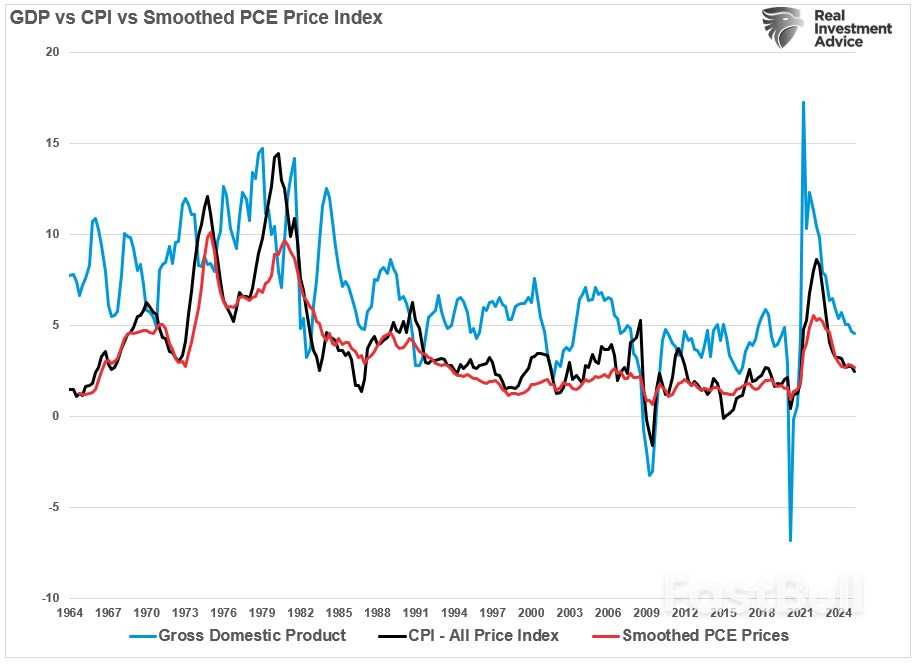
          The latest economic data suggests the US economy is decelerating. That means growth is slowing, jobs are shrinking, and households are spending less. As we showed in a recent #BullBearReport, economic growth, inflation, and personal consumption are trending lower.
          Slowing US Growth Suggests Risk to Earnings Outlook_1
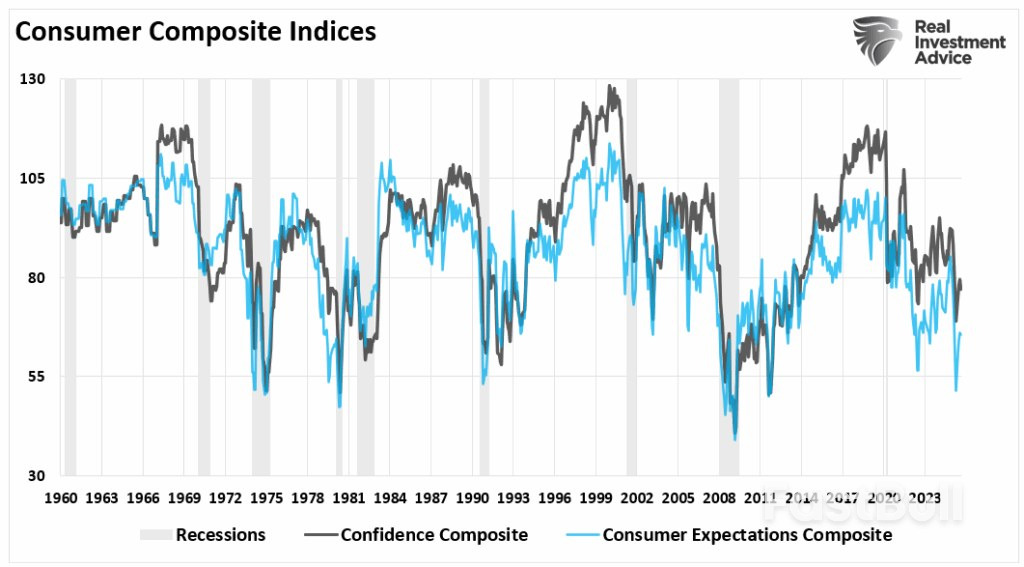
          Unsurprisingly, with job growth weakening, consumer sentiment also took a hit in the latest report, with future expectations remaining very weak.
          Slowing US Growth Suggests Risk to Earnings Outlook_2
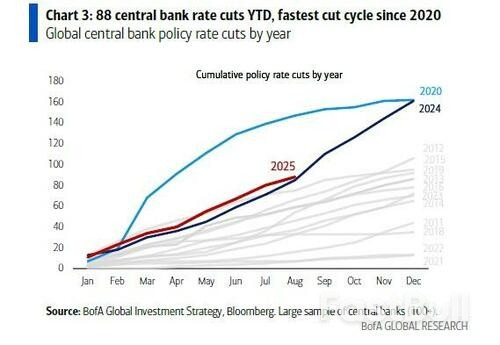
          While the financial markets got very excited over the data, as it creates pressure for rate cuts in the US, it bodes poorly for future returns. So far in 2025, there have been 88 central bank rate cuts, the fastest cut cycle since the 2020 COVID crash. That is not a sign of burgeoning economic growth. While stocks and credit anticipate the Fed joining the easing party, the pace of cuts suggests that weakness is spreading globally.
          Slowing US Growth Suggests Risk to Earnings Outlook_3
          Crucially, economic growth, or the lack thereof, shapes earnings expectations and investor behavior. At first glance, it looked like the US economy was regaining strength in the latest GDP report. But the drivers of that growth tell a different story. Consumer spending rose 1.4 percent, the primary contributor.
          However, this increase was funded mainly through savings depletion and increased credit usage. Real wage growth remained stagnant, which means consumers were not spending more because they earned more. They borrowed and spent their savings.
          Another major contributor to Q2 GDP was a sharp drop in imports. While this technically boosts GDP, it is not indicative of economic health. Imports fell because domestic demand weakened, and tariffs continued to distort trade flows. Export growth was modest, but not enough to offset the larger picture of global trade deceleration.
          Private fixed investment also declined in Q2, suggesting businesses are pulling back on capital expenditures, particularly equipment and structures. This signals reduced confidence in future demand. Inventory restocking added marginally to GDP, but with backlogs thinning and sales slowing, inventory reductions are likely in Q3 and Q4.
          Furthermore, while investors are exceedingly bullish on the stock market, forecasts for the remainder of 2025 are sobering. Most projections now place US economic growth at 1.5 percent or lower in the second half. By Q4, real GDP growth could slow to below 1.0 percent year-over-year. Even the IMF, which recently produced its global growth estimates, has the US economy growing at 2% for the next two years, and the Eurozone near 1%.
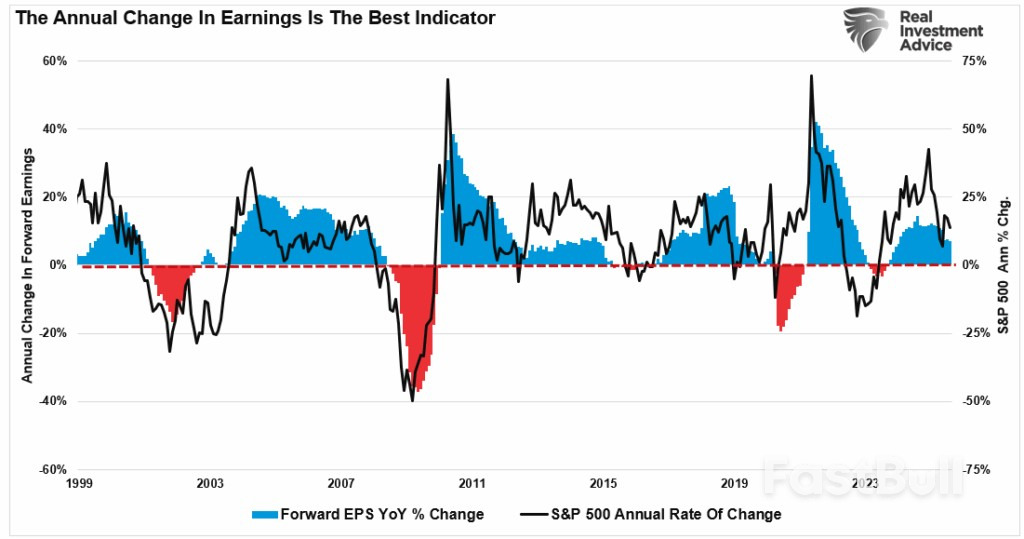
          As discussed above, consumer spending, the primary driver of GDP, will be constrained by slowing wage growth, high debt servicing costs, and reduced access to credit. The economy lacks alternative growth engines without a pick-up in business investment or export demand. That reduction in economic demand will translate into forward earnings expectations, requiring a revaluation of financial markets.
          Slowing US Growth Suggests Risk to Earnings Outlook_4
          Let’s look at some of the most recent economic data to assess the risks.
          US Economic Data: Good, Not Great
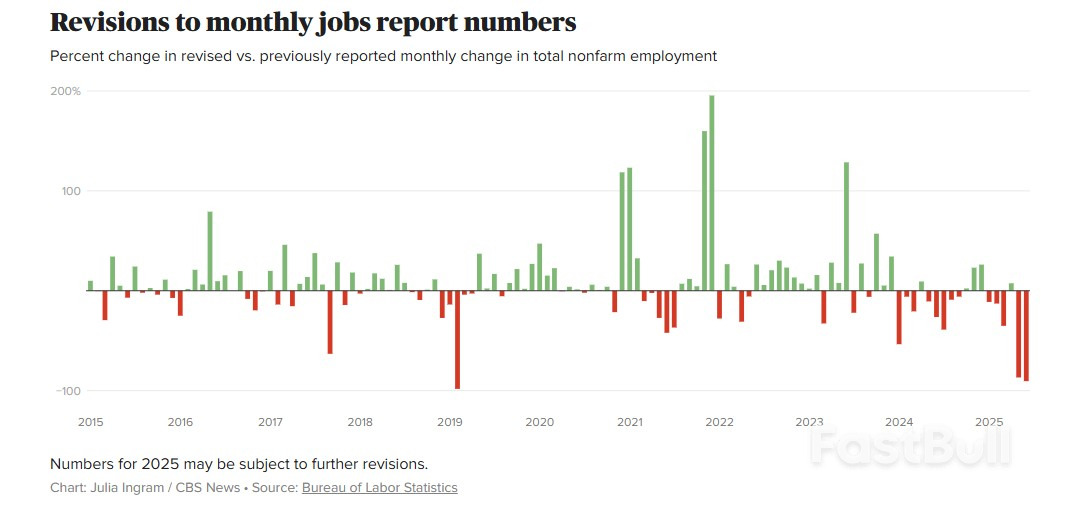
          July’s employment report confirmed that the slowdown in US economic growth is taking root. Nonfarm payrolls increased by a mere 73,000 jobs. Expectations were for 110,000. The bigger story is in the revisions. May and June payrolls were slashed by 258,000. That’s the second-largest two-month downward revision since the 2008 recession. When employers stop hiring and previous gains get erased, that is not a data glitch—it’s a signal.
          Slowing US Growth Suggests Risk to Earnings Outlook_5
          The unemployment rate increased to 4.2 percent, while labor force participation remained at 62.2 percent. While not alarming at face value, the lack of participation growth shows that the working-age population isn’t reentering the workforce in significant numbers.
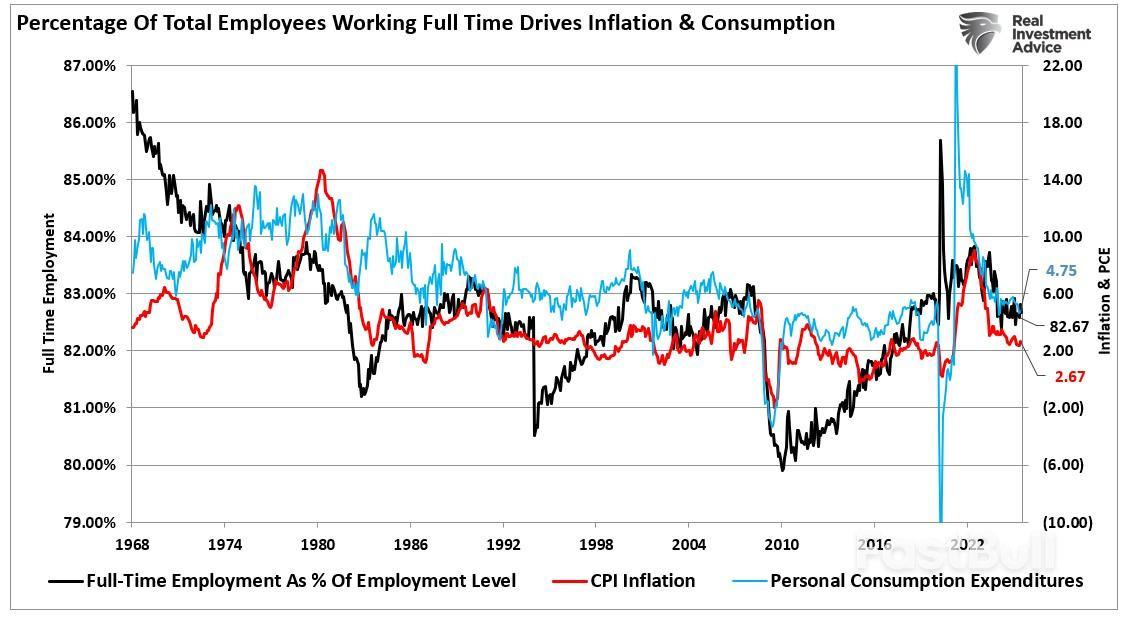
          More importantly, full-time employment remains weak as a percentage of total employees, which correlates to the future direction of personal consumption expenditures and inflation. Such is unsurprising given that for individuals to consume at higher levels, they need full-time employment. Without increases in consumption, US economic growth and inflation will decline.
          Slowing US Growth Suggests Risk to Earnings Outlook_6
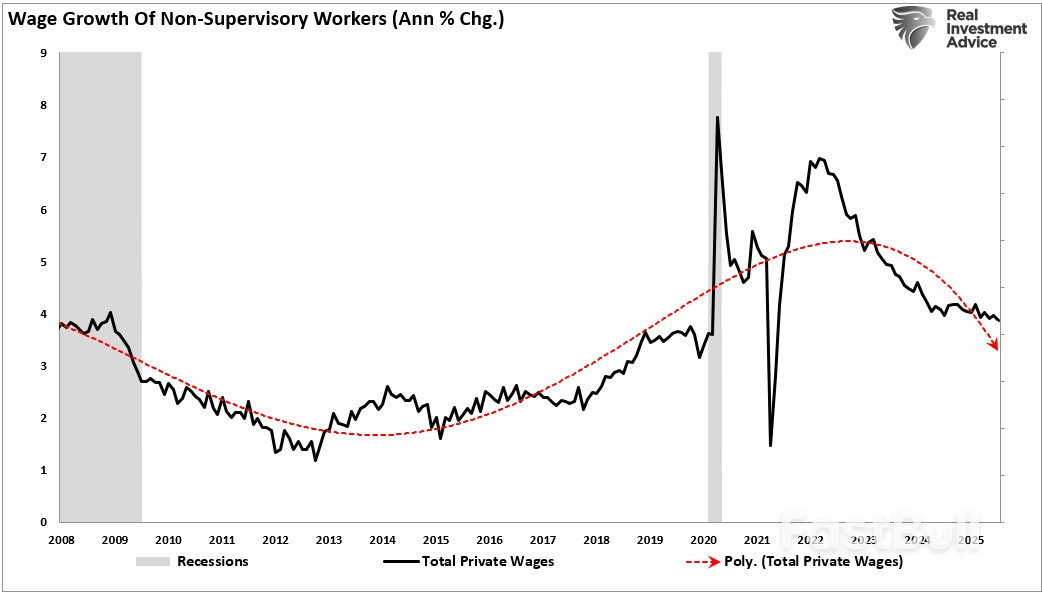
          Wage growth is also losing momentum. Average hourly earnings rose 0.3 percent month-over-month, but year-over-year gains slowed to 3.9 percent. This is a problem. Inflation is still hot in services and necessities, eroding real income growth.
          Slowing US Growth Suggests Risk to Earnings Outlook_7
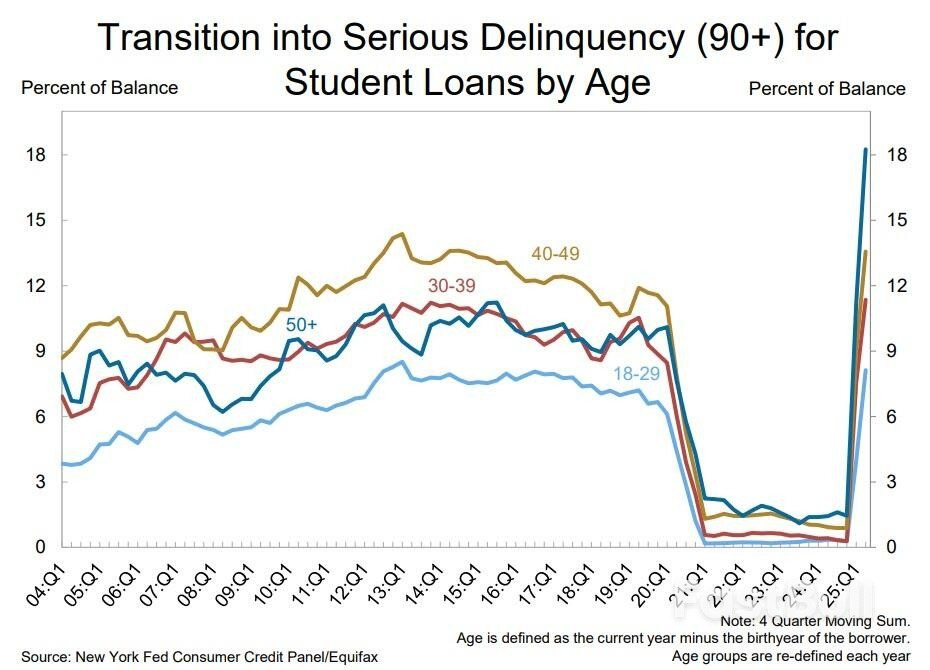
          Consequently, households feel the pinch, and discretionary spending will reflect that in the second half of 2025. Such is particularly the case with rising delinquency rates, particularly in student loan debt.
          Slowing US Growth Suggests Risk to Earnings Outlook_8
          The sector breakdown of job growth shows late-cycle dynamics. Healthcare and government jobs are still being added, but these are non-cyclical. Manufacturing employment declined, reflecting weaker orders and global trade slowdowns. Professional and business services hiring has stalled.
          Furthermore, the labor market is transitioning from a phase of post-pandemic recovery to a structurally slower employment cycle. Businesses are tightening labor expenses as revenue growth slows.
          This is not a short-term adjustment; it’s a reset of hiring expectations across multiple sectors. If wage growth continues to moderate and hiring slows, the consumption-driven economy will lose its primary growth engine.
          Data Reveals Broad-Based Slowdown
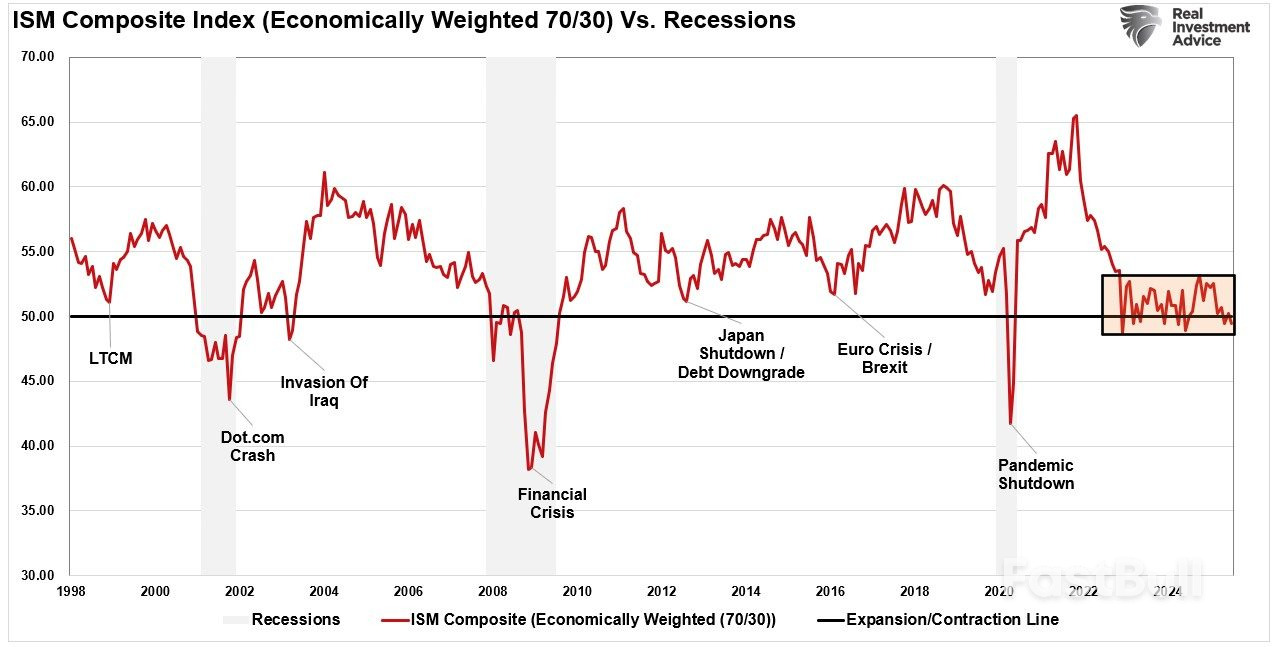
          Outside the employment report, July’s ISM Manufacturing Index fell to 48.0, marking five months of contraction. New orders were sluggish, while the employment index plummeted to 43.4 percent. This reading is significant. It indicates companies are actively reducing factory jobs, not simply slowing hiring.
          The problem is not isolated to manufacturing. The services sector, comprising roughly 70 percent of the U.S. economy, barely holds on. The ISM Services Index registered at 50.1 in July, down from a reading of 50.8 previously. This is technically an expansion reading, but only by the slimmest margin.
          The composite index is economically weighted (70% services / 30% manufacturing). It tells us what we already suspected: that the economy is growing, albeit very slowly.
          Slowing US Growth Suggests Risk to Earnings Outlook_9
          The employment component of services fell to 46.4 percent. When service firms start cutting payrolls, it signifies a more profound weakness in demand. For months, services spending was the buffer against manufacturing softness. That buffer is eroding as input costs have risen. Businesses face increasing operational expenses while revenue growth stagnates, a recipe for margin compression.
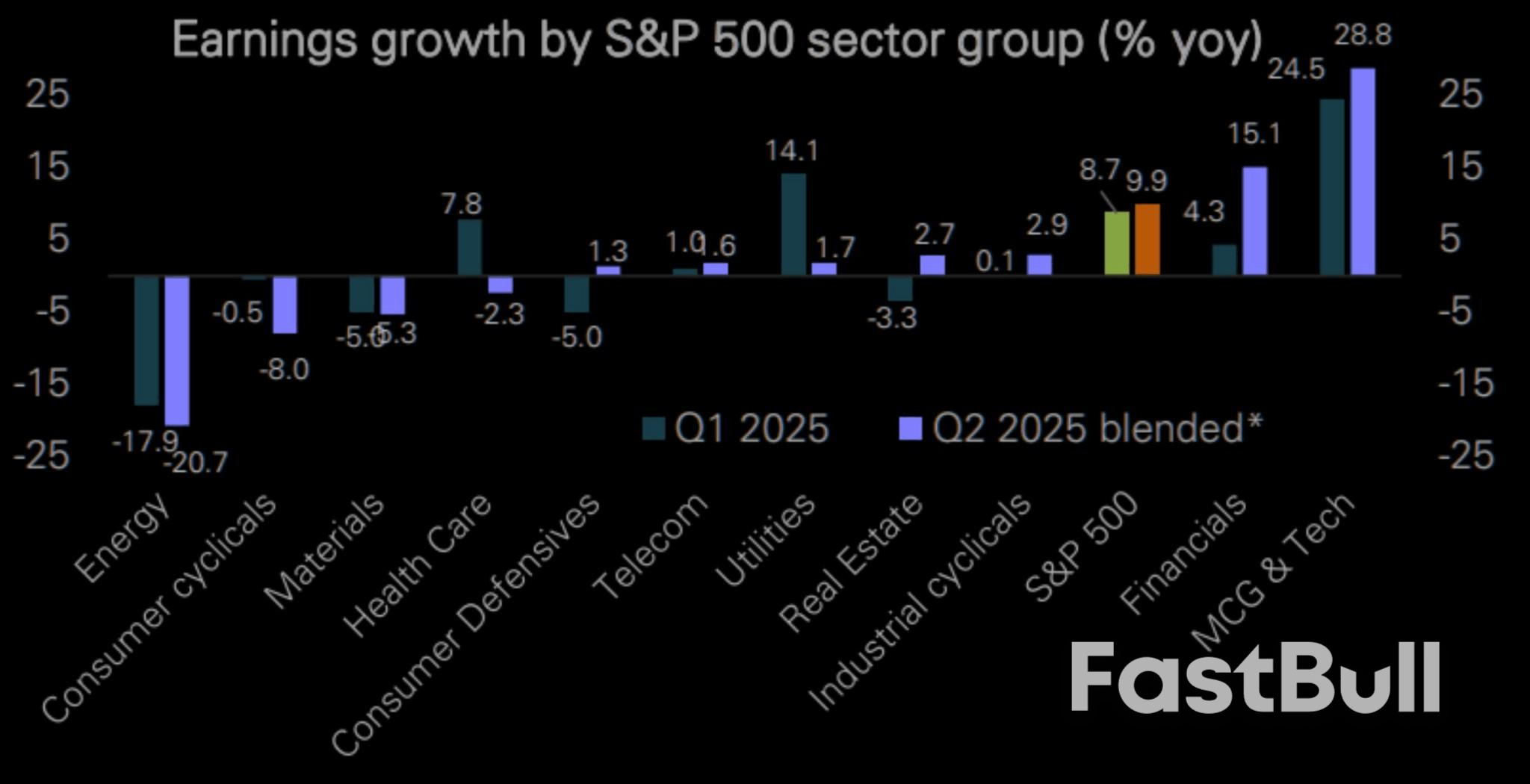
          This was evident already in the Q2 earnings reporting period. There would have been no earnings growth without Megacap Technology and major Wall Street banks.
          Slowing US Growth Suggests Risk to Earnings Outlook_10
          Industrial companies have already started guiding lower. Tariffs, higher input costs, and weakening orders are cutting into margins. Companies like Caterpillar (NYSE:CAT), Deere (NYSE:DE), and 3M (NYSE:MMM) have issued profit warnings. Consumer-facing companies are also vulnerable. Discretionary spending is slowing, and rising input costs will further squeeze margins for retailers and service providers.
          While technology and AI-driven firms have recently become bright spots, their strength cannot offset broader corporate margin pressures. In Q2, S&P 500 earnings grew 6.4%, with 80 percent of companies beating estimates. But this masks a weakening breadth of growth, where earnings beats are concentrated in essentially just two sectors.
          As noted, slowing economic growth will reduce earnings expectations for Q3 and Q4. Margin compression will dominate as companies with pricing power and efficient cost structures prosper while the rest struggle to meet expectations.
          Investors must now consider this risk.
          Investor Positioning in a Slowing Economy
          The evidence points to a slowing US economy. Growth is weakening, inflation remains elevated, corporate margins face pressure, and interest rate cuts are likely. These conditions require a shift in investment strategy. Investors must adapt to preserve capital, generate income, and manage risk. Positioning should emphasize resilience, quality, and income stability. The goal is to reduce exposure to volatile sectors and concentrate on assets that perform well during economic slowdowns.
          Here are key actions investors should consider:
          Reduce exposure to cyclical stocks: Cut back on discretionary sectors like retail, travel, and consumer electronics that rely heavily on strong economic growth.
          Increase allocation to defensive sectors: Focus on consumer staples, healthcare, and utilities. These sectors provide stable earnings even in weak environments.
          Favor companies with strong pricing power: These firms can better maintain margins despite rising input costs.
          Prioritize strong balance sheets: Low debt and high cash reserves reduce financial stress and support consistent returns.
          Add high-quality dividend payers: Look for companies with a track record of stable or growing dividends. These provide income support as capital gains slow.
          Increase fixed income exposure: Short-duration bonds and high-grade corporates may benefit from falling interest rates.
          Consider yield curve positioning: A steeper yield curve from rate cuts may create an opportunity in intermediate bonds.
          Avoid speculative growth stocks. These firms rely on future earnings and cheap financing, both of which are under pressure in a slowing economy.
          A decelerating US economy changes the return profile across asset classes. Adjusting now to focus on quality, cash flow, and defensive positioning can improve downside protection and set the stage for more stable portfolio returns.
          While there are no guarantees, the current gap between what Wall Street expects and what the economy can deliver is very different. Could the economy catch up to meet Wall Street’s expectations? Sure. It just usually doesn’t happen that way.

          Source: investing

          To stay updated on all economic events of today, please check out our Economic calendar
          Risk Warnings and Disclaimers
          You understand and acknowledge that there is a high degree of risk involved in trading. Following any strategies or investment methods may lead to potential losses. The content on the site is provided by our contributors and analysts for information purposes only. You are solely responsible for determining whether any trading assets, securities, strategy, or any other product is suitable for investing based on your own investment objectives and financial situation.
          Add to Favorites
          Share

          From $50 billion to bust, investors count cost of Evergrande's market tryst

          Adam

          Economic

          China Evergrande Group, for the most part, lived true to its name -- it was once the country's premier developer, its listing in Hong Kong in 2009 was the biggest by a Chinese private developer, and it had the largest pile of debt in the property sector globally.
          That attribute stayed with the company till the very end of its boom-to-bust saga -- its delisting from the Hong Kong stock exchange on Monday would be one of the largest by market value and volume in recent years.
          For investors in the firm the journey has been anything but grand.
          The developer started with a strong public market debut and a stock value of $9 billion in late 2009 that grew more than five-fold to $51 billion eight years later only to plummet to earth in recent years; it is now worth a meagre $282 million.
          The company's journey from stock exchange darling to a pariah in the financial markets is a cautionary tale of unbridled debt-fuelled expansion in the world's second-largest economy.
          Its shares fetched HK$31.39 apiece at its peak, and it was down to HK$0.163 when it exchanged hands for the last time 19 months ago.
          Trading in shares in the world's most indebted developer with more than $300 billion in liabilities has been suspended since it was hit with a liquidation order on Jan 29, 2024, after it defaulted on debt and failed to finalise a restructuring plan.
          Evergrande (3333.HK) is getting delisted from the Hong Kong Stock Exchange due to its failure to resume trading within 18 months, according to a filing on Aug 12.
          The delisting will close a chapter in China's unprecedented property crisis that started in 2021, though it's unlikely to be the last to meet such a fate as the sector continues to be hobbled by a liquidity squeeze and a lack of demand.
          Earlier this month, China South City (1668.HK), became the first state-backed property developer to get a liquidation order from the Hong Kong High Court, following a similar fate for a handful of privately-owned peers.
          “Evergrande is one of the landmark examples of the collapse of China's real estate sector a few years ago," said Gary Ng, senior economist at investment bank Natixis.
          While the delisting is "largely symbolic", he said it "still marks the end of the golden age of China's real estate sector."
          Chinese authorities over the few years have been striving to revive the property sector that once accounted for a quarter of its GDP, while buyers wait for their unfinished homes to be handed over and creditors hope to recoup their money.
          "It'll be hard to revive consumption demand and sentiment when people have an empty pocket," said Oscar Choi, chief investment officer of Hong Kong-based Oscar and Partners Capital Ltd, who covered Evergrande as an equity analyst for many years previously at an investment bank.
          Evergrande declined to comment.
          LIQUIDATION PROCESS
          The delisting of Evergrande comes as many other developers scramble to stay afloat and avoid getting into liquidation by securing creditors' support to revamp debt, analysts have said.
          Evergrande's rapid rise to the top followed by its dramatic collapse mirrors the fate of its founder, who was raised by his grandmother in a rural village in central Henan province, started as a steel technician and became one of China's richest.
          At Evergrande's listing party in 2009 filled with champagne, Hui Ka Yan was joined by many Hong Kong tycoons including Hong Kong property giant New World Development's late founder Cheng Yu-tung and Chinese Estates founder Joseph Lau.
          In March last year, Hui was barred from the securities market for life and fined 47 million yuan after the regulator accused the group's flagship unit of inflating results, securities fraud and failing to make timely disclosures.
          While Hui has not been seen in public since his detention in 2023, the company liquidators are fighting court battles with him to freeze his and his former spouse's overseas assets and to recover $6 billion paid in dividends and remuneration to him and other former executives.
          Lawyers expect the liquidation process to take a decade and the recovery rate for creditors is likely to be very low.
          Evergrande's liquidators said last week they have recovered about $255 million from selling the firm's offshore assets, which included school bonds, club memberships, artwork and motor vehicles.
          That compared to the creditor claims made to liquidators totalling $45 billion.
          Hopes for some homebuyers and investors who put their money in Evergrande's wealth management products are also diminishing.
          "After a lot of property viewings, I chose Evergrande because I thought such a big developer would not collapse. I was wrong," Douyin user 8AD2D1D4, who was waiting to receive his home purchase, wrote in the social media post.
          ($1 = 7.8140 Hong Kong dollars)

          Source: reuters

          To stay updated on all economic events of today, please check out our Economic calendar
          Risk Warnings and Disclaimers
          You understand and acknowledge that there is a high degree of risk involved in trading. Following any strategies or investment methods may lead to potential losses. The content on the site is provided by our contributors and analysts for information purposes only. You are solely responsible for determining whether any trading assets, securities, strategy, or any other product is suitable for investing based on your own investment objectives and financial situation.
          Add to Favorites
          Share

          Trump Says He’ll Fire Fed’s Cook If She Doesn’t Resign

          Michelle

          Economic

          Political

          US President Donald Trump said he would fire Lisa Cook from the Federal Reserve Board of Governors if she does not resign her post over mortgage-fraud accusations from a top ally.

          “I’ll fire her if she doesn’t resign,” Trump told reporters on Friday.

          The comments intensify Trump’s pressure campaign against the central bank, which he has bashed for months over its decision to keep interest rates steady.

          Trump on Wednesday called for Cook’s resignation after Federal Housing Finance Agency Director Bill Pulte alleged she committed mortgage fraud by lying on loan applications to secure favorable terms. Cook later responded, saying she would not be bullied into stepping down.

          Source: Bloomberg Europe

          To stay updated on all economic events of today, please check out our Economic calendar
          Risk Warnings and Disclaimers
          You understand and acknowledge that there is a high degree of risk involved in trading. Following any strategies or investment methods may lead to potential losses. The content on the site is provided by our contributors and analysts for information purposes only. You are solely responsible for determining whether any trading assets, securities, strategy, or any other product is suitable for investing based on your own investment objectives and financial situation.
          Add to Favorites
          Share
          FastBull
          Copyright © 2025 FastBull Ltd

          728 RM B 7/F GEE LOK IND BLDG NO 34 HUNG TO RD KWUN TONG KLN HONG KONG

          TelegramInstagramTwitterfacebooklinkedin
          App Store Google Play Google Play
          Products
          Charts

          Chats

          Q&A with Experts
          Screeners
          Economic Calendar
          Data
          Tools
          Membership
          Features
          Function
          Markets
          Copy Trading
          Latest Signals
          Contests
          News
          Analysis
          24/7
          Columns
          Education
          Company
          Careers
          About Us
          Contact Us
          Advertising
          Help Center
          Feedback
          User Agreement
          Privacy Policy
          Business

          White Label

          Data API

          Web Plug-ins

          Poster Maker

          Affiliate Program

          Risk Disclosure

          The risk of loss in trading financial instruments such as stocks, FX, commodities, futures, bonds, ETFs and crypto can be substantial. You may sustain a total loss of the funds that you deposit with your broker. Therefore, you should carefully consider whether such trading is suitable for you in light of your circumstances and financial resources.

          No decision to invest should be made without thoroughly conducting due diligence by yourself or consulting with your financial advisors. Our web content might not suit you since we don't know your financial conditions and investment needs. Our financial information might have latency or contain inaccuracy, so you should be fully responsible for any of your trading and investment decisions. The company will not be responsible for your capital loss.

          Without getting permission from the website, you are not allowed to copy the website's graphics, texts, or trademarks. Intellectual property rights in the content or data incorporated into this website belong to its providers and exchange merchants.

          Not Logged In

          Log in to access more features

          FastBull Membership

          Not yet

          Purchase

          Become a signal provider
          Help Center
          Customer Service
          Dark Mode
          Price Up/Down Colors

          Log In

          Sign Up

          Position
          Layout
          Fullscreen
          Default to Chart
          The chart page opens by default when you visit fastbull.com