- WTI
- XAUUSD
- XAGUSD
- USDX


Markets
Analysis
User
24/7
Economic Calendar
Education
Data
- Names
- Latest
- Prev













Geopolitical turmoil is roiling energy markets. We analyze the nymex brent crude oil landscape, offering the critical intelligence investors need to navigate risk.
Tracking the nymex brent crude oil market is vital for today’s energy investors. In this guide, you will learn how geopolitical supply shocks, futures curve backwardation, and global demand dynamics are driving current prices. Whether you are trading futures directly or seeking energy exposure, this analysis provides the insights needed to navigate the volatile crude market.
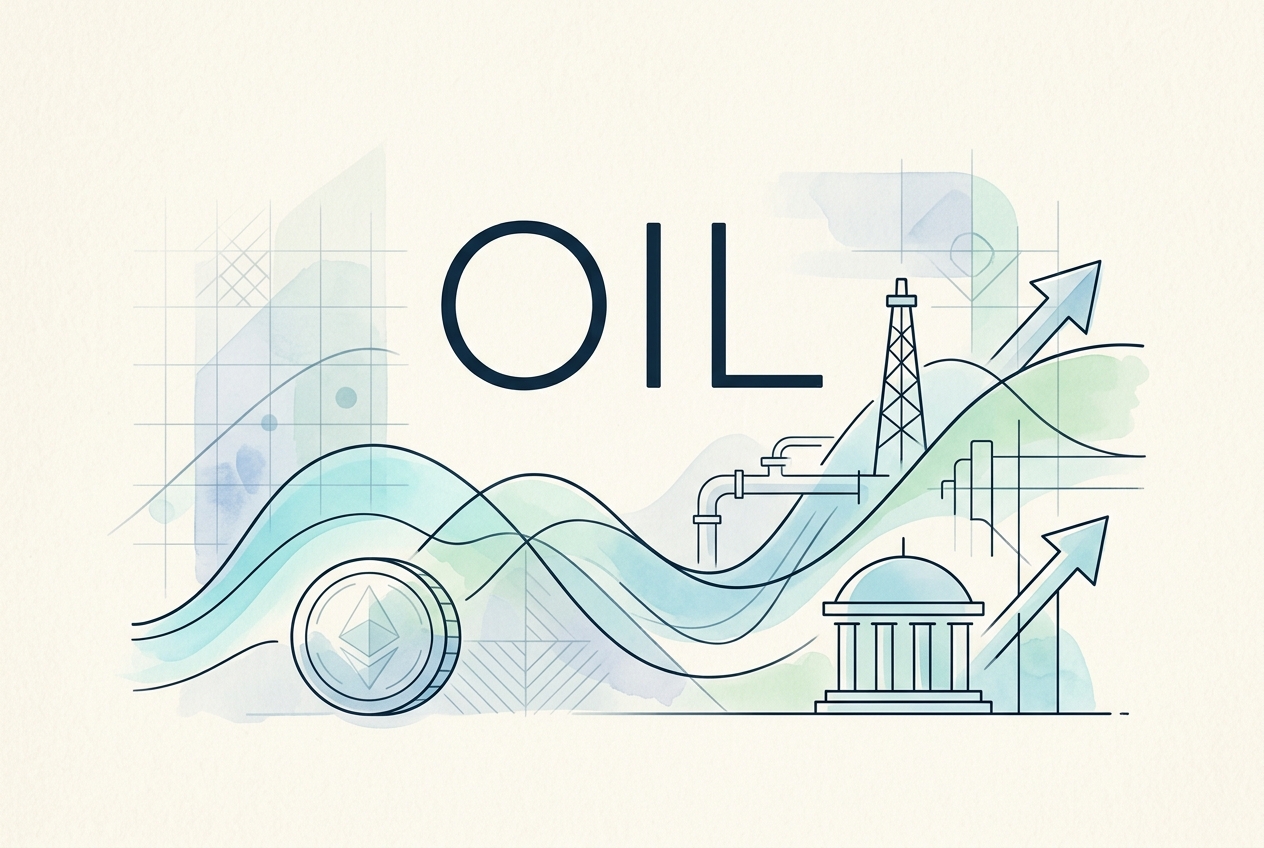
In late April 2026, the nymex and brent crude oil price live data shows exceptional volatility. Front-month Brent futures have surged past the $110 per barrel mark, primarily fueled by the unprecedented physical supply constraints in the Middle East.
While the Intercontinental Exchange (ICE) handles the primary global benchmark, the Chicago Mercantile Exchange (CME Group) offers nymex brent crude oil futures under the ticker symbol BZ. The primary difference lies in the settlement mechanism. The brent crude oil nymex contract is financially settled against the ICE Brent Index price rather than requiring physical delivery of the underlying commodity. This makes it an efficient tool for institutional and retail traders hedging against global energy volatility.
Brent crude is currently trading at a significant premium to West Texas Intermediate (WTI). While Brent remains elevated above $110, WTI futures are hovering closer to the $96 to $105 range. This reflects a widening spread of roughly $5 to $15 per barrel depending on daily geopolitical headlines. This spread underscores the immediate risk to seaborne international crude, as opposed to landlocked North American production.
The ongoing 2026 blockade of the Strait of Hormuz has severely choked global oil trade, removing millions of barrels of daily supply. This physical constraint is the primary catalyst driving prices aggressively upward. Concurrently, the United Arab Emirates announced its exit from OPEC, effective May 1, 2026. While the UAE's departure signals an eventual influx of extra barrels into the market, the immediate impact on the nymex brent crude oil price remains overshadowed by the Hormuz crisis, which prevents those barrels from easily reaching global buyers.
Despite the supply-side shock, baseline demand remains remarkably resilient. China continues building its Strategic Petroleum Reserve (SPR), importing heavy volumes to shore up domestic energy security amid global uncertainty. Meanwhile, Europe is experiencing severe import strains at major hubs like Rotterdam. The continent's lack of alternative rapid-response energy sources means European buyers must pay premium spot prices to secure limited cargoes, reinforcing the bullish momentum in global energy markets.
Energy commodities are priced in U.S. dollars, meaning currency fluctuations directly impact purchasing power. The recent energy shock has reignited global inflation fears, prompting expectations that central banks, particularly the U.S. Federal Reserve, will maintain higher interest rates for longer. A persistently strong U.S. dollar typically makes oil more expensive for emerging markets, which can eventually lead to demand destruction. However, the acute physical supply shortage is currently overriding the usual bearish impact of a strong dollar.
The Brent futures curve is currently in steep backwardation, signaling immense physical scarcity. Front-month contracts are trading at a massive premium to longer-dated futures, with near-term delivery priced significantly higher than contracts expiring in late 2026 or 2027. This extreme backwardation forces commercial hedgers and refiners to pay steep penalties for immediate supply, proving that the market is pricing in immediate panic rather than a long-term structural deficit.
Technical analysts are closely monitoring $100 per barrel as the new psychological and technical support floor. If diplomatic breakthroughs occur, prices could test this lower bound rapidly. On the upside, resistance is firmly stacked near the year-to-date highs of $119 to $120. A sustained break above $120 opens the technical door toward the historical $140 threshold. Investors evaluating the best stocks to buy now often use these resistance levels to time entries into the broader energy sector.
Brent crude futures are primarily traded by commercial producers, major airlines, and institutional hedge funds. Both the ICE and NYMEX exchanges offer highly liquid environments, though their specific contract rules differ slightly.
| Specification | NYMEX Brent (BZ) | ICE Brent (B) |
|---|---|---|
| Contract Size | 1,000 barrels | 1,000 barrels |
| Settlement | Financial | Physical / Cash Option |
| Tick Size | $0.01 per barrel ($10/contract) | $0.01 per barrel ($10/contract) |
| Trading Hours | Sun-Fri, 6:00 PM – 5:00 PM (ET) | Sun-Fri, 8:00 PM – 6:00 PM (ET) |
Trading crude oil futures requires a capital deposit known as an initial margin, which acts as a performance bond. Due to the extreme volatility surrounding the 2026 energy crisis, clearinghouses adjust margin requirements dynamically to protect the exchange. If an account falls below the maintenance margin threshold due to adverse price swings, the broker will issue a margin call, requiring the trader to deposit more funds immediately or face liquidation.
Major financial institutions have drastically upwardly revised their forecasts. Citigroup recently projected that if the Strait of Hormuz blockade persists through June 2026, Brent could surge toward $150 per barrel. Conversely, the U.S. Energy Information Administration (EIA) models suggest that once the geopolitical risk premium fades and global inventory builds resume, prices could taper back down to the $70–$80 range by the end of the year.
The most significant upside risk is the destruction of alternative crude export infrastructure in Saudi Arabia or the UAE, which would remove the market's last remaining supply buffer. On the downside, a rapid diplomatic resolution and the reopening of maritime shipping lanes would instantly collapse the current geopolitical risk premium. This binary outcome means traders must remain hyper-vigilant to international news rather than relying solely on technical charts.
Since Brent serves as the primary pricing benchmark for over half of the world's traded crude, its price directly dictates the wholesale cost of refined products. When Brent prices surge, global consumers experience higher retail costs for both gasoline and diesel at the pump.
The NYMEX Brent crude contract is entirely cash-settled based on the ICE Brent Index price at expiration. This allows traders to speculate on international oil prices without the logistical burden of physically taking delivery of barrels.
Most major commodity-enabled retail brokerages, including Interactive Brokers, TradeStation, and Charles Schwab, provide direct market access to NYMEX energy futures. Traders simply need to be approved for futures trading and maintain adequate margin levels.
Navigating the nymex brent crude oil market requires a deep understanding of geopolitical catalysts, physical supply chains, and technical curve structures. As the current Middle Eastern energy shock continues to disrupt global trade, investors must stay agile. By monitoring benchmark spreads, margin requirements, and geopolitical headlines, you can better manage portfolio risk.

728 RM B 7/F GEE LOK IND BLDG NO 34 HUNG TO RD KWUN TONG KLN HONG KONG





The risk of loss in trading financial instruments such as stocks, FX, commodities, futures, bonds, ETFs and crypto can be substantial. You may sustain a total loss of the funds that you deposit with your broker. Therefore, you should carefully consider whether such trading is suitable for you in light of your circumstances and financial resources.
No decision to invest should be made without thoroughly conducting due diligence by yourself or consulting with your financial advisors. Our web content might not suit you since we don't know your financial conditions and investment needs. Our financial information might have latency or contain inaccuracy, so you should be fully responsible for any of your trading and investment decisions. The company will not be responsible for your capital loss.
Without getting permission from the website, you are not allowed to copy the website's graphics, texts, or trademarks. Intellectual property rights in the content or data incorporated into this website belong to its providers and exchange merchants.
Not Logged In
Log in to access more features


Log In
Sign Up