- EURUSD
- XAUUSD
- XAGUSD
- WTI
- USDX



Markets
Analysis
User
24/7
Economic Calendar
Education
Data
- Names
- Latest
- Prev







Punitive tariffs can erode margins overnight. Master the column 2 rate of duty to navigate volatile trade costs and protect your supply chain from uncertainty.
For importers managing global supply chains, understanding the column 2 rate of duty is essential for calculating accurate landed costs. This article explains how the U.S. Harmonized Tariff Schedule categorizes these punitive tariffs, which countries are currently impacted, and how to verify exact import duties to avoid financial surprises.
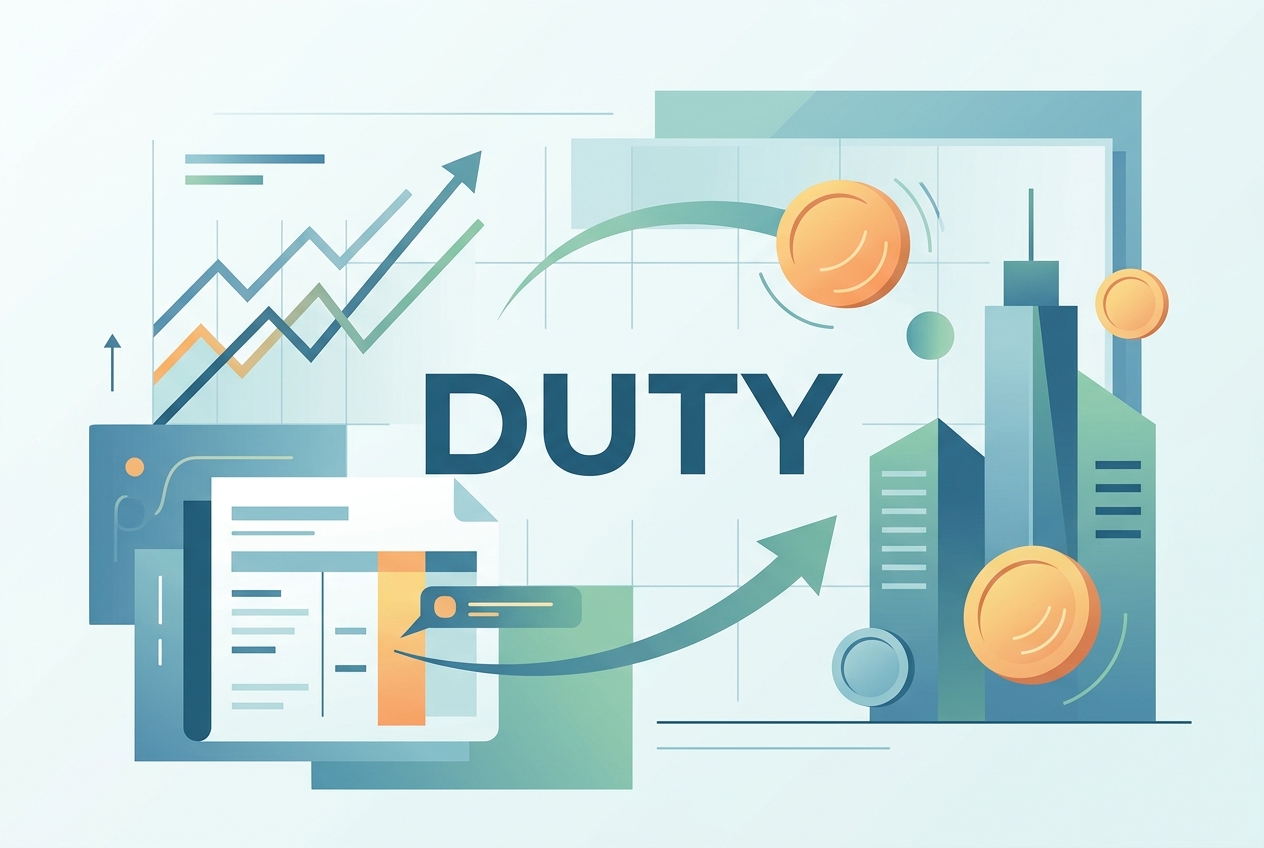
Every product entering the United States requires a 10-digit harmonized tariff code. The United States International Trade Commission (USITC) organizes the import duties for these codes into two main categories. Column 1 is divided into "General" rates for nations with Normal Trade Relations (NTR) and "Special" rates for countries with free trade agreements. Column 2 is reserved strictly for countries that do not have NTR status with the United States.
Understanding how to read harmonized tariff schedule formatting quickly reveals the stark financial difference between these categories. Column 1 general rates are often low or entirely duty-free due to modern global trade agreements. In contrast, the column 2 rate of duty represents maximum statutory rates originally established by historical protectionist legislation. Consequently, Column 2 tariffs are deliberately punitive and can easily exceed 30% or 40% for standard commercial goods.
According to the USITC General Notes, very few nations currently fall under Column 2 status. As of 2026, the official list of Column 2 countries is restricted to exactly four nations: Cuba, North Korea, Russia, and Belarus. Goods imported from or originating in any of these four countries automatically face steep statutory tariff rates.
Nations are moved to Column 2 when the U.S. government revokes their Normal Trade Relations status for severe geopolitical or national security reasons. Cuba and North Korea have faced these stringent trade restrictions for decades due to comprehensive historical embargoes. Conversely, Russia and Belarus were recently stripped of their NTR status and downgraded to Column 2 following the invasion of Ukraine.
A Column 2 tariff can instantly destroy profit margins for an unprepared buyer. For example, importing raw building materials like sandstone carries a 0% General duty rate for an NTR country, but requires a costly statutory fee under Column 2. If you import material from a Column 1 country, you pay nothing in customs duties; if the exact same material originates from Russia, you owe massive surcharges to U.S. Customs and Border Protection (CBP).
While almost all goods are penalized, certain industries face extraordinary fees. Scanning an hts code list reveals that raw materials, agricultural goods, and heavy industrial machinery typically incur the highest statutory tariffs.
Here is a conceptual look at how tariff categories typically compare:
| Product Type | Column 1 (General) | Column 2 (Statutory) |
|---|---|---|
| Raw Minerals & Stone | Free (0%) | 20% - 30% |
| Agricultural Goods | 1% - 5% | 40%+ |
| Manufactured Parts | 2% - 4% | 35% - 45% |
To find accurate tariffs, run an hts code lookup using the official USITC database online. This search tool is highly valuable for everyone, from corporate procurement teams to independent sellers trying to verify an hs tariff code ebay international shipping requires. Follow these steps:
Occasionally, a Column 2 rate might display as "Free" for specific humanitarian items, informational materials, or certain global commodities. However, an importer must never assume the product can be legally imported into the country. Countries like North Korea and Cuba are subject to sweeping trade sanctions enforced by the Office of Foreign Assets Control (OFAC). Even if the USITC lists a 0% duty, comprehensive embargoes supersede the tariff schedule, meaning the import remains entirely illegal.
Column 2 on rates of duty represents the maximum statutory import taxes applied to products from countries that lack Normal Trade Relations with the United States. These tariffs are intentionally punitive and significantly higher than standard international trade rates.
As of 2026, the countries subject to Column 2 rates are Cuba, North Korea, Russia, and Belarus. All goods originating from these four nations automatically face these severe import tariffs.
General rates apply to countries with standard trade relations, while Special rates offer discounted or zero duties under specific free trade agreements. Column 2 duty rates are much higher, non-discounted tariffs reserved solely for embargoed or sanctioned nations.
A rate of duty is the specific tax percentage or fixed monetary amount charged by customs authorities on imported goods. It is calculated based on the item's classification code and its ultimate country of origin.
Accurately determining the column 2 rate of duty is a non-negotiable part of international trade compliance. By understanding the USITC’s tariff structure and monitoring affected countries, supply chain managers can effectively forecast landed costs, avoid margin-destroying customs penalties, and securely navigate the complexities of global commerce.

728 RM B 7/F GEE LOK IND BLDG NO 34 HUNG TO RD KWUN TONG KLN HONG KONG





The risk of loss in trading financial instruments such as stocks, FX, commodities, futures, bonds, ETFs and crypto can be substantial. You may sustain a total loss of the funds that you deposit with your broker. Therefore, you should carefully consider whether such trading is suitable for you in light of your circumstances and financial resources.
No decision to invest should be made without thoroughly conducting due diligence by yourself or consulting with your financial advisors. Our web content might not suit you since we don't know your financial conditions and investment needs. Our financial information might have latency or contain inaccuracy, so you should be fully responsible for any of your trading and investment decisions. The company will not be responsible for your capital loss.
Without getting permission from the website, you are not allowed to copy the website's graphics, texts, or trademarks. Intellectual property rights in the content or data incorporated into this website belong to its providers and exchange merchants.
Not Logged In
Log in to access more features


Log In
Sign Up