


- USDJPY
- XAUUSD
- XAGUSD
- WTI


Markets
Analysis
User
24/7
Economic Calendar
Education
Data
- Names
- Latest
- Prev











Trump's Fed pick, Kevin Warsh, faces a dilemma reconciling his reformist critiques with market reality.
President Donald Trump has nominated former Federal Reserve Governor Kevin Warsh to run the central bank, a choice that raises immediate questions about the future of U.S. monetary policy. With deep ties to both the president and Wall Street, Warsh has spent years as a vocal critic of the Fed. Now, he faces the immense challenge of turning his reformist ideas into reality.
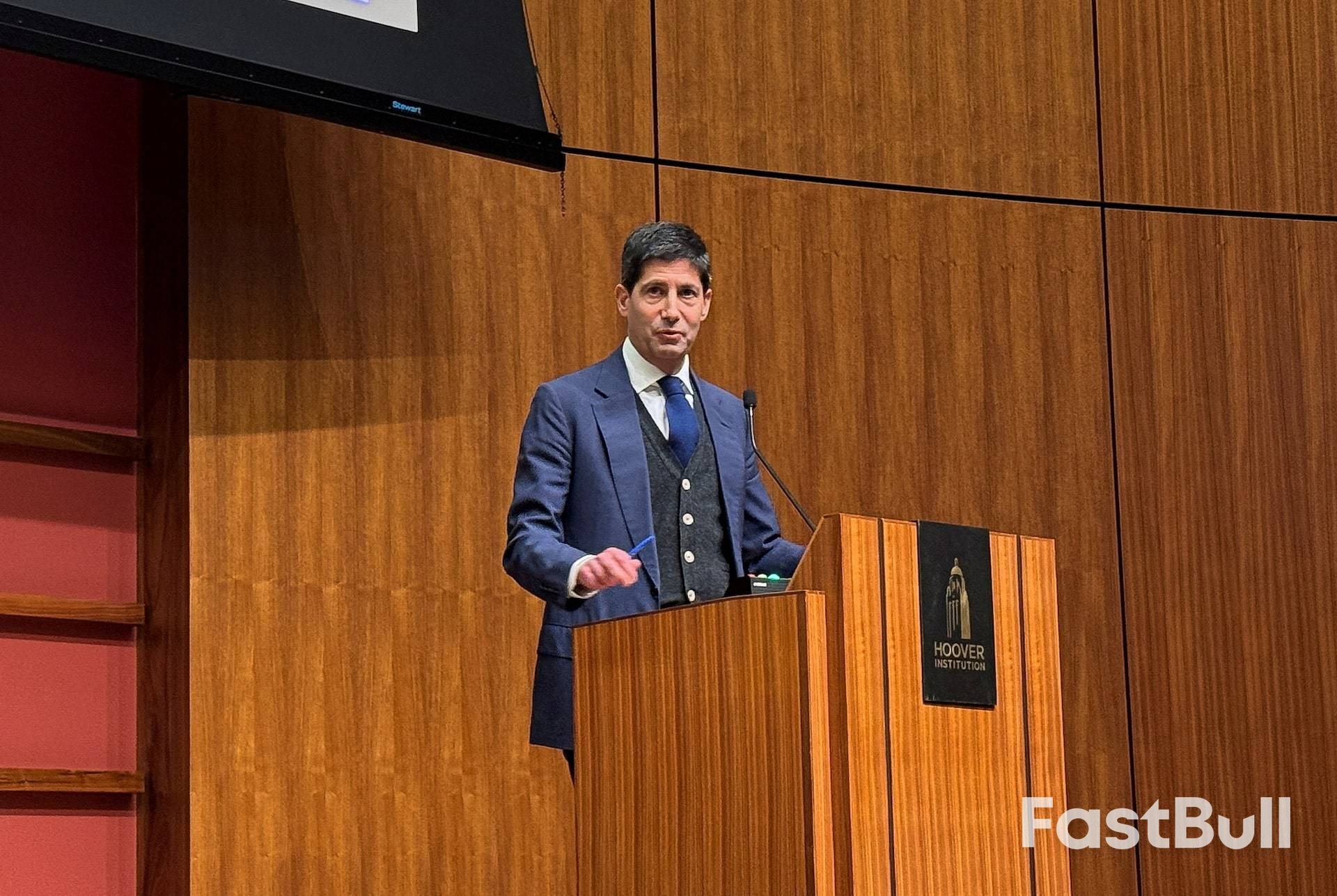
The market is watching to see how quickly he will cut interest rates and how aggressively he will pursue the "regime change" he has long advocated for at the institution he is set to lead.
Warsh’s first major test will be navigating the gap between the White House's demands and economic reality. President Trump has publicly called for aggressive interest rate cuts, potentially down to crisis-level lows of around 1%.
This puts Warsh in a difficult position. During his previous tenure as a Fed governor from 2006 to 2011, he was known as an inflation hawk. Such a steep rate cut may be a step too far for him, and he will face pushback from his 18 policymaking colleagues and the underlying economic data.
So far, financial markets aren't expecting a dramatic shift. Following Trump's announcement, rate futures continued to price in just two quarter-point cuts in 2026, which would bring the rate down from its current range of 3.50% to 3.75%.
For years, Warsh has criticized the Federal Reserve from the outside, publishing op-eds and delivering speeches that called for fundamental reform. Now, he must convert that rhetoric into actionable policy, a task that is easier said than done.
Implementing his vision will require navigating a complex political landscape. Any significant changes must win approval from:
• The Fed's Board of Governors
• President Trump and Treasury Secretary Scott Bessent
• The U.S. Congress, if changes to the Federal Reserve Act are needed
"He's been an outspoken critic of the Fed's balance sheet and groupthink," noted Heather Long, chief economist for Navy Federal Credit Union. "More clarity is needed on how far he intends to go." She added that Warsh is a "pragmatist who won't want to lose market trust by making cuts that aren't warranted" and that his history of inflation concerns suggests he "won't allow the economy to overheat."
Still, Warsh's confrontational style is well-known. In a July interview on Fox News, he spoke of the need for "breaking some heads" at the Fed—a comment that now applies to the very people who will become his colleagues.
Tackling "Institutional Drift"
At the heart of Warsh's critique is the Fed's "institutional drift." Over the past two decades, especially during the financial crisis and the pandemic, the central bank's power expanded significantly. It now operates as a complex hybrid, wielding monetary policy powers while also holding regulatory authority typically found in the executive branch.
This unique structure has created confusion, even puzzling Supreme Court justices about the Fed's exact place within the federal government. This legal ambiguity has real-world consequences, such as in the court case concerning whether President Trump could fire Governor Lisa Cook.
Some of Warsh's desired changes could be managed internally. Under Chair Jerome Powell and the Trump administration, the Fed has already withdrawn from a global climate change consortium and scaled back its diversity, equity, and inclusion initiatives. As chair, Warsh could further control the Fed's messaging by reducing the number of public speeches by other governors and the 12 reserve bank presidents.
Reforming Fed Models and Guidance
Warsh has also set his sights on the Fed's internal processes. Analysts at TD Securities noted that he "appears to be predisposed to make more fundamental changes...particularly in the way the committee approaches forward guidance, relying too much on near-term forecasting and increased data-dependence."
This criticism could lead to an early showdown. At his final press conference, current Chair Jerome Powell issued a direct challenge to his successor: "If it's a question of using better models, bring them on. Where are they? We'll take them."
Perhaps the biggest target of Warsh's criticism has been the Fed's massive balance sheet. He opposed some of the "quantitative easing" programs while he was a governor, even resigning partly in protest despite publicly voting with then-Chair Ben Bernanke.
However, he may find his hands tied on this issue as well. The balance sheet is no longer just a crisis tool; it is now deeply integrated into how the Fed controls interest rates, provides liquidity to the banking system, and supplies dollars to the global economy.
Unless that fundamental mechanism changes, there is a limit to how much the balance sheet can shrink. As outgoing Atlanta Fed President Raphael Bostic recently stated on CNBC, its current size "is about right," adding that "when the economy grows the balance sheet needs to grow with it."

728 RM B 7/F GEE LOK IND BLDG NO 34 HUNG TO RD KWUN TONG KLN HONG KONG





The risk of loss in trading financial instruments such as stocks, FX, commodities, futures, bonds, ETFs and crypto can be substantial. You may sustain a total loss of the funds that you deposit with your broker. Therefore, you should carefully consider whether such trading is suitable for you in light of your circumstances and financial resources.
No decision to invest should be made without thoroughly conducting due diligence by yourself or consulting with your financial advisors. Our web content might not suit you since we don't know your financial conditions and investment needs. Our financial information might have latency or contain inaccuracy, so you should be fully responsible for any of your trading and investment decisions. The company will not be responsible for your capital loss.
Without getting permission from the website, you are not allowed to copy the website's graphics, texts, or trademarks. Intellectual property rights in the content or data incorporated into this website belong to its providers and exchange merchants.
Not Logged In
Log in to access more features


Log In
Sign Up


