
• Trade
  • Markets
  • Copy
  • Contests
  • News
  • 24/7
  • Calendar
  • Q&A
  • Chats
Trending
Screeners
SYMBOL
LAST
BID
ASK
HIGH
LOW
NET CHG.
%CHG.
SPREAD
SPX
S&P 500 Index
6827.42
6827.42
6827.42
6899.86
6801.80
-73.58
-1.07%
--
DJI
Dow Jones Industrial Average
48458.04
48458.04
48458.04
48886.86
48334.10
-245.98
-0.51%
--
IXIC
NASDAQ Composite Index
23195.16
23195.16
23195.16
23554.89
23094.51
-398.69
-1.69%
--
USDX
US Dollar Index
97.950
98.030
97.950
98.500
97.950
-0.370
-0.38%
--
EURUSD
Euro / US Dollar
1.17394
1.17409
1.17394
1.17496
1.17192
+0.00011
+ 0.01%
--
GBPUSD
Pound Sterling / US Dollar
1.33707
1.33732
1.33707
1.33997
1.33419
-0.00148
-0.11%
--
XAUUSD
Gold / US Dollar
4299.39
4299.39
4299.39
4353.41
4257.10
+20.10
+ 0.47%
--
WTI
Light Sweet Crude Oil
57.233
57.485
57.233
58.011
56.969
-0.408
-0.71%
--

Community Accounts

Signal Accounts
--
Profit Accounts
--
Loss Accounts
--
View More

Become a signal provider

Sell trading signals to earn additional income

View More

Guide to Copy Trading

Get started with ease and confidence

View More

Signal Accounts for Members

All Signal Accounts

Best Return
  • Best Return
  • Best P/L
  • Best MDD
Past 1W
  • Past 1W
  • Past 1M
  • Past 1Y

All Contests

  • All
  • Trump Updates
  • Recommend
  • Stocks
  • Cryptocurrencies
  • Central Banks
  • Featured News
Top News Only
Share

Israel Says It Kills Senior Hamas Commander Raed Saed In Gaza

Share

Ukraine's Navy Says Russian Drone Attack Hit Civilian Turkish Vessel Carrying Sunflower Oil To Egypt On Saturday

Share

Israeli Military Says It Put Planned Strike On South Lebanon Site On Hold After Lebanese Army Requested Access

Share

Norwegian Nobel Committee: Calls On The Belarusian Authorities To Release All Political Prisoners

Share

Norwegian Nobel Committee: His Freedom Is A Deeply Welcome And Long-Awaited Moment

Share

Ukraine Says It Received 114 Prisoners From Belarus

Share

USA Embassy In Lithuania: Maria Kalesnikava Is Not Going To Vilnius

Share

USA Embassy In Lithuania: Other Prisoners Are Being Sent From Belarus To Ukraine

Share

Ukraine President Zelenskiy: Five Ukrainians Released By Belarus In US-Brokered Deal

Share

USA Vilnius Embassy: USA Stands Ready For "Additional Engagement With Belarus That Advances USA Interests"

Share

USA Vilnius Embassy: Belarus, USA, Other Citizens Among The Prisoners Released Into Lithuania

Share

USA Vilnius Embassy: USA Will Continue Diplomatic Efforts To Free The Remaining Political Prisoners In Belarus

Share

USA Vilnius Embassy: Belarus Releases 123 Prisoners Following Meeting Of President Trump's Envoy Coale And Belarus President Lukashenko

Share

USA Vilnius Embassy: Masatoshi Nakanishi, Aliaksandr Syrytsa Are Among The Prisoners Released By Belarus

Share

USA Vilnius Embassy: Maria Kalesnikava And Viktor Babaryka Are Among The Prisoners Released By Belarus

Share

USA Vilnius Embassy: Nobel Peace Prize Laureate Ales Bialiatski Is Among The Prisoners Released By Belarus

Share

Belarusian Presidential Administration Telegram Channel: Lukashenko Has Pardoned 123 Prisoners As Part Of Deal With US

Share

Two Local Syrian Officials: Joint US-Syrian Military Patrol In Central Syria Came Under Fire From Unknown Assailants

Share

Israeli Military Says It Targeted 'Key Hamas Terrorist' In Gaza City

Share

Rwanda's Actions In Eastern Drc Are A Clear Violation Of Washington Accords Signed By President Trump - Secretary Of State Rubio

TIME
ACT
FCST
PREV
U.K. Trade Balance Non-EU (SA) (Oct)

A:--

F: --

P: --

U.K. Trade Balance (Oct)

A:--

F: --

P: --

U.K. Services Index MoM

A:--

F: --

P: --

U.K. Construction Output MoM (SA) (Oct)

A:--

F: --

P: --

U.K. Industrial Output YoY (Oct)

A:--

F: --

P: --

U.K. Trade Balance (SA) (Oct)

A:--

F: --

P: --

U.K. Trade Balance EU (SA) (Oct)

A:--

F: --

P: --

U.K. Manufacturing Output YoY (Oct)

A:--

F: --

P: --

U.K. GDP MoM (Oct)

A:--

F: --

P: --

U.K. GDP YoY (SA) (Oct)

A:--

F: --

P: --

U.K. Industrial Output MoM (Oct)

A:--

F: --

P: --

U.K. Construction Output YoY (Oct)

A:--

F: --

P: --

France HICP Final MoM (Nov)

A:--

F: --

P: --

China, Mainland Outstanding Loans Growth YoY (Nov)

A:--

F: --

P: --

China, Mainland M2 Money Supply YoY (Nov)

A:--

F: --

P: --

China, Mainland M0 Money Supply YoY (Nov)

A:--

F: --

P: --

China, Mainland M1 Money Supply YoY (Nov)

A:--

F: --

P: --

India CPI YoY (Nov)

A:--

F: --

P: --

India Deposit Gowth YoY

A:--

F: --

P: --

Brazil Services Growth YoY (Oct)

A:--

F: --

P: --

Mexico Industrial Output YoY (Oct)

A:--

F: --

P: --

Russia Trade Balance (Oct)

A:--

F: --

P: --

Philadelphia Fed President Henry Paulson delivers a speech
Canada Building Permits MoM (SA) (Oct)

A:--

F: --

P: --

Canada Wholesale Sales YoY (Oct)

A:--

F: --

P: --

Canada Wholesale Inventory MoM (Oct)

A:--

F: --

P: --

Canada Wholesale Inventory YoY (Oct)

A:--

F: --

P: --

Canada Wholesale Sales MoM (SA) (Oct)

A:--

F: --

P: --

Germany Current Account (Not SA) (Oct)

A:--

F: --

P: --

U.S. Weekly Total Rig Count

A:--

F: --

P: --

U.S. Weekly Total Oil Rig Count

A:--

F: --

P: --

Japan Tankan Large Non-Manufacturing Diffusion Index (Q4)

--

F: --

P: --

Japan Tankan Small Manufacturing Outlook Index (Q4)

--

F: --

P: --

Japan Tankan Large Non-Manufacturing Outlook Index (Q4)

--

F: --

P: --

Japan Tankan Large Manufacturing Outlook Index (Q4)

--

F: --

P: --

Japan Tankan Small Manufacturing Diffusion Index (Q4)

--

F: --

P: --

Japan Tankan Large Manufacturing Diffusion Index (Q4)

--

F: --

P: --

Japan Tankan Large-Enterprise Capital Expenditure YoY (Q4)

--

F: --

P: --

U.K. Rightmove House Price Index YoY (Dec)

--

F: --

P: --

China, Mainland Industrial Output YoY (YTD) (Nov)

--

F: --

P: --

China, Mainland Urban Area Unemployment Rate (Nov)

--

F: --

P: --

Saudi Arabia CPI YoY (Nov)

--

F: --

P: --

Euro Zone Industrial Output YoY (Oct)

--

F: --

P: --

Euro Zone Industrial Output MoM (Oct)

--

F: --

P: --

Canada Existing Home Sales MoM (Nov)

--

F: --

P: --

Euro Zone Total Reserve Assets (Nov)

--

F: --

P: --

U.K. Inflation Rate Expectations

--

F: --

P: --

Canada National Economic Confidence Index

--

F: --

P: --

Canada New Housing Starts (Nov)

--

F: --

P: --

U.S. NY Fed Manufacturing Employment Index (Dec)

--

F: --

P: --

U.S. NY Fed Manufacturing Index (Dec)

--

F: --

P: --

Canada Core CPI YoY (Nov)

--

F: --

P: --

Canada Manufacturing Unfilled Orders MoM (Oct)

--

F: --

P: --

Canada Manufacturing New Orders MoM (Oct)

--

F: --

P: --

Canada Core CPI MoM (Nov)

--

F: --

P: --

Canada Manufacturing Inventory MoM (Oct)

--

F: --

P: --

Canada CPI YoY (Nov)

--

F: --

P: --

Canada CPI MoM (Nov)

--

F: --

P: --

Canada CPI YoY (SA) (Nov)

--

F: --

P: --

Canada Core CPI MoM (SA) (Nov)

--

F: --

P: --

Q&A with Experts
    • All
    • Chatrooms
    • Groups
    • Friends
    Connecting
    .
    .
    .
    Type here...
    Add Symbol or Code

      No matching data

      All
      Trump Updates
      Recommend
      Stocks
      Cryptocurrencies
      Central Banks
      Featured News
      • All
      • Russia-Ukraine Conflict
      • Middle East Flashpoint
      • All
      • Russia-Ukraine Conflict
      • Middle East Flashpoint
      Search
      Products

      Charts Free Forever

      Chats Q&A with Experts
      Screeners Economic Calendar Data Tools
      Membership Features
      Data Warehouse Market Trends Institutional Data Policy Rates Macro

      Market Trends

      Market Sentiment Order Book Forex Correlations

      Top Indicators

      Charts Free Forever
      Markets

      News

      News Analysis 24/7 Columns Education
      From Institutions From Analysts
      Topics Columnists

      Latest Views

      Latest Views

      Trending Topics

      Top Columnists

      Latest Update

      Signals

      Copy Rankings Latest Signals Become a signal provider AI Rating
      Contests
      Brokers

      Overview Brokers Assessment Rankings Regulators News Claims
      Broker listing Forex Brokers Comparison Tool Live Spread Comparison Scam
      Q&A Complaint Scam Alert Videos Tips to Detect Scam
      More

      Business
      Events
      Careers About Us Advertising Help Center

      White Label

      Data API

      Web Plug-ins

      Affiliate Program

      Awards Institution Evaluation IB Seminar Salon Event Exhibition
      Vietnam Thailand Singapore Dubai
      Fans Party Investment Sharing Session
      FastBull Summit BrokersView Expo
      Recent Searches
        Top Searches
          Markets
          News
          Analysis
          User
          24/7
          Economic Calendar
          Education
          Data
          • Names
          • Latest
          • Prev

          View All

          No data

          Scan to Download

          Faster Charts, Chat Faster!

          Download App
          English
          • English
          • Español
          • العربية
          • Bahasa Indonesia
          • Bahasa Melayu
          • Tiếng Việt
          • ภาษาไทย
          • Français
          • Italiano
          • Türkçe
          • Русский язык
          • 简中
          • 繁中
          Open Account
          Search
          Products
          Charts Free Forever
          Markets
          News
          Signals

          Copy Rankings Latest Signals Become a signal provider AI Rating
          Contests
          Brokers

          Overview Brokers Assessment Rankings Regulators News Claims
          Broker listing Forex Brokers Comparison Tool Live Spread Comparison Scam
          Q&A Complaint Scam Alert Videos Tips to Detect Scam
          More

          Business
          Events
          Careers About Us Advertising Help Center

          White Label

          Data API

          Web Plug-ins

          Affiliate Program

          Awards Institution Evaluation IB Seminar Salon Event Exhibition
          Vietnam Thailand Singapore Dubai
          Fans Party Investment Sharing Session
          FastBull Summit BrokersView Expo

          Trump US UK Trade Deal Expected To Escalate Major Crypto Growth

          Grace Montgomery

          Economic

          Political

          Cryptocurrency

          Summary:

          The United States and the United Kingdom have agreed on a new trade deal that focuses on making it easier to trade goods like chemicals, energy products, and cars. The agreement reduces some taxes and speeds up how fast American products can enter the UK. This is the first big trade deal the US has made since President Trump announced a new approach to Trump tariffs last month.

          The United States and the United Kingdom have agreed on a new trade deal that focuses on making it easier to trade goods like chemicals, energy products, and cars. The agreement reduces some taxes and speeds up how fast American products can enter the UK. This is the first big trade deal the US has made since President Trump announced a new approach to Trump tariffs last month.
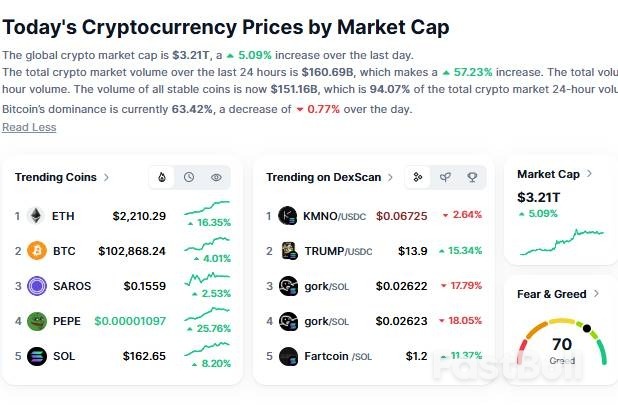
          While the agreement mostly talks about traditional goods, it leaves out one important area, digital trade. This includes things like cryptocurrencies, online services, crypto payments and tech-based industries. Even though this part was not included in the final deal, both countries said they will keep talking about it. For the industry, this unfinished part of the deal could actually be good news.

          Digital Trade Left on the Table

          This is an important topic, especially with the growing use of blockchain, cryptocurrency, and other online finance tools. The fact that digital taxes and services are not yet finalized in this deal means that both the US and UK still have time to decide how they want to treat these technologies. This gives room for cryptocurrency companies, developers, and experts to step in and offer advice on creating fair and clear rules.
          Both the US and UK are leading countries when it comes to cryptocurrency and digital innovation, signals this Trump announcement. If they manage to agree on friendly, open rules for digital trade, it could influence how other countries handle this market as well. That could lead to a global system where cryptocurrencies are more accepted and easier to use across borders.

          Why This Deal Matters to the Crypto Market

          Even though the deal is about physical products like steel and cars, it still creates a more stable connection between the US and the UK. This kind of partnership can be helpful for crypto businesses. When two big economies work closely together, it builds trust and lowers the risks of sudden changes in rules or taxes. For cryptocurrency investors and startups, that kind of stability is very important.
          Also, as trade in regular goods becomes smoother, it opens the door for tools like blockchain to be used in supply chains, smart contracts, and international payments. These tools are already being explored in some industries. After this Trump announcement, the current crypto market stands at a market cap of $3.21T and it has increased by 5.09% in the last 24 hours, as per the CoinMarketCap.

          A Bigger Global Strategy

          The deal by Trump also indicates that the US is seeking to create stronger alliances with nations such as the UK, particularly as tensions in relations with China and the EU increase. This matters because the US seeks to dominate the world in emerging industries, such as crypto and digital finance. By collaborating with partners on equitable trade and new technology, the US can establish an open system that fosters innovation.
          If the US and UK establish good and equitable digital regulations, it might pressure other nations to follow suit. That would result in fewer trade issues, improved regulations for exchanges and wallets, and greater liberty for crypto projects to develop in various nations.

          Final Thoughts

          This Trump announcement suggests that digital commerce is still being debated, the crypto sector has the opportunity to make its voice heard and contribute to shaping the regulations. If both nations can come to an understanding of smart and well-balanced policies, it may generate increased growth, more secure markets, and a better international standing for crypto and blockchain technologies.

          Source: CryptoSlate

          To stay updated on all economic events of today, please check out our Economic calendar
          Risk Warnings and Disclaimers
          You understand and acknowledge that there is a high degree of risk involved in trading. Following any strategies or investment methods may lead to potential losses. The content on the site is provided by our contributors and analysts for information purposes only. You are solely responsible for determining whether any trading assets, securities, strategy, or any other product is suitable for investing based on your own investment objectives and financial situation.
          Add to Favorites
          Share

          U.S.-Russia Trade Surges Unexpectedly Amid Sanctions Pressure

          Gerik

          Economic

          Unexpected Trade Growth Defies Sanctions Landscape

          In a surprising development, data released on May 8 by Russian state news agency RIA Novosti, citing customs statistics, revealed that bilateral trade between the Russian Federation and the United States surged by 50% from February to March 2025. This growth comes against the backdrop of one of the most comprehensive sanctions regimes imposed on Russia since the escalation of the conflict in Ukraine in early 2022.
          This increase marks the most substantial monthly growth in two years, pushing total trade volume to $573 million in March, up from roughly $382 million in February. The last comparable peak was in March 2023, when trade reached $628.5 million.

          Fertilizers and Agricultural Goods Lead Export Growth

          The primary driver behind the spike in Russian exports to the U.S. was a sharp rise in the import of Russian fertilizers, which reached $219 million in March alone. Additionally, the United States imported significant quantities of platinum ($87.5 million), plywood ($6 million), and phosphate ($5 million) within the same period.
          This surge occurred even though these items—particularly fertilizers and grains—were not directly subject to Western export bans. However, they have still been affected indirectly by sanctions on shipping, insurance, and financial transactions, all of which complicate trade logistics with Russia.

          Navigating Sanctions: A Shift in Market Dynamics

          The current trade trend illustrates how certain essential goods—such as fertilizers critical to global agriculture—can remain in high demand despite broader geopolitical tensions. Russia, one of the world’s leading fertilizer exporters, has managed to maintain supply to key markets like the United States by leveraging exceptions in sanctions regimes and finding alternative channels for financial and logistical operations.
          What appears to be a paradox—escalating sanctions coinciding with increased trade—is in fact a reflection of selective dependencies in global commodity flows. Essential goods such as fertilizers are deeply embedded in the food security of importing nations, making outright embargoes politically and economically risky for Western countries, including the U.S.

          Correlation or Policy Flexibility: A Deeper View

          While the data shows a clear association between March’s spike and fertilizer exports, it's important to assess whether this is a sustainable trend or a temporary anomaly. The correlation suggests that market demand for specific Russian goods—those not directly banned—remains robust. However, causality could also involve U.S. policy flexibility or implicit prioritization of food-related imports amid inflationary pressures in domestic agriculture.
          Additionally, the surge may reflect timing strategies by importers, taking advantage of temporary logistical windows or easing of operational constraints that might not persist in the following months. Therefore, while the trade rise is factual and quantifiable, its underlying drivers require further observation to determine long-term shifts versus short-term adjustments.
          The 50% increase in U.S.-Russia trade highlights a complex reality in global economic relations: even in times of conflict and sanctions, interdependence in strategic resources can override ideological divides. As sanctions remain in force, and geopolitical pressure continues, the durability of this trade uptick will depend on both regulatory developments and shifts in global supply chain resilience.

          Source: RIA Novosti

          To stay updated on all economic events of today, please check out our Economic calendar
          Risk Warnings and Disclaimers
          You understand and acknowledge that there is a high degree of risk involved in trading. Following any strategies or investment methods may lead to potential losses. The content on the site is provided by our contributors and analysts for information purposes only. You are solely responsible for determining whether any trading assets, securities, strategy, or any other product is suitable for investing based on your own investment objectives and financial situation.
          Add to Favorites
          Share

          U.S. Faces Mounting Economic Risks as Tariffs Disrupt Growth and Price Stability

          Gerik

          Economic

          Fed’s Stance Amid Rising Uncertainty

          In a recent Federal Open Market Committee (FOMC) meeting, Federal Reserve Chairman Jerome Powell made his most direct warning yet regarding the economic consequences of aggressive tariff policies initiated under the Trump administration. Powell noted that the combination of slower growth, elevated inflation, and rising unemployment signals a growing risk of economic stagnation. This confluence of factors challenges the Fed’s traditional policy framework, in which interest rate adjustments are used to balance growth and inflation.
          While the Fed reaffirmed its decision to keep interest rates steady within the 4.25% to 4.5% range, Powell made it clear that premature rate cuts are not on the table, despite increasing economic pressures. His caution reflects the delicate balancing act the central bank faces in a landscape complicated by trade barriers and supply-side disruptions.

          Breaking the Economic Cycle: Tariffs as a Supply Shock

          In standard economic theory, a healthy cycle involves strong demand driving price increases, prompting central banks to raise interest rates. This, in turn, slows demand, tames inflation, and eventually leads to rate cuts that reinvigorate growth and job creation. However, current conditions deviate from this textbook cycle.
          When inflation and stagnation occur simultaneously—a condition referred to as stagflation—traditional monetary tools become less effective. Raising rates risks pushing the economy deeper into recession, while lowering them may fuel inflation further. This dilemma is amplified when inflation stems not from demand-side overheating but from supply constraints.
          Powell and other economists have drawn parallels to the 1973 oil crisis, where an external supply shock drove prices up while growth stalled. Today’s equivalent, according to Powell, is the tariff-induced increase in import costs, which acts as a supply-side constraint by raising prices and disrupting global trade flows.

          Tariff Impact: From Trade Disruptions to GDP Contraction

          Empirical data suggests that the effects of tariffs are already materializing. Several product categories have seen total freezes in trade due to prohibitive tariff levels, often exceeding 70%, effectively removing entire goods from the U.S. market. This has created localized shortages and pushed consumer prices higher.
          A striking consequence is the United States’ first quarterly GDP contraction since 2022. This decline, rather than stemming from weak domestic demand, was driven by a surge in imports rushed in before tariffs took effect—artificially inflating the trade deficit. With imports exceeding exports, net exports dragged down overall GDP.

          Labor Market Resilience Masks Deeper Instability

          Despite these headwinds, the U.S. labor market remains resilient—at least for now. In April, employers added 177,000 jobs, keeping the unemployment rate stable at 4.2%. However, this figure may offer a false sense of security.
          Many economists warn that persistent policy unpredictability, stemming from ongoing tariff battles, could undermine hiring in the long run. If businesses begin to delay recruitment due to regulatory uncertainty or rising input costs, the labor market could weaken quickly. Simultaneously, the inflationary effects of tariffs may erode consumer purchasing power, leading households to reduce spending—a further drag on growth.

          Correlation or Causation: Untangling the Drivers

          While it may be tempting to see tariffs as a single dominant cause of economic stress, the picture is more nuanced. The observed inflationary pressures and growth slowdown appear closely associated with the implementation of broad-based tariffs. Though some effects are directly traceable—such as increased import costs and retaliatory measures affecting U.S. exports—others may reflect a correlated response from firms and consumers reacting to broader geopolitical uncertainty.
          Distinguishing between coincidental correlation and direct economic impact is essential. However, the timing and magnitude of trade disruptions following tariff hikes provide compelling evidence of a strong link between policy actions and economic symptoms.
          The Fed’s warning serves as a critical reminder of the systemic risks posed by protectionist policies in a globally interconnected economy. While short-term labor market data offers some reassurance, the broader macroeconomic indicators point toward rising fragility. If left unaddressed, continued reliance on tariffs as a policy lever may entrench inflation while stalling growth, setting the stage for a prolonged economic malaise. Policymakers must tread carefully, balancing geopolitical strategy with the urgent need to preserve domestic economic stability.

          Source: CNN

          To stay updated on all economic events of today, please check out our Economic calendar
          Risk Warnings and Disclaimers
          You understand and acknowledge that there is a high degree of risk involved in trading. Following any strategies or investment methods may lead to potential losses. The content on the site is provided by our contributors and analysts for information purposes only. You are solely responsible for determining whether any trading assets, securities, strategy, or any other product is suitable for investing based on your own investment objectives and financial situation.
          Add to Favorites
          Share

          US-China Talks Inspire Market Hope — But Caution Persists

          Gerik

          Economic

          China–U.S. Trade War

          Shifting Sentiment, Uneven Markets

          Markets are notably more upbeat compared to two weeks ago, when President Donald Trump’s tariff blitz reignited fears of a global economic slowdown. His subsequent suggestion that 145% tariffs on Chinese goods could be reduced has injected optimism into investor sentiment — though the White House quickly dismissed reports of a concrete tariff rollback plan.
          However, that hope is not evenly priced in. The dollar remains firm against the euro and continues to climb, while the yen — often a barometer of geopolitical risk — has rebounded from a one-month low. Meanwhile, China's yuan slipped to a one-week low in offshore trading, reflecting anxiety around Beijing’s hardening tone. On Friday, China’s Vice Foreign Minister stated clearly that while Beijing does not seek a trade war, it is fully prepared for one — a message likely aimed at both domestic and international audiences.

          Markets React Differently

          Stock market responses have been mixed. Japan’s Nikkei gained 1.5%, buoyed by regional optimism, but Hong Kong’s Hang Seng and mainland Chinese indices closed lower — a sign of domestic unease. European and Wall Street futures were flat, as traders wait for real substance out of the weekend’s dialogue.
          Oil markets, on the other hand, are leaning into optimism. U.S. crude (Nymex) jumped over 3% on Thursday, helped by hopes of global trade normalization and potentially stronger demand. Gold — a safe-haven asset — edged down slightly, continuing a retreat from its record highs set last month. Bitcoin surged toward $104,000, with analysts like Standard Chartered’s Geoffrey Kendrick now suggesting that previous Q2 price targets (e.g., $120,000) may actually be too conservative.

          A Deal With the UK Sets the Tone

          The recently announced U.S.-UK trade deal is viewed by some as a symbolic breakthrough, even though analysts broadly agree it’s more of a framework than a fully fleshed-out agreement. Importantly, it leaves the 10% tariff on British goods intact. Nonetheless, it marks the first successful negotiation since Trump’s global tariff regime kicked into high gear — and may signal a new strategy of rapid bilateral agreements to restore market stability ahead of the election cycle.

          Looking Ahead

          Investors are now watching several key indicators: whether the U.S.-China meeting yields any phased tariff reductions, and whether Trump’s trade team continues to secure other “breakthrough” agreements with allies and rivals alike. Also on the radar are speeches by major central bankers, including BoE Governor Andrew Bailey and several Fed officials, which could sway bond markets and expectations around monetary policy.
          Despite cautious optimism, most traders remain realistic. As one analyst put it, “Markets are not pricing in a miracle — they’re pricing in a moment to exhale.”

          Source: Reuters

          To stay updated on all economic events of today, please check out our Economic calendar
          Risk Warnings and Disclaimers
          You understand and acknowledge that there is a high degree of risk involved in trading. Following any strategies or investment methods may lead to potential losses. The content on the site is provided by our contributors and analysts for information purposes only. You are solely responsible for determining whether any trading assets, securities, strategy, or any other product is suitable for investing based on your own investment objectives and financial situation.
          Add to Favorites
          Share

          Trump, Starmer Announce 'Historic' US-UK Trade Deal—But Tariffs Persist

          Gerik

          Economic

          A Deal Framed as a Breakthrough—With Limits

          In a joint announcement on Thursday, U.S. President Donald Trump and British Prime Minister Keir Starmer presented what they described as a “breakthrough” in transatlantic trade ties. The bilateral agreement—reached amid escalating global tariff battles—lowers U.S. duties on some British auto and steel exports and expands mutual access to select agricultural goods. However, the 10% baseline tariff on most UK exports to the U.S. will remain, tempering expectations of a broader economic boost.
          Trump, speaking from the Oval Office, emphasized the size of the U.S. market and said Britain had made a “good deal,” but warned other nations with larger trade surpluses might face harsher terms. Starmer, joining by speakerphone, called it a “fantastic, historic day,” citing its announcement on the anniversary of VE Day as symbolically powerful.

          What's in the Deal? A Mixed Bag for Both Sides

          The deal includes a range of tariff adjustments and market access provisions:
          Automotive: U.S. tariffs on British car imports will drop from 27.5% to 10% for up to 100,000 vehicles annually—roughly the total UK exports to the U.S. in 2024.
          Steel and Ethanol: U.S. duties on UK steel will fall from 25% to zero, and Britain's 19% tariff on U.S. ethanol will be scrapped within a large import quota.
          Agriculture: UK farmers gain a first-ever tariff-free quota for 13,000 metric tonnes of U.S. beef, although beef treated with growth hormones remains banned under UK food safety rules.
          Pharmaceuticals: While no new tariffs were detailed, the U.S. pledged "secure supply chain" treatment and preferential handling under Section 232 investigations—potentially easing pressure on firms like GSK and AstraZeneca.
          Despite the gains, the British-American Business group expressed concern over the continued 10% tariffs and said the deal fell short of fully unlocking transatlantic economic integration, especially in digital trade and services.

          Political Messaging and Economic Realities

          The announcement comes as Trump faces pressure to de-escalate trade tensions he has reignited with a sweeping wave of reciprocal tariffs against 57 countries—including the EU—on goods ranging from copper to films. On Wednesday, he reaffirmed that further tariffs on foreign-made movies were under consideration, though UK officials said Britain might be exempt.
          Commerce Secretary Howard Lutnick said the UK deal alone could open up $5 billion in new U.S. export opportunities annually, while the U.S. government anticipates $6 billion in revenue from retained tariffs. On Wall Street, stocks rallied briefly, with airline and industrial shares surging—fueled by news that Rolls-Royce engines would enter the U.S. duty-free.
          Nonetheless, economists and business leaders remain cautious. The deal, while politically significant, is not expected to meaningfully move the economic needle in the short term. Still, the symbolism of thawing trade ties may lift investor sentiment, especially as Trump’s team prepares for critical talks with China this weekend in Switzerland.

          Next Steps and Unfinished Business

          British officials underscored that the current agreement is not a comprehensive free trade deal but a starting point. Talks remain unresolved on contentious issues such as the UK's digital services tax and broader digital economy provisions. Meanwhile, Trump’s negotiating team is pursuing more than a dozen deals globally, aiming to rebalance trade flows and demonstrate progress ahead of a self-imposed July deadline for tariff re-evaluation.
          With British exporters like Jaguar Land Rover having paused U.S. shipments and British Steel nationalized to survive tariff shocks, Starmer’s government is under pressure to secure more durable, growth-enhancing arrangements. In parallel, the UK has also finalized a free trade agreement with India, indicating its multi-pronged post-Brexit trade strategy.

          Source: Reuters

          To stay updated on all economic events of today, please check out our Economic calendar
          Risk Warnings and Disclaimers
          You understand and acknowledge that there is a high degree of risk involved in trading. Following any strategies or investment methods may lead to potential losses. The content on the site is provided by our contributors and analysts for information purposes only. You are solely responsible for determining whether any trading assets, securities, strategy, or any other product is suitable for investing based on your own investment objectives and financial situation.
          Add to Favorites
          Share

          Japan Faces Wage Strain Amid Surprising Consumer Spending Boost

          Gerik

          Economic

          Forex

          Real Wages Under Pressure as Inflation Persists

          According to data released by Japan's Ministry of Health, Labour and Welfare, real wages—adjusted for inflation—dropped by 2.1% in March compared to the previous year. This marks a deepening trend after declines of 1.5% in February and 2.8% in January, driven primarily by persistent food inflation. The inflation rate used in wage calculations, which includes volatile fresh food but excludes rent, remained high at 4.2% in March.
          Although base salaries rose by 1.3%, consistent with the previous month, overtime pay—a barometer for business momentum—fell 1.1%. This was the first contraction since September and the sharpest drop since April 2024, raising concerns about a softening labor market. Meanwhile, nominal wages rose 2.1% to an average of 308,572 yen ($2,132), a slower pace than February’s revised 2.7% gain.

          Household Spending Surprises to the Upside

          Despite weaker real income, Japan’s consumer spending defied expectations. Data from the Internal Affairs Ministry showed household expenditures rose 2.1% in March year-on-year, far exceeding the market consensus of just 0.2%. Seasonally adjusted monthly spending was also up by 0.4%, reversing an expected decline.
          The increase was driven largely by spending on utilities and entertainment. Still, officials noted that Japanese households continued to cut back on food spending due to persistent price hikes—an ongoing drag on broad-based consumption.

          Outlook: Hope for Recovery Clouded by Tariff Risks

          Masato Koike, senior economist at Sompo Institute Plus, forecasted that real wages could return to positive growth in the coming months, citing falling oil prices and a stronger yen as potential stabilizers for inflation. Moreover, major Japanese firms had agreed to over 5% wage hikes during spring labor negotiations, but the effect will likely be reflected starting in April’s data.
          Yet optimism remains fragile. Koike and others warned that escalating global trade tensions—particularly stemming from new U.S. tariffs—could weaken Japan’s wage growth momentum and erode consumer confidence. This concern comes amid expectations that Japan's GDP for the first quarter will show a contraction.
          Japan finds itself at a critical juncture: while nominal pay growth and recent consumer spending offer hope, real wage erosion and global trade uncertainty pose structural challenges. With household purchasing power still under pressure and economic sentiment hinging on geopolitical developments, policymakers may have limited room to stimulate domestic demand in the short term.

          Source: Reuters

          To stay updated on all economic events of today, please check out our Economic calendar
          Risk Warnings and Disclaimers
          You understand and acknowledge that there is a high degree of risk involved in trading. Following any strategies or investment methods may lead to potential losses. The content on the site is provided by our contributors and analysts for information purposes only. You are solely responsible for determining whether any trading assets, securities, strategy, or any other product is suitable for investing based on your own investment objectives and financial situation.
          Add to Favorites
          Share

          Dollar Eyes Weekly Gain as Trade Optimism Lifts Market Mood Before U.S.-China Talks

          Gerik

          Forex

          Economic

          Dollar Strengthens Ahead of Crucial U.S.-China Talks

          Heading into the weekend, the greenback is on track for a solid weekly gain, supported by hopes that a newly announced U.S.-U.K. trade deal could signal a broader thaw in global trade tensions, particularly with China. With high-level trade talks between Washington and Beijing scheduled to begin Saturday in Switzerland, investors have grown more upbeat about the possibility of reduced tariffs and smoother international commerce.
          While the euro held steady in Asian trading on Friday at $1.1217, it was still down 0.6% for the week. The yen weakened roughly 0.7% this week and briefly touched a one-month low of 146.18 to the dollar before stabilizing around 145.78. The British pound, which initially rallied on anticipation of a U.S.-U.K. breakthrough, slipped to a three-week low of $1.3220 after details revealed the deal was narrower than expected.
          According to Steve Englander of Standard Chartered, the market’s dollar-buying response likely stems from hopes that other trade deals — particularly with China — are “doable,” helping reduce perceived risk around global supply chains and inflation shocks.

          Tariff Rollbacks and Trade Hopes Reignite Risk Appetite

          President Trump, while announcing the U.K. deal, suggested that upcoming China talks could be substantive, and hinted that the current 145% tariffs on Chinese goods might be reduced. Though unconfirmed reports, including one from the New York Post, suggested a potential halving of tariffs, the White House has so far dismissed such speculation. Nevertheless, the market has interpreted the shift in tone as a possible sign of de-escalation, prompting a return to riskier assets.
          Bitcoin’s rally past $100,000 — its highest since early February — underscores this broader risk-on sentiment. Investors appear to be rebalancing portfolios toward speculative corners of the market, encouraged by the idea that the global economy may avoid the worst-case scenarios of protracted trade wars.

          Diverging Currency Movements: G10 vs. Asia

          Despite the dollar’s strength against most G10 peers, including the euro, yen, and pound, it retreated against several Asian currencies this week. The Taiwan dollar surged more than 6% since the end of April amid speculation of trade realignments and currency interventions. It has now stabilized around 30 to the U.S. dollar. The Singapore dollar remains near decade highs, while the Hong Kong dollar eased back within its peg band after heavy intervention from its monetary authority.
          Meanwhile, the Australian and New Zealand dollars weakened, down 0.7% each to $0.6391 and $0.5892 respectively, marking the Aussie’s first weekly drop in a month.

          Rate Cut Hopes Fade as Fed Signals Patience

          On the monetary policy front, the Federal Reserve’s decision to hold rates steady this week came as no surprise. However, Fed Chair Jerome Powell’s cautious comments regarding uncertainty in the U.S. economy cooled speculation about an imminent rate cut. As a result, the market-implied probability of a rate cut in June has fallen sharply to just 17%, compared to 55% a week ago.
          This aligns the Fed more closely with its European and Nordic counterparts — the ECB, Norges Bank, and Riksbank — which also left rates unchanged. In contrast, the Bank of England moved to cut rates, citing slowing inflation and growth momentum.
          As markets turn their focus to the weekend’s U.S.-China summit, traders will be looking for concrete signs of tariff relief or renewed trade alignment. Any significant movement on that front could determine whether the dollar continues its upward march or sees a reversal amid renewed global optimism.

          Source: Reuters

          To stay updated on all economic events of today, please check out our Economic calendar
          Risk Warnings and Disclaimers
          You understand and acknowledge that there is a high degree of risk involved in trading. Following any strategies or investment methods may lead to potential losses. The content on the site is provided by our contributors and analysts for information purposes only. You are solely responsible for determining whether any trading assets, securities, strategy, or any other product is suitable for investing based on your own investment objectives and financial situation.
          Add to Favorites
          Share
          FastBull
          Copyright © 2025 FastBull Ltd

          728 RM B 7/F GEE LOK IND BLDG NO 34 HUNG TO RD KWUN TONG KLN HONG KONG

          TelegramInstagramTwitterfacebooklinkedin
          App Store Google Play Google Play
          Products
          Charts

          Chats

          Q&A with Experts
          Screeners
          Economic Calendar
          Data
          Tools
          Membership
          Features
          Function
          Markets
          Copy Trading
          Latest Signals
          Contests
          News
          Analysis
          24/7
          Columns
          Education
          Company
          Careers
          About Us
          Contact Us
          Advertising
          Help Center
          Feedback
          User Agreement
          Privacy Policy
          Business

          White Label

          Data API

          Web Plug-ins

          Poster Maker

          Affiliate Program

          Risk Disclosure

          The risk of loss in trading financial instruments such as stocks, FX, commodities, futures, bonds, ETFs and crypto can be substantial. You may sustain a total loss of the funds that you deposit with your broker. Therefore, you should carefully consider whether such trading is suitable for you in light of your circumstances and financial resources.

          No decision to invest should be made without thoroughly conducting due diligence by yourself or consulting with your financial advisors. Our web content might not suit you since we don't know your financial conditions and investment needs. Our financial information might have latency or contain inaccuracy, so you should be fully responsible for any of your trading and investment decisions. The company will not be responsible for your capital loss.

          Without getting permission from the website, you are not allowed to copy the website's graphics, texts, or trademarks. Intellectual property rights in the content or data incorporated into this website belong to its providers and exchange merchants.

          Not Logged In

          Log in to access more features

          FastBull Membership

          Not yet

          Purchase

          Become a signal provider
          Help Center
          Customer Service
          Dark Mode
          Price Up/Down Colors

          Log In

          Sign Up

          Position
          Layout
          Fullscreen
          Default to Chart
          The chart page opens by default when you visit fastbull.com