• Trade
  • Markets
  • Copy
  • Contests
  • News
  • 24/7
  • Calendar
  • Q&A
  • Chats
Trending
Screeners
SYMBOL
LAST
BID
ASK
HIGH
LOW
NET CHG.
%CHG.
SPREAD
SPX
S&P 500 Index
6827.42
6827.42
6827.42
6899.86
6801.80
-73.58
-1.07%
--
DJI
Dow Jones Industrial Average
48458.04
48458.04
48458.04
48886.86
48334.10
-245.98
-0.51%
--
IXIC
NASDAQ Composite Index
23195.16
23195.16
23195.16
23554.89
23094.51
-398.69
-1.69%
--
USDX
US Dollar Index
97.950
98.030
97.950
98.500
97.950
-0.370
-0.38%
--
EURUSD
Euro / US Dollar
1.17394
1.17409
1.17394
1.17496
1.17192
+0.00011
+ 0.01%
--
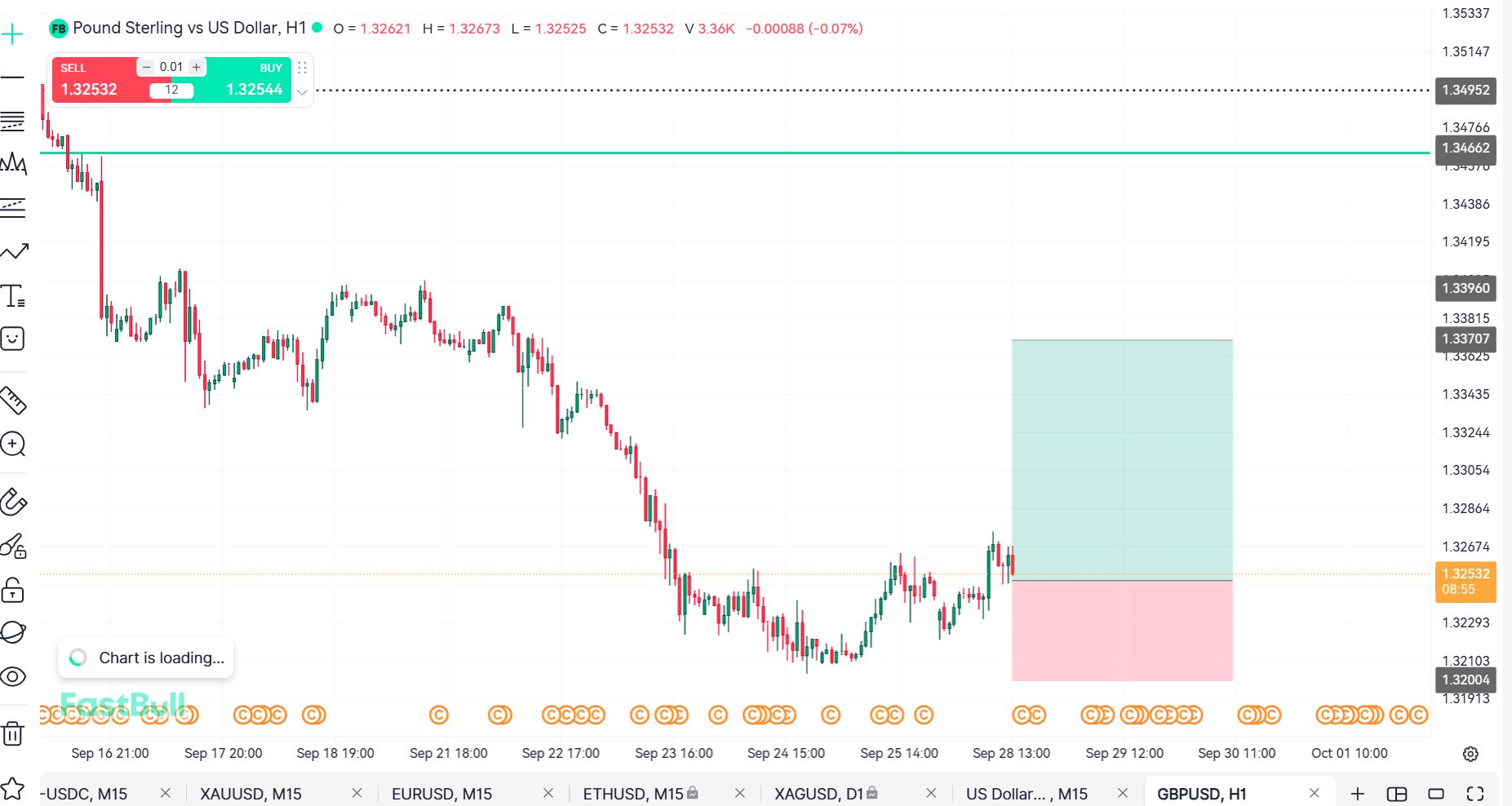
GBPUSD
Pound Sterling / US Dollar
1.33707
1.33732
1.33707
1.33997
1.33419
-0.00148
-0.11%
--
XAUUSD
Gold / US Dollar
4299.39
4299.39
4299.39
4353.41
4257.10
+20.10
+ 0.47%
--
WTI
Light Sweet Crude Oil
57.233
57.485
57.233
58.011
56.969
-0.408
-0.71%
--

Community Accounts

Signal Accounts
--
Profit Accounts
--
Loss Accounts
--
View More

Become a signal provider

Sell trading signals to earn additional income

View More

Guide to Copy Trading

Get started with ease and confidence

View More

Signal Accounts for Members

All Signal Accounts

Best Return
  • Best Return
  • Best P/L
  • Best MDD
Past 1W
  • Past 1W
  • Past 1M
  • Past 1Y

All Contests

  • All
  • Trump Updates
  • Recommend
  • Stocks
  • Cryptocurrencies
  • Central Banks
  • Featured News
Top News Only
Share

Norwegian Nobel Committee: Calls On The Belarusian Authorities To Release All Political Prisoners

Share

Norwegian Nobel Committee: His Freedom Is A Deeply Welcome And Long-Awaited Moment

Share

Ukraine Says It Received 114 Prisoners From Belarus

Share

USA Embassy In Lithuania: Maria Kalesnikava Is Not Going To Vilnius

Share

USA Embassy In Lithuania: Other Prisoners Are Being Sent From Belarus To Ukraine

Share

Ukraine President Zelenskiy: Five Ukrainians Released By Belarus In US-Brokered Deal

Share

USA Vilnius Embassy: USA Stands Ready For "Additional Engagement With Belarus That Advances USA Interests"

Share

USA Vilnius Embassy: Belarus, USA, Other Citizens Among The Prisoners Released Into Lithuania

Share

USA Vilnius Embassy: USA Will Continue Diplomatic Efforts To Free The Remaining Political Prisoners In Belarus

Share

USA Vilnius Embassy: Belarus Releases 123 Prisoners Following Meeting Of President Trump's Envoy Coale And Belarus President Lukashenko

Share

USA Vilnius Embassy: Masatoshi Nakanishi, Aliaksandr Syrytsa Are Among The Prisoners Released By Belarus

Share

USA Vilnius Embassy: Maria Kalesnikava And Viktor Babaryka Are Among The Prisoners Released By Belarus

Share

USA Vilnius Embassy: Nobel Peace Prize Laureate Ales Bialiatski Is Among The Prisoners Released By Belarus

Share

Belarusian Presidential Administration Telegram Channel: Lukashenko Has Pardoned 123 Prisoners As Part Of Deal With US

Share

Two Local Syrian Officials: Joint US-Syrian Military Patrol In Central Syria Came Under Fire From Unknown Assailants

Share

Israeli Military Says It Targeted 'Key Hamas Terrorist' In Gaza City

Share

Rwanda's Actions In Eastern Drc Are A Clear Violation Of Washington Accords Signed By President Trump - Secretary Of State Rubio

Share

Israeli Military Issues Evacuation Warning In Southern Lebanon Village Ahead Of Strike - Spokesperson On X

Share

Belarusian State Media Cites US Envoy Coale As Saying He Discussed Ukraine And Venezuela With Lukashenko

Share

Belarusian State Media Cites US Envoy Coale As Saying That US Removes Sanctions On Belarusian Potassium

TIME
ACT
FCST
PREV
U.K. Trade Balance Non-EU (SA) (Oct)

A:--

F: --

P: --

U.K. Trade Balance (Oct)

A:--

F: --

P: --

U.K. Services Index MoM

A:--

F: --

P: --

U.K. Construction Output MoM (SA) (Oct)

A:--

F: --

P: --

U.K. Industrial Output YoY (Oct)

A:--

F: --

P: --

U.K. Trade Balance (SA) (Oct)

A:--

F: --

P: --

U.K. Trade Balance EU (SA) (Oct)

A:--

F: --

P: --

U.K. Manufacturing Output YoY (Oct)

A:--

F: --

P: --

U.K. GDP MoM (Oct)

A:--

F: --

P: --

U.K. GDP YoY (SA) (Oct)

A:--

F: --

P: --

U.K. Industrial Output MoM (Oct)

A:--

F: --

P: --

U.K. Construction Output YoY (Oct)

A:--

F: --

P: --

France HICP Final MoM (Nov)

A:--

F: --

P: --

China, Mainland Outstanding Loans Growth YoY (Nov)

A:--

F: --

P: --

China, Mainland M2 Money Supply YoY (Nov)

A:--

F: --

P: --

China, Mainland M0 Money Supply YoY (Nov)

A:--

F: --

P: --

China, Mainland M1 Money Supply YoY (Nov)

A:--

F: --

P: --

India CPI YoY (Nov)

A:--

F: --

P: --

India Deposit Gowth YoY

A:--

F: --

P: --

Brazil Services Growth YoY (Oct)

A:--

F: --

P: --

Mexico Industrial Output YoY (Oct)

A:--

F: --

P: --

Russia Trade Balance (Oct)

A:--

F: --

P: --

Philadelphia Fed President Henry Paulson delivers a speech
Canada Building Permits MoM (SA) (Oct)

A:--

F: --

P: --

Canada Wholesale Sales YoY (Oct)

A:--

F: --

P: --

Canada Wholesale Inventory MoM (Oct)

A:--

F: --

P: --

Canada Wholesale Inventory YoY (Oct)

A:--

F: --

P: --

Canada Wholesale Sales MoM (SA) (Oct)

A:--

F: --

P: --

Germany Current Account (Not SA) (Oct)

A:--

F: --

P: --

U.S. Weekly Total Rig Count

A:--

F: --

P: --

U.S. Weekly Total Oil Rig Count

A:--

F: --

P: --

Japan Tankan Large Non-Manufacturing Diffusion Index (Q4)

--

F: --

P: --

Japan Tankan Small Manufacturing Outlook Index (Q4)

--

F: --

P: --

Japan Tankan Large Non-Manufacturing Outlook Index (Q4)

--

F: --

P: --

Japan Tankan Large Manufacturing Outlook Index (Q4)

--

F: --

P: --

Japan Tankan Small Manufacturing Diffusion Index (Q4)

--

F: --

P: --

Japan Tankan Large Manufacturing Diffusion Index (Q4)

--

F: --

P: --

Japan Tankan Large-Enterprise Capital Expenditure YoY (Q4)

--

F: --

P: --

U.K. Rightmove House Price Index YoY (Dec)

--

F: --

P: --

China, Mainland Industrial Output YoY (YTD) (Nov)

--

F: --

P: --

China, Mainland Urban Area Unemployment Rate (Nov)

--

F: --

P: --

Saudi Arabia CPI YoY (Nov)

--

F: --

P: --

Euro Zone Industrial Output YoY (Oct)

--

F: --

P: --

Euro Zone Industrial Output MoM (Oct)

--

F: --

P: --

Canada Existing Home Sales MoM (Nov)

--

F: --

P: --

Euro Zone Total Reserve Assets (Nov)

--

F: --

P: --

U.K. Inflation Rate Expectations

--

F: --

P: --

Canada National Economic Confidence Index

--

F: --

P: --

Canada New Housing Starts (Nov)

--

F: --

P: --

U.S. NY Fed Manufacturing Employment Index (Dec)

--

F: --

P: --

U.S. NY Fed Manufacturing Index (Dec)

--

F: --

P: --

Canada Core CPI YoY (Nov)

--

F: --

P: --

Canada Manufacturing Unfilled Orders MoM (Oct)

--

F: --

P: --

Canada Manufacturing New Orders MoM (Oct)

--

F: --

P: --

Canada Core CPI MoM (Nov)

--

F: --

P: --

Canada Manufacturing Inventory MoM (Oct)

--

F: --

P: --

Canada CPI YoY (Nov)

--

F: --

P: --

Canada CPI MoM (Nov)

--

F: --

P: --

Canada CPI YoY (SA) (Nov)

--

F: --

P: --

Canada Core CPI MoM (SA) (Nov)

--

F: --

P: --

Q&A with Experts
    • All
    • Chatrooms
    • Groups
    • Friends
    Connecting
    .
    .
    .
    Type here...
    Add Symbol or Code

      No matching data

      All
      Trump Updates
      Recommend
      Stocks
      Cryptocurrencies
      Central Banks
      Featured News
      • All
      • Russia-Ukraine Conflict
      • Middle East Flashpoint
      • All
      • Russia-Ukraine Conflict
      • Middle East Flashpoint
      Search
      Products

      Charts Free Forever

      Chats Q&A with Experts
      Screeners Economic Calendar Data Tools
      Membership Features
      Data Warehouse Market Trends Institutional Data Policy Rates Macro

      Market Trends

      Market Sentiment Order Book Forex Correlations

      Top Indicators

      Charts Free Forever
      Markets

      News

      News Analysis 24/7 Columns Education
      From Institutions From Analysts
      Topics Columnists

      Latest Views

      Latest Views

      Trending Topics

      Top Columnists

      Latest Update

      Signals

      Copy Rankings Latest Signals Become a signal provider AI Rating
      Contests
      Brokers

      Overview Brokers Assessment Rankings Regulators News Claims
      Broker listing Forex Brokers Comparison Tool Live Spread Comparison Scam
      Q&A Complaint Scam Alert Videos Tips to Detect Scam
      More

      Business
      Events
      Careers About Us Advertising Help Center

      White Label

      Data API

      Web Plug-ins

      Affiliate Program

      Awards Institution Evaluation IB Seminar Salon Event Exhibition
      Vietnam Thailand Singapore Dubai
      Fans Party Investment Sharing Session
      FastBull Summit BrokersView Expo
      Recent Searches
        Top Searches
          Markets
          News
          Analysis
          User
          24/7
          Economic Calendar
          Education
          Data
          • Names
          • Latest
          • Prev

          View All

          No data

          Scan to Download

          Faster Charts, Chat Faster!

          Download App
          English
          • English
          • Español
          • العربية
          • Bahasa Indonesia
          • Bahasa Melayu
          • Tiếng Việt
          • ภาษาไทย
          • Français
          • Italiano
          • Türkçe
          • Русский язык
          • 简中
          • 繁中
          Open Account
          Search
          Products
          Charts Free Forever
          Markets
          News
          Signals

          Copy Rankings Latest Signals Become a signal provider AI Rating
          Contests
          Brokers

          Overview Brokers Assessment Rankings Regulators News Claims
          Broker listing Forex Brokers Comparison Tool Live Spread Comparison Scam
          Q&A Complaint Scam Alert Videos Tips to Detect Scam
          More

          Business
          Events
          Careers About Us Advertising Help Center

          White Label

          Data API

          Web Plug-ins

          Affiliate Program

          Awards Institution Evaluation IB Seminar Salon Event Exhibition
          Vietnam Thailand Singapore Dubai
          Fans Party Investment Sharing Session
          FastBull Summit BrokersView Expo

          Fed Stays Cautious as U.S. Stocks Edge Up; Market Eyes Trade Talks and Growth Signals

          Gerik

          Economic

          Summary:

          On May 7, U.S. stocks closed slightly higher after the Federal Reserve held interest rates steady and acknowledged mounting economic uncertainties...

          Fed Maintains Rates Amid Rising Policy Dilemmas

          Following a two-day policy meeting, the U.S. Federal Reserve opted to keep its benchmark interest rate unchanged at the 4.25%–4.50% range, a level it has maintained since December 2024. While the decision aligned with market expectations, the Fed’s accompanying statement carried a more cautious tone, highlighting increasing risks to both its inflation and employment mandates. This acknowledgment of uncertainty has reinforced the narrative that the central bank is navigating a narrow corridor between maintaining economic momentum and containing inflationary pressures.
          Fed officials noted that signs of persistent inflation and potential labor market weakening are becoming more pronounced, complicating any imminent shift in monetary stance. The lack of a clear pivot toward rate cuts suggests policymakers are waiting for more definitive economic data before adjusting their approach.

          Markets React with Modest Gains and Sector Divergence

          Despite the Fed’s guarded outlook, equity markets responded with moderate optimism. The Dow Jones Industrial Average rose 0.7% to 41,113.97 points, the S&P 500 added 0.4% to 5,631.28 points, and the Nasdaq Composite edged up 0.3% to close at 17,738.16. Analysts attributed the muted yet positive response to the absence of hawkish surprises and investor anticipation of upcoming catalysts, including global trade developments and corporate earnings.
          However, sector performance was uneven. Alphabet shares dropped 7.5% after reports surfaced of declining traffic to Google search via Apple devices, raising concerns over its core advertising ecosystem. In contrast, Disney saw its stock surge 10.7% after reporting strong quarterly revenue growth, driven by a rise in Disney+ subscriptions and its announcement of a new theme park project in the UAE.

          Commentary from Analysts Highlights Policy Trade-offs

          Investment strategists offered varied interpretations of the Fed’s stance. Adam Sarhan of 50 Park Investments described the market as waiting for its “next growth catalyst,” pointing to potential trade agreements and economic indicators. Julia Hermann from New York Life Investments emphasized the policy dilemma faced by the Fed, where cutting rates risks stoking inflation, while tightening could stall the recovery. She argued that only a clear economic downturn would justify more accommodative policy. Adam Reinert from Marshall Financial echoed the need for policy consistency, stressing that the Fed must endure short-term difficulty to protect long-term credibility.
          These assessments reflect broader concerns that monetary tools are reaching their limits without synchronized fiscal or global policy support, particularly as geopolitical volatility remains high.

          Global and Domestic Focus Shifts to Trade Talks

          Looking ahead, investor sentiment is expected to hinge on progress in U.S.-China trade relations. A high-level meeting between American and Chinese officials is scheduled to take place in Switzerland this weekend. Market participants view the talks as a critical opportunity for de-escalation following the tariff increases initiated by President Trump.
          Meanwhile, Vietnam's equity markets also closed in positive territory, mirroring global resilience. The VN-Index gained 8.42 points to finish at 1,250.37, and the HNX-Index advanced 0.52 points to 213.41, signaling continued confidence in domestic fundamentals despite external uncertainties.
          The Federal Reserve’s decision to maintain its current rate policy reinforces a wait-and-see approach amid rising risks. While markets welcomed the lack of aggressive tightening, the broader environment remains sensitive to both economic data and political developments. With trade negotiations looming and corporate performance under scrutiny, investor sentiment is likely to remain cautious and reactive in the short term.

          Source: CNBC

          To stay updated on all economic events of today, please check out our Economic calendar
          Risk Warnings and Disclaimers
          You understand and acknowledge that there is a high degree of risk involved in trading. Following any strategies or investment methods may lead to potential losses. The content on the site is provided by our contributors and analysts for information purposes only. You are solely responsible for determining whether any trading assets, securities, strategy, or any other product is suitable for investing based on your own investment objectives and financial situation.
          Add to Favorites
          Share

          EU To Set Out Next Countermeasures Against U.S. Tariffs On Thursday

          Liam Peterson

          China–U.S. Trade War

          Maros Sefcovic, European Commissioner for Trade and Economic Security; Interinstitutional Relations and Transparency, speaks to reporters in Singapore on May 7, 2025, after signing of the EU-Singapore Digital Trade Agreement (DTA), a landmark initiative enhancing digital economic cooperation between the European Union and Singapore.

          The European Commission will announce on Thursday details of its next countermeasures against U.S. tariffs should negotiations with Washington fail, European Trade Commissioner Maros Sefcovic said on Wednesday.

          "Tomorrow we will announce next preparatory steps, both in the area of possible rebalancing measures, and also in the areas important for the further discussions," Sefcovic told a news conference in Singapore after the signing of a digital trade agreement with the Southeast Asian country.

          He added that he will work closely with member states and industries to prepare for every scenario.

          "I would like to make it very clear that negotiations clearly come first, but not at any cost," he said.

          The new measures would represent the EU's response to U.S. import tariffs on cars and so-called reciprocal tariffs on most other goods.

          The 27-nation bloc had in April approved duties mostly of 25% on U.S. imports amounting to 21 billion euros ($23 billion), including maize, wheat, motorcycles and clothing. The duties have been paused until July, after U.S. President Donald Trump announced a 90-day suspension of reciprocal tariffs.

          The EU faces 25% U.S. import tariffs on its steel, aluminum and cars. It also faces reciprocal tariffs of 10% for almost all other goods, a levy that could rise to 20% after the 90-day pause expires on July 8.

          Sefcovic previously said U.S. tariffs now covered 70% of EU goods trade to the United States and could rise to 97% after further U.S. investigations into pharmaceuticals, semiconductors and other products.

          Source: CNBC

          Risk Warnings and Disclaimers
          You understand and acknowledge that there is a high degree of risk involved in trading. Following any strategies or investment methods may lead to potential losses. The content on the site is provided by our contributors and analysts for information purposes only. You are solely responsible for determining whether any trading assets, securities, strategy, or any other product is suitable for investing based on your own investment objectives and financial situation.
          Add to Favorites
          Share

          Powell Says Fed Won’t Be Rushed, Outlook Depends On White House

          Hannah Ellis

          Federal Reserve Chair Jerome Powell made clear he won’t be rushed into lowering borrowing costs until there’s more certainty on the direction of trade policy, which will have to come from the White House.

          Powell and his colleagues held interest rates steady on Wednesday and, in their first meeting since President Donald Trump’s sweeping tariff announcements last month, said the risks of seeing higher inflation and unemployment had risen.

          That scenario would force a tough choice, Powell said, between lowering borrowing costs to support the job market or keeping them elevated to contain price pressures. And in the meantime, he suggested uncertainty over the scope and scale of the tariffs — and the outcome of looming trade talks — will keep policymakers on hold for now.

          “Absent a decisive turn in the US economic data, the FOMC seems comfortable remaining on hold indefinitely,” said James Egelhof, chief US economist for BNP Paribas, referring to the Federal Open Market Committee. “The FOMC is waiting for conviction of whether the next move is a cut based on the economy moving towards a recession or whether it’s a move towards more restrictive policy due to high inflation becoming entrenched into the economy.”

          The rate-setting panel voted unanimously to keep the benchmark federal funds rate in a range of 4.25% to 4.5%, where it’s been since December.

          Trump announced a series of larger-than-expected tariffs on April 2 but then paused some of them for 90 days. Levies on imports from China now total 145%. The on-again-off-again nature of the tariffs, paired with the lack of clarity on where trade policy will ultimately settle, has unleashed a wave of uncertainty across the economy.

          While the levies are still being negotiated, economists widely expect the expansive tariffs to boost prices and weigh on growth.

          Powell has been on the receiving end of severe criticism from Trump for not cutting rates. In his back-and-forth with reporters, the Fed chair emphasized the White House was in a better position to resolve the mounting risks and uncertainty, and indeed appeared to be moving in that direction. US and Chinese officials are set to meet later this week in Switzerland to discuss the tariffs.

          “Ultimately this is for the administration to do. This is their mandate, not ours,” Powell said. “It seems we’re entering a new phase where the administration is beginning talks with a number of our important trading partners and that has the potential to change the picture materially.”

          Recession concerns have grown in the US, and some businesses have reported pausing investment decisions given the uncertainty. Still, the labor market remains resilient, with employers adding 177,000 jobs in April. Fed officials described labor market conditions as “solid,” according to the statement.

          Powell — acknowledging that consumer and business sentiment had darkened amid the erratic tariff announcements — said the hard data still paint a picture of a healthy economy.

          “I think generally when we watch the Fed, they have much less of the ‘masters of the universe’ vibe going right now,” said Claudia Sahm, chief economist at New Century Advisors. “The Fed is very much at the whim of policies coming out of the White House. They’re reactive.”

          Economists say it will take time for the full effect of the new tariffs to work through the economy. So far, the impact has mainly included a sharp decline in sentiment and a surge in imports. The US economy contracted at the start of the year for the first time since 2022, but a gauge of underlying demand stayed firm.

          Futures markets show investors still expect about three interest-rate cuts this year, with odds of a cut as early as July at about 85%. Most economists and investors don’t expect the Fed to lower rates at its next meeting in June.

          “You’re not going to have data by June that really give you enough information,” said Ellen Meade, a research professor of economics at Duke University and former special adviser to the Fed Board. “The earliest you’d really be thinking about is July, but frankly I think it’s September, and I’m not even convinced they’re going to cut.”

          Source: Bloomberg Europe

          Risk Warnings and Disclaimers
          You understand and acknowledge that there is a high degree of risk involved in trading. Following any strategies or investment methods may lead to potential losses. The content on the site is provided by our contributors and analysts for information purposes only. You are solely responsible for determining whether any trading assets, securities, strategy, or any other product is suitable for investing based on your own investment objectives and financial situation.
          Add to Favorites
          Share

          UBS Forecast: USD/ZAR Could Plummet On Rising Risk Appetite

          Michelle Reid

          Forex

          Economic

          For those tracking global markets, including the dynamic world of cryptocurrency, shifts in major currency pairs like the USD/ZAR can offer valuable insights into broader economic sentiment. Recent analysis from UBS suggests a notable potential movement for this pair, indicating that conditions are aligning for the US Dollar to weaken against the South African Rand. This outlook is significantly tied to increasing trade deal optimism and a corresponding rise in global investor risk appetite.

          What is Driving the UBS Forecast on USD/ZAR?

          UBS analysts point to specific factors underpinning their view that the USD/ZAR exchange rate may decline. A lower USD/ZAR rate means it takes fewer US Dollars to buy one South African Rand, effectively indicating a strengthening ZAR relative to the USD. The primary drivers identified are:

          ● Trade Deal Progress: Positive developments or the anticipation of favorable outcomes in major international trade negotiations tend to reduce global economic uncertainty. This encourages investors to move away from traditional safe-haven assets, like the US Dollar, towards currencies associated with emerging markets, such as the South African Rand.
          ● Increased Risk Appetite: When investor confidence is high and global economic prospects appear brighter, there is a greater willingness to take on more risk. Emerging market currencies and assets often benefit disproportionately from this shift, as they typically offer higher yields but also carry greater perceived risk. A surge in risk appetite directly supports the ZAR.

          These two factors are often intertwined. Successful trade talks signal improved global economic health, which in turn boosts confidence and encourages risk-taking in the Forex market and beyond.

          How Does Trade Deal Optimism Impact Emerging Markets?

          Emerging markets, like South Africa, are often highly sensitive to global trade flows and investor sentiment. Here’s why trade deal optimism is particularly impactful:

          ● Export Potential: Better trade relations can open up or expand export markets for South African goods, boosting economic activity and potentially improving the country’s trade balance.
          ● Foreign Investment: Reduced trade tensions create a more stable and predictable global environment, making emerging markets more attractive destinations for foreign direct investment and portfolio flows. This inflow of capital increases demand for the local currency (ZAR).
          ● Commodity Prices: Many emerging economies are significant commodity exporters. Improved global trade often correlates with stronger demand for commodities, pushing prices up. As a major exporter of minerals and other commodities, South Africa’s economy benefits from higher prices, which supports the Rand.

          This positive feedback loop reinforces the case for a stronger ZAR when trade prospects improve, influencing the USD/ZAR pair.

          Understanding the Role of Risk Appetite in Forex

          Risk appetite is a key metric for understanding capital flows in the Forex market. It describes the level of risk that investors are willing to take on. When risk appetite is high, investors seek higher returns, often found in assets perceived as riskier, such as:

          ● Emerging market currencies (like ZAR)
          ● Stocks in developing economies
          ● Certain commodities

          Conversely, when risk appetite is low (during periods of uncertainty or fear), investors flock to safe havens like:

          ● The US Dollar (often considered a primary safe haven)
          ● Japanese Yen
          ● Swiss Franc
          ● Government bonds from stable economies
          ● Gold

          The current environment, characterized by increasing trade deal optimism, is fostering higher risk appetite. This dynamic directly impacts the USD/ZAR pair, as capital flows move out of the safe-haven USD and into the higher-yielding, risk-sensitive ZAR.

          What Does a Weakening USD/ZAR Mean for the Market?

          A weakening USD/ZAR rate has several implications for different market participants:

          For South Africa:

          ● Makes imports cheaper (potentially reducing inflation).
          ● Makes exports more expensive for international buyers (could impact competitiveness unless commodity prices are rising).
          ● Attracts foreign investment seeking exposure to a strengthening currency and potentially higher local returns.
          ● Can improve the country’s external debt profile if denominated in USD.

          For USD Holders/Investors:

          ● Investments in ZAR-denominated assets become more valuable when converted back to USD.
          ● Travel to South Africa becomes less expensive.

          For the Forex Market:

          ● Increased trading activity around the USD/ZAR pair.
          ● Potential for volatility as sentiment shifts.
          ● May signal broader trends for other emerging market currencies against the USD.

          Are There Challenges or Risks to This Outlook?

          While the UBS forecast highlights the potential for USD/ZAR to weaken, it’s crucial to remember that Forex markets are influenced by numerous factors. Potential challenges or risks include:

          ● Reversal in Trade Optimism: Any breakdown or negative turn in trade negotiations could quickly reverse sentiment and strengthen the USD.
          ● Domestic Issues in South Africa: Local political instability, economic challenges (like power shortages or high unemployment), or changes in monetary policy by the South African Reserve Bank could negatively impact the ZAR regardless of global sentiment.
          ● Unexpected Global Events: Geopolitical shocks, new economic data from major economies (US inflation, Federal Reserve policy), or other unforeseen events can rapidly shift risk appetite and currency valuations.
          ● Commodity Price Volatility: While often linked to trade, commodity prices have their own dynamics and significant declines could hurt the ZAR.

          Therefore, while the current environment supports the UBS forecast, continuous monitoring of global and local developments is essential.

          Actionable Insights for Traders and Investors

          Given the UBS forecast and the factors at play, what should market participants consider?

          ● Monitor Trade Headlines: Keep a close eye on news related to major international trade negotiations. Positive headlines reinforce the trend; negative ones pose a risk.
          ● Track Risk Appetite Indicators: Observe broader market movements. Are stock markets rising globally? Are traditional safe havens like gold or the Yen weakening? These can be signs of increasing risk appetite.
          ● Analyze South African Fundamentals: Pay attention to South Africa’s economic data releases (inflation, growth, unemployment) and political developments. These domestic factors play a significant role in the ZAR’s strength.
          ● Consider Volatility: Emerging market currencies can be volatile. Risk management is crucial if trading the USD/ZAR pair.
          ● Look for Confirmation: While UBS has a view, look for analysis from other major banks and research institutions to see if there is a consensus forming in the Forex market.

          This environment driven by trade deal optimism and rising risk appetite presents potential opportunities but also requires careful analysis and awareness of potential pitfalls.

          In conclusion, UBS’s outlook for a potentially weaker USD/ZAR pair is strongly linked to the positive momentum generated by trade deal optimism and the resulting increase in global investor risk appetite. These factors create a favorable environment for emerging market currencies like the South African Rand. However, market participants must remain vigilant, as the complex interplay of global events, domestic conditions, and shifts in sentiment can quickly alter the trajectory of currency pairs in the volatile Forex market.

          Source: CryptoSlate

          To stay updated on all economic events of today, please check out our Economic calendar
          Risk Warnings and Disclaimers
          You understand and acknowledge that there is a high degree of risk involved in trading. Following any strategies or investment methods may lead to potential losses. The content on the site is provided by our contributors and analysts for information purposes only. You are solely responsible for determining whether any trading assets, securities, strategy, or any other product is suitable for investing based on your own investment objectives and financial situation.
          Add to Favorites
          Share

          Fed Keeps Rates Steady Amid Economic Uncertainty

          Patricia Franklin

          Central Bank

          Economic

          Cryptocurrency

          Key Points:

          ● The Federal Reserve holds rates steady amid economic concerns.
          ● Market expects a cautious Fed stance.
          ● Bitcoin and Ethereum prices remain sensitive to Fed actions.

          The Federal Reserve held interest rates steady at 4.25%-4.50% on May 8, 2025, amid growing economic uncertainties linked to tariffs.

          The pause in rate changes reflects the Fed's focus on economic stability, with investors and markets responding cautiously to economic implications.

          Fed Holds Rates With Inflation and Tariffs in Focus

          The Federal Reserve, led by Jerome Powell, kept interest rates stable within the 4.25%-4.50% range. This marks the third consecutive rate hold, consistent with market predictions amid economic uncertainties related to tariffs. Powell acknowledged the Fed's dual concerns: inflation and unemployment, highlighting the potential impact of tariffs.

          The ongoing tariff issues could affect inflation and economic growth. Maintaining stable rates signals a cautious approach as the Fed navigates rising risks. Markets reacted by stabilizing interest rates on loans and mortgages, although sentiment remains tentative given potential inflation. Jerome Powell noted, "If the large increases in tariffs that have been announced are sustained, they're likely to generate a rise in inflation, a slowdown in economic growth and an increase in unemployment."

          Market reactions highlighted the Fed's warning of simultaneous inflation and unemployment threats. Bitcoin and Ethereum, sensitive to such policy stances, exhibited minor fluctuations. Powell's emphasis on tariff impacts likely influences future decisions, leaving investors alert to potential actions.

          Crypto Markets Adjust to Federal Rate Strategies

          Did you know? Current Federal Reserve policies contrast with 2020-2021's low rate period, which significantly boosted crypto markets.

          Bitcoin's price stands at $97,217.35 with a market cap of $1.93 trillion. Its 24-hour trading volume increased by 214.83% to $77.91 billion. Bitcoin's price rose 1.16% over 24 hours, 3.30% in a week, and 21.74% over 30 days, signaling fluctuating investor interest despite economic uncertainties.

          Bitcoin(BTC), daily chart, screenshot on CoinMarketCap at 22:49 UTC on May 7, 2025.

          Coincu research suggests potential growth in crypto as investors seek alternatives amidst uncertain monetary policy. Speculative assets like Bitcoin and Ethereum might gain appeal, with market sentiment closely tied to future Fed actions. Historical data indicates shifts in crypto activity following similar economic events.

          Source: CryptoSlate

          To stay updated on all economic events of today, please check out our Economic calendar
          Risk Warnings and Disclaimers
          You understand and acknowledge that there is a high degree of risk involved in trading. Following any strategies or investment methods may lead to potential losses. The content on the site is provided by our contributors and analysts for information purposes only. You are solely responsible for determining whether any trading assets, securities, strategy, or any other product is suitable for investing based on your own investment objectives and financial situation.
          Add to Favorites
          Share

          Bank of England Set to Cut Rates Amid Worries About Trump Tariff Fallout

          Manuel

          Central Bank

          Forex

          The Bank of England is poised to extend its slow run of interest rate cuts on Thursday with investors watching for any signs that it could soon pick up the pace as U.S. President Donald Trump's tariffs weigh on the world economy.
          Governor Andrew Bailey and his BoE colleagues have long stressed the need for a gradual and careful approach to lowering borrowing costs, something most analysts say is likely to continue given the scale of uncertainty about the outlook.
          The BoE has cut rates just three times so far since last August, moving more slowly than the U.S. Federal Reserve and the European Central Bank due to its concerns about inflationary heat in the jobs market.
          Although Britain's economy is far from robust, its growth this year looks set to be faster than in Germany and France.
          But Bailey has recently stressed the risks to the economy from the surge in global trade tensions.
          On Wednesday, the Fed kept its key interest rate on hold and said uncertainty about the economic outlook had increased with higher risks of a rise in both unemployment and inflation.
          A latest quarter-point cut by the BoE is widely expected on Thursday and investors are almost fully pricing in three more reductions by the end of 2025 which would take its benchmark Bank Rate to 3.5% from 4.5% at the moment.
          Most economists polled by Reuters last month expected the BoE to remain on its once-a-quarter rhythm which would leave Bank Rate at 3.75% at year-end.
          But BofA Global Research analysts said they now saw four BoE rate reductions to come this year with UK inflation set to rise by less than previously thought, in part due to cheaper imports from China which have been effectively shut out of the U.S.
          However, it was probably too soon for the BoE to change its stance on the way forward.
          "For now, we expect the BoE to retain the careful, gradual and meeting-by-meeting guidance, in the midst of uncertainty," the BofA analysts said.
          BNP Paribas Europe economist Dani Stoilova predicted the BoE's new forecasts would show inflation returning to the central bank's 2% target at the end of 2026, a year earlier than the BoE previously expected.
          However, Bailey and the rest of the Monetary Policy Committee would probably want to wait and see if Trump's tariffs and retaliation by China and other countries ultimately push up inflation by damaging supply chains, she said.
          The BoE is due to announce its May interest rate decision and its latest economic forecasts at 1102 GMT - two minutes later than usual to avoid disrupting a moment of silence to mark the 80th anniversary of the end of World War Two in Europe.
          Bailey and other top officials are due to hold a press conference at 1130 GMT.

          Source: Reuters

          Risk Warnings and Disclaimers
          You understand and acknowledge that there is a high degree of risk involved in trading. Following any strategies or investment methods may lead to potential losses. The content on the site is provided by our contributors and analysts for information purposes only. You are solely responsible for determining whether any trading assets, securities, strategy, or any other product is suitable for investing based on your own investment objectives and financial situation.
          Add to Favorites
          Share

          Trump Signals China Initiated Planned Trade Meeting; Washington Eyes Stroller Exemptions

          Manuel

          China–U.S. Trade War

          Economic

          U.S. President Donald Trump on Wednesday suggested China initiated upcoming senior-level trade talks between the two countries and said he was not willing to cut U.S. tariffs on Chinese goods to get Beijing to the negotiating table.
          The U.S. announced on Tuesday that Treasury Secretary Scott Bessent and U.S. Trade Representative Jamieson Greer will meet with China's top economic official on Saturday in Switzerland, marking an initial step in potential negotiations over a blistering trade war that is disrupting the global economy.
          The development was welcomed in financial markets that have been battered by Trump's often-chaotic rollout of his tariff policies, with Wall Street snapping a two-day losing streak.
          Prior to Tuesday's announcement, it was far from clear when - or even if - the world's No. 1 and No. 2 economies would engage to defuse the standoff.
          Beijing had adopted fiery rhetoric as tensions with Washington ratcheted up, repeatedly saying it would not engage in negotiations unless the U.S. withdrew its tariffs. Its Commerce Ministry had suggested it was the U.S. side that had signaled a desire to hold talks.
          "They said we initiated? Well, I think they ought to go back and study their files," Trump said in response to a reporter's question at a White House event where his ambassador to China, David Perdue, was sworn into office.
          Asked if he was willing to reduce tariffs to get China to negotiate, Trump said: "No."
          "We were losing with China, on trade, a trillion dollars a year - more, actually," Trump said. "You know what we're losing now? Nothing. That's not bad."
          The planned talks come after weeks of escalating tensions that have seen duties on goods imports between the world's two largest economies soar well beyond 100%, amounting to what Bessent on Tuesday called the equivalent of a trade embargo.
          The impasse, compounded by Trump's decision last month to slap sweeping duties on dozens of other countries, has upended supply chains, roiled financial markets and stoked fears of a sharp downturn in global growth.
          Bessent said after the meeting announcement that the talks were about "de-escalation."
          Jake Colvin, head of the National Foreign Trade Council, said the current tariffs were untenable and could cause huge damage to both economies if they persisted for months or years.
          “I would take it as a positive sign that they're talking, which appears to be the latest step in a series of de-escalatory moves," he said.
          Craig Singleton at the Foundation for the Defense of Democracies said it was notable that China agreed to talks without any U.S. concessions.
          “The Trump administration did not lift tariffs, pause enforcement actions, or even promise a negotiating roadmap — and yet China agreed to send Xi’s top economic czar, Vice Premier He Lifeng," he said. "It’s acknowledgment that the tariffs are having their intended effect.”

          EXEMPTIONS AND RETALIATION

          But U.S. officials were also feeling the pressure, including growing public concerns about shortages and rising prices.
          Testifying before the House Financial Services Committee, Bessent said the Trump administration is considering exempting car seats, baby strollers, cribs other essential items for transporting children from the 145% tariffs in place on China.
          China has also approved some exemptions from its 125% tariffs on U.S. goods.
          However, Trump sent mixed signals later, telling reporters he would look at specific industry requests for exemptions, but preferred to keep the duties broader and less complicated.
          In 2018, the Trump administration exempted some products produced in China from 25% tariffs, including bicycle helmets and child-safety furniture such as car seats and playpens. However, car seat component parts, cribs, bassinets, diaper bags and wooden safety gates were not exempted.
          In Singapore, the European Commission's trade commissioner, Maros Sefcovic, said the bloc would announce on Thursday details of its next countermeasures against U.S. tariffs, if negotiations - not yet begun - ultimately failed.

          NEW ENVOY

          At the White House event, Trump said he and Perdue, a former Republican U.S. senator from Georgia, would "work together very closely" on U.S. relations with China.
          Perdue touted his personal relationship with Trump, something that could raise his stock in Beijing if Chinese officials assess he has a direct channel to the president.
          "I want the world to know that I know this man personally. He loves this country, and I am glad to be your man in China," Perdue said.
          In nominating Perdue, Trump had said he would be instrumental in implementing a "productive working relationship with China's leaders." During his confirmation hearing in early April, Perdue said the U.S. approach to China must be "nuanced, nonpartisan, and strategic."
          Last year, however, Perdue condemned Chinese President Xi Jinping as a "modern-day emperor," writing in an essay that Beijing wanted to "destroy capitalism and democracy" and the U.S.-led world order.

          Source: Reuters

          To stay updated on all economic events of today, please check out our Economic calendar
          Risk Warnings and Disclaimers
          You understand and acknowledge that there is a high degree of risk involved in trading. Following any strategies or investment methods may lead to potential losses. The content on the site is provided by our contributors and analysts for information purposes only. You are solely responsible for determining whether any trading assets, securities, strategy, or any other product is suitable for investing based on your own investment objectives and financial situation.
          Add to Favorites
          Share
          FastBull
          Copyright © 2025 FastBull Ltd

          728 RM B 7/F GEE LOK IND BLDG NO 34 HUNG TO RD KWUN TONG KLN HONG KONG

          TelegramInstagramTwitterfacebooklinkedin
          App Store Google Play Google Play
          Products
          Charts

          Chats

          Q&A with Experts
          Screeners
          Economic Calendar
          Data
          Tools
          Membership
          Features
          Function
          Markets
          Copy Trading
          Latest Signals
          Contests
          News
          Analysis
          24/7
          Columns
          Education
          Company
          Careers
          About Us
          Contact Us
          Advertising
          Help Center
          Feedback
          User Agreement
          Privacy Policy
          Business

          White Label

          Data API

          Web Plug-ins

          Poster Maker

          Affiliate Program

          Risk Disclosure

          The risk of loss in trading financial instruments such as stocks, FX, commodities, futures, bonds, ETFs and crypto can be substantial. You may sustain a total loss of the funds that you deposit with your broker. Therefore, you should carefully consider whether such trading is suitable for you in light of your circumstances and financial resources.

          No decision to invest should be made without thoroughly conducting due diligence by yourself or consulting with your financial advisors. Our web content might not suit you since we don't know your financial conditions and investment needs. Our financial information might have latency or contain inaccuracy, so you should be fully responsible for any of your trading and investment decisions. The company will not be responsible for your capital loss.

          Without getting permission from the website, you are not allowed to copy the website's graphics, texts, or trademarks. Intellectual property rights in the content or data incorporated into this website belong to its providers and exchange merchants.

          Not Logged In

          Log in to access more features

          FastBull Membership

          Not yet

          Purchase

          Become a signal provider
          Help Center
          Customer Service
          Dark Mode
          Price Up/Down Colors

          Log In

          Sign Up

          Position
          Layout
          Fullscreen
          Default to Chart
          The chart page opens by default when you visit fastbull.com