• Trade
  • Markets
  • Copy
  • Contests
  • News
  • 24/7
  • Calendar
  • Q&A
  • Chats
Screeners
SYMBOL
LAST
ASK
BID
HIGH
LOW
NET CHG.
%CHG.
SPREAD
SPX
S&P 500 Index
6978.59
6978.59
6978.59
6988.81
6958.82
+28.36
+ 0.41%
--
DJI
Dow Jones Industrial Average
49003.40
49003.40
49003.40
49157.80
48862.52
-408.99
-0.83%
--
IXIC
NASDAQ Composite Index
23817.11
23817.11
23817.11
23865.26
23694.38
+215.76
+ 0.91%
--
USDX
US Dollar Index
95.610
95.690
95.610
97.060
95.330
-1.220
-1.26%
--
EURUSD
Euro / US Dollar
1.20372
1.20379
1.20372
1.20815
1.18502
+0.01579
+ 1.33%
--
GBPUSD
Pound Sterling / US Dollar
1.38383
1.38394
1.38383
1.38683
1.36636
+0.01603
+ 1.17%
--
XAUUSD
Gold / US Dollar
5173.34
5173.78
5173.34
5187.38
5013.05
+163.07
+ 3.25%
--
WTI
Light Sweet Crude Oil
62.325
62.355
62.325
62.472
60.054
+1.577
+ 2.60%
--

Community Accounts

Signal Accounts
--
Profit Accounts
--
Loss Accounts
--
View More

Become a signal provider

Sell trading signals to earn additional income

View More

Guide to Copy Trading

Get started with ease and confidence

View More

Signal Accounts for Members

All Signal Accounts

Best Return
  • Best Return
  • Best P/L
  • Best MDD
Past 1W
  • Past 1W
  • Past 1M
  • Past 1Y

All Contests

  • All
  • Trump Updates
  • Recommend
  • Stocks
  • Cryptocurrencies
  • Central Banks
  • Featured News
Top News Only
Share

Sqm, A Chilean Chemical And Mining Company, Has Received Approval For Its Joint Venture With Codelco, Chile's National Copper Company, Following The Rejection Of Tianqi Lithium's Appeal

Share

U.S. Trade Representative Greer: South Korean Trade Officials Will Be Arriving In The United States Later This Week

Share

Qcr Holdings: Expect Increase In Q1 Nim Tey Ranging From 3-7 Basis Points, Assuming No Further Federal Reserve Rate Cuts

Share

North Korea's Supreme Leader Kim: Ruling Party Congress Will Clarify Next-Stage Plans For Further Bolstering Nuclear War Deterrent

Share

[Iran Summons Italian Ambassador To Protest Anti-Revolutionary Guard Remarks] On The 27th Local Time, The Iranian Foreign Ministry Summoned The Italian Ambassador To Iran To Lodge A Strong Protest Against The Irresponsible Remarks Made By The Italian Foreign Minister Regarding The Iranian Islamic Revolutionary Guard Corps (IRGC). The Iranian Foreign Ministry Issued A Statement That Day Saying That The IRGC Is Part Of Iran's Regular Armed Forces, And Any Erroneous Labeling Of The IRGC Would Have "destructive Consequences," Urging The Italian Foreign Minister To Correct His Inappropriate Remarks. The Day Before, Italian Foreign Minister Antonio Tajani Posted On Social Media That Italy Would Ask Its EU Partners To Designate The IRGC As A "terrorist Organization" During The EU Foreign Ministers' Meeting Later This Week

Share

North Korea Says It Had Tested Large-Caliber Multiple Rocket Launcher System

Share

Chile's Central Bank Says The Macroeconomic Outlook Suggests That Inflation Will Be Lower In The Short Term Than Projected In December

Share

Brazil Benchmark Stock Index Bovespa Closes At 182325.08 Points, A Record High

Share

Chile's Central Bank Sets Benchmark Interest Rate At 4.50%

Share

Australia Dollar Jumps To $0.7016, Highest Since Feb 2023

Share

Saudi Crown Prince Tells Iranian President It Wont Allow Airspace Or Land To Be Used In Any Military Action Against Tehran

Share

Euro Last Up 1.31% At $1.2036

Share

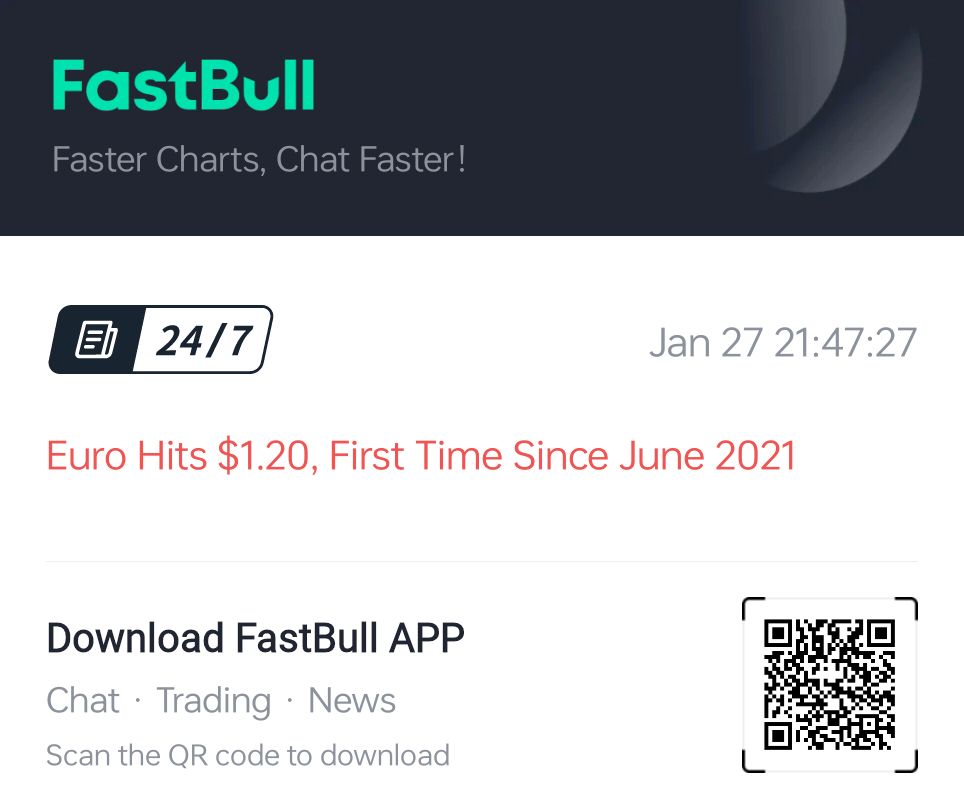
Euro Hits $1.20, First Time Since June 2021

Share

Trump: Cuba Will Be Failing Very Soon

Share

Trump: Alex Pretti Should Not Have Been Carrying A Gun

Share

His Office: Erdogan, Trump Spoke By Phone, Turkish Leader Stressed Need For Full Implementation Of Ceasefire And Integration Deal In Syria

Share

A U.S. Judge Ruled In Favor Of Martha's Vineyard Wind Farm Project, After President Trump Halted The Project

Share

On Tuesday (January 27), In Late New York Trading, The US Dollar Fell 1.06% Against The Japanese Yen To 152.54 Yen, Trading Between 154.88 And 152.52 Yen During The Day. A Sharp Drop Occurred At 17:52 Beijing Time, Followed By A Continued Decline. The Euro Fell 0.13% Against The Yen To 182.94 Yen, Experiencing A Significant Drop At 17:51, Hitting A Daily Low Of 182.13 Yen. The Pound Fell 0.25% Against The Yen To 210.393 Yen, Also Experiencing A Sharp Drop, Hitting A Daily Low Of 210.015 Yen At 17:53

Share

[US Reportedly Informs Israel Of Progress In Preparations For Action Against Iran] Sources Say The US Recently Informed Israel Of Its Preparations For Potential Military Action Against Iran. The US Stated That Preparations Are Expected To Be Completed Within Two Weeks, And A Suitable "window Of Opportunity" For Action May Emerge In The Coming Months. The US Also Emphasized That This Does Not Mean Action Must Wait Until All Preparations Are Complete. Action Could Be Taken Earlier If President Trump Issues An Order, But This Option Is Not Currently Considered Urgent. However, Neither US Nor Israeli Officials Have Confirmed This Information

Share

Source: US Has Told Ukraine It Must Sign Peace Deal With Russia To Get Security Guarantees

TIME
ACT
FCST
PREV
U.S. Non-Defense Capital Durable Goods Orders MoM (Excl. Aircraft) (Nov)

A:--

F: --

P: --
U.S. Chicago Fed National Activity Index (Nov)

A:--

F: --

P: --
U.S. Dallas Fed New Orders Index (Jan)

A:--

F: --

P: --

U.S. Dallas Fed General Business Activity Index (Jan)

A:--

F: --

P: --
U.S. 2-Year Note Auction Avg. Yield

A:--

F: --

P: --

U.K. BRC Shop Price Index YoY (Jan)

A:--

F: --

P: --

China, Mainland Industrial Profit YoY (YTD) (Dec)

A:--

F: --

P: --

Germany 2-Year Schatz Auction Avg. Yield

A:--

F: --

P: --

Mexico Trade Balance (Dec)

A:--

F: --

P: --

U.S. Weekly Redbook Index YoY

A:--

F: --

P: --

U.S. S&P/CS 20-City Home Price Index YoY (Not SA) (Nov)

A:--

F: --

P: --

U.S. S&P/CS 20-City Home Price Index MoM (SA) (Nov)

A:--

F: --

P: --
U.S. FHFA House Price Index MoM (Nov)

A:--

F: --

P: --

U.S. FHFA House Price Index (Nov)

A:--

F: --

P: --

U.S. FHFA House Price Index YoY (Nov)

A:--

F: --

P: --
U.S. S&P/CS 10-City Home Price Index YoY (Nov)

A:--

F: --

P: --

U.S. S&P/CS 10-City Home Price Index MoM (Not SA) (Nov)

A:--

F: --

P: --

U.S. S&P/CS 20-City Home Price Index (Not SA) (Nov)

A:--

F: --

P: --

U.S. S&P/CS 20-City Home Price Index MoM (Not SA) (Nov)

A:--

F: --

P: --

U.S. Richmond Fed Manufacturing Composite Index (Jan)

A:--

F: --

P: --

U.S. Conference Board Present Situation Index (Jan)

A:--

F: --

P: --

U.S. Conference Board Consumer Expectations Index (Jan)

A:--

F: --

P: --

U.S. Richmond Fed Manufacturing Shipments Index (Jan)

A:--

F: --

P: --

U.S. Richmond Fed Services Revenue Index (Jan)

A:--

F: --

P: --

U.S. Conference Board Consumer Confidence Index (Jan)

A:--

F: --

P: --
U.S. 5-Year Note Auction Avg. Yield

A:--

F: --

P: --

U.S. API Weekly Refined Oil Stocks

--

F: --

P: --

U.S. API Weekly Crude Oil Stocks

--

F: --

P: --

U.S. API Weekly Gasoline Stocks

--

F: --

P: --

U.S. API Weekly Cushing Crude Oil Stocks

--

F: --

P: --

Australia RBA Trimmed Mean CPI YoY (Q4)

--

F: --

P: --

Australia CPI YoY (Q4)

--

F: --

P: --

Australia CPI QoQ (Q4)

--

F: --

P: --

Germany GfK Consumer Confidence Index (SA) (Feb)

--

F: --

P: --

Germany 10-Year Bund Auction Avg. Yield

--

F: --

P: --

India Industrial Production Index YoY (Dec)

--

F: --

P: --

India Manufacturing Output MoM (Dec)

--

F: --

P: --

U.S. MBA Mortgage Application Activity Index WoW

--

F: --

P: --

Canada Overnight Target Rate

--

F: --

P: --

BOC Monetary Policy Report
U.S. EIA Weekly Crude Stocks Change

--

F: --

P: --

U.S. EIA Weekly Cushing, Oklahoma Crude Oil Stocks Change

--

F: --

P: --

U.S. EIA Weekly Crude Demand Projected by Production

--

F: --

P: --

U.S. EIA Weekly Crude Oil Imports Changes

--

F: --

P: --

U.S. EIA Weekly Heating Oil Stock Changes

--

F: --

P: --

U.S. EIA Weekly Gasoline Stocks Change

--

F: --

P: --

BOC Press Conference
Russia PPI MoM (Dec)

--

F: --

P: --

Russia PPI YoY (Dec)

--

F: --

P: --

U.S. Target Federal Funds Rate Lower Limit (Overnight Reverse Repo Rate)

--

F: --

P: --

U.S. Interest Rate On Reserve Balances

--

F: --

P: --

U.S. Federal Funds Rate Target

--

F: --

P: --

U.S. Target Federal Funds Rate Upper Limit (Excess Reserves Ratio)

--

F: --

P: --

FOMC Statement
FOMC Press Conference
Brazil Selic Interest Rate

--

F: --

P: --

Australia Import Price Index YoY (Q4)

--

F: --

P: --

Q&A with Experts
    • All
    • Chatrooms
    • Groups
    • Friends
    LD flag
    SlowBear ⛅
    @SlowBear ⛅l didn't cash out as l should have
    SlowBear ⛅ flag
    EuroTrader flag
    LD
    @LDOhhh .That's was an oversight .it happens but you would come profitable at the end of the day
    LD flag
    SlowBear ⛅
    @SlowBear ⛅yes l was holding . Went out to run some errands and forgot to remove it
    SlowBear ⛅ flag
    LD
    @LD Oh you should have bro, EURUSDu is at a very tight region not condisive for a swing short holder
    SlowBear ⛅ flag
    REETRADER
    @REETRADER yes bro, unto the next and i thought you never trade without SL
    LD flag
    SlowBear ⛅
    @SlowBear ⛅l messed up during day. Been cooked whole day
    EuroTrader flag
    LD
    @LDThis must really hurt .I can imagine the feeling .now you are stuck in the trade
    LD flag
    EuroTrader
    @EuroTradertomorrow is another day
    SlowBear ⛅ flag
    SlowBear ⛅
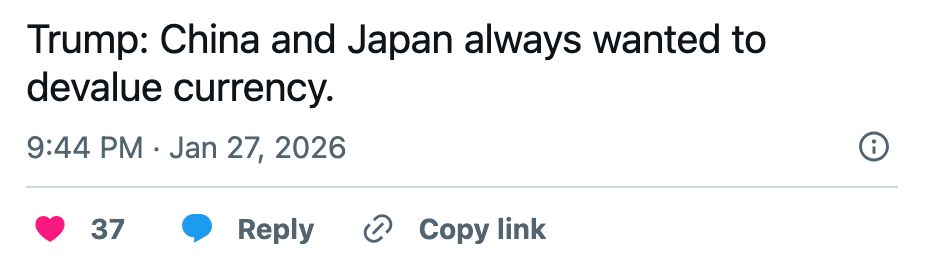
    And yet again - it is China's fault - but wait a minute what is Japan doing this time? I gues Japan is now a bad guy too!
    EuroTrader flag
    LD
    @LDYeahh .even if it comes out as a loss you should accept it in good faith
    SlowBear ⛅ flag
    LD
    @LD Oh no, you should have shared bro, always call few people's attention to the matter so you can have a second opinion
    SlowBear ⛅ flag
    LD
    @LD Damn, it is well - tomorrow is another day full of opportunies! You will make them back!
    EuroTrader flag
    LD flag
    EuroTrader
    @EuroTradersince since moreover it was a short sell but if not for the news l would have somehow took a less loss
    EuroTrader flag
    EuroTrader
    @LDthis is massive. The euro finally hits 1.2. that's really bloody for the dollar index
    LD flag
    SlowBear ⛅
    @SlowBear ⛅true hahaha 😆
    ndu flag
    SlowBear ⛅
    @SlowBear ⛅everyone is bad for trump😄😄😄
    EuroTrader flag
    LD
    @LDYeahh. That's the painful thing sometimes about news. It can act like a double edged sword
    LD flag
    SlowBear ⛅
    @SlowBear ⛅l will but we discussed that short here earlier. Chai This was real second chance
    Type here...
    Add Symbol or Code

      No matching data

      All
      Trump Updates
      Recommend
      Stocks
      Cryptocurrencies
      Central Banks
      Featured News
      • All
      • Russia-Ukraine Conflict
      • Middle East Flashpoint
      • All
      • Russia-Ukraine Conflict
      • Middle East Flashpoint

      Search
      Products

      Charts Free Forever

      Chats Q&A with Experts
      Screeners Economic Calendar Data Tools
      Membership Features
      Data Warehouse Market Trends Institutional Data Policy Rates Macro

      Market Trends

      Market Sentiment Order Book Forex Correlations

      Top Indicators

      Charts Free Forever
      Markets

      News

      News Analysis 24/7 Columns Education
      From Institutions From Analysts
      Topics Columnists

      Latest Views

      Latest Views

      Trending Topics

      Top Columnists

      Latest Update

      Signals

      Copy Rankings Latest Signals Become a signal provider AI Rating
      Contests
      Brokers

      Overview Brokers Assessment Rankings Regulators News Claims
      Broker listing Forex Brokers Comparison Tool Live Spread Comparison Scam
      Q&A Complaint Scam Alert Videos Tips to Detect Scam
      More

      Business
      Events
      Careers About Us Advertising Help Center

      White Label

      Data API

      Web Plug-ins

      Affiliate Program

      Awards Institution Evaluation IB Seminar Salon Event Exhibition
      Vietnam Thailand Singapore Dubai
      Fans Party Investment Sharing Session
      FastBull Summit BrokersView Expo
      Recent Searches
        Top Searches
          Markets
          News
          Analysis
          User
          24/7
          Economic Calendar
          Education
          Data
          • Names
          • Latest
          • Prev

          View All

          No data

          Scan to Download

          Faster Charts, Chat Faster!

          Download App
          English
          • English
          • Español
          • العربية
          • Bahasa Indonesia
          • Bahasa Melayu
          • Tiếng Việt
          • ภาษาไทย
          • Français
          • Italiano
          • Türkçe
          • Русский язык
          • 简中
          • 繁中
          Open Account
          Search
          Products
          Charts Free Forever
          Markets
          News
          Signals

          Copy Rankings Latest Signals Become a signal provider AI Rating
          Contests
          Brokers

          Overview Brokers Assessment Rankings Regulators News Claims
          Broker listing Forex Brokers Comparison Tool Live Spread Comparison Scam
          Q&A Complaint Scam Alert Videos Tips to Detect Scam
          More

          Business
          Events
          Careers About Us Advertising Help Center

          White Label

          Data API

          Web Plug-ins

          Affiliate Program

          Awards Institution Evaluation IB Seminar Salon Event Exhibition
          Vietnam Thailand Singapore Dubai
          Fans Party Investment Sharing Session
          FastBull Summit BrokersView Expo

          Unlocking Climate Resilience: A New Taxonomy for Sustainable Investment

          BNP PARIBAS

          Economic

          Bond

          Summary:

          A new Climate Bonds Resilience Taxonomy could unlock up to $3 trillion in investments by 2030, guiding sustainable finance decisions.

          Building climate resilience is crucial to make sustainable finance decision and in the face of escalating climate change impacts. A new taxonomy measuring climate resilience could unlock up to USD 3 trillion in investments by 2030, guiding sustainable finance decisions and helping to bridge the USD 194-366 billion climate finance gap.

          The growing need for climate resilience

          The effects of climate change are already keenly felt across Asia. The growing number of extreme weather events – such as typhoons and heavy rainfall that leads to flooding – can result in the loss of life, damaged infrastructure, and impeded economic growth.
          In 2023, the United Nations said that Asia was “the world’s most disaster-effected region… due to weather, climate and water-related hazards”. And with serious typhoons like Yagi ripping across the region, as well as severe flooding in southern China, 2024 is shaping up to be another year of intense climate activity.
          The bad news is that climate change looks likely to worsen as temperatures rise. The World Meteorological Organisation forecasts an 80% likelihood that global temperatures will exceed 1.5°C above industrial levels, sometime between 2024 and 2028. This not only highlights a need to strengthen commitments to reduce carbon emissions, but also for societies to build resilience, by adapting to further climate shocks.
          The concept of resilience is especially important, particularly in relation to making investment decisions, so that capital can be best allocated to the places where adaptation is most needed. The need for investment is enormous, with the UN Environmental Programme estimating the adaption finance gap to be USD 194 billion to USD 366 billion, which is equivalent to 10 to 18 times current flows.

          Measuring climate resilience: the Climate Bonds Resilience Taxonomy

          This is why the Climate Bond Initiative has created the Climate Bonds Resilience Taxonomy (CBRT) – a framework to guide investment into climate resilience that measures an issuer’s ability to withstand and adapt to climate change impacts.

          Key components of the Climate Bonds Resilience Taxonomy

          The CBRT is designed to identify and categorise investments that strengthen climate resilience, thus helping investors to prioritise high-impact projects across the seven areas that the taxonomy covers. These include the physical, social, economic and natural aspects of resilience.
          Both the users and use cases of the CBRT are diverse. It is a practical tool that can be used by governments, financial institutions, companies, and market observers. It will guide debt issuance, shape fiscal incentives, while at the same time informing corporate risk management and investment strategies.
          In terms of methodology, it draws on the expertise of a wide range of stakeholders, integrating the latest scientific research and methodologies to address changing needs and enabling investments that foster resilience. Its three main criteria are:
          significant contributions made to resilience,the effective management of maladaptation risks,the alignment with broader sustainability goals.

          The benefits of a standardised climate resilience taxonomy

          The benefits of an effective taxonomy to measure resilience are widespread. The CBRT provides guidance to issuers so that they can identify and invest in resilience projects that have a significant impact. And by using a standardised methodology, these investments can be easily aligned with broader national and international climate goals, easing the flow of both public and private sector funding.

          Unlocking new investment opportunities

          The new taxonomy could unlock as much as USD 3 trillion in new investment for climate resilience by 2030, according to the CBI. Much of this funding would be directed towards Asia, given the region’s unique vulnerabilities to climate change in the face of rapid urbanisation.
          Going forward, the CBRT will evolve as it is implemented in Asia. The CBI expects that it will adapt the taxonomy for local contexts, making sure that its criteria fit the local context, while at the same time maintaining compatibility with the global framework.
          Furthermore, market engagement will help create a coalition for resilience investment, bringing together governments, financial institutions, investors, and issuers. A key part of this engagement will be clear guidance on how to apply the CBRT.
          As climate change becomes a greater concern among the global investment community, the CBRT will likely become an important part of the financial toolkit used by financial professionals to make investment decisions related to sustainability.

          Market outlook and future directions

          BNP Paribas Markets 360 is forecasting USD 630 billion of green bond issuance in 2024, a record, with Asia Pacific expected to account for around USD 150 billion of this year’s total. This would be a slight step down from last year’s record, but still a large share of the overall market.
          The Bank sees a record wall of maturities coming over the next three years, so is forecasting rising issuance for green bonds in 2025 and 2026, with USD 700 billion and then USD 850 billion respectively. In particular, maturities from Chinese banks over the next two years will be elevated, so BNP Paribas’ Markets 360 team expects strong issuance from banks to replenish this maturing green credit.
          To stay updated on all economic events of today, please check out our Economic calendar
          Risk Warnings and Disclaimers
          You understand and acknowledge that there is a high degree of risk involved in trading. Following any strategies or investment methods may lead to potential losses. The content on the site is provided by our contributors and analysts for information purposes only. You are solely responsible for determining whether any trading assets, securities, strategy, or any other product is suitable for investing based on your own investment objectives and financial situation.
          Add to Favorites
          Share

          The Fed Decision: Higher Growth Comes at A Price

          JanusHenderson

          Economic

          On Wednesday, the Federal Reserve (Fed) provided additional proof points to what the market had been pricing since September: The U.S. economic cycle is extending, and while that is likely to benefit riskier assets, the landscape for many pockets of the fixed income market is becoming less certain.
          Starting with the Fed’s dovish pivot exactly a year ago – and only briefly interrupted by a bout of sticky inflation in early 2024 – expectations were for an aggressive easing cycle. The upper bound of the federal funds target rate – 5.50% at the time – was well above the U.S. central bank’s favored inflation measure, signaling highly restrictive policy.
          The Fed’s 25 basis-point (bps) rate cut was not much of a gift, as it was accompanied by a less friendly policy outlook. A resilient U.S. economy, along with the pricing in of pro-growth policies by the incoming Trump administration, has flipped the “accommodation” script. The cut to 4.5% this week had been widely expected by the market. Also expected were modest upward revisions to the central bank’s Summary of Economic Projections. The degree to which many of these expectations were adjusted, however, may have been our biggest takeaway from this meeting.
          In monitoring these statements, it’s important to identify potential incongruities between general rhetoric and the details. While Fed Chairman Jay Powell spoke to both sides of the central bank’s dual mandate being “roughly in balance,” we believe the bias has again shifted toward managing inflation risk.

          By the numbers

          In the Fed’s updated projections, the revision to real economic growth as measured by gross domestic product (GDP) confirmed what most already knew: At a 2.5% clip in 2024, the U.S. remains in the class of advanced economies.
          Sturdy U.S. growth was reflected through a modest bump in 2025 and 2026 GDP expectations and a slightly lower unemployment rate for 2024 and 2025. Chairman Powell was quick to reiterate that a resilient labor market was a welcome development and that he did not expect wages to be an upward force on inflation.
          The most notable revisions were in higher inflation projections. For 2025 and 2026, headline inflation as measured by the Personal Consumption Expenditures Price Index was upwardly revised to 2.5% and 2.1%, respectively. Core inflation for those two years is now expected to clock in at 2.5% and 2.2%, respectively. By this measure, the Fed only expects to hit its inflation target of 2.0% in 2027.
          Here we would highlight the core services component of inflation. We believe the Fed may be concerned that this key input to overall price stability may be bottoming well before inflation has reached its target. By this rationale, maintaining a dovish stance could extinguish recent progress on inflation.

          Behind the “dots”

          Also of note were revisions to the Fed’s expectations for its policy path. Much of the previous dovish trajectory had already been taken off the table. That trend continued, with this iteration of the survey now projecting only two cuts in 2025 (down from four) and an additional two in 2026, in line with earlier estimates. Importantly, the terminal rate for this cycle is expected to be 3.0%. Only a year ago, the call was for 2.5%.
          What’s behind the expectations for the shallower rate path is important. If driven by anticipation of higher economic growth due to a business-friendly agenda, that’s positive for markets. If, however, the more inflationary components of the incoming U.S. administration’s agenda – e.g., tariffs – necessitate higher policy rates, investors would rightly be concerned about volatility along mid-to longer-dated points of the U.S. yield curve.

          Markets in motion

          The range of potential outcomes for bond markets has widened. A cycle extension in the U.S. comes with the risk that progress on inflation could stall, injecting volatility into mid- to longer-dated bonds. Uncertainty about the incoming administration’s policy priorities further clouds the picture. Thus far, the U.S. economy has nailed the elusive soft landing. Firming economic growth could keep the party going – or it could reset consumers’ inflation expectations to a higher range, forcing a rethink of underlying assumptions by the Fed.
          Typically, investors would welcome a return of a term premium in the U.S. Treasuries curve. But that incremental bump in yields between the 2-year and 10-year notes – currently about 15 bps – is a reflection of rising uncertainty around U.S. inflation and the appropriate policy response. Investors must decide if that incremental yield is worth the risk.
          Valuations matter, too. A cycle extension should benefit quality corporate issuers. But the yields on many of these securities relative to their risk-free benchmarks are narrow by historical standards, leaving little cushion to protect against rate volatility. While defaults are low and a growing economy should help corporations maintain coverage ratios, we believe securitized credits represent a better opportunity at present given more attractive valuations and the potential for their underlying assets to appreciate.
          The Fed’s updated projections affirm that, globally, economic growth and policy responses are diverging. Upwardly revised rate expectations mean that the U.S. remains an attractive destination for yield. Conversely, weakness in Europe and other jurisdictions is likely to result in additional policy easing and lower rates. Furthermore, several pockets of the global credit market currently trade at discounts to similarly rated U.S. peers.

          Conclusion

          The era of synchronized bond markets and meager yields is over. This presents an opportunity for investors to fortify broader portfolios with bonds’ ability to generate income, act as a diversifier, and reduce volatility.
          To accomplish this, however, investors must be nimble and seek to identify the segments that represent the most attractive trade-offs. Unlike in years past, all levers matter, including region, credit rating, and duration exposure. Astute investors have the opportunity to lean into these disparities to strike a balance between defensiveness and capturing excess returns
          To stay updated on all economic events of today, please check out our Economic calendar
          Risk Warnings and Disclaimers
          You understand and acknowledge that there is a high degree of risk involved in trading. Following any strategies or investment methods may lead to potential losses. The content on the site is provided by our contributors and analysts for information purposes only. You are solely responsible for determining whether any trading assets, securities, strategy, or any other product is suitable for investing based on your own investment objectives and financial situation.
          Add to Favorites
          Share

          Five Things to Watch in What Could be A Wild 2025

          SAXO

          Economic

          In this year’s final episode of the Saxo Market call, John J. Hardy, chief macro strategist, and Ole S. Hansen, head of commodity strategy, discussed what’s in store for 2025 – a year that’s already shaping up to become interesting. As Hardy concluded: “Stay flexible. Don’t assume you have the answers. The big questions are what matter most, and 2025 will bring plenty of them”.
          Here are five overall themes, they discussed.

          1. Markets at a pivot point

          Hardy flagged increasing market divergence as a key concern: “AI and tech stocks are booming, while broader indices like the Dow and S&P 500 are showing caution. When sectors diverge like this, it’s often a sign that volatility is building,” he said, noting that investors should be aware of sharp shifts as markets enter 2025 on uneven ground.

          2. Politics will dominate

          Hardy sees Trump’s return as a game-changer for global trade: “Tariffs aimed at bringing manufacturing back to the US could trigger inflation,” he said and noted that Trump’s focus on reducing inflation presents a contradiction that may disrupt markets at the same time.For Europe, Hansen highlighted Germany’s critical need to adapt: “They’ve lost cheap Russian energy and are facing pressure from China in key industries like autos. They must invest to rebuild its economic model. The potential is there—political will is the question.” he explained.China remains a wildcard: “They’re trying to export their way out of domestic troubles, but that will clash with Trump’s trade policies.” Hardy said.

          3. Commodities in focus

          Hansen sees commodities as a potential bright spot in 2025, driven by inflation fears and supply constraints: “Tangible assets like gold are attractive when inflation and debt loom large,” he said.Electrification will continue to drive metals demand, especially for copper and aluminium: “As AI and tech require more power, the need for these metals will grow,” Hansen noted. He also flagged food markets as vulnerable: “Volatile weather is a major risk. Look at cocoa and coffee this year—this theme isn’t going away.”

          4. Inflation and growth concerns

          Hardy highlighted contradictions in US fiscal policy: “Trump wants growth, tax cuts, and deficit reduction—but something’s got to give,” he said. Tariffs and labour restrictions could also drive inflation: “If immigration is curbed, labour costs could soar, adding more pressure,” he said.

          5. Opportunities amid uncertainty

          Despite the risks, Hardy remains optimistic: “We’re entering a new era. Old economic models are breaking, but that creates opportunities. It’s going to be fascinating to see how countries adapt,” he said.Hansen added that Germany and Europe have the potential to turn things around if they embrace change: “The resources are there—it’s about political will.”
          To stay updated on all economic events of today, please check out our Economic calendar
          Risk Warnings and Disclaimers
          You understand and acknowledge that there is a high degree of risk involved in trading. Following any strategies or investment methods may lead to potential losses. The content on the site is provided by our contributors and analysts for information purposes only. You are solely responsible for determining whether any trading assets, securities, strategy, or any other product is suitable for investing based on your own investment objectives and financial situation.
          Add to Favorites
          Share

          How Might Policy Changes Impact Alternative Investments?

          JPMorgan

          Economic

          The alternative investment landscape often evolves gradually. Assets may be priced infrequently and therefore are less sensitive to day-to-day market moves. Time horizons are inherently lengthy. While this makes them great portfolio diversifiers, it doesn’t make them immune to broader backdrop shifts that could influence assets over the lifespan of an investment. One massive change afoot is the new administration and the potential policy changes that it may bring. These policy changes could, in turn, impact monetary policy as well, resulting in a high-for-longer rate environment.
          There are myriad policy changes that could potentially occur, and many may not come to fruition at all, but below we highlight a few policy-linked opportunities and risks from our 4Q Guide to Alternatives:
          Tax cuts boost exits and capex – The combination of a corporate tax cut, deregulation, and reduced political uncertainty could rouse a drowsy exit market in private equity, reigniting IPO and M&A activity. Tax cuts could also support earnings and revenue of private equity target companies . A corporate tax cut aimed at domestic production could spur more industrial activity, increasing the demand for infrastructure.
          Public to private infrastructure – Mounting debt and deficits could limit further infrastructure investment from the government, increasing demand for private infrastructure projects.
          Deregulation rebalances lending – Regulation has made lending costly and more stringent for traditional lenders, tilting market share toward non-bank lenders. Deregulation could reduce some of that regulatory burden, supporting bank lending. However, less regulation for banks would also likely mean less regulation for private credit, alleviating a future pain point.
          Tariffs transform transport – Aggressive tariff proposals could reshape global trade. However, transport assets could benefit from longer shipping routes as supply chains reorder. However, a protracted trade war could lower global trade volumes, as we saw in 2019, which could be a long-term headwind.
          Hedge funds navigate uptick in volatility – FX and interest rate volatility could persist if confronted with tariffs and policies perceived to be inflationary. This could benefit macro hedge fund performance, which has historically tracked volatility.
          Early end to easing – Many proposed policies could be pro-growth, but also inflationary. If this is the case, the Fed could end its easing cycle early, leaving the federal funds rate at a higher terminal rate. This may keep financing more expensive and challenge commercial real estate mortgages or private credit loans that were amended or extended in anticipation of a more favorable rate environment.
          It is too early to speculate on exactly what government policies may change and how that may alter the Fed’s calculus, but investors ought to be mindful of potential impacts to alternative assets. Still, regardless of how the policy landscape shifts, investors will continue to seek alpha, income, and diversification, which alternatives can provide.

          Policy changes could perk up M&A and IPO activityHow Might Policy Changes Impact Alternative Investments?_1

          To stay updated on all economic events of today, please check out our Economic calendar
          Risk Warnings and Disclaimers
          You understand and acknowledge that there is a high degree of risk involved in trading. Following any strategies or investment methods may lead to potential losses. The content on the site is provided by our contributors and analysts for information purposes only. You are solely responsible for determining whether any trading assets, securities, strategy, or any other product is suitable for investing based on your own investment objectives and financial situation.
          Add to Favorites
          Share

          Why Europe’s Road Haulage Recovery Is Stuck In The Slow Lane

          ING

          Economic

          The negative aftermath of Covid is over, upside comes from the consumer side now

          The road transport sector has faced significant challenges over the last few years. In 2023, consumers shifted back to spending on services, leading to reduced demand for goods. To adjust, shippers reduced excess stock, and that caused a further decline in transport. These pandemic-related corrections and supply chain issues have now subsided, and inventory levels have largely normalised.

          For instance, a European survey conducted before the summer* revealed that 90% of consumer goods shippers reported their stock levels were either at the desired level or too low. This normalisation has resulted in higher container throughput in major European ports, with Rotterdam seeing a 3% year-on-year increase and Antwerp-Bruges experiencing a 9% rise in the first three quarters of 2024. This is good news for road transport, which still handles nearly 60% of seaborne containers to the hinterland.

          Consumers are beginning to see their purchasing power improve as inflation decreases and wage increases outpace inflation, while the labour market remains strong. This is a positive for both consumption and transport demand. However, demand from the construction sector is still bottoming out in the run up to 2025, and the manufacturing industry continues to struggle with high energy costs and difficulty remaining competitive.

          *Source: Drewry

          European road transport volume sluggish, but slightly recovering

          Evolvement of European road transport volume in million ton/km

          Why Europe’s Road Haulage Recovery Is Stuck In The Slow Lane_1

          Source: Eurostat, ING Research *forecast

          Struggling industry continues to weigh on European transport

          The sluggish European transport demand is reflected in German truck mileage volume, which fell 3% in 2023 and contracted by 0.7% up to October 2024. As the largest economy and a key transit country in Europe, Germany typically provides a good indicator of European road transport activity. However, in 2024, trucking companies reported attempts to avoid Germany due to steep MAUT (toll) increases. Combined with the manufacturing industry's relatively poor performance, this has led to a negative deviation compared to Europe as a whole.

          Continued slow (and bumpy) recovery expected for road transport into 2025

          A continued slow (and bumpy) recovery is expected for road transport into 2025

          As we approach 2025, the European Purchasing Managers’ Index (PMI) for manufacturing still signals contraction. The German industry – particularly its energy-intensive sectors as well as its automotive sector – has struggled to gain sustainable ground after the setbacks it has faced.

          In contrast, economies in some other European countries, such as Spain and Poland, are performing better. Overall, improvements in consumer demand and a notable return of driver shortages signal improvements for the market. We expect the road transport volume to recover slightly by 0.5%, with growth expected to increase to 1% in 2025. Nevertheless, the recovery will continue to lag behind long-term average growth rates.

          Road transport across Germany leaves worst behind, but recovery still about to materialize

          Total truck mileages on German motorways (MAUT) YoY (adj. for work days)

          Why Europe’s Road Haulage Recovery Is Stuck In The Slow Lane_2

          Source: BAG, ING Research

          Truck driver shortage relief proves short lived

          Truck driver shortages in road transport have become a serious supply constraint over the last few years. The setback in demand brought short-term relief in 2023 but, as we predicted, these shortages return when markets start to recover. The EU now reportedly faces a shortage of 500,000 drivers. This is why forward-looking (larger) companies are permanently hiring drivers through the economic cycle.

          Here are a few key reasons that we believe shortages are here to stay:

          Workers from Western Europe are now less inclined to drive international trucks because they can earn similar wages in other jobs. New-generation truck drivers also prefer shorter working hours and weeks; many are reluctant to spend weeks on the road and away from family.

          The availability of potential workers in EU (and Central and Eastern European) countries is increasingly limited for demographic reasons, and workers have alternative options to earn similar wages.

          The labour force ages, which pushes up outflow. European truck drivers are currently aged 44, with 21% of them older than 55.

          The relatively low representation of women is also an ongoing constraint within the sector. To attract drivers, larger transport companies already turned to regions outside of Europe, such as Asia. Many forward-looking larger companies continue to hire and educate a continuous flow of truck drivers through the cycle.

          Freight rates in European trucking still fragile amid higher cost environment

          Development of freight rates European road haulage (01/01/17 =100

          Why Europe’s Road Haulage Recovery Is Stuck In The Slow Lane_3

          Source: Upply/IRU, ING Research

          Contract freight rates are stable, spot rates still reveal ongoing volatility

          Europe's road transport market is dominated by fixed transport contracts, with shippers covering most of the traffic. Spot rates – covering perhaps 20% of the market – provide short-term market guidance though. These day-to-day rates slipped below contract rates in early 2023, revealing market weakness and excess capacity.

          However, signs of a market recovery appeared in 2024 as several large fleet owners reduced their (idled) fleet capacity. The newest setback seen in the third quarter is likely linked to significantly lower diesel prices. Freight rates remain fragile in the current environment, and given ongoing wage cost pressures, haulage companies are still challenged to pass on higher costs in 2025.

          Diesel prices in 2024 lower than in 2023 despite geopolitical tensions

          Diesel spot market prices (MT) in EUR per day

          Why Europe’s Road Haulage Recovery Is Stuck In The Slow Lane_4

          Source: Refinitiv, ING Research, last datapoint 11/29/24

          Growth potential in (European) road transport

          Why has the growth potential in European road transport been dampened?

          Consumers are gradually spending a larger share of their additional income on services that involve little freight transport – digital services and holidays, for example.

          Europe's population growth is stagnating and immigrants, in particular, are driving growth.

          Europe's global competitiveness is under pressure, and this has a notable impact on energy-intensive industries. Trade tensions and import tariff increases could also affect export and import flows negatively.

          Are there any signs of new opportunities?

          Nearshoring may offer new opportunities for continental road transportation in the coming years. As a result of increased supply risks and geopolitical tensions across the globe, a growing number of companies are considering diversification and possibilities to source closer to the end market, potentially supporting production in countries such as Poland, Romania or Turkey in the medium term.

          More consolidation is needed to remain competitive and meet requirements

          The European road haulage sector includes several large international trucking companies such as Girteka, Warberer’s, Primafrio, Raben and Vos Logistics, but the far majority are still small and medium-sized companies. Larger trucking companies are generally getting bigger, and more drivers are also starting their own companies. In 2024, we've seen an increased number of bankruptcies amid continued cost pressure alongside disappointing demand in some segments.

          However, several companies still lean on their strengthened financial positions from the years before 2023. Given lower borrowing rates, we may see a bolstered flow of acquisitions. Scale is also becoming increasingly important for effectively keeping up with and progressing in digitalisation and sustainability (fleet and reporting).

          Investors in trucks and trailers are awaiting the right time to catch up

          The investment climate in road transportation has cooled after overheating, and 2024 was mainly a year of 'wait and see'.

          For 2025, we see more of a mixed bag:

          Downside risks

          Slightly improving, but still sluggish international transport demand.

          Available capacity exceeding demand.

          Remaining uncertainty about how difficult the sustainability path will be in Europe and several countries, also looking at the infrastructure. Together with much higher purchase prices, this may still make companies decide to wait.

          Areas of uncertainty

          Prices of new equipment have come down, but fleet owners seem to await further improvements in their negotiating positions.

          Slowing investments following a sharp increase in interest rates (Euribor) from -0.5% to almost 4% in the autumn of 2023. Rates are, however, on a downward trajectory and there should be more to follow through 2025. This could support investment activity again.

          Upside risks

          Efficiency improvement is an incentive for carriers to invest. New generation models of trucks, such as DAF XF/XG, are typically 10-15% more fuel efficient than the previous generation.

          On balance, there is still deferred replacement demand (even though some companies have renewed a significant portion of their fleets). In turn, there still remains a catch-up effect in the pipeline, which is positive for the longer term.

          CO2-linked mileage charging in several countries including Germany*, as well as increasing policy pressure on clients (CSRD) and manufacturers (CO2-targets) to become more sustainable supports demand for new equipment.

          *As the first country in Europe Germany introduced a price on emissions for road transportation in 2024 by including a CO2-differential in the road mileage charging (MAUT). This pushed up transport rates for EURO VI for conventional heavy-duty 5-axle truck and trailer combinations with almost 16 cents per kilometre to just under 35 cents per km, resulting in an increase of over 80%. Other countries including Austria, Denmark, Czech Republic and Hungary have introduced similar systems (replacing the Eurovignet) or are just about to do so.

          Multiple regulatory focus points for road haulage by 2030

          On the road to 2030, a range of new regulations will be enforced and will sharpen the focus on sustainability for investments in transport equipment. CO2 pricing will be introduced for the first time, CO2 reporting will be required from large corporates, and manufacturers will be pushed to produce zero-emission vehicles:

          Multiple new sustainability linked European regulations upcoming for truck manufacturers, hauliers and shippers

          Why Europe’s Road Haulage Recovery Is Stuck In The Slow Lane_5

          Source: ING Research

          Europe's Mobility Package storm has calmed

          The European Mobility Package and the 'return home' rule for vehicles – that which requires trucks used for international transport to return to their home country at least once every eight weeks – have caused much discussion and raised many questions about efficiency. That’s largely over now. The return home vehicle requirement has been cancelled by the European Court of Justice (CJEU), saving many inefficient (empty) miles and unnecessary emissions. The repeal offers trucking companies more flexibility to optimise the deployment of internationally operated trucks (often registered in Central and Eastern European countries), which in turn results in some efficiency gains.

          Cabotage rules are also more restrictive under the Mobility Package, and this does show up in transport activity. The cooling off period of four days (max. three domestic rides in a seven-day time frame following an international ride) makes cabotage less attractive. As a result, total cabotage in the EU fell to 4.5% in 2023 from 4.9% in 2022. The new rules are particularly relevant for Germany and Belgium, where cabotage levels are double Europe’s average.

          Centre of gravity for international transport shifts east

          Since the extension of EU membership by 10 countries to the East in 2004, there has been a major shift towards international transport from countries such as Poland, Lithuania, Hungary and Romania, in order to achieve lower labour costs. This has structurally reduced road transport from the Netherlands and Belgium, but also from Germany and France.

          Since then, the share of international kilometres from the Dutch fleet, for instance, fell from 60% to just over a third. The lower mileage among tractors registered in the Netherlands shows that the trend is still in place. Not all Western companies have suffered from this since many have set up subsidiaries.

          While international trucks are often registered with Eastern European license plates and Poland has been the European market leader for several years now, much of the transport activity still takes place in Western Europe. The enlargement of the internal market has stimulated competition and reduced the cost of international transport for shippers – and eventually for consumers.

          With the cancellation of the 'return home vehicle' regulation, one of the main drivers for a reversal in this trend has been removed. A 'return home driver' requirement once every four weeks remains in place – but drivers can opt to refuse. As the wage gap is still large enough, we believe the trend can continue, though countries other than Poland (such as Romania and the Baltics) are now growing in popularity.

          EU's major extension to the East has been a success story for Poland in the past two decades

          Development of vehicle km's in mn. per country, per year

          Why Europe’s Road Haulage Recovery Is Stuck In The Slow Lane_6

          Source: Eurostat, ING Research

          Source: ING

          To stay updated on all economic events of today, please check out our Economic calendar
          Risk Warnings and Disclaimers
          You understand and acknowledge that there is a high degree of risk involved in trading. Following any strategies or investment methods may lead to potential losses. The content on the site is provided by our contributors and analysts for information purposes only. You are solely responsible for determining whether any trading assets, securities, strategy, or any other product is suitable for investing based on your own investment objectives and financial situation.
          Add to Favorites
          Share

          India’s Economy is Likely to Stand Firm in an Uncertain World

          Goldman Sachs

          Economic

          India’s GDP will keep growing strongly in the long term — but with a speed bump next year as government spending and credit growth slow, according to our economists’ forecast.
          “The structural long-term growth story for India remains intact driven by favorable demographics and stable governance,” Santanu Sengupta, chief India economist at Goldman Sachs Research, writes in his team’s report.
          Our economists expect India’s economy to grow at an average of 6.5% between 2025 and 2030. Their 6.3% forecast for 2025 is 40 basis points below a consensus of economists surveyed by Bloomberg.
          The decelerated growth rate is, in part, because public capital expenditure growth is declining. The Indian central government’s capex growth declined from 30% year-on-year CAGR between 2021 and 2024 to mid-single digits growth in nominal terms in 2025, according to budget estimates.
          India’s Economy is Likely to Stand Firm in an Uncertain World_1
          Credit is also tightening. Total private sector credit growth in India peaked in the first quarter of the 2024 calendar year and decelerated over the last two quarters. The slowdown was mainly driven by bank credit growth declining to around 12.8% as of October, from over 16% in the first quarter of this calendar year. In particular, there was a slowdown in household credit growth in unsecured personal loans, following a tightening of retail loans by the Reserve Bank of India in November 2023.

          What is the outlook for Indian inflation?

          Headline inflation in India is expected to average 4.2% year-on-year in the 2025 calendar year, with food inflation at 4.6% — much lower than our analysts’ estimate of 7%-plus for 2024, thanks to adequate rainfall, and good sowing of the summer crop. Food supply shocks due to weather-related disruptions remain the key risk to this forecast. Thus far, elevated and volatile food inflation, mainly driven by vegetable prices due to weather shocks, has kept the RBI from easing monetary policy.
          India’s Economy is Likely to Stand Firm in an Uncertain World_2
          Core inflation should be around the RBI’s target of 4% year-on-year in 2025, with some possibility that inflation will decline if US tariffs compel Chinese manufacturers to reallocate their products to regional markets.
          “The easing cycle from the RBI is likely to be cautious, given uncertainties on global trade policies and their impact on financial markets,” Sengupta writes. His team estimates the nominal neutral rate at 6% for India, so the RBI’s rate cuts are likely to be shallow. Goldman Sachs Research expects the RBI to cut rates by 25 basis points in February, and then again 25 basis points in April.
          “The overall preference of Indian policymakers in recent years has been macro-economic resilience over chasing short-term spurts of growth,” Sengupta writes, adding that strengthening public and private balance sheets will continue to be a priority. “The key risks to the India growth story are from exogenous shocks — while most observers do not expect India to be a direct target of Trump’s tariff policies, a rising bilateral trade surplus with the US could bring some unwanted attention.”

          How will Indian stock markets fare in 2025?

          India’s equities are likely to perform strongly in the medium term, according to a separate report from Goldman Sachs Research. In the near term, though, slowing economic growth, high starting valuations, and weak earnings-per-share revisions could keep markets rangebound.
          Our equity strategists expect the benchmark NIFTY index to reach 27,000 by the end of 2025. They also forecast MSCI India earnings growth at 12% and 13% respectively for the calendar years 2024 and 2025 — lower than consensus expectations of 13% and 16%.
          India’s Economy is Likely to Stand Firm in an Uncertain World_3
          The MSCI India index of stocks is trading at a 23x forward P/E multiple, which is significantly above the 10-year mean and above our strategists’ top-down fair value estimate of 21x, suggesting further de-rating risk.
          “History suggests muted near-term returns when starting valuations are high and earnings are seeing downgrades,” Sunil Koul, Goldman Sachs Research’s emerging markets equity strategist, writes in his team’s report. “We expect the market to remain range-bound over the next three months.” His team forecasts a three-month NIFTY target of 24000, but expects a back-loaded recovery to their 12-month target of 27,000, driven by underlying earnings growth.
          Koul’s team remains neutral on India stocks in the near term but sees opportunities in some domestic sectors like autos, telcos, insurance, real estate, and e-commerce, which may have a clearer path to stronger earnings, he says.
          To stay updated on all economic events of today, please check out our Economic calendar
          Risk Warnings and Disclaimers
          You understand and acknowledge that there is a high degree of risk involved in trading. Following any strategies or investment methods may lead to potential losses. The content on the site is provided by our contributors and analysts for information purposes only. You are solely responsible for determining whether any trading assets, securities, strategy, or any other product is suitable for investing based on your own investment objectives and financial situation.
          Add to Favorites
          Share

          Global Currency Trends: What They Reveal About the World Economy

          ACY

          Economic

          EUR - A Currency Under Strain

          The EUR, one of the most traded currencies globally, has hit a rough patch EUR is now facing its largest short position in five years, a clear sign that investor sentiment is wavering. But why is this happening?
          A combination of factors is at play. On the one hand, hedge funds and institutional investors are pulling back, driving outflows. On the other, recent political developments in Europe, particularly France, are adding to the uncertainty. Moody’s recent downgrade of France’s sovereign credit rating is a stark reminder of the fiscal challenges facing the Eurozone. The rating agency pointed to concerns over political fragmentation, which could hinder meaningful reforms and exacerbate debt pressures.
          For the Eurozone, these challenges extend beyond financial markets. A weaker Euro can make European exports more competitive globally, but it also raises the cost of imports, potentially fuelling inflation—a delicate balance for policymakers.
          Global Currency Trends: What They Reveal About the World Economy_1

          The US Dollar: Strength Amid Uncertainty

          The USD continues to demonstrate its resilience, holding its position as the most sought-after currency in the FX market. Several factors are working in its favour.
          One major driver is the widening yield spread between US and Chinese bonds. While Chinese yields have plunged to new lows, reflecting economic weakness, US Treasury yields have rebounded. This divergence has made the USD more attractive to investors, particularly as speculation grows that the Federal Reserve might take a more cautious approach to future rate cuts.
          The upcoming Federal Open Market Committee (FOMC) meeting will be pivotal. Investors are keenly awaiting updated guidance from the Fed, especially after recent inflation data pointed to cooling price pressures. However, with Fed Chair Jerome Powell signalling caution, markets may need to temper expectations for aggressive rate cuts in 2024.
          Global Currency Trends: What They Reveal About the World Economy_2

          The British Pound Caught in Crosswinds

          The British Pound (GBP) is navigating turbulent waters, caught between domestic economic challenges and broader global trends. Last week, the Pound experienced a sharp drop against both the USD and the EUR. This came on the heels of disappointing UK GDP data, which showed the economy contracting for the second consecutive month in October.
          This downturn has added to concerns about a sharper-than-expected slowdown in the second half of the year. The Bank of England (BoE) has maintained a gradual approach to monetary easing, but weaker inflation and labour market data could push it toward more aggressive rate cuts in the coming months.
          For businesses and consumers in the UK, a weaker Pound has mixed implications. While it can make UK exports more competitive, it also raises the cost of imports, potentially squeezing household budgets further.

          Commodity Currencies: Diverging Paths

          Commodity-linked currencies like the Australian Dollar (AUD), Canadian Dollar (CAD), and New Zealand Dollar (NZD) are often influenced by global growth prospects and risk sentiment. Recently, these currencies have shown varied performance, reflecting their unique economic contexts.
          The AUD has seen renewed buying interest, signalling optimism about Australia’s economic outlook. In contrast, the CAD remains the most shorted currency among the G10 group, despite some recent inflows. Meanwhile, the NZD is deeply oversold, creating the potential for a rebound if global market conditions improve.
          These movements highlight the interconnectedness of global economies. For instance, shifts in commodity prices, trade flows, and investor sentiment can have ripple effects across multiple currencies, shaping the fortunes of nations reliant on exports of raw materials.
          Global Currency Trends: What They Reveal About the World Economy_3

          Asia’s Currency Landscape: Challenges and Opportunities

          China, the world’s second-largest economy, continues to face significant economic headwinds. Recent data revealed a slowdown in retail sales growth and a fragile recovery in the housing market. This has pressured the Chinese Yuan (CNY), with the currency weakening further against the USD.
          The People’s Bank of China (PBoC) is under growing pressure to implement additional monetary easing measures, such as cutting reserve requirements for banks. However, the broader question remains: Can China’s policymakers revive growth in the face of structural challenges and slowing global demand?
          These developments in China are closely watched by its regional neighbours, as the country’s economic health has a direct impact on trade and investment flows across Asia.

          Why It All Matters

          For investors, these currency trends are more than just numbers on a screen. They reflect deeper economic narratives that can influence everything from stock markets to commodity prices. A strong USD, for example, can make imports cheaper for American consumers but might weigh on emerging markets with dollar-denominated debt.
          For businesses, currency volatility presents both challenges and opportunities. Companies with international operations or trade exposure must stay agile, using tools like hedging to mitigate risks and capitalize on favourable exchange rate movements.
          Finally, for policymakers, these trends underscore the need for coordinated action to address global economic imbalances. Whether it’s tackling inflation, supporting growth, or stabilizing financial markets, the stakes are high.
          By understanding the forces driving currency movements, we gain valuable insights into broader economic dynamics. Whether you’re an investor, a business leader, or simply an observer of global affairs, staying informed about these trends is essential in navigating today’s interconnected world.
          To stay updated on all economic events of today, please check out our Economic calendar
          Risk Warnings and Disclaimers
          You understand and acknowledge that there is a high degree of risk involved in trading. Following any strategies or investment methods may lead to potential losses. The content on the site is provided by our contributors and analysts for information purposes only. You are solely responsible for determining whether any trading assets, securities, strategy, or any other product is suitable for investing based on your own investment objectives and financial situation.
          Add to Favorites
          Share
          FastBull
          Copyright © 2026 FastBull Ltd

          728 RM B 7/F GEE LOK IND BLDG NO 34 HUNG TO RD KWUN TONG KLN HONG KONG

          TelegramInstagramTwitterfacebooklinkedin
          App Store Google Play Google Play
          Products
          Charts

          Chats

          Q&A with Experts
          Screeners
          Economic Calendar
          Data
          Tools
          Membership
          Features
          Function
          Markets
          Copy Trading
          Latest Signals
          Contests
          News
          Analysis
          24/7
          Columns
          Education
          Company
          Careers
          About Us
          Contact Us
          Advertising
          Help Center
          Feedback
          User Agreement
          Privacy Policy
          Personal Information Protection Statement
          Business

          White Label

          Data API

          Web Plug-ins

          Poster Maker

          Affiliate Program

          Risk Disclosure

          The risk of loss in trading financial instruments such as stocks, FX, commodities, futures, bonds, ETFs and crypto can be substantial. You may sustain a total loss of the funds that you deposit with your broker. Therefore, you should carefully consider whether such trading is suitable for you in light of your circumstances and financial resources.

          No decision to invest should be made without thoroughly conducting due diligence by yourself or consulting with your financial advisors. Our web content might not suit you since we don't know your financial conditions and investment needs. Our financial information might have latency or contain inaccuracy, so you should be fully responsible for any of your trading and investment decisions. The company will not be responsible for your capital loss.

          Without getting permission from the website, you are not allowed to copy the website's graphics, texts, or trademarks. Intellectual property rights in the content or data incorporated into this website belong to its providers and exchange merchants.

          Not Logged In

          Log in to access more features

          Connect Broker
          Become a signal provider
          Help Center
          Customer Service
          Dark Mode
          Price Up/Down Colors

          Log In

          Sign Up

          Position
          Layout
          Fullscreen
          Default to Chart
          The chart page opens by default when you visit fastbull.com