• Trade
  • Markets
  • Copy
  • Contests
  • News
  • 24/7
  • Calendar
  • Q&A
  • Chats
Trending
Screeners
SYMBOL
LAST
BID
ASK
HIGH
LOW
NET CHG.
%CHG.
SPREAD
SPX
S&P 500 Index
6827.42
6827.42
6827.42
6899.86
6801.80
-73.58
-1.07%
--
DJI
Dow Jones Industrial Average
48458.04
48458.04
48458.04
48886.86
48334.10
-245.98
-0.51%
--
IXIC
NASDAQ Composite Index
23195.16
23195.16
23195.16
23554.89
23094.51
-398.69
-1.69%
--
USDX
US Dollar Index
97.950
98.030
97.950
98.500
97.950
-0.370
-0.38%
--
EURUSD
Euro / US Dollar
1.17394
1.17409
1.17394
1.17496
1.17192
+0.00011
+ 0.01%
--
GBPUSD
Pound Sterling / US Dollar
1.33707
1.33732
1.33707
1.33997
1.33419
-0.00148
-0.11%
--
XAUUSD
Gold / US Dollar
4299.39
4299.39
4299.39
4353.41
4257.10
+20.10
+ 0.47%
--
WTI
Light Sweet Crude Oil
57.233
57.485
57.233
58.011
56.969
-0.408
-0.71%
--

Community Accounts

Signal Accounts
--
Profit Accounts
--
Loss Accounts
--
View More

Become a signal provider

Sell trading signals to earn additional income

View More

Guide to Copy Trading

Get started with ease and confidence

View More

Signal Accounts for Members

All Signal Accounts

Best Return
  • Best Return
  • Best P/L
  • Best MDD
Past 1W
  • Past 1W
  • Past 1M
  • Past 1Y

All Contests

  • All
  • Trump Updates
  • Recommend
  • Stocks
  • Cryptocurrencies
  • Central Banks
  • Featured News
Top News Only
Share

Incoming Czech Prime Minister Babis: Czech Republic Will Not Take On Guarantees For Ukraine Financing, European Commission Must Find Alternatives

Share

Turkey President Erdogan: Hopes To Discuss Ukraine-Russia Peace Plan With Trump After Meeting With Putin

Share

Turkey President Erdogan: Peace Is Not Far Away, Black Sea Should Not Be Used As A Battleground, Safe Navigation Needed

Share

IAEA: Ukraine's Znpp Temporarily Lost All Offsite Power Overnight Due To Widespread Military Activities Affecting The Electrical Grid

Share

Iranian Media Says 18 Crew Members Of Foreign Tanker Seized In Gulf Of Oman Over Carrying 'Smuggled Fuel' Detained

Share

Regional Governor: Two Killed In Ukrainian Drone Strike On Russia's Saratov

Share

Chinese Foreign Ministry - China Foreign Minister Met With United Arab Emirates Counterpart On Dec 12

Share

China's Central Financial And Economic Affairs Commission Deputy Director: Will Expand Export And Increase Import In 2026

Share

Thai Leader Anutin: Landmine Blast That Killed Thai Soldiers 'Not A Roadside Accident'

Share

Thai Leader Anutin: Thailand To Continue Military Action Until 'We Feel No More Harm'

Share

Cambodian Prime Minister Hun Manet Says He Had Phone Calls With Trump And Malaysian Leader Anwar About Ceasefire

Share

Cambodia's Hun Manet Says USA, Malaysia Should Verify 'Which Side Fired First' In Latest Conflict

Share

Cambodia's Hun Manet: Cambodia Maintains Its Stance In Seeking Peaceful Resolution Of Disputes

Share

Nasdaq Companies: Allergan, Ferrovia, Insmed, Monolithic Power Systems, Seagate Technology, And Western Digital Will Be Added To The NASDAQ 100 Index. Biogen, CdW, GlobalFoundries, Lululemon, ON Semiconductor, And Tradedesk Will Be Removed From The NASDAQ 100 Index

Share

Witkoff Headed To Berlin This Weekend To Meet With Zelenskiy, European Leaders -Wsj Reporter On X

Share

Russia Attacks Two Ukrainian Ports, Damaging Three Turkish-Owned Vessels

Share

[Historic Flooding Occurs In At Least Four Rivers In Washington State Due To Days Of Torrential Rains] Multiple Areas In Washington State Have Been Hit By Severe Flooding Due To Days Of Torrential Rains, With At Least Four Rivers Experiencing Historic Flooding. Reporters Learned On The 12th That The Floods Caused By The Torrential Rains In Washington State Have Destroyed Homes And Closed Several Highways. Experts Warn That Even More Severe Flooding May Occur In The Future. A State Of Emergency Has Been Declared In Washington State

Share

Trump Says Proposed Free Economic Zone In Donbas Would Work

Share

Trump: I Think My Voice Should Be Heard

Share

Trump Says Will Be Choosing New Fed Chair In Near Future

TIME
ACT
FCST
PREV
U.K. Trade Balance Non-EU (SA) (Oct)

A:--

F: --

P: --

U.K. Trade Balance (Oct)

A:--

F: --

P: --

U.K. Services Index MoM

A:--

F: --

P: --

U.K. Construction Output MoM (SA) (Oct)

A:--

F: --

P: --

U.K. Industrial Output YoY (Oct)

A:--

F: --

P: --

U.K. Trade Balance (SA) (Oct)

A:--

F: --

P: --

U.K. Trade Balance EU (SA) (Oct)

A:--

F: --

P: --

U.K. Manufacturing Output YoY (Oct)

A:--

F: --

P: --

U.K. GDP MoM (Oct)

A:--

F: --

P: --

U.K. GDP YoY (SA) (Oct)

A:--

F: --

P: --

U.K. Industrial Output MoM (Oct)

A:--

F: --

P: --

U.K. Construction Output YoY (Oct)

A:--

F: --

P: --

France HICP Final MoM (Nov)

A:--

F: --

P: --

China, Mainland Outstanding Loans Growth YoY (Nov)

A:--

F: --

P: --

China, Mainland M2 Money Supply YoY (Nov)

A:--

F: --

P: --

China, Mainland M0 Money Supply YoY (Nov)

A:--

F: --

P: --

China, Mainland M1 Money Supply YoY (Nov)

A:--

F: --

P: --

India CPI YoY (Nov)

A:--

F: --

P: --

India Deposit Gowth YoY

A:--

F: --

P: --

Brazil Services Growth YoY (Oct)

A:--

F: --

P: --

Mexico Industrial Output YoY (Oct)

A:--

F: --

P: --

Russia Trade Balance (Oct)

A:--

F: --

P: --

Philadelphia Fed President Henry Paulson delivers a speech
Canada Building Permits MoM (SA) (Oct)

A:--

F: --

P: --

Canada Wholesale Sales YoY (Oct)

A:--

F: --

P: --

Canada Wholesale Inventory MoM (Oct)

A:--

F: --

P: --

Canada Wholesale Inventory YoY (Oct)

A:--

F: --

P: --

Canada Wholesale Sales MoM (SA) (Oct)

A:--

F: --

P: --

Germany Current Account (Not SA) (Oct)

A:--

F: --

P: --

U.S. Weekly Total Rig Count

A:--

F: --

P: --

U.S. Weekly Total Oil Rig Count

A:--

F: --

P: --

Japan Tankan Large Non-Manufacturing Diffusion Index (Q4)

--

F: --

P: --

Japan Tankan Small Manufacturing Outlook Index (Q4)

--

F: --

P: --

Japan Tankan Large Non-Manufacturing Outlook Index (Q4)

--

F: --

P: --

Japan Tankan Large Manufacturing Outlook Index (Q4)

--

F: --

P: --

Japan Tankan Small Manufacturing Diffusion Index (Q4)

--

F: --

P: --

Japan Tankan Large Manufacturing Diffusion Index (Q4)

--

F: --

P: --

Japan Tankan Large-Enterprise Capital Expenditure YoY (Q4)

--

F: --

P: --

U.K. Rightmove House Price Index YoY (Dec)

--

F: --

P: --

China, Mainland Industrial Output YoY (YTD) (Nov)

--

F: --

P: --

China, Mainland Urban Area Unemployment Rate (Nov)

--

F: --

P: --

Saudi Arabia CPI YoY (Nov)

--

F: --

P: --

Euro Zone Industrial Output YoY (Oct)

--

F: --

P: --

Euro Zone Industrial Output MoM (Oct)

--

F: --

P: --

Canada Existing Home Sales MoM (Nov)

--

F: --

P: --

Euro Zone Total Reserve Assets (Nov)

--

F: --

P: --

U.K. Inflation Rate Expectations

--

F: --

P: --

Canada National Economic Confidence Index

--

F: --

P: --

Canada New Housing Starts (Nov)

--

F: --

P: --

U.S. NY Fed Manufacturing Employment Index (Dec)

--

F: --

P: --

U.S. NY Fed Manufacturing Index (Dec)

--

F: --

P: --

Canada Core CPI YoY (Nov)

--

F: --

P: --

Canada Manufacturing Unfilled Orders MoM (Oct)

--

F: --

P: --

Canada Manufacturing New Orders MoM (Oct)

--

F: --

P: --

Canada Core CPI MoM (Nov)

--

F: --

P: --

Canada Manufacturing Inventory MoM (Oct)

--

F: --

P: --

Canada CPI YoY (Nov)

--

F: --

P: --

Canada CPI MoM (Nov)

--

F: --

P: --

Canada CPI YoY (SA) (Nov)

--

F: --

P: --

Canada Core CPI MoM (SA) (Nov)

--

F: --

P: --

Q&A with Experts
    • All
    • Chatrooms
    • Groups
    • Friends
    Connecting
    .
    .
    .
    Type here...
    Add Symbol or Code

      No matching data

      All
      Trump Updates
      Recommend
      Stocks
      Cryptocurrencies
      Central Banks
      Featured News
      • All
      • Russia-Ukraine Conflict
      • Middle East Flashpoint
      • All
      • Russia-Ukraine Conflict
      • Middle East Flashpoint
      Search
      Products

      Charts Free Forever

      Chats Q&A with Experts
      Screeners Economic Calendar Data Tools
      Membership Features
      Data Warehouse Market Trends Institutional Data Policy Rates Macro

      Market Trends

      Market Sentiment Order Book Forex Correlations

      Top Indicators

      Charts Free Forever
      Markets

      News

      News Analysis 24/7 Columns Education
      From Institutions From Analysts
      Topics Columnists

      Latest Views

      Latest Views

      Trending Topics

      Top Columnists

      Latest Update

      Signals

      Copy Rankings Latest Signals Become a signal provider AI Rating
      Contests
      Brokers

      Overview Brokers Assessment Rankings Regulators News Claims
      Broker listing Forex Brokers Comparison Tool Live Spread Comparison Scam
      Q&A Complaint Scam Alert Videos Tips to Detect Scam
      More

      Business
      Events
      Careers About Us Advertising Help Center

      White Label

      Data API

      Web Plug-ins

      Affiliate Program

      Awards Institution Evaluation IB Seminar Salon Event Exhibition
      Vietnam Thailand Singapore Dubai
      Fans Party Investment Sharing Session
      FastBull Summit BrokersView Expo
      Recent Searches
        Top Searches
          Markets
          News
          Analysis
          User
          24/7
          Economic Calendar
          Education
          Data
          • Names
          • Latest
          • Prev

          View All

          No data

          Scan to Download

          Faster Charts, Chat Faster!

          Download App
          English
          • English
          • Español
          • العربية
          • Bahasa Indonesia
          • Bahasa Melayu
          • Tiếng Việt
          • ภาษาไทย
          • Français
          • Italiano
          • Türkçe
          • Русский язык
          • 简中
          • 繁中
          Open Account
          Search
          Products
          Charts Free Forever
          Markets
          News
          Signals

          Copy Rankings Latest Signals Become a signal provider AI Rating
          Contests
          Brokers

          Overview Brokers Assessment Rankings Regulators News Claims
          Broker listing Forex Brokers Comparison Tool Live Spread Comparison Scam
          Q&A Complaint Scam Alert Videos Tips to Detect Scam
          More

          Business
          Events
          Careers About Us Advertising Help Center

          White Label

          Data API

          Web Plug-ins

          Affiliate Program

          Awards Institution Evaluation IB Seminar Salon Event Exhibition
          Vietnam Thailand Singapore Dubai
          Fans Party Investment Sharing Session
          FastBull Summit BrokersView Expo

          Trump’s High-Stakes Gamble on Iran: Strategic Masterstroke or Prelude to Entrapment?

          Gerik

          Middle East Situation

          Political

          Summary:

          President Donald Trump’s decision to bomb Iran’s nuclear sites marks a defining shift in his presidency—one that could either dismantle a long-standing threat or entangle the U.S. in a prolonged Middle East conflict he once vowed to avoid....

          A Dramatic Reversal of Trump’s Anti-War Image

          President Trump, who rose to power criticizing America’s costly military entanglements in Iraq and Afghanistan, now finds himself at the center of a potentially larger conflict. On June 21, he ordered a long-range strike targeting three of Iran’s nuclear facilities using the most powerful conventional weapons in the U.S. arsenal. The attack, announced as a “spectacular military success,” represents not only a sharp pivot from Trump’s earlier diplomatic overtures to Tehran but also a direct confrontation with a state actor many U.S. presidents previously approached with caution.
          Standing with key members of his national security team, including Vice President JD Vance and Secretary of State Marco Rubio, Trump issued an ultimatum: either Iran accepts peace under U.S. terms or faces “a tragedy far greater than anything witnessed in the past eight days.” The statement signaled readiness for further escalation and projected strength. Yet beneath the rhetoric lies the broader uncertainty of whether this strategy will yield diplomatic leverage or lead to deeper conflict.

          Iran: A Heavier Adversary than Iraq

          Unlike Iraq in 2003, Iran is a regional power with twice the population, a hardened military infrastructure, and decades of experience projecting power across the Middle East. Analysts and lawmakers warn that Iran’s capacity to retaliate—whether through proxy forces or direct attacks—poses serious risks to U.S. troops, regional allies, and global economic stability.
          Senator Jack Reed, a senior Democrat on the Senate Armed Services Committee, called Trump’s action a “massive gamble,” noting the absence of a congressional mandate and the historical reluctance of past presidents—Democratic and Republican alike—to initiate such strikes. Barack Obama and Joe Biden, faced with similar provocations, chose diplomacy over force, fearing the very quagmire Trump now flirts with.

          A Defining Choice with Uncertain Outcomes

          The central gamble of Trump’s strategy is that a weakened Iran will submit to a new deal under American conditions. However, this assumption is far from certain. As Rosemary Kelanic from Defense Priorities cautions, coercive force may harden Tehran’s resolve rather than soften it. Iran still retains uranium stockpiles and enrichment capabilities. If diplomatic collapse follows the strikes, Tehran could be pushed closer to developing nuclear weapons—a move that U.S. intelligence services say it has thus far avoided.
          The causal dynamic between external pressure and internal radicalization is critical here. Rather than surrendering, Iran might interpret the strikes as justification to accelerate its nuclear program, undercutting the very objective Trump claims to pursue.

          Military Success vs. Strategic Overreach

          Trump’s airstrikes may deliver immediate tactical wins—damaged facilities, bold optics, political applause from hawkish factions—but they do not resolve the strategic dilemma of regime behavior and long-term deterrence. Indeed, the strikes risk triggering a broader regional escalation involving Iranian proxies across Iraq, Syria, Lebanon, and Yemen, potentially destabilizing key trade routes and threatening global energy markets.
          Furthermore, Trump’s military assertiveness is testing his own political narrative. Having won the 2016 election partly by denouncing Hillary Clinton’s support for the Iraq War, Trump now steps onto a similar path. Ironically, Vice President Vance, who served in that war, had returned home disillusioned by its costs. Now, both men lead an administration that appears willing to take similar risks.
          As Washington Post aptly notes, the coming days will shape the legacy of Trump’s presidency. Should Iran falter without meaningful retaliation, Trump may be seen as the leader who finally neutralized a decades-long threat and redefined U.S. military deterrence. But if Iran resists or escalates, the United States may find itself locked in another draining war—precisely the scenario Trump once promised to avoid. At stake is not only the future of Middle East stability but also Trump’s credibility as a strategist who vowed to break from the interventionist mistakes of his predecessors.

          Source: The Economic Times

          Risk Warnings and Disclaimers
          You understand and acknowledge that there is a high degree of risk involved in trading. Following any strategies or investment methods may lead to potential losses. The content on the site is provided by our contributors and analysts for information purposes only. You are solely responsible for determining whether any trading assets, securities, strategy, or any other product is suitable for investing based on your own investment objectives and financial situation.
          Add to Favorites
          Share

          World Braces For Iran’s Response After US Strikes Signal New Era

          Michael Ross

          The unprecedented US airstrikes on Iran have set traders and governments worldwide on edge, as the Islamic Republic warns of retaliation and Israel shows no sign of letting up in its assault.

          Most Read from Bloomberg

          ● Bezos Wedding Draws Protests, Soul-Searching Over Tourism in Venice

          ● One Architect’s Quest to Save Mumbai’s Heritage From Disappearing

          ● NYC Congestion Toll Cuts Manhattan Gridlock by 25%, RPA Reports

          President Donald Trump’s decision to deploy bunker-busting bombs, Washington’s first direct military action against Iran after decades of hostility, has pushed the Middle East into uncharted territory and raised geopolitical risk in a world economy already facing severe uncertainty over his trade war.

          Oil rose almost 6% when markets opened Monday morning in Asia, with analysts warning $100 a barrel is in sight depending on Iran’s further response to the conflict, which began June 13 with a surprise attack by Israel. The US dollar pushed higher, stock futures fell and Bitcoin slid below $100,000 for the first time since early May.

          The extensive US operation — which targeted nuclear sites at Fordow, Natanz, and Isfahan — included 125 aircraft, strikes by Tomahawk missiles launched from a submarine and the use of 14 Massive Ordnance Penetrator bombs, the first time such bunker busters were used in combat.

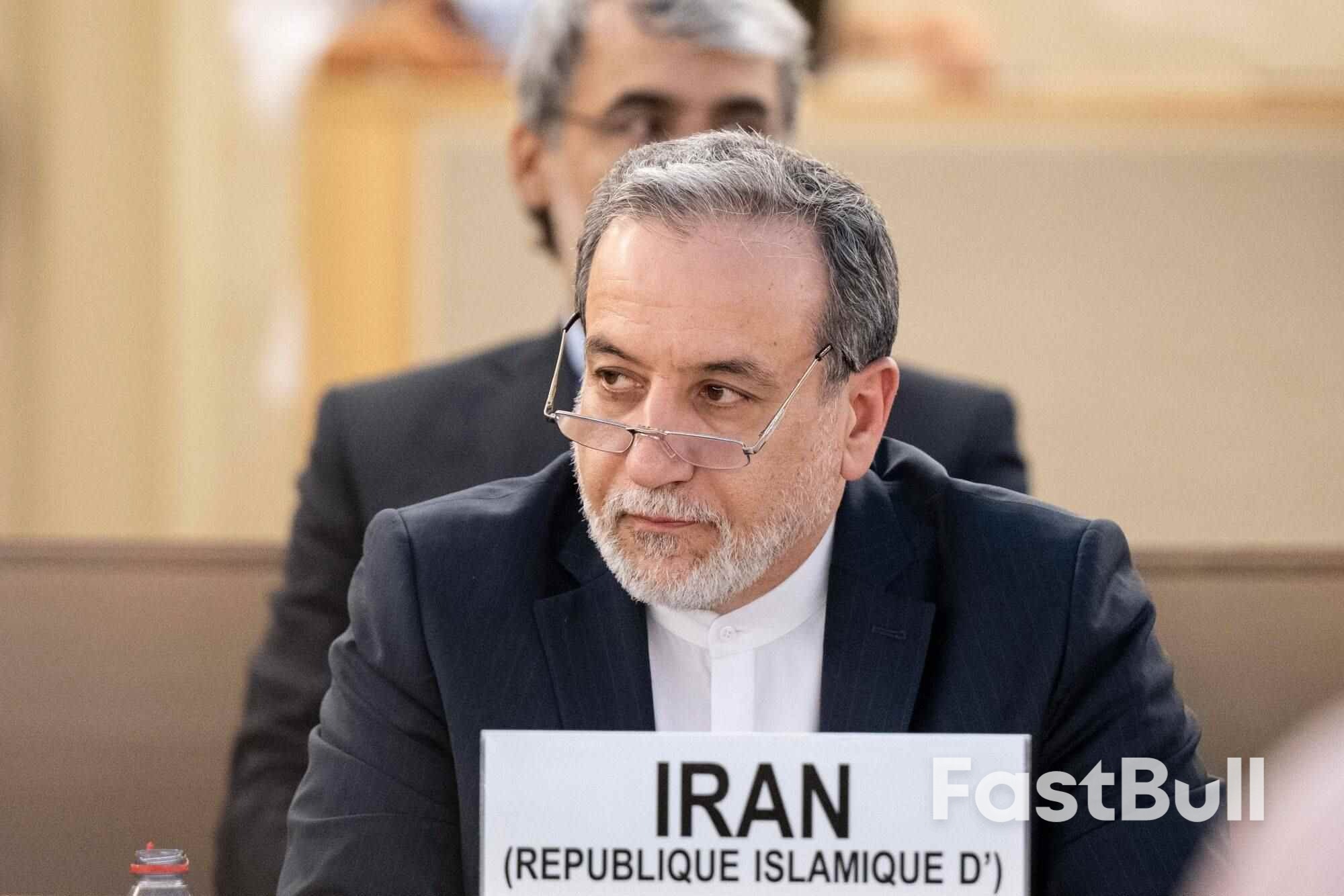
          At the United Nations on Sunday, Iranian Ambassador Amir Saeid Iravani told an emergency Security Council meeting that the “timing nature and scale” of Tehran’s response “will be decided by its armed forces.”

          Foreign Minister Abbas Araghchi earlier said the country reserves all options to respond. The Islamic Revolutionary Guard Corps, which answers to the Iran’s supreme leader, signaled US military bases in the region could be targeted.

          Trump has vowed to meet any retaliation with force “far greater” than the US strikes on the nuclear sites. He also floated the possibility of regime change in Iran, although US and Israeli officials Sunday stressed that isn’t their aim.

          Police in New York, Washington and Los Angeles increased patrols at religious institutions, diplomatic facilities and public spaces. Officials cited no immediate credible threats but highlighted the need for vigilance. The Department of Homeland Security said the Israel-Iran war has placed the US in a “heightened threat environment” through Sept. 22.

          It’s still unclear how successful the US strikes were in eliminating Iran’s most heavily protected enrichment site at Fordow.

          The head of the International Atomic Energy Agency, which officially has the task of monitoring Iran’s program, told the UN Security Council on Sunday that no one yet knows the condition of the facility, nor the location of Iran’s more than 400 kilograms of uranium enriched to 60%.

          Source: Yahoo Finance

          Risk Warnings and Disclaimers
          You understand and acknowledge that there is a high degree of risk involved in trading. Following any strategies or investment methods may lead to potential losses. The content on the site is provided by our contributors and analysts for information purposes only. You are solely responsible for determining whether any trading assets, securities, strategy, or any other product is suitable for investing based on your own investment objectives and financial situation.
          Add to Favorites
          Share

          Oil Market Get Fresh Injection Of Uncertainty After US Strikes Iran

          Kevin Morgan

          US strikes on Iran over the weekend have added to risks for global oil supply, which has so far been unaffected by some of the most extreme military actions in the Middle East in years.

          Brent crude jumped early on Monday to trade above $80 a barrel for the first time since mid-January after US President Donald Trump said air attacks had “obliterated” Iran’s three main nuclear sites. It then pared gains, as the vital Strait of Hormuz remains open to tankers.

          Analysts are now trying to weigh the increased geopolitical risk against previous fears that strong production and a lukewarm global economy could result in a supply glut. Here’s what oil watchers are saying:

          Iran will likely be very cautious about disrupting Hormuz, the narrow passage separating Iran and the Arabian peninsula through which about 25% of the world’s oil and 20% of global liquefied natural gas must pass, said Bob McNally, president and founder of Rapidan Energy Group and a former White House energy official.

          “Traders are holding their breath, waiting to see if Israel or Iran expand this conflict beyond military and political targets into traded energy,” McNally said on Bloomberg TV. “So far, no one has pulled that trigger. And if they don’t, I can see the price reversing.”

          Iran has other options for retaliation, including using its regional proxies to disrupt global trade flows more indirectly, according to Kpler Ltd. senior crude analyst Muyu Xu . That’s what happened after Israel’s invasion of the Gaza strip in 2023, when Houthi rebels in Yemen began attacking ships in the Red Sea. A direct move to disrupt Middle East oil flows would have severe consequences for prices, she said.

          “If Iran blocks the Strait of Hormuz, even for one day, oil can temporarily hit $120 or even $150 a barrel,” she said. “And if it attacks major oil production or export facilities in neighboring countries, it may drive up prices higher for longer.”

          Oil markets have been incredibly choppy since Israel began strikes on Iranian nuclear infrastructure earlier this month, with some trading sessions beginning with price spikes before they retreated into daily losses. Traders need to look past the surprise of the news and analyze whether the underlying risks have actually changed, said Vandana Hari, founder of consultancy Vanda Insights.

          “Beyond the knee-jerk reaction to the shock US attacks, the market needs to assess if the risk of the worst-case supply disruption scenarios has risen,” Hari said. “I don’t see a material increase.”

          Long-time oil market hand Harry Tchilinguirian said he’s particularly watching whether Iran risks pulling the US deeper into the conflict by responding with strikes on US military assets or energy infrastructure in the region, which could drive prices higher. If the response is confined to Israel, that could reduce fears of escalation.

          “Basically, the ball is now in Iran’s court to respond, and while it says all options are on the table, some are more consequential than others,” said Tchilinguirian, head of oil research and analytics for Onyx Commodities Ltd.

          It’s not just crude oil that faces risk. The Strait of Hormuz is also a major chokepoint for LNG and refined products including diesel and jet fuel. Some fuel markets may see the biggest price responses to the latest development, said June Goh, senior oil market analyst with Sparta Commodities.

          “Diesel and jet fuel supply chains are most exposed to the Middle East as oil from the Arab Gulf and the West Coast of India flows through the Straits of Hormuz to feed the main demand hub in Europe,” Goh said. “The east-west spread for middle distillates is expected to widen further to incentivize barrels to flow into Western markets.”

          Source: Bloomberg Europe

          Risk Warnings and Disclaimers
          You understand and acknowledge that there is a high degree of risk involved in trading. Following any strategies or investment methods may lead to potential losses. The content on the site is provided by our contributors and analysts for information purposes only. You are solely responsible for determining whether any trading assets, securities, strategy, or any other product is suitable for investing based on your own investment objectives and financial situation.
          Add to Favorites
          Share

          US Warns Against Iran Retaliation As Trump Raises 'regime Change'

          Henry Thompson

          U.S. President Donald Trump on Sunday raised the question of regime change in Iran following U.S. strikes against key military sites over the weekend, as senior officials in his administration warned Tehran against retaliation.

          "It’s not politically correct to use the term, “Regime Change,” but if the current Iranian Regime is unable to MAKE IRAN GREAT AGAIN, why wouldn’t there be a Regime change??? MIGA!!!" Trump wrote on his social media platform.

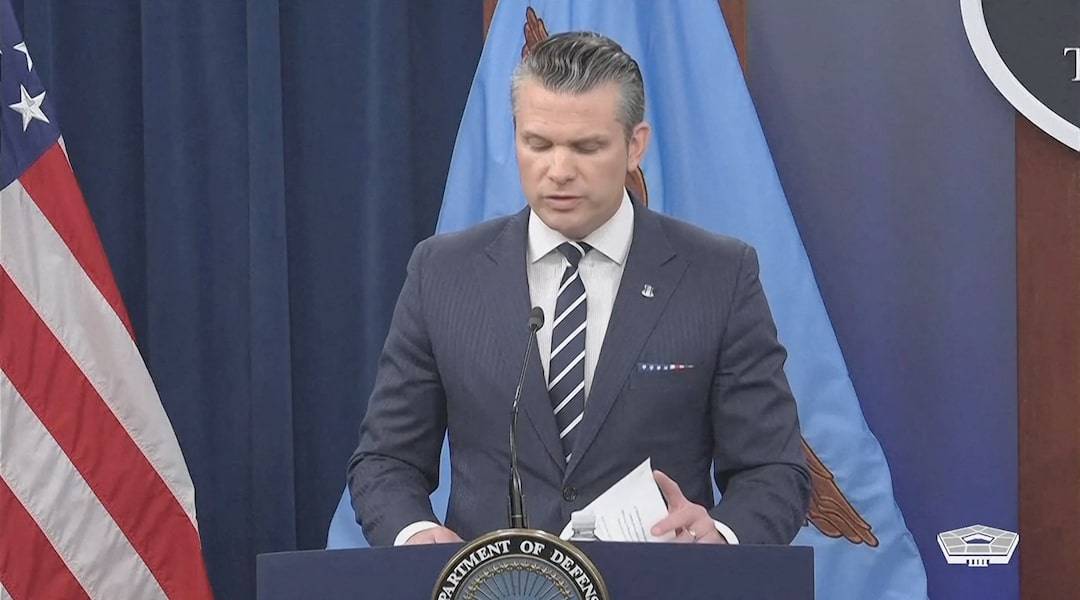
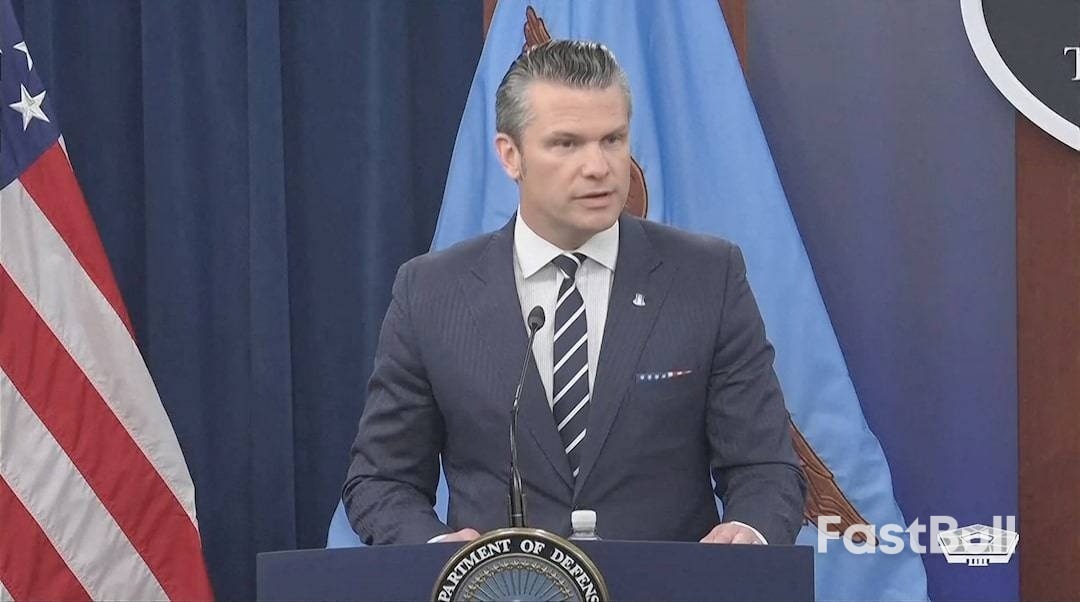
          Trump's post came after officials in his administration, including U.S. Vice President JD Vance and Defense Secretary Pete Hegseth, stressed they were not working to overthrow Iran's government.

          "This mission was not and has not been about regime change," Hegseth told reporters at the Pentagon, calling the mission "a precision operation" targeting Iran's nuclear program.

          Vance, in an interview on NBC's "Meet the Press with Kristen Welker," said "our view has been very clear that we don't want a regime change."

          "We do not want to protract this or build this out any more than it's already been built out. We want to end their nuclear program, and then we want to talk to the Iranians about a long-term settlement here," Vance said, adding the U.S. "had no interest in boots on the ground."

          "Operation Midnight Hammer" was known only to a small number of people in Washington and at the U.S. military's headquarters for Middle East operations in Tampa, Florida.

          Complete with deception, seven B-2 bombers flew for 18 hours from the United States into Iran to drop 14 bunker-buster bombs, chairman of the Joint Chiefs of Staff, General Dan Caine, told reporters.

          In total, the U.S. launched 75 precision-guided munitions, including more than two dozen Tomahawk missiles, and more than 125 military aircraft in the operation against three nuclear sites, Caine said.

          The operation pushes the Middle East to the brink of a major new conflagration in a region already aflame for more than 20 months with wars in Gaza and Lebanon, and a toppled dictator in Syria.

          DAMAGE TO FACILITIES

          With the damage visible from space after 30,000-pound U.S. bunker-buster bombs crashed into the mountain above Iran's Fordow nuclear site, experts and officials are closely watching how far the strikes might have set back Iran's nuclear ambitions.

          Caine said initial battle damage assessments indicated all three sites sustained extremely severe damage and destruction, but he declined to speculate whether any Iranian nuclear capabilities might still be intact.

          U.N. nuclear watchdog chief Rafael Grossi was more cautious, saying while it was clear U.S. airstrikes hit Iran's enrichment site at Fordow, it was not yet possible to assess the damage done underground.

          A senior Iranian source told Reuters on Sunday that most of the highly enriched uranium at Fordow, the site producing the bulk of Iran's uranium refined to up to 60%, had been moved to an undisclosed location before the U.S. attack.

          Vance told NBC the U.S. was not at war with Iran but rather its nuclear program, and he thought the strikes "really pushed their program back by a very long time."

          Trump called the damage "monumental," in a separate social media post on Sunday, a day after saying he had "obliterated" Iran's main nuclear sites, but gave no details.

          Tehran has vowed to defend itself and responded with a volley of missiles at Israel that wounded scores of people and destroyed buildings in its commercial hub Tel Aviv.

          But, perhaps in an effort to avert all-out war with the superpower, it had yet to carry out its main threats of retaliation, to target U.S. bases or choke off the quarter of the world's oil shipments that pass through its waters.

          Caine said the U.S. military had increased protection of troops in the region, including in Iraq and Syria.

          The United States already has a sizeable force in the Middle East, with nearly 40,000 troops in the region, including air defense systems, fighter aircraft and warships that can detect and shoot down enemy missiles.

          Reuters reported last week the Pentagon had started to move some aircraft and ships from bases in the Middle East that may be vulnerable to any potential Iranian attack.

          NOT OPEN-ENDED

          With his unprecedented decision to bomb Iran’s nuclear sites, directly joining Israel’s air attack on its regional arch foe, Trump has done something he had long vowed to avoid - intervene militarily in a major foreign war.

          There were sporadic anti-war demonstrations on Sunday afternoon in some U.S. cities, including New York City and Washington.

          It was unclear why Trump chose to act on Saturday.

          At the press conference, Hegseth said there was a moment in time when Trump "realized that it had to be a certain action taken in order to minimize the threat to us and our troops."

          After Trump disputed her original assessment, Director of National Intelligence Tulsi Gabbard on Friday said the U.S. had intelligence that should Iran decide to do so, it could build a nuclear weapon in weeks or months, an assessment disputed by some lawmakers and independent experts. U.S. officials say they do not believe Iran had decided to make a bomb.

          U.S. Secretary of State Marco Rubio, asked on CBS' "Face the Nation with Margaret Brennan" whether the U.S. saw intelligence that Iran's Supreme Leader Ayatollah Ali Khamenei had ordered nuclear weaponization, said: "That's irrelevant."

          Hegseth, who said the Pentagon notified lawmakers about the operation after U.S. aircraft were out of Iran, said the strikes against Iran were not open-ended.

          Rubio also said no more strikes were planned, unless Iran responded, telling CBS: "We have other targets we can hit, but we achieved our objective. There are no planned military operations right now against Iran - unless they mess around."

          Source: Reuters

          Risk Warnings and Disclaimers
          You understand and acknowledge that there is a high degree of risk involved in trading. Following any strategies or investment methods may lead to potential losses. The content on the site is provided by our contributors and analysts for information purposes only. You are solely responsible for determining whether any trading assets, securities, strategy, or any other product is suitable for investing based on your own investment objectives and financial situation.
          Add to Favorites
          Share

          Japan Manufacturing PMI Rise For The First Time In 11 Months In June

          Nathaniel Wright

          Japanese manufacturing activity rose more than expected in June and was back in expansion territory, purchasing managers index data showed on Monday.

          The au Jibun manufacturing PMI rose 50.4 in the first three weeks of June, more than expectations of 49.5 and also picking up sharply from the 49.4 seen in May.

          A reading above 50 indicates growth, with the manufacturing PMI now on track to log its first positive month since May 2024.

          Au Jibun analysts said the positive print was driven by renewed increases in output and inventory, although overall demand still remained muted. Still, Monday’s data showed that Japan’s major manufacturers saw some recovery in new orders despite the impact of steep U.S. trade tariffs, which had been a major pressure point on automakers in the past two months.

          Japan’s services sector continued to grow, with the au Jibun services PMI up 51.5 in June from 51.0 in the prior month. Japanese services demand has remained strong despite recent weakness in manufacturing, with local demand especially underpinned by a bumper wage hike earlier this year.

          The positive PMIs saw the au Jibun flash composite output index– a gauge of overall business activity– rise to 51.4 in June from 50.2 in May.

          Source: Investing

          Risk Warnings and Disclaimers
          You understand and acknowledge that there is a high degree of risk involved in trading. Following any strategies or investment methods may lead to potential losses. The content on the site is provided by our contributors and analysts for information purposes only. You are solely responsible for determining whether any trading assets, securities, strategy, or any other product is suitable for investing based on your own investment objectives and financial situation.
          Add to Favorites
          Share

          U.S. Strikes on Iran Trigger Economic Shockwaves: Oil Prices, Inflation, and Market Risk on the Rise

          Gerik

          Economic

          Middle East Situation

          Domestic Political Division and Global Market Anxiety

          President Donald Trump’s authorization of airstrikes against three Iranian nuclear facilities has provoked both political controversy at home and economic unease abroad. While several Republican lawmakers expressed strong support for the move, Democratic leaders—most notably House Minority Leader Hakeem Jeffries—criticized the decision as reckless and unilateral. Jeffries accused the President of bypassing congressional authorization and warned that the action could entangle the U.S. in a costly and potentially disastrous war in the Middle East.
          Beyond political rifts, the strikes have introduced significant uncertainty into global markets. Analysts and policymakers are now grappling with the prospect of rising oil prices, a potential inflation surge, and disruptions to global energy supply chains—all of which could intensify if Iran retaliates or if the Strait of Hormuz is closed.

          Oil Supply Disruption Threatens Global Energy Stability

          Iran, a major OPEC oil producer, plays a critical role in maintaining the balance of global crude supply. The U.S. strikes not only risk damaging Iran’s nuclear capabilities but may also impair vital energy infrastructure. This adds to the risk that Tehran could retaliate by obstructing the Strait of Hormuz—a strategic chokepoint through which roughly 20% of the world’s oil flows.
          Since June 10, Brent crude prices have surged by 18%, peaking at $79.04 per barrel on June 19, the highest in nearly five months. Market analysts such as Mark Spindel from Potomac River Capital anticipate continued upward momentum in oil prices as conflict escalates. Oxford Economics warns that under a worst-case scenario—including a full blockade of the Strait—oil prices could soar to $130 per barrel, pushing U.S. inflation to near 6% by year-end. Yuki Togano from Japan’s Research Institute suggests that prices could even touch $140, underscoring the vulnerability of Asian economies, particularly Japan, due to their dependency on Middle Eastern oil imports.

          Short-Term Currency Gains, Long-Term Dollar Risks

          The conflict also has mixed implications for the U.S. dollar. In the immediate term, the greenback could strengthen as a safe-haven asset, attracting capital inflows amid global volatility. However, history suggests that prolonged U.S. involvement in foreign wars tends to weaken the dollar. Thierry Wizman of Macquarie recalled the depreciation of the dollar during the post-9/11 military campaigns in Afghanistan and Iraq, warning of similar trends if Washington escalates its role in the Middle East.
          The relationship between geopolitical instability and currency dynamics hinges on investor expectations: while short-term conflict favors dollar strength, long-term fiscal stress and military overreach could undermine confidence in U.S. debt sustainability.

          Stock Market Volatility and Global Spillovers

          Equity markets have so far shown resilience, absorbing the early stages of the Israel-Iran conflict with minimal disruption. However, direct U.S. military engagement is a different magnitude of risk. A prolonged or escalating intervention could trigger equity sell-offs, particularly in energy-sensitive and emerging markets.
          Financial markets are preparing for divergent scenarios. Investors now face the possibility of energy-driven inflation, central bank policy shifts, and the deterioration of geopolitical stability—all of which introduce volatility into bond markets, commodity prices, and asset valuations.

          Rising Defense Costs and Fiscal Implications for the U.S.

          Should the conflict evolve into a sustained military campaign, the U.S. may face increasing defense expenditures at a time when its fiscal capacity is already strained. Tax cuts under the Trump administration have widened the federal deficit, and additional wartime spending could further pressure bond markets and raise concerns about fiscal sustainability. The economic burden of a long conflict could undermine domestic investment, exacerbate public debt, and test the limits of bipartisan support.
          The causal pathway between military escalation and fiscal deterioration is not hypothetical—it is supported by empirical precedents. In this scenario, the combination of higher oil prices, inflationary pressures, and expanding deficits could weigh heavily on both U.S. economic growth and global financial confidence.
          The U.S. airstrikes on Iran mark a turning point in both geopolitical and economic terms. While intended to curb Tehran’s nuclear ambitions, the action risks triggering a wider regional conflict with serious economic consequences. Surging oil prices, potential supply shocks, inflation risks, currency volatility, and political uncertainty are now part of a complex matrix shaping global markets. Unless diplomacy is urgently revived, the economic toll of this military decision may extend far beyond the battlefield—disrupting economies, shaking investor confidence, and redefining strategic risk in the global order.
          To stay updated on all economic events of today, please check out our Economic calendar
          Risk Warnings and Disclaimers
          You understand and acknowledge that there is a high degree of risk involved in trading. Following any strategies or investment methods may lead to potential losses. The content on the site is provided by our contributors and analysts for information purposes only. You are solely responsible for determining whether any trading assets, securities, strategy, or any other product is suitable for investing based on your own investment objectives and financial situation.
          Add to Favorites
          Share

          Netanyahu Says Iran Nuclear Site Damaged As Full Results Unknown

          Daniel Carter

          Political

          Middle East Situation

          The US airstrike on the best-defended Iranian nuclear facility delivered “a great deal of damage,” but the full extent is not yet known, Israeli Prime Minister Benjamin Netanyahu said.
          The Israelis pressed their own strikes after the US sorties. Netanyahu pledged in a news conference to continue Israel's military campaign in Iran as well as in the Gaza Strip.
          The Fordow site, buried deep in a mountain south of Tehran, was one of three targets struck by US heavy bombers or submarine-launched missiles. President Donald Trump said Sunday in a social media post that the damage to the nuclear sites was “monumental,” though Netanyahu's statement made clear that was still being assessed.
          Israel, which on June 13 launched air strikes designed to destroy Iran's nuclear and missile projects, lauded the participation of the US, whose military wielded for the first time in combat the unique bunker-buster munitions required to penetrate Fordow's fortifications.
          “Regarding Fordow, I think that we need to doff the cap to our great friend, to my close friend President Trump, for an excellent job which the US military and Air Force did,” Netanyahu said. “They dealt a great deal of damage to Fordow.”
          He added: “We will of course study these things. And in any event we shall ensure that no threat is posed by these nuclear facilities.”
          Israel does not yet know what became of enriched uranium stockpiles which Iran was believed to have kept at Fordow, an Israeli official said on the condition of anonymity. If the Iranians removed it ahead of the US strike, the fissile material could potentially be purified further to make fuel for warheads.
          Netanyahu declined to say how long the Iran operation might take. Israel and the US were conferring, he said.
          The showdown marks a risky new phase in Israel's campaign against Iranian proxies like Hamas, which triggered the now region-wide conflict from Gaza when it invaded Israel in a killing and kidnapping rampage on October 7, 2023, killing more than 1,200 Israeli residents. Israel has been retaliating ever since, killing an estimated 50,000 Palestinians and now turning its attacks on its arch-enemy's nuclear program.
          Israeli forces recovered the bodies of three more hostages over the weekend, bringing to 50 the number still in captivity — 20 of them presumed to be alive.
          “The operation in Iran helps in achieving the goal in Gaza,” he said. “Without the support, without the scaffolding provided by Iran, all of this structure is collapsing.” It would take time for this to “sink in” with Hamas, he added.
          Opinion polls have shown that most Israelis want the Gaza war ended, even with Hamas still standing, if it means the safe return of the hostages.

          Source: Bloomberg Europe

          Risk Warnings and Disclaimers
          You understand and acknowledge that there is a high degree of risk involved in trading. Following any strategies or investment methods may lead to potential losses. The content on the site is provided by our contributors and analysts for information purposes only. You are solely responsible for determining whether any trading assets, securities, strategy, or any other product is suitable for investing based on your own investment objectives and financial situation.
          Add to Favorites
          Share
          FastBull
          Copyright © 2025 FastBull Ltd

          728 RM B 7/F GEE LOK IND BLDG NO 34 HUNG TO RD KWUN TONG KLN HONG KONG

          TelegramInstagramTwitterfacebooklinkedin
          App Store Google Play Google Play
          Products
          Charts

          Chats

          Q&A with Experts
          Screeners
          Economic Calendar
          Data
          Tools
          Membership
          Features
          Function
          Markets
          Copy Trading
          Latest Signals
          Contests
          News
          Analysis
          24/7
          Columns
          Education
          Company
          Careers
          About Us
          Contact Us
          Advertising
          Help Center
          Feedback
          User Agreement
          Privacy Policy
          Business

          White Label

          Data API

          Web Plug-ins

          Poster Maker

          Affiliate Program

          Risk Disclosure

          The risk of loss in trading financial instruments such as stocks, FX, commodities, futures, bonds, ETFs and crypto can be substantial. You may sustain a total loss of the funds that you deposit with your broker. Therefore, you should carefully consider whether such trading is suitable for you in light of your circumstances and financial resources.

          No decision to invest should be made without thoroughly conducting due diligence by yourself or consulting with your financial advisors. Our web content might not suit you since we don't know your financial conditions and investment needs. Our financial information might have latency or contain inaccuracy, so you should be fully responsible for any of your trading and investment decisions. The company will not be responsible for your capital loss.

          Without getting permission from the website, you are not allowed to copy the website's graphics, texts, or trademarks. Intellectual property rights in the content or data incorporated into this website belong to its providers and exchange merchants.

          Not Logged In

          Log in to access more features

          FastBull Membership

          Not yet

          Purchase

          Become a signal provider
          Help Center
          Customer Service
          Dark Mode
          Price Up/Down Colors

          Log In

          Sign Up

          Position
          Layout
          Fullscreen
          Default to Chart
          The chart page opens by default when you visit fastbull.com