


Markets
Analysis
User
24/7
Economic Calendar
Education
Data
- Names
- Latest
- Prev

















One of the biggest hurdles to expanding the global nuclear power sector is the concern over how best to manage nuclear waste.
● Effective nuclear waste management is a critical global challenge, particularly for countries like the UK looking to expand their nuclear power sectors.
● The UK has a substantial amount of existing radioactive waste and is struggling to implement a long-term disposal solution, with the proposed underground geological disposal facility facing significant hurdles and cost concerns.
● Public and local community pushback against potential nuclear waste sites further complicates the development of new disposal facilities, making finding a solution an ongoing and difficult process.
One of the biggest hurdles to expanding the global nuclear power sector is the concern over how best to manage nuclear waste.While some believe they have found sustainable solutions to dispose of nuclear waste, there is still widespread debate around how safe these methods are and the potential long-term impact of waste disposal and storage.In the United Kingdom, the government has put nuclear power back on the agenda, after decades with no new nuclear developments; however, managing nuclear waste continues to be a major barrier to development.
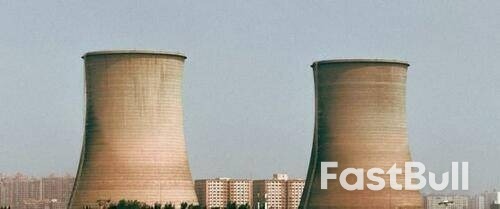
Nuclear waste remains radioactive for around 10,000 years, meaning it is vital that governments dispose of all waste effectively to ensure people and the environment are kept safe in the long term.As more governments welcome a new nuclear era, they must address nuclear waste concerns and establish clear guidelines and regulations on disposal to ensure that all nuclear power companies adhere to strong safety standards and practices.
There are three types of nuclear waste: low-, intermediate-, and high-level radioactive waste.Most of the waste produced at nuclear facilities is lightly contaminated, including items such as tools and work clothing, with a level of around 1 percent radioactivity.Meanwhile, spent fuel is an example of high-level waste, which contributes around 3 percent of the total volume of waste from nuclear energy production.However, this contains around 95 percent of the radioactivity, making adequate waste management of these products extremely important.
In the U.K., the government continues to battle with how best to dispose of its nuclear waste, as it looks to expand the industry over the coming decades. The U.K. has 700,000 cubic metres of radioactive waste from its previous nuclear power activities, a figure that will grow as more nuclear projects come online. The government is now considering the development of a massive underground nuclear dump, known as a geological deposit facility (GDF), to safely dispose of the waste. While no site has been confirmed for development, it is expected to be developed in one of two potential sites in Cumbria, in the north of England.
A U.K. Department for Energy Security and Net Zero spokesperson stated, “Constructing the UK’s first geological disposal facility will provide an internationally recognised safe and permanent disposal of the most hazardous radioactive waste.”They added, “Progress continues to be made in areas taking part in the siting process for this multibillion-pound facility, which would bring thousands of skilled jobs and economic growth to the local area.”
However, the U.K. Treasury believes the government’s plan for the waste dump is “unachievable”, rating the project as “red”, or not possible, in a recent assessment. This means that, “There are major issues with project definition, schedule, budget, quality and/or benefits delivery, which at this stage do not appear to be manageable or resolvable. The project may need rescoping and/or its overall viability reassessed.” In addition, there are concerns over the projected project cost, which is expected to be anywhere up to $73 billion.Richard Outram, the secretary of Nuclear Free Local Authorities, explained, “The Nista red rating is hardly surprising. The GDF process is fraught with uncertainties, and the GDF ‘solution’ remains unproven and costly.”
At present, the U.K. stores most of its nuclear waste at its Sellafield facility in Cumbria, which is viewed as one of the most complex and hazardous nuclear sites worldwide. However, with the planned decommissioning of several power plants and the development of new nuclear facilities, the government must address its imminent waste issue. This is a long-term problem, with it expected to take until 2150 to dispose of the country’s existing waste into a GDF, if one is developed, before disposing of new waste.
In June, Lincolnshire County Council withdrew from being a potential site for the GDF after engaging with communities about the proposal. This is a common problem with developing nuclear waste sites, as the pushback in proposed waste regions often prevents development due to a not-in-my-backyard perspective from residents in the area. It is still unclear whether communities in Cumbria will hold a similar opinion. Corhyn Parr, the CEO of Nuclear Waste Services, said, “A GDF requires a suitable site and a willing community and will only be developed when both are in place.”
Several countries around the globe are battling with how best to dispose of old and new nuclear waste, as a nuclear renaissance is starting to be seen, in line with global aims for a green transition. While nuclear power is now viewed as extremely safe and clean, there are pressing concerns around the adequate disposal of waste, which can be extremely harmful to human health and the environment if improperly managed, that must be rapidly addressed.

728 RM B 7/F GEE LOK IND BLDG NO 34 HUNG TO RD KWUN TONG KLN HONG KONG


The risk of loss in trading financial instruments such as stocks, FX, commodities, futures, bonds, ETFs and crypto can be substantial. You may sustain a total loss of the funds that you deposit with your broker. Therefore, you should carefully consider whether such trading is suitable for you in light of your circumstances and financial resources.
No decision to invest should be made without thoroughly conducting due diligence by yourself or consulting with your financial advisors. Our web content might not suit you since we don't know your financial conditions and investment needs. Our financial information might have latency or contain inaccuracy, so you should be fully responsible for any of your trading and investment decisions. The company will not be responsible for your capital loss.
Without getting permission from the website, you are not allowed to copy the website's graphics, texts, or trademarks. Intellectual property rights in the content or data incorporated into this website belong to its providers and exchange merchants.
Not Logged In
Log in to access more features


Log In
Sign Up


