• Trade
  • Markets
  • Copy
  • Contests
  • News
  • 24/7
  • Calendar
  • Q&A
  • Chats
Trending
Screeners
SYMBOL
LAST
BID
ASK
HIGH
LOW
NET CHG.
%CHG.
SPREAD
SPX
S&P 500 Index
6820.56
6820.56
6820.56
6861.30
6801.50
-6.85
-0.10%
--
DJI
Dow Jones Industrial Average
48393.20
48393.20
48393.20
48679.14
48285.67
-64.84
-0.13%
--
IXIC
NASDAQ Composite Index
23115.63
23115.63
23115.63
23345.56
23012.00
-79.53
-0.34%
--
USDX
US Dollar Index
97.960
98.040
97.960
98.070
97.740
+0.010
+ 0.01%
--
EURUSD
Euro / US Dollar
1.17445
1.17454
1.17445
1.17686
1.17262
+0.00051
+ 0.04%
--
GBPUSD
Pound Sterling / US Dollar
1.33702
1.33711
1.33702
1.34014
1.33546
-0.00005
0.00%
--
XAUUSD
Gold / US Dollar
4303.11
4303.52
4303.11
4350.16
4285.08
+3.72
+ 0.09%
--
WTI
Light Sweet Crude Oil
56.359
56.389
56.359
57.601
56.233
-0.874
-1.53%
--

Community Accounts

Signal Accounts
--
Profit Accounts
--
Loss Accounts
--
View More

Become a signal provider

Sell trading signals to earn additional income

View More

Guide to Copy Trading

Get started with ease and confidence

View More

Signal Accounts for Members

All Signal Accounts

Best Return
  • Best Return
  • Best P/L
  • Best MDD
Past 1W
  • Past 1W
  • Past 1M
  • Past 1Y

All Contests

  • All
  • Trump Updates
  • Recommend
  • Stocks
  • Cryptocurrencies
  • Central Banks
  • Featured News
Top News Only
Share

Turkey: Shoots Down A Drone In The Black Sea Using F-16 Fighter Jets

Share

Goldman Sachs Says They Believe That The Copper Price Is Vulnerable To An Ai-Linked Price Correction

Share

Goldman Sachs Upgrades 2026 Copper Price Forecast To $11400 From $10,650

Share

Attempts By Ukrainian Troops To Advance From The South-West To Outskirts Of Kupiansk Are Being Thwarted

Share

Russian Troops Control All Of Kupiansk - IFX Cites Russian Military

Share

On Monday (December 15), The South Korean Won Ultimately Rose 0.60% Against The US Dollar, Closing At 1468.91 Won. The Won Was On An Upward Trend Throughout The Day, Rising Significantly At 17:00 Beijing Time And Reaching A Daily High Of 1463.04 Won At 17:36

Share

Health Ministry: Israeli Forces Kill Palestinian Teen In West Bank

Share

New York Federal Reserve President Williams: Over Time, The Size Of Reserves Could Grow From $2.9 Trillion

Share

New York Fed President Williams: AI Valuations Are High, But There Is A Real Driving Factor

Share

New York Federal Reserve President Williams: The Job Market Is In Very Good Shape

Share

New York Fed President Williams: 'Very Supportive' Of USA Central Bank's Decision To Cut Interest Rates Last Week

Share

New York Fed President Williams: 'Too Early To Say' What Central Bank Should Do At January Meeting

Share

New York Fed President Williams: Strong Markets Part Of Reason Why Economy Will Grow Robustly In 2026

Share

New York Fed President Williams: What Constitutes Ample Reserves Will Change Over Time

Share

New York Fed President Williams: Market Valuations 'Elevated,' But There Are Reasons For Pricing

Share

New York Fed President Williams: Ample Reserves System Working Very Well

Share

New York Fed President Williams: Some Signs That Parts Of Underlying Economy Not As Strong As GDP Data Suggests

Share

New York Fed President Williams: Expects Coming Job Data Will Show Gradual Cooling

Share

Ukraine President Zelenskiy: Monitoring Of Ceasefire Should Be Part Of Security Guarantees

Share

Ukraine President Zelenskiy: Ukraine Needs Clear Understanding On Security Guarantees Before Taking Any Decisions Regarding Frontlines

TIME
ACT
FCST
PREV
Japan Tankan Small Manufacturing Outlook Index (Q4)

A:--

F: --

P: --

Japan Tankan Large Non-Manufacturing Outlook Index (Q4)

A:--

F: --

P: --

Japan Tankan Large Manufacturing Outlook Index (Q4)

A:--

F: --

P: --

Japan Tankan Small Manufacturing Diffusion Index (Q4)

A:--

F: --

P: --

Japan Tankan Large-Enterprise Capital Expenditure YoY (Q4)

A:--

F: --

P: --

U.K. Rightmove House Price Index YoY (Dec)

A:--

F: --

P: --

China, Mainland Industrial Output YoY (YTD) (Nov)

A:--

F: --

P: --

China, Mainland Urban Area Unemployment Rate (Nov)

A:--

F: --

P: --

Saudi Arabia CPI YoY (Nov)

A:--

F: --

P: --

Euro Zone Industrial Output YoY (Oct)

A:--

F: --

P: --

Euro Zone Industrial Output MoM (Oct)

A:--

F: --

P: --

Canada Existing Home Sales MoM (Nov)

A:--

F: --

P: --

Canada National Economic Confidence Index

A:--

F: --

P: --

Canada New Housing Starts (Nov)

A:--

F: --

P: --
U.S. NY Fed Manufacturing Employment Index (Dec)

A:--

F: --

P: --

U.S. NY Fed Manufacturing Index (Dec)

A:--

F: --

P: --

Canada Core CPI YoY (Nov)

A:--

F: --

P: --

Canada Manufacturing Unfilled Orders MoM (Oct)

A:--

F: --

P: --

U.S. NY Fed Manufacturing Prices Received Index (Dec)

A:--

F: --

P: --

U.S. NY Fed Manufacturing New Orders Index (Dec)

A:--

F: --

P: --

Canada Manufacturing New Orders MoM (Oct)

A:--

F: --

P: --

Canada Core CPI MoM (Nov)

A:--

F: --

P: --

Canada Trimmed CPI YoY (SA) (Nov)

A:--

F: --

P: --

Canada Manufacturing Inventory MoM (Oct)

A:--

F: --

P: --

Canada CPI YoY (Nov)

A:--

F: --

P: --

Canada CPI MoM (Nov)

A:--

F: --

P: --

Canada CPI YoY (SA) (Nov)

A:--

F: --

P: --

Canada Core CPI MoM (SA) (Nov)

A:--

F: --

P: --

Canada CPI MoM (SA) (Nov)

A:--

F: --

P: --

Federal Reserve Board Governor Milan delivered a speech
U.S. NAHB Housing Market Index (Dec)

A:--

F: --

P: --

Australia Composite PMI Prelim (Dec)

--

F: --

P: --

Australia Services PMI Prelim (Dec)

--

F: --

P: --

Australia Manufacturing PMI Prelim (Dec)

--

F: --

P: --

Japan Manufacturing PMI Prelim (SA) (Dec)

--

F: --

P: --

U.K. 3-Month ILO Employment Change (Oct)

--

F: --

P: --

U.K. Unemployment Claimant Count (Nov)

--

F: --

P: --

U.K. Unemployment Rate (Nov)

--

F: --

P: --

U.K. 3-Month ILO Unemployment Rate (Oct)

--

F: --

P: --

U.K. Average Weekly Earnings (3-Month Average, Including Bonuses) YoY (Oct)

--

F: --

P: --

U.K. Average Weekly Earnings (3-Month Average, Excluding Bonuses) YoY (Oct)

--

F: --

P: --

France Services PMI Prelim (Dec)

--

F: --

P: --

France Composite PMI Prelim (SA) (Dec)

--

F: --

P: --

France Manufacturing PMI Prelim (Dec)

--

F: --

P: --

Germany Services PMI Prelim (SA) (Dec)

--

F: --

P: --

Germany Manufacturing PMI Prelim (SA) (Dec)

--

F: --

P: --

Germany Composite PMI Prelim (SA) (Dec)

--

F: --

P: --

Euro Zone Composite PMI Prelim (SA) (Dec)

--

F: --

P: --

Euro Zone Services PMI Prelim (SA) (Dec)

--

F: --

P: --

Euro Zone Manufacturing PMI Prelim (SA) (Dec)

--

F: --

P: --

U.K. Services PMI Prelim (Dec)

--

F: --

P: --

U.K. Manufacturing PMI Prelim (Dec)

--

F: --

P: --

U.K. Composite PMI Prelim (Dec)

--

F: --

P: --

Euro Zone ZEW Economic Sentiment Index (Dec)

--

F: --

P: --

Germany ZEW Current Conditions Index (Dec)

--

F: --

P: --

Germany ZEW Economic Sentiment Index (Dec)

--

F: --

P: --

Euro Zone Trade Balance (Not SA) (Oct)

--

F: --

P: --

Euro Zone ZEW Current Conditions Index (Dec)

--

F: --

P: --

Euro Zone Trade Balance (SA) (Oct)

--

F: --

P: --

Euro Zone Total Reserve Assets (Nov)

--

F: --

P: --

U.K. Inflation Rate Expectations

--

F: --

P: --

Q&A with Experts
    • All
    • Chatrooms
    • Groups
    • Friends
    Connecting
    .
    .
    .
    Type here...
    Add Symbol or Code

      No matching data

      All
      Trump Updates
      Recommend
      Stocks
      Cryptocurrencies
      Central Banks
      Featured News
      • All
      • Russia-Ukraine Conflict
      • Middle East Flashpoint
      • All
      • Russia-Ukraine Conflict
      • Middle East Flashpoint
      Search
      Products

      Charts Free Forever

      Chats Q&A with Experts
      Screeners Economic Calendar Data Tools
      Membership Features
      Data Warehouse Market Trends Institutional Data Policy Rates Macro

      Market Trends

      Market Sentiment Order Book Forex Correlations

      Top Indicators

      Charts Free Forever
      Markets

      News

      News Analysis 24/7 Columns Education
      From Institutions From Analysts
      Topics Columnists

      Latest Views

      Latest Views

      Trending Topics

      Top Columnists

      Latest Update

      Signals

      Copy Rankings Latest Signals Become a signal provider AI Rating
      Contests
      Brokers

      Overview Brokers Assessment Rankings Regulators News Claims
      Broker listing Forex Brokers Comparison Tool Live Spread Comparison Scam
      Q&A Complaint Scam Alert Videos Tips to Detect Scam
      More

      Business
      Events
      Careers About Us Advertising Help Center

      White Label

      Data API

      Web Plug-ins

      Affiliate Program

      Awards Institution Evaluation IB Seminar Salon Event Exhibition
      Vietnam Thailand Singapore Dubai
      Fans Party Investment Sharing Session
      FastBull Summit BrokersView Expo
      Recent Searches
        Top Searches
          Markets
          News
          Analysis
          User
          24/7
          Economic Calendar
          Education
          Data
          • Names
          • Latest
          • Prev

          View All

          No data

          Scan to Download

          Faster Charts, Chat Faster!

          Download App
          English
          • English
          • Español
          • العربية
          • Bahasa Indonesia
          • Bahasa Melayu
          • Tiếng Việt
          • ภาษาไทย
          • Français
          • Italiano
          • Türkçe
          • Русский язык
          • 简中
          • 繁中
          Open Account
          Search
          Products
          Charts Free Forever
          Markets
          News
          Signals

          Copy Rankings Latest Signals Become a signal provider AI Rating
          Contests
          Brokers

          Overview Brokers Assessment Rankings Regulators News Claims
          Broker listing Forex Brokers Comparison Tool Live Spread Comparison Scam
          Q&A Complaint Scam Alert Videos Tips to Detect Scam
          More

          Business
          Events
          Careers About Us Advertising Help Center

          White Label

          Data API

          Web Plug-ins

          Affiliate Program

          Awards Institution Evaluation IB Seminar Salon Event Exhibition
          Vietnam Thailand Singapore Dubai
          Fans Party Investment Sharing Session
          FastBull Summit BrokersView Expo

          Switzerland Faces Trade Shock as US Slaps 39% Tariff Amid Global Realignment

          Gerik

          Economic

          Summary:

          The United States has imposed a steep 39% tariff on Swiss imports one of the highest globally dealing a significant blow to Switzerland’s export-heavy economy...

          A Harsh Turn: From 31% Threat to 39% Reality

          In a move that stunned Swiss officials and markets alike, U.S. President Donald Trump announced a 39% tariff on Swiss goods through an executive order, surpassing the earlier threat of a 31% levy. The decision comes despite months of behind-the-scenes diplomacy and positive signals from U.S. officials. The Swiss franc slipped 0.2% against the U.S. dollar following the news, though it remains 8% higher than pre-April levels due to a surge in safe-haven demand.
          Bern’s negotiators were reportedly blindsided by the sudden escalation. While Switzerland continues to seek a resolution, officials admit they may have had less to offer than other nations. Their proposals such as concessions on citrus and nuts or streamlined U.S. medical device approvals did not match the breadth of trade-offs accepted by the EU, Japan, and South Korea, each of which secured a lower 15% tariff under separate deals.

          Sectoral Impacts: Watches, Chocolate, and Pharma in the Crosshairs

          Swiss exports are now at risk across multiple high-value sectors. Chocolatiers like Lindt and watchmakers such as Rolex and Swatch face weakened price competitiveness in the U.S., the world’s largest luxury consumer market. More critically, pharmaceutical giants Novartis and Roche, which account for nearly half of Swiss exports to the U.S., may face a double hit from both tariffs and political pressure on drug pricing.
          President Trump has simultaneously launched a campaign demanding that major drugmakers charge the U.S. no more than what they charge other countries, sending letters to 17 major pharmaceutical firms. This pressure, combined with the new tariff regime, could lead to reduced revenue, job losses, and long-term R&D risks for Switzerland’s life sciences sector.
          Swiss industrial groups are alarmed. Swissmechanic called the 39% rate “dangerous,” warning it could cement structural disadvantages, while Swissmem CEO Stefan Brupbacher called the move “irrational and arbitrary,” with the potential to endanger tens of thousands of jobs in high-tech manufacturing.

          Political Calculus and Economic Consequences

          Switzerland’s vulnerability stems in part from its limited bargaining leverage. With agriculture politically sensitive and representing less than 1% of GDP, Swiss policymakers faced strong domestic resistance to dismantling high-tariff agricultural protections a key sticking point in negotiations with the U.S.
          The result is a deeply punitive tariff that places Switzerland outside the circle of nations that reached mutual understanding with Washington. The decision also comes at a moment of broader economic fragility: Trump’s tariff campaign has distorted currency movements, contributing to the Swiss franc’s rise. In response, the Swiss National Bank was forced to cut rates back to zero after earlier signaling a halt to easing, attempting to mitigate export losses caused by the currency shock.

          A Narrow Window for a Climbdown

          The new tariffs are set to take effect on August 7, giving Switzerland just one week to restart talks or secure temporary relief. Bloomberg Economics analysts note this window may still offer room for sector-specific or reciprocal rate negotiations, not only for Switzerland but also for similarly affected economies like India and Taiwan.
          Still, unless Bern can offer more substantive concessions quickly, Swiss exporters face the reality of operating under some of the world’s harshest U.S. tariff conditions. The long-term risks include reduced foreign investment, diminished export revenues, and potential job losses in sectors critical to the Swiss economy.
          The move underscores a broader trend: the reconfiguration of global trade under Trump’s second-term tariff blitz, with manufacturing reshoring, geopolitical alignment, and trade imbalances now taking precedence over long-standing diplomatic ties even with countries like Switzerland.

          Source: Reuters

          To stay updated on all economic events of today, please check out our Economic calendar
          Risk Warnings and Disclaimers
          You understand and acknowledge that there is a high degree of risk involved in trading. Following any strategies or investment methods may lead to potential losses. The content on the site is provided by our contributors and analysts for information purposes only. You are solely responsible for determining whether any trading assets, securities, strategy, or any other product is suitable for investing based on your own investment objectives and financial situation.
          Add to Favorites
          Share

          Daily Technical Analysis And Forecast For 1 August 2025

          Winkelmann

          Economic

          Forex

          EURUSD forecast

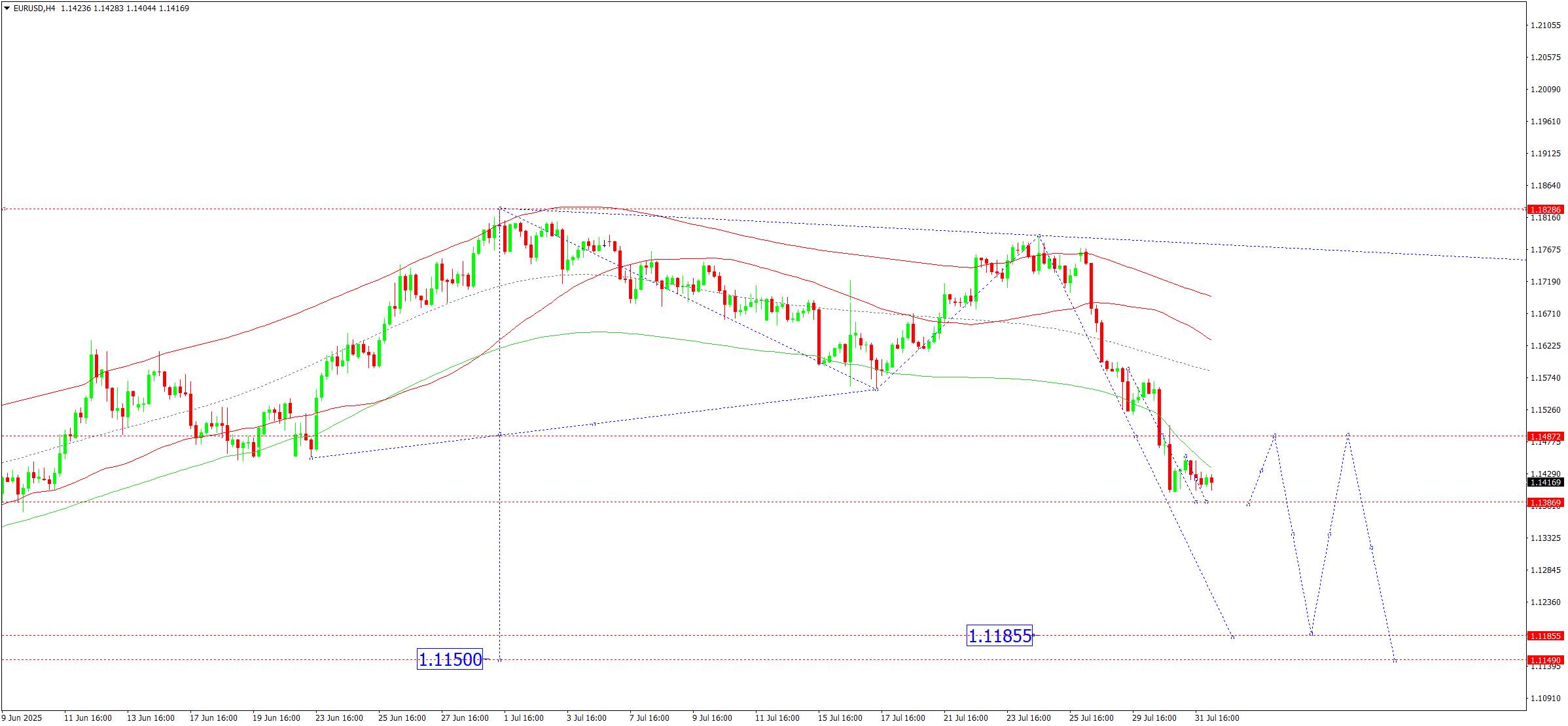
          On the H4 chart of EURUSD, the market continues to develop a compact consolidation range around 1.1420. Today, 1 August 2025, this range is expected to expand down to 1.1387 and up to 1.1421. A correction to 1.1487 is also possible. Afterwards, a downward wave to 1.1185 is likely. This is a local target.Technically, the Elliott wave structure and the matrix of the downward wave with a pivot point at 1.1487 confirm this scenario. This level is seen as key in the EURUSD wave structure. The market is currently forming a downward wave to the lower boundary of the price Envelope at 1.1185. Once this level is reached, a rebound to the central line at 1.1487 is possible.

          Technical indicators for today’s EURUSD forecast suggest a downward wave towards 1.1185.

          USDJPY forecast

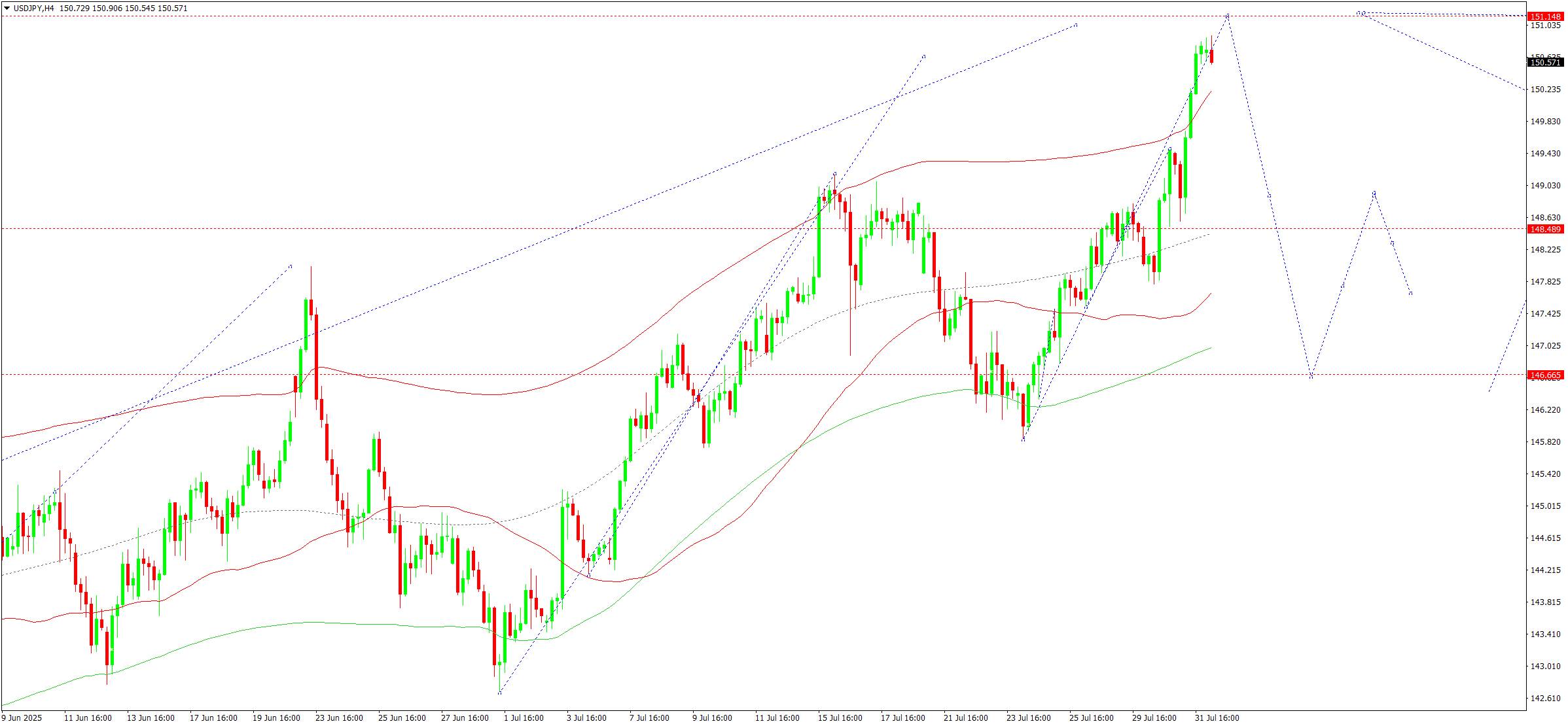
          On the H4 chart of USDJPY, the market formed a consolidation range around 148.62 and broke out upwards. Today, 1 August 2025, a growth leg towards 151.45 is possible. Later, the price is expected to correct back to 148.62 (testing from above), followed by a rise to 153.40.Technically, the Elliott wave structure and the matrix of the growth wave with a rotation centre at 148.62 confirm this scenario. This level is considered key in this wave. The market completed a growth wave to the upper boundary of the Price Envelope at 151.45. A decline to the central line at 148.62 is not excluded, followed by a move up to the upper boundary at 153.40.

          Technical indicators for today’s USDJPY forecast suggest a rise to 151.45.

          GBPUSD forecast

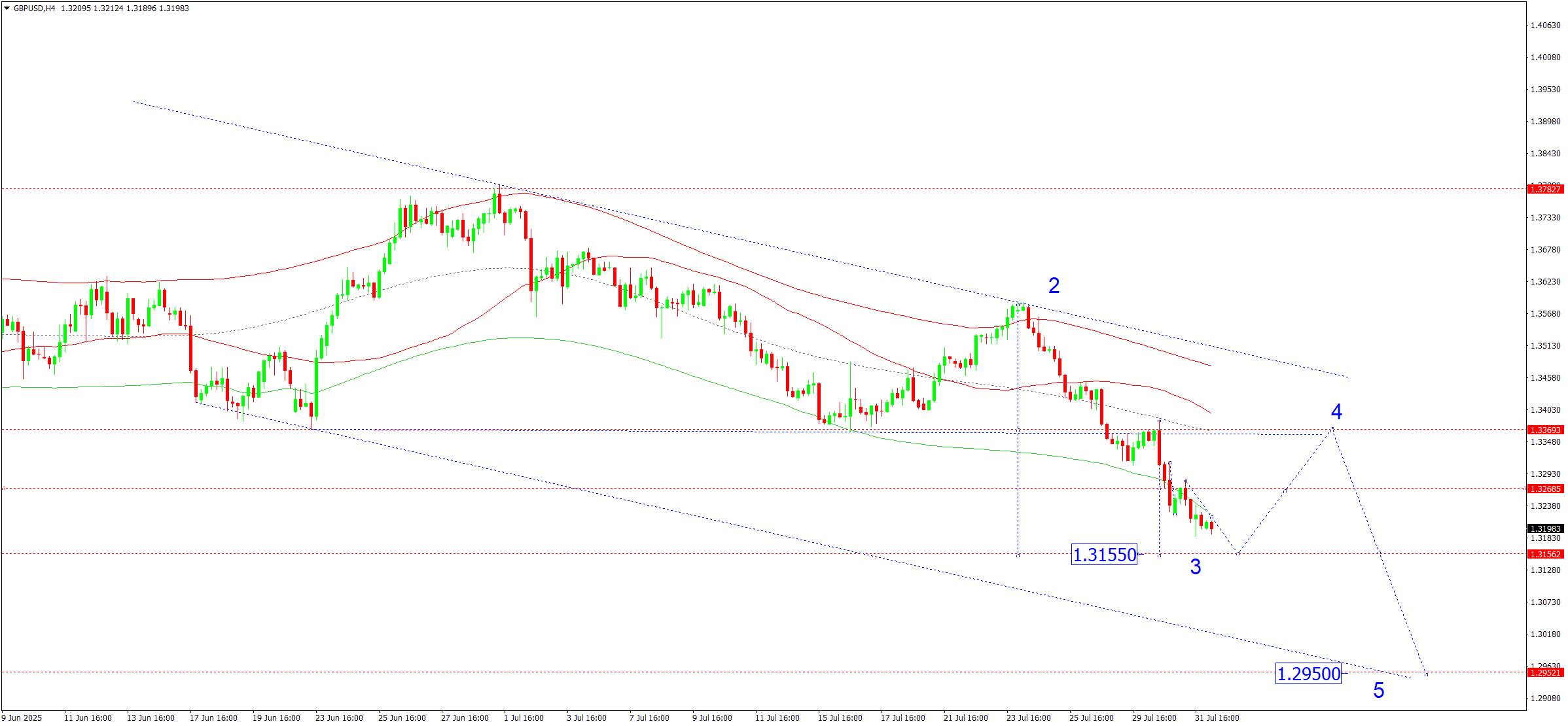
          On the H4 chart of GBPUSD, the market continues a downward wave towards 1.3155 as a local target. Today, 1 August 2025, this target level may be reached. Afterwards, a correction to 1.3370 (testing from below) is likely, followed by a decline to 1.2950.Technically, the Elliott wave structure and the matrix of the downward wave with a pivot point at 1.3370 confirm this scenario. This level remains key in the wave structure. The market is currently forming a downward wave to the lower boundary of the price Envelope at 1.3155. Later, a correction to the central line at 1.3370 is possible.

          Technical indicators for today’s GBPUSD forecast suggest a decline towards 1.3152.

          AUDUSD forecast

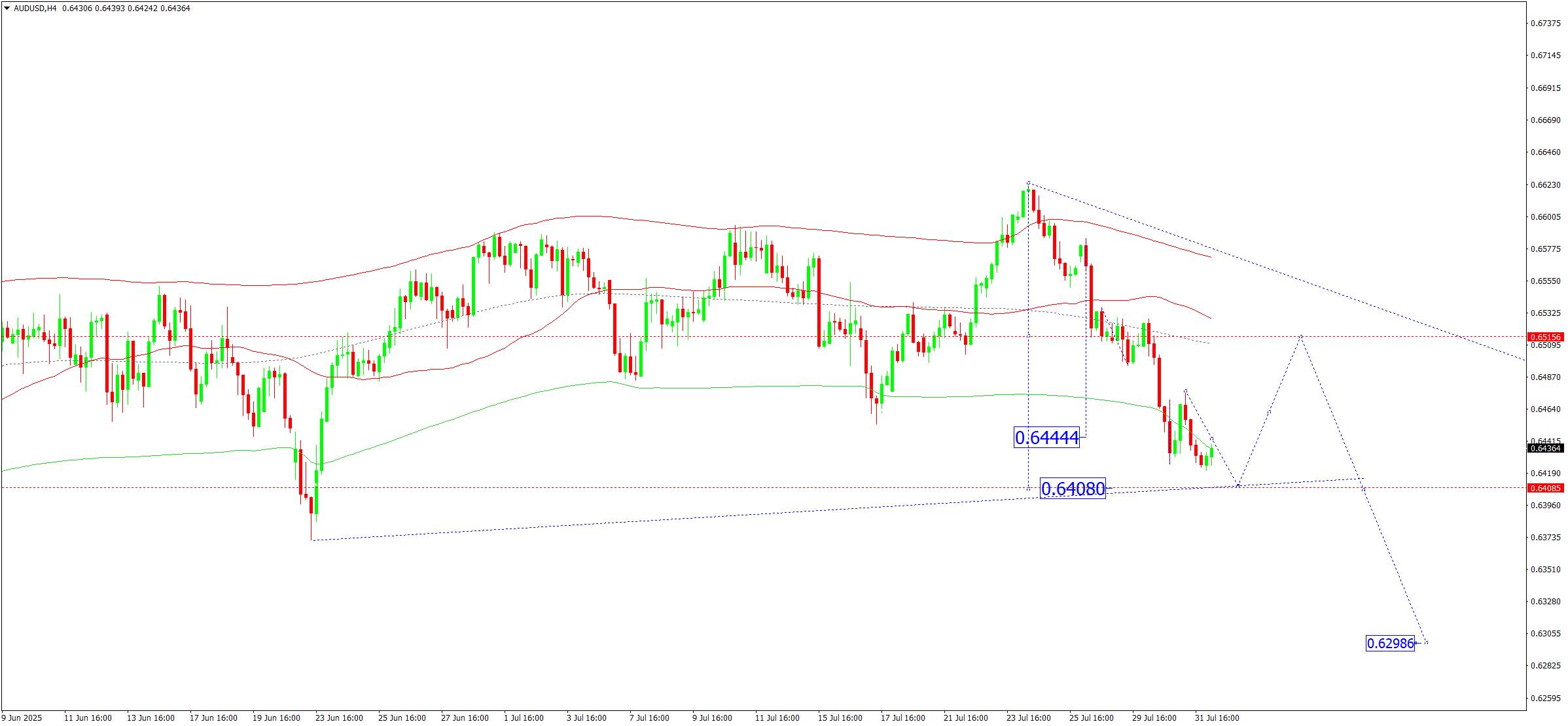
          On the H4 chart of AUDUSD, the market continues to develop a consolidation range around 0.6444. Today, 1 August 2025, an upward breakout would open the way for a correction to 0.6555. If it breaks downwards, the downward wave may continue to 0.6408 as the first target.Technically, the Elliott wave structure and the matrix of the AUDUSD downward wave with a pivot point at 0.6515 confirm this scenario. This level is viewed as key in this wave structure. The market is currently forming a downward wave to the lower boundary of the price Envelope at 0.6408. Afterwards, a rise to the central line at 0.6515 is possible, followed by a continued decline to the lower boundary at 0.6400.

          Technical indicators for today’s AUDUSD forecast suggest a decline to 0.6408.

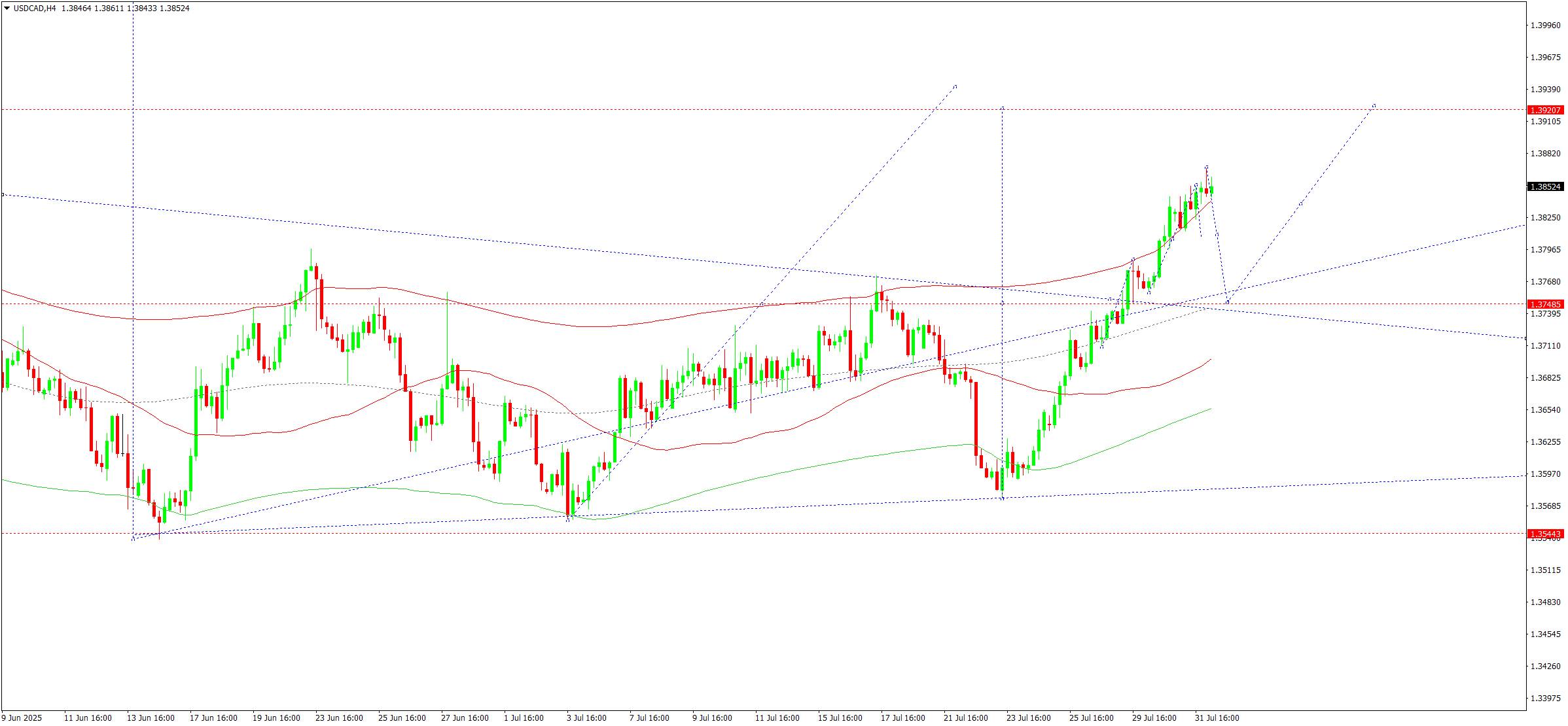
          USDCAD forecast

          On the H4 chart of USDCAD, the market formed a consolidation range around 1.3747 and broke out upwards. Today, 1 August 2025, a continued upward wave towards 1.3920 is expected. Later, a pullback to 1.3750 (testing from above) is possible.Technically, the Elliott wave structure and the matrix of the growth wave with a pivot point at 1.3750 confirm this scenario. This level is considered key in the wave structure of USDCAD. The market formed a consolidation range around the central line of the price Envelope at 1.3750 and broke upwards. Today, the scenario of growth towards the upper boundary at 1.3920 remains relevant.

          Technical indicators for today’s USDCAD forecast suggest a move up to 1.3920.

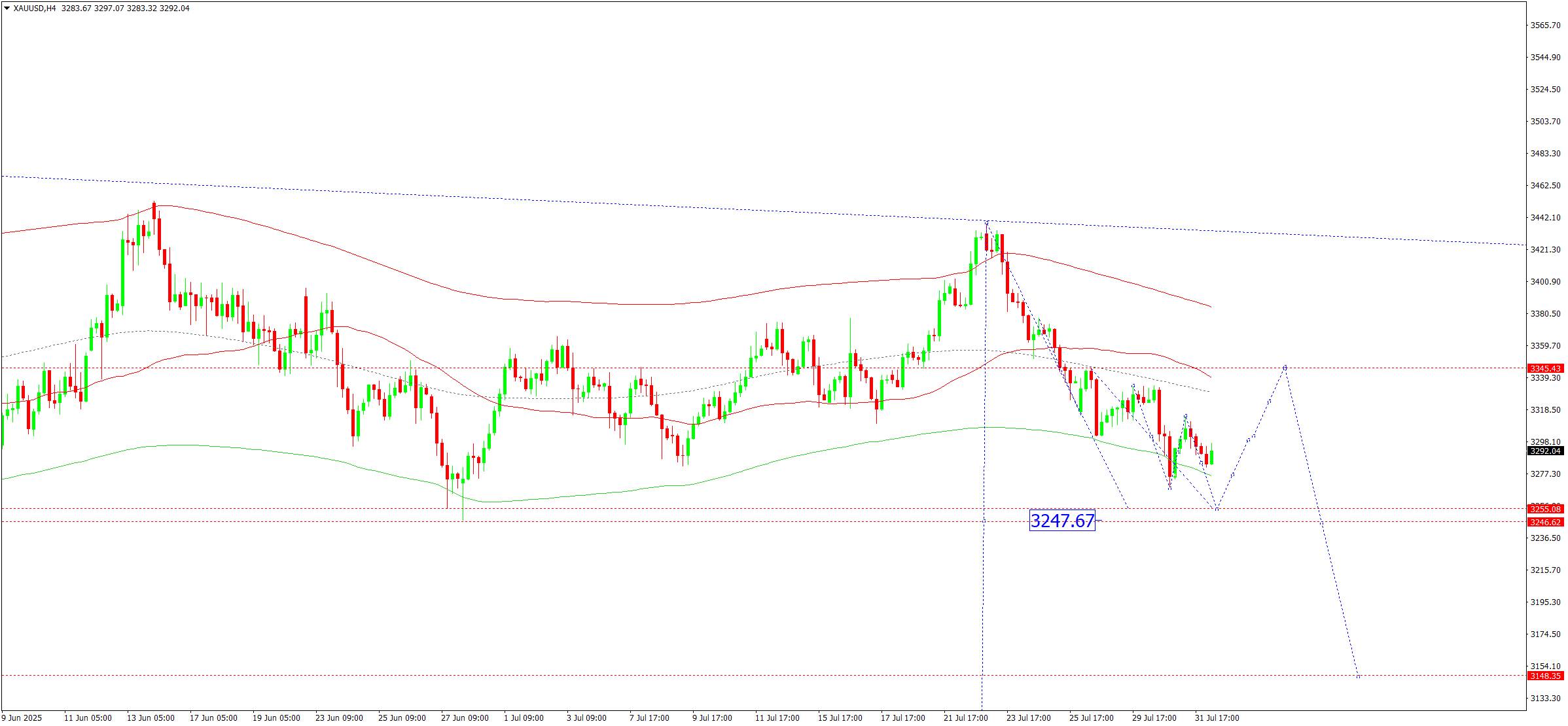
          XAUUSD forecast

          On the H4 chart of XAUUSD, the market is forming a consolidation range around 3,300. The range currently extends down to 3,268 and up to 3,314. Today, 1 August 2025, a decline to 3,247 is possible. This is a local target.Technically, the Elliott wave structure and the matrix of the downward wave with a pivot point at 3,345 confirm this scenario. This level is viewed as key in the wave structure of XAUUSD. The market is executing a downward wave to the lower boundary of the price Envelope at 3,247. Afterwards, a rise to the central line at 3,345 is possible, followed by a decline to the lower boundary at 3,150.

          Technical indicators for today’s XAUUSD forecast point to a downward wave towards 3,247.

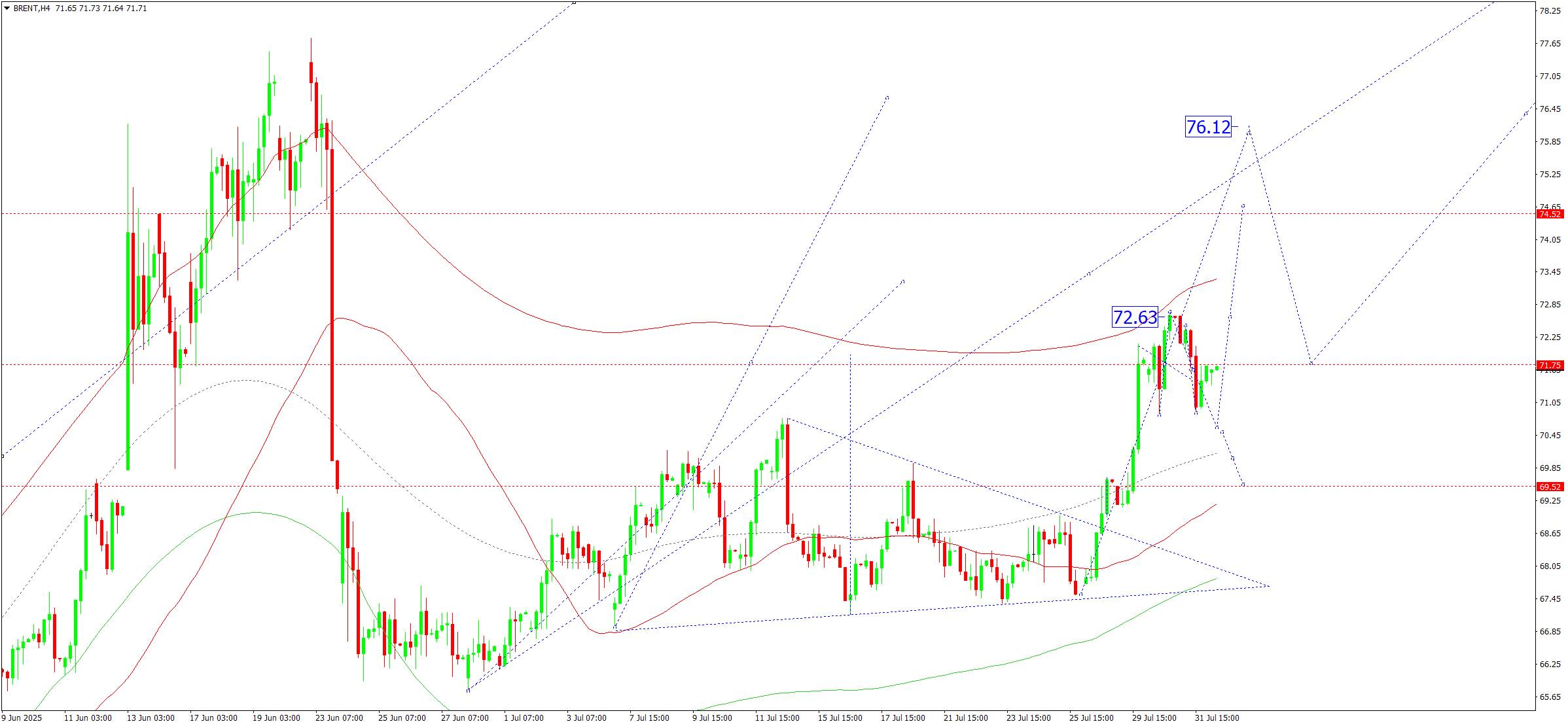
          Brent forecast

          On the H4 chart of Brent crude, the market is forming a consolidation range around 71.75. Today, 1 August 2025, a downward breakout may lead to a correction to 70.00. If the price breaks upwards, the wave may continue to 73.33 with the potential to extend the trend to 76.00 as a local target.Technically, the Elliott wave structure and the matrix of the growth wave with a pivot point at 71.80 confirm this scenario. This level remains key in the current wave of Brent. The market is forming a consolidation range around the central line of the price Envelope at 71.80. A short-term decline to 70.00 is not excluded, followed by a rise to the upper boundary at 73.33. Later, a pullback to the central line at 70.80 is possible.

          Technical indicators for today’s Brent forecast suggest the continuation of the growth wave towards 73.33 and 76.00.


          Source: RoboForex

          To stay updated on all economic events of today, please check out our Economic calendar
          Risk Warnings and Disclaimers
          You understand and acknowledge that there is a high degree of risk involved in trading. Following any strategies or investment methods may lead to potential losses. The content on the site is provided by our contributors and analysts for information purposes only. You are solely responsible for determining whether any trading assets, securities, strategy, or any other product is suitable for investing based on your own investment objectives and financial situation.
          Add to Favorites
          Share

          Euro Zone Manufacturing Nears Break-Even as PMI Hits Three-Year High in July

          Gerik

          Economic

          PMI Nears Expansion Territory Amid Stabilizing Trends

          The latest HCOB Eurozone Manufacturing PMI, compiled by S&P Global, climbed to 49.8 in July from 49.5 in June. While still technically contracting, this reading is the closest the bloc has come to returning to growth in three years. The output index remained in expansion territory at 50.6, though it eased slightly from June’s 50.8, indicating continued albeit slower growth in production.
          This stabilization appears to reflect improved confidence, partially thanks to the newly established trade framework between the U.S. and the EU, which introduced a flat 15% tariff on most EU goods. While tariffs typically strain exporters, the agreement brings predictability, which may ease planning and supply chain concerns.

          Country-Level Divergence Reflects Uneven Recovery

          At the country level, manufacturing performance remained mixed. Germany's PMI rose to a 35-month high of 49.1 but continued to signal contraction. Ireland remained the bloc's top performer at 53.2, despite slipping from June, while the Netherlands and Spain each posted readings of 51.9, marking 14-month and seven-month highs, respectively. Greece maintained modest growth at 51.7. On the downside, France and Austria lagged with readings of 48.2.
          This divergence suggests that while the broader euro zone is edging toward stabilization, national-level recoveries depend on domestic conditions and sector-specific dynamics particularly in export-driven markets affected by new tariffs.

          Demand Weakness Lingers but Price Pressures Ease

          Despite signs of stabilization, demand remains soft. New orders dipped in July, with export sales weakening after briefly stabilizing in June. However, price dynamics continue to support the ECB’s policy pause: input costs held steady after three months of declines, and output prices showed minimal change, reinforcing the view that inflationary pressures in manufacturing remain subdued.
          This pricing environment is likely to provide cover for the European Central Bank to maintain its cautious monetary stance after it held rates steady last week, signaling that growth concerns may now be competing with inflation as the dominant policy focus.

          Gradual Recovery with Cautious Optimism

          Manufacturers remain cautiously optimistic. While confidence in future output moderated slightly from June’s 40-month high, it remains above the long-term average, indicating a steady, if tentative, recovery path. The combination of stable prices, soft demand, and reduced trade uncertainty may support a more balanced economic environment in the second half of 2025.
          Still, the pace of recovery may hinge on whether domestic demand rebounds and whether external risks such as global tariff disputes and slowing U.S. consumption continue to weigh on European exports. The coming months will be crucial for determining if euro zone manufacturing can sustain this recovery and cross the growth threshold.

          Source: Reuters

          To stay updated on all economic events of today, please check out our Economic calendar
          Risk Warnings and Disclaimers
          You understand and acknowledge that there is a high degree of risk involved in trading. Following any strategies or investment methods may lead to potential losses. The content on the site is provided by our contributors and analysts for information purposes only. You are solely responsible for determining whether any trading assets, securities, strategy, or any other product is suitable for investing based on your own investment objectives and financial situation.
          Add to Favorites
          Share

          Malaysian Pharmaceuticals, Semiconductors Exempt From US Tariffs

          Daniel Carter

          Economic

          Malaysian pharmaceutical products and semiconductors will be exempt from US tariffs, the country's trade minister Tengku Datuk Seri Zafrul Abdul Aziz said on Friday.
          "At this time, exports of semiconductor and pharmaceutical (products) remain at 0% (tariff rate)," he said at a press briefing after the United States imposed a tariff of 19% on Malaysia's exports.
          He said the levy on Malaysian goods would be effective from August 8.
          Zafrul also said that there had been no agreement with the United States or other countries on the exclusive supply of rare earths.
          "In fact, no such request has been made by the US," he said.
          Gaining access to rare earth metals has been a crucial part of US trade negotiations, with rival China currently in control of 90% of global processing capacity. Critical minerals were also under discussion during US negotiations with Indonesia.
          Zafrul said Malaysia and the United States would release a joint statement on tariffs at the weekend.
          The trade ministry said in a statement earlier on Friday that the tariff outcome came after sustained engagement by both countries and did not cross any of Malaysia's "red lines" or compromise its sovereign rights.

          Source: Theedgemarkets

          To stay updated on all economic events of today, please check out our Economic calendar
          Risk Warnings and Disclaimers
          You understand and acknowledge that there is a high degree of risk involved in trading. Following any strategies or investment methods may lead to potential losses. The content on the site is provided by our contributors and analysts for information purposes only. You are solely responsible for determining whether any trading assets, securities, strategy, or any other product is suitable for investing based on your own investment objectives and financial situation.
          Add to Favorites
          Share

          Euro Zone Inflation Holds Steady At Higher-Than-Expected 2% in July

          Michelle

          Economic

          Forex

          Euro zone inflation was unchanged at a higher-than-expected 2% in July, flash data from statistics agency Eurostat showed Friday.

          Economists polled by Reuters had expected the figure to hit 1.9%, after a 2% reading in June.

          The inflation figures follow on the footsteps of indications earlier this week that showed the euro zone economy expanded by a better-than-expected 0.1% in the second quarter, which was nevertheless sharply down on the 0.6% growth of the three months to the end of March.

          Analysts interpreted the data as Europe's economy so far showing resilience in the face of U.S. President Donald Trump's tariff policies. The European Union and Washington recently inked a trade agreement which includes a 15% baseline levy for EU goods bound for the U.S. Sectoral tariffs and temporarily reduced so-called reciprocal duties have already been in play.

          Duties are widely expected to weigh on economic growth, including in the euro zone, and affect prices of goods for U.S. consumers. Their impact on inflation in Europe remains uncertain.

          Source: CNBC

          To stay updated on all economic events of today, please check out our Economic calendar
          Risk Warnings and Disclaimers
          You understand and acknowledge that there is a high degree of risk involved in trading. Following any strategies or investment methods may lead to potential losses. The content on the site is provided by our contributors and analysts for information purposes only. You are solely responsible for determining whether any trading assets, securities, strategy, or any other product is suitable for investing based on your own investment objectives and financial situation.
          Add to Favorites
          Share

          BOJ Flags Profit Risks as U.S. Tariffs Pressure Japanese Firms' Capex Outlook

          Gerik

          Economic

          Tariff Shock Bites into Exporters’ Margins

          In its full quarterly outlook, the Bank of Japan highlighted a critical concern: Japanese exporters, especially automakers, are absorbing U.S. tariffs rather than passing them onto American consumers. This price cushioning strategy, meant to maintain sales volumes, has already driven export prices down by around 20% since April, eroding profitability. The BOJ notes that this pressure may deepen as trade volumes normalize, exposing the true extent of the damage.
          While the U.S.-Japan trade deal inked last month reduced auto tariffs from 25% to 15% and spared other goods from new levies, the relief is delayed and partial. Automakers still face the challenge of protecting market share in the U.S. without compromising margins. With Japan’s auto sector representing over a quarter of its U.S. exports, the stakes are high.

          Capex Caution Emerges Despite Initial Stability

          Although corporate capital expenditure plans remain largely intact for now having been set at the start of the fiscal year in April the BOJ warns that history shows such shocks often trigger capex downgrades later in the year. The central bank flagged that uncertainty surrounding global trade policy, particularly the volatile trajectory of U.S. tariffs, could discourage long-term investment decisions as 2025 progresses.
          Importantly, the BOJ cautions that falling profits could also temper corporate appetite for wage hikes, which are crucial for achieving sustained domestic inflation and supporting household demand two core pillars of Japan’s economic recovery plan.

          Growth Forecasts and Lagging Confidence

          In its macroeconomic projections, the BOJ still expects GDP growth of 0.6% in 2025, with slight acceleration to 0.7% in 2026 and 1.0% in 2027. However, these forecasts hinge on the assumption that companies will not drastically scale back investment or payroll commitments. With the specter of tariffs looming large, this assumption may prove optimistic.
          The BOJ also underscored that the trade front-loading where firms expedite exports to beat tariff deadlines has temporarily inflated trade volumes. Once this effect fades, a clearer picture of actual demand and export conditions will emerge, potentially revealing deeper vulnerabilities.
          While the BOJ acknowledges the recent U.S.-Japan trade deal as a mitigating factor, its report signals deepening concerns over the medium-term outlook. With profitability under pressure and capital investment at risk, Japan's export-led recovery could lose momentum if tariff uncertainties are not resolved. The central bank’s cautious tone suggests that while rate hikes remain on the table, any aggressive tightening would be weighed carefully against trade-related headwinds and weakening corporate confidence.

          Source: Reuters

          To stay updated on all economic events of today, please check out our Economic calendar
          Risk Warnings and Disclaimers
          You understand and acknowledge that there is a high degree of risk involved in trading. Following any strategies or investment methods may lead to potential losses. The content on the site is provided by our contributors and analysts for information purposes only. You are solely responsible for determining whether any trading assets, securities, strategy, or any other product is suitable for investing based on your own investment objectives and financial situation.
          Add to Favorites
          Share

          European Airlines Outfly U.S. Rivals Amid Tariff Turbulence and Travel Disparities

          Gerik

          Economic

          European Airline Stocks Climb Despite Regulatory Headwinds

          Over the past six months, European airline stocks have defied geopolitical and macroeconomic uncertainty, with carriers like Air France-KLM, Lufthansa, and IAG reporting strong second-quarter results. Air France-KLM leads the gains, benefiting from its elevated luxury image and successful premium seat sales, particularly on transatlantic routes.
          These performances contrast with persistent complaints from European airline CEOs regarding environmental levies and airport taxes. Nonetheless, the discipline in cost control and strategic positioning have yielded positive investor sentiment, helping European carriers outperform in the equity markets.

          U.S. Airlines Weighed Down by Weak Consumer Confidence

          By contrast, U.S. airlines such as Delta, United, and American have seen share prices decline through much of 2025, reflecting a slowdown in discretionary travel spending. The uncertainty created by President Trump’s aggressive tariff policies, including sweeping new levies on 68 countries and the EU, has dented both consumer and corporate confidence.
          While the recent tax-and-spending bill provided some clarity and sparked a short-term rebound in airline stocks, the overall sentiment remains fragile. Earnings forecasts for 2025 have been revised down, and analysts remain cautious about the near-term outlook.

          Transatlantic Demand Softens but Doesn’t Collapse

          Analysts note that fears of a collapse in transatlantic demand have not materialized. While demand has softened, especially on North Atlantic routes, it remains relatively stable, with Americans continuing to book travel to Europe, often opting for European carriers. This divergence has given European airlines a relative edge in the global aviation market.
          Goodbody analyst Dudley Shanley noted that demand "was a little weaker but it has not collapsed as had been feared by investors," suggesting that pessimism may have been overdone. This sentiment has helped stabilize share prices in both regions, though the gap remains wide.

          Tariff Fallout May Be Temporary but Risks Persist

          Booking Holdings’ CFO confirmed that U.S. travel demand still lags behind Europe and Asia. This reflects not only economic conditions but also differences in regulatory and consumer behavior across regions. Analysts like Conor Cunningham of Melius Research remain cautiously optimistic, indicating that if corporate travel and consumer confidence improve, the current dip could be seen as a temporary tariff-induced pause.
          Yet the prospect of more trade frictions remains a looming risk. The uncertainty tied to retaliatory measures and geopolitical volatility continues to cast a shadow over U.S. carriers, making sustained recovery more difficult.
          In 2025, European airlines have navigated macroeconomic headwinds more effectively than their U.S. peers, leveraging strong transatlantic demand and tighter cost structures. Meanwhile, U.S. airlines are caught between inflation, regulatory ambiguity, and trade war fallout. Whether the current performance gap narrows depends largely on how quickly U.S. travel demand rebounds and how global trade tensions evolve.

          Source: Reuters

          To stay updated on all economic events of today, please check out our Economic calendar
          Risk Warnings and Disclaimers
          You understand and acknowledge that there is a high degree of risk involved in trading. Following any strategies or investment methods may lead to potential losses. The content on the site is provided by our contributors and analysts for information purposes only. You are solely responsible for determining whether any trading assets, securities, strategy, or any other product is suitable for investing based on your own investment objectives and financial situation.
          Add to Favorites
          Share
          FastBull
          Copyright © 2025 FastBull Ltd

          728 RM B 7/F GEE LOK IND BLDG NO 34 HUNG TO RD KWUN TONG KLN HONG KONG

          TelegramInstagramTwitterfacebooklinkedin
          App Store Google Play Google Play
          Products
          Charts

          Chats

          Q&A with Experts
          Screeners
          Economic Calendar
          Data
          Tools
          Membership
          Features
          Function
          Markets
          Copy Trading
          Latest Signals
          Contests
          News
          Analysis
          24/7
          Columns
          Education
          Company
          Careers
          About Us
          Contact Us
          Advertising
          Help Center
          Feedback
          User Agreement
          Privacy Policy
          Business

          White Label

          Data API

          Web Plug-ins

          Poster Maker

          Affiliate Program

          Risk Disclosure

          The risk of loss in trading financial instruments such as stocks, FX, commodities, futures, bonds, ETFs and crypto can be substantial. You may sustain a total loss of the funds that you deposit with your broker. Therefore, you should carefully consider whether such trading is suitable for you in light of your circumstances and financial resources.

          No decision to invest should be made without thoroughly conducting due diligence by yourself or consulting with your financial advisors. Our web content might not suit you since we don't know your financial conditions and investment needs. Our financial information might have latency or contain inaccuracy, so you should be fully responsible for any of your trading and investment decisions. The company will not be responsible for your capital loss.

          Without getting permission from the website, you are not allowed to copy the website's graphics, texts, or trademarks. Intellectual property rights in the content or data incorporated into this website belong to its providers and exchange merchants.

          Not Logged In

          Log in to access more features

          FastBull Membership

          Not yet

          Purchase

          Become a signal provider
          Help Center
          Customer Service
          Dark Mode
          Price Up/Down Colors

          Log In

          Sign Up

          Position
          Layout
          Fullscreen
          Default to Chart
          The chart page opens by default when you visit fastbull.com