Markets
News
Analysis
User
24/7
Economic Calendar
Education
Data
- Names
- Latest
- Prev


Signal Accounts for Members
All Signal Accounts
All Contests


U.K. Trade Balance Non-EU (SA) (Oct)A:--
F: --
P: --
U.K. Trade Balance (Oct)A:--
F: --
P: --
U.K. Services Index MoMA:--
F: --
P: --
U.K. Construction Output MoM (SA) (Oct)A:--
F: --
P: --
U.K. Industrial Output YoY (Oct)A:--
F: --
P: --
U.K. Trade Balance (SA) (Oct)A:--
F: --
P: --
U.K. Trade Balance EU (SA) (Oct)A:--
F: --
P: --
U.K. Manufacturing Output YoY (Oct)A:--
F: --
P: --
U.K. GDP MoM (Oct)A:--
F: --
P: --
U.K. GDP YoY (SA) (Oct)A:--
F: --
P: --
U.K. Industrial Output MoM (Oct)A:--
F: --
P: --
U.K. Construction Output YoY (Oct)A:--
F: --
P: --
France HICP Final MoM (Nov)A:--
F: --
P: --
China, Mainland Outstanding Loans Growth YoY (Nov)A:--
F: --
P: --
China, Mainland M2 Money Supply YoY (Nov)A:--
F: --
P: --
China, Mainland M0 Money Supply YoY (Nov)A:--
F: --
P: --
China, Mainland M1 Money Supply YoY (Nov)A:--
F: --
P: --
India CPI YoY (Nov)A:--
F: --
P: --
India Deposit Gowth YoYA:--
F: --
P: --
Brazil Services Growth YoY (Oct)A:--
F: --
P: --
Mexico Industrial Output YoY (Oct)A:--
F: --
P: --
Russia Trade Balance (Oct)A:--
F: --
P: --
Philadelphia Fed President Henry Paulson delivers a speech
Canada Building Permits MoM (SA) (Oct)A:--
F: --
P: --
Canada Wholesale Sales YoY (Oct)A:--
F: --
P: --
Canada Wholesale Inventory MoM (Oct)A:--
F: --
P: --
Canada Wholesale Inventory YoY (Oct)A:--
F: --
P: --
Canada Wholesale Sales MoM (SA) (Oct)A:--
F: --
P: --
Germany Current Account (Not SA) (Oct)A:--
F: --
P: --
U.S. Weekly Total Rig CountA:--
F: --
P: --
U.S. Weekly Total Oil Rig CountA:--
F: --
P: --
Japan Tankan Large Non-Manufacturing Diffusion Index (Q4)--
F: --
P: --
Japan Tankan Small Manufacturing Outlook Index (Q4)--
F: --
P: --
Japan Tankan Large Non-Manufacturing Outlook Index (Q4)--
F: --
P: --
Japan Tankan Large Manufacturing Outlook Index (Q4)--
F: --
P: --
Japan Tankan Small Manufacturing Diffusion Index (Q4)--
F: --
P: --
Japan Tankan Large Manufacturing Diffusion Index (Q4)--
F: --
P: --
Japan Tankan Large-Enterprise Capital Expenditure YoY (Q4)--
F: --
P: --
U.K. Rightmove House Price Index YoY (Dec)--
F: --
P: --
China, Mainland Industrial Output YoY (YTD) (Nov)--
F: --
P: --
China, Mainland Urban Area Unemployment Rate (Nov)--
F: --
P: --
Saudi Arabia CPI YoY (Nov)--
F: --
P: --
Euro Zone Industrial Output YoY (Oct)--
F: --
P: --
Euro Zone Industrial Output MoM (Oct)--
F: --
P: --
Canada Existing Home Sales MoM (Nov)--
F: --
P: --
Euro Zone Total Reserve Assets (Nov)--
F: --
P: --
U.K. Inflation Rate Expectations--
F: --
P: --
Canada National Economic Confidence Index--
F: --
P: --
Canada New Housing Starts (Nov)--
F: --
P: --
U.S. NY Fed Manufacturing Employment Index (Dec)--
F: --
P: --
U.S. NY Fed Manufacturing Index (Dec)--
F: --
P: --
Canada Core CPI YoY (Nov)--
F: --
P: --
Canada Manufacturing Unfilled Orders MoM (Oct)--
F: --
P: --
Canada Manufacturing New Orders MoM (Oct)--
F: --
P: --
Canada Core CPI MoM (Nov)--
F: --
P: --
Canada Manufacturing Inventory MoM (Oct)--
F: --
P: --
Canada CPI YoY (Nov)--
F: --
P: --
Canada CPI MoM (Nov)--
F: --
P: --
Canada CPI YoY (SA) (Nov)--
F: --
P: --
Canada Core CPI MoM (SA) (Nov)--
F: --
P: --


No matching data
Latest Views
Latest Views
Trending Topics
Top Columnists
Latest Update
White Label
Data API
Web Plug-ins
Affiliate Program
View All

No data
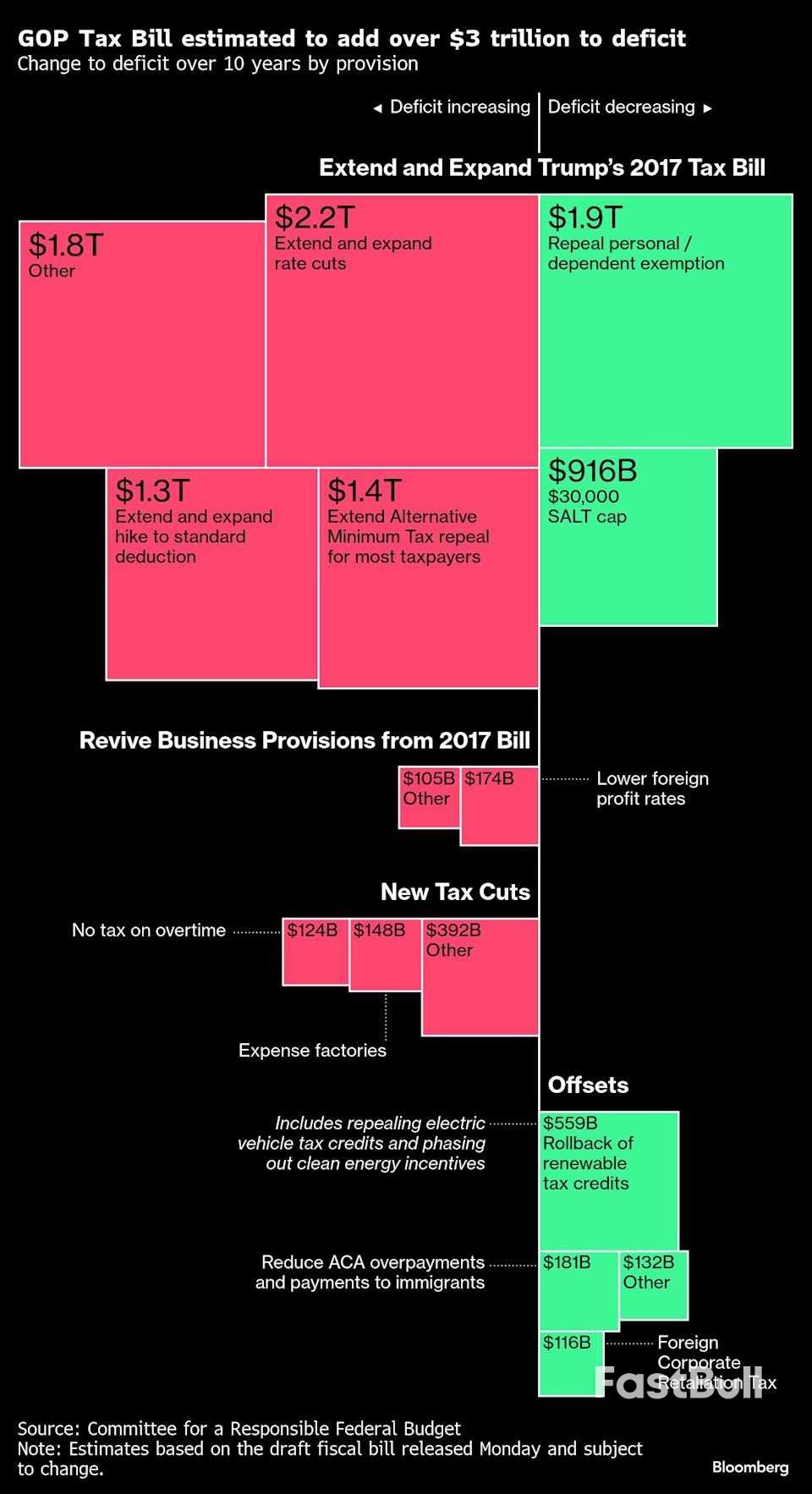
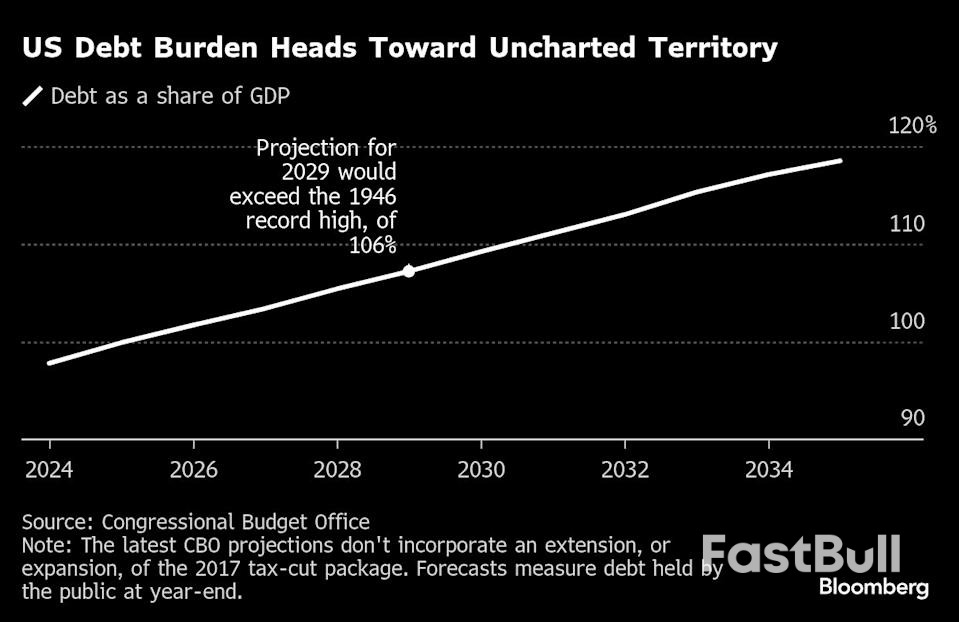
Republican tax cuts are officially estimated to cost $3.8 trillion over 10 years but could be much higher if temporary provisions are extended. This raises concerns over rising deficits and government debt.
In economic news, the number of Initial Jobless Claims, a key indicator of the health of the U.S. labor market, remained unchanged in the latest report. The actual figure came in at 229K, matching both the forecasted and the previous numbers.
This measure represents the number of individuals who have filed for unemployment insurance for the first time during the past week. It is one of the earliest pieces of U.S. economic data available, providing a timely snapshot of employment trends. However, its market impact can fluctuate from week to week.
The actual figure of 229K jobless claims was in line with the forecasted number. Economists’ predictions were spot on, indicating a stable labor market. The fact that the actual number matched the forecast suggests that there were no major surprises in the job market, which is typically viewed as a positive sign by investors.
In comparison to the previous figure, the number of initial jobless claims also remained steady at 229K. This consistency suggests that the labor market is neither improving nor deteriorating significantly. It provides a sense of stability, which can be reassuring for businesses and investors alike.
The stability in Initial Jobless Claims is generally seen as a bullish sign for the USD. A higher than expected reading would have been taken as negative or bearish for the USD, while a lower than expected reading would have been seen as positive or bullish. In this case, the matching figures indicate a steady, predictable labor market, which can be beneficial for the currency.
In conclusion, the latest Initial Jobless Claims data shows a stable U.S. labor market, with the number of new unemployment insurance filings remaining unchanged. This consistency, which matches both the forecasted and previous figures, suggests a steady economic climate and could be seen as a positive sign for the USD.

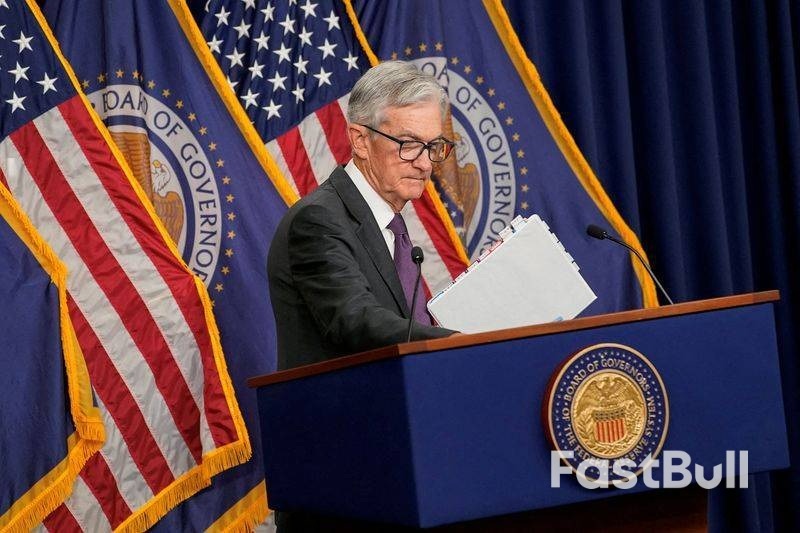
U.S. Federal Reserve officials feel they need to reconsider the key elements around both jobs and inflation in their current approach to monetary policy given the inflation experience of the last few years and the possibility that supply shocks and the associated price increases may become more frequent in the years ahead, Fed chair Jerome Powell said Thursday.
"We may be entering a period of more frequent, and potentially more persistent, supply shocks—a difficult challenge for the economy and for central banks," Powell said in opening remarks at a two-day conference reconsidering the Fed's current approach to monetary policy, adopted in 2020 as the economy was still scarred by the pandemic.
"The economic environment has changed significantly since 2020, and our review will reflect our assessment of those changes," Powell said.
Powell did not focus on current monetary policy or the economic outlook, though he did say he expected April personal consumption expenditures price inflation to have fallen to 2.2% -- a tepid reading but still likely not reflecting coming tariff-driven price increases.
Still that reflects a "historically unusual result" of disinflation without major damage to the economy, a "soft landing" that did take place under the Fed's current strategy.
Five years ago the Fed recast its approach to allow more room for lower unemployment rates and pledged to use periods of high inflation to offset years in which inflation was weak, a common occurrence from 2010 to 2019.
The inflation that took off after that, and the emerging state of the global economy, means that approach may need a rethink, Powell said.
"In our discussions so far, participants have indicated that
they thought it would be appropriate to reconsider the language around shortfalls" of employment, a change adopted so the Fed would not consider a low unemployment rate in itself a sign of inflation risk, Powell said. "At our meeting last week, we had a similar take on average inflation targeting. We will ensure that our new consensus statement is robust to a wide range of economic environments and developments."
His comments point to possibly extensive revisions to a strategy that had been viewed at its inception as a major shift for the Fed, with a willingness to take more risks in favor of a stronger job market and a willingness to tolerate higher inflation after periods of weakness.
But "the idea of an intentional, moderate overshoot proved irrelevant to our policy discussions and has remained so through today" following the near double-digit inflation that occurred during the pandemic reopening, Powell said.
White Label
Data API
Web Plug-ins
Poster Maker
Affiliate Program
The risk of loss in trading financial instruments such as stocks, FX, commodities, futures, bonds, ETFs and crypto can be substantial. You may sustain a total loss of the funds that you deposit with your broker. Therefore, you should carefully consider whether such trading is suitable for you in light of your circumstances and financial resources.
No decision to invest should be made without thoroughly conducting due diligence by yourself or consulting with your financial advisors. Our web content might not suit you since we don't know your financial conditions and investment needs. Our financial information might have latency or contain inaccuracy, so you should be fully responsible for any of your trading and investment decisions. The company will not be responsible for your capital loss.
Without getting permission from the website, you are not allowed to copy the website's graphics, texts, or trademarks. Intellectual property rights in the content or data incorporated into this website belong to its providers and exchange merchants.
Not Logged In
Log in to access more features

FastBull Membership
Not yet
Purchase
Log In
Sign Up