


- USDJPY
- XAUUSD
- XAGUSD
- WTI


Markets
Analysis
User
24/7
Economic Calendar
Education
Data
- Names
- Latest
- Prev










ALI
ID: 2375596
 Chart
ChartCzech inflation aligned, yet surging food and persistent services costs delay the CNB's rate cut plans.
Czech consumer prices rose 1.6% year-on-year in January, aligning with market expectations, but a closer look reveals a complex picture for the Czech National Bank (CNB). While falling fuel and regulated prices helped pull down the headline inflation rate, a surprise surge in food costs and persistently high services inflation are keeping policymakers on alert, likely delaying any interest rate cuts.
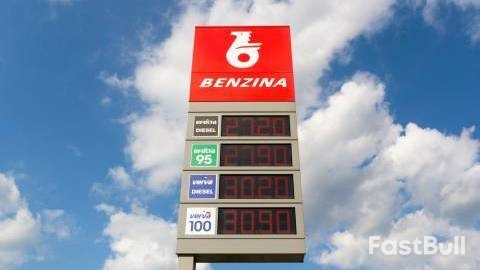
January's data showed a 0.9% month-on-month increase in consumer prices, but the real story was in the grocery aisle. Food prices, known for their volatility, jumped by what was likely more than 2.7% for the month—far exceeding the expected 1.6% gain.
This sharp increase was seen across all food categories, including processed and unprocessed goods, alcohol, and tobacco. Since food makes up about 26% of the consumer basket, this move significantly impacts the inflation outlook and suggests a strong appetite for spending among consumers.
However, this trend may not last. Falling prices from agricultural producers are expected to trickle down to consumers in the coming months, and a correction in food prices could begin as early as February.
While headline inflation is softening, core inflation—which strips out volatile items—is estimated to have climbed to 3%. A key driver of this is the service sector, where price growth remains stubbornly high.
Key points on services inflation include:
• Stable Growth: Prices for services grew at a steady 4.7% annually, with a 1% increase from the previous month alone.
• Failed Hypothesis: The hope that lower energy and food costs would pressure restaurants to keep menu prices down did not materialize.
• Strong Demand: Consumers, benefiting from lower energy bills, are likely channeling those savings into services, supporting price growth.
In contrast, goods prices have entered a period of annual decline, falling 0.4% at the start of the year, partly due to the strong koruna. This divergence between goods and services inflation is a central challenge for the CNB.
The challenge is amplified by recent adjustments to the consumer price index basket. The weighting for deflationary categories like energy has been reduced, while the share for inflationary groups like services has been increased. This technical adjustment alone is estimated to have added about 0.1 percentage points to headline inflation.
Given the persistent core and services inflation, the CNB is expected to keep its base interest rate on hold at 3.5%. The central bank has signaled that it is unlikely to consider monetary policy easing until annual service price growth decelerates below 4%.
As a result, the forecast for a potential rate cut has been pushed back to May. With core inflation at 3% in an expanding economy, the bank's board has little reason to rush.
Still, the subdued headline inflation figure implies a real interest rate of just under 2%, which could be considered restrictive enough to justify a single, fine-tuning rate cut later in the year.
Looking ahead, the CNB is likely to continue its strategy of holding rates steady while keeping the threat of a rate cut on the table. The possibility of two rate cuts is considered remote unless the economy faces a significant shock, such as a collapse in external demand or a stall in domestic investment.
The decision on a cut remains a close call. Current analysis suggests a 55% probability of a cut between May and June, against a 45% probability of no change. Ultimately, the outcome will depend almost entirely on whether service price dynamics finally begin to cool.

728 RM B 7/F GEE LOK IND BLDG NO 34 HUNG TO RD KWUN TONG KLN HONG KONG





The risk of loss in trading financial instruments such as stocks, FX, commodities, futures, bonds, ETFs and crypto can be substantial. You may sustain a total loss of the funds that you deposit with your broker. Therefore, you should carefully consider whether such trading is suitable for you in light of your circumstances and financial resources.
No decision to invest should be made without thoroughly conducting due diligence by yourself or consulting with your financial advisors. Our web content might not suit you since we don't know your financial conditions and investment needs. Our financial information might have latency or contain inaccuracy, so you should be fully responsible for any of your trading and investment decisions. The company will not be responsible for your capital loss.
Without getting permission from the website, you are not allowed to copy the website's graphics, texts, or trademarks. Intellectual property rights in the content or data incorporated into this website belong to its providers and exchange merchants.
Not Logged In
Log in to access more features


Log In
Sign Up


