- EURUSD
- XAUUSD
- XAGUSD
- WTI
- USDX


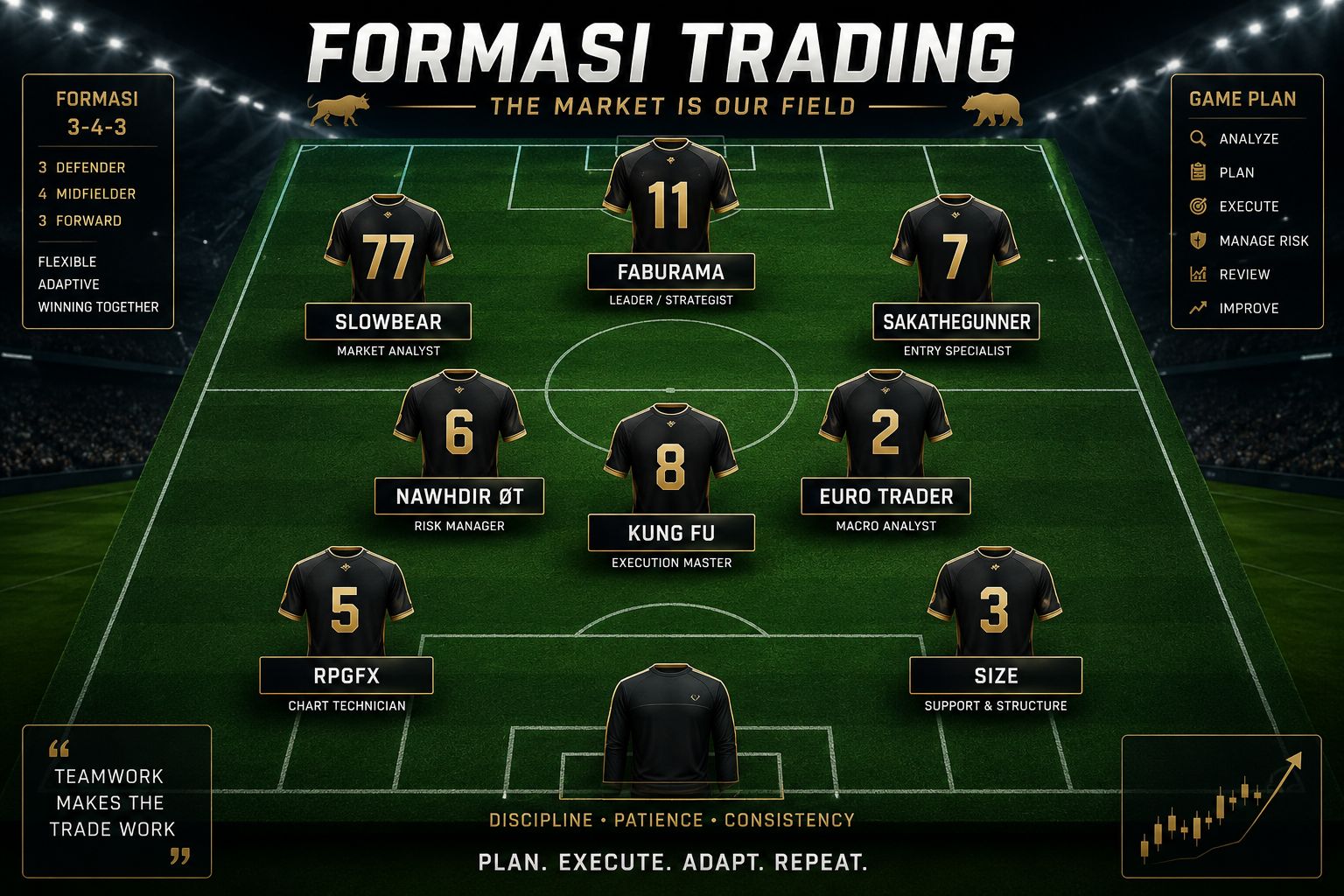
 central midfielder?
Markets
Analysis
User
24/7
Economic Calendar
Education
Data
- Names
- Latest
- Prev






Indian trade in 2026 hinges on precision. Master the updated cbic customs tariff to shield profit margins and navigate shifting regulatory complexities.
Navigating international trade requires a precise understanding of the cbic customs tariff. For importers and investors managing supply chain costs in 2026, staying updated on Indian duty classifications is crucial. This guide unpacks the latest rate structures, recent Union Budget updates, and step-by-step calculations to help businesses optimize their cross-border operations effectively.
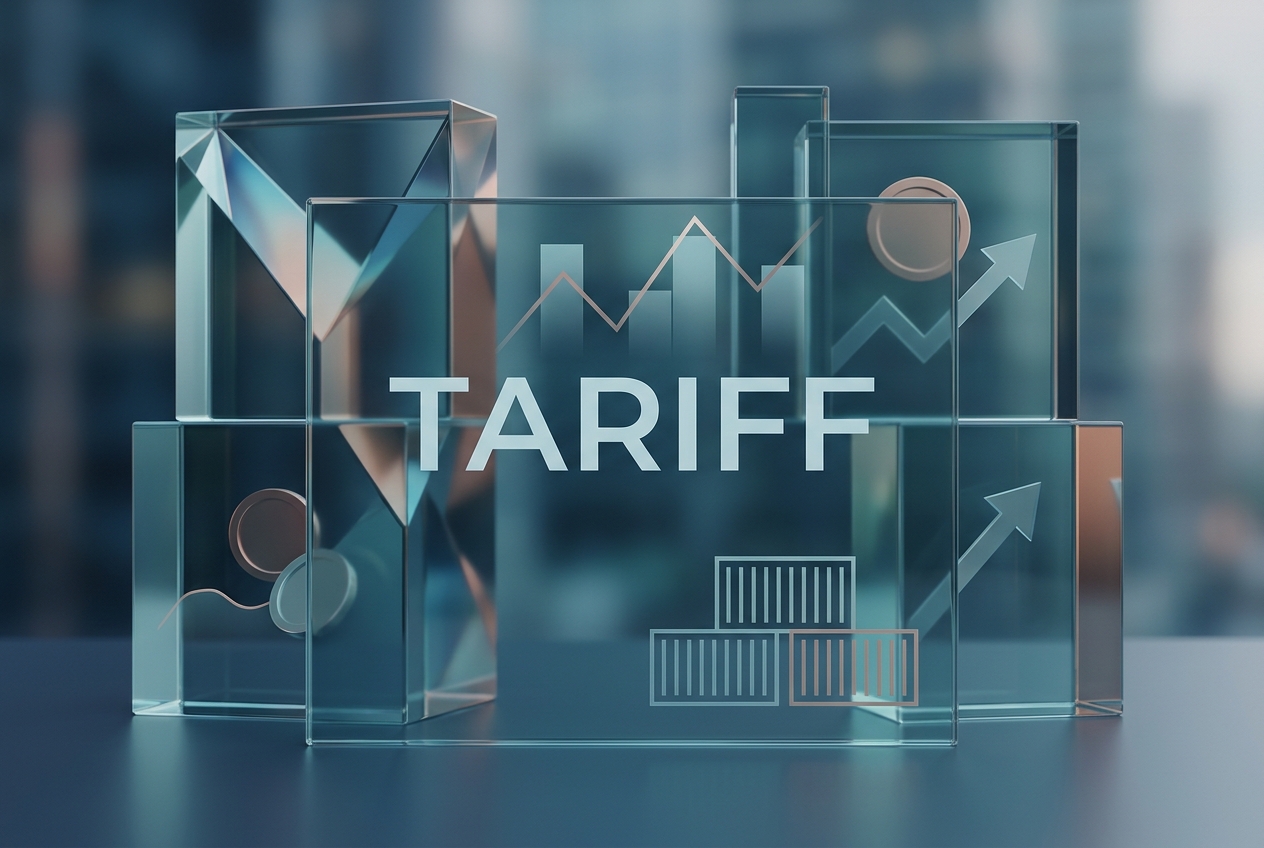
The Central Board of Indirect Taxes and Customs (CBIC) determines the official duty schedules applied to goods entering or leaving India. This framework dictates the baseline costs for international trade and significantly influences domestic pricing strategies. For businesses in 2026, understanding this schedule is essential for accurate landed cost calculations and competitive positioning.
The tariff matters deeply because even minor changes in duty rates can erode profit margins or create sudden market advantages. With the latest Union Budget 2026 implementing sweeping reforms to support domestic manufacturing and ease trade, staying compliant prevents costly clearance delays. Relying on outdated data leads to miscalculations, regulatory penalties, and supply chain bottlenecks.
India applies a multi-tiered approach to import taxation, blending base duties with several sector-specific levies.
The Basic Customs Duty (BCD) forms the foundational tax layer applied to imported goods, calculated on the item's assessable value. Under the 2026 schedule, the CBIC has streamlined the industrial tariff structure to eight primary slabs, including a zero-rate tier for critical exemptions. Standard industrial machinery generally attracts a 7.5% BCD, while consumer electronics may incur higher rates. Rates are indexed directly to internationally recognized Harmonized System (HS) codes.
Luxury items, fully assembled automobiles, and certain agricultural products face the steepest tariffs to protect domestic producers. Completely built unit (CBU) vehicles traditionally attract duties of up to 110%, though phased reductions under new trade agreements are lowering these to 40%. Conversely, essential life-saving drugs—including 17 newly exempted cancer medications—and selected critical minerals enjoy a 0% BCD under the 2026 revisions.
The total customs burden extends significantly beyond the base BCD. The Social Welfare Surcharge (SWS) is levied at 10% on the BCD amount, rather than the total product value. The Agriculture Infrastructure and Development Cess (AIDC) applies to specific goods like edible oils to fund sector developments. Finally, the Integrated Goods and Services Tax (IGST) is applied to the sum of the assessable value plus all customs duties, usually at standard rates of 18% or 28%.
Importers must rely strictly on government-issued platforms to access legally binding duty rates.
The Indian Customs Electronic Data Interchange Gateway (ICEGATE) is the primary portal for confirming current tariffs. Users can utilize the platform's integrated trade inquiry tools to search for specific HS codes. By entering a product description or the first few digits of its Harmonized System of Nomenclature (HSN) code, businesses can pull up real-time duty structures. It is highly recommended to verify the HSN code with a licensed customs broker to avoid classification disputes.
A standard CBIC tariff entry displays the specific 8-digit HSN code, the item description, and the standard BCD rate. It also lists the Standard Unit Quantity Code (UQC), such as kilograms or pieces, which is required for filing the Bill of Entry. Most crucially, tariff tables feature exemption flags or cross-references to specific CBIC notifications, which dictate whether a product qualifies for a reduced or zero-rated duty under the latest 2026 provisions.
The Union Budget 2026 introduced strategic tariff overhauls to simplify trade, boost domestic manufacturing, and provide consumer relief.
Consumer-focused reforms marked the 2026 budget, notably slashing the BCD on personal use imports from 20% to 10%. Duty-free baggage allowances for returning travelers also increased by 50%, rising to ₹75,000. For industry, seafood processors saw duty-free import limits raised, while previous exemptions on certain animal imports by zoos were omitted, pushing them to a 30% BCD. The budget also expanded duty deferral limits to 30 days for Tier 2 and Tier 3 Authorised Economic Operators (AEOs).
The CBIC regularly issues administrative notifications adjusting the benchmark "tariff values" for volatile commodities. Notification No. 01/2026–Customs updated the assessable benchmark values for crucial goods like crude palm oil, soya bean oil, brass scrap, gold, and silver. These notifications ensure duties reflect current international market prices without altering the base percentage rate. Importers must cross-reference both the percentage rate and the notified tariff value to calculate accurate duties.
Determining the exact landed cost requires a sequential mathematical approach. Miscalculating any single tier can compound into a significant financial error.
The most frequent mistake is applying the Social Welfare Surcharge (SWS) to the total shipment value rather than just the BCD amount, leading to inflated cost projections. Importers also frequently overlook valid exemption notifications hidden in the footnotes of the tariff schedule, paying standard rates unnecessarily. Finally, neglecting to update CIF calculations with the latest notified benchmark values for commodities like metals or oils results in instant valuation disputes during clearance.
| Duty Component | Calculation Method | Example Result |
|---|---|---|
| Assessable Value (AV) | CIF Value + 1% Landing Charges | Base Reference Amount |
| Basic Customs Duty (BCD) | AV × BCD% | 7.5% of AV |
| Social Welfare Surcharge (SWS) | BCD Amount × 10% | 0.75% of AV |
| Integrated GST (IGST) | (AV + BCD + SWS) × IGST% | 18% of Subtotal |
The customs tariff in India is an official schedule outlining the taxes and duty rates applied to goods imported into or exported from the country. It classifies items using internationally standardized HS codes to ensure uniform tax application.
You can view the latest schedule directly on the CBIC's official website under the "Customs" tab. Alternatively, you can use the ICEGATE portal to search real-time duty structures by entering your product's specific HSN code.
Customs duties are calculated sequentially starting with the Assessable Value (CIF), applying the Basic Customs Duty (BCD), and adding surcharges like the 10% SWS on the BCD. Finally, the IGST is levied on the sum of the assessable value and all preceding customs duties.
Importers should query the official ICEGATE trade inquiry portal using detailed product descriptions to find the correct 8-digit HSN code. Consulting a licensed customs broker is highly recommended to confirm the classification and prevent regulatory penalties.
Mastering the cbic customs tariff is non-negotiable for anyone involved in Indian cross-border trade. By understanding structured duty tiers, recent Union Budget updates, and accurate calculation methods, importers can safely project their landed costs. Utilizing official portals ensures regulatory compliance, protects profit margins, and prevents costly supply chain disruptions.

728 RM B 7/F GEE LOK IND BLDG NO 34 HUNG TO RD KWUN TONG KLN HONG KONG





The risk of loss in trading financial instruments such as stocks, FX, commodities, futures, bonds, ETFs and crypto can be substantial. You may sustain a total loss of the funds that you deposit with your broker. Therefore, you should carefully consider whether such trading is suitable for you in light of your circumstances and financial resources.
No decision to invest should be made without thoroughly conducting due diligence by yourself or consulting with your financial advisors. Our web content might not suit you since we don't know your financial conditions and investment needs. Our financial information might have latency or contain inaccuracy, so you should be fully responsible for any of your trading and investment decisions. The company will not be responsible for your capital loss.
Without getting permission from the website, you are not allowed to copy the website's graphics, texts, or trademarks. Intellectual property rights in the content or data incorporated into this website belong to its providers and exchange merchants.
Not Logged In
Log in to access more features


Log In
Sign Up