• Trade
  • Markets
  • Copy
  • Contests
  • 24/7
  • Calendar
  • Q&A
  • Chats
Screeners
SYMBOL
LAST
BID
ASK
HIGH
LOW
NET CHG.
%CHG.
SPREAD
SOURCE
SPX
S&P 500 Index
7431.45
7431.45
7431.45
7456.40
7363.01
+37.14
+ 0.50%
--
--
DJI
Dow Jones Industrial Average
51202.25
51202.25
51202.25
51409.70
50827.84
+353.49
+ 0.70%
--
--
IXIC
NASDAQ Composite Index
25888.83
25888.83
25888.83
26010.31
25599.94
+79.18
+ 0.31%
--
--
USDX
US Dollar Index
99.240
99.240
99.320
99.300
99.080
-0.220
-0.22%
--
--
EURUSD
Euro / US Dollar
1.16033
1.16033
1.16040
1.16217
1.15738
+0.00372
+ 0.32%
--
--
GBPUSD
Pound Sterling / US Dollar
1.34262
1.34262
1.34269
1.34607
1.33977
+0.00234
+ 0.17%
--
--
XAUUSD
Gold / US Dollar
4337.81
4337.81
4338.22
4345.22
4266.28
+118.19
+ 2.80%
--
--
WTI
Light Sweet Crude Oil
78.908
78.908
78.938
80.361
78.483
-3.956
-4.77%
--
--

Community Accounts

Signal Accounts
--
Profit Accounts
--
Loss Accounts
--
View More

Become a signal provider

Sell trading signals to earn additional income

View More

Guide to Copy Trading

Get started with ease and confidence

View More

Signal Accounts for Members

All Signal Accounts

Best Return
  • Best Return
  • Best P/L
  • Best MDD
Past 1W
  • Past 1W
  • Past 1M
  • Past 1Y

All Contests

  • All
  • Recommend
  • Stocks
  • Cryptocurrencies
  • Central Banks
  • Trump Updates
  • Featured News
Top News Only
Share

According To The German Geosciences Research Center (GFZ): A 6.31-magnitude Earthquake Struck Mindanao Island In The Philippines

Share

Indian Trade Officials: Exports To West Asia In May Have Rebounded To The Same Level As Last Year

Share

Indian Trade Officials Say Exports To The UAE Increased In May As A New Shipping Route Via Oman Came Online

Share

LME Three-month Aluminum Fell To $3,434.5, A New Low Since April 9, With The Latest Decline Being 2.8%

Share

The UAE Ministry Of Foreign Affairs Stated That Following The Signing Of The Memorandum Of Understanding Between The US And Iran, The UAE Emphasized The Importance Of Dialogue, Diplomacy, And Adherence To International Law

Share

Indian Trade Officials Say More Liquefied Petroleum Gas (LPG) Will Be Imported From The United States This Year, With Import Figures Expected To Rise In April And May

Share

ECB Governing Council Member Kazimir: Further Policy Tightening Is Still Needed To Curb Inflation

Share

The Eurozone’s Seasonally Adjusted Trade Surplus In April Stood At €1.3 Billion, The Smallest Surplus Since May 2023

Share

The Eurozone's Seasonally Adjusted Trade Surplus Stood At EUR 1.3 Billion In April, Down From EUR 3.5 Billion Previously

Share

In April, The Eurozone's Unadjusted Trade Balance Stood At €–1.0 Billion, While The Previous Figure Was Revised From €7.8 Billion To €4.9 Billion

Share

Eurozone Industrial Output Rose 0.3% Year-on-Year In April, Below The Expected 0.4%, While The Previous Reading Was Revised From -2.10% To -2.8%

Share

Heavy Rainfall Is Expected To Persist, And An Orange Alert For Torrential Rain Remains In Effect Across Many Parts Of Guangdong

Share

Euro-denominated Credit Default Protection Costs Declined Following The Iran Peace Agreement

Share

A Liberal Democratic Party Official In Japan Said They Are Discussing Lowering The Food Tax Rate To 0%, Rather Than 1%

Share

The UN High Commissioner For Human Rights Expressed Concern Over Immigration Enforcement During The World Cup And Called On U.S. Authorities To Ensure The Safety And Dignity Of All Players And Fans

Share

The UK Maritime Trade Operations Office: The Crew Of The Small Boat Fired At The Ship And Attempted To Board It

Share

UK Maritime Trade Operations: A Report Has Been Received Regarding An Incident Approximately 14 Nautical Miles South Of Yemen. A Container Vessel Reported Being Approached By A Small, Fast Boat

Share

Fitch Ratings Has Assigned A “F1+” Rating To Japan’s Short-term Treasury Bills

Share

German Shipping Giant Hapag-Lloyd: News About The US-Iran Peace Agreement Is Encouraging

Share

The UN Human Rights Chief Stated That Cuba Is In A Human Rights Emergency Due To US Sanctions And Urgently Needs De-escalation

TIME
ACT
FCST
PREV
IMPACT
U.K. Construction Output YoY (Apr)

A:--

F: --

P: --

GBPUSD
  • GBPUSD
  • XAUUSD
  • XAGUSD
  • WTI
  • USDX
U.K. GDP YoY (SA) (Apr)

A:--

F: --

P: --

GBPUSD
  • GBPUSD
  • XAUUSD
  • XAGUSD
  • WTI
  • USDX
U.K. Services Index MoM

A:--

F: --

P: --

GBPUSD
  • GBPUSD
  • XAUUSD
  • XAGUSD
  • WTI
  • USDX
U.K. Trade Balance EU (SA) (Apr)

A:--

F: --

P: --

GBPUSD
  • GBPUSD
  • XAUUSD
  • XAGUSD
  • WTI
  • USDX
U.K. Industrial Output MoM (Apr)

A:--

F: --

P: --

GBPUSD
  • GBPUSD
  • XAUUSD
  • XAGUSD
  • WTI
  • USDX
U.K. Trade Balance Non-EU (SA) (Apr)

A:--

F: --

P: --

GBPUSD
  • GBPUSD
  • XAUUSD
  • XAGUSD
  • WTI
  • USDX
U.K. Trade Balance (Apr)

A:--

F: --

P: --

GBPUSD
  • GBPUSD
  • XAUUSD
  • XAGUSD
  • WTI
  • USDX
U.K. Construction Output MoM (SA) (Apr)

A:--

F: --

P: --

GBPUSD
  • GBPUSD
  • XAUUSD
  • XAGUSD
  • WTI
  • USDX
U.K. Industrial Output YoY (Apr)

A:--

F: --

P: --

GBPUSD
  • GBPUSD
  • XAUUSD
  • XAGUSD
  • WTI
  • USDX
U.K. Trade Balance (SA) (Apr)

A:--

F: --

P: --

GBPUSD
  • GBPUSD
  • XAUUSD
  • XAGUSD
  • WTI
  • USDX
U.K. Manufacturing Output YoY (Apr)

A:--

F: --

P: --

GBPUSD
  • GBPUSD
  • XAUUSD
  • XAGUSD
  • WTI
  • USDX
U.K. GDP MoM (Apr)

A:--

F: --

P: --

GBPUSD
  • GBPUSD
  • XAUUSD
  • XAGUSD
  • WTI
  • USDX
France HICP Final MoM (May)

A:--

F: --

P: --

EURUSD
  • EURUSD
  • XAUUSD
  • XAGUSD
  • WTI
  • USDX
U.K. Inflation Rate Expectations

A:--

F: --

P: --

GBPUSD
  • GBPUSD
  • XAUUSD
  • XAGUSD
  • WTI
  • USDX
China, Mainland Outstanding Loans Growth YoY (May)

A:--

F: --

P: --

XAUUSD
  • XAUUSD
  • XAGUSD
  • WTI
  • USDX
China, Mainland M2 Money Supply YoY (May)

A:--

F: --

P: --

XAUUSD
  • XAUUSD
  • XAGUSD
  • WTI
  • USDX
China, Mainland M1 Money Supply YoY (May)

A:--

F: --

P: --

XAUUSD
  • XAUUSD
  • XAGUSD
  • WTI
  • USDX
China, Mainland M0 Money Supply YoY (May)

A:--

F: --

P: --

XAUUSD
  • XAUUSD
  • XAGUSD
  • WTI
  • USDX
India CPI YoY (May)

A:--

F: --

P: --

XAUUSD
  • XAUUSD
  • XAGUSD
  • WTI
  • USDX
India Deposit Gowth YoY

A:--

F: --

P: --

XAUUSD
  • XAUUSD
  • XAGUSD
  • WTI
  • USDX
Brazil CPI YoY (May)

A:--

F: --

P: --

XAUUSD
  • XAUUSD
  • XAGUSD
  • WTI
  • USDX
U.S. 5-10 Year-Ahead Inflation Expectations (Jun)

A:--

F: --

P: --

XAUUSD
  • XAUUSD
  • XAGUSD
  • WTI
  • USDX
U.S. Weekly Total Rig Count

A:--

F: --

P: --

WTI
  • WTI
  • XAUUSD
  • XAGUSD
  • USDX
U.S. Weekly Total Oil Rig Count

A:--

F: --

P: --

WTI
  • WTI
  • XAUUSD
  • XAGUSD
  • USDX
U.K. Rightmove House Price Index YoY (Jun)

A:--

F: --

P: --

GBPUSD
  • GBPUSD
  • XAUUSD
  • XAGUSD
  • WTI
  • USDX
Saudi Arabia CPI YoY (May)

A:--

F: --

P: --

WTI
  • WTI
  • XAUUSD
  • XAGUSD
  • USDX
ECB President Lagarde Speaks
Euro Zone Industrial Output YoY (Apr)

A:--

F: --

P: --
EURUSD
  • EURUSD
  • XAUUSD
  • XAGUSD
  • WTI
  • USDX
Euro Zone Trade Balance (Not SA) (Apr)

A:--

F: --

P: --
EURUSD
  • EURUSD
  • XAUUSD
  • XAGUSD
  • WTI
  • USDX
Euro Zone Trade Balance (SA) (Apr)

A:--

F: --

P: --
EURUSD
  • EURUSD
  • XAUUSD
  • XAGUSD
  • WTI
  • USDX
Euro Zone Industrial Output MoM (Apr)

A:--

F: --

P: --
EURUSD
  • EURUSD
  • XAUUSD
  • XAGUSD
  • WTI
  • USDX
Euro Zone Total Reserve Assets (May)

--

F: --

P: --

Canada National Economic Confidence Index

--

F: --

P: --

Canada New Housing Starts (May)

--

F: --

P: --

Canada Manufacturing New Orders MoM (Apr)

--

F: --

P: --

Canada Manufacturing Unfilled Orders MoM (Apr)

--

F: --

P: --

U.S. NY Fed Manufacturing Employment Index (Jun)

--

F: --

P: --

U.S. NY Fed Manufacturing New Orders Index (Jun)

--

F: --

P: --

U.S. NY Fed Manufacturing Prices Received Index (Jun)

--

F: --

P: --

Canada Wholesale Inventory MoM (Apr)

--

F: --

P: --

Canada Wholesale Sales YoY (Apr)

--

F: --

P: --

Canada Manufacturing Inventory MoM (Apr)

--

F: --

P: --

Canada Wholesale Inventory YoY (Apr)

--

F: --

P: --

Canada Wholesale Sales MoM (SA) (Apr)

--

F: --

P: --

U.S. NY Fed Manufacturing Index (Jun)

--

F: --

P: --

U.S. Industrial Output MoM (SA) (May)

--

F: --

P: --

U.S. Capacity Utilization MoM (SA) (May)

--

F: --

P: --

U.S. Manufacturing Output MoM (SA) (May)

--

F: --

P: --

U.S. Industrial Output YoY (May)

--

F: --

P: --

U.S. Manufacturing Capacity Utilization (May)

--

F: --

P: --

U.S. NAHB Housing Market Index (Jun)

--

F: --

P: --

U.K. Rightmove House Price Index YoY (Jun)

--

F: --

P: --

China, Mainland Urban Area Unemployment Rate (May)

--

F: --

P: --

China, Mainland Industrial Output YoY (YTD) (May)

--

F: --

P: --

Japan Benchmark Interest Rate

--

F: --

P: --

BOJ Monetary Policy Statement
Australia Overnight (Borrowing) Key Rate

--

F: --

P: --

RBA Rate Statement
Q&A with Experts
    • All
    • Chatrooms
    • Groups
    • Friends
    Pràìśè flag
    SlowBear ⛅
    @Pràìśè Lol i thought as much bro, cos i had to just confirm
    @SlowBear ⛅🤣🤣
    EuroTrader flag
    Pedrovic88
    @EuroTraderYES FRATELLO
    @Pedrovic88Why I am making this prediction is that some other Assets didn't open with a gap
    SlowBear ⛅ flag
    Pràìśè
    @SlowBear ⛅🤣🤣
    @Pràìśè Like when you said FVG i was like that is something cos i a seeing Gold retestiing Supply on the 4h and 1h
    Pedrovic88 flag
    SlowBear ⛅
    @Pedrovic88 very patientluy bro very very patiently
    @SlowBear ⛅YEEEEESSS :)
    Pràìśè flag
    SlowBear ⛅
    @PràìśèI believe the gap will surely get filled, but when and how is what no one knows
    @SlowBear ⛅yeah that's up to the market to decide
    EuroTrader flag
    Soulman1
    @EuroTraderrandy orton? 😅😭😂😂 funny enough he used to be my fav wrestler
    @Soulman1😂😂😂, so you see the title wasn't random..You had a connection to the name
    SlowBear ⛅ flag
    Pedrovic88
    @SlowBear ⛅YEEEEESSS :)
    @Pedrovic88 Cool, i will go and take a cut of coffee now and come back
    Pedrovic88 flag
    SlowBear ⛅
    @Pedrovic88 Cool, i will go and take a cut of coffee now and come back
    @SlowBear ⛅ANCHE IO OTTIMA COSA
    SlowBear ⛅ flag
    Pràìśè
    @SlowBear ⛅yeah that's up to the market to decide
    @PràìśèAlways, the market will have to be the one to decide, the only thing we can do is wait or trade! And the result, left for the market to decide
    SlowBear ⛅ flag
    Pedrovic88
    @SlowBear ⛅ANCHE IO OTTIMA COSA
    @Pedrovic88yes bro, have fun!
    Newbie flag
    SlowBear ⛅
    @Newbie I think you should share your tke on USDCAD!
    @SlowBear ⛅alright
    Newbie flag
    Soulman1
    @NewbieI'm waiting to sell gold, BTC and buy usdjpy but i don't have technical entry yet
    @Soulman1all together??
    SlowBear ⛅ flag
    Newbie
    @SlowBear ⛅alright
    @Newbie Yup, if you see anything worth sharing do not hesitate to share
    Newbie flag
    EuroTrader
    @NewbieMaster Yang, how are you doing today welcome 😁. what's happening
    @EuroTraderim good matser shi-fu... nothing is happening here at the moment lol....what about you?
    SlowBear ⛅ flag
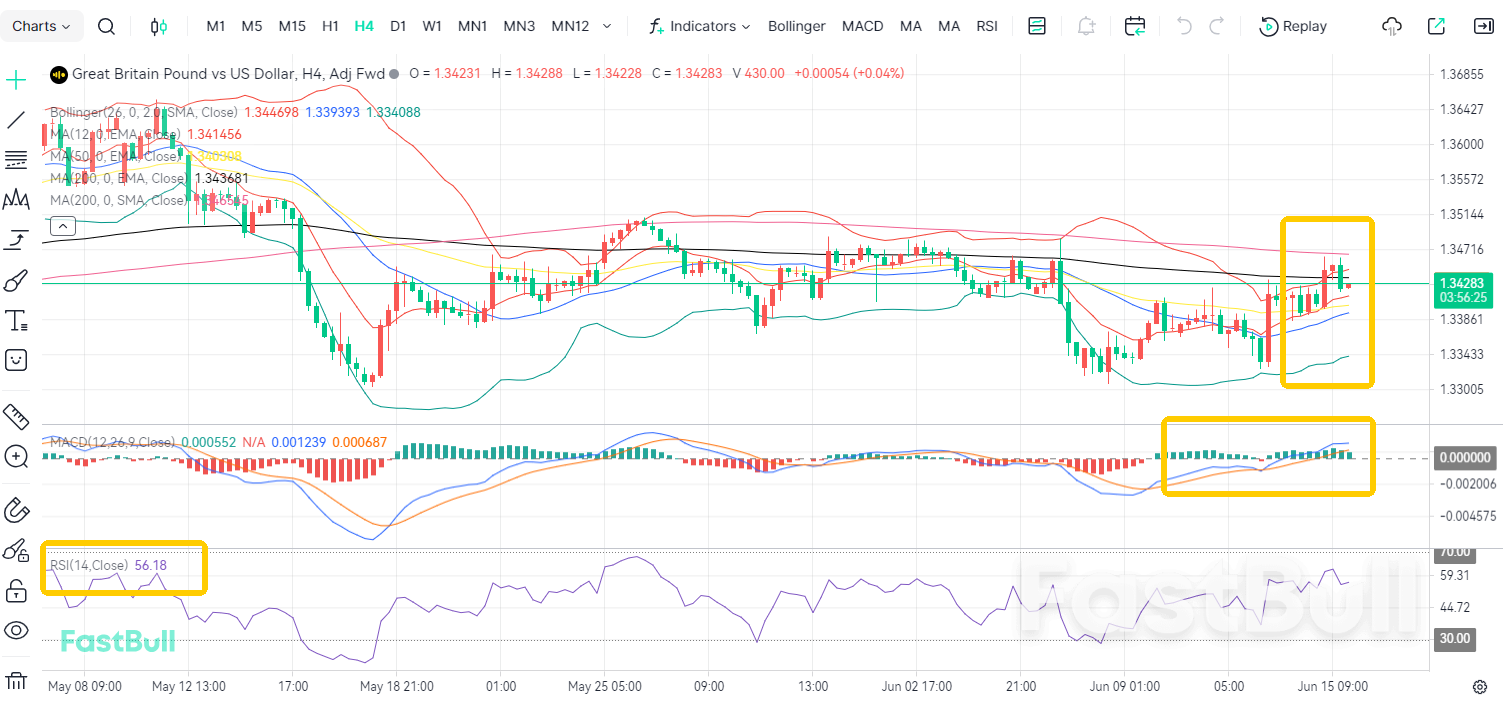
    GDP Contraction! GBPUSD Extends Decline
    Boosted by news of an agreement between the United States and Iran, market sentiment improved further, and the British pound continued its upward trend against the U.S. dollar that began earlier this week.
    Trading Analysis
    EuroTrader flag
    Newbie
    @EuroTraderim good matser shi-fu... nothing is happening here at the moment lol....what about you?
    @NewbieJust meditating as nothing is happening in the marksts as at this time.
    SlowBear ⛅ flag
    SlowBear ⛅
    [Trading Analysis] GDP Contraction! GBPUSD Extends Decline
    FastBull think-tank said to sell GBPUSD You might wanna check this out!
    EuroTrader flag
    Newbie
    @EuroTraderim good matser shi-fu... nothing is happening here at the moment lol....what about you?
    @NewbieMeditation would help you have the restraining power not to force the markets you know
    Newbie flag
    EuroTrader
    @NewbieMeditation would help you have the restraining power not to force the markets you know
    @EuroTradertrue...
    EuroTrader flag
    Newbie
    @EuroTradertrue...
    @Newbielast week I was going through the trades iIl took and I discovered a pattern in my results
    Type here...
    Add Symbol or Code

      No matching data

      All
      Recommend
      Stocks
      Cryptocurrencies
      Central Banks
      Trump Updates
      Featured News
      • All
      • Russia-Ukraine Conflict
      • Middle East Flashpoint
      • All
      • Russia-Ukraine Conflict
      • Middle East Flashpoint
      Search
      Products

      Charts Free Forever

      Chats Q&A with Experts
      Screeners Economic Calendar Data Tools
      Membership Features
      Data Warehouse Market Trends Institutional Data Policy Rates Macro

      Market Trends

      Market Sentiment Order Book Forex Correlations

      Top Indicators

      Charts Free Forever
      Markets

      News

      24/7 Analysis Education

      Latest Views

      Latest Update

      Signals

      Copy Rankings Latest Signals Become a signal provider AI Rating
      Contests
      Brokers

      Overview Brokers Assessment Rankings Regulators News Claims
      Broker listing Forex Brokers Comparison Tool Live Spread Comparison Scam
      Q&A Complaint Scam Alert Videos Tips to Detect Scam
      More

      Business
      Events
      Careers About Us Advertising Help Center

      White Label

      Broker API

      Data API

      Web Plug-ins

      Affiliate Program

      Awards Institution Evaluation IB Seminar Salon Event Exhibition
      Vietnam Thailand Singapore Dubai
      Fans Party Investment Sharing Session
      FastBull Summit BrokersView Expo
      Recent Searches
        Top Searches
          Markets
          Analysis
          User
          24/7
          Economic Calendar
          Education
          Data
          • Names
          • Latest
          • Prev

          View All

          No data

          Scan to Download

          Faster Charts, Chat Faster!

          Download
          English
          • English
          • Español
          • العربية
          • Bahasa Indonesia
          • Bahasa Melayu
          • Tiếng Việt
          • ภาษาไทย
          • Français
          • Italiano
          • Türkçe
          • Русский язык
          • 简中
          • 繁中
          Open Account
          Search
          Products
          Charts Free Forever
          Markets
          News
          Signals

          Copy Rankings Latest Signals Become a signal provider AI Rating
          Contests
          Brokers

          Overview Brokers Assessment Rankings Regulators News Claims
          Broker listing Forex Brokers Comparison Tool Live Spread Comparison Scam
          Q&A Complaint Scam Alert Videos Tips to Detect Scam
          More

          Business
          Events
          Careers About Us Advertising Help Center

          White Label

          Broker API

          Data API

          Web Plug-ins

          Affiliate Program

          Awards Institution Evaluation IB Seminar Salon Event Exhibition
          Vietnam Thailand Singapore Dubai
          Fans Party Investment Sharing Session
          FastBull Summit BrokersView Expo

          Is the Dollar Stronger Than Yen? 2026 Rates & Purchasing Power

          zhan chen
          Summary:

          As traders ask, is the dollar stronger than yen, a deeper clash of central bank policies is quietly reshaping global wealth and trade.

          The historic weakness of the Japanese yen against the U.S. dollar is actively reshaping global capital flows, import costs, and international travel. For investors and consumers alike, understanding this currency dynamic requires looking beyond nominal exchange rates to examine the macroeconomic forces driving the gap. By analyzing central bank policies, purchasing power disparities, and potential catalysts for a market reversal, market participants can better navigate the complex financial landscape of 2026.

          Is the Dollar Stronger Than Yen? 2026 Rates & Purchasing Power

          Is the Dollar Actually Stronger Than the Yen Right Now?

          To answer whether is the dollar stronger than yen right now: yes, the U.S. currency is both nominally and structurally stronger. As of late May 2026, one dollar buys roughly 159.50 yen, reflecting a deeply entrenched valuation gap driven by persistent interest rate differentials and contrasting central bank policies.

          What Does the Current USD/JPY Exchange Rate Show?

          The current exchange rate of approximately 159.50 USD/JPY signals a severe capital imbalance where global investors overwhelmingly prefer dollar-denominated assets over Japanese equivalents.

          The absolute valuation gap is dictated by the interest rate differential between the U.S. Federal Reserve and the Bank of Japan (BoJ). As of May 2026, the effective U.S. federal funds rate sits near 3.62%. In contrast, the BoJ capped its short-term policy rate at just 0.75%.

          This creates a 287-basis-point yield gap. Through a mechanism known as the carry trade, institutional investors borrow cheaply in yen to purchase higher-yielding U.S. Treasuries. The continuous selling of yen to buy dollars organically suppresses the yen's value.

          While the nominal exchange ratio (159 to 1) is simply a byproduct of how the units are denominated, the yen losing 10.62% of its value against the dollar over the preceding 12 months confirms actual currency weakness. For market participants, the trade-off is stark: Americans gain massive purchasing power in Tokyo, but Japanese manufacturers face crushing import costs for raw materials and energy.

          How Has the Dollar-Yen Rate Changed in 2025–2026?

          Between early 2025 and mid-2026, the yen depreciated from the 140s to breach the 160 threshold, forcing the Japanese government into historic currency interventions.

          This depreciation accelerated largely due to U.S. macroeconomic policy. Recent U.S. tariffs have raised expectations for persistent imported inflation, prompting the Federal Reserve to keep rates higher for longer. Meanwhile, the BoJ has been exceptionally slow to normalize rates, prioritizing domestic economic stability over currency strength.

          TimeframeUSD/JPY Rate RangePrimary Market Driver
          Early 2025140.00 – 145.00Markets priced in aggressive Fed rate cuts that ultimately failed to materialize.
          Late 2025150.00 – 156.00BoJ refused to hike rates significantly above zero; U.S. inflation remained sticky.
          Late April 2026160.42 – 160.74Speculative peak; the yen dropped to historic multi-decade lows against the dollar.
          May 2026158.00 – 159.50Japan's Ministry of Finance executed an estimated ¥10 trillion ($63 billion) intervention to buy yen.

          Even direct market intervention only provided temporary relief. By spending roughly ¥10 trillion between April 30 and May 6, 2026, Japan successfully dragged the rate from above 160 back into the mid-150s, but organic market forces quickly pushed it back up to 159.50. If you are wondering is the japanese yen stronger than the us dollar at any point in this recent cycle, the data shows a strict one-way depreciation. Unless the interest rate gap narrows significantly, the dollar will maintain its dominance.

          Why Is the Dollar So Much Stronger Than the Yen?

          Digging deeper into these fundamentals, the U.S. dollar dominates the Japanese yen because global capital flows toward higher yields, and U.S. assets pay significantly more than Japanese assets. As established, the mid-2026 exchange rate hovering near 160 JPY per USD is the mathematical result of a roughly 300-basis-point spread between Federal Reserve and Bank of Japan (BoJ) policy rates, compounded by Japan's structural reliance on dollar-denominated energy imports.

          How Do U.S. and Japanese Interest Rates Drive the Gap?

          Interest rate differentials dictate currency valuations by fueling the "carry trade" — a mechanism where institutional investors borrow money in a low-interest-rate currency to buy assets in a high-interest-rate currency. Because the Federal Reserve has held its target rate between 3.50% and 3.75% while the BoJ policy rate sits at just 0.75%, funds systematically short the yen to purchase U.S. Treasuries.

          Selling yen and buying dollars to execute this trade exerts continuous downward pressure on the Japanese currency. Even as the BoJ exited its negative interest rate policy in 2024 and incrementally hiked rates through 2026, the absolute gap remains too wide to reverse capital outflows.

          Metric (May 2026)United States (Federal Reserve)Japan (Bank of Japan)The Currency Impact
          Policy Interest Rate3.50% – 3.75%0.75%Drives institutional capital out of Japan and into U.S. assets.
          Core Inflation Target~2.0% (persistent upside risk)2.8% (FY2026 outlook)High U.S. inflation keeps Fed hesitant to cut rates, maintaining the yield gap.
          Central Bank StanceWait-and-see; pausing cutsGradual tightening, fearing recessionSignals to FX markets that the 300+ bps spread will persist through 2026.

          When investors search for "is the dollar stronger than the yen," they are observing the visible symptom of this yield spread. Unless U.S. rates drop sharply or Japanese rates spike, holding dollars simply pays more daily interest than holding yen.

          What Role Does Japan's Economy Play in Keeping the Yen Weak?

          Japan's structural trade deficit and fragile domestic growth prevent the BoJ from aggressively defending the currency. As a resource-poor island nation, Japan must import nearly all of its oil and natural gas. Because global energy is priced in U.S. dollars, Japanese importers are forced to continuously sell yen and buy dollars to keep the country running. This creates a permanent, structural baseline of yen selling.

          The BoJ faces a severe trade-off that currency speculators exploit. To strengthen the yen organically, the central bank would need to hike interest rates aggressively (e.g., a 50 to 75 basis point jump). However, doing so would crush Japan's fragile domestic economy—projected to grow at just 0.5% in 2026—and drastically increase the servicing costs on the country's massive sovereign debt.

          Furthermore, the 2026 U.S. tariff environment has actively suppressed yen valuations. With Washington implementing blanket 10% tariffs and threatening 15% levies on trading partners, Japan's export-heavy economy faces margin compression. Markets discount the yen accordingly, betting that Japan cannot rely on automotive and electronics exports to offset the high cost of imported energy. This forces the Ministry of Finance into expensive, temporary interventions—such as the estimated $63 billion spent in April and May 2026 to defend the 160 threshold—rather than fixing the underlying economic weakness.

          Does a Higher Exchange Rate Mean the Dollar Buys More in Japan?

          For those converting currencies, the short answer is yes: a higher exchange rate directly increases the purchasing power of the U.S. dollar in Japan, provided the yen depreciates faster than Japanese domestic prices rise. At mid-2026 exchange rates near 159 JPY per USD, the dollar commands a significant premium because Japan's moderate inflation has not cannibalized the currency's depreciation. This dynamic creates a geographic arbitrage for dollar earners, where the same nominal income buys a materially higher standard of living in Tokyo than in U.S. cities.

          What Does Purchasing Power Parity Say About USD vs. JPY?

          When evaluating whether is the dollar stronger than yen in real-world utility, Purchasing Power Parity (PPP) data confirms the Japanese currency is historically undervalued. According to 2026 OECD metrics, the PPP exchange rate sits near 95 JPY per USD.

          This metric calculates how many yen are required in Japan to buy the exact same basket of consumer goods that $1 buys in the United States. Because the nominal spot rate trades around 159 JPY, dollar holders receive approximately 67% more yen than necessary to achieve U.S. price parity. This 64-point divergence illustrates that the current exchange rate is driven by macroeconomic capital flows—specifically, the yield gap between Federal Reserve and Bank of Japan interest rates—rather than the fundamental cost of living. Consequently, the dollar is structurally over-indexed in Japan, creating a steep discount for foreign capital.

          Where Does the Yen Actually Go Further Than the Dollar?

          The yen provides vastly superior purchasing power within Japan’s domestic, non-tradable sectors, which remain insulated from global commodity pricing. Because Japan possesses structural advantages in housing supply and strictly regulates consumer healthcare, local services are heavily discounted compared to U.S. equivalents. The boundary line for this advantage is the border: the yen loses its strength entirely once exposed to imported goods.

          Expenditure CategorySuperior Purchasing PowerEconomic Mechanism Driving the Price Gap
          Real Estate & RentYen (in Japan)Nationalized zoning laws and continuous housing construction suppress Tokyo rents compared to supply-constrained U.S. markets.
          Healthcare ServicesYen (in Japan)Strict government price mandates on medical procedures and prescription drugs forcibly cap out-of-pocket patient costs.
          Dining & ServicesYen (in Japan)Local hospitality relies on yen-denominated labor, which has avoided the sharp wage inflation seen in the U.S. service sector.
          Consumer ElectronicsDollar (in U.S.)Dollar-denominated global supply chains and reliance on imported components penalize the weak yen.
          Energy & UtilitiesDollar (in U.S.)Japan imports over 90% of its energy needs; currency depreciation directly translates into higher local utility and gasoline costs.
          • Domestic Labor Arbitrage: The Japanese yen is stronger than the U.S. dollar primarily when paying for domestic human time. Any product or service built entirely on Japanese labor and local materials—such as public transit operations or personal services—remains highly affordable relative to Western counterparts.
          • The Import Penalty: The yen's purchasing power collapses when exposed to international supply chains. With 2026 U.S. tariff policies altering global trade routes, the cost of imported foodstuffs and foreign technology in Japan faces additional upward pressure, widening the gap between domestic affordability and imported inflation.

          Could the Yen Recover Against the Dollar in 2026?

          For investors wondering if this trend will end, the same factors explaining why is the dollar stronger than yen—namely, the massive interest rate differential between the Federal Reserve and the Bank of Japan (BoJ)—provide the roadmap for any potential recovery. With the USD/JPY hovering near 159.5 in late May 2026, structural shifts in monetary policy, global energy costs, and U.S. trade policy are required to reverse the dollar's dominance.

          What Would Need to Change for the Yen to Strengthen?

          A material yen recovery requires the U.S.-Japan interest rate gap to narrow by at least another 50 to 75 basis points, alongside a stabilization in global energy markets. While the BoJ raised its benchmark rate to 0.75% in April 2026, the yen remains near 34-year lows because the absolute yield advantage still heavily favors the U.S. dollar.

          Four specific catalysts must align for the currency to strengthen below the 150 threshold:

          • Narrowing Yield Differentials: The U.S. 10-year Treasury yield must fall relative to the 10-year Japanese Government Bond (JGB). JGB yields touched 2.8% in May 2026—a 29-year high—but the gap remains wide enough to sustain the "carry trade," where investors borrow cheap yen to buy higher-yielding U.S. assets.
          • Energy Price Stabilization: Japan is a net energy importer. Prolonged Middle East conflicts pushing Brent crude above $90 per barrel drain Japan's current account, mechanically forcing the country to sell yen to buy dollar-priced oil.
          • Clarity on U.S. Tariffs: The blanket 10% U.S. import tariffs implemented in early 2026 fueled dollar demand as a safe haven amid policy uncertainty. A stabilization in U.S.-Japan trade relations would remove the speculative premium currently propping up the dollar.
          • Direct Ministry of Finance (MOF) Intervention: The psychological 160 USD/JPY threshold remains a hard line for Tokyo. While the MOF reportedly spent nearly ¥10 trillion in April and May 2026 to defend the currency, intervention only buys time. Sustained yen strength requires macroeconomic fundamentals to follow the intervention.

          What Are Analysts Forecasting for USD/JPY in Late 2026?

          Institutional forecasts for the fourth quarter of 2026 reflect a historic divergence, with end-of-year targets spanning a 34-point range from 130 to 164. This split exposes deep disagreements over whether the Bank of Japan's rate normalization will finally outpace the Federal Reserve's easing cycle.

          The table below outlines Q4 2026 projections from major financial institutions:

          InstitutionQ4 2026 USD/JPY TargetCore Rationale
          J.P. Morgan164Persistent U.S. yield advantages; stickier U.S. inflation prevents deep Fed cuts.
          ING153Gradual BoJ tightening to 1.00% combined with summer carry trade unwinds.
          Scotiabank150Valuation adjustments as the structural U.S.-Japan policy gap slowly compresses.
          Bank of America130Aggressive yen appreciation driven by improved Japanese current accounts and falling energy costs.

          Banks forecasting a stronger yen (below 150) base their models on the assumption that the BoJ will hike rates to 1.00% or 1.25% by late 2026, forcing a massive unwind of speculative short-yen positions. Conversely, institutions targeting 160 or higher anticipate that U.S. tariffs, persistent inflation, and high financing costs will keep U.S. rates elevated, neutralizing any incremental rate hikes from Tokyo.

          FAQs about is the dollar stronger than yen

          Is USD higher than yen?

          Yes, the U.S. dollar is valued significantly higher than the Japanese yen. As of late May 2026, one U.S. dollar is worth approximately 159.5 yen. Historically, the nominal value of the dollar has consistently remained much higher than the yen.

          Why is the U.S. dollar stronger than the Japanese yen?

          The U.S. dollar's strength against the yen is primarily driven by the wide interest rate differential between the two countries. The U.S. Federal Reserve has maintained relatively high interest rates, while the Bank of Japan (BOJ) has kept its rates comparatively low. This gap makes U.S. fixed-income investments more attractive, increasing global demand for the dollar over the yen.

          Will the Japanese yen strengthen against the dollar?

          Many analysts forecast that the yen could gradually strengthen if the interest rate gap between the U.S. and Japan narrows. If the Bank of Japan continues to raise its rates and the Federal Reserve eventually cuts U.S. rates, the yen is expected to appreciate. However, financial institutions remain divided on the exact timeline and extent of the recovery, with 2026 year-end predictions ranging anywhere from 130 to over 160 yen per dollar.

          What factors drive the USD/JPY exchange rate?

          The USD/JPY exchange rate is heavily influenced by monetary policy differences between the Federal Reserve and the Bank of Japan, particularly interest rates and government bond yields. General economic growth rates, inflation data, and the relative size of each country's trade balances also play significant roles. Additionally, because Japan relies heavily on energy imports, fluctuations in global oil prices can directly impact the yen's valuation against the dollar.

          Conclusion

          The dollar’s dominance over the yen is a deeply entrenched reality fueled by wide interest rate spreads and structural trade dynamics rather than temporary market fluctuations. Until macroeconomic fundamentals shift—such as a material narrowing of the yield gap or a stabilization in global energy prices—the U.S. currency will maintain its structural advantage. Investors and international businesses must therefore continue to strategize around this historic valuation gap, leveraging the dollar's purchasing power while managing the risks of future central bank interventions.

          Risk Warnings and Disclaimers
          You understand and acknowledge that there is a high degree of risk involved in trading. Following any strategies or investment methods may lead to potential losses. The content on the site is provided by our contributors and analysts for information purposes only. You are solely responsible for determining whether any trading assets, securities, strategy, or any other product is suitable for investing based on your own investment objectives and financial situation.
          Add to Favorites
          Share
          FastBull
          Copyright © 2026 FastBull Ltd

          728 RM B 7/F GEE LOK IND BLDG NO 34 HUNG TO RD KWUN TONG KLN HONG KONG

          TelegramInstagramTwitterfacebooklinkedin
          App Store Google Play Android Windows
          Products
          Charts

          Chats

          Q&A with Experts
          Screeners
          Economic Calendar
          Data
          Tools
          Membership
          Features
          Function
          Markets
          Copy Trading
          Latest Signals
          Contests
          24/7
          Analysis
          Education
          Company
          Careers
          About Us
          Contact Us
          Advertising
          Download FastBull
          Help Center
          Feedback
          User Agreement
          Privacy Policy
          Personal Information Protection Statement
          Business

          White Label

          Broker API

          Data API

          Web Plug-ins

          Poster Maker

          Affiliate Program

          Risk Disclosure

          The risk of loss in trading financial instruments such as stocks, FX, commodities, futures, bonds, ETFs and crypto can be substantial. You may sustain a total loss of the funds that you deposit with your broker. Therefore, you should carefully consider whether such trading is suitable for you in light of your circumstances and financial resources.

          No decision to invest should be made without thoroughly conducting due diligence by yourself or consulting with your financial advisors. Our web content might not suit you since we don't know your financial conditions and investment needs. Our financial information might have latency or contain inaccuracy, so you should be fully responsible for any of your trading and investment decisions. The company will not be responsible for your capital loss.

          Without getting permission from the website, you are not allowed to copy the website's graphics, texts, or trademarks. Intellectual property rights in the content or data incorporated into this website belong to its providers and exchange merchants.

          Not Logged In

          Log in to access more features

          Connect Broker
          Become a signal provider
          Help Center
          Customer Service
          Dark Mode
          Price Up/Down Colors

          Log In

          Sign Up

          Position
          Layout
          Fullscreen
          Default to Chart
          The chart page opens by default when you visit fastbull.com