• Trade
  • Markets
  • Copy
  • Contests
  • News
  • 24/7
  • Calendar
  • Q&A
  • Chats
Screeners
SYMBOL
LAST
ASK
BID
HIGH
LOW
NET CHG.
%CHG.
SPREAD
SPX
S&P 500 Index
6882.71
6882.71
6882.71
6936.08
6838.79
-35.10
-0.51%
--
DJI
Dow Jones Industrial Average
49501.29
49501.29
49501.29
49649.86
49112.43
+260.29
+ 0.53%
--
IXIC
NASDAQ Composite Index
22904.57
22904.57
22904.57
23270.07
22684.51
-350.61
-1.51%
--
USDX
US Dollar Index
97.600
97.680
97.600
97.670
97.470
+0.120
+ 0.12%
--
EURUSD
Euro / US Dollar
1.17993
1.18002
1.17993
1.18086
1.17825
-0.00052
-0.04%
--
GBPUSD
Pound Sterling / US Dollar
1.35957
1.35965
1.35957
1.36537
1.35922
-0.00562
-0.41%
--
XAUUSD
Gold / US Dollar
4884.36
4884.79
4884.36
5023.58
4788.42
-81.20
-1.64%
--
WTI
Light Sweet Crude Oil
63.770
63.800
63.770
64.362
63.245
-0.472
-0.73%
--

Community Accounts

Signal Accounts
--
Profit Accounts
--
Loss Accounts
--
View More

Become a signal provider

Sell trading signals to earn additional income

View More

Guide to Copy Trading

Get started with ease and confidence

View More

Signal Accounts for Members

All Signal Accounts

Best Return
  • Best Return
  • Best P/L
  • Best MDD
Past 1W
  • Past 1W
  • Past 1M
  • Past 1Y

All Contests

  • All
  • Trump Updates
  • Recommend
  • Stocks
  • Cryptocurrencies
  • Central Banks
  • Featured News
Top News Only
Share

Maersk CEO: I Am Concerned About The Giant Fiscal Deficit In Many Countries, The Economy Is On Steroids Which May Backfire

Share

French Otc Day-Ahead Baseload Power Price Drops 25.6% To 58 EUR/Mwh - Lseg Data

Share

Maersk CEO: We Have Seen A Type Of Normalisation Of Tariff Policies, Consumers Have Been Less Impacted By Trade Wars Than Initially Expected

Share

ISTAT - Italy December Retail Sales -0.8% Seasonally Adjusted Month-On-Month

Share

USA S&P 500 E-Mini Futures Down 0.04%, NASDAQ 100 Futures Up 0.05%, Dow Futures Down 0.27%

Share

Maersk CEO: We Don't Know If We'll See A Full Return To Red Sea In 2026, Our Guidance Includes A Gradual Reopening Of The Route In 2026

Share

[Announcement: U.S. Initial Jobless Claims Data For Last Week To Be Released Tonight, Expected At 212K] February 5Th, The US Initial Jobless Claims For The Week Ending January 31St Will Be Announced Tonight At 21:30, With The Previous Value At 209K And An Expected Value Of 212K

Share

India Foreign Ministry: Open To Exploring Commercial Merits Of Any Crude Supply, Including From Venezuela

Share

India's Nifty 50 Index Last Down 0.7%

Share

India Foreign Ministry: Diversifying Energy Sourcing In Keeping With Objective Market Conditions, International Dynamics At Core Of Our Strategy

Share

China Foreign Minister Wang Met With Cuban Counterpart In Beijing

Share

[The Washington Post Announces One-Third Job Cuts] According To Foreign Media Reports, The Washington Post, Owned By Amazon Founder Jeff Bezos, Announced On The 4th That It Will Lay Off One-third Of Its Employees, Stating That The Historic Newspaper Needs A "painful" Restructuring. The Layoffs Will Affect Journalists Across Almost All Reporting Lines, Including Sports, International, Technology, And Breaking News Teams, As Well As Employees In Business And Technology Departments

Share

Malaysia Central Bank Governor: Don't Have Target Level For Ringgit, Totally Market Driven

Share

Czech Flash CPI 1.6% Year-On-Year In January

Share

Czech Retail Sales Rise 1.8% Year-On-Year In December

Share

India's 2025/26 Sunflower Oil Imports Likely To Fall To Four-Year Low Of 2.65 Million T

Share

Danske Bank CEO: We Are Going Into One Of The Larger Investment Cycles Of Our Time, Driven By Energy Transition, Defence, And Changes In Technology

Share

Prosus Shares Rise 2.5% To Top Of Aex

Share

Britain's FTSE 100 Down 0.32%

Share

Europe's STOXX Index Up 0.12%, Euro Zone Blue Chips Index Up 0.28%

TIME
ACT
FCST
PREV
Euro Zone Core CPI Prelim YoY (Jan)

A:--

F: --

P: --

Euro Zone HICP Prelim YoY (Jan)

A:--

F: --

P: --

Euro Zone Core CPI Prelim MoM (Jan)

A:--

F: --

P: --

U.S. MBA Mortgage Application Activity Index WoW

A:--

F: --

P: --

Brazil IHS Markit Composite PMI (Jan)

A:--

F: --

P: --

Brazil IHS Markit Services PMI (Jan)

A:--

F: --

P: --

U.S. ADP Employment (Jan)

A:--

F: --

P: --
The U.S. Treasury Department released its quarterly refinancing statement.
U.S. IHS Markit Composite PMI Final (Jan)

A:--

F: --

P: --

U.S. IHS Markit Services PMI Final (Jan)

A:--

F: --

P: --

U.S. ISM Non-Manufacturing Price Index (Jan)

A:--

F: --

P: --

U.S. ISM Non-Manufacturing Employment Index (Jan)

A:--

F: --

P: --

U.S. ISM Non-Manufacturing New Orders Index (Jan)

A:--

F: --

P: --

U.S. ISM Non-Manufacturing Inventories Index (Jan)

A:--

F: --

P: --

U.S. ISM Non-Manufacturing PMI (Jan)

A:--

F: --

P: --

U.S. EIA Weekly Crude Oil Imports Changes

A:--

F: --

P: --

U.S. EIA Weekly Heating Oil Stock Changes

A:--

F: --

P: --

U.S. EIA Weekly Crude Demand Projected by Production

A:--

F: --

P: --

U.S. EIA Weekly Gasoline Stocks Change

A:--

F: --

P: --

U.S. EIA Weekly Crude Stocks Change

A:--

F: --

P: --

U.S. EIA Weekly Cushing, Oklahoma Crude Oil Stocks Change

A:--

F: --

P: --

Australia Trade Balance (SA) (Dec)

A:--

F: --

P: --
Australia Exports MoM (SA) (Dec)

A:--

F: --

P: --
Japan 30-Year JGB Auction Yield

A:--

F: --

P: --

Indonesia Annual GDP Growth

A:--

F: --

P: --

Indonesia GDP YoY (Q4)

A:--

F: --

P: --

France Industrial Output MoM (SA) (Dec)

A:--

F: --

P: --
Italy IHS Markit Construction PMI (Jan)

A:--

F: --

P: --

Euro Zone IHS Markit Construction PMI (Jan)

A:--

F: --

P: --

Germany Construction PMI (SA) (Jan)

A:--

F: --

P: --

Italy Retail Sales MoM (SA) (Dec)

A:--

F: --

P: --

U.K. Markit/CIPS Construction PMI (Jan)

--

F: --

P: --

France 10-Year OAT Auction Avg. Yield

--

F: --

P: --

Euro Zone Retail Sales YoY (Dec)

--

F: --

P: --

Euro Zone Retail Sales MoM (Dec)

--

F: --

P: --

U.K. BOE MPC Vote Cut (Feb)

--

F: --

P: --

U.K. BOE MPC Vote Hike (Feb)

--

F: --

P: --

U.K. BOE MPC Vote Unchanged (Feb)

--

F: --

P: --

U.K. Benchmark Interest Rate

--

F: --

P: --

MPC Rate Statement
U.S. Challenger Job Cuts (Jan)

--

F: --

P: --

U.S. Challenger Job Cuts MoM (Jan)

--

F: --

P: --

U.S. Challenger Job Cuts YoY (Jan)

--

F: --

P: --

Bank of England Governor Bailey held a press conference on monetary policy.
Euro Zone ECB Marginal Lending Rate

--

F: --

P: --

Euro Zone ECB Deposit Rate

--

F: --

P: --

Euro Zone ECB Main Refinancing Rate

--

F: --

P: --

ECB Monetary Policy Statement
U.S. Weekly Initial Jobless Claims (SA)

--

F: --

P: --

U.S. Initial Jobless Claims 4-Week Avg. (SA)

--

F: --

P: --

U.S. Weekly Continued Jobless Claims (SA)

--

F: --

P: --

ECB Press Conference
U.S. JOLTS Job Openings (SA) (Dec)

--

F: --

P: --

U.S. EIA Weekly Natural Gas Stocks Change

--

F: --

P: --

BOC Gov Macklem Speaks
Mexico Policy Interest Rate

--

F: --

P: --

U.S. Weekly Treasuries Held by Foreign Central Banks

--

F: --

P: --

Reserve Bank of Australia Governor Bullock testified before Parliament.
India Benchmark Interest Rate

--

F: --

P: --

India Cash Reserve Ratio

--

F: --

P: --

India Repo Rate

--

F: --

P: --

Q&A with Experts
    • All
    • Chatrooms
    • Groups
    • Friends
    Visxa Benfica flag
    Daniel 🇳🇬 flag
    Daniel 🇳🇬
    buh we shouldn't just conclude yet it likely price may break that zone
    EuroTrader flag
    Official Support
    @Official SupportAsian traders are really killing it in the markets. there are excellent traders in Asia
    Visxa Benfica flag
    It seems I see many traders waiting for US economic news before making decisions guys
    Nawhdir Øt flag
    01:29
    Nawhdir Øt flag
    Nawhdir Øt
    01:29
    XAU/USD
    Sanjeev Ku flag
    Sanjeev Ku
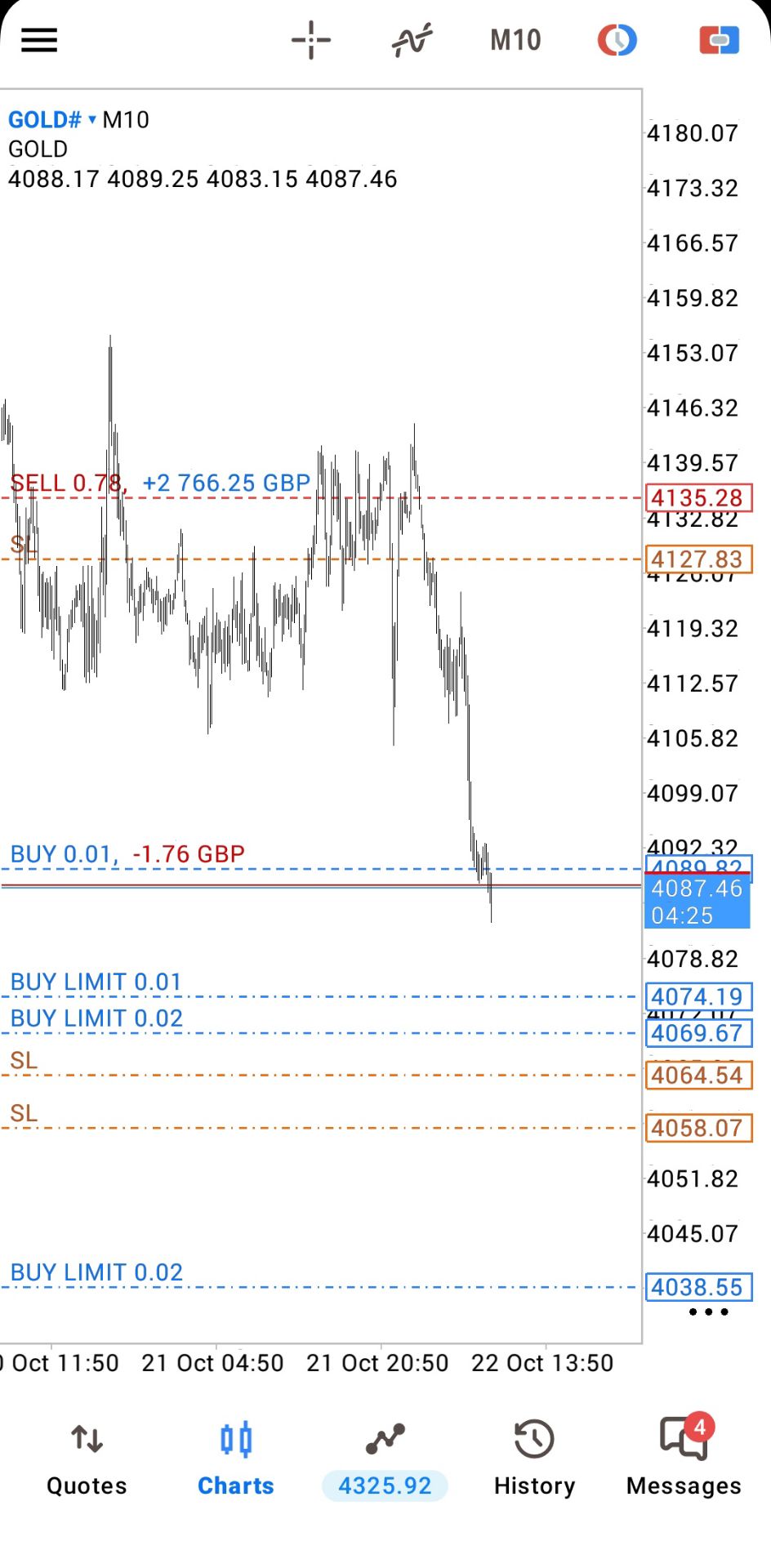
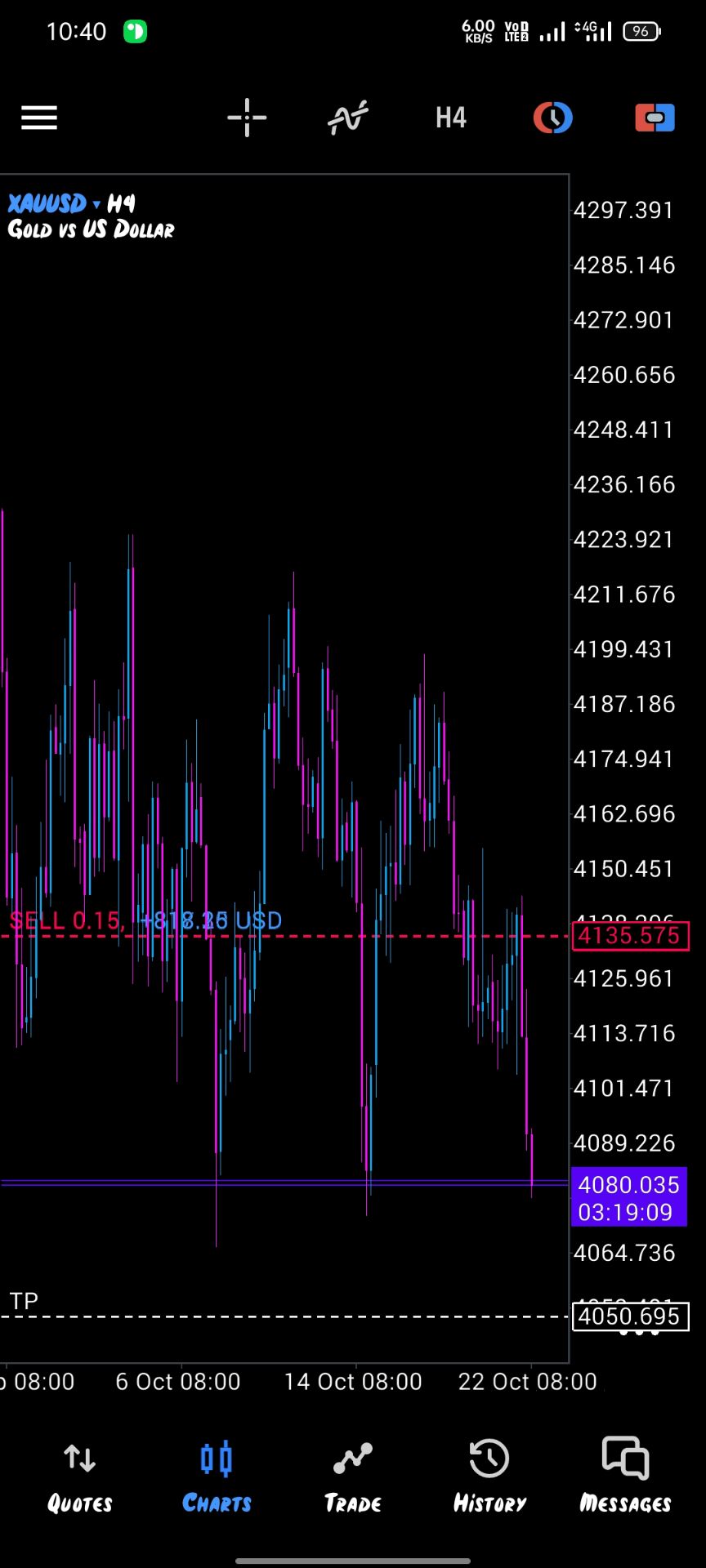
    till gold trading below 4995.80 I will short every rise CMP 4935.
    4935 to now 4897
    EuroTrader flag
    Nawhdir Øt
    @Nawhdir ØtCousin you can see the bull flag pattern. That's a bullish continuation pattern
    Nawhdir Øt flag
    SlowBear ⛅
    @SlowBear ⛅Yes, maybe after that it will be ATH again in the next few days?
    Nawhdir Øt flag
    EuroTrader flag
    Nawhdir Øt
    @Nawhdir Øtthe bear marksts have really started in Gold. Did you get to see what silver did yesterday? silver is down 10 r% this moerning
    EuroTrader flag
    7W65JD58RM flag
    Will gold break new highs in the future?
    EuroTrader flag
    "EuroTrader" recalled a message
    SlowBear ⛅ flag
    Nawhdir Øt
    @Nawhdir Øtyes bro that is a very big possibity, i actually sat longer than necessary on the current buy on CHFJPY waiting for anothr drop that did not come same as CADJPY
    EuroTrader flag
    EuroTrader
    @Nawhdir ØtThis is the before and after of the silver trade i called yesterday in the chatroom
    Nawhdir Øt flag
    EuroTrader
    @EuroTradercorrect, yesterday 31%?
    SlowBear ⛅ flag
    Nawhdir Øt
    @Nawhdir ØtAnd knowing CHFJPY for her wild move, i say a fresh al time high is highly possible, but i would not want the BoJ intervention mesing that up so caution is advised
    Nawhdir Øt flag
    SlowBear ⛅
    @SlowBear ⛅In a situation like this, you can force yourself to buy CHF/JPY anywhere, but with a minimum lot.
    Type here...
    Add Symbol or Code

      No matching data

      All
      Trump Updates
      Recommend
      Stocks
      Cryptocurrencies
      Central Banks
      Featured News
      • All
      • Russia-Ukraine Conflict
      • Middle East Flashpoint
      • All
      • Russia-Ukraine Conflict
      • Middle East Flashpoint
      Search
      Products

      Charts Free Forever

      Chats Q&A with Experts
      Screeners Economic Calendar Data Tools
      Membership Features
      Data Warehouse Market Trends Institutional Data Policy Rates Macro

      Market Trends

      Market Sentiment Order Book Forex Correlations

      Top Indicators

      Charts Free Forever
      Markets

      News

      News Analysis 24/7 Columns Education
      From Institutions From Analysts
      Topics Columnists

      Latest Views

      Latest Views

      Trending Topics

      Top Columnists

      Latest Update

      Signals

      Copy Rankings Latest Signals Become a signal provider AI Rating
      Contests
      Brokers

      Overview Brokers Assessment Rankings Regulators News Claims
      Broker listing Forex Brokers Comparison Tool Live Spread Comparison Scam
      Q&A Complaint Scam Alert Videos Tips to Detect Scam
      More

      Business
      Events
      Careers About Us Advertising Help Center

      White Label

      Broker API

      Data API

      Web Plug-ins

      Affiliate Program

      Awards Institution Evaluation IB Seminar Salon Event Exhibition
      Vietnam Thailand Singapore Dubai
      Fans Party Investment Sharing Session
      FastBull Summit BrokersView Expo
      Recent Searches
        Top Searches
          Markets
          News
          Analysis
          User
          24/7
          Economic Calendar
          Education
          Data
          • Names
          • Latest
          • Prev

          View All

          No data

          Scan to Download

          Faster Charts, Chat Faster!

          Download App
          English
          • English
          • Español
          • العربية
          • Bahasa Indonesia
          • Bahasa Melayu
          • Tiếng Việt
          • ภาษาไทย
          • Français
          • Italiano
          • Türkçe
          • Русский язык
          • 简中
          • 繁中
          Open Account
          Search
          Products
          Charts Free Forever
          Markets
          News
          Signals

          Copy Rankings Latest Signals Become a signal provider AI Rating
          Contests
          Brokers

          Overview Brokers Assessment Rankings Regulators News Claims
          Broker listing Forex Brokers Comparison Tool Live Spread Comparison Scam
          Q&A Complaint Scam Alert Videos Tips to Detect Scam
          More

          Business
          Events
          Careers About Us Advertising Help Center

          White Label

          Broker API

          Data API

          Web Plug-ins

          Affiliate Program

          Awards Institution Evaluation IB Seminar Salon Event Exhibition
          Vietnam Thailand Singapore Dubai
          Fans Party Investment Sharing Session
          FastBull Summit BrokersView Expo

          Xi Calls Trump, Putin to Navigate Global Tensions

          Michael Ross

          Remarks of Officials

          Political

          China–U.S. Trade War

          Russia-Ukraine Conflict

          Summary:

          Xi Jinping balances U.S. tensions and Russian alignment, reflecting China's complex diplomatic strategy.

          Chinese President Xi Jinping recently held separate phone calls with U.S. President Donald Trump and Russian President Vladimir Putin, addressing critical global issues as Beijing works to manage its key international relationships.

          The discussions reflect China's strategy of solidifying its partnership with Moscow while navigating persistent tensions with Washington over trade, Taiwan, and international security.

          Xi and Trump: A Push for "Mutual Respect"

          According to official accounts from both nations, the conversation between Xi and Trump covered a wide range of topics, including Iran, trade, Taiwan, and Russia's war in Ukraine.

          President Trump described the call as "excellent" on his Truth Social platform, noting that his personal relationship with Xi remains "extremely good."

          From the Chinese side, the focus was on de-escalation and building trust. Xi reportedly told Trump that disputes between the world's two largest economies could be resolved "one by one," fostering incremental progress. He outlined a vision for U.S.-China relations built on "mutual respect, peaceful coexistence and win-win cooperation," framing 2026 as a pivotal year for stabilizing bilateral ties.
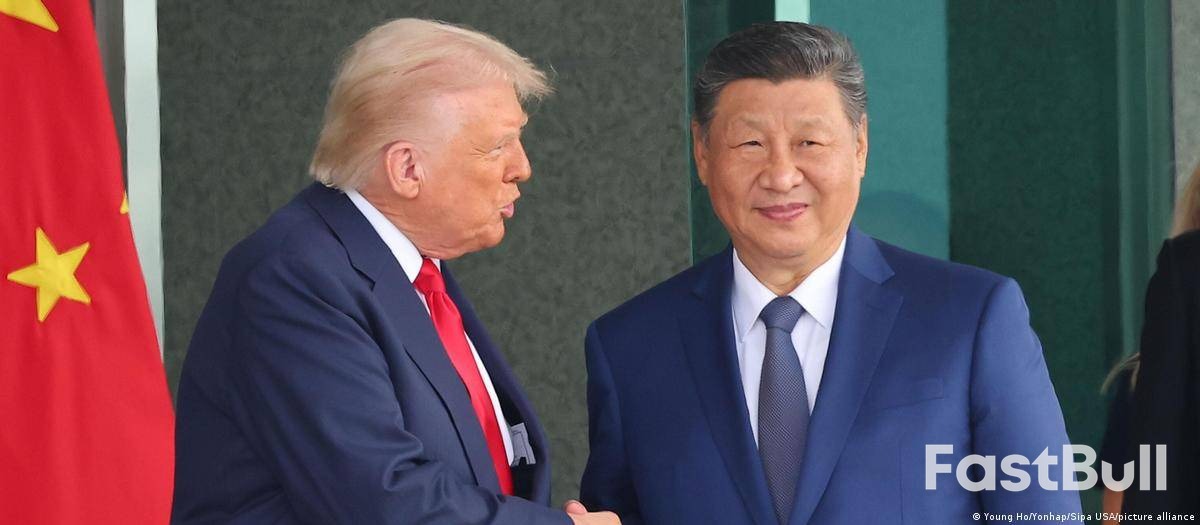
          Figure 1: U.S. President Donald Trump and Chinese President Xi Jinping's recent call focused on stabilizing relations amid ongoing economic and geopolitical friction.

          Taiwan Remains a Core Friction Point

          A central message from Beijing concerned Taiwan. Chinese state broadcaster CCTV reported that Xi warned Trump to proceed with "caution" on the issue.

          Taiwan continues to be one of the most sensitive subjects in U.S.-China relations. Beijing consistently opposes American arms sales and political support for Taipei, highlighting the island as a major point of strategic friction even as both leaders emphasize the need for stability.

          Beijing and Moscow: Deepening a Strategic Partnership

          In his separate call with Vladimir Putin, Xi signaled a desire for deeper cooperation with Russia. Both leaders have consistently portrayed their relationship as a source of stability in an uncertain global landscape.

          The partnership comes as European leaders continue to pressure China to withdraw its support for Russia, which is facing Western economic sanctions.

          Russian state television broadcast Putin's opening remarks, in which he reaffirmed the alignment between the two countries. "I would like to once again assure you of firm support for our shared efforts to ensure the sovereignty and security of our countries, our socio-economic welfare and the right to choose our own development path," Putin stated.

          Risk Warnings and Disclaimers
          You understand and acknowledge that there is a high degree of risk involved in trading. Following any strategies or investment methods may lead to potential losses. The content on the site is provided by our contributors and analysts for information purposes only. You are solely responsible for determining whether any trading assets, securities, strategy, or any other product is suitable for investing based on your own investment objectives and financial situation.
          Add to Favorites
          Share

          EU Sanctions Squeeze Russia's War Economy Toward Tipping Point

          Isaac Bennett

          Energy

          Political

          Remarks of Officials

          Russia-Ukraine Conflict

          Economic

          The European Union's sanctions are inflicting a "significant impact" on Russia's economy, which could reach an unsustainable breaking point by 2026, according to the EU's top sanctions envoy, David O'Sullivan. Speaking ahead of the fourth anniversary of the full-scale invasion of Ukraine, the veteran official expressed confidence that the unprecedented economic measures are working as intended.

          O'Sullivan acknowledged that sanctions are "not a silver bullet" and will always face attempts at circumvention. However, he remains optimistic about their long-term effects on Moscow's ability to finance its war.

          The EU's economic sanctions aim to pressure the administration of Russian President Vladimir Putin over the war in Ukraine.

          "I am fairly bullish," he stated, noting that the pressure is building. "Defying the laws of economic gravity can only go on for so long."

          Sanctions Take a Toll on Russia's Economy

          The core of O'Sullivan's argument is that Russia's pivot to a war economy is severely distorting its entire financial structure at the expense of its civil sector. This strain is manifesting in key economic indicators. Russia is currently grappling with inflation running at about 6% and interest rates set at a high of 16%.

          Vladimir Putin's war machine is also facing shrinking revenues. According to Russia's own finance ministry, federal budget revenues from oil and gas—the lifeblood of the economy—were halved in January, falling to their lowest point since July 2020. This economic pressure comes as Russia intensifies its attacks on Ukraine's energy infrastructure during a harsh winter.

          Cracking Down on Sanction Evasion

          Appointed in December 2022, O'Sullivan's primary mission is to counter the evasion and circumvention of EU sanctions. The EU has launched an unprecedented 19 rounds of sanctions since 2022, targeting over 2,700 individuals and entities and restricting trade across sectors like energy, aviation, IT, and luxury goods.

          A key focus has been persuading non-EU countries to prevent the re-export of European goods to Russia, particularly components that can be repurposed for military use. O'Sullivan noted some success in stemming the flow of critical products through Central Asia, the Caucasus, Turkey, Serbia, the UAE, and Malaysia. He clarified that in most cases, this circumvention is driven by "economic operators seeing economic opportunity" rather than by deliberate government policy.

          The China Factor: A "No-Limits" Challenge

          China, however, stands out as an exception. O'Sullivan described Beijing as "clearly sort of backfilling and providing support" to Moscow, though he stopped short of accusing it of supplying direct military equipment.

          He said that when EU leaders raise this concern with their Chinese counterparts, the response is consistently dismissive. "The answer is always the same: 'Nothing to see here. We don't know what you're talking about. We don't see any problem.'"

          Targeting Russia's Shadow Oil Fleet

          The EU has also claimed significant success in disrupting Russia's "shadow fleet"—a collection of aging oil tankers with obscure ownership used to transport crude to markets in China and India. By December, nearly 600 of these vessels had been placed under EU sanctions.

          "We've been very successful in getting flag states to remove their flags from sanctioned vessels," O'Sullivan said. "I think we have tightened the screws on that particular form of circumvention, very considerably. I think the Russians are struggling to keep the oil flowing."

          The India Dilemma and US Criticism

          Despite these efforts, the EU has faced criticism from the United States for not going far enough. U.S. Treasury Secretary Scott Bessent recently accused the EU of "financing the war against themselves" by signing a trade deal with India without securing tougher commitments on Russian oil purchases. Since the invasion, India has become one of the top global buyers of discounted Russian crude.

          O'Sullivan defended the EU's engagement with India, arguing that cooperation is more effective than isolation. He highlighted several key actions taken before the trade deal was signed:

          • EU sanctions were imposed on a large Indian refinery.

          • The EU banned imports of refined products made from Russian crude, including those from India.

          • The Adani Group, owner of 14 Indian ports, decided to block access to sanctioned tankers.

          "India is a hugely important country," O'Sullivan stated, "and I think we gain much more by engaging with it, even if we don't always agree with every Indian foreign policy position."

          Stemming the Flow of Western Tech to Russia's Military

          A critical area of focus for O'Sullivan's team is a "common high-priority list" of 300 products. These items, such as memory cards, optical readers, and circuit boards, are not classified as dual-use goods requiring export licenses but have been consistently found inside deconstructed Russian drones, missiles, and helicopters.

          The fact that these components originate from Western countries—including the US, EU, Switzerland, and the UK—is "embarrassing for us all," O'Sullivan admitted. He added that awareness among EU member states about this supply chain vulnerability has grown, and while the problem has been reduced, it has not been completely eliminated.

          To stay updated on all economic events of today, please check out our Economic calendar
          Risk Warnings and Disclaimers
          You understand and acknowledge that there is a high degree of risk involved in trading. Following any strategies or investment methods may lead to potential losses. The content on the site is provided by our contributors and analysts for information purposes only. You are solely responsible for determining whether any trading assets, securities, strategy, or any other product is suitable for investing based on your own investment objectives and financial situation.
          Add to Favorites
          Share

          Hong Kong Tech Shares Slide Into Bear Market as Policy Anxiety and AI Disruption Weigh on Sentiment

          Gerik

          Economic

          Stocks

          Hang Seng Tech Enters Bear Market Territory

          China’s Hong Kong–listed technology shares extended their losses on Thursday, pushing the Hang Seng Tech Index more than 20% below its October peak and formally into bear market territory. The index declined for a sixth consecutive session, underscoring how quickly sentiment has shifted after a strong rebound in 2025. The move reflects a sharp reassessment of risk rather than a sudden collapse in company earnings, suggesting that valuation compression and policy uncertainty are playing a dominant role.
          The Hang Seng Tech Index, heavily weighted toward mainland Chinese internet and platform companies, fell more than 1% in the latest session. While the absolute decline appears modest, the cumulative drawdown highlights how vulnerable high-beta sectors have become amid a broader risk-off environment in global technology markets.

          Tax Policy Fears Reignite Regulatory Anxiety

          A central driver of the sell-off has been renewed concern over a potential increase in value-added tax on internet services. This anxiety follows a VAT hike that has already been implemented on certain telecom services, prompting investors to speculate that online platforms could be next. Although Chinese officials moved to dismiss rumors of a levy on the online gaming industry earlier this week, the initial speculation was enough to revive memories of past regulatory tightening.
          Qi Wang of UOB Kay Hian noted that the recent decline is closely linked to these VAT concerns, particularly around internet services, online gaming, and digital transactions. The relationship here is largely causal in perception rather than confirmed policy action, as uncertainty itself has become sufficient to depress valuations in a sector still sensitive to regulatory signals after years of intervention.

          Global AI Shockwaves Add To Selling Pressure

          The downturn in Chinese tech stocks has coincided with heightened volatility across global technology markets, amplifying downside pressure. According to Morningstar’s Phelix Lee, investors are reacting to a cluster of negative global developments rather than a single catalyst. Reports of AI tools automating legal work have sparked fears for software companies, while speculation around tensions between major AI players such as Nvidia and OpenAI has weighed on the broader hardware and artificial intelligence trade.
          These developments are best understood as a correlation effect, where global tech risk aversion spills into Chinese equities regardless of direct exposure. As global investors reduce technology allocations more broadly, Hong Kong–listed Chinese tech shares have been caught in the crossfire, particularly given their strong gains earlier in the cycle.

          Correction Or Structural Downturn

          Despite the sharp pullback, not all market participants view the move as the start of a prolonged downturn. Morningstar analysts argue that recent weakness has been concentrated in segments that previously outperformed, suggesting a corrective adjustment rather than a collapse in fundamentals. Lorraine Tan, director of equity research for Asia at Morningstar, described the move as a healthy pullback from levels that may have overshot fair value.
          This interpretation points to a valuation-driven correction rather than a deterioration in earnings capacity. In that sense, the bear market label reflects price action more than a fundamental break in the sector’s long-term growth story.

          Fundamentals Remain Intact Despite Near-Term Uncertainty

          Other asset managers echo the view that the underlying outlook for Chinese technology firms has not materially worsened. Vey-Sern Ling of Union Bancaire Privée emphasized that recent regulatory noise in areas such as travel and e-commerce appears specific rather than systemic. While near-term catalysts remain limited and policy uncertainty persists, valuations are increasingly seen as supportive after the sell-off.
          Ling noted that sector earnings still have room to rebound and that artificial intelligence could provide future growth drivers once market sentiment stabilizes. In this context, current weakness reflects a pause in optimism rather than a rejection of the sector’s longer-term prospects.
          As tax policy concerns and global AI-related uncertainty continue to dominate headlines, volatility in Hong Kong–listed Chinese technology stocks is likely to persist. The recent slide into bear market territory marks a psychological turning point, but whether it evolves into a deeper downturn will depend on policy clarity and the re-emergence of credible growth catalysts. For now, the sector appears caught between unresolved short-term fears and a longer-term narrative that remains cautiously constructive.

          Source: CNBC

          To stay updated on all economic events of today, please check out our Economic calendar
          Risk Warnings and Disclaimers
          You understand and acknowledge that there is a high degree of risk involved in trading. Following any strategies or investment methods may lead to potential losses. The content on the site is provided by our contributors and analysts for information purposes only. You are solely responsible for determining whether any trading assets, securities, strategy, or any other product is suitable for investing based on your own investment objectives and financial situation.
          Add to Favorites
          Share

          South Korea Navigates US-China Mineral Divide

          King Ten

          Political

          Remarks of Officials

          China–U.S. Trade War

          Commodity

          Economic

          South Korea is executing a delicate dual strategy to secure its supply of critical minerals, essential materials for its world-leading semiconductor and electric vehicle battery sectors. While joining a new U.S.-led alliance designed to reduce reliance on China, Seoul is simultaneously pursuing closer cooperation with Beijing to ensure a stable flow of these vital resources.

          Seeking Stability Through Direct Engagement with China

          Recognizing its vulnerability, South Korea's trade ministry has announced plans to establish a direct hotline and a joint committee with Chinese authorities. The goal is to help South Korean companies import Chinese minerals more quickly and reliably.

          This move addresses a core dependency: South Korea lacks a complete domestic supply chain for rare earths and other critical minerals. The situation grew more precarious in October when Beijing expanded its control over rare earth exports, a move that South Korea's trade ministry noted increased instability in global supply chains. By opening direct channels, Seoul aims to mitigate the risks of unexpected shortages and navigate China's tightening export policies.

          Diversifying Sources with a US-Led Alliance

          At the same time, South Korea is actively diversifying its sourcing away from China. The country was recently chosen to chair the Forum on Resource Geostrategic Engagement (FORGE), a preferential trade bloc for critical minerals unveiled by Washington. This alliance aims to prevent any single country from using resource supply chains as a tool for geopolitical leverage.

          As chair of the bloc through June, South Korean Foreign Minister Cho Hyun stated that Seoul will boost coordination with partners and promote investment in projects to secure supply chains.

          Domestically, the government is taking several concrete steps:

          • Strategic Designation: Authorities will designate 17 specific minerals as critical for national security, placing their supply chains under tighter monitoring and analysis.

          • Global Partnerships: Seoul will deepen cooperation with other nations, including the United States, Vietnam, and Laos, to develop alternative sources.

          • Financial Support: The government plans to allocate 250 billion won (US$172.35 million) in state funds to support local companies developing overseas mines.

          A Diplomatic Approach to Geopolitical Risk

          This two-pronged strategy highlights South Korea's pragmatic approach to a complex geopolitical landscape. While the U.S. has taken aggressive steps to secure its own critical mineral supplies, Seoul is adopting a more diplomatic path.

          By engaging directly with China while simultaneously building resilience with Western allies, South Korea is attempting to insulate its critical manufacturing industries from the escalating competition over strategic resources.

          To stay updated on all economic events of today, please check out our Economic calendar
          Risk Warnings and Disclaimers
          You understand and acknowledge that there is a high degree of risk involved in trading. Following any strategies or investment methods may lead to potential losses. The content on the site is provided by our contributors and analysts for information purposes only. You are solely responsible for determining whether any trading assets, securities, strategy, or any other product is suitable for investing based on your own investment objectives and financial situation.
          Add to Favorites
          Share

          Why the Malaysian Ringgit Continues to Outperform Asia

          Michael Ross

          Data Interpretation

          Daily News

          Remarks of Officials

          Forex

          Economic

          The Malaysian ringgit, Asia's top-performing currency over the past year, may have more room to strengthen, according to Second Finance Minister Amir Hamzah Azizan. Citing the country's robust economic performance, he signaled that growth forecasts could be revised upward.

          In a Feb. 4 interview with Bloomberg TV, Amir stated that the ringgit was undervalued in 2025 and the market is now adjusting to that reality. He noted that inflows into Malaysia's equity and bond markets in January helped strengthen the currency, a trend he expects will continue.

          "I think the ringgit still has potential because growth is still intact in this country and it's still growing well," he commented. This follows a prediction he made four months earlier, correctly forecasting the currency would strengthen past the four-per-dollar mark against the US dollar.

          Malaysia's Economy Defies Global Headwinds

          For now, Malaysia’s economy has proven resilient in the face of US tariffs, a factor that prompted the central bank to hold its benchmark interest rate steady since July. The nation's economic momentum is outpacing much of Southeast Asia, supported by resilient domestic demand.

          Key drivers include strong investment flows into several high-growth sectors:

          • Electronics

          • Data centers

          • Energy transition projects

          These investments are helping to cushion the economy from turbulence in global trade.

          Strong GDP Growth Fuels Currency Rally

          Malaysia's economic expansion hit 4.9% in 2025, exceeding the government's own forecast of 4% to 4.8%. While the official forecast for 2026 is a more moderate 4% to 4.5%, Amir expressed optimism that Bank Negara Malaysia might revise this estimate upward in the coming months. He also added that he sees no catalyst for inflation to rise this year.

          This strong economic foundation is translating directly into currency performance. The ringgit has gained 3% in 2026, building on a 10% surge in 2025. This rally is attributed to structural factors like investment flows and growth momentum, not just the broad weakness of the US dollar.

          Fiscal Consolidation Bolsters Investor Confidence

          The government is also focused on improving its fiscal health to attract investors. Malaysia aims to narrow its budget deficit to 3.5% of gross domestic product in 2026, down from a target of 3.8% in 2025. Amir noted that the 3.8% target for 2025 was "within reach," with final numbers expected by the end of February.

          To achieve this, Prime Minister Anwar Ibrahim's administration is counting on better tax collection and reduced subsidy spending, even as it contends with lower petroleum-related revenue and a relative slowdown in growth.

          Amir emphasized that the government is deliberately reducing its reliance on oil and gas revenues. He stated that the current oil price range was already factored into the budget.

          "The key for Malaysia was the diversification," he explained. "The more we push for economic diversification, the more we improve our fiscal space and tax collections, the resilience of the fiscal space of the government is much better."

          To stay updated on all economic events of today, please check out our Economic calendar
          Risk Warnings and Disclaimers
          You understand and acknowledge that there is a high degree of risk involved in trading. Following any strategies or investment methods may lead to potential losses. The content on the site is provided by our contributors and analysts for information purposes only. You are solely responsible for determining whether any trading assets, securities, strategy, or any other product is suitable for investing based on your own investment objectives and financial situation.
          Add to Favorites
          Share

          Silver Shock Reverses Rally as Speculative Excess Unwinds Across Metals

          Gerik

          Economic

          Commodity

          Silver’s Collapse Signals A Sudden Shift In Market Mood

          Silver prices experienced an abrupt reversal on Thursday, plunging as much as 17% and wiping out a two-day recovery that had followed one of the most violent routs in the metal’s trading history. After briefly trading above $90 an ounce during early Asian hours, spot silver retreated sharply, falling more than one third from its all-time high reached on January 29. The scale and speed of the decline highlight how fragile market confidence had become after a rally that advanced too rapidly and relied heavily on speculative momentum.
          This sharp move reflects a broader deterioration in investor sentiment rather than a single fundamental trigger. According to Christopher Wong of Oversea-Chinese Banking Corp., weakening confidence across equities and metals has created a feedback loop, with falling prices reinforcing risk aversion amid thin liquidity conditions. In such an environment, price discovery becomes distorted, amplifying downside moves once selling pressure accelerates.

          Gold And Base Metals Caught In The Downdraft

          The sell-off was not confined to silver. Spot gold dropped as much as 3.5% in volatile trading, while copper slid more than 1%, slipping below $13,000 a ton. These moves suggest a strong correlation between precious and base metals during periods of heightened risk reduction, rather than isolated supply-demand dynamics within individual markets. As investors reassessed exposure across commodities, the liquidation spilled over into assets that had previously benefited from the same speculative enthusiasm.
          Last month’s surge in precious metals was driven by a combination of speculative momentum, geopolitical uncertainty, and concerns over the independence of the U.S. central bank. Investors accumulated large positions, reinforced by heavy inflows into leveraged exchange-traded products and aggressive call-option buying. This buildup created an asymmetric risk profile, where even modest selling pressure could trigger outsized price moves.
          When prices began to fall sharply during Asian trading hours last Friday, the unwinding process intensified. Although dip-buying provided temporary support earlier this week, it failed to establish a durable floor. The renewed collapse indicates that speculative positions continue to unwind, a relationship better described as correlation between leveraged exposure and volatility rather than a direct reaction to new macroeconomic data.

          Monetary Policy Uncertainty Adds To Volatility

          Markets are also digesting the policy implications of Kevin Warsh’s nomination as Federal Reserve chair. President Donald Trump stated that he would not have nominated Warsh had he favored interest rate hikes, reinforcing expectations of further monetary easing. In theory, lower interest rates support non-yielding assets such as gold and silver. However, in the near term, uncertainty around policy direction has increased volatility rather than providing clear support.
          Analysts at Standard Chartered Plc noted that gold prices are likely to remain unstable until there is greater clarity on the monetary outlook. They also pointed out that redemptions from exchange-traded products may continue to pressure prices in the short run, even as longer-term structural drivers remain intact.

          Why Silver’s Swings Are Exceptionally Large

          Silver has historically been more volatile than gold due to its smaller market size and lower liquidity. Recent price action, however, stands out even by those standards. Heavy speculative inflows combined with thinner over-the-counter trading conditions magnified price fluctuations, turning normal corrections into extreme swings. Bloomberg strategists highlighted the importance of the $70 level as a psychological threshold, warning that a sustained move into the $60s could deepen risk aversion across asset classes.
          As of midday trading in Singapore, silver had fallen 12.7% to $76.99 an ounce, while spot gold slipped 1.7% to $4,881.35. With speculative excess still being unwound and monetary policy uncertainty unresolved, precious metals are likely to remain volatile in the near term. While longer-term drivers such as geopolitical risk and accommodative policy expectations may eventually reassert themselves, current price behavior suggests markets are still in the process of recalibrating after a rally that moved faster than underlying fundamentals could support.

          Source: Bloomberg

          To stay updated on all economic events of today, please check out our Economic calendar
          Risk Warnings and Disclaimers
          You understand and acknowledge that there is a high degree of risk involved in trading. Following any strategies or investment methods may lead to potential losses. The content on the site is provided by our contributors and analysts for information purposes only. You are solely responsible for determining whether any trading assets, securities, strategy, or any other product is suitable for investing based on your own investment objectives and financial situation.
          Add to Favorites
          Share

          Democrats Press For ICE Constraints As Homeland Security Funding Clock Ticks Down

          Gerik

          Political

          Funding Deadline Raises Stakes In Immigration Debate

          With Department of Homeland Security funding scheduled to expire on February 13, immigration enforcement has re-emerged as a central flashpoint in Washington’s budget negotiations. While Congress approved a broader federal spending package earlier this week, lawmakers only extended DHS funding on a short-term basis, signaling unresolved disagreements over how immigration authorities should operate under the current administration. This compressed timeline has increased political pressure on both parties to clarify their positions, even as the prospects for compromise remain uncertain.
          Senate Democratic Leader Chuck Schumer and House Democratic Leader Hakeem Jeffries formally presented their opening position in a letter to House Speaker Mike Johnson and Senate Majority Leader John Thune. The proposal outlines ten measures intended to constrain Immigration and Customs Enforcement operations, framing the issue around civil liberties, accountability, and the use of public funds.
          Their demands include limits on officers entering private property without judicial warrants, requirements to verify citizenship status before detention, mandatory use of body cameras and identification badges, and restrictions on officers covering their faces. The letter also calls for barring enforcement actions near schools, hospitals, churches, courts, and polling places, alongside protections against stops based on occupation, language, accent, or race. Democrats further propose expanded officer training, stricter detention facility standards, and clearer coordination rules between federal agents and state or local authorities. In their framing, these measures are presented as safeguards against community disruption rather than a rejection of immigration enforcement itself.

          Republican Pushback And Negotiation Dynamics

          Republican response has been swift and critical. Senator Katie Britt, a member of the Senate Appropriations Committee and a designated negotiator for her party, publicly dismissed the Democratic proposal as unrealistic and politically performative. Her reaction highlights the broader skepticism within Republican ranks, even though some individual elements, such as body cameras and additional training, have previously drawn bipartisan interest.
          Any final agreement faces significant procedural hurdles. A funding deal must secure a majority in the House, at least 60 votes in the Senate, and the signature of President Donald Trump. These thresholds underscore how even modest policy disagreements can stall progress when margins are tight and political incentives diverge.

          Recent Incidents Add Political Pressure

          The funding dispute has been shaped by recent high-profile incidents involving federal immigration officers. The death of U.S. citizen Alex Pretti during a confrontation with Border Patrol officers in Minneapolis, followed weeks later by the fatal shooting of Renee Good by an ICE agent, intensified scrutiny of enforcement practices. These events amplified political backlash from both parties and elevated public attention ahead of the funding talks.
          In response to mounting criticism, the Trump administration moved to scale back its operations in Minneapolis, with DHS announcing the removal of roughly 700 officers from the city in an effort to reduce tensions. President Trump acknowledged the controversy in a televised interview, suggesting that enforcement tactics may require adjustment while maintaining a firm overall stance on immigration.
          As negotiations continue, the Democratic proposal functions less as a final blueprint and more as an opening signal of priorities. The debate reflects broader tensions over immigration enforcement philosophy, civil liberties, and executive authority, all unfolding under the pressure of an imminent funding deadline. Whether the two sides can bridge their differences in time will determine not only DHS funding continuity but also the near-term direction of federal immigration enforcement policy.

          Source: Bloomberg

          Risk Warnings and Disclaimers
          You understand and acknowledge that there is a high degree of risk involved in trading. Following any strategies or investment methods may lead to potential losses. The content on the site is provided by our contributors and analysts for information purposes only. You are solely responsible for determining whether any trading assets, securities, strategy, or any other product is suitable for investing based on your own investment objectives and financial situation.
          Add to Favorites
          Share
          FastBull
          Copyright © 2026 FastBull Ltd

          728 RM B 7/F GEE LOK IND BLDG NO 34 HUNG TO RD KWUN TONG KLN HONG KONG

          TelegramInstagramTwitterfacebooklinkedin
          App Store Google Play Google Play
          Products
          Charts

          Chats

          Q&A with Experts
          Screeners
          Economic Calendar
          Data
          Tools
          Membership
          Features
          Function
          Markets
          Copy Trading
          Latest Signals
          Contests
          News
          Analysis
          24/7
          Columns
          Education
          Company
          Careers
          About Us
          Contact Us
          Advertising
          Help Center
          Feedback
          User Agreement
          Privacy Policy
          Personal Information Protection Statement
          Business

          White Label

          Broker API

          Data API

          Web Plug-ins

          Poster Maker

          Affiliate Program

          Risk Disclosure

          The risk of loss in trading financial instruments such as stocks, FX, commodities, futures, bonds, ETFs and crypto can be substantial. You may sustain a total loss of the funds that you deposit with your broker. Therefore, you should carefully consider whether such trading is suitable for you in light of your circumstances and financial resources.

          No decision to invest should be made without thoroughly conducting due diligence by yourself or consulting with your financial advisors. Our web content might not suit you since we don't know your financial conditions and investment needs. Our financial information might have latency or contain inaccuracy, so you should be fully responsible for any of your trading and investment decisions. The company will not be responsible for your capital loss.

          Without getting permission from the website, you are not allowed to copy the website's graphics, texts, or trademarks. Intellectual property rights in the content or data incorporated into this website belong to its providers and exchange merchants.

          Not Logged In

          Log in to access more features

          Connect Broker
          Become a signal provider
          Help Center
          Customer Service
          Dark Mode
          Price Up/Down Colors

          Log In

          Sign Up

          Position
          Layout
          Fullscreen
          Default to Chart
          The chart page opens by default when you visit fastbull.com