Markets
News
Analysis
User
24/7
Economic Calendar
Education
Data
- Names
- Latest
- Prev


Signal Accounts for Members
All Signal Accounts
All Contests


France Trade Balance (SA) (Oct)A:--
F: --
Euro Zone Employment YoY (SA) (Q3)A:--
F: --
Canada Part-Time Employment (SA) (Nov)A:--
F: --
P: --
Canada Unemployment Rate (SA) (Nov)A:--
F: --
P: --
Canada Full-time Employment (SA) (Nov)A:--
F: --
P: --
Canada Labor Force Participation Rate (SA) (Nov)A:--
F: --
P: --
Canada Employment (SA) (Nov)A:--
F: --
P: --
U.S. PCE Price Index MoM (Sept)A:--
F: --
P: --
U.S. Personal Income MoM (Sept)A:--
F: --
P: --
U.S. Core PCE Price Index MoM (Sept)A:--
F: --
P: --
U.S. PCE Price Index YoY (SA) (Sept)A:--
F: --
P: --
U.S. Core PCE Price Index YoY (Sept)A:--
F: --
P: --
U.S. Personal Outlays MoM (SA) (Sept)A:--
F: --
U.S. 5-10 Year-Ahead Inflation Expectations (Dec)A:--
F: --
P: --
U.S. Real Personal Consumption Expenditures MoM (Sept)A:--
F: --
U.S. Weekly Total Rig CountA:--
F: --
P: --
U.S. Weekly Total Oil Rig CountA:--
F: --
P: --
U.S. Consumer Credit (SA) (Oct)A:--
F: --
China, Mainland Foreign Exchange Reserves (Nov)A:--
F: --
P: --
Japan Trade Balance (Oct)A:--
F: --
P: --
Japan Nominal GDP Revised QoQ (Q3)A:--
F: --
P: --
China, Mainland Imports YoY (CNH) (Nov)A:--
F: --
P: --
China, Mainland Exports (Nov)A:--
F: --
P: --
China, Mainland Imports (CNH) (Nov)A:--
F: --
P: --
China, Mainland Trade Balance (CNH) (Nov)A:--
F: --
P: --
China, Mainland Exports YoY (USD) (Nov)A:--
F: --
P: --
China, Mainland Imports YoY (USD) (Nov)A:--
F: --
P: --
Germany Industrial Output MoM (SA) (Oct)A:--
F: --
Euro Zone Sentix Investor Confidence Index (Dec)A:--
F: --
P: --
Canada National Economic Confidence IndexA:--
F: --
P: --
U.K. BRC Like-For-Like Retail Sales YoY (Nov)--
F: --
P: --
U.K. BRC Overall Retail Sales YoY (Nov)--
F: --
P: --
Australia Overnight (Borrowing) Key Rate--
F: --
P: --
RBA Rate Statement
RBA Press Conference
Germany Exports MoM (SA) (Oct)--
F: --
P: --
U.S. NFIB Small Business Optimism Index (SA) (Nov)--
F: --
P: --
Mexico 12-Month Inflation (CPI) (Nov)--
F: --
P: --
Mexico Core CPI YoY (Nov)--
F: --
P: --
Mexico PPI YoY (Nov)--
F: --
P: --
U.S. Weekly Redbook Index YoY--
F: --
P: --
U.S. JOLTS Job Openings (SA) (Oct)--
F: --
P: --
China, Mainland M1 Money Supply YoY (Nov)--
F: --
P: --
China, Mainland M0 Money Supply YoY (Nov)--
F: --
P: --
China, Mainland M2 Money Supply YoY (Nov)--
F: --
P: --
U.S. EIA Short-Term Crude Production Forecast For The Year (Dec)--
F: --
P: --
U.S. EIA Natural Gas Production Forecast For The Next Year (Dec)--
F: --
P: --
U.S. EIA Short-Term Crude Production Forecast For The Next Year (Dec)--
F: --
P: --
EIA Monthly Short-Term Energy Outlook
U.S. API Weekly Gasoline Stocks--
F: --
P: --
U.S. API Weekly Cushing Crude Oil Stocks--
F: --
P: --
U.S. API Weekly Crude Oil Stocks--
F: --
P: --
U.S. API Weekly Refined Oil Stocks--
F: --
P: --
South Korea Unemployment Rate (SA) (Nov)--
F: --
P: --
Japan Reuters Tankan Non-Manufacturers Index (Dec)--
F: --
P: --
Japan Reuters Tankan Manufacturers Index (Dec)--
F: --
P: --
Japan Domestic Enterprise Commodity Price Index MoM (Nov)--
F: --
P: --
Japan Domestic Enterprise Commodity Price Index YoY (Nov)--
F: --
P: --
China, Mainland PPI YoY (Nov)--
F: --
P: --
China, Mainland CPI MoM (Nov)--
F: --
P: --
Italy Industrial Output YoY (SA) (Oct)--
F: --
P: --


No matching data
Latest Views
Latest Views
Trending Topics
Top Columnists
Latest Update
White Label
Data API
Web Plug-ins
Affiliate Program
View All

No data
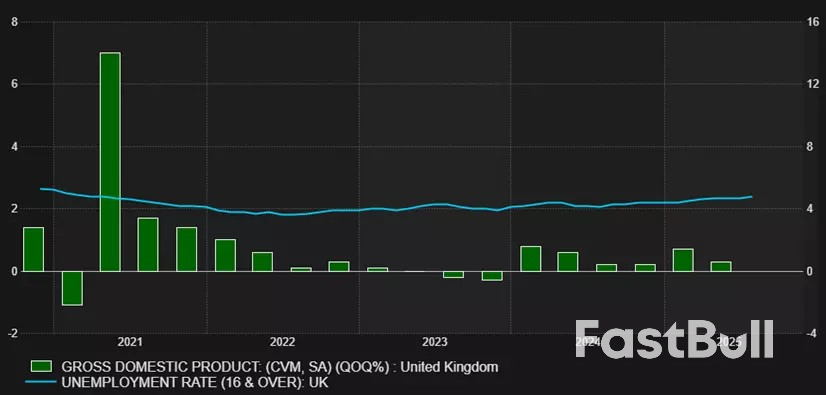
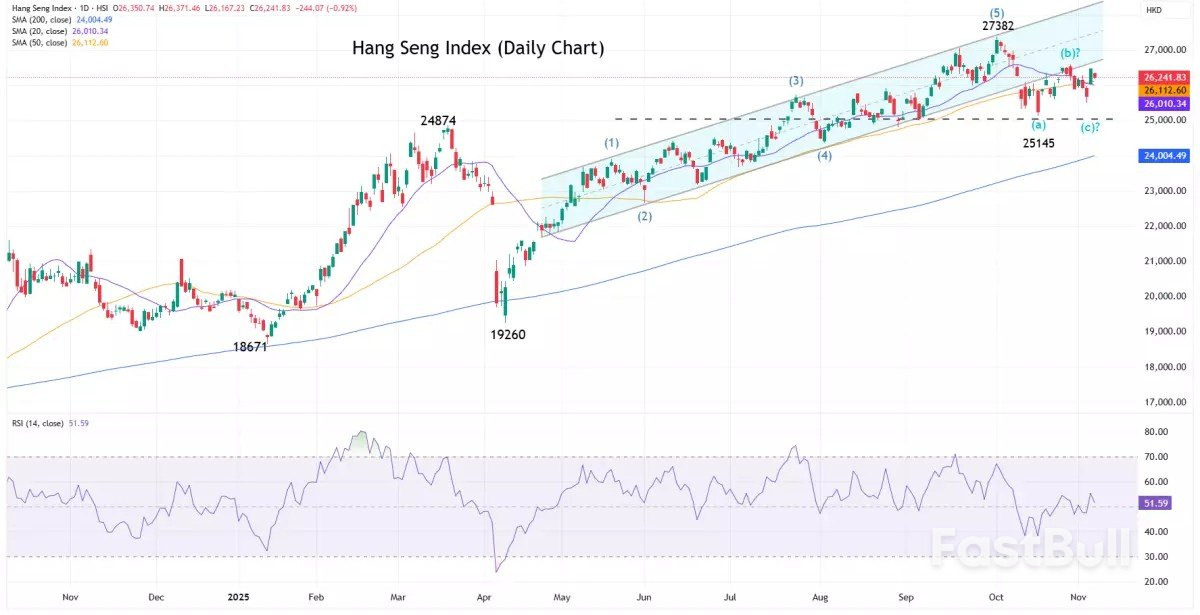
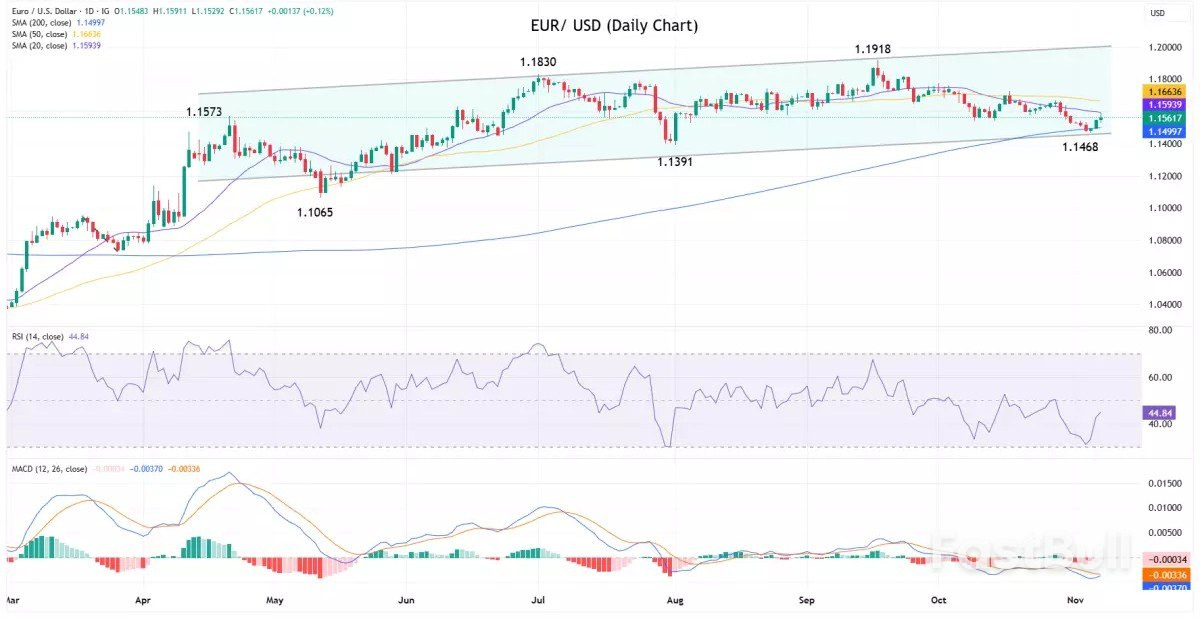
The U.S. shutdown hit services and data, while tech stocks led a market pullback. Hang Seng found support, and EUR/USD stabilized. This week, focus shifts to UK and China data and final earnings reports.
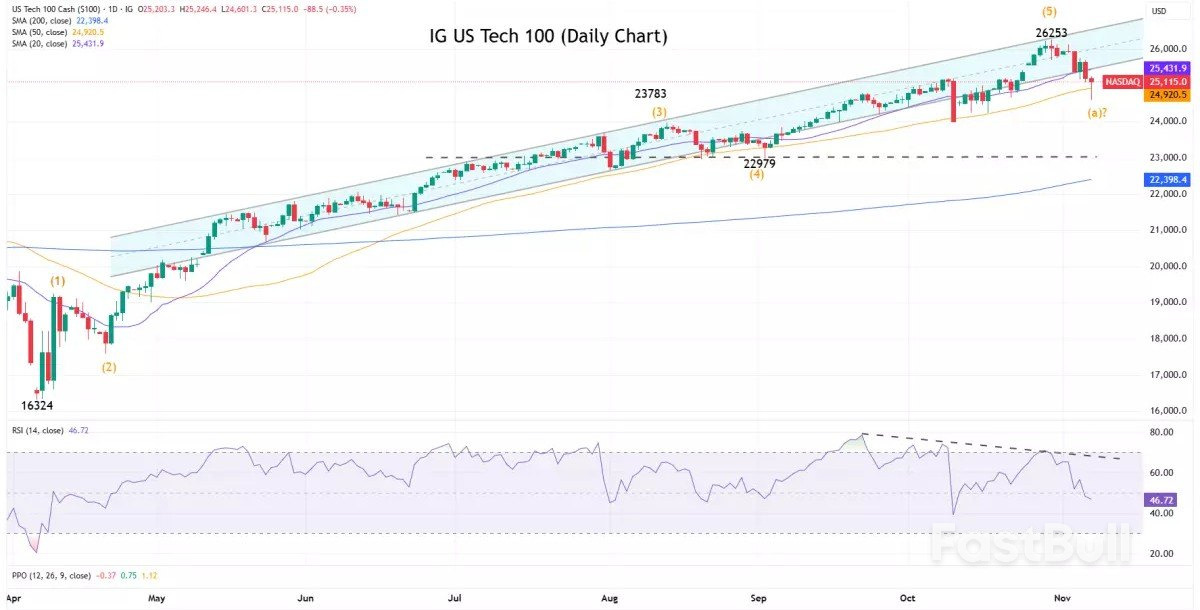
as of 9 Nov 2025. Past performance is not a reliable indicator of future performance.
as of 9 Nov 2025. Past performance is not a reliable indicator of future performance


$OVX Oil volatility index Monthly bars.
$OVX Oil volatility index. Daily bars.


The Trump administration said the US Supreme Court should keep $4 billion in food aid on hold, vowing to keep waging a legal fight to reduce or delay assistance to millions of low-income families.
The filing at the high court comes even as the Senate moves forward with a bill that would re-open the federal government — and provide full Supplemental Nutrition Assistance Program benefits for its 42 million recipients.
The disputed money is on hold through Tuesday night under an order issued last week by Justice Ketanji Brown Jackson. That order paused a federal district judge's ruling that would require full funding for the so-called SNAP program, not just the partial funding the Department of Agriculture has promised.
The Government Procurement Bill 2025, which was passed by Parliament in August, marks an important milestone in Malaysia's journey toward greater transparency, fiscal discipline and governance integrity. Positioned as a key reform under the Madani government's broader institutional agenda, the bill sets out to modernise how public funds are spent, ensure open competition in the award of contracts and restore confidence among both domestic stakeholders and international investors.
At its core, the bill mandates open tendering as the default mechanism for procurement across federal ministries, statutory bodies, state agencies, local governments and government-linked companies (GLCs). This is a clear departure from legacy practices of direct negotiation and opaque award processes that have fuelled perceptions of cronyism, leakages and inefficiency. In line with international norms such as the United Nations Commission on International Trade Law Model Law, Malaysia is signalling that business-as-usual is no longer acceptable in the management of taxpayer funds.
To enhance oversight and remedy mechanisms, the bill introduces a dedicated Procurement Appeal Tribunal, offering bidders an independent avenue to challenge perceived irregularities. The establishment of a Supplier Registration System — which screens contractors for bankruptcy, criminal records and non-compliance — adds another layer of integrity assurance.
Moreover, a series of punitive provisions have been incorporated to deter misconduct: individuals or companies found guilty of fraud, misrepresentation or falsifying documents could face penalties of at least RM1 million or up to three times the contract value, along with a maximum of five years' imprisonment. Administrative penalties of up to RM500 per day may also be imposed for continuing violations. This is a marked shift from previous practice, where procurement-related misconduct often escaped meaningful sanction. Together, these mechanisms reflect a more rules-based, deterrent-oriented approach to public procurement.
The new law places significant operational and enforcement authority in the hands of the Secretary-General of the Treasury, who is empowered to monitor compliance, initiate investigations and ensure procurement standards are adhered to across all implementing agencies. The government's aim is to standardise procurement practices across the public sector, reduce duplication and strengthen fiscal control.
Notably, the bill also introduces progressive policy elements — such as preferential access for SMEs, support for local products and services and encouragement of sustainable or green procurement practices. These inclusive features ensure that smaller enterprises and environmentally conscious vendors are not excluded from government supply chains, in line with broader national development and sustainability priorities.
In doing so, the bill seeks not only to reduce the cost of doing business with the government but also to attract responsible foreign direct investment by demonstrating that Malaysia is committed to clean governance and competitive bidding. For international firms looking to partner with or supply to the Malaysian government — particularly in infrastructure, digital systems and clean energy — the new procurement law offers greater legal certainty and reduces perceived political risk.
However, while the intent of the bill is commendable, several areas have drawn concern from civil society, policy analysts and governance watchdogs. Chief among these is the excessive discretion retained by political actors. The finance minister at the federal level — and chief ministers at the state level — have wide latitude to exempt certain projects or agencies from the bill's requirements. This opens the door for selective application of rules, particularly in high-value or politically strategic infrastructure projects. In cases where procurement boards fail to reach agreement, the minister may also override decisions, undermining the independence of the process. Critics, including Transparency International Malaysia and the Institute for Democracy and Economic Affairs, have warned that such provisions create potential for abuse and contradict the very spirit of reform.
Moreover, concerns have been raised regarding the speed and lack of consultation in the legislative process. The bill was drafted and tabled in mid-August and passed within just 15 days from tabling — without thorough parliamentary debate or sufficient input from the business community, civil society or legal experts. Transparency advocates argue that this haste risks overlooking operational blind spots and may weaken the bill's enforceability in practice. Another area flagged is the lack of mandatory public disclosure of contracts, awards and beneficial ownership — tools considered essential for enabling civic oversight and media scrutiny.
In summary, the Government Procurement Bill 2025 is a positive step forward in enhancing Malaysia's public sector governance and competitiveness. It embeds important reforms — open tenders, penalties for abuse, SME access and environmental criteria — that, if properly implemented, can uplift Malaysia's standing among international investors and the global anti-corruption community. But the real test lies in execution. Unless exemptions are tightly controlled and oversight mechanisms truly independent, political interference and opacity may continue to undermine procurement reform. The government would do well to refer the bill to the Parliamentary Select Committee on Finance and Economy for further refinement and to commit to full transparency in its implementation. Reforms are not just about passing laws—they are about delivering public value and earning public trust.
White Label
Data API
Web Plug-ins
Poster Maker
Affiliate Program
The risk of loss in trading financial instruments such as stocks, FX, commodities, futures, bonds, ETFs and crypto can be substantial. You may sustain a total loss of the funds that you deposit with your broker. Therefore, you should carefully consider whether such trading is suitable for you in light of your circumstances and financial resources.
No decision to invest should be made without thoroughly conducting due diligence by yourself or consulting with your financial advisors. Our web content might not suit you since we don't know your financial conditions and investment needs. Our financial information might have latency or contain inaccuracy, so you should be fully responsible for any of your trading and investment decisions. The company will not be responsible for your capital loss.
Without getting permission from the website, you are not allowed to copy the website's graphics, texts, or trademarks. Intellectual property rights in the content or data incorporated into this website belong to its providers and exchange merchants.
Not Logged In
Log in to access more features

FastBull Membership
Not yet
Purchase
Log In
Sign Up