• Trade
  • Markets
  • Copy
  • Contests
  • 24/7
  • Calendar
  • Q&A
  • Chats
Screeners
SYMBOL
LAST
BID
ASK
HIGH
LOW
NET CHG.
%CHG.
SPREAD
SPX
S&P 500 Index
7165.07
7165.07
7165.07
7168.60
7112.81
+56.67
+ 0.80%
--
DJI
Dow Jones Industrial Average
49230.70
49230.70
49230.70
49393.34
49085.75
-79.61
-0.16%
--
IXIC
NASDAQ Composite Index
24836.59
24836.59
24836.59
24854.04
24524.37
+398.09
+ 1.63%
--
USDX
US Dollar Index
98.310
98.310
98.390
98.710
98.290
-0.320
-0.32%
--
EURUSD
Euro / US Dollar
1.17169
1.17169
1.17191
1.17229
1.16726
+0.00347
+ 0.30%
--
GBPUSD
Pound Sterling / US Dollar
1.35281
1.35281
1.35326
1.35376
1.34531
+0.00626
+ 0.46%
--
XAUUSD
Gold / US Dollar
4709.07
4709.07
4709.07
4740.17
4657.64
+14.88
+ 0.32%
--
WTI
Light Sweet Crude Oil
93.327
93.327
93.423
96.200
91.293
-2.290
-2.39%
--

Community Accounts

Signal Accounts
--
Profit Accounts
--
Loss Accounts
--
View More

Become a signal provider

Sell trading signals to earn additional income

View More

Guide to Copy Trading

Get started with ease and confidence

View More

Signal Accounts for Members

All Signal Accounts

Best Return
  • Best Return
  • Best P/L
  • Best MDD
Past 1W
  • Past 1W
  • Past 1M
  • Past 1Y

All Contests

  • All
  • Trump Updates
  • Recommend
  • Stocks
  • Cryptocurrencies
  • Central Banks
  • Featured News
Top News Only
Share

US President Trump: We Must Take Down Iran's "nuclear Dust," And We Will Do It

Share

Trump Said He Would Resume Hosting The White House Correspondents' Association Dinner

Share

US President Trump: Virginia’s Redrawing Is Terrible, Florida Should Try It

Share

US President Trump: I Have Spoken With Russian President Putin And Ukrainian President Zelensky About The Ukraine Issue

Share

US President Trump: We Will Deal With Iran's Nuclear Issue In Negotiations

Share

US President Trump: It's Not Good That Britain Says It Will Send Ships After The War Ends

Share

US President Trump: NATO Has Not Supported US On The Iran Issue

Share

US President Trump: We Must Prevent Iran From Having Nuclear Weapons. They Cannot Have Nuclear Weapons

Share

US President Trump: King Charles Of The United Kingdom Is Coming

Share

US President Trump: Hopefully Iran Will Do Something Wise

Share

US President Trump: Among The People We Deal With Regarding Iran, Some Are Very Reasonable, But Others Are Not

Share

US President Trump: We Will Do It By Phone

Share

US President Trump: Believes The War With Iran Will End Soon And We Will Win

Share

According To Iranian Media PressTV, The Iranian Foreign Minister Held Talks With His Counterparts From Qatar And Saudi Arabia On Regional Stability

Share

US President Trump: Family Members Involved In The White House Correspondents' Dinner Shooting Know He Is Facing Difficulties

Share

US President Trump: The Gunman Suspected Of Being Involved In The White House Press Dinner Had Been Harboring Hatred For Quite Some Time

Share

US President Trump: The Manifesto Written By The Suspect In The White House Correspondents' Dinner Shooting Suggests He Is Mentally Unstable

Share

According To Al Jazeera: The Egyptian Foreign Minister Spoke With The Foreign Ministers Of Qatar And Iran

Share

US President Trump: It Was Very Difficult To Secure A Location For The White House Correspondents' Dinner

Share

US President Trump: The Gunman At The White House Correspondents' Dinner Was Reportedly Stopped On The Spot And Never Approached The Ballroom

TIME
ACT
FCST
PREV
U.S. Chicago Fed National Activity Index (Mar)

A:--

F: --

P: --
U.S. Initial Jobless Claims 4-Week Avg. (SA)

A:--

F: --

P: --
U.S. Weekly Continued Jobless Claims (SA)

A:--

F: --

P: --
Canada Industrial Product Price Index YoY (Mar)

A:--

F: --

P: --
U.S. EIA Weekly Natural Gas Stocks Change

A:--

F: --

P: --

U.S. Kansas Fed Manufacturing Production Index (Apr)

A:--

F: --

P: --

U.S. Kansas Fed Manufacturing Composite Index (Apr)

A:--

F: --

P: --

Argentina Retail Sales YoY (Feb)

A:--

F: --

P: --

U.S. Weekly Treasuries Held by Foreign Central Banks

A:--

F: --

P: --

Japan National CPI MoM (Mar)

A:--

F: --

P: --

Japan National Core CPI YoY (Mar)

A:--

F: --

P: --

Japan National CPI MoM (Not SA) (Mar)

A:--

F: --

P: --

Japan CPI MoM (Mar)

A:--

F: --

P: --

Japan National CPI YoY (Mar)

A:--

F: --

P: --

U.K. Retail Sales MoM (SA) (Mar)

A:--

F: --

P: --

U.K. Retail Sales YoY (SA) (Mar)

A:--

F: --

P: --
U.K. Core Retail Sales YoY (SA) (Mar)

A:--

F: --

P: --
Germany Ifo Business Expectations Index (SA) (Apr)

A:--

F: --

P: --
Germany IFO Business Climate Index (SA) (Apr)

A:--

F: --

P: --
Germany Ifo Current Business Situation Index (SA) (Apr)

A:--

F: --

P: --

Russia Key Rate

A:--

F: --

P: --

Brazil Current Account (Mar)

A:--

F: --

P: --

India Deposit Gowth YoY

A:--

F: --

P: --

Mexico Economic Activity Index YoY (Feb)

A:--

F: --

P: --

Mexico Unemployment Rate (Not SA) (Mar)

A:--

F: --

P: --

Canada Retail Sales MoM (SA) (Feb)

A:--

F: --

P: --
Canada Core Retail Sales MoM (SA) (Feb)

A:--

F: --

P: --
Canada Federal Government Budget Balance (Feb)

A:--

F: --

P: --

U.S. Weekly Total Rig Count

A:--

F: --

P: --

U.S. Weekly Total Oil Rig Count

A:--

F: --

P: --

China, Mainland Industrial Profit YoY (YTD) (Mar)

--

F: --

P: --

Germany GfK Consumer Confidence Index (SA) (May)

--

F: --

P: --

U.K. CBI Distributive Trades (Apr)

--

F: --

P: --

U.K. CBI Retail Sales Expectations Index (Apr)

--

F: --

P: --

Mexico Trade Balance (Mar)

--

F: --

P: --

Canada National Economic Confidence Index

--

F: --

P: --

U.S. Dallas Fed General Business Activity Index (Apr)

--

F: --

P: --

U.S. Dallas Fed New Orders Index (Apr)

--

F: --

P: --

U.S. 5-Year Note Auction Avg. Yield

--

F: --

P: --

U.S. 2-Year Note Auction Avg. Yield

--

F: --

P: --

U.K. BRC Shop Price Index YoY (Apr)

--

F: --

P: --

Japan Unemployment Rate (Mar)

--

F: --

P: --

Japan Jobs to Applicants Ratio (Mar)

--

F: --

P: --

Japan Benchmark Interest Rate

--

F: --

P: --

BOJ Monetary Policy Statement
BOJ Press Conference
Italy PPI YoY (Mar)

--

F: --

P: --

France Unemployment Class-A (Mar)

--

F: --

P: --

India Industrial Production Index YoY (Mar)

--

F: --

P: --

India Manufacturing Output MoM (Mar)

--

F: --

P: --

U.S. Weekly Redbook Index YoY

--

F: --

P: --

U.S. S&P/CS 20-City Home Price Index MoM (Not SA) (Feb)

--

F: --

P: --

U.S. S&P/CS 20-City Home Price Index (Not SA) (Feb)

--

F: --

P: --

U.S. S&P/CS 20-City Home Price Index YoY (Not SA) (Feb)

--

F: --

P: --

U.S. S&P/CS 20-City Home Price Index MoM (SA) (Feb)

--

F: --

P: --

U.S. FHFA House Price Index MoM (Feb)

--

F: --

P: --

U.S. FHFA House Price Index YoY (Feb)

--

F: --

P: --

U.S. S&P/CS 10-City Home Price Index MoM (Not SA) (Feb)

--

F: --

P: --

U.S. S&P/CS 10-City Home Price Index YoY (Feb)

--

F: --

P: --

U.S. FHFA House Price Index (Feb)

--

F: --

P: --

U.S. Conference Board Consumer Confidence Index (Apr)

--

F: --

P: --

Q&A with Experts
    • All
    • Chatrooms
    • Groups
    • Friends
    Kung Fu flag
    Nawhdir Øt
    @Kung Fuaku ada emas yang menginap 🤦🏻‍♂️😂
    @Nawhdir Øt@Nawhdir Øtwhat about swap fee. Oh I remember it does not apply to you
    Nawhdir Øt flag
    Kung Fu
    @Nawhdir Øtoh my! I don't try that any longer
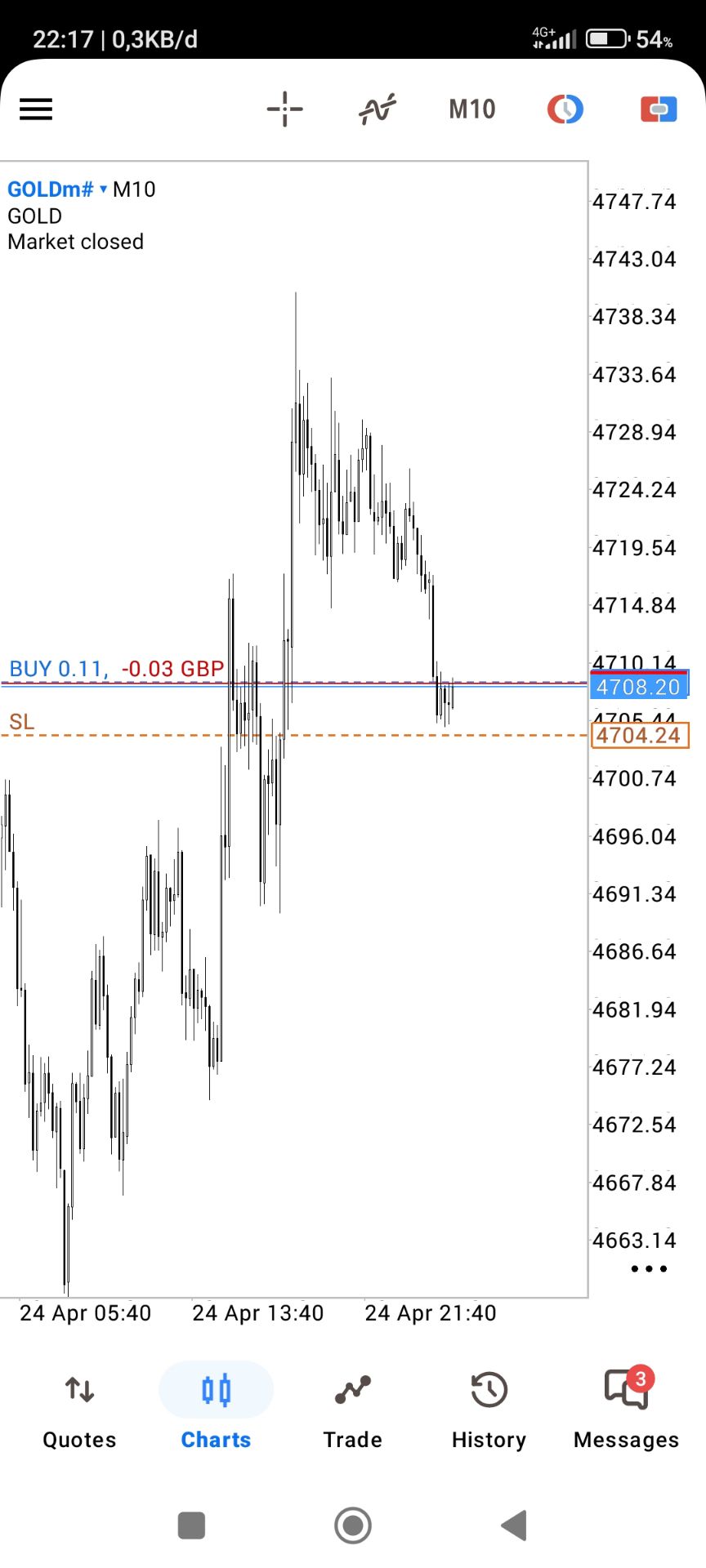
    @Kung Fu& @johnkamu sudah lihat kan ? jaraknya dekat sekali dengan SL 🤣🤣🤣🤣
    Kung Fu flag
    Nawhdir Øt
    @Kung Fu& @johnkamu sudah lihat kan ? jaraknya dekat sekali dengan SL 🤣🤣🤣🤣
    @Nawhdir Øtyeah, it is
    Nawhdir Øt flag
    Kung Fu
    @Nawhdir Øt@Nawhdir Øtwhat about swap fee. Oh I remember it does not apply to you
    @Kung Fu 0 pak. Akun islami
    john flag
    Nawhdir Øt
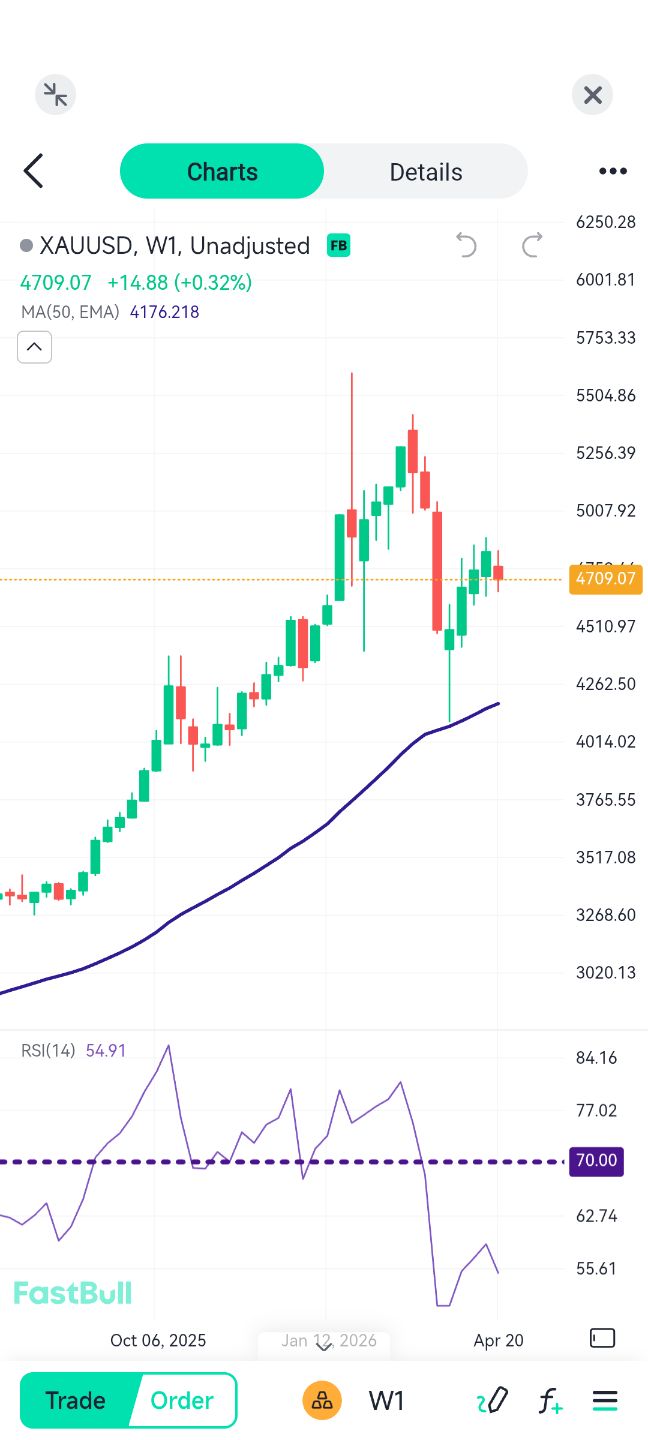
    @Nawhdir ØtInteresting that gold closed an an important support
    Nawhdir Øt flag
    Kung Fu
    @Nawhdir Øtyeah, it is
    @Kung Fukau tahu, untungnya itu bukan 11 lot. coba andai saja itu 11 lot . Matilah aku
    Kung Fu flag
    Nawhdir Øt
    @Kung Fu 0 pak. Akun islami
    @Nawhdir Øtthat's right. Swap fees are a killer if you're buying gold
    Kung Fu flag
    Nawhdir Øt
    @Kung Fukau tahu, untungnya itu bukan 11 lot. coba andai saja itu 11 lot . Matilah aku
    @Nawhdir Øt
    Nawhdir Øt flag
    john
    @Nawhdir ØtInteresting that gold closed an an important support
    @johnjumat lalu, aku meletakkan buy limit. Namun ketika harga dipicu, hampir kena SL namun gagal kena.
    Nawhdir Øt flag
    @Kung Fu@john tapi, apa yang paling dinanti. Yaitu penutup April ini. Dimana posisi emas berakhir
    Kung Fu flag
    Nawhdir Øt
    @Kung Fu@john tapi, apa yang paling dinanti. Yaitu penutup April ini. Dimana posisi emas berakhir
    @Nawhdir Øtit should end UP
    Kung Fu flag
    Nawhdir Øt flag
    Kung Fu
    @Nawhdir Øtit should end UP
    @Kung FuApril itu sampai tanggal berapa?
    Kung Fu flag
    Kung Fu
    Do you see that bounce of the 50 MA? That's a rejection candle. @Nawhdir Øt
    Kung Fu flag
    Kung Fu
    Do you see that bounce of the 50 MA? That's a rejection candle. @Nawhdir Øt
    @Nawhdir Øtgold's gonna buy next week till Thursday, 30th April or 1st May
    Nawhdir Øt flag
    Kung Fu
    @Nawhdir Øtgold's gonna buy next week till Thursday, 30th April or 1st May
    @Kung Fusebab $5.193 menunggu kita 🥲
    Kung Fu flag
    Nawhdir Øt
    @Kung Fusebab $5.193 menunggu kita 🥲
    @Nawhdir Øtwe could see this price this week
    Kung Fu flag
    Kung Fu
    @Nawhdir Øtgold's gonna buy next week till Thursday, 30th April or 1st May
    I meant this week, not next week
    Nawhdir Øt flag
    Kung Fu
    I meant this week, not next week
    @Kung Fusegitu yakinkah anda?
    Kung Fu flag
    Nawhdir Øt
    @Kung Fusegitu yakinkah anda?
    @Nawhdir Øtyes, you can prove me wrong
    Type here...
    Add Symbol or Code

      No matching data

      All
      Trump Updates
      Recommend
      Stocks
      Cryptocurrencies
      Central Banks
      Featured News
      • All
      • Russia-Ukraine Conflict
      • Middle East Flashpoint
      • All
      • Russia-Ukraine Conflict
      • Middle East Flashpoint
      Search
      Products

      Charts Free Forever

      Chats Q&A with Experts
      Screeners Economic Calendar Data Tools
      Membership Features
      Data Warehouse Market Trends Institutional Data Policy Rates Macro

      Market Trends

      Market Sentiment Order Book Forex Correlations

      Top Indicators

      Charts Free Forever
      Markets

      News

      24/7 Analysis Education

      Latest Views

      Latest Update

      Signals

      Copy Rankings Latest Signals Become a signal provider AI Rating
      Contests
      Brokers

      Overview Brokers Assessment Rankings Regulators News Claims
      Broker listing Forex Brokers Comparison Tool Live Spread Comparison Scam
      Q&A Complaint Scam Alert Videos Tips to Detect Scam
      More

      Business
      Events
      Careers About Us Advertising Help Center

      White Label

      Broker API

      Data API

      Web Plug-ins

      Affiliate Program

      Awards Institution Evaluation IB Seminar Salon Event Exhibition
      Vietnam Thailand Singapore Dubai
      Fans Party Investment Sharing Session
      FastBull Summit BrokersView Expo
      Recent Searches
        Top Searches
          Markets
          Analysis
          User
          24/7
          Economic Calendar
          Education
          Data
          • Names
          • Latest
          • Prev

          View All

          No data

          Scan to Download

          Faster Charts, Chat Faster!

          Download App
          English
          • English
          • Español
          • العربية
          • Bahasa Indonesia
          • Bahasa Melayu
          • Tiếng Việt
          • ภาษาไทย
          • Français
          • Italiano
          • Türkçe
          • Русский язык
          • 简中
          • 繁中
          Open Account
          Search
          Products
          Charts Free Forever
          Markets
          News
          Signals

          Copy Rankings Latest Signals Become a signal provider AI Rating
          Contests
          Brokers

          Overview Brokers Assessment Rankings Regulators News Claims
          Broker listing Forex Brokers Comparison Tool Live Spread Comparison Scam
          Q&A Complaint Scam Alert Videos Tips to Detect Scam
          More

          Business
          Events
          Careers About Us Advertising Help Center

          White Label

          Broker API

          Data API

          Web Plug-ins

          Affiliate Program

          Awards Institution Evaluation IB Seminar Salon Event Exhibition
          Vietnam Thailand Singapore Dubai
          Fans Party Investment Sharing Session
          FastBull Summit BrokersView Expo

          Solo Mining Bitcoin in 2025: ROI & How Hard Is It Really?

          Winkelmann

          Cryptocurrency

          Summary:

          Solo mining Bitcoin in 2025 is technically possible but extremely difficult. Learn about success rates, costs, profitability vs pool mining, and if it's worth trying.
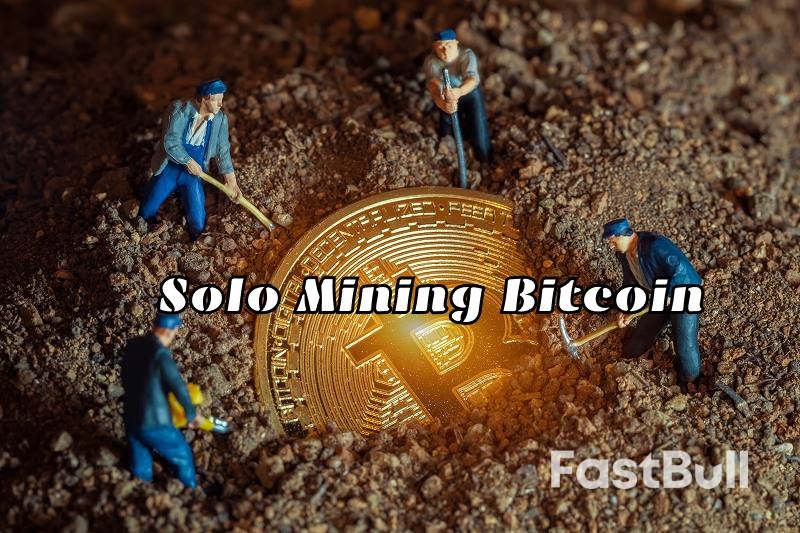
          Mining Bitcoin Solo vs Pool Mining: Which Is More Profitable in 2025?

          Solo Mining Bitcoin in 2025: ROI & How Hard Is It Really?_1

          Solo Mining Bitcoin has become an increasingly rare practice as industrial mining pools dominate the network in 2025. Yet some miners still chase the independence and full-reward potential of mining alone. This guide explains how solo mining works today, how difficult it has become, and whether individuals can still profit from it.

          What Is Solo Bitcoin Mining?

          Solo bitcoin mining means attempting to mine Bitcoin blocks independently, without joining a mining pool. When you mine solo, you compete directly against the entire global network of miners to solve complex cryptographic puzzles. If you successfully find a block, you receive the full block reward—currently 6.25 BTC plus transaction fees—but you bear all the computational costs and risks alone.

          How Solo Mining Works

          The process of mining bitcoins solo follows Bitcoin's proof-of-work consensus mechanism. Your mining hardware repeatedly hashes block header data, searching for a hash value that meets the network's difficulty target. This is essentially a computational lottery where more hashing power increases your chances but guarantees nothing.

          Here's what happens during solo bitcoin mining:

          • Your mining rig connects to a Bitcoin full node that you operate
          • The node provides your miner with candidate block templates containing unconfirmed transactions
          • Your ASIC miner performs trillions of hash calculations per second, searching for a valid solution
          • If you find a valid block, your node broadcasts it to the network for verification
          • Once confirmed, you receive the entire block reward directly to your wallet

          Unlike pool mining where rewards are distributed based on contributed work, solo mining operates on an all-or-nothing basis. You might mine for months or years without finding a single block, or you could theoretically find one on your first day—though the latter scenario is astronomically unlikely with typical hardware.

          Solo Mining vs Pool Mining: Key Differences

          Understanding the fundamental differences between solo and pool mining is essential before committing resources to either approach.

          AspectSolo MiningPool Mining
          Reward Distribution100% of block reward (6.25 BTC + fees) if successfulProportional share based on contributed hashrate
          Payment FrequencyExtremely rare, unpredictable (possibly never)Regular payouts (daily to weekly)
          Income StabilityZero income for extended periods, then massive payoutConsistent, predictable returns
          Pool FeesNone1-3% of earnings
          Technical RequirementsRun full Bitcoin node, advanced setupSimple connection to pool servers
          Variance RiskExtremely high—lottery-like oddsLow—smoothed returns across many miners
          Minimum HashrateRealistically 100+ TH/s for any reasonable chanceAny amount accepted (even single ASIC)

          The economic reality is stark: pool mining provides predictable income that covers electricity costs and generates steady profit, while solo mining bitcoin resembles buying lottery tickets with your electricity bill. Most rational miners choose pools because consistent returns allow for business planning, equipment maintenance, and risk management.

          How Hard Is Solo Bitcoin Mining in 2025?

          The difficulty of solo mining bitcoin has reached unprecedented levels in 2025. To understand just how challenging it has become, we need to examine the current network conditions and calculate your realistic probability of success.

          Current Bitcoin Network Difficulty

          Bitcoin's mining difficulty adjusts every 2,016 blocks (approximately every two weeks) to maintain a consistent 10-minute block time. As of 2025, the network difficulty has increased dramatically compared to Bitcoin's early years, making solo mining exponentially harder than it was even a few years ago.

          Key network statistics that impact solo mining difficulty:

          • Total network hashrate exceeds 600 exahashes per second (EH/s), representing the combined computing power of millions of ASIC miners worldwide
          • Mining difficulty has increased over 100 trillion times since Bitcoin's launch in 2009
          • Industrial mining operations with hundreds of petahashes dominate the network, making individual miners statistically insignificant
          • The average time between blocks remains 10 minutes, but this is distributed across the entire global mining network

          This difficulty level means that even a state-of-the-art ASIC miner running at 100 terahashes per second (TH/s) represents only 0.000017% of the total network hashrate. You're competing against massive mining farms with thousands of machines operating in regions with cheap electricity.

          Your Actual Chances of Mining a Block Solo

          Mathematics reveals the harsh reality of bitcoin solo mining success. Your probability of finding a block depends entirely on your hashrate relative to the total network hashrate.

          Here's the probability calculation for different hardware scenarios:

          Your Hashrate% of NetworkExpected Time to Find 1 BlockProbability per Day
          100 TH/s (1 high-end ASIC)0.000017%~11.4 years0.024%
          500 TH/s (5 ASICs)0.000083%~2.3 years0.12%
          1 PH/s (10 ASICs)0.00017%~14 months0.24%
          10 PH/s (100 ASICs)0.0017%~42 days2.4%
          100 PH/s (1000 ASICs)0.017%~4.2 days24%

          These are expected averages based on probability. The actual time could be much shorter or significantly longer due to the random nature of mining. You might find a block on your first day (probability near zero) or mine for triple the expected time without success—both scenarios have occurred in practice.

          For perspective, if you run a single high-end ASIC costing $3,000-$5,000 with electricity expenses around $150-$300 monthly, you could spend $20,000+ on electricity over the expected 11.4 years before finding your first block. Even if successful, the block reward might not cover your accumulated costs, especially considering hardware depreciation and potential Bitcoin price fluctuations.

          Real Success Stories (and Failures)

          Despite astronomical odds, solo bitcoin mining pool victories do occasionally occur—but context matters enormously when evaluating these rare successes.

          Notable recent success cases include:

          • In January 2024, a solo miner with approximately 120 TH/s successfully mined a block, earning 6.25 BTC plus transaction fees (worth roughly $270,000 at that time). However, this miner had been attempting solo mining for over a year, with electricity costs likely exceeding $15,000 during that period.
          • A small mining operation with around 400 TH/s found a block in mid-2023 after seven months of continuous mining. While profitable on paper, they calculated that pool mining during the same period would have generated nearly the same revenue with zero risk of complete failure.
          • Several hobbyist miners report bitcoin solo mining success after running old S9 ASICs for multiple years—but when accounting for electricity costs and hardware investment, most actually operated at a net loss compared to simply buying Bitcoin directly.

          The failure stories are far more common but rarely discussed:

          • Thousands of miners attempt solo mining annually with modest hashrates (10-100 TH/s) and abandon the effort after 6-12 months of zero returns and mounting electricity bills
          • Several documented cases exist of miners spending $50,000+ on equipment and electricity over 2-3 years without finding a single block
          • The vast majority of solo mining attempts end in financial loss, with miners eventually switching to pools or exiting mining entirely

          Even success stories often reveal that pool mining would have been more profitable when considering risk-adjusted returns. The psychological appeal of potentially winning a full block reward clouds the mathematical reality that consistent pool returns typically generate superior outcomes over time.

          Hardware Requirements for Solo Bitcoin Mining

          Successfully mining bitcoins solo demands significant hardware investment and infrastructure planning. Unlike pool mining where even modest equipment can generate some returns, solo mining requires substantial computational power to have any realistic chance of finding a block within a reasonable timeframe.

          ASIC Miners: What You Need

          Application-Specific Integrated Circuit (ASIC) miners are the only viable hardware for solo bitcoin mining in 2025. Graphics cards (GPUs) and CPUs became obsolete for Bitcoin mining years ago due to efficiency limitations. Modern ASIC miners are purpose-built for the SHA-256 algorithm that Bitcoin uses, delivering hashrates that general-purpose hardware cannot match.

          Current top-tier ASIC miners for solo mining consideration:

          ModelHashratePower ConsumptionEfficiencyApproximate Cost
          Antminer S21200 TH/s3,500W17.5 J/TH$5,000-$7,000
          Whatsminer M60172 TH/s3,344W19.4 J/TH$4,500-$6,500
          Antminer S19 XP140 TH/s3,010W21.5 J/TH$3,500-$5,000
          AvalonMiner 1466150 TH/s3,500W23.3 J/TH$4,000-$5,500

          For solo mining to be remotely feasible, you realistically need at least 500 TH/s to 1 PH/s of total hashrate. This translates to investing in 3-5 high-end ASIC miners, with an initial hardware outlay of $15,000 to $35,000. Even at this investment level, your expected time to find a block remains between 1-3 years under current network conditions.

          Critical factors when selecting ASIC hardware:

          • Energy efficiency matters tremendously for long-term operations—a few joules per terahash difference can mean thousands in annual electricity costs
          • Newer models offer better efficiency but command premium prices, while older models are cheaper but consume more power per hash
          • Consider used ASIC markets cautiously—mining hardware degrades over time, and warranty coverage is often limited or nonexistent
          • Noise levels are substantial (70-90 decibels)—these machines require dedicated space with sound insulation for residential settings
          • Heat generation is massive—each miner produces 3,000-3,500 watts of heat that must be managed through ventilation or cooling systems

          Some miners explore solar powered bitcoin mining to offset electricity costs, though this requires additional investment in solar panels, inverters, and battery storage systems. A typical ASIC drawing 3,500 watts continuously needs approximately 12-15 kilowatts of solar panel capacity (accounting for efficiency losses and nighttime operations), adding $10,000-$20,000 to your initial investment per miner.

          Electricity and Infrastructure Costs

          Electricity represents the ongoing operational expense that determines whether solo bitcoin mining remains financially viable. Unlike the one-time hardware purchase, electricity costs accumulate continuously and often exceed hardware investment over extended mining periods.

          Understanding your electricity costs:

          Hardware SetupTotal Power DrawMonthly kWhCost at $0.10/kWhCost at $0.15/kWh
          1 ASIC (200 TH/s)3,500W2,520 kWh$252$378
          3 ASICs (600 TH/s)10,500W7,560 kWh$756$1,134
          5 ASICs (1 PH/s)17,500W12,600 kWh$1,260$1,890
          10 ASICs (2 PH/s)35,000W25,200 kWh$2,520$3,780

          Beyond electricity, infrastructure requirements add substantial costs:

          • Electrical infrastructure upgrades—residential circuits typically cannot handle multiple ASICs drawing 15-20 amps each; professional electrician services to install 240V circuits and proper breaker capacity can cost $2,000-$5,000
          • Cooling and ventilation systems—industrial fans, ducting, and exhaust systems to prevent overheating, typically adding $1,000-$3,000 depending on space configuration
          • Network infrastructure—stable, high-uptime internet connection and potentially backup connectivity; running a full Bitcoin node requires significant bandwidth and storage
          • Physical space costs—dedicated room or facility with proper ventilation, fire suppression considerations, and security measures
          • Monitoring systems—remote monitoring equipment to track temperatures, hashrates, and downtime alerts, adding $200-$500

          Solar bitcoin mining can reduce operational costs, but requires substantial upfront investment and depends heavily on geographic location. Areas with optimal sun exposure (Southwest United States, parts of Australia, Middle East) provide better ROI for solar installations. However, battery storage systems necessary for 24/7 mining operations significantly increase costs—a battery bank capable of running 5 ASICs overnight might cost $15,000-$30,000 alone.

          Insurance and maintenance represent ongoing expenses often overlooked by new miners. ASIC miners require regular cleaning, fan replacements, and occasional repairs. Budget approximately 5-10% of hardware value annually for maintenance and unexpected component failures.

          Solo Mining Bitcoin: ROI Analysis

          Return on investment calculations for solo bitcoin mining reveal why most rational actors choose pool mining instead. While the potential for a massive one-time payout exists, the mathematical expected value typically favors consistent pool returns when accounting for risk, time value of money, and operational complexities.

          Cost vs Potential Reward

          A comprehensive cost analysis exposes the financial reality of solo mining attempts. Let's examine a realistic scenario with specific numbers to illustrate the economic challenge.

          Example scenario: 1 PH/s solo mining operation (5 high-end ASICs)

          Cost CategoryInitial InvestmentMonthly RecurringAnnual Total
          ASIC Hardware (5 miners)$30,000——
          Infrastructure Setup$5,000——
          Electricity (at $0.12/kWh)—$1,512$18,144
          Internet & Maintenance—$150$1,800
          Hardware Depreciation——$7,500
          Total First Year$35,000$1,662$62,444

          Expected outcome analysis:

          • With 1 PH/s, expected time to find one block: approximately 14 months under current network difficulty
          • Block reward if successful: 6.25 BTC + transaction fees (approximately 0.1-0.3 BTC), totaling roughly 6.35-6.55 BTC
          • Bitcoin price assumption: $60,000 per BTC (conservative 2025 estimate)
          • Expected reward value: $381,000-$393,000
          • Total costs over 14 months: approximately $58,317
          • Net profit if successful: $322,683-$334,683

          This appears attractive on paper, but several critical risk factors undermine this optimistic scenario:

          • The 14-month timeframe is an average expectation—actual time could be 3 months or 4 years due to probability variance
          • If you don't find a block within 24 months, you've spent $74,732 with zero return, potentially forcing you to abandon the operation at a total loss
          • Network difficulty continuously increases, reducing your probability over time as more hashrate joins the network
          • Hardware depreciation accelerates—ASICs lose 50-70% of resale value after 12-18 months of operation
          • Bitcoin price volatility creates enormous uncertainty; if BTC drops to $40,000, your expected reward falls to $254,000-$262,000, barely doubling your investment after 14+ months of risk

          The probability distribution matters enormously. You have roughly a 30% chance of finding zero blocks in 20 months, a scenario where you lose your entire $70,000+ investment. Conversely, you have about a 5% chance of finding a block within 2 months, generating exceptional returns. This risk profile resembles venture capital investing or gambling rather than traditional business operations.

          Solo Mining vs Pool Mining Profitability

          Comparing identical hardware operating in solo versus pool mining modes reveals the fundamental economic trade-off between variance and expected value.

          Using the same 1 PH/s setup over 14 months:

          MetricSolo MiningPool Mining
          Expected Blocks Found1 block (average)N/A (proportional shares)
          Expected Revenue$381,000-$393,000$385,000
          Pool Fees$0$7,700 (2%)
          Net Mining Revenue$381,000-$393,000$377,300
          Operating Costs$58,317$58,317
          Net Profit$322,683-$334,683$318,983
          Revenue CertaintyHigh variance (might be $0)99%+ certainty
          Cash FlowZero for months, then lump sumDaily/weekly payouts

          The expected value difference is minimal—solo mining potentially saves 2% in pool fees, translating to roughly $3,700-$15,700 more profit over 14 months. However, this marginal advantage disappears when considering:

          • Risk-adjusted returns heavily favor pool mining—consistent income allows you to cover electricity costs, service debts, and reinvest profits without depending on a single probabilistic event
          • Cash flow management becomes impossible with solo mining; you cannot pay monthly electricity bills with hypothetical future block rewards, potentially forcing you to fund operations from external sources or abandon the effort before success
          • Psychological stress of operating at zero revenue for months or years often leads solo miners to quit prematurely, realizing losses that pool mining would have avoided
          • Pool mining allows scaling flexibility—you can start with one ASIC, verify profitability, and expand gradually; solo mining demands massive upfront commitment to achieve reasonable success probability

          The solo bitcoin mining pool concept has emerged as a middle-ground option, where miners contribute hashrate to a pool that attempts solo mining on behalf of participants. If the pool finds a block, rewards distribute proportionally among contributors. This reduces individual variance while maintaining some solo mining characteristics, though it doesn't eliminate the fundamental probability challenges of competing against the entire network.

          Bitcoin Price Impact on Profitability

          Bitcoin's notorious price volatility introduces another layer of complexity to solo mining ROI calculations. Unlike pool mining where you can sell rewards regularly to lock in prices, solo mining forces you to bet on Bitcoin's value at an unknowable future date when you might find a block.

          Price scenario analysis for 1 PH/s operation finding a block after 14 months:

          BTC Price ScenarioBlock Reward ValueTotal CostsNet Profit/LossROI
          $100,000 (bull case)$635,000$58,317+$576,683989%
          $80,000 (optimistic)$508,000$58,317+$449,683771%
          $60,000 (moderate)$381,000$58,317+$322,683553%
          $40,000 (pessimistic)$254,000$58,317+$195,683336%
          $25,000 (bear market)$158,750$58,317+$100,433172%

          Even in pessimistic price scenarios, finding a block generates positive returns—but this analysis assumes you successfully find a block. The compounding risk involves both probability (might never find a block) and price uncertainty (block might be worth less than expected).

          Additional price-related considerations:

          • If Bitcoin price crashes during your mining period, continuing operations might become unprofitable even if you eventually find a block—$25,000 BTC means each month of operation costs $1,512 while the expected value of your mining drops proportionally
          • Pool miners can implement dollar-cost-averaging strategies by selling portions of daily earnings, reducing exposure to price crashes; solo miners hold all risk until block discovery
          • Rising Bitcoin prices increase mining competition as more hashrate comes online seeking profits, paradoxically reducing your probability of bitcoin solo mining success even as potential rewards increase
          • Market timing becomes critical for solo mining; starting during bear markets when difficulty is lower and prices depressed could yield higher ROI if you find a block during subsequent recovery

          The optimal strategy for most miners involves pool mining to generate steady income while Bitcoin price remains uncertain, then potentially switching to solo mining only if accumulating significant hashrate (10+ PH/s) that makes probability of success reasonable within specific timeframes. Attempting solo mining with modest hashrate essentially converts your mining operation into a speculative bet on both probability and future Bitcoin valuation—a dual-risk proposition that sophisticated investors typically avoid.

          How to Start Solo Mining Bitcoin (Step-by-Step)

          Setting up a solo mining operation requires technical knowledge beyond simply connecting hardware to a pool. You'll need to run your own Bitcoin node, configure mining software, and maintain reliable infrastructure. This section walks through the essential steps for anyone determined to attempt mining bitcoins solo despite the challenging odds.

          Software Setup

          The foundation of any solo mining operation is a fully synchronized Bitcoin Core node. Unlike pool mining where the pool operator manages blockchain data, solo miners must maintain their own complete copy of the Bitcoin blockchain and validate all transactions independently.

          Step-by-step Bitcoin Core installation:

          • Download Bitcoin Core from the official bitcoin.org website—verify the download signature to ensure file authenticity and avoid malware
          • Install Bitcoin Core on a computer with at least 500GB of available storage (the blockchain exceeds 450GB and grows continuously)
          • Allow the initial blockchain synchronization to complete, which typically takes 24-72 hours depending on internet speed and hardware performance
          • Configure your bitcoin.conf file to enable mining functionality by adding the parameters: server=1, rpcuser=yourusername, rpcpassword=yourpassword, and rpcallowip=192.168.1.0/24 (adjust IP range to match your local network)
          • Restart Bitcoin Core to apply configuration changes and verify RPC interface is accessible

          Mining software configuration comes next. Several options exist for solo bitcoin mining, each with different features and compatibility:

          SoftwareBest ForKey FeaturesDifficulty Level
          CGMinerAdvanced usersHighly customizable, supports multiple hardware typesHigh
          BFGMinerASIC minersDynamic clocking, monitoring, remote interfaceHigh
          Braiins OS+Antminer hardwareFirmware replacement with optimization featuresMedium
          Solo CK PoolBeginners wanting solo experienceSimplified solo mining without running full nodeLow

          For true solo mining, CGMiner or BFGMiner connected to your local Bitcoin Core node provides complete control. Configure your mining software with these essential parameters:

          • Point the software to your Bitcoin Core RPC interface (typically localhost:8332)
          • Provide RPC authentication credentials matching your bitcoin.conf configuration
          • Set your Bitcoin wallet address where block rewards will be sent if you successfully mine a block
          • Configure intensity and workload settings appropriate for your ASIC hardware model
          • Enable temperature monitoring and automatic shutdown thresholds to prevent hardware damage

          Alternative approach for those wanting to avoid full node complexity: solo bitcoin mining pool services like Solo CK Pool allow you to attempt solo mining by connecting your hardware to their infrastructure. You maintain the solo mining reward structure (keeping 100% of any block found minus a small fee), but delegate the technical burden of running a node. This reduces setup complexity but introduces minor centralization and trust requirements.

          Connecting Your ASIC Miner

          Once your software infrastructure is ready, connecting ASIC hardware involves both physical setup and network configuration. Modern ASICs include built-in web interfaces that simplify configuration compared to earlier generations of mining hardware.

          Physical connection process:

          • Position your ASIC in a location with adequate ventilation—these devices generate extreme heat and require constant airflow; enclosed spaces without cooling will cause thermal shutdown or hardware damage within minutes
          • Connect the power supply unit (PSU) to your ASIC, ensuring you're using the correct voltage (typically 220V for optimal efficiency) and that your electrical circuit can handle the amperage load
          • Attach an Ethernet cable from your ASIC to your local network router—WiFi is not recommended for mining operations due to stability and latency concerns
          • Power on the device and wait 2-3 minutes for the boot sequence to complete

          Network configuration through ASIC web interface:

          • Locate your ASIC's IP address through your router's device list or use scanning tools like Advanced IP Scanner
          • Access the web interface by entering the IP address in your browser (default credentials are usually admin/admin or root/root—change these immediately for security)
          • Navigate to the mining pool configuration section
          • Enter your Bitcoin Core node address as Pool 1: stratum+tcp://your-node-ip:8332
          • Input your RPC username and password in the worker credentials fields
          • Add backup pools (either other solo options or a traditional pool) to prevent downtime if your primary node experiences issues
          • Save configuration and restart the miner to apply changes

          Verification steps to confirm successful connection:

          • Check the ASIC dashboard for active hashrate—you should see your device reporting its expected TH/s within 5-10 minutes of starting
          • Monitor your Bitcoin Core debug log for incoming share submissions from your miner
          • Verify that all hashing boards are operational—ASICs typically have 3 boards that should all show active temperature and hashrate readings
          • Confirm network latency remains low (under 50ms) to minimize stale shares and maximize efficiency

          Common troubleshooting issues include incorrect RPC credentials, firewall blocking connections between miner and node, or insufficient PSU power delivery causing hashboard failures. Most ASIC manufacturers provide detailed logs through the web interface that help diagnose connectivity problems.

          Monitoring Your Mining Operation

          Continuous monitoring separates successful mining operations from costly failures. Hardware issues, network disruptions, or configuration problems can silently drain electricity for days while generating zero useful work. Implementing robust monitoring systems provides early warning of problems and maximizes your already-slim chances of bitcoin solo mining success.

          Essential metrics to monitor continuously:

          • Hashrate consistency—your reported hashrate should remain within 5% of the ASIC's rated specification; significant drops indicate hardware degradation, overheating, or connectivity issues
          • Temperature readings across all boards—optimal operating temperature ranges from 60-75°C; sustained temperatures above 80°C accelerate hardware failure and may trigger automatic shutdowns
          • Fan speeds and performance—fans should maintain consistent RPMs; declining fan speed often precedes complete failure and potential hardware damage from overheating
          • Network uptime and latency—mining effectiveness depends on constant connectivity to your Bitcoin node; even brief disconnections mean wasted electricity and missed opportunities
          • Bitcoin Core node synchronization—your node must remain fully synchronized with the network; falling behind by even a few blocks means you're mining on outdated data and cannot successfully find valid blocks

          Monitoring tools and platforms:

          ToolTypeKey FeaturesCost
          Awesome MinerSoftware suiteMulti-device monitoring, alerts, remote managementFree (limited) / $200+ (pro)
          Hive OSOperating systemComprehensive dashboard, mobile app, auto-tuningFree (3 devices) / $3/device/month
          MinerStatWeb platformCloud monitoring, profit switching, alerts$2-4/device/month
          Built-in ASIC interfaceHardware nativeBasic stats, logs, configurationFree (included)

          Setting up effective alert systems prevents costly extended downtime:

          • Configure email or SMS notifications for hashrate drops below 90% of expected performance
          • Set temperature alerts at 75°C (warning) and 82°C (critical) thresholds
          • Enable alerts for miner disconnections lasting more than 5 minutes
          • Monitor your Bitcoin wallet address for block reward deposits—the moment you've been waiting months for
          • Track electricity consumption through smart meters or monitoring devices to detect abnormal power usage that might indicate hardware problems

          For operations using solar powered bitcoin mining, additional monitoring becomes essential. Track solar panel output, battery charge levels, and grid consumption to optimize your energy mix. Solar monitoring systems should alert you when battery reserves drop below thresholds needed to maintain 24/7 operation, allowing you to temporarily reduce mining intensity or switch to grid power during extended cloudy periods.

          Regular maintenance schedules complement automated monitoring. Monthly tasks should include physically inspecting your ASICs for dust accumulation, verifying all fans spin freely, checking cable connections remain secure, and reviewing performance trends to identify gradual degradation before catastrophic failure occurs. Quarterly deep cleaning with compressed air prevents dust buildup that reduces cooling efficiency and shortens hardware lifespan.

          Documentation practices help optimize long-term operations. Maintain logs of hashrate performance, downtime incidents, maintenance activities, and electricity costs. This data proves invaluable for calculating actual ROI, identifying patterns in hardware behavior, and making informed decisions about when to upgrade equipment or abandon unprofitable operations.

          FAQs about Solo Mining Bitcoin

          1. Is solo mining Bitcoin possible?

          Yes, solo mining Bitcoin is still possible in 2025, but success chances are extremely low due to the high network difficulty and dominance of industrial-scale miners.

          2. How long does it take to solo mine 1 Bitcoin?

          With a single high-end ASIC miner, it could take over 10 years on average to find one block. Even large setups may wait months or years without success.

          3. How much do solo Bitcoin miners make?

          Most solo miners earn nothing unless they find a full block. When successful, rewards can exceed $300,000 depending on Bitcoin’s price and fees.

          4. Is solo mining legit?

          Yes, solo mining is legitimate and aligns with Bitcoin’s decentralized design. However, the odds of consistent profitability are very small for most individuals.

          Conclusion

          Solo Mining Bitcoin in 2025 remains technically possible but highly challenging. It requires significant investment, constant power supply, and a willingness to take long-term risks for uncertain rewards. While it appeals to those who value independence and decentralization, most miners find pool mining a far more practical and profitable approach.

          Risk Warnings and Disclaimers
          You understand and acknowledge that there is a high degree of risk involved in trading. Following any strategies or investment methods may lead to potential losses. The content on the site is provided by our contributors and analysts for information purposes only. You are solely responsible for determining whether any trading assets, securities, strategy, or any other product is suitable for investing based on your own investment objectives and financial situation.
          Add to Favorites
          Share
          FastBull
          Copyright © 2026 FastBull Ltd

          728 RM B 7/F GEE LOK IND BLDG NO 34 HUNG TO RD KWUN TONG KLN HONG KONG

          TelegramInstagramTwitterfacebooklinkedin
          App Store Google Play Google Play
          Products
          Charts

          Chats

          Q&A with Experts
          Screeners
          Economic Calendar
          Data
          Tools
          Membership
          Features
          Function
          Markets
          Copy Trading
          Latest Signals
          Contests
          24/7
          Analysis
          Education
          Company
          Careers
          About Us
          Contact Us
          Advertising
          Help Center
          Feedback
          User Agreement
          Privacy Policy
          Personal Information Protection Statement
          Business

          White Label

          Broker API

          Data API

          Web Plug-ins

          Poster Maker

          Affiliate Program

          Risk Disclosure

          The risk of loss in trading financial instruments such as stocks, FX, commodities, futures, bonds, ETFs and crypto can be substantial. You may sustain a total loss of the funds that you deposit with your broker. Therefore, you should carefully consider whether such trading is suitable for you in light of your circumstances and financial resources.

          No decision to invest should be made without thoroughly conducting due diligence by yourself or consulting with your financial advisors. Our web content might not suit you since we don't know your financial conditions and investment needs. Our financial information might have latency or contain inaccuracy, so you should be fully responsible for any of your trading and investment decisions. The company will not be responsible for your capital loss.

          Without getting permission from the website, you are not allowed to copy the website's graphics, texts, or trademarks. Intellectual property rights in the content or data incorporated into this website belong to its providers and exchange merchants.

          Not Logged In

          Log in to access more features

          Connect Broker
          Become a signal provider
          Help Center
          Customer Service
          Dark Mode
          Price Up/Down Colors

          Log In

          Sign Up

          Position
          Layout
          Fullscreen
          Default to Chart
          The chart page opens by default when you visit fastbull.com