- WTI
- XAUUSD
- XAGUSD
- USDX


Markets
Analysis
User
24/7
Economic Calendar
Education
Data
- Names
- Latest
- Prev








Diversify beyond equities with precision. Explore the sophisticated mechanics and inherent risks of trading futures for commodities in this investor’s guide.
If you are an active investor looking to diversify beyond equities, understanding futures for commodities is essential. This guide explains how commodity contracts work, the mechanics of trading them, and how to manage the inherent risks. You will learn everything needed to confidently navigate these volatile but rewarding global markets.
A futures contract is a legally binding agreement to buy or sell a specific quantity of a raw material at a predetermined price on a set future date. Unlike buying physical gold or barrels of oil, traders do not typically take delivery of the physical asset. Instead, they trade the contract itself, capturing profits from ongoing price fluctuations. These derivatives are standardized by exchanges like the CME Group to ensure liquidity and regulatory oversight.
The commodity markets rely on two distinct types of participants to function efficiently. Hedgers are commercial entities, such as airlines or farmers, who use futures to lock in prices and protect their businesses against adverse market moves. Speculators, on the other hand, are individual traders and institutional funds seeking to profit from price volatility. Speculators provide the necessary liquidity that allows hedgers to offload their risk, creating a balanced and active marketplace.
Commodity futures are broadly divided into hard commodities (extracted) and soft commodities (grown).
Commodity prices are fundamentally driven by the laws of supply and demand, but each sector has unique catalysts. Energy markets react sharply to OPEC+ production decisions and global economic growth forecasts. Agricultural and livestock prices depend heavily on weather patterns, crop yields, and disease outbreaks. Meanwhile, precious metals often move based on central bank policies, inflation data, and safe-haven demand during geopolitical crises.
Every futures contract has standardized specifications dictated by the exchange. The "contract size" dictates the exact amount of the underlying asset, while the "tick size" specifies the minimum price fluctuation. To increase retail participation, the CME Group has popularized Micro contracts, which offer fractional exposure.
| Feature | Standard COMEX Gold (GC) | Micro Gold (MGC) |
|---|---|---|
| Contract Size | 100 troy ounces | 10 troy ounces |
| Tick Size | $0.10 per ounce | $0.10 per ounce |
| Tick Value | $10.00 | $1.00 |
| Target Audience | Institutions and Funds | Retail Traders |
Expiration dates are also critical. Trading must be closed or rolled over before the contract expires to avoid taking physical delivery.
In futures trading, margin acts as a performance bond rather than a traditional down payment. You only need to deposit a fraction of the contract's total notional value to open a position. However, this high leverage means that exchanges can dynamically adjust margins during periods of extreme volatility.
For example, in February 2026, the CME Group raised margin requirements on silver futures from 15% to 18% after prices briefly surged past $120 per ounce. This sudden increase forced many traders to post more capital or liquidate their positions, contributing to a rapid price correction.
The futures curve visually represents contract prices across different expiration months. "Contango" occurs when future delivery prices are higher than the current spot price, often due to storage and insurance costs. "Backwardation" is the opposite, where near-term prices are higher than future prices, usually signaling an immediate supply shortage. Understanding these states is crucial, as rolling a contract forward during contango results in a negative yield that slowly erodes your capital.
Not all retail brokerages provide access to global commodity markets. You must select a broker specifically equipped for derivatives routing, offering deep market data and robust charting tools. Beginners transitioning from equities often ask what are futures in stock market trading compared to commodity derivatives; the key difference is the underlying asset and the specific exchanges accessed, such as the CME or ICE. Ensure your chosen broker clearly displays all initial and maintenance margin requirements.
Trading futures allows you to profit from both rising and falling markets with equal ease. If you believe crude oil prices will rise, you buy a contract to open a "long" position. If you expect a decline, you sell a contract to open a "short" position. New traders frequently ask what are futures vs options in terms of market mechanics. Unlike options, which give you the right but not the obligation to execute a trade, futures strictly obligate you to settle the contract at the agreed price.
The vast majority of retail traders never take physical delivery of commodities. Instead, they exit their trades by taking an offsetting position before the first notice date. If you are long one contract of soybeans, you simply sell one contract of soybeans for the same expiration month to close the trade. Your broker will automatically calculate the price difference and credit or debit your account balance accordingly.
Because futures are heavily leveraged, a small percentage move in the underlying commodity can result in massive outsized gains or catastrophic losses. Traders often look at stock market futures for tomorrow or check stock futures for monday to gauge general equity sentiment. However, commodity markets behave differently and are far more volatile. Even international stock futures rarely experience the sudden intraday percentage swings common in energy or agricultural commodities.
Survival in the futures market requires strict risk management protocols. Traders should always use hard stop-loss orders to automatically exit a position if the market moves against them by a predetermined amount. Additionally, proper position sizing is critical; you should never risk more than 1% to 2% of your total account equity on a single trade. Utilizing micro contracts is one of the most effective ways to size positions accurately without overexposing your capital.
Warren Buffett generally avoids commodities because they are non-productive assets that do not generate income or dividends. He famously stated, "The problem with commodities is that you are betting on what someone else would pay for them in six months".
The 2026 outlook for the commodities market remains cautiously optimistic, driven by the green energy transition and global supply chain restructuring. Analysts project structural strength in industrial metals like copper, while precious metals continue to benefit from safe-haven demand.
Yes, $5,000 is enough to begin trading if you stick strictly to Micro futures contracts. Standard contracts require significantly higher margin deposits and can easily wipe out a small account with a minor price fluctuation.
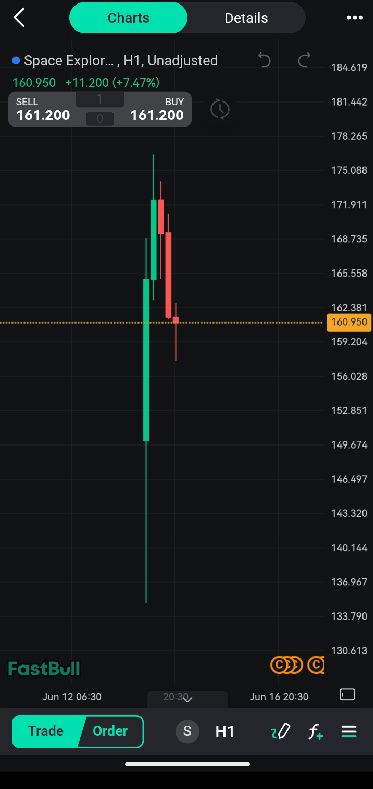
The primary risk is excessive leverage, which can amplify losses and lead to sudden margin calls. Additionally, geopolitical events or extreme weather can cause massive overnight price gaps that bypass standard stop-loss orders.
Trading futures for commodities offers an excellent way to hedge inflation and diversify a portfolio. While the leverage provides substantial profit potential, it demands disciplined risk management. By starting with micro contracts and understanding market fundamentals, investors can confidently navigate these dynamic global markets.

728 RM B 7/F GEE LOK IND BLDG NO 34 HUNG TO RD KWUN TONG KLN HONG KONG





The risk of loss in trading financial instruments such as stocks, FX, commodities, futures, bonds, ETFs and crypto can be substantial. You may sustain a total loss of the funds that you deposit with your broker. Therefore, you should carefully consider whether such trading is suitable for you in light of your circumstances and financial resources.
No decision to invest should be made without thoroughly conducting due diligence by yourself or consulting with your financial advisors. Our web content might not suit you since we don't know your financial conditions and investment needs. Our financial information might have latency or contain inaccuracy, so you should be fully responsible for any of your trading and investment decisions. The company will not be responsible for your capital loss.
Without getting permission from the website, you are not allowed to copy the website's graphics, texts, or trademarks. Intellectual property rights in the content or data incorporated into this website belong to its providers and exchange merchants.
Not Logged In
Log in to access more features


Log In
Sign Up