• Trade
  • Markets
  • Copy
  • Contests
  • 24/7
  • Calendar
  • Q&A
  • Chats
Screeners
SYMBOL
LAST
BID
ASK
HIGH
LOW
NET CHG.
%CHG.
SPREAD
SPX
S&P 500 Index
6575.33
6575.33
6575.33
6609.68
6554.28
+46.81
+ 0.72%
--
DJI
Dow Jones Industrial Average
46565.73
46565.73
46565.73
46803.36
46396.12
+224.21
+ 0.48%
--
IXIC
NASDAQ Composite Index
21840.94
21840.94
21840.94
21983.07
21723.72
+250.32
+ 1.16%
--
USDX
US Dollar Index
99.300
99.300
99.380
99.370
99.290
-0.070
-0.07%
--
EURUSD
Euro / US Dollar
1.15950
1.15950
1.15957
1.15958
1.15815
+0.00048
+ 0.04%
--
GBPUSD
Pound Sterling / US Dollar
1.33117
1.33117
1.33130
1.33129
1.32875
+0.00056
+ 0.04%
--
XAUUSD
Gold / US Dollar
4791.24
4791.24
4791.69
4800.35
4752.35
+33.44
+ 0.70%
--
WTI
Light Sweet Crude Oil
92.550
92.550
92.585
94.065
92.485
-1.604
-1.70%
--

Community Accounts

Signal Accounts
--
Profit Accounts
--
Loss Accounts
--
View More

Become a signal provider

Sell trading signals to earn additional income

View More

Guide to Copy Trading

Get started with ease and confidence

View More

Signal Accounts for Members

All Signal Accounts

Best Return
  • Best Return
  • Best P/L
  • Best MDD
Past 1W
  • Past 1W
  • Past 1M
  • Past 1Y

All Contests

  • All
  • Trump Updates
  • Recommend
  • Stocks
  • Cryptocurrencies
  • Central Banks
  • Featured News
Top News Only
Share

Mexican Budget Documents: The Mexican Ministry Of Finance Projects The Average Blended Price Of Oil Exports To Be $77.3 Per Barrel In 2026 And $54.7 Per Barrel In 2027

Share

Mexican Budget Document: The Mexican Ministry Of Finance Projects An Inflation Rate Of 3.7% By The End Of 2026 And 3.0% By The End Of 2027

Share

Mexico's Budget Document: The Mexican Ministry Of Finance Projects Economic Growth Of 1.8% To 2.8% In 2026 And 1.9% To 2.9% In 2027

Share

Trump Calls On Oil-Short Countries To "Buy From The United States"; Analysts: The U.S. Cannot Fill The Gap At All

Share

Court Records Show That The Democratic National Committee Filed A Lawsuit Seeking To Block President Trump's Executive Order To Tighten Mail-in Voting

Share

Fitch Ratings: Major Japanese Insurance Companies Are Well Prepared For The New Regulatory Regime

Share

U.S. Treasury Secretary Bessenter: The U.S. Treasury Department And The IRS Have Announced Tax Relief For Department Of Homeland Security Personnel, Extending The New Deadline To May 15, 2026

Share

The Bank Of Korea Said It Will Closely Monitor The Inflation Situation Due To Increased Uncertainty Surrounding The Middle East Situation And Oil Prices

Share

The Bank Of Korea Predicts That Inflation Will Be Higher In April Due To Rising Oil Prices

Share

The Bank Of Korea: Government Measures, Including A Fuel Price Cap, Curbed Inflation In March

Share

The US Military Says It Has Conducted More Than 13,000 Air Missions In Iran. More Than 155 Iranian Ships Have Been Destroyed Or Hit

Share

WTI Crude Oil Fell Back Below $98 Per Barrel, Down 1.14% On The Day

Share

Canadian Prime Minister Carney: I Have Spoken With US President Trump To Discuss The Latest Developments In The Middle East Conflict

Share

Indonesia's Geophysical Agency Reported Observing A Tsunami Wave 0.3 Meters High

Share

South Korea's Finance Minister: The Recently Passed Foreign Exchange Stabilization Bill Will Help Stabilize The Won

Share

The South Korean KOSPI Index Opened 85.25 Points Higher On Thursday, April 2, A Gain Of 1.56%, To 5563.95 Points

Share

The Nikkei 225 Index Opened 270.43 Points Higher, Or 0.50%, At 54,010.11 On Thursday, April 2

Share

South Korean Finance Minister: Financial And Foreign Exchange Markets Are Expected To Experience Increased Volatility On Thursday Morning Due To The Impact Of US President Trump's Speech

Share

South Korea's Chief Policy Advisor: The Current Weakness Of The Won Is Not Due To Structural Or Fundamental Problems

Share

South Korea's Chief Policy Advisor: The Exchange Rate Is Expected To Gradually Stabilize

TIME
ACT
FCST
PREV
South Africa Manufacturing PMI (Mar)

A:--

F: --

P: --

Euro Zone Unemployment Rate (Feb)

A:--

F: --

P: --

U.S. MBA Mortgage Application Activity Index WoW

A:--

F: --

P: --

U.S. ADP Employment (Mar)

A:--

F: --

P: --
U.S. Retail Sales YoY (Feb)

A:--

F: --

P: --

U.S. Retail Sales MoM (Feb)

A:--

F: --

P: --
U.S. Core Retail Sales MoM (Feb)

A:--

F: --

P: --

U.S. Core Retail Sales (Feb)

A:--

F: --

P: --

U.S. Retail Sales (Feb)

A:--

F: --

P: --

Brazil IHS Markit Manufacturing PMI (Mar)

A:--

F: --

P: --

Canada Manufacturing PMI (SA) (Mar)

A:--

F: --

P: --

U.S. ISM Inventories Index (Mar)

A:--

F: --

P: --

U.S. ISM Manufacturing Employment Index (Mar)

A:--

F: --

P: --

U.S. Commercial Inventory MoM (Jan)

A:--

F: --

P: --
U.S. ISM Output Index (Mar)

A:--

F: --

P: --

U.S. ISM Manufacturing PMI (Mar)

A:--

F: --

P: --

U.S. ISM Manufacturing New Orders Index (Mar)

A:--

F: --

P: --

U.S. EIA Weekly Crude Stocks Change

A:--

F: --

P: --

U.S. EIA Weekly Crude Oil Imports Changes

A:--

F: --

P: --

U.S. EIA Weekly Gasoline Stocks Change

A:--

F: --

P: --

U.S. EIA Weekly Heating Oil Stock Changes

A:--

F: --

P: --

U.S. EIA Weekly Crude Demand Projected by Production

A:--

F: --

P: --

U.S. EIA Weekly Cushing, Oklahoma Crude Oil Stocks Change

A:--

F: --

P: --

Mexico Manufacturing PMI (Mar)

A:--

F: --

P: --

Russia Retail Sales YoY (Feb)

A:--

F: --

P: --

Russia Unemployment Rate (Feb)

A:--

F: --

P: --

South Korea CPI YoY (Mar)

A:--

F: --

P: --

Japan Monetary Base YoY (SA) (Mar)

A:--

F: --

P: --

Australia Exports MoM (SA) (Feb)

A:--

F: --

P: --
Australia Trade Balance (SA) (Feb)

A:--

F: --

P: --
Japan 10-Year Note Auction Yield

--

F: --

P: --

India HSBC Manufacturing PMI Final (Mar)

--

F: --

P: --

Italy Retail Sales MoM (SA) (Feb)

--

F: --

P: --

U.S. Challenger Job Cuts MoM (Mar)

--

F: --

P: --

U.S. Challenger Job Cuts YoY (Mar)

--

F: --

P: --

U.S. Challenger Job Cuts (Mar)

--

F: --

P: --

U.S. Weekly Initial Jobless Claims (SA)

--

F: --

P: --

Canada Imports (SA) (Feb)

--

F: --

P: --

Canada Trade Balance (SA) (Feb)

--

F: --

P: --

Canada Exports (SA) (Feb)

--

F: --

P: --

U.S. Weekly Continued Jobless Claims (SA)

--

F: --

P: --

U.S. Trade Balance (Feb)

--

F: --

P: --

U.S. Initial Jobless Claims 4-Week Avg. (SA)

--

F: --

P: --

U.S. Exports (Feb)

--

F: --

P: --

U.S. EIA Weekly Natural Gas Stocks Change

--

F: --

P: --

U.S. Weekly Total Rig Count

--

F: --

P: --

U.S. Weekly Total Oil Rig Count

--

F: --

P: --

U.S. Weekly Treasuries Held by Foreign Central Banks

--

F: --

P: --

Japan IHS Markit Composite PMI (Mar)

--

F: --

P: --

Japan IHS Markit Services PMI (Mar)

--

F: --

P: --

China, Mainland Caixin Services PMI (Mar)

--

F: --

P: --

China, Mainland Caixin Composite PMI (Mar)

--

F: --

P: --

Russia IHS Markit Services PMI (Mar)

--

F: --

P: --

France Industrial Output MoM (SA) (Feb)

--

F: --

P: --

Turkey PPI YoY (Mar)

--

F: --

P: --

Turkey CPI YoY (Mar)

--

F: --

P: --

India Deposit Gowth YoY

--

F: --

P: --

U.S. Average Hourly Wage YoY (Mar)

--

F: --

P: --

U.S. Unemployment Rate (SA) (Mar)

--

F: --

P: --

Q&A with Experts
    • All
    • Chatrooms
    • Groups
    • Friends
    Nawhdir Øt flag
    @RPGFX
    Nawhdir Øt flag
    Nawhdir Øt flag
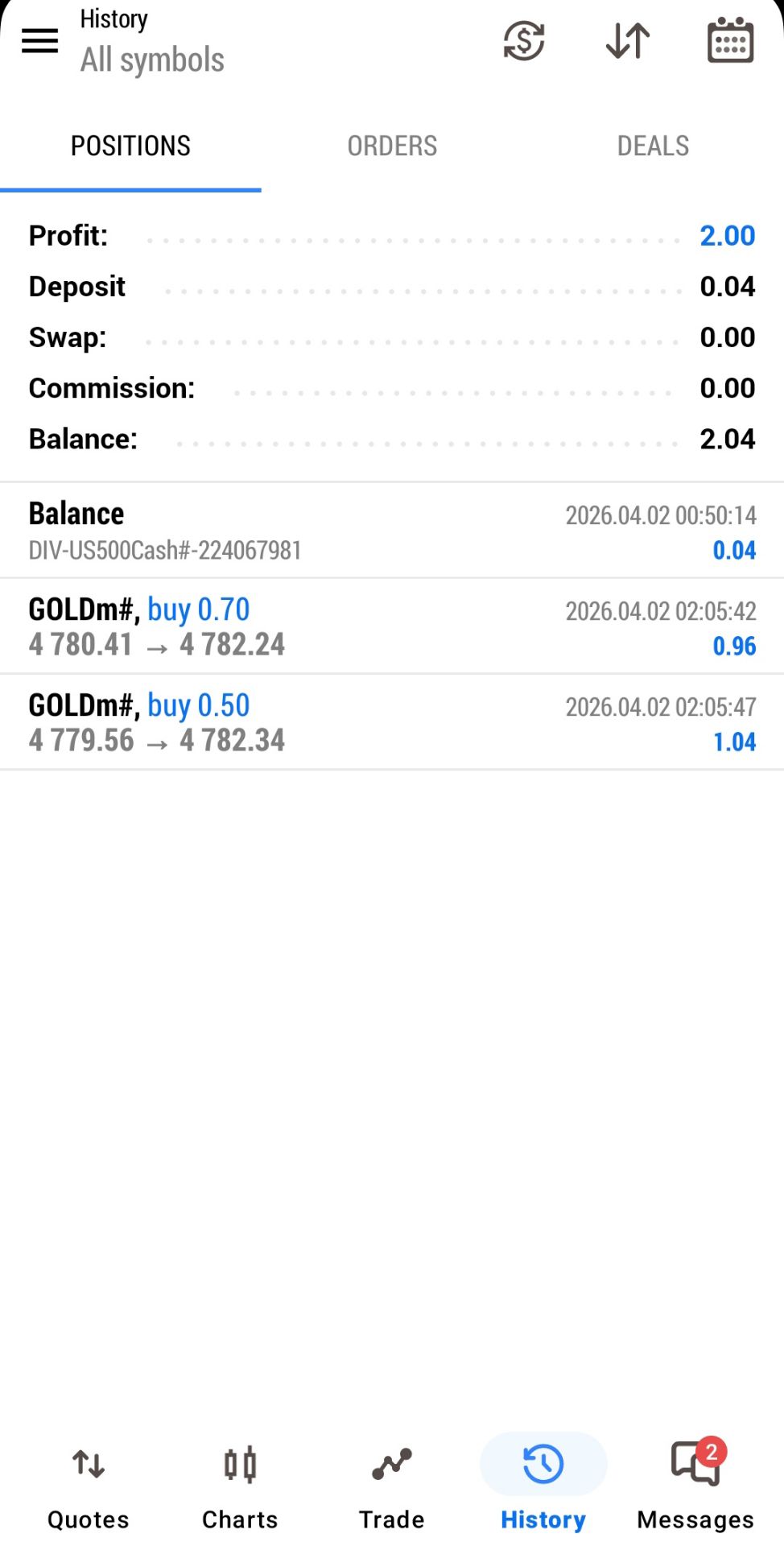
    aku baru dapet £2 pound pagi ini.
    Nawhdir Øt flag
    Mariana
    ما رايكم باستراتيجية سحب سيولة جلسة آسيا
    @Mariana penarikan likuiditas, acapkali juga setiap sesi, itu ada. @Mariana
    Mariana flag
    Nawhdir Øt
    @Mariana penarikan likuiditas, acapkali juga setiap sesi, itu ada. @Mariana
    ماهي الإستراتيجية الانسب برايك@Nawhdir Øt
    Nawhdir Øt flag
    Mariana
    ماهي الإستراتيجية الانسب برايك@Nawhdir Øt
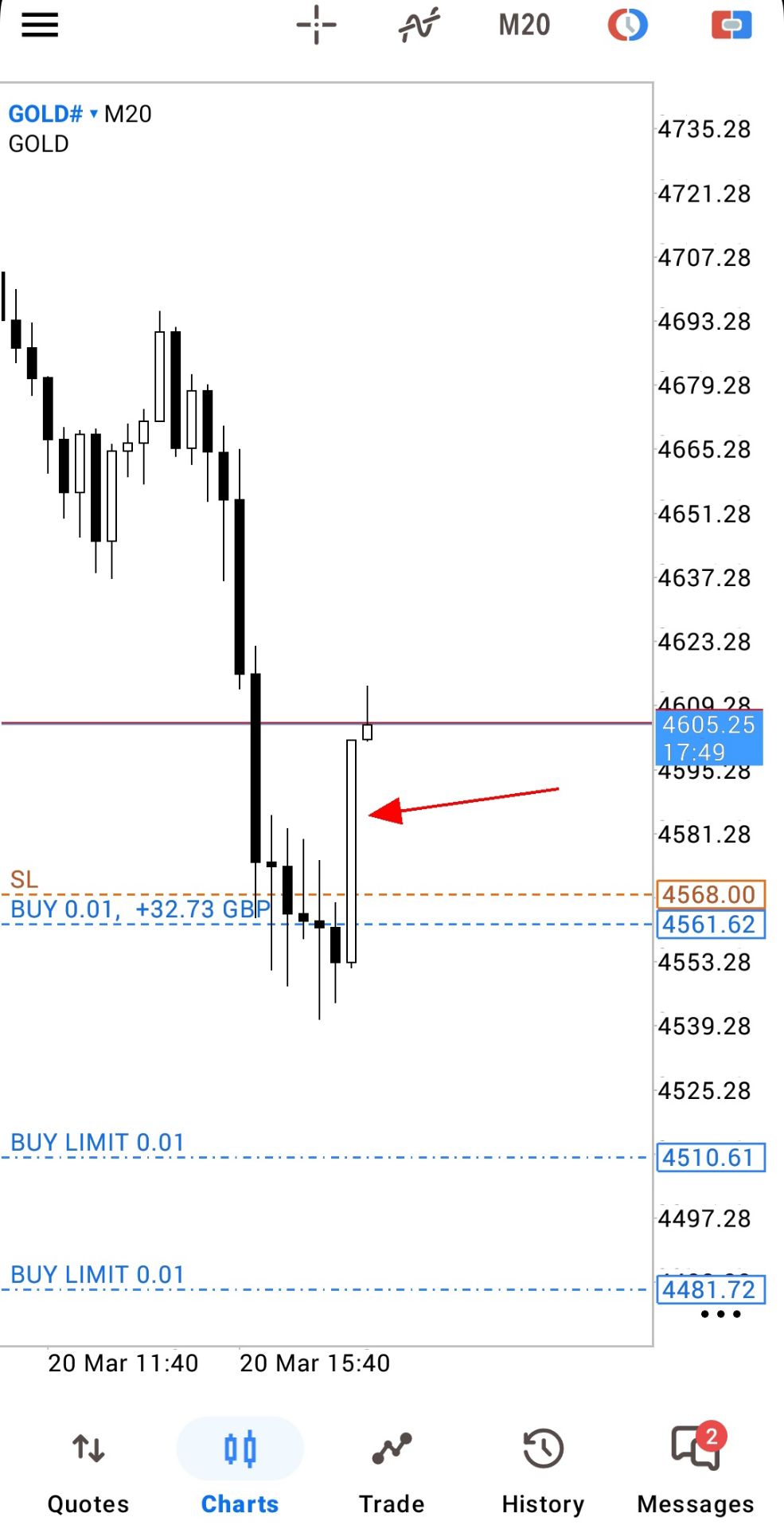
    @Mariana apakah anda pernah menggunakan area likuiditas sebagai TP anda?. Sebab ketika suatu hari aku sudah tahu karakter pasar, kadang aku suka menempatkan TP di atas sedikit atau di bawah sedikit garis Support atau Resisten.@Mariana
    Nawhdir Øt flag
    Nawhdir Øt flag
    @Mariana ☝seperti itu contohnya. @Mariana
    Nawhdir Øt flag
    Nawhdir Øt flag
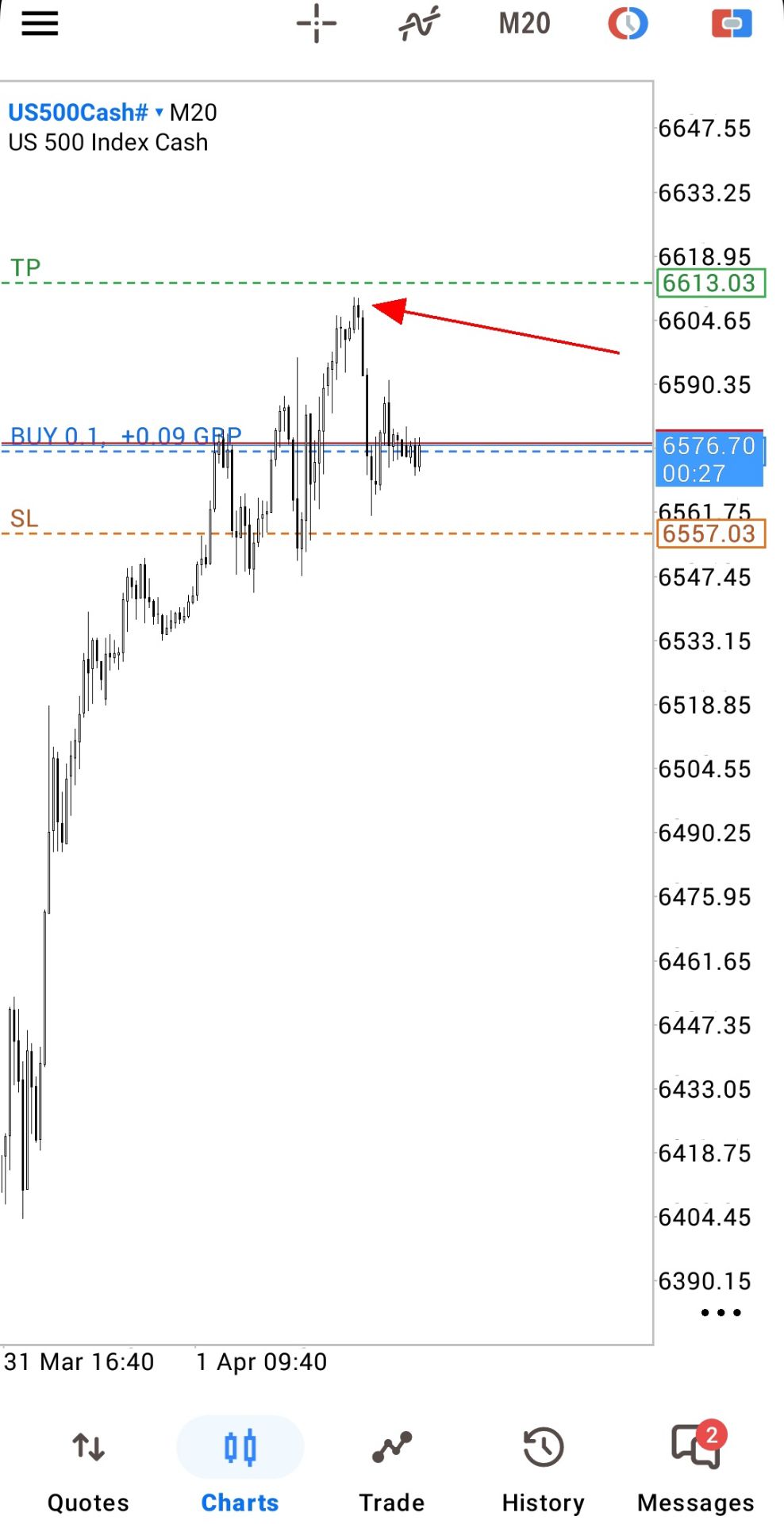
    dan US500 terdapat TP di atas harga tinggi sebelumya.
    Faburama Bojang flag
    Faburama Bojang
    Back to Back
    Mariana flag
    انت تنتظر عودة السعر الى fvg بعد BOS وتدخل الصفقة
    3915173 flag
    Mariana
    انت تنتظر عودة السعر الى fvg بعد BOS وتدخل الصفقة
    @Mariana Mariana Clean setup. BOS confirms structure shift, then waiting for retrace into FVG for a high-probability entry. That’s smart money flow.
    Mariana flag
    انا اجده أسلوباً ممتاز وله عوائد ربح جيدة
    Nawhdir Øt flag
    : )
    Nawhdir Øt flag
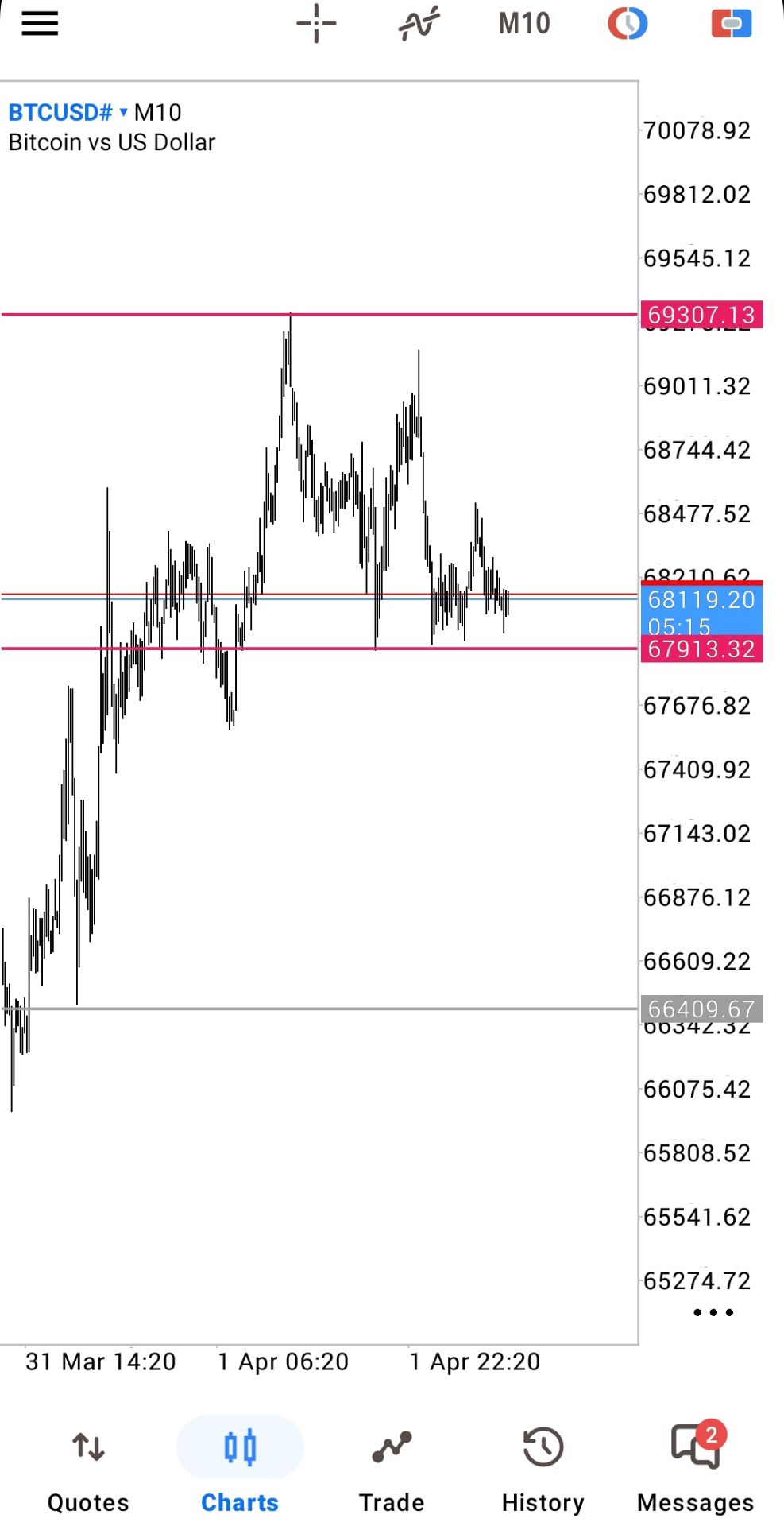
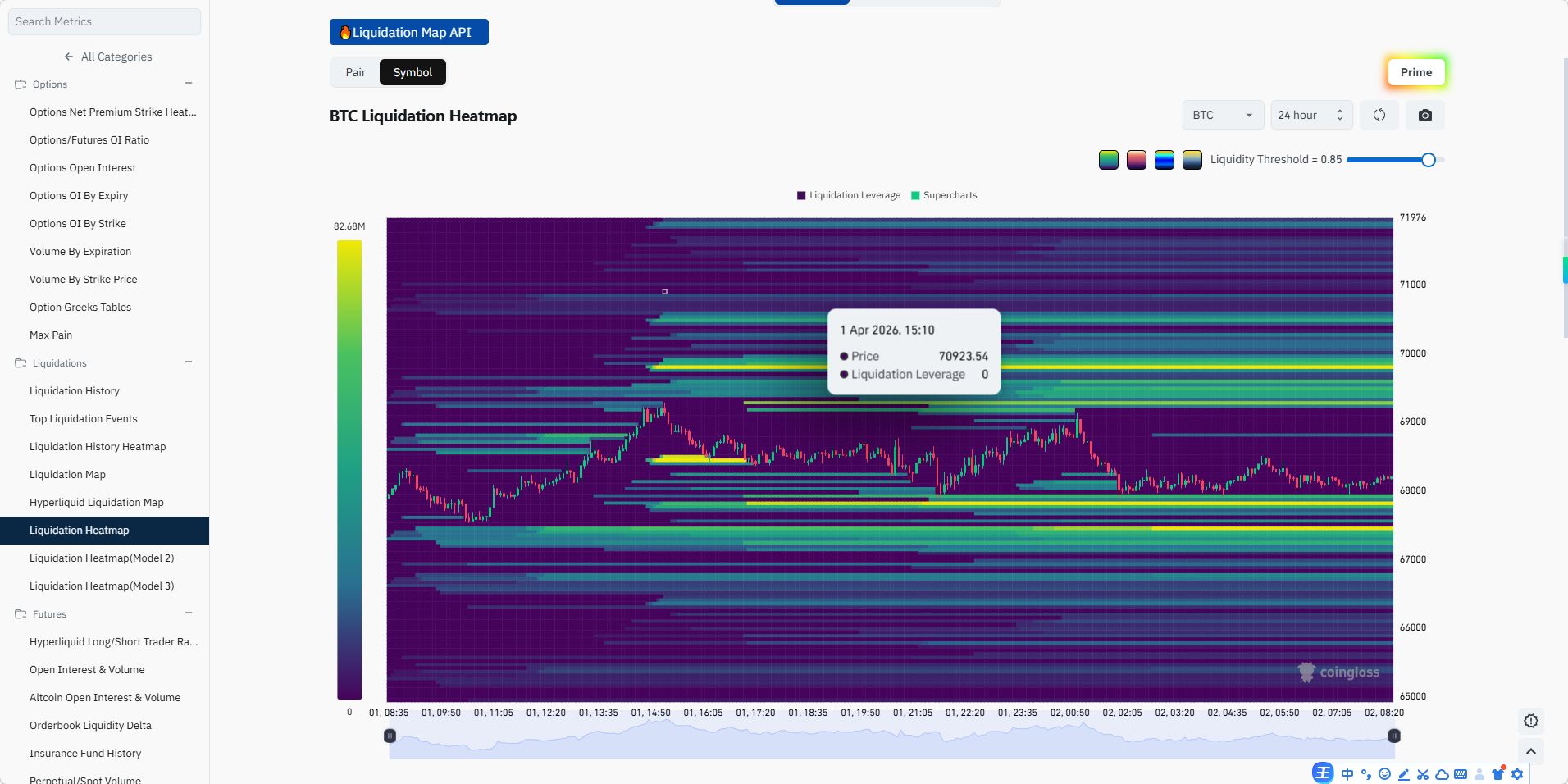
    where you see liquidation on m10 BTC ?
    Nawhdir Øt flag
    JianhuiFan flag
    1GXLEKL5E4 flag
    Các bro có plan XAUUSD ko cho mình xin với
    Ikeh Sunday flag
    Type here...
    Add Symbol or Code

      No matching data

      All
      Trump Updates
      Recommend
      Stocks
      Cryptocurrencies
      Central Banks
      Featured News
      • All
      • Russia-Ukraine Conflict
      • Middle East Flashpoint
      • All
      • Russia-Ukraine Conflict
      • Middle East Flashpoint

      Search
      Products

      Charts Free Forever

      Chats Q&A with Experts
      Screeners Economic Calendar Data Tools
      Membership Features
      Data Warehouse Market Trends Institutional Data Policy Rates Macro

      Market Trends

      Market Sentiment Order Book Forex Correlations

      Top Indicators

      Charts Free Forever
      Markets

      News

      24/7 Analysis Education

      Latest Views

      Latest Update

      Signals

      Copy Rankings Latest Signals Become a signal provider AI Rating
      Contests
      Brokers

      Overview Brokers Assessment Rankings Regulators News Claims
      Broker listing Forex Brokers Comparison Tool Live Spread Comparison Scam
      Q&A Complaint Scam Alert Videos Tips to Detect Scam
      More

      Business
      Events
      Careers About Us Advertising Help Center

      White Label

      Broker API

      Data API

      Web Plug-ins

      Affiliate Program

      Awards Institution Evaluation IB Seminar Salon Event Exhibition
      Vietnam Thailand Singapore Dubai
      Fans Party Investment Sharing Session
      FastBull Summit BrokersView Expo
      Recent Searches
        Top Searches
          Markets
          Analysis
          User
          24/7
          Economic Calendar
          Education
          Data
          • Names
          • Latest
          • Prev

          View All

          No data

          Scan to Download

          Faster Charts, Chat Faster!

          Download App
          English
          • English
          • Español
          • العربية
          • Bahasa Indonesia
          • Bahasa Melayu
          • Tiếng Việt
          • ภาษาไทย
          • Français
          • Italiano
          • Türkçe
          • Русский язык
          • 简中
          • 繁中
          Open Account
          Search
          Products
          Charts Free Forever
          Markets
          News
          Signals

          Copy Rankings Latest Signals Become a signal provider AI Rating
          Contests
          Brokers

          Overview Brokers Assessment Rankings Regulators News Claims
          Broker listing Forex Brokers Comparison Tool Live Spread Comparison Scam
          Q&A Complaint Scam Alert Videos Tips to Detect Scam
          More

          Business
          Events
          Careers About Us Advertising Help Center

          White Label

          Broker API

          Data API

          Web Plug-ins

          Affiliate Program

          Awards Institution Evaluation IB Seminar Salon Event Exhibition
          Vietnam Thailand Singapore Dubai
          Fans Party Investment Sharing Session
          FastBull Summit BrokersView Expo

          What Are Commodity Currencies And How Do They Correlate?

          FXOpen

          Economic

          Commodity

          Forex

          Summary:

          Commodity currencies are those tied to the value of a country’s key exports, such as oil, metals, or agricultural goods.

          Commodity currencies are those tied to the value of a country’s key exports, such as oil, metals, or agricultural goods. Their movements are influenced by shifts in global demand, supply disruptions, and economic policies. In this article, we will explore how commodity prices impact commodity-linked currencies and what traders may need to consider.

          What Is a Commodity Currency?

          The commodity currency definition refers to currencies issued by countries whose economies rely heavily on exporting natural resources. Their value tends to fluctuate in line with the prices of key commodities like oil, metals, and agricultural goods. When these exports become more valuable, the national economy benefits, often leading to a stronger currency. Conversely, when commodity prices fall, these currencies tend to weaken due to declining export revenues. Several well-known commodity-based currencies fall into this category.

          Canadian Dollar (CAD) – Oil and Trade with the US

          Canada is one of the world’s largest crude oil exporters, making CAD highly sensitive to oil price fluctuations. A rise in oil prices typically strengthens CAD, as higher revenues improve Canada’s trade balance and economic outlook. CAD also reacts to US economic performance, given that over 75% of Canadian exports go to the US. If US demand weakens, CAD can struggle even if oil prices move in a narrow range.

          Australian Dollar (AUD) – Iron Ore, Coal, and China’s Economy

          Australia is a major supplier of iron ore and coal, with China as its biggest buyer. AUD often moves in response to Chinese industrial activity and infrastructure investment. If China’s economy slows, reduced demand for raw materials can weigh on AUD. Interest rate decisions from the Reserve Bank of Australia (RBA) also play a role, particularly when rates diverge from global peers.

          New Zealand Dollar (NZD) – Dairy and Agricultural Exports

          New Zealand is the world’s largest dairy exporter, with milk products accounting for a significant portion of its trade. NZD tends to strengthen when global dairy prices rise, especially when demand from Asia is strong. However, because New Zealand has a smaller, more trade-dependent economy than Australia, NZD is also influenced by broader market sentiment and risk appetite.

          Norwegian Krone (NOK) – Oil and Energy Markets

          Like CAD, NOK moves with oil prices, but its sensitivity is heightened by Norway’s reliance on offshore oil production. Shifts in European energy policy, such as demand for alternative fuels, can also impact NOK beyond direct oil price movements.

          Brazilian Real (BRL) – Agriculture and Metals

          BRL is driven by Brazil’s exports of petroleum oils, iron ore, soybeans, and other agricultural products. Political stability and investor confidence in emerging markets also affect BRL, making it more volatile than some other commodity currencies.

          Key Drivers of Commodity Prices

          Commodities fluctuate based on a range of global economic forces, from supply and demand dynamics to geopolitical shifts and financial market activity. Understanding these factors may help traders analyse price trends and their potential impact on commodity-linked currencies.

          1. Global Supply and Demand

          The fundamental driver of commodity prices is the balance between production and consumption. When supply is tight due to poor harvests, mining disruptions, or oil production cuts, prices tend to rise. Conversely, oversupply—such as when oil producers flood the market—can push prices lower.

          2. Economic Growth and Industrial Activity

          The demand for commodities is closely tied to economic expansion. Rapid industrial growth increases demand for raw materials like iron ore, copper, and oil. China, for example, is the world’s largest commodity consumer, meaning its economic cycles have a major impact on global prices. A slowdown in Chinese manufacturing can weaken demand, driving commodities and related currencies lower.

          3. Geopolitical Risks and Trade Policies

          Wars, sanctions, and trade agreements can disrupt supply chains, affecting commodity availability and prices. Sanctions on oil-producing nations or conflicts in key mining regions can tighten supply, driving prices higher. On the other hand, trade agreements that reduce tariffs can boost commodity exports, influencing prices.

          4. Central Bank Policy and Inflation

          Higher inflation often pushes commodity prices up, as investors turn to raw materials as a hedge against currency devaluation. Central banks responding with interest rate hikes can curb inflation but may also reduce economic activity, lowering commodity demand.

          5. Speculation and Market Sentiment

          Commodities are heavily traded in futures markets, where speculative activity can cause price swings. Traders believing in higher future demand can drive up prices, while negative sentiment—such as recession fears—can lead to sell-offs.

          How Commodity Prices Influence Commodity Currencies

          Commodity currencies don’t just track export price movements—they react to broader economic shifts. Here’s how changes in commodity prices correlate with these currencies:

          1. Trade Balance and Export Revenues

          When commodity prices rise, exporting nations see higher revenues, improving their trade balance and strengthening their currency. Foreign buyers need to exchange their currency for AUD, CAD, or NOK to purchase commodities, increasing demand. When prices fall, the reverse happens, weakening a commodity currency.

          2. Economic Growth and Investment

          Higher commodity prices often stimulate economic growth in resource-rich countries, leading to increased business investment and job creation. This can improve confidence in the currency. However, if rising prices contribute to inflation, central banks may intervene, affecting currency performance.

          3. Interest Rates and Inflation Control

          If commodity price increases drive inflation, central banks may consider raising interest rates to stabilise the economy. These higher interest rates tend to attract investors and create buying pressure in the currency. However, if commodity prices drop sharply, central banks may lower rates to support economic growth, putting downward pressure on the currency.

          4. Risk Sentiment and Capital Flows

          Commodity currencies are often tied to investor risk appetite. In strong market conditions, investors seek higher yields and favour currencies like AUD, NZD, and CAD. But in times of uncertainty—such as economic downturns or geopolitical crises—investors typically move into so-called safe-haven assets, causing commodity currencies to weaken.

          5. Global Supply Chain Disruptions

          Natural disasters, political instability, or trade restrictions can disrupt commodity supplies. If this leads to higher commodity prices, it often strengthens commodity currencies. However, if demand falls due to economic downturns, both commodity prices and related currencies can suffer.

          Implications for Traders

          Understanding how commodity prices affect currencies provides traders with insights into market dynamics. For example, traders regularly track oil price reports, iron ore demand forecasts, or global agricultural market updates.

          Because commodity currencies often reflect underlying shifts in global economics, traders frequently monitor economic indicators. Economic indicators from major commodity-importing nations—like China’s manufacturing data—are particularly influential, as they provide clues about future demand trends.

          Additionally, commodity-linked currencies often respond strongly to shifts in risk appetite. Traders recognise that positive market sentiment typically lifts these currencies, while concerns about global growth or market instability can trigger weakness. This relationship helps traders assess broader market conditions, including when investors might favour riskier or so-called safer assets.

          Interest rate differentials between commodity-exporting countries and other major economies are also closely observed. Traders believe that rising interest rates may attract capital inflows and support currency appreciation, especially if commodity prices remain firm.

          The Bottom Line

          Commodity currencies are closely tied to global economic trends, supply and demand shifts, and market sentiment. Awareness of these relationships may support traders in creating their forex and commodity trading strategies Monitoring commodity markets, interest rate decisions, and geopolitical events may be helpful when navigating commodity currencies.

          FAQ

          What Are Commodity Currency Pairs?

          Commodity currency pairs consist of a commodity-linked currency traded against another currency, typically a major one like the US dollar. Examples include USD/CAD, AUD/USD, and NZD/USD, where CAD, AUD, and NZD are influenced by commodity prices.

          What Is Forex and Commodity Trading?

          Forex trading involves exchanging currencies, while commodity trading focuses on raw materials like oil, metals, and agricultural products. Since some currencies are tied to commodities, both markets often move together.

          What Is the Most Traded Commodity Currency Pair in Forex?

          USD/CAD is known as one of the most traded commodity currency pairs. Canada’s reliance on oil exports makes CAD highly responsive to crude oil prices, resulting in notable currency correlations with oil market movements.

          Source: FXOpen

          To stay updated on all economic events of today, please check out our Economic calendar
          Risk Warnings and Disclaimers
          You understand and acknowledge that there is a high degree of risk involved in trading. Following any strategies or investment methods may lead to potential losses. The content on the site is provided by our contributors and analysts for information purposes only. You are solely responsible for determining whether any trading assets, securities, strategy, or any other product is suitable for investing based on your own investment objectives and financial situation.
          Add to Favorites
          Share
          FastBull
          Copyright © 2026 FastBull Ltd

          728 RM B 7/F GEE LOK IND BLDG NO 34 HUNG TO RD KWUN TONG KLN HONG KONG

          TelegramInstagramTwitterfacebooklinkedin
          App Store Google Play Google Play
          Products
          Charts

          Chats

          Q&A with Experts
          Screeners
          Economic Calendar
          Data
          Tools
          Membership
          Features
          Function
          Markets
          Copy Trading
          Latest Signals
          Contests
          24/7
          Analysis
          Education
          Company
          Careers
          About Us
          Contact Us
          Advertising
          Help Center
          Feedback
          User Agreement
          Privacy Policy
          Personal Information Protection Statement
          Business

          White Label

          Broker API

          Data API

          Web Plug-ins

          Poster Maker

          Affiliate Program

          Risk Disclosure

          The risk of loss in trading financial instruments such as stocks, FX, commodities, futures, bonds, ETFs and crypto can be substantial. You may sustain a total loss of the funds that you deposit with your broker. Therefore, you should carefully consider whether such trading is suitable for you in light of your circumstances and financial resources.

          No decision to invest should be made without thoroughly conducting due diligence by yourself or consulting with your financial advisors. Our web content might not suit you since we don't know your financial conditions and investment needs. Our financial information might have latency or contain inaccuracy, so you should be fully responsible for any of your trading and investment decisions. The company will not be responsible for your capital loss.

          Without getting permission from the website, you are not allowed to copy the website's graphics, texts, or trademarks. Intellectual property rights in the content or data incorporated into this website belong to its providers and exchange merchants.

          Not Logged In

          Log in to access more features

          Connect Broker
          Become a signal provider
          Help Center
          Customer Service
          Dark Mode
          Price Up/Down Colors

          Log In

          Sign Up

          Position
          Layout
          Fullscreen
          Default to Chart
          The chart page opens by default when you visit fastbull.com