

Markets
News
Analysis
User
24/7
Economic Calendar
Education
Data
- Names
- Latest
- Prev



Signal Accounts for Members
All Signal Accounts
All Contests
U.S. Stock Futures Turned Positive During The Session, With Dow Jones Futures Up 0.11%, S&P 500 Futures Up 0.28%, And NASDAQ 100 Futures Up 0.3%, After Falling As Much As 1.6% At One Point
Iranian Diplomatic Source: Presence Of Centcom Or Any Regional Military Officials Can Jeopardize "Indirect Nuclear" Talks Between Iran And US In Oman
US Under Secretary For Arms Control: New Start Is No Longer Relevant When One Nuclear Power Is Expanding Its Arsenal At A Scale Not Seen In Over Half A Century
Kremlin On Expiry Of New Start Nuclear Deal: There Is Understanding With USA That Both Sides Will Act Responsibly
[Market Update] Both WTI And Brent Crude Oil Prices Rose More Than 2% Intraday, Currently Trading At $64.43/barrel And $68.39/barrel Respectively
The Initial Round Of US-Japan Investment Is Expected To Amount To 6 Trillion To 7 Trillion Yen, With Proposed Projects Including Natural Gas Power Generation And Ports
London Metal Exchange: Copper Inventories Increased By 2,700 Tons, Aluminum Inventories Decreased By 2,000 Tons, Nickel Inventories Decreased By 792 Tons, Zinc Inventories Decreased By 200 Tons, Lead Inventories Remained Unchanged, And Tin Inventories Decreased By 45 Tons
UN FAO Forecasts Global Cereal Production In 2025 Of 3.023 Billion Metric Tons Versus Previous Estimate Of 3.003 Billion Tons
European Central Bank's Spf Survey Sees Inflation On Same Path As 3 Months Ago, Expects Touch Higher Growth This Year
Mitsubishi Electric: Awarded Contract For Next-Generation Defence Satellite Communications System By Japan Ministry Of Defense
 MPC Rate Statement
 U.S. Challenger Job Cuts (Jan)
A:--
F: --
P: --
U.S. Challenger Job Cuts MoM (Jan)A:--
F: --
P: --
U.S. Challenger Job Cuts YoY (Jan)A:--
F: --
P: --
Bank of England Governor Bailey held a press conference on monetary policy. Euro Zone ECB Marginal Lending Rate
A:--
F: --
P: --
Euro Zone ECB Deposit RateA:--
F: --
P: --
Euro Zone ECB Main Refinancing RateA:--
F: --
P: --
ECB Monetary Policy Statement U.S. Weekly Initial Jobless Claims (SA)A:--
F: --
P: --
U.S. Initial Jobless Claims 4-Week Avg. (SA)A:--
F: --
P: --
U.S. Weekly Continued Jobless Claims (SA)A:--
F: --
ECB Press Conference U.S. JOLTS Job Openings (SA) (Dec)A:--
F: --
U.S. EIA Weekly Natural Gas Stocks ChangeA:--
F: --
P: --
 BOC Gov Macklem Speaks
 Mexico Policy Interest Rate
A:--
F: --
P: --
U.S. Weekly Treasuries Held by Foreign Central BanksA:--
F: --
P: --
 Reserve Bank of Australia Governor Bullock testified before Parliament.
 Japan Foreign Exchange Reserves (Jan)
A:--
F: --
P: --
 India Benchmark Interest Rate
A:--
F: --
P: --
India Cash Reserve RatioA:--
F: --
P: --
India Repo RateA:--
F: --
P: --
India Reverse Repo RateA:--
F: --
P: --
Japan Leading Indicators Prelim (Dec)A:--
F: --
P: --
 Germany Industrial Output MoM (SA) (Dec)
A:--
F: --
Germany Exports MoM (SA) (Dec)A:--
F: --
P: --
U.K. Halifax House Price Index YoY (SA) (Jan)A:--
F: --
U.K. Halifax House Price Index MoM (SA) (Jan)A:--
F: --
 France Trade Balance (SA) (Dec)
A:--
F: --
Canada Leading Index MoM (Jan)--
F: --
P: --
India Deposit Gowth YoY--
F: --
P: --
Canada Employment (SA) (Jan)--
F: --
Canada Full-time Employment (SA) (Jan)--
F: --
Canada Part-Time Employment (SA) (Jan)--
F: --
Canada Unemployment Rate (SA) (Jan)--
F: --
P: --
Canada Labor Force Participation Rate (SA) (Jan)--
F: --
P: --
Due to the previous government shutdown, the release date of the US January non-farm payroll report has been changed to February 11. Canada Ivey PMI (Not SA) (Jan)--
F: --
P: --
Canada Ivey PMI (SA) (Jan)--
F: --
P: --
U.S. 5-10 Year-Ahead Inflation Expectations (Feb)--
F: --
P: --
U.S. UMich Consumer Sentiment Index Prelim (Feb)--
F: --
P: --
U.S. UMich 1-Year-Ahead Inflation Expectations Prelim (Feb)--
F: --
P: --
U.S. UMich 5-Year-Ahead Inflation Expectations Prelim YoY (Feb)--
F: --
P: --
U.S. UMich Current Economic Conditions Index Prelim (Feb)--
F: --
P: --
U.S. UMich Consumer Expectations Index Prelim (Feb)--
F: --
P: --
 China, Mainland Foreign Exchange Reserves (Jan)
--
F: --
P: --
 Russia Retail Sales YoY (Dec)
--
F: --
P: --
Russia Unemployment Rate (Dec)--
F: --
P: --
Russia Quarterly GDP Prelim YoY (Q1)--
F: --
P: --
U.S. Weekly Total Oil Rig Count--
F: --
P: --
U.S. Weekly Total Rig Count--
F: --
P: --
U.S. Consumer Credit (SA) (Dec)--
F: --
P: --
Japan Wages MoM (Dec)--
F: --
P: --
Japan Trade Balance (Customs Data) (SA) (Dec)--
F: --
P: --
Japan Trade Balance (Dec)--
F: --
P: --
Euro Zone Sentix Investor Confidence Index (Feb)--
F: --
P: --
Mexico CPI YoY (Jan)--
F: --
P: --
Mexico 12-Month Inflation (CPI) (Jan)--
F: --
P: --
Mexico PPI YoY (Jan)--
F: --
P: --
Mexico Core CPI YoY (Jan)--
F: --
P: --









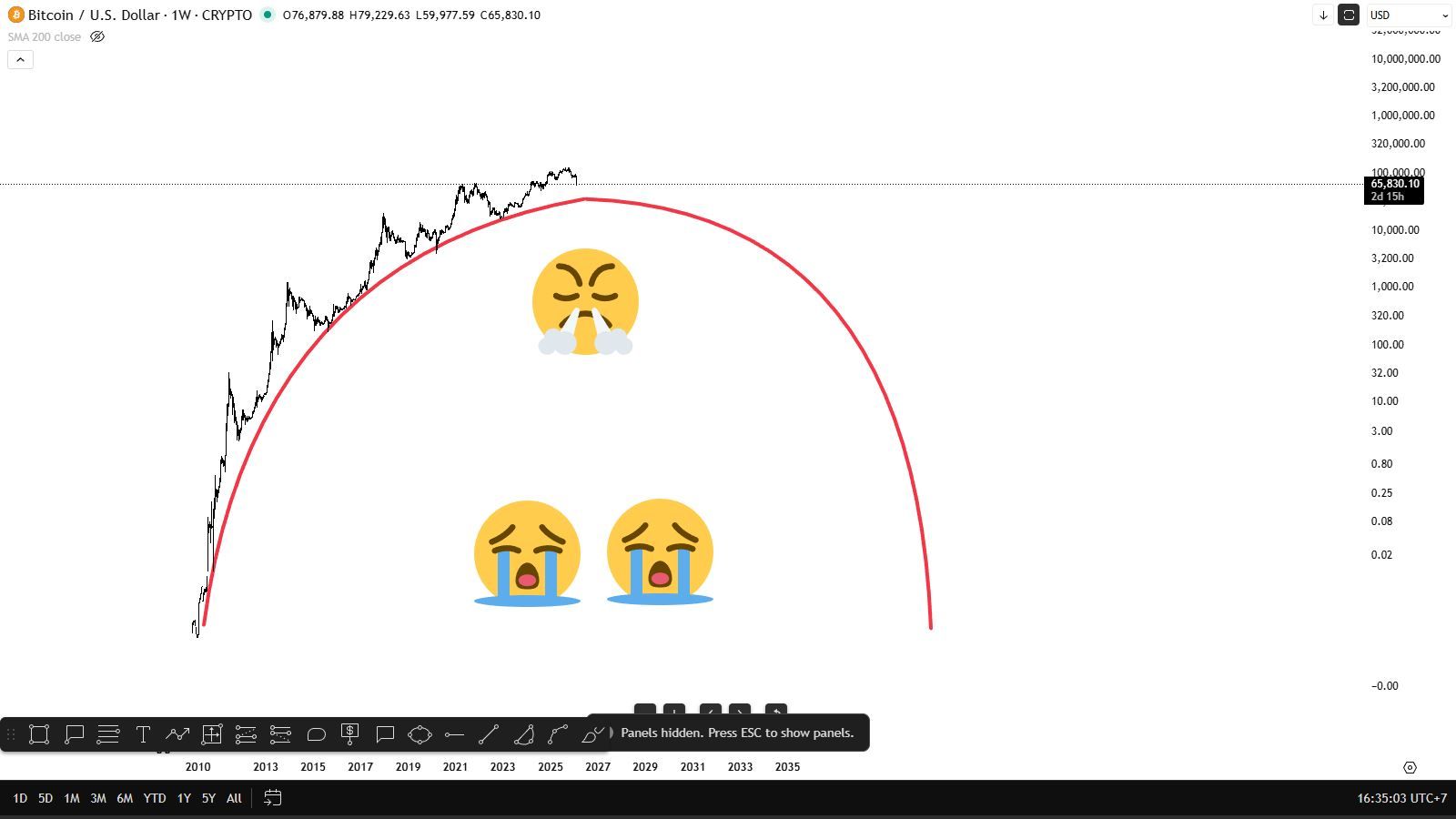
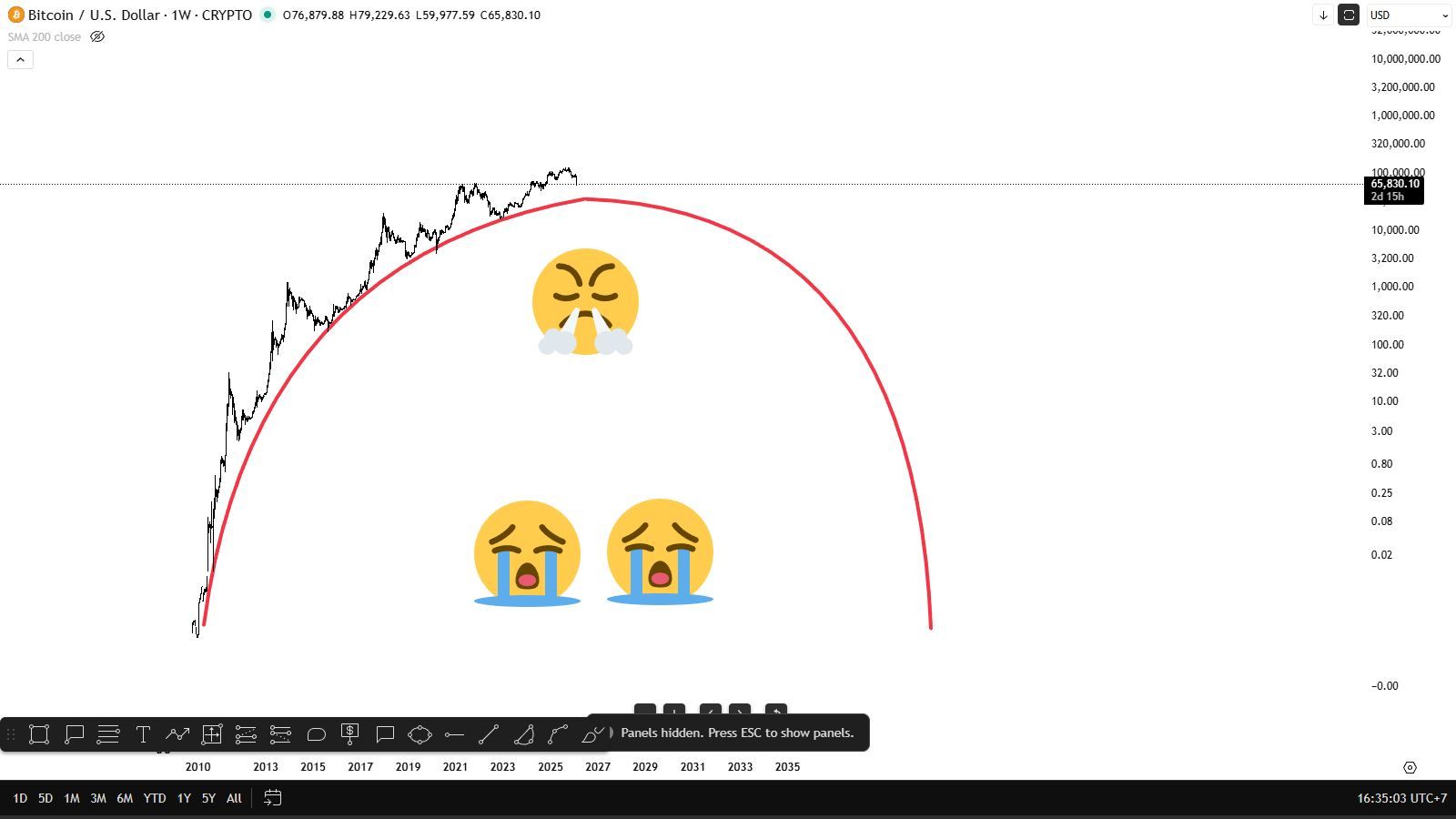


 HHHUUUAAAA !!! (CRYING OUT OF THE SCREAM) HHHUUUAAAA !!! (CRYING OUT OF THE SCREAM)
No matching data

View All
No data
What Happened?
Shares of cloud communications provider Bandwidth jumped 6.5% in the afternoon session after B. Riley Securities initiated coverage on the stock with a 'Buy' rating and a $20 price target.
The firm highlighted Bandwidth's strategic position to gain from the growth of AI voice applications. B. Riley noted that Bandwidth is the only major cloud-based communications platform provider to own its own nationwide all-IP network. This unique setup gave it an advantage in providing high-quality network services as the adoption of AI voice was expected to expand rapidly in the coming years. The $20 price target represented a significant potential upside from its previous trading price.
What Is The Market Telling Us
Bandwidth’s shares are quite volatile and have had 18 moves greater than 5% over the last year. In that context, today’s move indicates the market considers this news meaningful but not something that would fundamentally change its perception of the business.
The previous big move we wrote about was 2 days ago when the stock gained 2.7% on the news that President Trump cooled fears of a transatlantic trade war by calling off scheduled tariffs on European allies.
The rally followed a productive meeting in Davos with NATO Secretary General Mark Rutte, where a "framework of a future deal" regarding Greenland and the Arctic region was established. By explicitly ruling out the use of military force and suspending the 10% tariffs previously set for February 1st, the administration provided the "sigh of relief" the market desperately needed after Tuesday's sharp sell-off.Technology and semiconductor leaders like Nvidia and AMD spearheaded the recovery as investors quickly pivoted back into growth stocks. The "Sell America" trade from the prior session reversed sharply, with the Nasdaq Composite jumping 1.5% and the S&P 500 erasing its 2026 losses. This rebound was further supported by a stabilization in the bond market; as tariff-related inflation fears subsided, the 10-year Treasury yield retreated from its recent highs, creating a more favorable backdrop for equity valuations across the board.
Bandwidth is up 2.5% since the beginning of the year, but at $14.58 per share, it is still trading 25.7% below its 52-week high of $19.61 from February 2025. Investors who bought $1,000 worth of Bandwidth’s shares 5 years ago would now be looking at an investment worth $87.28.
What Happened?
A number of stocks jumped in the afternoon session after President Trump cooled fears of a transatlantic trade war by calling off scheduled tariffs on European allies.
The rally followed a productive meeting in Davos with NATO Secretary General Mark Rutte, where a "framework of a future deal" regarding Greenland and the Arctic region was established. By explicitly ruling out the use of military force and suspending the 10% tariffs previously set for February 1st, the administration provided the "sigh of relief" the market desperately needed after Tuesday's sharp sell-off.Technology and semiconductor leaders like Nvidia and AMD spearheaded the recovery as investors quickly pivoted back into growth stocks.
The "Sell America" trade from the prior session reversed sharply, with the Nasdaq Composite jumping 1.5% and the S&P 500 erasing its 2026 losses. This rebound was further supported by a stabilization in the bond market; as tariff-related inflation fears subsided, the 10-year Treasury yield retreated from its recent highs, creating a more favorable backdrop for equity valuations across the board.
The stock market overreacts to news, and big price drops can present good opportunities to buy high-quality stocks.
Among others, the following stocks were impacted:
Zooming In On The Trade Desk (TTD)
The Trade Desk’s shares are very volatile and have had 27 moves greater than 5% over the last year. In that context, today’s move indicates the market considers this news meaningful but not something that would fundamentally change its perception of the business.
The previous big move we wrote about was 16 days ago when the stock gained 5.3% on the news that investor attention turned to the annual CES 2026 technology conference in Las Vegas, with artificial intelligence emerging as a central theme. Attention shifted to tech giants, whose CEOs would headline the event. This focus continued the AI-fuelled momentum that drove market gains the previous year. The rally had global reach, with an MSCI Asia Pacific Index surge being driven by heavyweight chip names like Samsung and Taiwan Semiconductor Manufacturing Company. The event reinforced investor confidence in the long-term demand for the booming AI and chipmaking trend, boosting shares of companies across the semiconductor and technology space.
The Trade Desk is down 6.2% since the beginning of the year, and at $35.33 per share, it is trading 71.6% below its 52-week high of $124.50 from January 2025. Investors who bought $1,000 worth of The Trade Desk’s shares 5 years ago would now be looking at an investment worth $434.55.
What Happened?
A number of stocks fell in the afternoon session after tech stocks pulled back as reports surfaced that Chinese customs authorities blocked Nvidia's H200 AI chips, effectively halting their entry despite recent U.S. export approvals.
This semiconductor sell-off, led by Broadcom and Micron, reflected deepening fears that the "AI trade" was colliding with a protectionist "new normal." Investors were concerned about the prospect of a fragmented global order where tech giants are caught between Washington's industrial strategy and Beijing's push for semiconductor sovereignty.Broadening the risk, markets were also agitated about the Justice Department's investigation into Fed Chair Jerome Powell, sparking concerns over central bank independence. This domestic political friction, paired with rising oil prices from Iranian civil unrest, likely forced a pivot from growth to defense.
The stock market overreacts to news, and big price drops can present good opportunities to buy high-quality stocks.
Among others, the following stocks were impacted:
Zooming In On Doximity (DOCS)
Doximity’s shares are very volatile and have had 25 moves greater than 5% over the last year. In that context, today’s move indicates the market considers this news meaningful but not something that would fundamentally change its perception of the business.
The previous big move we wrote about was 6 days ago when the stock dropped 3.6% on the news that a broader market rotation out of the technology sector led to profit-taking following a recent rally.
The move was part of a wider trend that saw high-growth technology stocks fall, with the Nasdaq experiencing the sharpest decline among the major indices. Multiple reports indicated that traders were locking in profits, particularly from the artificial-intelligence trade, which had previously seen a strong run-up. This market action represented a shift in investor focus, as money moved out of tech.
Defense stocks emerged as the primary beneficiary of this capital shift, surging after President Trump proposed a massive $1.5 trillion defense budget for 2027. Major contractors rallied on the news, with Northrop Grumman jumping over 10% and Lockheed Martin gaining nearly 8%, providing a counterbalance to the tech slump that kept the S&P 500 flat. The rotation into heavy industry was further supported by a stabilization in energy markets, as crude prices rebounded.
Doximity is down 7.4% since the beginning of the year, and at $40.07 per share, it is trading 51.8% below its 52-week high of $83.14 from February 2025. Investors who bought $1,000 worth of Doximity’s shares at the IPO in June 2021 would now be looking at an investment worth $756.13.
Quarterly earnings results are a good time to check in on a company’s progress, especially compared to its peers in the same sector. Today we are looking at Twilio and the best and worst performers in the software development industry.
As legendary VC investor Marc Andreessen says, "Software is eating the world", and it touches virtually every industry. That drives increasing demand for tools helping software developers do their jobs, whether it be monitoring critical cloud infrastructure, integrating audio and video functionality, or ensuring smooth content streaming.
The 11 software development stocks we track reported a very strong Q3. As a group, revenues beat analysts’ consensus estimates by 2.7% while next quarter’s revenue guidance was in line.
In light of this news, share prices of the companies have held steady as they are up 2.1% on average since the latest earnings results.
Known for the clever "Twilio Magic" demo that had developers creating functioning communications apps in minutes, Twilio provides a platform that enables businesses to communicate with their customers through voice, messaging, email, and other digital channels.
Twilio reported revenues of $1.3 billion, up 14.7% year on year. This print exceeded analysts’ expectations by 3.8%. Overall, it was an exceptional quarter for the company with accelerating customer growth and a solid beat of analysts’ EBITDA estimates.
Interestingly, the stock is up 18.5% since reporting and currently trades at $133.18.
Is now the time to buy Twilio? Access our full analysis of the earnings results here, it’s free for active Edge members.
Named after the amphibian that continuously evolves from egg to tadpole to adult, JFrog provides a platform that helps organizations securely create, store, manage, and distribute software packages across any system.
JFrog reported revenues of $136.9 million, up 25.5% year on year, outperforming analysts’ expectations by 6.6%. The business had an exceptional quarter with a solid beat of analysts’ billings estimates and EPS guidance for next quarter exceeding analysts’ expectations.
JFrog scored the biggest analyst estimates beat among its peers. The company added 45 enterprise customers paying more than $100,000 annually to reach a total of 1,121. The market seems happy with the results as the stock is up 39.6% since reporting. It currently trades at $66.00.
Is now the time to buy JFrog? Access our full analysis of the earnings results here, it’s free for active Edge members.
Originally named after the F5 tornado, the most powerful on the meteorological scale, F5 provides security and delivery solutions that protect applications across cloud, data center, and edge environments for large organizations.
F5 reported revenues of $810.1 million, up 8.5% year on year, exceeding analysts’ expectations by 2%. Still, it was a slower quarter as it posted full-year EPS guidance missing analysts’ expectations significantly and revenue guidance for next quarter missing analysts’ expectations significantly.
As expected, the stock is down 9.5% since the results and currently trades at $262.96.
Read our full analysis of F5’s results here.
With a massive network spanning more than 310 cities in over 120 countries, Cloudflare provides a global network that delivers security, performance and reliability services to protect websites, applications, and corporate networks.
Cloudflare reported revenues of $562 million, up 30.7% year on year. This print beat analysts’ expectations by 3.2%. Overall, it was an exceptional quarter as it also put up an impressive beat of analysts’ billings estimates and EPS guidance for next quarter exceeding analysts’ expectations.
Cloudflare pulled off the fastest revenue growth among its peers. The stock is down 12.1% since reporting and currently trades at $195.04.
Read our full, actionable report on Cloudflare here, it’s free for active Edge members.
Powering communications for tech giants like Microsoft, Google, and Zoom, Bandwidth provides cloud-based communications software and APIs that enable businesses to embed voice, messaging, and emergency services into their applications and platforms.
Bandwidth reported revenues of $191.9 million, down 1% year on year. This result surpassed analysts’ expectations by 1%. It was a very strong quarter as it also recorded a solid beat of analysts’ EBITDA estimates.
Bandwidth had the slowest revenue growth among its peers. The stock is down 11.3% since reporting and currently trades at $14.88.
Read our full, actionable report on Bandwidth here, it’s free for active Edge members.
What Happened?
A number of stocks jumped in the afternoon session after comments from a key Federal Reserve official bolstered hopes for an interest rate cut.
The positive sentiment followed comments from New York Federal Reserve President John Williams, a voting member of the rate-setting Federal Open Market Committee (FOMC), who indicated he sees room for further policy easing. Following his remarks, the probability of a December rate cut surged from 39% to 71%, according to the CME FedWatch Tool, causing Treasury yields to fall. Lower interest rates can be particularly beneficial for growth-oriented sectors like software, as they increase the present value of future earnings. This renewed hope provided a boost to the sector, which had recently faced pressure from concerns over high valuations in artificial intelligence.
The stock market overreacts to news, and big price drops can present good opportunities to buy high-quality stocks.
Among others, the following stocks were impacted:
Zooming In On Sprout Social (SPT)
Sprout Social’s shares are very volatile and have had 23 moves greater than 5% over the last year. In that context, today’s move indicates the market considers this news meaningful but not something that would fundamentally change its perception of the business.
The previous big move we wrote about was 8 days ago when the stock dropped 3.6% on the news that investors showed signs of fatigue with the AI-led rally, rotating out of high-valuation growth names.
After a fantastic run, many of the high-flying AI and technology stocks saw investors take profits: selling shares to lock in their gains.This is often called a "market rotation." Money is moving out of the red-hot tech sector (which some worry has become too expensive) and into other parts of the market that investors may currently deem more stable or reasonably-priced.There's a secondary reason for the cautious mood: The long government shutdown came to an end. Though it's typically interpreted as good news, it also means a flood of delayed economic reports will be released. For weeks, investors were "flying blind" without key updates on the economy's health, like inflation data and the jobs report. In typical "sell the news" fashion, investors may also be taking profits and selling in anticipation that the new data would potentially give the Federal Reserve reasons to slow or even pause future rate cuts.
Sprout Social is down 68.3% since the beginning of the year, and at $9.73 per share, it is trading 73.2% below its 52-week high of $36.24 from December 2024. Investors who bought $1,000 worth of Sprout Social’s shares 5 years ago would now be looking at an investment worth $206.54.
What Happened?
A number of stocks fell in the afternoon session after markets faded the Nvidia rally in the morning session, as investors remained uncertain about future rate cuts.
While the trading day began with significant enthusiasm, pushing the Dow Jones Industrial Average up more than 700 points and the Nasdaq Composite up 2.6%, momentum quickly evaporated as the session wore on. The primary catalyst for this sharp reversal was a stronger-than-expected jobs report, which reduced the implied odds of a December interest rate cut to less than 40%.This macroeconomic anxiety overshadowed stellar corporate performance. Nvidia initially surged 5% on blockbuster earnings and CEO Jensen Huang's bullish outlook on "off the charts" demand for Blackwell chips. However, the stock eventually turned negative, acting as a heavy weight that dragged the broader indices into the red. The sell-off partly reflects a deepening caution regarding high-flying tech valuations in a "higher-for-longer" rate environment.
Consequently, investors appeared to rotate capital away from volatile growth sectors and toward defensive staples, evidenced by Walmart's 6% gain following its own earnings beat. Ultimately, the market could not sustain the morning's euphoria, as traders prioritized rate realities over AI potential.
The stock market overreacts to news, and big price drops can present good opportunities to buy high-quality stocks.
Among others, the following stocks were impacted:
Zooming In On Bandwidth (BAND)
Bandwidth’s shares are very volatile and have had 22 moves greater than 5% over the last year. In that context, today’s move indicates the market considers this news meaningful but not something that would fundamentally change its perception of the business.
The previous big move we wrote about was 16 days ago when the stock dropped 4.6% on the news that markets became increasingly wary of high valuations following a significant AI-driven rally.
The tech-heavy Nasdaq fell approximately 1.4% as a wave of caution swept through the market. A key example of this trend is Palantir Technologies, which saw its shares drop around 7% despite reporting record quarterly results that surpassed analyst estimates and raising its full-year revenue outlook. This seemingly contradictory movement highlighted a broader sentiment shift. Investors appeared to be engaging in profit-taking, concerned that the recent surge in AI-related stocks had led to stretched valuations. This broader market caution affected high-growth technology companies that had previously surged on AI optimism but faced increased scrutiny, signaling a potential cooling-off period for the sector.
Adding serious weight to this caution, leadership at both Goldman Sachs and Morgan Stanley highlighted the possibility of a correction in the equity markets over the next couple of years.Despite the euphoria driven by AI optimism and the promise of future rate cuts, these banks viewed this cooling-off period not as a disaster, but as a necessary and healthy feature of a long-term bull market.
Bandwidth is down 19.7% since the beginning of the year, and at $13.42 per share, it is trading 38.6% below its 52-week high of $21.84 from November 2024. Investors who bought $1,000 worth of Bandwidth’s shares 5 years ago would now be looking at an investment worth $87.71.

Bandwidth’s third quarter results drew a negative market reaction, despite delivering revenue above Wall Street’s expectations. Management pointed to accelerating growth in its core voice offerings and highlighted robust customer adoption, especially among Global 2000 enterprises. CEO David Morken cited the “record pace” of million-dollar-plus deals and underscored the growing demand for AI-powered voice solutions as a key driver this quarter. However, the company’s non-GAAP profit fell slightly short of analyst consensus, and management acknowledged cross currents in gross margin due to the absence of political campaign messaging revenue compared to last year.
Is now the time to buy BAND? Find out in our full research report (it’s free for active Edge members).
Bandwidth (BAND) Q3 CY2025 Highlights:
While we enjoy listening to the management's commentary, our favorite part of earnings calls are the analyst questions. Those are unscripted and can often highlight topics that management teams would rather avoid or topics where the answer is complicated. Here is what has caught our attention.
Our Top 5 Analyst Questions From Bandwidth’s Q3 Earnings Call
Catalysts in Upcoming Quarters
Looking ahead, our analyst team is monitoring (1) the pace of software-driven revenue adoption, especially from new AI-powered products; (2) continued expansion in large enterprise voice deals and associated onboarding speed; and (3) improvements in gross margin as the mix shifts toward higher-value software and automation. The progress of the trust services portfolio and developments in the messaging revenue stream will also be important to watch.
Bandwidth currently trades at $14.89, down from $16.79 just before the earnings. Is the company at an inflection point that warrants a buy or sell? Find out in our full research report (it’s free for active Edge members).
The Best Stocks for High-Quality Investors
Donald Trump’s April 2025 "Liberation Day" tariffs sent markets into a tailspin, but stocks have since rebounded strongly, proving that knee-jerk reactions often create the best buying opportunities.
The smart money is already positioning for the next leg up. Don’t miss out on the recovery - check out our Top 5 Strong Momentum Stocks for this week. This is a curated list of our High Quality stocks that have generated a market-beating return of 183% over the last five years (as of March 31st 2025).
Stocks that made our list in 2020 include now familiar names such as Nvidia (+1,545% between March 2020 and March 2025) as well as under-the-radar businesses like the once-small-cap company Exlservice (+354% five-year return).
StockStory is growing and hiring equity analyst and marketing roles. Are you a 0 to 1 builder passionate about the markets and AI? See the open roles here.
728 RM B 7/F GEE LOK IND BLDG NO 34 HUNG TO RD KWUN TONG KLN HONG KONG


The risk of loss in trading financial instruments such as stocks, FX, commodities, futures, bonds, ETFs and crypto can be substantial. You may sustain a total loss of the funds that you deposit with your broker. Therefore, you should carefully consider whether such trading is suitable for you in light of your circumstances and financial resources.
No decision to invest should be made without thoroughly conducting due diligence by yourself or consulting with your financial advisors. Our web content might not suit you since we don't know your financial conditions and investment needs. Our financial information might have latency or contain inaccuracy, so you should be fully responsible for any of your trading and investment decisions. The company will not be responsible for your capital loss.
Without getting permission from the website, you are not allowed to copy the website's graphics, texts, or trademarks. Intellectual property rights in the content or data incorporated into this website belong to its providers and exchange merchants.
Not Logged In
Log in to access more features


Log In
Sign Up


