• Trade
  • Markets
  • Copy
  • Contests
  • News
  • 24/7
  • Calendar
  • Q&A
  • Chats
Screeners
SYMBOL
LAST
ASK
BID
HIGH
LOW
NET CHG.
%CHG.
SPREAD
SPX
S&P 500 Index
6978.59
6978.59
6978.59
6988.81
6958.82
+28.36
+ 0.41%
--
DJI
Dow Jones Industrial Average
49003.40
49003.40
49003.40
49157.80
48862.52
-408.99
-0.83%
--
IXIC
NASDAQ Composite Index
23817.11
23817.11
23817.11
23865.26
23694.38
+215.76
+ 0.91%
--
USDX
US Dollar Index
96.020
96.100
96.020
96.070
95.660
+0.480
+ 0.50%
--
EURUSD
Euro / US Dollar
1.19720
1.19728
1.19720
1.20439
1.19649
-0.00672
-0.56%
--
GBPUSD
Pound Sterling / US Dollar
1.37765
1.37775
1.37765
1.38466
1.37701
-0.00704
-0.51%
--
XAUUSD
Gold / US Dollar
5254.83
5255.26
5254.83
5311.48
5157.13
+76.25
+ 1.47%
--
WTI
Light Sweet Crude Oil
62.253
62.283
62.253
62.842
61.932
-0.184
-0.29%
--

Community Accounts

Signal Accounts
--
Profit Accounts
--
Loss Accounts
--
View More

Become a signal provider

Sell trading signals to earn additional income

View More

Guide to Copy Trading

Get started with ease and confidence

View More

Signal Accounts for Members

All Signal Accounts

Best Return
  • Best Return
  • Best P/L
  • Best MDD
Past 1W
  • Past 1W
  • Past 1M
  • Past 1Y

All Contests

  • All
  • Trump Updates
  • Recommend
  • Stocks
  • Cryptocurrencies
  • Central Banks
  • Featured News
Top News Only
Share

Ukraine Says It Summoned Hungarian Ambassador, Issued Protest Over Allegations Of Ukrainian Meddling In Hungarian Elections

Share

ICE London Cocoa Futures Fall More Than 4% To 2961 Pounds Per Metric Ton

Share

ICE New York Cocoa Futures Fall 4% To $4254 Per Metric Ton

Share

Cityfibre, Backed By Goldman Sachs, Plans To Lay Off One-third Of Its Staff

Share

China Foreign Minister Wang Yi Holds Phone Call With French President Diplomatic Advisor

Share

[Ding Xuexiang Meets With Goldman Sachs Chairman And CEO David Soros] Ding Xuexiang, Member Of The Standing Committee Of The Political Bureau Of The CPC Central Committee And Vice Premier Of The State Council, Met With David Soros, Chairman And CEO Of Goldman Sachs, In Beijing On The 28th. Ding Xuexiang Stated That China's Economy Has A Long-term Positive Outlook And Is A Reliable Driving Force For Global Development. During The 15th Five-Year Plan Period, We Will Solidly Promote High-quality Development, Unswervingly Expand High-level Opening-up, And Continuously Unleash The Potential Of Our Super-large Market, Adding More New Momentum To Global Development And Providing More New Opportunities For Enterprises From All Countries. We Welcome Foreign-invested Enterprises To Expand Their Investment And Cooperation In China And Better Share In China's Development Opportunities. Soros Stated That Goldman Sachs Is Optimistic About China's Development Prospects And Economic Growth Potential And Will Continue To Deepen Its Presence In The Chinese Market, Playing A Positive Role In The Stable Development Of US-China Relations

Share

Bahrain Dec CPI +0.5% Year-On-Year

Share

Irish November Retail Sales Volumes Revised To +2.1% Year-On-Year (Previous +2.5%)

Share

Irish November Retail Sales Volumes Revised To 0.3% Month-On-Month (Previous +0.5%)

Share

Chairman Of Spain's Abanca: Is Not Considering An IPO In The Short Term

Share

French Prime Minister Adviser: We Have Signed 20 Cooperation Agreements Around The World Including With Indonesia

Share

Russia's Nornickel Says Fourth-quarter Copper Production Was 112,015 Tons, Up 12% From The Previous Quarter

Share

Iraq's Former Prime Minister Nour Al-Maliki Says We Reject USA Intervention In His Country's Internal Affairs, After He Was Nominated By Shi'Ite Alliance To Head New Government

Share

India's April-Dec Industrial Output 3.9% Year-On-Year

Share

India's Dec Industrial Output 7.8% Year-On-Year (Reuters Poll 5.5% Year-On-Year)

Share

Russia's Nornickel Says Sees Nickel Output At 193-203 Kt In 2026, Palladium At 2.415-2.465 Moz

Share

Russia's Nornickel: 2025 Palladium Output At 2.725 Moz (-1% Year-On-Year)

Share

Russia's Nornickel: Q4 Palladium Output At 709 Koz (+15% Quarter-On-Quarter)

Share

Russia's Nornickel: 2025 Nickel Output At 199 Kt (-3% Year-On-Year)

Share

Russia's Nornickel: Q4 Nickel Output At 58 Kt (+9% Quarter-On-Quarter)

TIME
ACT
FCST
PREV
Germany 2-Year Schatz Auction Avg. Yield

A:--

F: --

P: --

Mexico Trade Balance (Dec)

A:--

F: --

P: --

U.S. Weekly Redbook Index YoY

A:--

F: --

P: --

U.S. S&P/CS 20-City Home Price Index YoY (Not SA) (Nov)

A:--

F: --

P: --

U.S. S&P/CS 20-City Home Price Index MoM (SA) (Nov)

A:--

F: --

P: --
U.S. FHFA House Price Index MoM (Nov)

A:--

F: --

P: --

U.S. FHFA House Price Index (Nov)

A:--

F: --

P: --

U.S. FHFA House Price Index YoY (Nov)

A:--

F: --

P: --
U.S. S&P/CS 10-City Home Price Index YoY (Nov)

A:--

F: --

P: --

U.S. S&P/CS 10-City Home Price Index MoM (Not SA) (Nov)

A:--

F: --

P: --

U.S. S&P/CS 20-City Home Price Index (Not SA) (Nov)

A:--

F: --

P: --

U.S. S&P/CS 20-City Home Price Index MoM (Not SA) (Nov)

A:--

F: --

P: --

U.S. Richmond Fed Manufacturing Composite Index (Jan)

A:--

F: --

P: --

U.S. Conference Board Present Situation Index (Jan)

A:--

F: --

P: --

U.S. Conference Board Consumer Expectations Index (Jan)

A:--

F: --

P: --

U.S. Richmond Fed Manufacturing Shipments Index (Jan)

A:--

F: --

P: --

U.S. Richmond Fed Services Revenue Index (Jan)

A:--

F: --

P: --

U.S. Conference Board Consumer Confidence Index (Jan)

A:--

F: --

P: --
U.S. 5-Year Note Auction Avg. Yield

A:--

F: --

P: --

U.S. API Weekly Refined Oil Stocks

A:--

F: --

P: --

U.S. API Weekly Crude Oil Stocks

A:--

F: --

P: --

U.S. API Weekly Gasoline Stocks

A:--

F: --

P: --

U.S. API Weekly Cushing Crude Oil Stocks

A:--

F: --

P: --

Australia RBA Trimmed Mean CPI YoY (Q4)

A:--

F: --

P: --

Australia CPI YoY (Q4)

A:--

F: --

P: --

Australia CPI QoQ (Q4)

A:--

F: --

P: --

Germany GfK Consumer Confidence Index (SA) (Feb)

A:--

F: --

P: --

Germany 10-Year Bund Auction Avg. Yield

A:--

F: --

P: --

India Industrial Production Index YoY (Dec)

A:--

F: --

P: --

India Manufacturing Output MoM (Dec)

A:--

F: --

P: --

U.S. MBA Mortgage Application Activity Index WoW

--

F: --

P: --

Canada Overnight Target Rate

--

F: --

P: --

BOC Monetary Policy Report
U.S. EIA Weekly Crude Stocks Change

--

F: --

P: --

U.S. EIA Weekly Cushing, Oklahoma Crude Oil Stocks Change

--

F: --

P: --

U.S. EIA Weekly Crude Demand Projected by Production

--

F: --

P: --

U.S. EIA Weekly Crude Oil Imports Changes

--

F: --

P: --

U.S. EIA Weekly Heating Oil Stock Changes

--

F: --

P: --

U.S. EIA Weekly Gasoline Stocks Change

--

F: --

P: --

BOC Press Conference
Russia PPI MoM (Dec)

--

F: --

P: --

Russia PPI YoY (Dec)

--

F: --

P: --

U.S. Target Federal Funds Rate Lower Limit (Overnight Reverse Repo Rate)

--

F: --

P: --

U.S. Interest Rate On Reserve Balances

--

F: --

P: --

U.S. Federal Funds Rate Target

--

F: --

P: --

U.S. Target Federal Funds Rate Upper Limit (Excess Reserves Ratio)

--

F: --

P: --

FOMC Statement
FOMC Press Conference
Brazil Selic Interest Rate

--

F: --

P: --

Australia Import Price Index YoY (Q4)

--

F: --

P: --

Japan Household Consumer Confidence Index (Jan)

--

F: --

P: --

Turkey Economic Sentiment Indicator (Jan)

--

F: --

P: --

Euro Zone M3 Money Supply (SA) (Dec)

--

F: --

P: --

Euro Zone Private Sector Credit YoY (Dec)

--

F: --

P: --

Euro Zone M3 Money Supply YoY (Dec)

--

F: --

P: --

Euro Zone 3-Month M3 Money Supply YoY (Dec)

--

F: --

P: --

South Africa PPI YoY (Dec)

--

F: --

P: --

Euro Zone Consumer Confidence Index Final (Jan)

--

F: --

P: --
Euro Zone Selling Price Expectations (Jan)

--

F: --

P: --

Euro Zone Industrial Climate Index (Jan)

--

F: --

P: --

Euro Zone Services Sentiment Index (Jan)

--

F: --

P: --

Q&A with Experts
    • All
    • Chatrooms
    • Groups
    • Friends
    EuroTrader flag
    ndu
    @nduHave you considered where your stop loss would be placed for this particular trade
    ndu flag
    @Sarkar
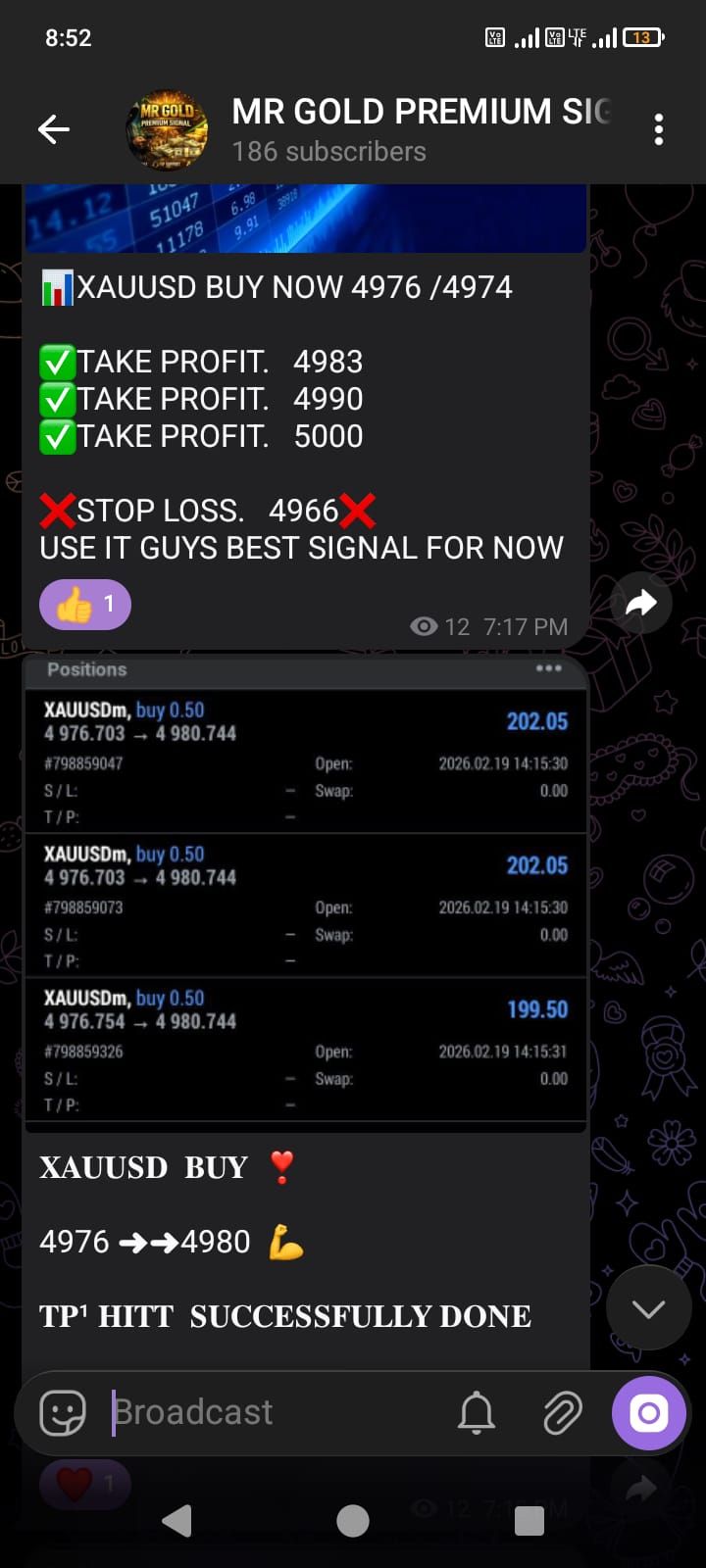
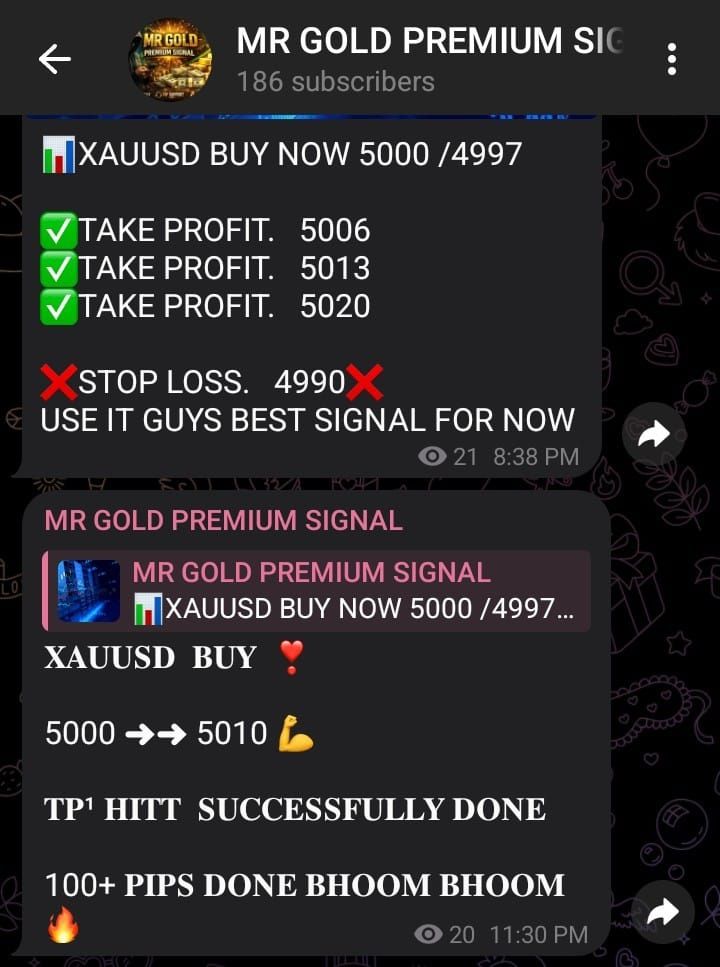
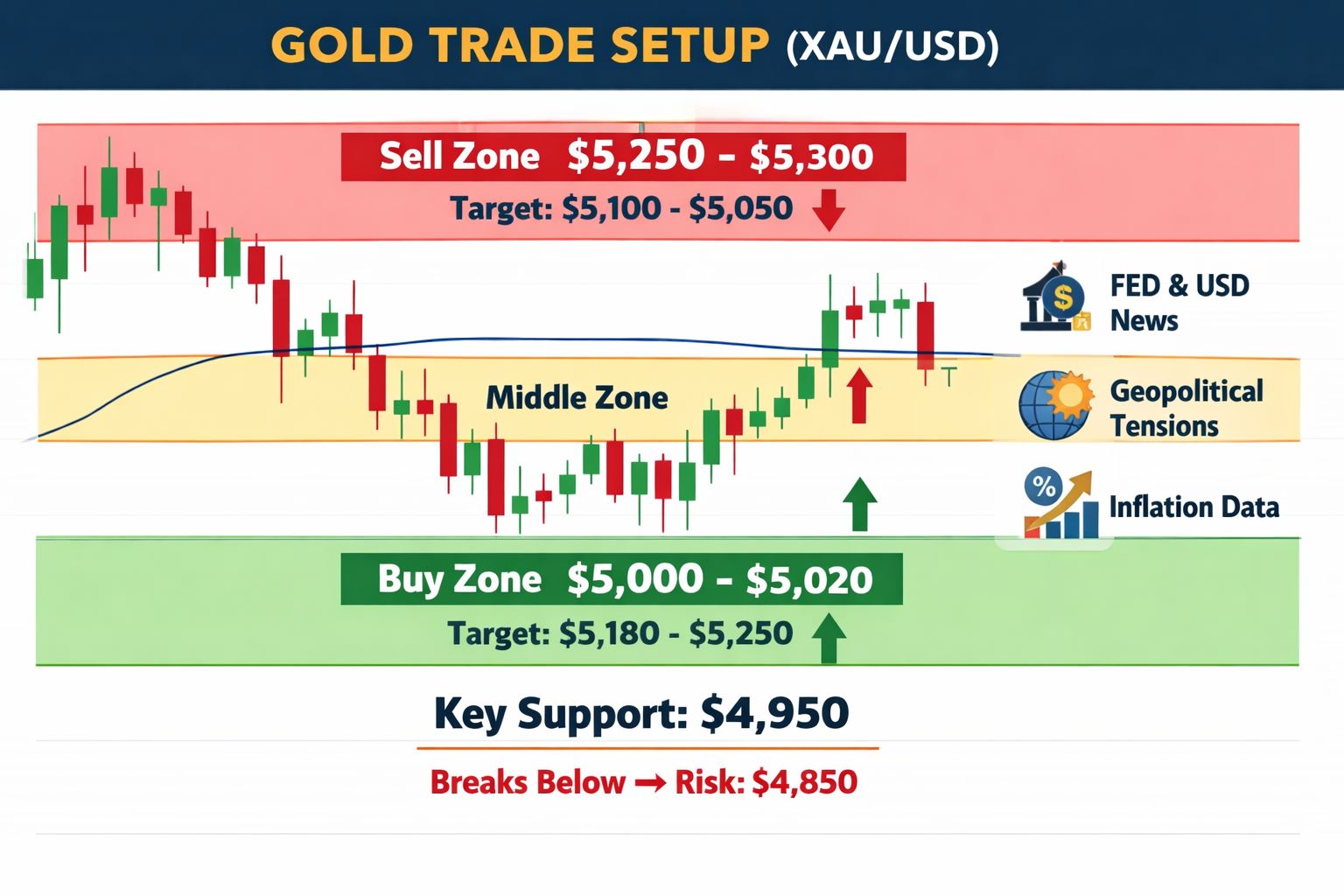
    📈 (#XAUUSD) BUY NOW 5251/5249 TAKE PROFIT 5260 TAKE PROFIT 5260 TAKE PROFIT 5265 ❌ STOP LOSS 5241 USE IT GYUS  BEST SIGNAL FOR NOW
    @@Sarkar🤝
    EuroTrader flag
    LOMERI
    @LOMERIMy mind is on the FOMC today and I am hesitant to take any trades before the FOMC release
    ndu flag
    EuroTrader
    @EuroTraderas for 5180 Sl 5150 will be okay for me
    @Sarkar flag
    EuroTrader
    @EuroTraderFriend, I give songs here two to three times in two days. It depends on you how much money you earn, but even if it is 100 percent, you must have noticed that.
    @Sarkar flag
    ndu
    @nduThankx Dear
    SlowBear ⛅ flag
    SlowBear ⛅
    @Cyprien🇨🇩 I will not just focus on CAD but GBP as well in the coming days, we also need to learn about what deal is being made in Beijing
    SlowBear ⛅ flag
    @Sarkar
    📈 (#XAUUSD) BUY NOW 5251/5249 TAKE PROFIT 5260 TAKE PROFIT 5260 TAKE PROFIT 5265 ❌ STOP LOSS 5241 USE IT GYUS  BEST SIGNAL FOR NOW
    @@SarkarIntrday call i like it, but can you help with the analysis moving forward - supporting the signal with a chart is always better
    LOMERI flag
    EuroTrader
    @EuroTraderfomc happening late in the night
    EuroTrader flag
    LOMERI
    @LOMERIYeah and before then we would see sideways movements as investors await the Fed decisions on rates
    EuroTrader flag
    ndu
    @nduThat's a good setup.. As long as you would be respectful towards risk then you are good to gon
    @Sarkar flag
    SlowBear ⛅
    @SlowBear ⛅You are right about the chatter, but everyone knows that taking a trade is a bad idea.
    @Sarkar flag
    And if someone doesn't know about licks, where will they trade?
    EuroTrader flag
    @Sarkar
    @@SarkarAre you doing prop firms or personal accounts? which are you trading actively
    SlowBear ⛅ flag
    @Sarkar
    @@Sarkar lol, well i do not think it is a mad idea but i get your idea 100%
    SlowBear ⛅ flag
    @Sarkar
    And if someone doesn't know about licks, where will they trade?
    @@Sarkar Well i agree, i think not everyone should be trading for sure, but yet again, if you share a chart folks that understnds market structure will understand your take (signal) more.
    @Sarkar flag
    EuroTrader
    @EuroTraderI also do my own trading and there are some members on whose behalf I do it and I make a good profit for them. There are many friends whose accounts I trade, they send me their accounts, I do their trading on my mobile and I make a good profit for them.
    @Sarkar flag
    SlowBear ⛅
    @SlowBear ⛅Okay, I will do it from now on. I will also send the chart here and you tell me that you have traded on my signals.
    SlowBear ⛅ flag
    @Sarkar
    @@SarkarWell i am not fully into trading people's signal bro - i like your call but i have not trade it. - cos i do not like going for 50pips or 100pips take i like the big chunck like 3k pips and more but i must sauy, you do have a nice trade call and when you start sharing your analysis i think that will provides more clarity and brings more people engaging (trading your signal)
    @Sarkar flag
    SlowBear ⛅
    @SlowBear ⛅You are right, my friend. My goal is also to make a good profit. Those who work on my signals and work with me will also make a profit, and I will also do well in my work, and people will be convinced that my work is very good.
    Type here...
    Add Symbol or Code

      No matching data

      All
      Trump Updates
      Recommend
      Stocks
      Cryptocurrencies
      Central Banks
      Featured News
      • All
      • Russia-Ukraine Conflict
      • Middle East Flashpoint
      • All
      • Russia-Ukraine Conflict
      • Middle East Flashpoint
      Search
      Products

      Charts Free Forever

      Chats Q&A with Experts
      Screeners Economic Calendar Data Tools
      Membership Features
      Data Warehouse Market Trends Institutional Data Policy Rates Macro

      Market Trends

      Market Sentiment Order Book Forex Correlations

      Top Indicators

      Charts Free Forever
      Markets

      News

      News Analysis 24/7 Columns Education
      From Institutions From Analysts
      Topics Columnists

      Latest Views

      Latest Views

      Trending Topics

      Top Columnists

      Latest Update

      Signals

      Copy Rankings Latest Signals Become a signal provider AI Rating
      Contests
      Brokers

      Overview Brokers Assessment Rankings Regulators News Claims
      Broker listing Forex Brokers Comparison Tool Live Spread Comparison Scam
      Q&A Complaint Scam Alert Videos Tips to Detect Scam
      More

      Business
      Events
      Careers About Us Advertising Help Center

      White Label

      Data API

      Web Plug-ins

      Affiliate Program

      Awards Institution Evaluation IB Seminar Salon Event Exhibition
      Vietnam Thailand Singapore Dubai
      Fans Party Investment Sharing Session
      FastBull Summit BrokersView Expo
      Recent Searches
        Top Searches
          Markets
          News
          Analysis
          User
          24/7
          Economic Calendar
          Education
          Data
          • Names
          • Latest
          • Prev

          View All

          No data

          Scan to Download

          Faster Charts, Chat Faster!

          Download App
          English
          • English
          • Español
          • العربية
          • Bahasa Indonesia
          • Bahasa Melayu
          • Tiếng Việt
          • ภาษาไทย
          • Français
          • Italiano
          • Türkçe
          • Русский язык
          • 简中
          • 繁中
          Open Account
          Search
          Products
          Charts Free Forever
          Markets
          News
          Signals

          Copy Rankings Latest Signals Become a signal provider AI Rating
          Contests
          Brokers

          Overview Brokers Assessment Rankings Regulators News Claims
          Broker listing Forex Brokers Comparison Tool Live Spread Comparison Scam
          Q&A Complaint Scam Alert Videos Tips to Detect Scam
          More

          Business
          Events
          Careers About Us Advertising Help Center

          White Label

          Data API

          Web Plug-ins

          Affiliate Program

          Awards Institution Evaluation IB Seminar Salon Event Exhibition
          Vietnam Thailand Singapore Dubai
          Fans Party Investment Sharing Session
          FastBull Summit BrokersView Expo

          Shutdown Nears End As Democrats Agree To Funding Deal

          Chandan Gupta
          Summary:

          The record-breaking US government shutdown is nearing an end after a group of moderate Senate Democrats agreed to support a deal to reopen the government and fund some departments and agencies for the next year, people familiar with the talks said.

          The record-breaking US government shutdown is nearing an end after a group of moderate Senate Democrats agreed to support a deal to reopen the government and fund some departments and agencies for the next year, people familiar with the talks said.

          Under the agreement, Congress would pass full-year funding for the departments of Agriculture, Veterans Affairs and Congress itself, while funding other agencies through Jan. 30. The bill would provide pay for furloughed government workers, resume withheld federal payments to states and localities and recall agency employees who were laid off during the shutdown.

          The chamber is set to hold a procedural test vote on Sunday. If that vote succeeds, the Senate will need the consent of all members to end the shutdown quickly. Any one senator can force days of delay and votes. The House would then need to pass the bill for the government to reopen and Speaker Mike Johnson has said he will give lawmakers two days notice to return.

          "It looks like we're getting closer to the shutdown ending," President Donald Trump told reporters Sunday evening as he returned to the White House.

          House passage is not guaranteed. Democratic leaders have spoken out against any deal that doesn't include extending expiring Obamacare subsidies, which this bill does not do. Conservative Republican members want a bill that would fund the entire government until next Sept. 30.

          The face-saving accord also falls far short of the goals of House and Senate Democratic leaders, who had demanded an extension of expiring Obamacare premium subsidies and a repeal of Medicaid cuts passed by Republicans earlier this year.

          "We will fight the GOP bill in the House of Representatives," House Democratic leader Hakeem Jeffries said in a statement Sunday night.

          Instead, the group of Democratic senators accepted the promise of a Senate vote this year on an extension of the Affordable Care Act subsidies — a pledge that was extended weeks ago by Senate Majority Leader John Thune.

          Earlier: US to Send Some SNAP Funds Despite Trump Post, White House Says

          The approaching resolution of the 40-day shutdown mirrors that of past showdowns where the party attempting to leverage a government closure for policy victories ends up without a victory. Trump failed to secure border wall funding through the 2018-2019 shutdown and Republicans failed to repeal Obamacare during the 2013 closure.

          Democrats this year voted 14 times to block a no-strings stopgap measure passed by the House on Sept. 19 that would have kept departments and agencies open through Nov. 21. On Wednesday, the shutdown became the longest in US history, exceeding the 35-day closure in 2018 and 2019 under the first Trump administration.

          On Friday, Senate Democratic leader Chuck Schumer said Democrats would allow the government to reopen in exchange for a one-year extension of the expiring Obamacare tax credits.

          That offer was swiftly rejected by Republicans, many of whom are demanding a wholesale replacement of Obamacare with a yet-to-be unveiled GOP alternative.

          Republicans decided to stonewall Democrats on their demands for $1.5 trillion in new spending by keeping the House out of session since Sept. 19. The White House escalated the pressure by firing government employees en masse, threatening not to pay more than 600,000 furloughed federal workers, and working to defy court orders to pay food stamp benefits.

          As the busy Thanksgiving travel season neared, Transportation Secretary Sean Duffy ordered airlines to cancel flights, causing major headaches for travelers. On Sunday, he said it would only get worse in the holiday season.

          The tactics largely worked in getting enough Senate Democrats to fold under pressure. Republicans, despite controlling both houses of Congress, needed eight Democrats to go along with a stopgap spending bill to shut off debate in the Senate.

          Talks among a group of bipartisan senators accelerated after Democratic sweeps in the off-year elections in New York City, New Jersey, Virginia, California and elsewhere. Republicans said that Democrats appeared concerned that backing off their shutdown demands before voters went to the polls would depress turnout.

          It's unclear whether Congress will come to a deal on extending the Obamacare subsidies before they expire at the end of December. House Republican leaders say they are opposed to the extension and instead have floated a series of conservative priorities that include expanding short-term health insurance plans to compete with the Obamacare exchange plans and imposing abortion-related restrictions.

          Senate Republicans have said any extension would have to include major changes, such as income caps on who can receive subsidies and a requirement that recipients pay at least some premium. Some, however, are demanding a wholesale rewrite of the Affordable Care Act before agreeing to anything.

          The shutdown consequences are costing the US economy about $15 billion a week. And the Congressional Budget Office estimates that the shutdown will reduce annualized quarterly growth rate of real GDP by 1.5 percentage points by mid-November. Consumer sentiment hit a three-year low on Friday amid heightened anxiety about the shutdown, prices and the job market.

          It has led to a suspension of most government economic data, causing the Federal Reserve to fly blind as it navigates stubbornly high inflation and rising unemployment.

          Source: Bloomberg Europe

          Risk Warnings and Disclaimers
          You understand and acknowledge that there is a high degree of risk involved in trading. Following any strategies or investment methods may lead to potential losses. The content on the site is provided by our contributors and analysts for information purposes only. You are solely responsible for determining whether any trading assets, securities, strategy, or any other product is suitable for investing based on your own investment objectives and financial situation.
          Add to Favorites
          Share

          US Senate Takes Steps Toward Vote On Ending Federal Shutdown

          James Whitman

          Political

          The U.S. Senate on Sunday moved toward a vote on reopening the federal government amid optimism that an end to the historic shutdown, now in its 40th day, is within reach.

          Senators plan to vote on advancing a House-passed stopgap funding bill as early as Sunday evening, with the understanding that it would be amended to combine a short-term funding measure with a package of three full-year appropriations bills, Senate Majority Leader John Thune said.

          The amended package would still have to be passed by the House of Representatives and sent to President Donald Trump for his signature, a process that could take several days.

          Senate Democrats so far have resisted efforts to pass a funding measure, aiming to pressure Republicans to agree to healthcare fixes that would include extending expiring subsidies under the Affordable Care Act. Under the deal being discussed, the Senate would agree to hold a separate vote later on the subsidies.

          U.S. Senator Richard Blumenthal, a Democrat, told reporters that he would vote against the funding measure but suggested there could be enough Democratic support to pass it.

          "I am unwilling to accept a vague promise of a vote at some indeterminate time, on some undefined measure that extends the healthcare tax credits," Blumenthal said.

          Sunday marked the 40th day of the shutdown, which has sidelined federal workers and affected food aid, parks and travel, while air traffic control staffing shortages threaten to derail travel during the busy Thanksgiving holiday season late this month.

          Senator Thom Tillis, a Republican from North Carolina, said the mounting effects of the shutdown have pushed the chamber toward an agreement. He said the final piece, a new resolution that would fund government operations into late January, would also reverse at least some of the Trump administration's mass layoffs of federal workers.

          "Temperatures cool, the atmospheric pressure increases outside and all of a sudden it looks like things will come together," Tillis told reporters.

          Should the government remain closed for much longer, economic growth could turn negative in the fourth quarter, especially if air travel does not return to normal levels by Thanksgiving, White House economic adviser Kevin Hassett warned on the CBS "Face the Nation" show. Thanksgiving falls on November 27 this year.

          TRUMP TAKES AIM AT HEALTHCARE SUBSIDIES

          The wrangling on Capitol Hill came as Trump on Sunday again pushed to replace subsidies for the Affordable Care Act's health insurance marketplaces with direct payments to individuals.

          The subsidies, which helped double ACA enrollment to 24 million since they were put in place in 2021, are at the heart of the shutdown. Republicans have maintained they are open to addressing the issue only after government funding is restored.

          Trump took to his Truth Social platform on Sunday to blast the subsidies as a "windfall for Health Insurance Companies, and a DISASTER for the American people," while demanding the funds be sent directly to individuals to buy coverage on their own. "I stand ready to work with both Parties to solve this problem once the Government is open," Trump wrote.

          U.S. Treasury Secretary Scott Bessent and Senator Lindsey Graham, a staunch Trump ally, said in separate TV interviews that Trump's healthcare idea would not be introduced before lawmakers pass a federal funding measure.

          "We're not proposing it to the Senate right now," Bessent said in an interview with ABC's "This Week" program. "We are not going to negotiate with the Democrats until they reopen the government."

          Americans shopping for 2026 Obamacare health insurance plans are facing a more than doubling of monthly premiums on average, health experts estimate, with the pandemic-era subsidies due to expire at the end of the year.

          Republicans rejected a proposal on Friday by Senate Minority Leader Chuck Schumer, a Democrat from New York, to vote to reopen the government in exchange for a one-year extension of tax credits that lower costs for plans under the Affordable Care Act, often referred to as Obamacare.

          Democratic Senator Adam Schiff said on Sunday he believed Trump's healthcare proposal was aimed at gutting the ACA and allowing insurance companies to deny coverage to people with pre-existing conditions.

          "So the same insurance companies he's railing against in those tweets, he is saying: 'I'm going to give you more power to cancel people's policies and not cover them if they have a pre-existing condition,'" Schiff said on ABC's "This Week" program.

          Source: Reuters

          Risk Warnings and Disclaimers
          You understand and acknowledge that there is a high degree of risk involved in trading. Following any strategies or investment methods may lead to potential losses. The content on the site is provided by our contributors and analysts for information purposes only. You are solely responsible for determining whether any trading assets, securities, strategy, or any other product is suitable for investing based on your own investment objectives and financial situation.
          Add to Favorites
          Share

          Indonesia Plans Currency Redenomination by 2027 to Boost Rupiah Credibility and Economic Efficiency

          Gerik

          Forex

          A Long-Considered Move Gains New Momentum

          Indonesia's Ministry of Finance has revived plans to redenominate the rupiah, signaling a serious step toward overhauling its monetary system. According to official documents referenced by Reuters and regional outlets such as Channel News Asia and The Business Times, the proposed redenomination is part of a broader strategic framework outlined in Regulation No. 70/2025 and the 2025–2029 Strategic Plan.
          The central idea is to simplify nominal values potentially by removing three zeros while maintaining real economic value. For example, 1,000 rupiah may become 1 rupiah under the new system, without changing the underlying price of goods or services. This is a purely technical adjustment and should not be confused with devaluation or a change in the monetary regime.
          Objectives: Boost Efficiency and Trust in the Currency
          The rationale behind the proposed redenomination is multifaceted. First, it aims to streamline accounting, pricing systems, digital payment platforms, and financial software infrastructure. Second, it is intended to reinforce the public’s trust in the rupiah by aligning its nominal value more closely with regional currencies.
          According to CNA and Reuters, policymakers argue that overly large nominal figures in everyday transactions lead to inefficiencies, confusion, and operational burdens. The Ministry of Finance and Bank Indonesia assert that redenomination can enhance the currency’s credibility especially at a time when Indonesia is asserting itself more visibly in global trade and investment flows.

          Not a Response to Inflation, but a Structural Reform

          Crucially, the plan is not a reaction to hyperinflation or a collapsing currency. In fact, the macroeconomic backdrop in 2025 is relatively stable. The government projects a 2.53% budget deficit for the year, plans to deliver a fiscal stimulus package worth nearly 16.23 trillion rupiah in Q4 to support welfare and growth, and is targeting 5.4% GDP growth in 2026 with inflation around 2.5%.
          This stability creates a favorable context for redenomination, which if done amid economic turbulence could risk misinterpretation as a sign of crisis. Past discussions of redenomination since 2013 were shelved in part due to such concerns, but the current climate appears more conducive to gradual, technically grounded implementation.

          Implementation Timeline and Technical Considerations

          The current plan envisions completion of the legal framework by 2027, followed by a phased rollout. According to NST and The Star, a multi-year transition period is expected, involving dual circulation of old and new currency, updates to ATM and POS systems, software recalibration, and widespread public communication campaigns.
          The government will also need to ensure coordinated action between the Ministry of Finance, Bank Indonesia, commercial banks, and the business community. Experts caution that while redenomination can improve transactional clarity and symbolic confidence, it does not generate growth or reduce inflation on its own.

          Lessons and Risks: Execution Will Define Outcome

          Business Times and other observers highlight that the ultimate success of Indonesia’s redenomination effort will depend on strong policy execution, public transparency, and institutional coordination. Public understanding is key: if citizens misinterpret the move as inflationary or destabilizing, it could backfire despite the technical correctness of the process.
          As Bert Hofman from NUS notes in the broader context of monetary reform, redenomination is often misunderstood. The reform must be communicated clearly as a modernization step not a monetary reset or austerity measure.

          A Strategic, Not Symbolic Reform

          Indonesia’s planned redenomination of the rupiah marks a strategic effort to modernize its currency structure, enhance the efficiency of its financial system, and project greater monetary confidence. If implemented with precision, clarity, and public engagement, the reform could simplify everyday transactions and elevate the rupiah’s domestic and international stature without altering citizens’ real purchasing power.
          However, its success hinges not on the technical mechanism but on political will, institutional capability, and public trust. As Indonesia prepares for this transition, the eyes of neighboring economies particularly those managing high-denomination currencies will be watching closely.
          Risk Warnings and Disclaimers
          You understand and acknowledge that there is a high degree of risk involved in trading. Following any strategies or investment methods may lead to potential losses. The content on the site is provided by our contributors and analysts for information purposes only. You are solely responsible for determining whether any trading assets, securities, strategy, or any other product is suitable for investing based on your own investment objectives and financial situation.
          Add to Favorites
          Share

          Goldman Sees US Investors Flocking To Japan As Nikkei Surges

          James Whitman

          Economic

          US investors are increasingly buying Japanese stocks focused on tech and artificial intelligence, lured by the country's outsized returns compared with US stocks, according to Goldman Sachs Group Inc.

          "The increase in US flows is now moving at the fastest pace we've seen since Abenomics," said Bruce Kirk, the bank's chief Japan equity strategist. US investor active participation in Japanese equities is at the highest level since October 2022, Kirk said, adding that he gets frequent requests for meetings.

          The inflow of US funds reflects the strong performance of Japanese equities in dollar terms this year. They have been helped by a 2.5% gain in the yen and renewed optimism driven by the pro-stimulus policies of prime minister Sanae Takaichi. The benchmark Nikkei 225 index has climbed about 30% in dollar terms this year, far outpacing the S&P 500 index's 14% gain.

          Rising participation from US funds could mark a turning point for Japan's equity market, signaling a potential shift in drivers to growth-oriented shares from value stocks. Driven by pro-investor initiatives from the Tokyo Stock Exchange and the government, value stocks have outperformed growth stocks for four consecutive years since 2021.

          "It's very significant that you've got more US participation coming and they tend to gravitate toward tech and AI-related themes," Kirk said in an interview on Nov. 6.

          Kirk sees further upside in foreign fund inflows as global investors' net positions in Japanese equities remain light compared to the peak of Abenomics, leaving room for further buying. Global investors' continued diversification needs will likely sustain that trend, he said.

          Foreign investors bought a net 384 billion yen ($2.5 billion) of Japanese equities in cash and futures in the last two weeks of October, according to data released by Japan Exchange Group.

          Even so, given that the Nikkei entered overbought territory in late October, Kirk said he would not be surprised to see the market consolidate.

          Source: Bloomberg

          To stay updated on all economic events of today, please check out our Economic calendar
          Risk Warnings and Disclaimers
          You understand and acknowledge that there is a high degree of risk involved in trading. Following any strategies or investment methods may lead to potential losses. The content on the site is provided by our contributors and analysts for information purposes only. You are solely responsible for determining whether any trading assets, securities, strategy, or any other product is suitable for investing based on your own investment objectives and financial situation.
          Add to Favorites
          Share

          China’s Yuan Lending Abroad Surges as Beijing Accelerates De-Dollarization Strategy

          Gerik

          Economic

          Forex

          Offshore Yuan Lending Grows Fourfold Amid Strategic Currency Push

          Over the past five years, offshore yuan lending, deposits, and bond investments by Chinese banks have quadrupled to over 3.4 trillion yuan ($480 billion), marking a significant shift in China’s financial diplomacy. The State Administration of Foreign Exchange (SAFE) reports that yuan-based fixed income assets abroad have surged to $484 billion as of mid-2025 up from just $110 billion in 2020.
          This expansion reflects a clear and deliberate policy goal: to strengthen the yuan’s role in global finance and reduce exposure to US dollar-centric systems. The People's Bank of China and policymakers in Beijing are pushing the yuan as a trade finance currency amid rising geopolitical frictions and sanctions, such as recent EU measures targeting Chinese banks allegedly aiding Russia’s military supply chain.

          Yuan's Rise in Trade Finance: From Niche to Global Player

          According to SWIFT, the yuan's share in global trade finance has soared fourfold in just three years, reaching 7.6% in September second only to the US dollar. This shift is largely driven by Beijing’s effort to provide alternatives to dollar-based transactions, especially for developing economies vulnerable to Western financial pressures.
          BIS data also confirms this structural shift. Between 2021 and March 2025, RMB-denominated loans to developing countries grew by $373 billion, displacing dollar and euro-based credit. Countries like Kenya, Ethiopia, and Angola have begun refinancing older dollar debts in yuan, attracted by China's lower interest rates. Kazakhstan’s Development Bank, for instance, issued 2 billion yuan in bonds at a modest 3.3% yield, a move mirrored by Slovenia and Indonesia.
          This trend demonstrates a causal shift in sovereign financing preferences: nations are responding to both lower funding costs and geopolitical alignment incentives, favoring yuan-linked instruments over traditional dollar channels.

          CIPS and De-Dollarization: Building the Infrastructure for Financial Independence

          Central to this currency strategy is CIPS the Cross-Border Interbank Payment System which serves as China’s alternative to SWIFT. While the yuan’s global payment share on SWIFT has dipped, CIPS volume has exploded, now handling over 40 trillion yuan per quarter. This divergence suggests a migration of payment flows from Western infrastructures to Beijing-controlled platforms.
          Bert Hoffman from the National University of Singapore explains that Chinese officials view a dollar-centric payment system as inherently unstable, preferring a multi-currency settlement model anchored in Chinese infrastructure. This strategy is aimed at reducing systemic vulnerability and shielding China from future financial coercion.
          The growth of CIPS, combined with an expanding network of currency swap lines and clearing banks, reflects Beijing’s determination to build a parallel financial ecosystem one that is more autonomous and politically insulated.

          Constraints on Yuan’s Global Reserve Role Remain

          Despite these advancements, the yuan’s status as a global reserve currency remains limited. IMF data shows the yuan accounts for only 2.1% of official global reserves as of early 2025. This stagnation is largely due to China’s persistent capital controls, which restrict free conversion and dampen investor confidence.
          There is a clear tension between China’s desire for greater international use of the yuan and its reluctance to liberalize financial flows. As long as the People’s Bank of China maintains tight control over capital movement, the yuan will struggle to rival the dollar or euro as a store of value even if its use in trade and credit expands.

          Yuan Internationalization Gains Momentum But Faces Structural Limits

          China’s global yuan push marks a bold evolution in its financial policy, reflecting both ambition and strategic necessity. Offshore lending, rising trade settlement in yuan, and the growth of CIPS illustrate meaningful progress in reshaping the international currency landscape. Yet structural obstacles especially capital controls and limited transparency continue to constrain the yuan’s rise as a true reserve currency.
          The surge in yuan-based finance reveals a long-term trajectory toward de-dollarization and financial bifurcation. As geopolitical fragmentation deepens, the yuan is positioned to play a larger role in emerging markets, but whether it can achieve parity with the dollar remains uncertain. Much will depend on China’s willingness to align financial openness with its global ambitions.
          To stay updated on all economic events of today, please check out our Economic calendar
          Risk Warnings and Disclaimers
          You understand and acknowledge that there is a high degree of risk involved in trading. Following any strategies or investment methods may lead to potential losses. The content on the site is provided by our contributors and analysts for information purposes only. You are solely responsible for determining whether any trading assets, securities, strategy, or any other product is suitable for investing based on your own investment objectives and financial situation.
          Add to Favorites
          Share

          China’s Exports Decline for First Time in Nearly Two Years Amid Rising Trade Tensions

          Gerik

          Economic

          Unexpected Decline Signals Mounting External Pressures

          China’s export sector, long regarded as a cornerstone of its economic resilience, showed signs of stress in October 2025. According to customs data released on November 7, exports contracted by 1.1% year-over-year, missing economists’ forecasts of a 3% gain. This marks the first year-on-year decline since March 2024 and comes as a surprise given earlier expectations of a rebound.
          The downturn in exports is primarily attributed to a sharp 25.17% drop in shipments to the United States, a consequence of heightened tariff threats from President Donald Trump in response to Beijing’s restrictions on rare earth exports. Although exports to the EU and ASEAN countries grew slightly (0.9% and 8.9% respectively), these gains were insufficient to offset the drag from US-bound shipments.
          The data suggest a causal link between protectionist measures and weakened export momentum, with analysts estimating that tariffs have reduced China’s annual export growth by approximately 2 percentage points translating into a 0.3% GDP impact.

          Trade Truce Eases Immediate Risk But Uncertainty Persists

          Tensions reached a boiling point in early October when Trump threatened to impose a 100% tariff on Chinese imports. However, markets breathed a sigh of relief after a one-year trade truce was negotiated during a bilateral summit in South Korea between Trump and Chinese President Xi Jinping. The agreement included mutual tariff reductions, eased export controls on strategic minerals and technologies, and China’s renewed pledge to purchase more US soybeans and help combat fentanyl trafficking.
          As a result, the average US tariff on Chinese exports has dropped to 31%, according to estimates from Macquarie Group. Economists like Woei Chen Ho of UOB note that the short-term export outlook for China has stabilized due to the truce, although long-term supply chain decoupling remains inevitable.
          The pattern here is clear: while temporary political accords can provide short-term relief, structural shifts in global trade flows continue to undermine China’s traditional export dominance.

          Industrial Weakness and Domestic Headwinds Weigh on Imports

          Although China posted a 1% increase in imports, the figure fell short of the 3.2% consensus estimate. Persistently weak domestic consumption dragged down by a stagnant property sector and lackluster job growth has constrained demand for foreign goods.
          Additionally, manufacturing activity has now declined for seven consecutive months. This ongoing contraction reflects not just cyclical weakness but a broader struggle with overcapacity, falling prices, and intensifying global competition. In response, Beijing has moved to tighten control over industrial output in a bid to mitigate inefficiencies.

          Shifting Focus Toward Domestic Demand and Emerging Markets

          Despite near-term setbacks, longer-term forecasts suggest some optimism. Oxford Economics has upgraded its 2026 and 2027 GDP growth projections for China to 4.5% and 4.4%, respectively. This revision is supported by China’s increased focus on industrial upgrading under its five-year development plan and a concerted push to diversify export markets toward emerging economies and regional partners.
          However, economists caution that if exports fail to recover meaningfully, policymakers may be forced to lean more heavily on domestic consumption. Larry Hu of Macquarie argues that China will eventually need to shift its growth model inward between 2026 and 2030, placing households at the center of its economic engine.
          This reflects a potential causal pivot in economic strategy: from export-led growth toward consumption-driven expansion, should external demand continue to falter.

          China’s Trade Model Faces Renewed Strains

          October’s export decline represents more than just a statistical anomaly it signals a possible turning point for China’s externally driven growth model. While a temporary truce with the US has eased pressure, structural challenges such as shifting global supply chains, decoupling trends, and weak domestic demand remain significant.
          Moving forward, China must navigate an increasingly complex economic environment where resilience will depend on balancing industrial efficiency, export market diversification, and robust domestic consumption. Whether policymakers can manage this transition smoothly may define the trajectory of the Chinese economy through the rest of the decade.
          To stay updated on all economic events of today, please check out our Economic calendar
          Risk Warnings and Disclaimers
          You understand and acknowledge that there is a high degree of risk involved in trading. Following any strategies or investment methods may lead to potential losses. The content on the site is provided by our contributors and analysts for information purposes only. You are solely responsible for determining whether any trading assets, securities, strategy, or any other product is suitable for investing based on your own investment objectives and financial situation.
          Add to Favorites
          Share

          EU Faces Budget Strain Without Russian Asset Use, Warns European Commission

          Gerik

          Economic

          Russia-Ukraine Conflict

          A Fiscal Crossroads for Europe

          The European Union is at a pivotal juncture in deciding how to sustain its long-term financial support for Ukraine. In a confidential document reviewed by Financial Times, the European Commission has warned that without the use of Russia’s frozen central bank assets estimated at around $300 billion globally, with about $200 billion held at Euroclear in Belgium the EU may be forced to rely on direct grants or collective borrowing to bridge Ukraine’s 2026 budget shortfall. This, the Commission stresses, would substantially strain national budgets and increase public debt burdens across the bloc.
          The underlying causal link is clear: absent the use of these frozen Russian reserves, the financial responsibility to maintain Ukraine’s fiscal stability will fall squarely on EU taxpayers either through collective loans or direct national contributions.

          Economic Consequences of Inaction

          The proposed “compensation loan” plan, valued at €140 billion ($160 billion), has yet to gain consensus among EU capitals. Without progress, the EU risks bearing substantial annual interest payments, estimated at €5.6 billion. More critically, large-scale joint borrowing could drive up the EU’s collective borrowing costs and potentially erode the strength of existing financial mechanisms such as the Recovery and Resilience Facility.
          The stakes are not limited to the EU’s fiscal framework. Ukraine’s 2026 budget projects $114 billion in expenditures against just $68 billion in revenue meaning nearly all civilian expenditures, including salaries, pensions, healthcare, and education, would rely on foreign aid. Failure to close this gap could compromise Ukraine’s government functions and social stability.

          Belgium’s Resistance and Legal Complexity

          Belgium continues to oppose the use of frozen Russian assets as collateral, citing both reputational and legal risks. As the custodian of the majority of the funds held at Euroclear Belgium argues that these assets are technically not confiscated and could be reclaimed by Russia if sanctions are lifted or expire.
          To circumvent these limitations, the EU has expanded its legal framework, declaring the interest earned on frozen Russian assets as “windfall profits” not legally belonging to Russia. These funds have already been earmarked for military aid to Ukraine. However, using the principal for collateralized loans introduces significantly higher risks and would set a legal precedent with far-reaching implications.
          The assumption underpinning the current proposal is that Russia would eventually repay the EU for these funds as part of a postwar settlement an outcome Belgian Prime Minister Bart De Wever has labeled “highly unlikely.” The EU’s inability to persuade Belgium, even during meetings on November 6, reflects the depth of intra-bloc disagreement on the matter.

          Russian Retaliation Threatens Escalation

          Russia has declared that any attempt to use its frozen assets particularly the principal amount would be considered theft. In response, Moscow has signaled its willingness to seize up to €200 billion worth of Western assets currently held within Russia, including state and corporate property. This threat introduces a tit-for-tat risk that could destabilize corporate holdings and financial relations between Europe and Russia, further complicating the West’s economic engagement strategy.
          This raises not only a financial correlation but a direct geopolitical risk: any EU move to unlock Russian assets could provoke retaliatory actions that reverberate through global financial systems, especially those involving foreign direct investment and bilateral trade.

          A Strategic, Legal, and Fiscal Dilemma

          The EU’s debate over the use of Russian frozen assets encapsulates a broader conflict between immediate fiscal necessity and long-term legal precedent. On one side lies a pragmatic path to funding Ukraine without increasing national debts; on the other, a legal and reputational minefield that could escalate tensions with Moscow and create vulnerabilities within the EU’s own financial architecture.
          While the Commission’s proposal underscores a shift in urgency, the lack of consensus, particularly from Belgium, means that time is running out for a unified European response. Without decisive action, the burden of Ukraine’s reconstruction may either fall back on European taxpayers or risk collapsing under geopolitical and legal gridlock.
          To stay updated on all economic events of today, please check out our Economic calendar
          Risk Warnings and Disclaimers
          You understand and acknowledge that there is a high degree of risk involved in trading. Following any strategies or investment methods may lead to potential losses. The content on the site is provided by our contributors and analysts for information purposes only. You are solely responsible for determining whether any trading assets, securities, strategy, or any other product is suitable for investing based on your own investment objectives and financial situation.
          Add to Favorites
          Share
          FastBull
          Copyright © 2026 FastBull Ltd

          728 RM B 7/F GEE LOK IND BLDG NO 34 HUNG TO RD KWUN TONG KLN HONG KONG

          TelegramInstagramTwitterfacebooklinkedin
          App Store Google Play Google Play
          Products
          Charts

          Chats

          Q&A with Experts
          Screeners
          Economic Calendar
          Data
          Tools
          Membership
          Features
          Function
          Markets
          Copy Trading
          Latest Signals
          Contests
          News
          Analysis
          24/7
          Columns
          Education
          Company
          Careers
          About Us
          Contact Us
          Advertising
          Help Center
          Feedback
          User Agreement
          Privacy Policy
          Personal Information Protection Statement
          Business

          White Label

          Data API

          Web Plug-ins

          Poster Maker

          Affiliate Program

          Risk Disclosure

          The risk of loss in trading financial instruments such as stocks, FX, commodities, futures, bonds, ETFs and crypto can be substantial. You may sustain a total loss of the funds that you deposit with your broker. Therefore, you should carefully consider whether such trading is suitable for you in light of your circumstances and financial resources.

          No decision to invest should be made without thoroughly conducting due diligence by yourself or consulting with your financial advisors. Our web content might not suit you since we don't know your financial conditions and investment needs. Our financial information might have latency or contain inaccuracy, so you should be fully responsible for any of your trading and investment decisions. The company will not be responsible for your capital loss.

          Without getting permission from the website, you are not allowed to copy the website's graphics, texts, or trademarks. Intellectual property rights in the content or data incorporated into this website belong to its providers and exchange merchants.

          Not Logged In

          Log in to access more features

          Connect Broker
          Become a signal provider
          Help Center
          Customer Service
          Dark Mode
          Price Up/Down Colors

          Log In

          Sign Up

          Position
          Layout
          Fullscreen
          Default to Chart
          The chart page opens by default when you visit fastbull.com