• Trade
  • Markets
  • Copy
  • Contests
  • News
  • 24/7
  • Calendar
  • Q&A
  • Chats
Trending
Screeners
SYMBOL
LAST
BID
ASK
HIGH
LOW
NET CHG.
%CHG.
SPREAD
SPX
S&P 500 Index
6870.39
6870.39
6870.39
6895.79
6858.28
+13.27
+ 0.19%
--
DJI
Dow Jones Industrial Average
47954.98
47954.98
47954.98
48133.54
47871.51
+104.05
+ 0.22%
--
IXIC
NASDAQ Composite Index
23578.12
23578.12
23578.12
23680.03
23506.00
+72.99
+ 0.31%
--
USDX
US Dollar Index
98.930
99.010
98.930
98.960
98.730
-0.020
-0.02%
--
EURUSD
Euro / US Dollar
1.16481
1.16488
1.16481
1.16717
1.16341
+0.00055
+ 0.05%
--
GBPUSD
Pound Sterling / US Dollar
1.33141
1.33150
1.33141
1.33462
1.33136
-0.00171
-0.13%
--
XAUUSD
Gold / US Dollar
4209.66
4210.09
4209.66
4218.85
4190.61
+11.75
+ 0.28%
--
WTI
Light Sweet Crude Oil
59.219
59.249
59.219
60.084
59.160
-0.590
-0.99%
--

Community Accounts

Signal Accounts
--
Profit Accounts
--
Loss Accounts
--
View More

Become a signal provider

Sell trading signals to earn additional income

View More

Guide to Copy Trading

Get started with ease and confidence

View More

Signal Accounts for Members

All Signal Accounts

Best Return
  • Best Return
  • Best P/L
  • Best MDD
Past 1W
  • Past 1W
  • Past 1M
  • Past 1Y

All Contests

  • All
  • Trump Updates
  • Recommend
  • Stocks
  • Cryptocurrencies
  • Central Banks
  • Featured News
Top News Only
Share

India Foreign Ministry: Advise Indian Nationals To Exercise Caution While Travelling To Or Transiting Through China

Share

Agrural - Brazil's 2025/26 Total Corn Output Seen At 135.3 Million Tonnes Versus 141.1 Million Tonnes In Previous Season

Share

Agrural - Brazil's 2025/26 Soybean Planting Hits 94% Of Expected Area As Of Last Thursday

Share

SEBI: Modalities For Migration To Ai Only Schemes And Relaxations To Large Value Funds For Accredited Investors

Share

All 6 Bank Of Israel Monetary Policy Committee Members Voted To Lower Benchmark Interest Rate 25 Bps To 4.25% On Nov 24

Share

India Government: Cancellations Are On Account Of Developer Delays And Not Due To Transmission Side Delays

Share

Fitch: We See Moderation Of Export Performance In China In 2026

Share

India Government: Revokes Grid Access Permissions For Renewable Energy Projects

Share

Stats Office - Tanzania Inflation At 3.4% Year-On-Year In November

Share

Temasek CEO Dilhan Pillay: We Are Taking A Conservative Stance On Allocating Capital

Share

Brazil Economists See Brazilian Real At 5.40 Per Dollar By Year-End 2025 Versus 5.40 In Previous Estimate - Central Bank Poll

Share

Brazil Economists See Year-End 2026 Interest Rate Selic At 12.25% Versus 12.00% In Previous Estimate - Central Bank Poll

Share

Brazil Economists See Year-End 2025 Interest Rate Selic At 15.00% Versus 15.00% In Previous Estimate - Central Bank Poll

Share

EU Commission Says Meta Has Committed To Give EU Users Choice On Personalised Ads

Share

Sources Revealed That The Bank Of England Has Invited Employees To Voluntarily Apply For Layoffs

Share

The Bank Of England Plans To Cut Staff Due To Budget Pressures

Share

Traders Believe There Is Less Than A 10% Chance That The European Central Bank Will Cut Interest Rates By 25 Basis Points In 2026

Share

Egypt, European Bank For Reconstruction And Development Sign $100 Million Financing Agreement

Share

Israel Budget Deficit 4.5% Of GDP In November Over Past 12 Months Versus 4.9% Deficit In October

Share

JPMorgan - Council Chaired By Jamie Dimon Includes Jeff Bezos

TIME
ACT
FCST
PREV
France Industrial Output MoM (SA) (Oct)

A:--

F: --

P: --
France Trade Balance (SA) (Oct)

A:--

F: --

P: --
Euro Zone Employment YoY (SA) (Q3)

A:--

F: --

P: --
Canada Part-Time Employment (SA) (Nov)

A:--

F: --

P: --

Canada Unemployment Rate (SA) (Nov)

A:--

F: --

P: --

Canada Full-time Employment (SA) (Nov)

A:--

F: --

P: --

Canada Labor Force Participation Rate (SA) (Nov)

A:--

F: --

P: --

Canada Employment (SA) (Nov)

A:--

F: --

P: --

U.S. PCE Price Index MoM (Sept)

A:--

F: --

P: --

U.S. Personal Income MoM (Sept)

A:--

F: --

P: --

U.S. Core PCE Price Index MoM (Sept)

A:--

F: --

P: --

U.S. PCE Price Index YoY (SA) (Sept)

A:--

F: --

P: --

U.S. Core PCE Price Index YoY (Sept)

A:--

F: --

P: --

U.S. Personal Outlays MoM (SA) (Sept)

A:--

F: --

P: --
U.S. 5-10 Year-Ahead Inflation Expectations (Dec)

A:--

F: --

P: --

U.S. Real Personal Consumption Expenditures MoM (Sept)

A:--

F: --

P: --
U.S. Weekly Total Rig Count

A:--

F: --

P: --

U.S. Weekly Total Oil Rig Count

A:--

F: --

P: --

U.S. Consumer Credit (SA) (Oct)

A:--

F: --

P: --
China, Mainland Foreign Exchange Reserves (Nov)

A:--

F: --

P: --

Japan Trade Balance (Oct)

A:--

F: --

P: --

Japan Nominal GDP Revised QoQ (Q3)

A:--

F: --

P: --

China, Mainland Imports YoY (CNH) (Nov)

A:--

F: --

P: --

China, Mainland Exports (Nov)

A:--

F: --

P: --

China, Mainland Imports (CNH) (Nov)

A:--

F: --

P: --

China, Mainland Trade Balance (CNH) (Nov)

A:--

F: --

P: --

China, Mainland Exports YoY (USD) (Nov)

A:--

F: --

P: --

China, Mainland Imports YoY (USD) (Nov)

A:--

F: --

P: --

Germany Industrial Output MoM (SA) (Oct)

A:--

F: --

P: --
Euro Zone Sentix Investor Confidence Index (Dec)

A:--

F: --

P: --

Canada National Economic Confidence Index

--

F: --

P: --

U.K. BRC Like-For-Like Retail Sales YoY (Nov)

--

F: --

P: --

U.K. BRC Overall Retail Sales YoY (Nov)

--

F: --

P: --

Australia Overnight (Borrowing) Key Rate

--

F: --

P: --

RBA Rate Statement
RBA Press Conference
Germany Exports MoM (SA) (Oct)

--

F: --

P: --

U.S. NFIB Small Business Optimism Index (SA) (Nov)

--

F: --

P: --

Mexico 12-Month Inflation (CPI) (Nov)

--

F: --

P: --

Mexico Core CPI YoY (Nov)

--

F: --

P: --

Mexico PPI YoY (Nov)

--

F: --

P: --

U.S. Weekly Redbook Index YoY

--

F: --

P: --

U.S. JOLTS Job Openings (SA) (Oct)

--

F: --

P: --

China, Mainland M1 Money Supply YoY (Nov)

--

F: --

P: --

China, Mainland M0 Money Supply YoY (Nov)

--

F: --

P: --

China, Mainland M2 Money Supply YoY (Nov)

--

F: --

P: --

U.S. EIA Short-Term Crude Production Forecast For The Year (Dec)

--

F: --

P: --

U.S. EIA Natural Gas Production Forecast For The Next Year (Dec)

--

F: --

P: --

U.S. EIA Short-Term Crude Production Forecast For The Next Year (Dec)

--

F: --

P: --

EIA Monthly Short-Term Energy Outlook
U.S. API Weekly Gasoline Stocks

--

F: --

P: --

U.S. API Weekly Cushing Crude Oil Stocks

--

F: --

P: --

U.S. API Weekly Crude Oil Stocks

--

F: --

P: --

U.S. API Weekly Refined Oil Stocks

--

F: --

P: --

South Korea Unemployment Rate (SA) (Nov)

--

F: --

P: --

Japan Reuters Tankan Non-Manufacturers Index (Dec)

--

F: --

P: --

Japan Reuters Tankan Manufacturers Index (Dec)

--

F: --

P: --

Japan Domestic Enterprise Commodity Price Index MoM (Nov)

--

F: --

P: --

Japan Domestic Enterprise Commodity Price Index YoY (Nov)

--

F: --

P: --

China, Mainland PPI YoY (Nov)

--

F: --

P: --

China, Mainland CPI MoM (Nov)

--

F: --

P: --

Q&A with Experts
    • All
    • Chatrooms
    • Groups
    • Friends
    Connecting
    .
    .
    .
    Type here...
    Add Symbol or Code

      No matching data

      All
      Trump Updates
      Recommend
      Stocks
      Cryptocurrencies
      Central Banks
      Featured News
      • All
      • Russia-Ukraine Conflict
      • Middle East Flashpoint
      • All
      • Russia-Ukraine Conflict
      • Middle East Flashpoint
      Search
      Products

      Charts Free Forever

      Chats Q&A with Experts
      Screeners Economic Calendar Data Tools
      Membership Features
      Data Warehouse Market Trends Institutional Data Policy Rates Macro

      Market Trends

      Market Sentiment Order Book Forex Correlations

      Top Indicators

      Charts Free Forever
      Markets

      News

      News Analysis 24/7 Columns Education
      From Institutions From Analysts
      Topics Columnists

      Latest Views

      Latest Views

      Trending Topics

      Top Columnists

      Latest Update

      Signals

      Copy Rankings Latest Signals Become a signal provider AI Rating
      Contests
      Brokers

      Overview Brokers Assessment Rankings Regulators News Claims
      Broker listing Forex Brokers Comparison Tool Live Spread Comparison Scam
      Q&A Complaint Scam Alert Videos Tips to Detect Scam
      More

      Business
      Events
      Careers About Us Advertising Help Center

      White Label

      Data API

      Web Plug-ins

      Affiliate Program

      Awards Institution Evaluation IB Seminar Salon Event Exhibition
      Vietnam Thailand Singapore Dubai
      Fans Party Investment Sharing Session
      FastBull Summit BrokersView Expo
      Recent Searches
        Top Searches
          Markets
          News
          Analysis
          User
          24/7
          Economic Calendar
          Education
          Data
          • Names
          • Latest
          • Prev

          View All

          No data

          Scan to Download

          Faster Charts, Chat Faster!

          Download App
          English
          • English
          • Español
          • العربية
          • Bahasa Indonesia
          • Bahasa Melayu
          • Tiếng Việt
          • ภาษาไทย
          • Français
          • Italiano
          • Türkçe
          • Русский язык
          • 简中
          • 繁中
          Open Account
          Search
          Products
          Charts Free Forever
          Markets
          News
          Signals

          Copy Rankings Latest Signals Become a signal provider AI Rating
          Contests
          Brokers

          Overview Brokers Assessment Rankings Regulators News Claims
          Broker listing Forex Brokers Comparison Tool Live Spread Comparison Scam
          Q&A Complaint Scam Alert Videos Tips to Detect Scam
          More

          Business
          Events
          Careers About Us Advertising Help Center

          White Label

          Data API

          Web Plug-ins

          Affiliate Program

          Awards Institution Evaluation IB Seminar Salon Event Exhibition
          Vietnam Thailand Singapore Dubai
          Fans Party Investment Sharing Session
          FastBull Summit BrokersView Expo

          How Europe Can Reduce Its Dependence on Russian Natural Gas

          Damon
          Summary:

          The EU imported 155 billion cubic meters of natural gas from Russia in 2021, almost half (45%) of its gas imports and nearly 40% of the total amount used, according to the International Energy Agency. The IEA has put together a 10-part plan to help the region reduce its dependence on the Russian energy source by a third in one year — while still adhering to the European Green Deal.
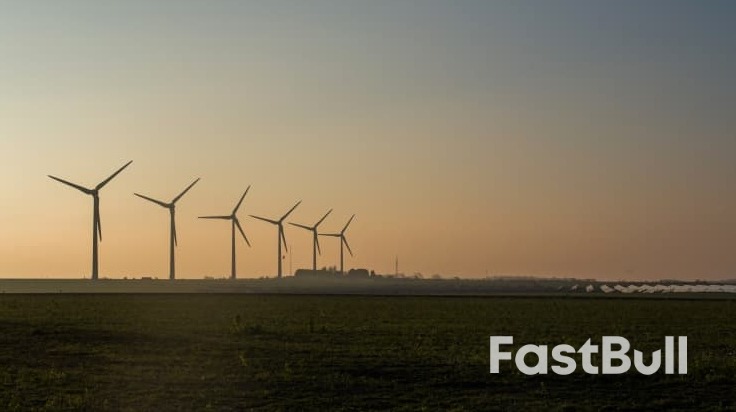
          How Europe Can Reduce Its Dependence on Russian Natural Gas_1
          A global energy group has come up with a road map to help deal with Europe’s dependence on natural gas from Russia, which has given President Vladimir Putin leverage over the European Union, making it hard to impose energy sanctions on the country as punishment for its invasion of Ukraine.
          The plan from the International Energy Agency, a policy organization with members from 31 national governments, would reduce the region's dependence on Russian natural gas by one-third in one year while still adhering to the European Green Deal, an EU agreement to reduce net greenhouse gas emissions by at least 55% from 1990 levels by 2030.
          Its recommendations are akin to measures reportedly coming from the EU that would slash Russian imports of natural gas by 80% in the coming year.
          But turning off the spigot to Russian natural gas is going to be hard to do quickly, according to experts. That's both because the EU is so dependent on it, and because it has committed to limit its greenhouse gas emissions.
          The EU imported 155 billion cubic meters of natural gas from Russia in 2021, almost half (45%) of its gas imports and nearly 40% of the total amount used, according to the IEA. Switching from burning natural gas to burning coal is a quick fix that is technically possible, but it's not going to help the EU achieve its climate goals.
          The IEA's drawdown, named "A 10-Point Plan to Reduce the European Union’s Reliance on Russian Natural Gas," is a collection of actions designed to diversify Europe's energy supply, accelerate its move toward renewables and focus on energy efficiency.
          "Nobody is under any illusions anymore. Russia's use of its natural gas resources as an economic and political weapon show Europe needs to act quickly to be ready to face considerable uncertainty over Russian gas supplies next winter," IEA Executive Director Fatih Birol said in a written statement announcing the plan.

          Here's a summary of the 10 recommendations:

          Do not renew gas supply contracts with Russia. Currently, the EU has a contract with Gazprom, a Russian majority state-owned multinational energy corporation, for more than 15 billion cubic meters of gas imports per year. That contract is due to expire at the end of the year. The EU is advised to let that and other gas import contracts expire.
          Replace expired contracts from Russia with those from other sources. Domestic production of natural gas and imports from non-Russian sources, including from Azerbaijan and Norway, are set to increase over the coming year by as much as 10 billion cubic meters compared to 2021. But the IEA says the EU should go further and increase its importing of liquid natural gas (LNG), which is natural gas that has been cooled to a liquid state at about -260° Fahrenheit so it can more easily be transported in ships or trucks.
          The IEA also recommends the EU increase its biogas and biomethane supply, but those supply chains take time to grow. So, too, do the supply chains of low-carbon "green" hydrogen made with electrolysis.
          Store more gas. Storing gas gives any region a buffer of security in the case of changing seasons, extreme events or in this case, war. The IEA would have working storage capacity filled at 90% by Oct. 1 to keep homes warm during the winter.
          Accelerate deployment of renewable energy, like wind and solar. In 2022, the EU is expected to see a 15% increase in its power delivered from renewable energy compared to 2021 on increasing spending on new solar and wind facilities and favorable weather patterns. The IEA recommends accelerating renewable projects in progress by addressing delays in permit processing. This would require more administrative workers, making for better communication between permitting authorities, setting clear deadlines and going digital with applications.
          Keep existing nuclear open and operate bioenergy plants at full scale. Some of the existing nuclear reactors in Europe were taken offline in 2021 for maintenance and safety checks, but when those power plants get back online this year they will add to clean energy generation. Nuclear power plants, once they are built, generate energy without emitting any greenhouse gases. Also, commercial levels of nuclear power are expected to begin at Finland's new nuclear plant in 2022, which will help meeting the region's emission goals.
          A small handful of nuclear power reactors were set to be taken offline in 2022 and 2023, but if those reactors stay operational, that would decrease the EU's demand for Russian natural gas.
          Also, bioenergy power plants which operated at only 50% capacity should be fueled fully and operated to their capacity.
          Protect vulnerable customers. When energy prices soar, energy companies do well, while some customers often struggle economically. The EU should be prepared to support low-income customers' pay for their high energy bills. One way to account for the current high-energy-price market is to put temporary taxes on excessively high profits from energy companies and use that collected money to pay for energy bills for low-income users.
          Accelerate the replacement of gas boilers with heat pumps. The IEA calls for the EU to accelerate its rate of replacing gas furnaces with heat pumps in homes.
          Doubling the installation rate of heat pumps in homes would cost the region $16.3 billion (15 billion euros) and it would save another 2 billion cubic meters of gas within the first year. It would be ideal, the IEA says, to simultaneously increase energy efficiency projects within homes.
          Accelerate energy efficiency programs for buildings and industrial facilities. Currently, about 1% of the EU's buildings are retrofitted to be more energy efficient each year. To maximize impact, the region should focus on improving the efficiency of the least efficient homes and nonresidential buildings.
          Also, the IEA suggests accelerating the installation of smart thermostats to reduce energy demand. Adoption could be accelerated by providing subsidies to households to install one, for example.
          Ask the public to turn down their heating. Most buildings are almost 72 degrees Fahrenheit on average, and asking consumers to turn down their thermostat by 1.8 degree Fahrenheit, or 1 degree Celsius, has the potential to reduce demand for gas by 10 billion cubic meters.
          Increase low-emissions grid reliability mechanisms. The IEA recommends that the EU focus on adding flexibility to the power grid both in terms of being resilient through seasonal shifts and in being able to handle short-term demand spikes. Currently, the it manages the ebbs and flows in the energy grid demand with stored natural gas.
          Improving grid reliability and flexibility in the future will depend on a diverse portfolio of responses, including both battery technology and other large scale, longer-term energy storage technologies. Some low-carbon gases made within the EU such as biomethane, low-carbon hydrogen and synthetic methane can be part of improving reliability of the grid, but they won’t be sufficient to meet overall energy demands.
          It’s worth noting, the IEA’s plan pales in the comparison to news of another plan reportedly coming from the EU on Tuesday that would slash Russian imports of natural gas by 80% in the coming year.

          Source:CNBC

          Risk Warnings and Disclaimers
          You understand and acknowledge that there is a high degree of risk involved in trading. Following any strategies or investment methods may lead to potential losses. The content on the site is provided by our contributors and analysts for information purposes only. You are solely responsible for determining whether any trading assets, securities, strategy, or any other product is suitable for investing based on your own investment objectives and financial situation.
          Comments
          Add to Favorites
          Share

          Summary of Russia-Ukraine Developments on March 7

          Jason

          Russia-Ukraine Conflict

          For Ukrainian Side

          Ukraine will no longer apply for NATO membership
          On March 6 local time, Arakhamiya, head of the parliamentary faction of Ukrainian Servant of the People party and a member of Ukraine's delegation at the Russia-Ukraine talks, said that in the next five to ten years, the Ukrainian side will not work on submitting an application for NATO membership, but will discuss some kind of "non-NATO model". Russia is not the only country with which the Ukrainian side must engage in dialogue on this issue.
          Ukraine prepares "an alternative"
          The military conflict between Russia and Ukraine has entered its 12th day. On March 6, the Russian Ministry of Defense issued a briefing stating that the Russian armed forces had struck 2,203 Ukrainian military targets. It is widely rumored that the West secretly weighs plans for Ukraine’s defeat and a Ukrainian "government in exile". U.S. Secretary of State John Blinken acknowledged on June 6 that Ukraine has made plans for Zelenskyy's death to ensure the continuation of the Ukrainian government.
          Russia and Ukraine face off in court
          Ukraine will ask the U.N. Supreme Court to issue an emergency ruling on March 7 local time to stop Russia's invasion of Ukraine, according to media reports, arguing that Russia's justification for the attack is based on a misinterpretation of the Genocide Convention. Ukraine's lawsuit before the World Court (formally known as the International Court of Justice (ICJ)) focuses on the interpretation of the 1948 Genocide Convention, which both Russia and Ukraine signed. The treaty designates the ICJ as a platform for resolving disputes between the signatories. The hearing will begin at 9:00 GMT (17:00 Beijing time) on the 7th with Ukraine presenting the case details. Russia will respond on Tuesday (8th).
          No substantive results in the third round of talks
          After the third round of Russia-Ukraine talks ended on the evening of March 7 local time, a member of the Ukrainian delegation said that talks with Russia on a ceasefire and cessation of hostilities will continue and that the issues in question have not yielded substantive results so far. According to TASS, Russian negotiators said the fourth round of talks will soon be held in Belarus. A U.S. Defense Department official said Russia has sent into Ukraine “nearly 100 percent” of the combat forces that were amassed on the border.
          The U.S. will impose sanctions on Russian energy
          U.S. lawmakers announced the outline of bipartisan legislation to bar imports of Russian oil into the U.S. The agreement would authorize Biden to impose tariffs on other products from Russia and its ally Belarus and would require the U.S. Trade Representative to seek suspension of Russia’s participation in the World Trade Organization. The U.S. House of Representatives could vote on the proposal as early as Wednesday. Earlier, according to market sources, the U.S. considered banning imports of Russian oil without the participation of its allies.
          Germany is on the “opposite” side
          A German government spokesman said Germany objects to the next round of sanctions (against Russia). German Chancellor Scholz said Russian energy is "vital" to the daily lives of Europeans. He objects to including Russian oil and gas in Western sanctions against Russia, saying it would threaten Europe's energy security. British Prime Minister Johnson also said he could not stop using oil and gas from Russia overnight.
          EU imposes new sanctions
          The European Union is preparing to impose new sanctions on Russia that could affect ports and ships, military technology, and individuals. The sanctions could be implemented as early as Tuesday. British Prime Minister Johnson said they want sanctions in place as soon as possible.
          New Zealand has expanded its sanctions against Russia, including sanctions against Russian oligarchs; South Korea will interrupt transactions with the Russian central bank. But South Korea may not join the energy sanctions against Russia, according to South Korea's Daily Economic News.

          For Russian Side

          Russian armed forces enter a "state of silence"
          At the request of French President Macron, the Russian armed forces will declare a "state of silence" in Ukraine from 10:00 local time on March 7. At the same time, humanitarian corridors will be opened in Kyiv, Kharkiv, Mariupol, and Sumy, Ukraine. The Russian military will use drones to monitor the evacuation of residents to prevent sabotage by the Ukrainian side.
          Russia approves list of unfriendly countries
          On March 7 local time, the Russian government has approved the list of unfriendly countries and regions, including the United States, EU member states, the United Kingdom, Ukraine, Japan, and some other countries. It also canceled the payment of royalties to those unfriendly countries.
          Russia will not disconnect from the international Internet
          The Russian Ministry of Digital Development, Communications and Mass Media of the Russian Federation noted on the 7th local time that cyberattacks against Russian websites are constantly occurring, and Russia is prepared to safeguard the use of Russian network resources and has no intention to disconnect from the international Internet.
          Russia can't do without European buyers
          Russia has never changed its attitude in energy cooperation with the EU countries, said Russian Foreign Ministry spokeswoman Maria Zakharova on March 7 local time. Europe is dependent on Russian energy and is the largest buyer in this respect.
          Risk Warnings and Disclaimers
          You understand and acknowledge that there is a high degree of risk involved in trading. Following any strategies or investment methods may lead to potential losses. The content on the site is provided by our contributors and analysts for information purposes only. You are solely responsible for determining whether any trading assets, securities, strategy, or any other product is suitable for investing based on your own investment objectives and financial situation.
          Comments
          Add to Favorites
          Share

          Wall Street Scrambles to Slash S&P 500 Price Targets

          Damon
          One of the biggest changes comes from Ed Yardeni of Yardeni Research, who last month had a target of 4,800 - which he has just dropped to 4,000, according to Bloomberg. A drop to 4,000 would represent a decline of roughly 5% from the S&P 500's closing print.
          On the more bullish end of the spectrum, Evercore ISI cut its outlook to 4,800 from 5,100. Most blamed the potential for a "stagflationary" outlook which many see as increasingly likely evidenced by the fact that the Atlanta Fed has cut its Q1 GDP forecast to 0.0%. Their next GDP update isn't due until Tuesday.
          What's driving all this? Well, crude oil prices on Monday surged to their highest levels since 2008 based on expectations for a ban on Russian commodity flows.
          The conflict and the price shock could chill investment and consumer spending just as the Federal Reserve prepares to embark on a series of interest-rate hikes to damp inflation, which was already high on pandemic-era effects.
          And while strategists at Bank of American once saw an S&P 500 drop of 10% from peak to trough as enough to trigger the "Fed put", Evercore ISI's Julian Emanuel, their chief equity strategist, said in a note to clients that the new expected level for the Fed to step in is 15%.
          Of course, we anticipated that more Wall Street strategists would move to cut their forecasts after Goldman Sachs capitulated last month, while bears like Bank of America's Josh Hartnett and Morgan Stanley's Michael Wilson took victory laps.
          Even Wilson came out Monday in a note to clients and said that his "bear case" year-end price target of 3,900 is now "in play" as the S&P 500 dropped below his prior "base case" target of 4,400. He also took a second to gloat, noting that "while our view for valuations was out of consensus 3 months ago, it's becoming more appreciated as others have started to lower the year end price targets."
          And while Treasury yields have retreated despite the Fed's significantly more hawkish disposition, Wilson explained that the drop in yields "is more about flight to quality bid engendered by the Russian invasion of Ukraine than a Fed that may pivot more dovishly. If that's correct, then it's hardly a bullish signal for stocks."
          But Wilson did point to the Q4 earnings performance in the US (along with expectations about Q12022) as the reason the S&P 500 has held up better than the average global stock index, which have mostly been hammered. "With the S&P 500 still the highest quality index in the world, investors ahve flocked to it like a shipwreck survivor clings to a life raft."
          Another advantage for US equities, as Wilson explained, is that the vast majority of their exposure is to the US (overall exposure for US companies is 71%).
          Wall Street Scrambles to Slash S&P 500 Price Targets_1
          As of mid-February, the median year-end target for the S&P 500 among strategists tracked by Bloomberg was 5,000. It closed Friday at 4,328.87.
          But moving beyond 2022, at least a few analysts see the S&P 500 rebounding above 5,000 in 2023, including Ed Yardeni at Yardeni Research.
          As for whether the US actually will enter a recession, most on Wall Street still can't fathom it. Brian Barish, who manages roughly $5.7 billion as chief investment manager at Cambiar Investors said the "stupendous" number of job openings in the US means a recession is unlikely (despite the Atlanta Fed forecast mentioned above).
          Instead, he fears a "wage-price spiral" which few on Wall Street expect, but which could do even more damage to equity valuations.

          Source:Zero Hedge

          Risk Warnings and Disclaimers
          You understand and acknowledge that there is a high degree of risk involved in trading. Following any strategies or investment methods may lead to potential losses. The content on the site is provided by our contributors and analysts for information purposes only. You are solely responsible for determining whether any trading assets, securities, strategy, or any other product is suitable for investing based on your own investment objectives and financial situation.
          Comments
          Add to Favorites
          Share

          March 8th Financial News

          FastBull Featured

          Daily News

          March 8th Financial News_1

          【Quick Facts】

          1. Third round of Russia-Ukraine negotiations: ceasefire consultations will continue.
          2. The U.S. Congress: an agreement was reached on the outline of a bill for sanctions against Russia.
          3. Russia: has put the U.S., Europe, Ukraine, Japan, and Britain on the unfriendly list.
          4. U.S. Secretary of State: The United States still does not consider establishing a no-fly zone in Ukraine.
          5. Germany: opposed to entering the next round of sanctions against Russia.
          6. The BOE entered the era of quantitative tightening.
          7. The Swiss Central Bank: will intervene in the foreign exchange market when necessary to stop the appreciation of the Swiss Franc.

          【News Details】

          1. Third round of Russia-Ukraine negotiations: ceasefire consultations will continue.
          On the evening of March 7, local time, following the third round of Russian-Ukrainian negotiations, a member of the Ukrainian delegation said that consultations with Russia on a ceasefire and cessation of hostilities will continue and that the relevant issues have not yielded substantial results so far. The head of the Russian delegation, Mezinsky, said that the Russian side wants the humanitarian corridor to start operating from tomorrow, which was assured by the Ukrainian side. Russia's expected goals for the talks with Ukraine in Brest oblast were not achieved.
          2. The U.S. Congress: an agreement was reached on the outline of a bill for sanctions against Russia.
          On March 7, local time, four top leaders of the U.S. Senate and House of Representatives issued a statement that an agreement had been reached on the outline of a bill to sanction Russia, saying they would work together to draft a bill that would suspend normal trade relations with Russia and Belarus and authorize the Biden administration to raise tariffs facing both countries.
          3. Russia: has put the U.S., Europe, Ukraine, Japan, and Britain on the unfriendly list.
          The Kremlin spokesman said that more measures must be taken on the issue of sanctions. According to Interfax, the Russian government approved the list of unfriendly countries, adding the United States, the European Union, Ukraine, Japan, the United Kingdom, and other countries to the unfriendly list and canceling royalty payments to unfriendly nations.
          4. U.S. Secretary of State: The United States still does not consider establishing a no-fly zone in Ukraine.
          On March 7, local time, U.S. Secretary of State Blinken announced the recent release of U.S. assistance to Ukraine during a visit to Latvia. On the current Russian-Ukrainian situation on the U.S. side of the initiative, Blinken said the U.S. aims to end the war as soon as possible, rather than to expand the conflict, so setting up a no-fly zone in Ukraine remains outside the scope of U.S. considerations.
          5. Germany: opposed to entering the next round of sanctions against Russia.
          A German government spokesman said Germany is against entering the next round of sanctions (against Russia). Chancellor Scholz said Germany currently has no plans to stop Russian energy imports. German Finance Minister Lindner also said Germany is against blocking Russian oil/gas imports.
          6. The BOE entered the era of quantitative tightening.
          On Monday, the Bank of England entered a new era of monetary policy, allowing 28 billion pounds ($37 billion) of Treasuries to flow off its balance sheet for the first time, allowing 28 billion pounds ($37 billion) of Treasuries to flow off its balance sheet for the first time.
          7. The Swiss Central Bank: will intervene in the foreign exchange market when necessary to stop the appreciation of the Swiss Franc.
          The Swiss Franc rose to its highest level against the euro since January 2015 as a large amount of safe-haven money pushed up the exchange rate due to the Russia-Ukraine conflict. The Swiss Central Bank said in a statement released on the 7th that it would intervene in the foreign exchange market if necessary to stop the appreciation of the Swiss Franc.

          【Today Focus】

          18:00 Eurozone Employment QoQ (SA) (Q4)
          18:00 Eurozone GDP Final QoQ (Q4)
          19:00 U.S. NFIB Small Business Optimism Index (SA) (Feb)
          21:30 U.S. Trade Balance (Jan)
          23:00 U.S. Wholesale Sales MoM (SA) (Jan)

          Risk Warnings and Disclaimers
          You understand and acknowledge that there is a high degree of risk involved in trading. Following any strategies or investment methods may lead to potential losses. The content on the site is provided by our contributors and analysts for information purposes only. You are solely responsible for determining whether any trading assets, securities, strategy, or any other product is suitable for investing based on your own investment objectives and financial situation.
          Comments
          Add to Favorites
          Share

          Five Ways the Ukraine War Could Push up Prices

          Damon
          Five Ways the Ukraine War Could Push up Prices_1
          The sharp rise in the prices of things from oil and metals to wheat is expected to push up the cost of many everyday items from food to petrol and heating.

          1. It might cost (even) more to heat your home

          People in the UK and Europe are already paying high prices for energy and fuel.
          The Russia-Ukraine conflict is expected to drive these even higher and has already caused the oil price to jump to its highest level in more than seven years, while future gas prices doubled in just one day earlier this week.
          If gas prices stay at that level, energy analysts have warned that household fuel bills in the UK could reach as high as £3,000 a year, while average petrol prices have already hit a record high of nearly 153p, with diesel at 157p.
          Russia is the second-biggest exporter of crude oil, and the world's largest natural gas exporter, which is vital to heating homes, powering planes and filling cars with fuel.
          The UK gets only 6% of its crude oil and 5% of its gas from Russia, but the EU sources nearly half of its gas from the country.
          If one country reliant on Russian supplies receives less gas, they have to replace it, impacting the supplies of gas for other countries - that's why British energy prices and bills are still affected in a similar way to European ones.
          There are now fears President Vladimir Putin might "weaponise" Russia's natural resources by reducing supplies of gas to Europe in response to sanctions. Politicians in Germany are calling for a "national gas reserve" to be created to protect consumers from price shocks.
          Plane fuel is also linked to the price of crude oil and Ryanair boss Michael O'Leary has warned tickets for this summer will be higher than 2019, partly because of the rise in the price of oil.

          2. Your food shop could cost more

          UK food producers don't import many items from Russia or Ukraine, but prices here may still rise because of an increase in associated costs, such as tinned cans and packaging and transport.
          Meanwhile, the cost of everyday food items might rise in places like Turkey and North Africa, which rely on wheat and corn from Ukraine and Russia.
          Both countries, once dubbed "the breadbasket of Europe", export about a quarter of the world's wheat and half of its sunflower products, like seeds and oil. Ukraine also sells a lot of corn globally.
          Analysts have warned that war could impact the production of grains and even double global wheat prices.
          More than 40% of Ukraine's wheat and corn exports went to the Middle East or Africa last year - and disruptions to supply could affect availability in these areas.
          The UK, by contrast, typically produces more than 90% of the wheat consumed in the country. But farmers here might find themselves paying more for fertiliser, which is one of Russia's biggest exports.

          3. Your mortgage repayments may rise

          Inflation, which measures how fast the cost of living rises over time, hit 7.5% in January in the US - the highest level seen there since February 1982 - and rose by 5.5% in the UK.
          But one economist has warned it could rise close to 10% in major Western economies if the cost of energy and food is pushed up by dwindling supplies cause by the Russian-Ukraine conflict.
          Such a figure might encourage the Bank of England and the US Federal Reserve to increase interest rates. The idea is that when borrowing is more expensive, people will have less money to spend. As a result, they will buy fewer things, and prices will stop rising as fast.
          But in the UK, for example, about 2.2 million homeowners with mortgages linked to the Bank of England's base rate would see repayments go up, putting further pressure on household budgets that are already being squeezed by the cost of living.

          4. Your pension might fluctuate - but don't panic

          Russian stocks crashed by as much as 45% in the wake of the Ukraine invasion with trading subsequently suspended, with banks and oil companies among the worst affected.
          It also led to steep falls on stock markets elsewhere around the world: in Europe the UK's FTSE 100 index has fallen over 6% since Russia crossed into Ukraine while Germany's Dax index is nearly 10% lower.
          Many people's reaction to stock market changes is that they are not directly affected, because they don't invest money in stocks and shares. But there are millions of people with a pension whose savings are invested in the stock market.
          If widespread falls in share prices are sustained then it's likely to be bad news for pension savers because the value of their savings pot is influenced by the performance of investments.
          Some investors or savers might look to protect their money or assets by moving them to traditional "safe havens", like gold, especially as the markets are likely to see more volatility as the crisis develops.
          But pension savings, like any investments, are usually a long-term bet and advisers say it's important not to panic about short-term movements up or down.

          5. DIY and cars could cost more

          As a leading commodities exporter, Russia is one of the world's largest suppliers of metals used in everything from aluminium cans, to copper wires, to car components, such as nickel, which is used in lithium-iron batteries, and palladium, which is used in catalytic converters.
          Everyday goods - which may seem far removed from the conflict - may rise as a result of it.
          "When you buy your drinks can made of aluminium, or when you make renovations to your house and you need copper for your wiring, all of those prices do go into the overall inflationary pressure," the boss of the London Metals Exchange has warned.
          If Vladimir Putin decided to cut off supplies of these metals in retaliation to sanctions, existing supply problems could worsen, with car firms having to find alternative sources.
          Russia is also home to manufacturing hubs for brands like Stellantis, Volkswagen and Toyota. Some production has already been paused at Russian car plants, while shipping and delivery companies halting activity to and from the country is likely to impact the availability of new cars.

          Source:BBC

          Risk Warnings and Disclaimers
          You understand and acknowledge that there is a high degree of risk involved in trading. Following any strategies or investment methods may lead to potential losses. The content on the site is provided by our contributors and analysts for information purposes only. You are solely responsible for determining whether any trading assets, securities, strategy, or any other product is suitable for investing based on your own investment objectives and financial situation.
          Comments
          Add to Favorites
          Share

          War And Sanctions Upend Global Commodity Markets

          Devin
          Commodities, with a few exceptions, have rallied strongly since President Putin ordered the attack on Ukraine, thereby triggering a change in the market from worrying about tight supply to actually seeing supply disappear.
          With Russia, and to a certain extent Ukraine, being major suppliers of raw materials to the global economy, we are currently witnessing some historic moves with Russia’s growing isolation and self-sanctioning by the international community cutting a major supply line of energy, metals and crops.
          While the focus has been on crude oil given its global importance as an input cost to the wider economy, other markets such as gas in Europe as well as coal have seen incredible strength with the market attempting to price a potential shortfall in supply. From a global food security perspective, record wheat prices in Europe and US prices at their highest since 2008 are causing a great deal of concerns as well.
          The strong and unprecedented response to Russia’s attack on Ukraine is rapidly being felt, not only in Russia where the economy is in free fall with the country’s major stocks collapsing by more than 90% before trading was halted while the Russian Ruble has reached its lowest level during twenty years of President Putin’s leadership. Across the world, a combination of outrage and self-sanctioning have seen flows of oil, coal and many other commodities originating in Russia slow with buyers increasingly viewing Russian-produced and mined products as toxic.
          These developments highlight the risks to the global economy, especially from a long drawn-out conflict. In such a situation, prices of commodities in short supply would likely have to rise to levels where demand starts to become negatively impacted, thereby supporting the return to a more balanced market. At this point, having seen these historic moves, it is also incredibly important to stress that we are dealing with a situation that could have a binary outcome. Any sudden solution that warrants the removal of sanctions could trigger a significant correction across many key commodities, potentially reversing the strong gains seen in the table above.
          Traders are fully aware of this and what it does in the short term is to create even more volatility as liquidity and conviction levels drop. The average true range using a 14-day lookback period is one way of measuring volatility, and simply said, it tells us what kind of daily price range can be expected for any given stock or commodity, so the higher the volatility and uncertainty the bigger the range. Using the ATR measure we find Brent to have an expected daily range of $6.5/b versus $2/b in recent months, Paris wheat at €24/t versus €6/t and EU gas €32/MWh versus €7.5/MWh.
          Global commodity markets are tightening and as a result the Bloomberg Commodity Spot Index continues to reach fresh record highs. The stunning 9.4% surge this past week is the biggest since 1974 when the Opec oil embargo triggered the 1973-74 oil shock. Looking at the futures curves we find that most of the major commodity futures are seeing a rising backwardation, a gauge which helps measure the market’s concern about shortfalls and the higher price buyers are willing to pay for immediate delivery compared with delivery at a later date.
          Apart from showing the spike in the Bloomberg Commodity Spot Index, the above charts also show different ways of measuring the backwardation which is now the broadest and highest in recent history. Measuring the spread between the first and second futures month we find that 15 out of 28 major commodity futures are currently trading in backwardation, while another measure shows the one-year roll yield on a weighted average of the components in the Bloomberg Commodity Index has reached a record 12% with the strength currently being carried by the energy sector, cotton and grains.
          Copper, a rangebound market for the past year, burst higher this week to almost reach the record high from May last year at $4.89/lb. Since then copper has been trading sideways, thereby underperformed the Bloomberg Industrial Metal index by close to 25%. This during a time where other metals such as aluminium has reached a record high, zinc the highest since 2007 and nickel a 2011 high. Driven by supply disruptions from Russia as well as European smelters faced with punitively high energy prices cutting back production, thereby exacerbating acute supply constraints in the region. Russia is one of the world’s largest copper producers, and while the price for months has been held back due worries about Chinese demand, the focus is now turning towards a sanctions-led further tightness in supply, and with that the prospect of new record being reached sooner rather than later.
          Crude oil reached a 14-year high on Thursday after Brent almost touched $120/b before suffering a ten-dollar correction on speculation that a nuclear deal with Iran could be reached this weekend. Global oil majors including BP Plc, Shell Plc and Exxon Mobil Corp. are exiting Russia while buyers are shunning the nation’s crude as they navigate financial penalties and soaring shipping costs. As a result, the global market is currently in a flux with Russian unwanted crude varieties trading at a deep discount to Brent
          Following a record short meeting on Wednesday, Opec+ decided to rubberstamp another unobtainable 400k b/d production increase for April. As it turned out, this meeting was more about keeping Opec+ stable than the oil market with the elephant in the room of the Ukraine war and Russian sanctions not being addressed. It highlights the tightrope the group has to walk, perhaps also considering the fact the toolbox, i.e. spare capacity, is running close to empty. In the short-term, with no solution in sight, the price may need to rally to levels that kill demand. A peace deal on the other hand may remove a large chunk of the gains seen during the past ten days.
          European gas briefly surged to €200/MWh and at current prices more than ten times above the long-term average we have reached levels that will see demand from heavy energy consuming industries begin to fall, the result being weaker growth on top of surging inflation. The biggest casualty of these developments was the ICE carbon futures contract which has slumped by one-third from the February peak. While signs of reduced demand for carbon offset was the trigger, the speed and depth of selling was driven by speculators exciting what up until recently had been considered a safe bet with prices only going up as EU politicians stepped up their battle against climate change.
          Coal prices have more than doubled since the start of the year with Europe, Japan and Korea seeking alternative suppliers to Russian coal and power producers seeking substitutes to for Russian gas. In addition, coal production has faced challenges elsewhere with labour shortages in China and Mongolia, flooding across Australian mining regions, while a January export ban from Indonesia has been adding to the current tightness.
          Wheat prices spiked to a fresh 14-year high in Chicago while the Paris high-protein milling wheat contract has been setting daily records culminating on Friday when it jumped to €385/tons, some 30% above the previous record from 2008. Ukraine and Russia export 29% of the world’s wheat, mostly via the Black Sea, a route that is now offline following attacks on cargo ships near Odessa. From a global food security perspective, this is a very serious development as wheat together with rice are two of the most important food staples. Among the world’s top ten importers of wheat we find several developing nations from Egypt and Turkey to Indonesia and Algeria, all countries where surging food costs will have an outsized negative impact.
          Gold and silver headed for the highest weekly close since November with demand being driven by safe-haven demand, not only from the Russian invasion but also as a hedge against inflation which has been turbocharged by surging commodity prices as well as the prospect for incoming economic weakness. Federal Reserve Chair Powell reaffirmed the central bank’s commitment to commence a series of hikes, starting this month, to curb the highest inflation since the 1980’s. However, the market shrugged off the news with Russian aggression potentially forcing a careful approach.
          US 10-year real yields saw a gold-supportive collapse back to -0.9%, the lowest since early January, in response to rising inflation expectations and safe-haven demand at the same time driving nominal yields lower.
          Besides the hard-to-quantify geopolitical risk premium currently present in the market, we maintain our bullish outlook in the belief inflation will remain elevated while central banks may struggle to slam the brakes on hard enough amid the risk of an economic slowdown. We believe the Russia-Ukraine crisis will continue to support the prospect for higher precious metal prices, not only due to a potential short-term safe-haven bid which will ebb and flow, but more importantly due to what this tension will mean for inflation (up), growth (down) and central banks’ rate hike expectations (fewer).
          Arabica Coffee, a recent highflyer, dropped to the lowest since November with hedge funds reallocating some of their portfolio in response to the mentioned turmoil across markets. While the tight supply outlook from Brazil has not seen any improvement, the demand outlook has softened with Brazilian exporters cancelling contracts with Russia and Ukraine, thereby raising the availability for other destinations. As a result, we are seeing a small rebound in ICE-monitored stockpiles, further easing concerns – for now – of reserves being depleted.

          Source: Tradearabia. Author: Ole S Hansen

          Risk Warnings and Disclaimers
          You understand and acknowledge that there is a high degree of risk involved in trading. Following any strategies or investment methods may lead to potential losses. The content on the site is provided by our contributors and analysts for information purposes only. You are solely responsible for determining whether any trading assets, securities, strategy, or any other product is suitable for investing based on your own investment objectives and financial situation.
          Comments
          Add to Favorites
          Share

          Gas Queues in Lebanon as Fears Mount Over Food Security

          Devin
          Hour-long queues outside gas stations have returned to Lebanon, as supplies of cooking oil and flour in shops dwindle amid mounting fears of a food security crisis.
          Citizens told Arab News: “We saw on social media that a new crisis is underway. We arrived at the supermarket to find people fighting over cooking oil and flour.
          “We do not trust the promises made by the ruling authority and we have previously run out of basic foodstuffs and medicines,” they said.
          “We fear this could happen again, especially since Ramadan is approaching,” they added.
          Lebanon lost important wheat silos in the Beirut port blast in 2020. The facilities used to store about 120,000 tons of wheat.
          Today, the country stores much of its wheat in warehouses in the north, which are stocked after supplies are unloaded in the port of Tripoli.
          But Lebanon still lacks sufficient storage space, and is dependent on regular imports to secure its monthly demand for wheat, which is about 50,000 tons.
          In 2020, Lebanon imported more than 630,000 tons from Ukraine, which represented 80 percent of its total imports. Russia supplied 15 percent of the remainder, while 5 percent came from other countries.
          And in 2021, Lebanon imported 520,000 tons from Ukraine and the rest from Russia.
          Lebanon’s remaining stockpile is estimated to last a little more than a month, especially if the Central Bank fails to transfer money for wheat shipments that Lebanese mills have ordered.
          Economy Minister Amin Salam said the government is seeking to reach agreements with several countries to import wheat at reasonable prices and secure reserves of up to two months.
          “But the problem remains in the source and price, in addition to the speed of delivery of supplies before our stock runs out,” he added.
          As a result of the financial collapse and currency devaluation, Lebanon’s purchasing power has significantly declined, meaning its economy is almost entirely dependent on imports.
          The prices of commodities, foodstuffs and services are now intertwined with global markets, and any international events, such as the Ukraine conflict, have direct effects on the Lebanese public.
          Lebanon’s annual imports from Ukraine total about $500 million.
          Head of the Syndicate of Food Importers in Lebanon Hani Bohsali said: “Lebanon imports 100,000 tons of oils per year, 90,000 tons of which are sunflower oils, and 60 percent of sunflower oil comes from Ukraine, 30 percent from Russia, and 10 percent from Turkey, Egypt and Saudi Arabia. Ukraine is currently no longer exporting, while Russia may encounter problems with the SWIFT system, which will disrupt imports.”
          While the government seeks alternative countries to supply wheat, Bohsali warned that there were no alternatives to source cooking oils or the raw materials needed to produce them.
          On Sunday, members of the State Security Directorate carried out inspections on gas stations that closed on Saturday, claiming that they had run out of supplies. Authorities forced them to reopen if they had remaining stock.
          Queues at gas stations returned on Saturday following rumors of a fuel crisis.
          The official prices of fuel surged on Thursday, with a 20-liter canister of gasoline costing more than 400,000 Lebanese pounds ($20). A 20-liter canister of diesel reached 375,000 Lebanese pounds.
          However, Energy Minister Walid Fayad denied that there was a crisis on Sunday.
          Ships carrying gasoline supplies are at sea and will soon unload their cargo, he added. “It seems that fuel suppliers want to issue a daily price schedule to keep pace with the global markets,” Fayad said.
          The General Directorate of Petroleum is expected to issue a new table of fuel prices to take into account surging global fuel prices.
          Georges Brax, a member of the gas station owners’ syndicate, called on citizens to avoid panicking and stockpiling gasoline.
          “It is true that the quantities arriving in Lebanon are now less than before due to the global crisis, but what we receive is sufficient for local needs,” he said.
          Brax called on the Central Bank to speed up the prepayments for ships to unload their cargoes in order to avoid a crisis, especially since the situation could worsen in the future.
          Acting Information Minister Abbas Al-Halabi said: “Lebanon is in communication with international companies to address the issue of food security.”
          Many countries are experiencing difficulties in exports and imports amid concerns over the war in Ukraine, he added.
          Prime Minister Najib Mikati’s government will soon prevent the export of foodstuffs produced in Lebanon until the crisis caused by the Ukraine crisis subsides, and afterward will limit the export of wheat and flour to maintain domestic bread supplies.
          The Economy Ministry will also work to prevent monopolisation and price gouging.
          During his Sunday sermon, Maronite Patriarch Bechara Boutros Al-Rahi called for an end to wars that “lure fighters to practice barbarism against one other.”
          He said: “We pray that the war stops, as a mercy to the innocent. We pray for an end to the destruction, killing and displacement.
          “We pray anger and hatred would subside. We pray that the parties to the conflict could sit down and resolve their conflict peacefully. We emphasize the need to adopt a neutrality policy.”

          Source: Arab News

          Risk Warnings and Disclaimers
          You understand and acknowledge that there is a high degree of risk involved in trading. Following any strategies or investment methods may lead to potential losses. The content on the site is provided by our contributors and analysts for information purposes only. You are solely responsible for determining whether any trading assets, securities, strategy, or any other product is suitable for investing based on your own investment objectives and financial situation.
          Comments
          Add to Favorites
          Share
          FastBull
          Copyright © 2025 FastBull Ltd

          728 RM B 7/F GEE LOK IND BLDG NO 34 HUNG TO RD KWUN TONG KLN HONG KONG

          TelegramInstagramTwitterfacebooklinkedin
          App Store Google Play Google Play
          Products
          Charts

          Chats

          Q&A with Experts
          Screeners
          Economic Calendar
          Data
          Tools
          Membership
          Features
          Function
          Markets
          Copy Trading
          Latest Signals
          Contests
          News
          Analysis
          24/7
          Columns
          Education
          Company
          Careers
          About Us
          Contact Us
          Advertising
          Help Center
          Feedback
          User Agreement
          Privacy Policy
          Business

          White Label

          Data API

          Web Plug-ins

          Poster Maker

          Affiliate Program

          Risk Disclosure

          The risk of loss in trading financial instruments such as stocks, FX, commodities, futures, bonds, ETFs and crypto can be substantial. You may sustain a total loss of the funds that you deposit with your broker. Therefore, you should carefully consider whether such trading is suitable for you in light of your circumstances and financial resources.

          No decision to invest should be made without thoroughly conducting due diligence by yourself or consulting with your financial advisors. Our web content might not suit you since we don't know your financial conditions and investment needs. Our financial information might have latency or contain inaccuracy, so you should be fully responsible for any of your trading and investment decisions. The company will not be responsible for your capital loss.

          Without getting permission from the website, you are not allowed to copy the website's graphics, texts, or trademarks. Intellectual property rights in the content or data incorporated into this website belong to its providers and exchange merchants.

          Not Logged In

          Log in to access more features

          FastBull Membership

          Not yet

          Purchase

          Become a signal provider
          Help Center
          Customer Service
          Dark Mode
          Price Up/Down Colors

          Log In

          Sign Up

          Position
          Layout
          Fullscreen
          Default to Chart
          The chart page opens by default when you visit fastbull.com