• Trade
  • Markets
  • Copy
  • Contests
  • News
  • 24/7
  • Calendar
  • Q&A
  • Chats
Trending
Screeners
SYMBOL
LAST
BID
ASK
HIGH
LOW
NET CHG.
%CHG.
SPREAD
SPX
S&P 500 Index
6857.13
6857.13
6857.13
6865.94
6827.13
+7.41
+ 0.11%
--
DJI
Dow Jones Industrial Average
47850.93
47850.93
47850.93
48049.72
47692.96
-31.96
-0.07%
--
IXIC
NASDAQ Composite Index
23505.13
23505.13
23505.13
23528.53
23372.33
+51.04
+ 0.22%
--
USDX
US Dollar Index
98.830
98.910
98.830
98.980
98.830
-0.150
-0.15%
--
EURUSD
Euro / US Dollar
1.16589
1.16597
1.16589
1.16593
1.16408
+0.00144
+ 0.12%
--
GBPUSD
Pound Sterling / US Dollar
1.33490
1.33500
1.33490
1.33495
1.33165
+0.00219
+ 0.16%
--
XAUUSD
Gold / US Dollar
4227.13
4227.54
4227.13
4229.22
4194.54
+19.96
+ 0.47%
--
WTI
Light Sweet Crude Oil
59.292
59.329
59.292
59.469
59.187
-0.091
-0.15%
--

Community Accounts

Signal Accounts
--
Profit Accounts
--
Loss Accounts
--
View More

Become a signal provider

Sell trading signals to earn additional income

View More

Guide to Copy Trading

Get started with ease and confidence

View More

Signal Accounts for Members

All Signal Accounts

Best Return
  • Best Return
  • Best P/L
  • Best MDD
Past 1W
  • Past 1W
  • Past 1M
  • Past 1Y

All Contests

  • All
  • Trump Updates
  • Recommend
  • Stocks
  • Cryptocurrencies
  • Central Banks
  • Featured News
Top News Only
Share

Reserve Bank Of India Chief Malhotra On Rupee: Fluctuations Can Happen, Effort Is To Reduce Undue Volatility

Share

Reserve Bank Of India Chief Malhotra On Rupee: Allow Markets To Determine Levels On Currency

Share

Sri Lanka's CSE All Share Index Down 1.2%

Share

Iw Institute: German Economy Faces Tepid Growth In 2026 Due To Global Trade Slowdown

Share

Stats Office - Seychelles November Inflation At 0.02% Year-On-Year

Share

[Market Update] Spot Silver Prices Rose 2.00% Intraday, Currently Trading At $58.27 Per Ounce

Share

S.Africa's Gross Reserves At $72.068 Billion At End November - Central Bank

Share

[Market Update] Spot Silver Broke Through $58/ounce, Up 1.56% On The Day

Share

Dollar/Yen Down 0.33% To 154.61

Share

Kremlin Says No Plans For Putin-Trump Call For Now

Share

Kremlin Says Moscow Is Waiting For USA Reaction After Putin-Witkoff Meeting

Share

Cctv - China, France: Say Both Sides Support All Efforts For A Ceasefire, Restore Peace According To Intl Law

Share

[Chinese Ambassador To The US Xie Feng Hopes Chinese And American Business Communities Will Focus On Three Lists] On December 4, Chinese Ambassador To The US Xie Feng Delivered A Speech At The China-US Economic And Trade Cooperation Forum Jointly Hosted By The China Council For The Promotion Of International Trade And The Meridian International Center. Xie Feng Said That In November 2026, China Will Host The APEC Leaders' Informal Meeting For The Third Time In Shenzhen, Guangdong Province. In December 2026, The United States Will Also Host The G20 Meeting. Regarding How Chinese And American Business Communities Can Seize These Opportunities, He Suggested Focusing On Three Lists: First, Continue To Expand The Dialogue List; Second, Continuously Lengthen The Cooperation List; And Third, Constantly Reduce The Problem List

Share

India's Nifty Financial Services Index Extends Gains, Last Up 0.75%

Share

Eni : Jp Morgan Cuts To Underweight From Overweight

Share

Cctv - China, France: Signed Protocol On Sanitary, Phytosanitary Requirements For Export Of French Alfalfa Grass

Share

India's NIFTY IT Index Last Up 1.3%

Share

India's Nifty 50 Index Rises 0.35%

Share

Israel Sets 2026 Defence Budget At $34 Billion

Share

Russia Says Azov Sea's Port Of Temryuk Damaged In Ukrainian Attack

TIME
ACT
FCST
PREV
Turkey Trade Balance

A:--

F: --

P: --

Germany Construction PMI (SA) (Nov)

A:--

F: --

P: --

Euro Zone IHS Markit Construction PMI (Nov)

A:--

F: --

P: --

Italy IHS Markit Construction PMI (Nov)

A:--

F: --

P: --

U.K. Markit/CIPS Construction PMI (Nov)

A:--

F: --

P: --

France 10-Year OAT Auction Avg. Yield

A:--

F: --

P: --

Euro Zone Retail Sales MoM (Oct)

A:--

F: --

P: --

Euro Zone Retail Sales YoY (Oct)

A:--

F: --

P: --

Brazil GDP YoY (Q3)

A:--

F: --

P: --

U.S. Challenger Job Cuts (Nov)

A:--

F: --

P: --

U.S. Challenger Job Cuts MoM (Nov)

A:--

F: --

P: --

U.S. Challenger Job Cuts YoY (Nov)

A:--

F: --

P: --

U.S. Initial Jobless Claims 4-Week Avg. (SA)

A:--

F: --

P: --

U.S. Weekly Initial Jobless Claims (SA)

A:--

F: --

P: --

U.S. Weekly Continued Jobless Claims (SA)

A:--

F: --

P: --

Canada Ivey PMI (SA) (Nov)

A:--

F: --

P: --

Canada Ivey PMI (Not SA) (Nov)

A:--

F: --

P: --

U.S. Non-Defense Capital Durable Goods Orders Revised MoM (Excl. Aircraft) (SA) (Sept)

A:--

F: --

P: --
U.S. Factory Orders MoM (Excl. Transport) (Sept)

A:--

F: --

P: --

U.S. Factory Orders MoM (Sept)

A:--

F: --

P: --

U.S. Factory Orders MoM (Excl. Defense) (Sept)

A:--

F: --

P: --

U.S. EIA Weekly Natural Gas Stocks Change

A:--

F: --

P: --

Saudi Arabia Crude Oil Production

A:--

F: --

P: --

U.S. Weekly Treasuries Held by Foreign Central Banks

A:--

F: --

P: --

Japan Foreign Exchange Reserves (Nov)

A:--

F: --

P: --

India Repo Rate

A:--

F: --

P: --

India Benchmark Interest Rate

A:--

F: --

P: --

India Reverse Repo Rate

A:--

F: --

P: --

India Cash Reserve Ratio

A:--

F: --

P: --

Japan Leading Indicators Prelim (Oct)

A:--

F: --

P: --

U.K. Halifax House Price Index YoY (SA) (Nov)

--

F: --

P: --

U.K. Halifax House Price Index MoM (SA) (Nov)

--

F: --

P: --

France Current Account (Not SA) (Oct)

--

F: --

P: --

France Trade Balance (SA) (Oct)

--

F: --

P: --

France Industrial Output MoM (SA) (Oct)

--

F: --

P: --

Italy Retail Sales MoM (SA) (Oct)

--

F: --

P: --

Euro Zone Employment YoY (SA) (Q3)

--

F: --

P: --

Euro Zone GDP Final YoY (Q3)

--

F: --

P: --

Euro Zone GDP Final QoQ (Q3)

--

F: --

P: --

Euro Zone Employment Final QoQ (SA) (Q3)

--

F: --

P: --

Euro Zone Employment Final (SA) (Q3)

--

F: --

P: --
Brazil PPI MoM (Oct)

--

F: --

P: --

Mexico Consumer Confidence Index (Nov)

--

F: --

P: --

Canada Unemployment Rate (SA) (Nov)

--

F: --

P: --

Canada Labor Force Participation Rate (SA) (Nov)

--

F: --

P: --

Canada Employment (SA) (Nov)

--

F: --

P: --

Canada Part-Time Employment (SA) (Nov)

--

F: --

P: --

Canada Full-time Employment (SA) (Nov)

--

F: --

P: --

U.S. Dallas Fed PCE Price Index YoY (Sept)

--

F: --

P: --

U.S. PCE Price Index YoY (SA) (Sept)

--

F: --

P: --

U.S. PCE Price Index MoM (Sept)

--

F: --

P: --

U.S. Personal Outlays MoM (SA) (Sept)

--

F: --

P: --

U.S. Core PCE Price Index MoM (Sept)

--

F: --

P: --

U.S. UMich 5-Year-Ahead Inflation Expectations Prelim YoY (Dec)

--

F: --

P: --

U.S. Core PCE Price Index YoY (Sept)

--

F: --

P: --

U.S. 5-10 Year-Ahead Inflation Expectations (Dec)

--

F: --

P: --

U.S. UMich Current Economic Conditions Index Prelim (Dec)

--

F: --

P: --

U.S. UMich Consumer Sentiment Index Prelim (Dec)

--

F: --

P: --

U.S. UMich 1-Year-Ahead Inflation Expectations Prelim (Dec)

--

F: --

P: --

U.S. UMich Consumer Expectations Index Prelim (Dec)

--

F: --

P: --

Q&A with Experts
    • All
    • Chatrooms
    • Groups
    • Friends
    Connecting
    .
    .
    .
    Type here...
    Add Symbol or Code

      No matching data

      All
      Trump Updates
      Recommend
      Stocks
      Cryptocurrencies
      Central Banks
      Featured News
      • All
      • Russia-Ukraine Conflict
      • Middle East Flashpoint
      • All
      • Russia-Ukraine Conflict
      • Middle East Flashpoint
      Search
      Products

      Charts Free Forever

      Chats Q&A with Experts
      Screeners Economic Calendar Data Tools
      Membership Features
      Data Warehouse Market Trends Institutional Data Policy Rates Macro

      Market Trends

      Market Sentiment Order Book Forex Correlations

      Top Indicators

      Charts Free Forever
      Markets

      News

      News Analysis 24/7 Columns Education
      From Institutions From Analysts
      Topics Columnists

      Latest Views

      Latest Views

      Trending Topics

      Top Columnists

      Latest Update

      Signals

      Copy Rankings Latest Signals Become a signal provider AI Rating
      Contests
      Brokers

      Overview Brokers Assessment Rankings Regulators News Claims
      Broker listing Forex Brokers Comparison Tool Live Spread Comparison Scam
      Q&A Complaint Scam Alert Videos Tips to Detect Scam
      More

      Business
      Events
      Careers About Us Advertising Help Center

      White Label

      Data API

      Web Plug-ins

      Affiliate Program

      Awards Institution Evaluation IB Seminar Salon Event Exhibition
      Vietnam Thailand Singapore Dubai
      Fans Party Investment Sharing Session
      FastBull Summit BrokersView Expo
      Recent Searches
        Top Searches
          Markets
          News
          Analysis
          User
          24/7
          Economic Calendar
          Education
          Data
          • Names
          • Latest
          • Prev

          View All

          No data

          Scan to Download

          Faster Charts, Chat Faster!

          Download App
          English
          • English
          • Español
          • العربية
          • Bahasa Indonesia
          • Bahasa Melayu
          • Tiếng Việt
          • ภาษาไทย
          • Français
          • Italiano
          • Türkçe
          • Русский язык
          • 简中
          • 繁中
          Open Account
          Search
          Products
          Charts Free Forever
          Markets
          News
          Signals

          Copy Rankings Latest Signals Become a signal provider AI Rating
          Contests
          Brokers

          Overview Brokers Assessment Rankings Regulators News Claims
          Broker listing Forex Brokers Comparison Tool Live Spread Comparison Scam
          Q&A Complaint Scam Alert Videos Tips to Detect Scam
          More

          Business
          Events
          Careers About Us Advertising Help Center

          White Label

          Data API

          Web Plug-ins

          Affiliate Program

          Awards Institution Evaluation IB Seminar Salon Event Exhibition
          Vietnam Thailand Singapore Dubai
          Fans Party Investment Sharing Session
          FastBull Summit BrokersView Expo

          5 Undervalued Tech Gems to Buy and Hold for H2 2025

          Adam

          Stocks

          Summary:

          Five undervalued tech stocks—Cisco, Fortinet, Shopify, Monolithic Power Systems, and Jabil—offer strong growth potential for H2 2025, driven by innovation in AI, cybersecurity, e-commerce, and advanced manufacturing.
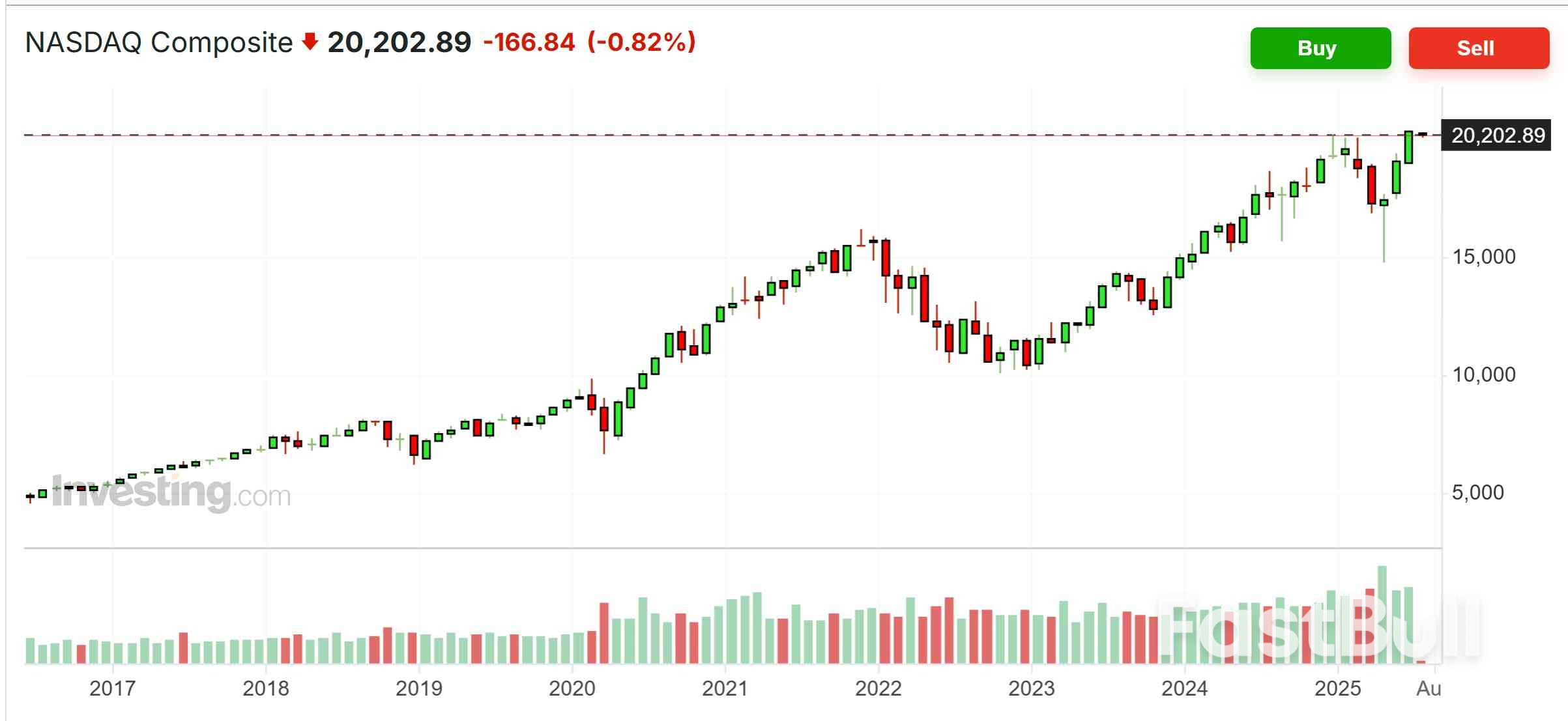
          As the Nasdaq Composite enters the second half of 2025 near record highs, investors looking beyond the mainstream mega-cap names have a wealth of opportunities to diversify their portfolios with high-potential tech stocks.
          5 Undervalued Tech Gems to Buy and Hold for H2 2025_1
          As such, here are five standout Nasdaq-listed gems—Cisco (NASDAQ:CSCO), Fortinet (NASDAQ:FTNT), Shopify (NASDAQ:SHOP), Monolithic Power (NASDAQ:MPWR) Systems, and Jabil Circuit (NYSE:JBL)—poised for further upside in the latter half of 2025. These companies offer a mix of innovation, undervaluation, and exposure to high-growth sectors like cybersecurity, e-commerce, AI, and networking.
          Below, we explore why these stocks are strong buys and the tailwinds driving their potential as the back half of the year begins.

          Cisco: Networking Giant on the Edge of Transformation

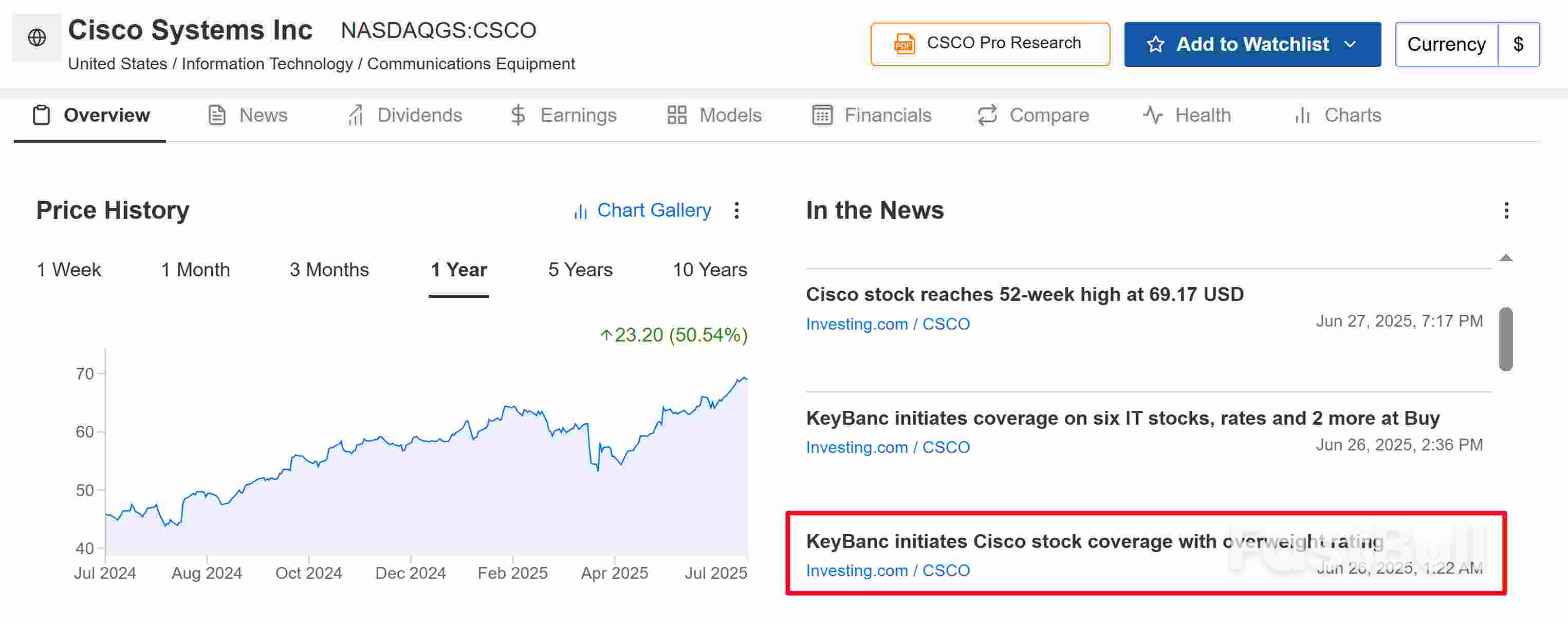
          Cisco Systems may not be the flashiest, but its 50% year-on-year gain proves its staying power as it pivots toward software and recurring revenue. The tech giant is reinventing itself as a leader in AI-driven networking and security, drawing praise from analysts.
          5 Undervalued Tech Gems to Buy and Hold for H2 2025_2
          Investors are increasingly attracted to Cisco’s stability, consistent dividends, and ability to adapt—making it a “Buy” call for those seeking both growth and resilience as tech markets evolve.
          Trading at a forward P/E of around 17, Cisco is substantially undervalued compared to tech peers, offering both growth and value. Its stable dividend yield (~2.5%) adds appeal for income-focused investors.

          Fortinet: Cybersecurity Standout with Robust Growth

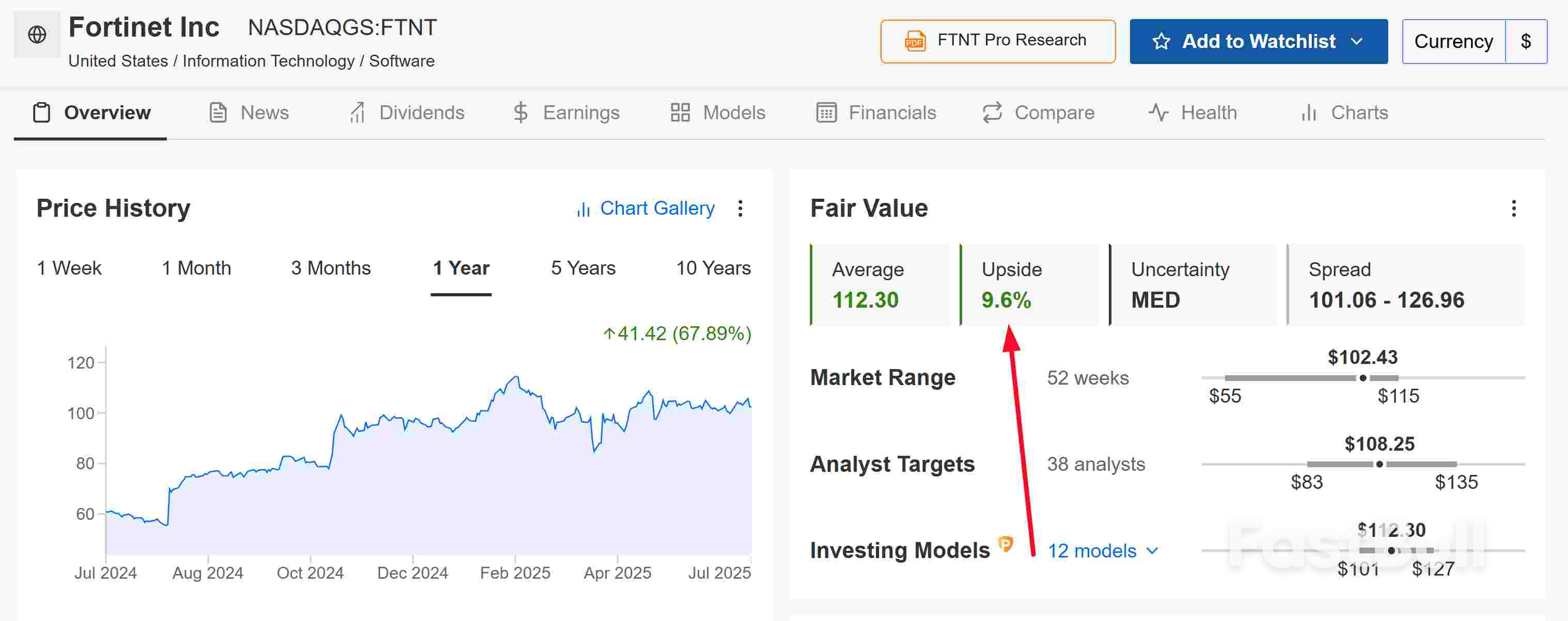
          Fortinet, a leading cybersecurity solutions provider, is a standout due to its undervaluation and robust growth prospects. The company’s stock hit a record high of $114.82 in February, with an impressive 67.9% gain in the past year, yet Investing.com’s AI-backed models suggest it remains undervalued with a ‘Fair Value’ of $112.30, implying a 9.6% upside from recent levels.
          5 Undervalued Tech Gems to Buy and Hold for H2 2025_3
          This cybersecurity powerhouse remains a favorite as enterprises ramp up their digital defenses amid a surge in AI-driven threats and regulatory demands. With its broad product suite and expanding service margins, Fortinet’s steady revenue growth and healthy free cash flow keep it firmly in “Strong Buy” territory.
          The rest of the year looks promising as organizations worldwide prioritize network security, a tailwind that isn’t fading anytime soon.

          Shopify: E-Commerce Ecosystem Leader

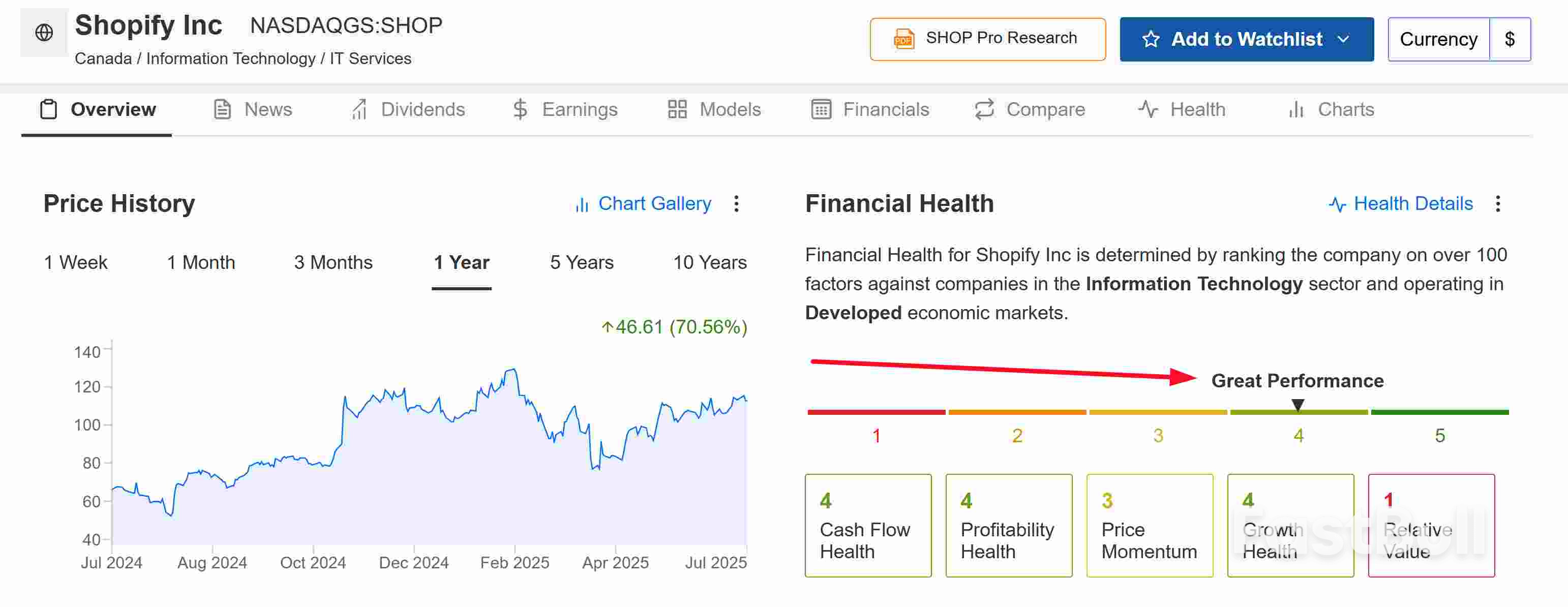
          Shopify is up a robust 70.5% over the last 12 months, riding the wave of e-commerce expansion and global merchant adoption.
          5 Undervalued Tech Gems to Buy and Hold for H2 2025_4
          Investors are drawn to the company’s great financial health, double-digit revenue growth and its ability to monetize AI-powered tools for merchants. Shopify’s international strength, robust free cash flow margins, and a “Buy” analyst consensus highlight its leadership in the e-commerce infrastructure space.
          As digital retail continues to evolve, Shopify’s platform upgrades and strategic partnerships position it for further upside in the second half. Trading at a forward P/E ratio lower than its historical average, Shopify offers a compelling entry point for growth investors.

          Monolithic Power Systems: Powering the AI and Data Center Boom

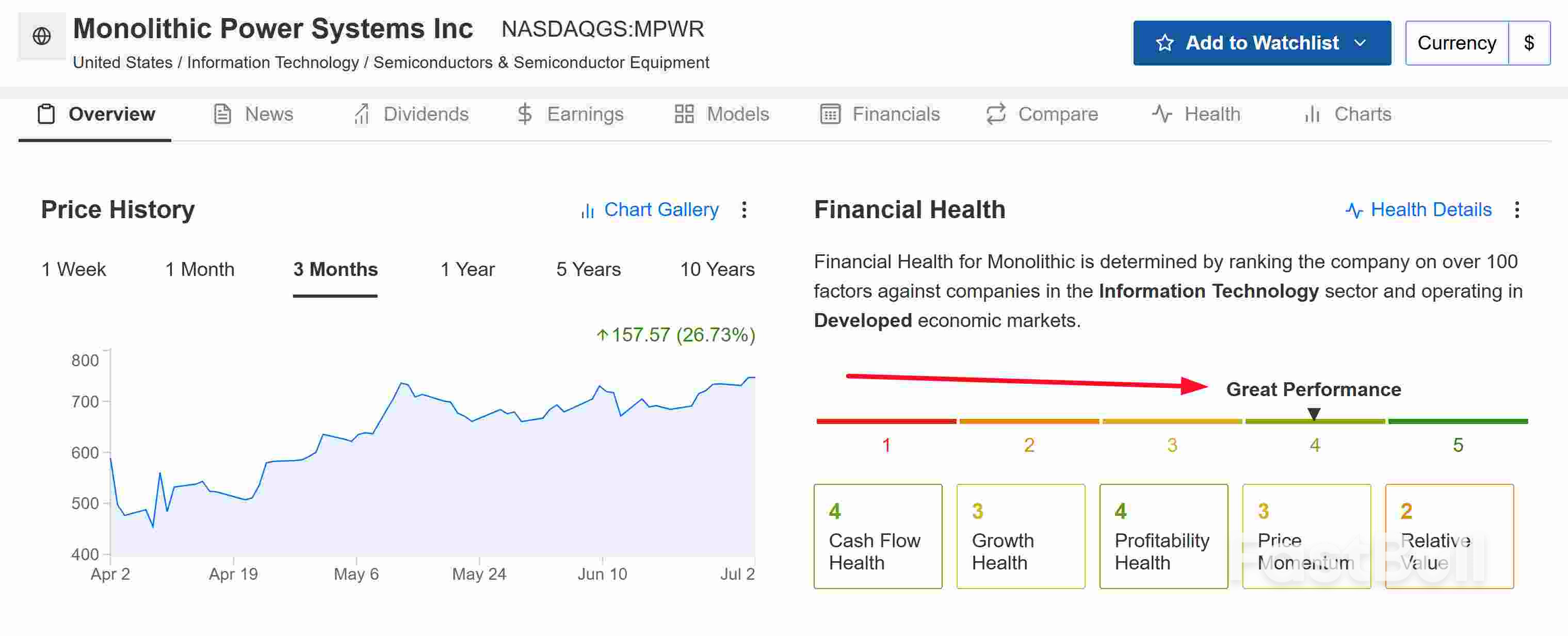
          Monolithic Power Systems continues to outperform with a 26.7% return in the second quarter, fueled by its dominance in high-efficiency power solutions and optimism about its AI and automotive exposure.
          5 Undervalued Tech Gems to Buy and Hold for H2 2025_5
          Despite competition from Nvidia (NASDAQ:NVDA), Monolithic’s specialized chips for power-efficient systems are in high demand as data centers and electric vehicles scale. Its relentless innovation and margin expansion are drawing institutional interest, and with secular trends in electrification and AI infrastructure, Monolithic Power’s growth runway looks far from exhausted as H2 2025 begins.
          Further, the company’s focus on R&D ensures it remains competitive in next-generation technologies.

          Jabil: Unsung Hero of Advanced Manufacturing

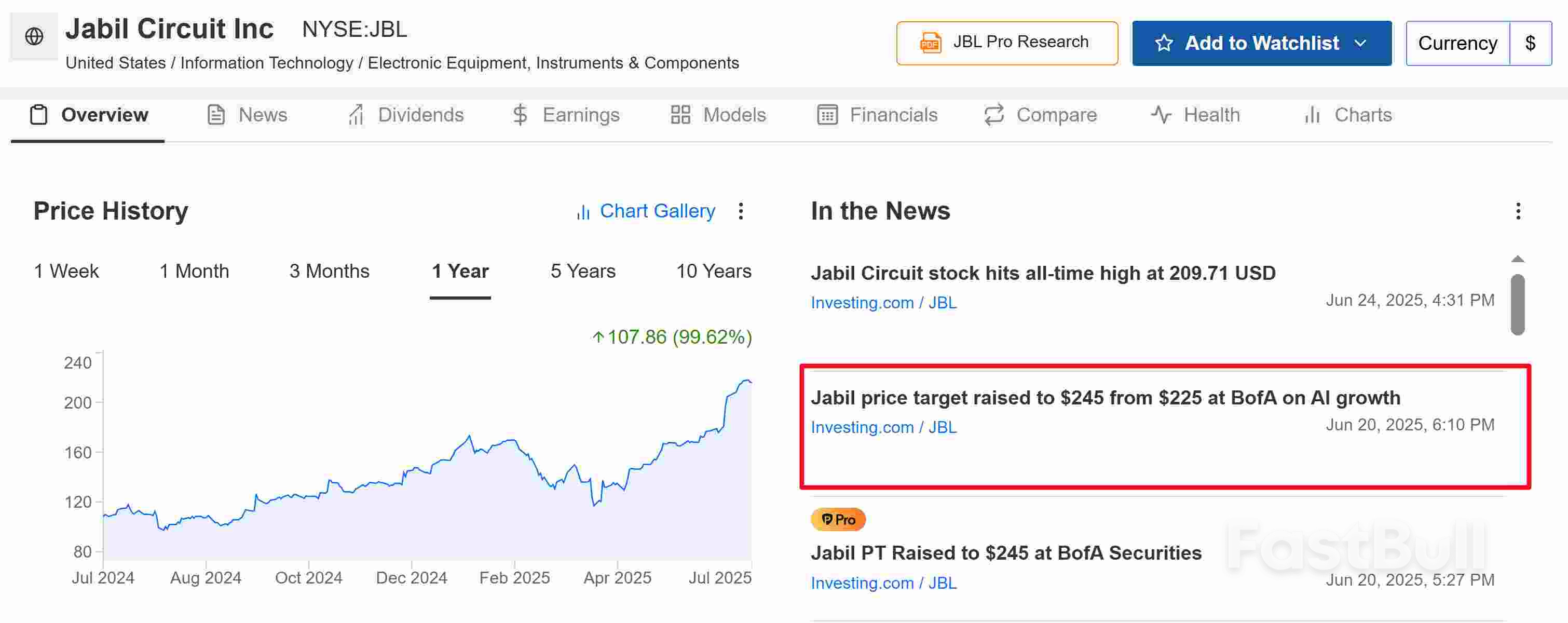
          Jabil is quietly surging, up a massive 99.6% in the past year, as it leverages secular demand for advanced manufacturing and hardware across multiple industries. Jabil’s diversified client base, from electronics to healthcare, and its agility in adopting AI-driven automation have set it apart.
          5 Undervalued Tech Gems to Buy and Hold for H2 2025_6
          Analysts see more upside ahead as the company continues to win new contracts and expand its margin profile, making it a compelling “Strong Buy” as the second half of 2025 kicks off.
          Trading at a forward P/E ratio of ~20, Jabil is cheap relative to its growth prospects, with analysts forecasting 15% EPS growth for 2025 amid strong demand for its manufacturing expertise in high-growth sectors like AI servers and electric vehicles.

          Conclusion

          Each of these five tech gems is well-positioned for continued momentum into late 2025, backed by secular growth trends in cybersecurity, e-commerce, AI infrastructure, networking, and global manufacturing.
          For investors seeking tech exposure beyond the mega-caps, these stocks provide a compelling blend of innovation, financial strength, and clear catalysts for further upside.

          source : investing

          Risk Warnings and Disclaimers
          You understand and acknowledge that there is a high degree of risk involved in trading. Following any strategies or investment methods may lead to potential losses. The content on the site is provided by our contributors and analysts for information purposes only. You are solely responsible for determining whether any trading assets, securities, strategy, or any other product is suitable for investing based on your own investment objectives and financial situation.
          Add to Favorites
          Share

          US Shale To Slow Drilling As Trump’s Tariffs Rattle Executives

          Jason

          Economic

          Commodity

          US shale executives expect to drill significantly fewer wells this year than planned at the start of 2025, as lower oil prices and uncertainty around President Donald Trump’s tariffs hurt profits, according to a Federal Reserve Bank of Dallas survey.

          Almost half of oil executives said they expect to drill fewer wells in 2025 than planned at the start of the year, according to second-quarter survey results released Wednesday. For “large” exploration and production firms — producing 10,000 barrels per day or more — 42% said they expected a significant decrease in the number of wells drilled. Most firms said that tariffs have increased the cost of drilling and completing a new well by 4.01% to 6%.

          The responses highlight the headwinds facing domestic production, leading industry executives to take a cautious approach to drilling and spending in direct contrast to Trump’s “drill, baby, drill” rhetoric. Crude prices have fallen as Trump’s tariffs threaten to slow the global economy, while OPEC+ accelerates the revival of its production into a market that was already well supplied.

          “It’s hard to imagine how much worse policies and D.C. rhetoric could have been for US E&P companies,” an unidentified executive said in the report. “We were promised by the administration a better environment for producers but were delivered a world that has benefitted OPEC to the detriment of our domestic industry.”

          A majority of executives surveyed said they expect Trump’s tariffs on imported steel to weigh on customer demand over the next 12 months.

          Some executives called for US steel producers to increase output, as the uncertainty in casing prices for essential steel tubing is delaying drilling activity. For service companies, tariffs mean they have to pass the cost on to their customers, one respondent said.

          The Dallas Fed’s quarterly surveys are widely read for the anonymous comments that offer an unfiltered view on factors impacting the oil industry. The bank’s region covers Texas, northern Louisiana and southern New Mexico.

          “It is a tough marketplace right now,” said one respondent. Most firms are holding contractors well below what they need to remain profitable, the respondent added.

          Oilfield service companies often provide the first indication of an industry downturn because they’re the ones hired to drill and frack new wells. “There is a concern some of our vendors will not survive,” one oil executive said.

          “Our customers (exploration and production firms, or E&Ps) are refusing to help absorb these costs,” one oilfield service executive said. “E&Ps continue to speak out of both sides of their mouths. They talk partnership but are treating their vendors like second-class citizens, pushing OFS to unsustainable margins.”

          Source: Bloomberg Europe

          To stay updated on all economic events of today, please check out our Economic calendar
          Risk Warnings and Disclaimers
          You understand and acknowledge that there is a high degree of risk involved in trading. Following any strategies or investment methods may lead to potential losses. The content on the site is provided by our contributors and analysts for information purposes only. You are solely responsible for determining whether any trading assets, securities, strategy, or any other product is suitable for investing based on your own investment objectives and financial situation.
          Add to Favorites
          Share

          A bare-bones deal is Europe’s best hope in trade talks with the U.S., sources say

          Adam

          Economic

          The clock is ticking in trade talks between Washington and the European Union, with European officials now saying their best hope is striking a “political” deal before a key July 9 deadline, three sources told CNBC.
          Concrete details of such a trade arrangement would have to be worked out at a later time.
          “The U.S. proposal from last week is aimed at an agreement in principle,” one EU official, who did not want to be named due to the sensitivity of the talks, told CNBC, adding that this agreement in principle would then “be negotiated out into a proper trade agreement at a later stage.”
          Previously close allies, the U.S. and EU have had a fractious relationship amid disagreements over trade and support for embattled Ukraine in the months since the start of U.S. President Donald Trump’s second term. Tensions escalated in early April, when White House announced a spate of reciprocal tariffs against most global trade partners, including a 20% levy on the EU. All such duties have been temporarily reduced until July 9 to facilitate talks.
          The U.S. sent a new proposal to the EU’s negotiating team last week. European negotiators are having face-to-face talks with their American counterparts later this week with the view to get a deal done in the coming days. Total bilateral trade in goods between the EU and the U.S. accounted for 851 billion euros ($1 trillion) in 2023, according to figures from the European Commission.
          European officials expect a new update on the negotiations Friday, but the situation is fluid. On Monday, European ambassadors had conversations about the state of play in the trade negotiations. Lithuania’s Minister of Finance Rimantas Šadžius told CNBC on Wednesday that he is “slightly optimistic” there will be a trade compromise between both sided of the Atlantic.
          Despite this, sources told CNBC that, despite efforts to reach a trade compromise, the EU is preparing for any possible outcomes, including the return of reciprocal tariffs.
          “The general sense is that in the coming days and weeks, all outcomes, ranging from a successful deal on a framework agreement all the way to higher US tariffs with additional sectors, are still possible,” the same EU official told CNBC.
          This sentiment was also shared by European Commission President Ursula von der Leyen last Friday.
          “We are ready for a deal. At the same time, we are preparing for the possibility that no satisfactory agreement is reached,” she said at a press conference.
          The European Commission was not immediately available for comment when contacted by CNBC Wednesday about an update to the talks.
          Another EU official, also speaking to CNBC on the condition of anonymity, said there is an awareness in Brussels that it is almost impossible to return to the trade relationship that the EU and U.S. enjoyed before the April 2 announcement of reciprocal tariffs.
          A third EU official, who also chose to speak anonymously, told CNBC that there is a risk that the outcome of the talks will be an “asymmetrical” deal, under which the EU will not escape some additional U.S. levies.
          Nonetheless, the bloc is looking to get concessions in critical areas for its economy, including automotive, semiconductors and pharmaceuticals, all three sources confirmed.
          The first EU official added that some member states will only agree to a deal in principle if there is a commitment from the Trump administration to “upfront tariff relief.”
          The European Commission, the executive arm of the EU, negotiates trade with other parts of the world, but its proposals and position reflects the thinking of the 27 capitals.

          source :cnbc

          To stay updated on all economic events of today, please check out our Economic calendar
          Risk Warnings and Disclaimers
          You understand and acknowledge that there is a high degree of risk involved in trading. Following any strategies or investment methods may lead to potential losses. The content on the site is provided by our contributors and analysts for information purposes only. You are solely responsible for determining whether any trading assets, securities, strategy, or any other product is suitable for investing based on your own investment objectives and financial situation.
          Add to Favorites
          Share

          USD/JPY Rebounds but Risks for US Dollar Remain Titled to Downside

          Adam

          Forex

          The USD/JPY recovered its entire losses from the day before when it had dropped to test its lowest point since early June below 143.00. Though the pair is now back inside the chop zone around 144.00 handle, the path of least resistance remain to the downside, owing to a strengthening bearish trend for the US dollar.
          The greenback has fallen to multi-year lows against several major European currencies including the pound, euro and more noticeably the franc, but it has managed to hold steady against the Japanese yen for the time being, with the 142.00-142.50 area offering strong support on multiple occasions in recent months. But the more a key level is tested, the more likely we will see an eventual breakdown. So, is the USD/JPY forecast going to change to being decisively bearish? Well, it will need to break this key support zone before potentially heading towards 140.00 and lower. For now, the dollar is making a bit of recovery, but that could easily change in the coming days – especially if incoming US data disappoints expectations. Today’s poor ADP reading was a prime example.

          Dollar Rebounds on US Data but Path Forward Not Clear

          The US dollar index has managed to find some support after falling to its lowest level since February 2022 yesterday. The greenback has found some support on the back of Tuesday’s US data releases when JOLTS job openings and ISM manufacturing both came in stronger than expected, offering a lift to a dollar still labouring under an asymmetric bearish tilt. On the docket today, we have ADP payrolls (which has just been released, showing a print of -33K vs. +99K), final House approval for Trump’s “Big Beautiful Bill”, as well as potential tariff posturing ahead of the 9 July deadline. On Thursday, we will have plenty more US data, including the monthly non-farm payrolls report. These upcoming events means there’s potential for increased volatility in the next few days across the FX space. Though this may imply that there are equal risks to both the upside and downside dollar directions, I will still lean towards the bearish side of things for the greenback owing to the underlying trend and negative sentiment.

          Dollar Bears Need Soft Data to Justify Bearish Bets

          Yesterday’s saw Fed Chair Jerome Powell stick to script in Sintra, reiterating a data-dependent stance that leaves the dollar finely attuned to labour and inflation releases. It is worth pointing out that he declined to rule out a July cut – meaning a very soft jobs print tomorrow could quickly revive market bets on near-term easing. That would be enough, in my view, to cause the USD/JPY direction to turn sharply lower and move near 140.00 zone.
          That said, yesterday’s numbers went the other way. May’s JOLTS data exceeded forecasts, while ISM manufacturing ticked higher, with a rebound in prices paid sub-index pointing to increased inflationary pressures. These data releases aren’t game-changers, but they hint at sticky inflation and a still-resilient labour market, giving the Fed less cause to act soon, despite pressure from the White House. It can therefore be argued that markets may have leaned too far dovish, and that the dollar could regain its footing if inflation picks up. Put another, the dollar bears need to see the release of negative data to justify their bearish bets against the dollar.
          In as far as today’s data is concerned, consensus for the ADP was to rebound to 99K from 37K the month before. Instead, we got a negative 33K print. While it’s no oracle for official payrolls, market have moved a little sharply on the back of this sharp miss. Tariff threats also loom, with Trump sticking to a 9 July deadline. While markets suspect another last-minute climbdown, any renewed trade tension still poses a headwind for the dollar.

          USD/JPY Technical Analysis

          From a technical point of view, the USD/JPY is in an overall bearish trend given the fact that price remains below its key moving averages like the 50 or 200 day. Even the 21-day exponential average is now back above current prices to suggest the near-term trend is also starting to turn. With a short-term bullish trend line also broken yesterday, this has added another layer of bearish flavour to the mix.
          USD/JPY Rebounds but Risks for US Dollar Remain Titled to Downside_1
          That said, support at 142.80-142.00 area needs to give way now for the trend to gather momentum. So far, this area has held on multiple occasions in recent weeks, and this was again the case yesterday as rates bounced right off this important support area. Therefore, a clean break below this area is now needed to provide fresh bearish momentum and pave the way for a potential drop to the next key support area around 140.00.
          Otherwise, expect continued choppy price action in the near-term outlook. Resistance is now seen around 144.00, marking the underside of the short-term trend line that has just been taken out. Above it, 145.00 and then 146.00 are the next key short-term hurdles to watch.

          Source: investing

          Risk Warnings and Disclaimers
          You understand and acknowledge that there is a high degree of risk involved in trading. Following any strategies or investment methods may lead to potential losses. The content on the site is provided by our contributors and analysts for information purposes only. You are solely responsible for determining whether any trading assets, securities, strategy, or any other product is suitable for investing based on your own investment objectives and financial situation.
          Add to Favorites
          Share

          Australia's retail sales miss forecast, Aussie slips

          Adam

          Economic

          The Australian dollar is lower on Thursday. In the Europen session, AUD/USD is trading at 0.6556, down 0.41% on the day.

          Australia's retail sales lower than expected at 0.2%

          Australia's retail sales posted a small gain of 0.2% in May, up from a flat reading in April but shy of the consensus of 0.4%. The gain was driven by a strong rebound in sales in clothing and footwear, while food sales declined. On an annual basis, retail sales rose 3.3%, down sharply from 3.8% in April and the weakest pace of growth in six months.

          RBA expected to trim next week

          Today's weak data has bolstered expectations that the Reserve Bank of Australia will lower rates at next week's meeting. The money markets have priced in a cut at 97%, which would lower the cash rate to 3.6%.
          Consumers have been holding back on spending and the Reserve Bank will be counting on a rate cut to boost Australia's weak economy. That strategy hasn't worked as well as hoped; the RBA has lowered rates twice since February but first-quarter growth was weak and consumers haven't been spending.
          Inflation is under control and CPI dropped to 2.1% in May, down from 2.4% and the lowest level since Oct. 2024. With inflation largely contained, the Reserve Bank can deliver a rate cut without too much concern about the upside risk to inflation.

          US nonfarm payrolls expected to drop to 110 thousand

          It's an abbreviated week in the US due to the Fourth of July holiday on Friday. The US will release the June employment report on Thursday, with all eyes on nonfarm payrolls.
          Nonfarm payrolls eased slightly in May to 137 thousand from 147 thousand and the downward trend is expected to continue, with a consensus of 110 thousand for June. This would mark the weakest pace of job growth since 2020, with the exception of a meltdown in job growth in Oct. 2024.

          AUDUSD Technical

          AUD/USD has pushed below support at 0.6567 and is testing support at 0.6555. Below, there is support at 0.6540
          There is resistance at 0.6582 and 0.6594
          Australia's retail sales miss forecast, Aussie slips_1

          AUDUSD 4-Hour Chart, July 2, 2025

          Source: marketpulse

          To stay updated on all economic events of today, please check out our Economic calendar
          Risk Warnings and Disclaimers
          You understand and acknowledge that there is a high degree of risk involved in trading. Following any strategies or investment methods may lead to potential losses. The content on the site is provided by our contributors and analysts for information purposes only. You are solely responsible for determining whether any trading assets, securities, strategy, or any other product is suitable for investing based on your own investment objectives and financial situation.
          Add to Favorites
          Share

          US Treasuries Extend Declines As UK Selloff Weighs On Long End

          Devin

          Economic

          Treasuries fell as weaker-than-anticipated US employment data was overpowered by a selloff in the UK government bond market that focused investor attention on deficits in both nations.

          Yields rose the most for longer-dated bonds with 30-year Treasuries climbing about six basis points to 4.83%. The market was, in part, following moves in the UK, where yields on 30-year gilts jumped on concerns about Chancellor of the Exchequer Rachel Reeves’ future reignited questions over the nation’s fiscal position.

          Investors have raised similar concerns about the outlook in the US, where on Tuesday the Senate passed President Donald Trump’s sweeping tax and spending bill that would add an estimated US$3.4 trillion (RM14.26 trillion) to the nation’s debt over a decade. The legislation is now in the hands of the House as Republicans rush to complete work on the legislation by a July 4 deadline set by the president.

          “The UK long end is getting crushed and that market is thin so it’s taking all long duration higher in yield,” said Gregory Faranello, head of US rates trading and strategy for AmeriVet Securities.

          “With both UK and US fiscal trajectories in the spotlight and long-end yields rising accordingly, markets are recalibrating their view of the term premium — even as short-end expectations remain anchored by the potential for rate cuts,” says Brendan Fagan of Bloomberg FX Strategist.

          The market briefly pared losses earlier in the session after a report on private-sector payrolls showed an unexpected slump in June, a sign of weakness in the US labour market.

          Yields for two-year notes, which are more sensitive to monetary policy, erased an increase of nearly three basis points, to trade little changed following the release of ADP figures showing a drop of 33,000 in payrolls last month.

          Investors are turning to Thursday’s jobs report, the third and most comprehensive to be released this week on US labour market conditions. If that data shows further weakness, traders reckon that the Fed could move up cuts. Following the ADP report, traders added to wagers on at least two cuts this year, with the first coming in September.

          A “general softening trend among many labor market indicators is really the story,” said Angelo Manolatos, a rates strategist at Wells Fargo. “That softening likely puts the Fed in a position to cut rates later this year, likely starting in September.”

          The prospect of Fed cuts propelled the Treasury market in June to its best monthly performance since February. Yields dropped last week to their lowest level in more than a month. And open interest data shows traders added new long positions into the recent bond market rally.

          “If there’s a material increase in the unemployment rate it will change the calculus in the market’s mind about the timing and pace of rate cuts,” said Dominic Konstam, head of macro strategy at Mizuho Securities USA.

          Source: Theedgemarkets

          To stay updated on all economic events of today, please check out our Economic calendar
          Risk Warnings and Disclaimers
          You understand and acknowledge that there is a high degree of risk involved in trading. Following any strategies or investment methods may lead to potential losses. The content on the site is provided by our contributors and analysts for information purposes only. You are solely responsible for determining whether any trading assets, securities, strategy, or any other product is suitable for investing based on your own investment objectives and financial situation.
          Add to Favorites
          Share

          The Market’s Balancing Act

          Adam

          Economic

          At 8:15am ET, the Bloomberg terminal coughed up an unpleasant surprise. The ADP payroll number—Wall Street's appetizer before Thursday's official jobs feast—showed a loss of 33,000 positions. Forecasters had penciled in a gain of 98,000. The screen flushed scarlet; the sell buttons twitched. And then, almost nothing. The Nasdaq 100 futures sagged a perfunctory 0.2%, the digital equivalent of a raised eyebrow. Complacency has become the market's default setting. Weak data? That merely whets the appetite for rate cuts, now priced at roughly sixty-four basis points by year-end.
          In seven days, on the 9th, President Trump's new tariff barrage goes live, unless Tokyo, Brussels, or New Delhi produces the diplomatic equivalent of alchemy. The President, sounding like a man with one eye on campaign rallies and the other on customs receipts, vows there will be "no extension" to the July 9 deadline. The world's supply chains have heard such vows before, and each time the costs seep, unseen, into consumer prices.
          Today marks three months to the day since the famous “Liberation Day.” On Wednesday, April 2, Donald Trump sent shockwaves through the markets by announcing reciprocal tariffs. The image of the US president proudly brandishing his list of punitive measures will remain etched in our memories. So too will the panic that ensued, until the announcement of a pause a week later. Before this spectacular about-turn, almost no one would have bet that the S&P 500 would recover its losses in 30 days. Or that it would break records in three months.
          Between April 2 and today, there was a 28% rise in the S&P 500. The index is now up 5.4%, after losing as much as 18% at its worst on April 7, which was the low point of the year.
          And yet, nothing has really been resolved since then. We have no certainty about the level of tariffs, as trade negotiations are ongoing. Worse still, we already know that with the tariffs currently in place, the average entry ticket to the US is around 15%, compared with 2.5-3% previously. The impact on growth, inflation and corporate earnings is therefore still ahead of us.
          Late Tuesday another wild card clattered onto the table: the Senate's passage of the "One Big Beautiful Bill", a sprawling tax-and-spend opus that trims social programs, fattens defense, and promises to add $3.3 trillion to the deficit. Once upon a time markets fretted about such arithmetic. Now they greet it as stimulus. The Dow, barely a percent off its record, is living proof that deficits are somebody else's problem—until bond vigilantes return from exile.
          Meanwhile the Federal Reserve, chastened by stickier inflation and stronger-than-expected May job openings, insists that cuts will be "data dependent." What happens when the job data suddenly include a minus sign, like today's? If employment is stumbling before tariffs bite, can monetary policy really paper over both supply shocks and fiscal profligacy?
          For years the American economy has floated on a Goldilocks narrative—growth neither too hot nor too cold, inflation docile, jobs plentiful. But Goldilocks now faces a trifecta: tariffs that could goose prices, deficits that could drive yields higher, and a labor market that may be losing altitude. Markets are responding with an almost literary form of denial.
          In corporate news, Centene saw a 26 percent pre-market plunge after withdrawing its 2025 forecast offered a microcosm of the tension. All eyes will be on the non-farm payroll number that lands on Thursday— ahead of the July 4th holiday.
          In the U.K., British Finance Minister Rachel Reeves is in trouble after the government had to compromise on its welfare reform bill to pass it through Parliament. Meanwhile, Bank of England policymaker Alan Taylor warned that the UK's economic "soft landing" is now at risk, citing recent data that supports five interest rate cuts in 2025 instead of four. U.K. bond yields spiked sharply during the weekly parliamentary debate after Prime Minister Keir Starmer stopped short of offering full support for Reeves.
          In Asia, the Nikkei 225 ended with a poor performance, down 0.5% this morning. South Korea, weighed down by the Nasdaq's decline, lost even more ground (-0.6%). Mainland China and India are stable. The best performers of the day are Hong Kong (+0.5%) and Sydney (+0.7%). European markets are mixed, with the Stoxx Europe 600 near zero.

          source :marketscreener

          To stay updated on all economic events of today, please check out our Economic calendar
          Risk Warnings and Disclaimers
          You understand and acknowledge that there is a high degree of risk involved in trading. Following any strategies or investment methods may lead to potential losses. The content on the site is provided by our contributors and analysts for information purposes only. You are solely responsible for determining whether any trading assets, securities, strategy, or any other product is suitable for investing based on your own investment objectives and financial situation.
          Add to Favorites
          Share
          FastBull
          Copyright © 2025 FastBull Ltd

          728 RM B 7/F GEE LOK IND BLDG NO 34 HUNG TO RD KWUN TONG KLN HONG KONG

          TelegramInstagramTwitterfacebooklinkedin
          App Store Google Play Google Play
          Products
          Charts

          Chats

          Q&A with Experts
          Screeners
          Economic Calendar
          Data
          Tools
          Membership
          Features
          Function
          Markets
          Copy Trading
          Latest Signals
          Contests
          News
          Analysis
          24/7
          Columns
          Education
          Company
          Careers
          About Us
          Contact Us
          Advertising
          Help Center
          Feedback
          User Agreement
          Privacy Policy
          Business

          White Label

          Data API

          Web Plug-ins

          Poster Maker

          Affiliate Program

          Risk Disclosure

          The risk of loss in trading financial instruments such as stocks, FX, commodities, futures, bonds, ETFs and crypto can be substantial. You may sustain a total loss of the funds that you deposit with your broker. Therefore, you should carefully consider whether such trading is suitable for you in light of your circumstances and financial resources.

          No decision to invest should be made without thoroughly conducting due diligence by yourself or consulting with your financial advisors. Our web content might not suit you since we don't know your financial conditions and investment needs. Our financial information might have latency or contain inaccuracy, so you should be fully responsible for any of your trading and investment decisions. The company will not be responsible for your capital loss.

          Without getting permission from the website, you are not allowed to copy the website's graphics, texts, or trademarks. Intellectual property rights in the content or data incorporated into this website belong to its providers and exchange merchants.

          Not Logged In

          Log in to access more features

          FastBull Membership

          Not yet

          Purchase

          Become a signal provider
          Help Center
          Customer Service
          Dark Mode
          Price Up/Down Colors

          Log In

          Sign Up

          Position
          Layout
          Fullscreen
          Default to Chart
          The chart page opens by default when you visit fastbull.com