• Trade
  • Markets
  • Copy
  • Contests
  • 24/7
  • Calendar
  • Q&A
  • Chats
Screeners
SYMBOL
LAST
BID
ASK
HIGH
LOW
NET CHG.
%CHG.
SPREAD
SOURCE
SPX
S&P 500 Index
7500.57
7500.57
7500.57
7511.07
7468.32
+80.46
+ 1.08%
--
--
DJI
Dow Jones Industrial Average
51564.69
51564.69
51564.69
51949.26
51554.53
+72.15
+ 0.14%
--
--
IXIC
NASDAQ Composite Index
26517.94
26517.94
26517.94
26559.74
26188.69
+496.30
+ 1.91%
--
--
USDX
US Dollar Index
100.640
100.640
100.720
100.680
100.510
+0.160
+ 0.16%
--
--
EURUSD
Euro / US Dollar
1.14570
1.14570
1.14577
1.14734
1.14526
-0.00076
-0.07%
--
--
GBPUSD
Pound Sterling / US Dollar
1.32103
1.32103
1.32112
1.32334
1.31844
-0.00172
-0.13%
--
--
XAUUSD
Gold / US Dollar
4185.41
4185.41
4185.79
4220.80
4136.44
+33.99
+ 0.82%
--
--
WTI
Light Sweet Crude Oil
75.172
75.172
75.202
77.822
74.873
-1.330
-1.74%
--
--

Community Accounts

Signal Accounts
--
Profit Accounts
--
Loss Accounts
--
View More

Become a signal provider

Sell trading signals to earn additional income

View More

Guide to Copy Trading

Get started with ease and confidence

View More

Signal Accounts for Members

All Signal Accounts

Best Return
  • Best Return
  • Best P/L
  • Best MDD
Past 1W
  • Past 1W
  • Past 1M
  • Past 1Y

All Contests

  • All
  • Recommend
  • Stocks
  • Cryptocurrencies
  • Central Banks
  • Trump Updates
  • Featured News
Top News Only
Share

Thailand's Ministry Of Commerce: Exports Continued To Grow By Double Digits In May

Share

Russian Defense Ministry: Russia Shot Down 301 Drones Overnight

Share

Ukrainian Navy: Among The Nine Crew Members, Including Nationals Of Egypt, Turkey, And India, Some Have Died And Others Have Been Rescued

Share

The Ukrainian Navy Reported That Nine Crew Members, Including Those Of Egyptian, Turkish, And Indian Nationality, Have Been Rescued

Share

Ukrainian Navy: Drone Attack Caused Fire On Cargo Ship Victress

Share

Shenzhen’s Foreign Trade Volume In The First Five Months Of This Year Rose By 31.1% Year-on-Year, Maintaining Its Position As The Top Mainland Chinese City In Terms Of Import-export Scale

Share

Thailand's Finance Minister: Thailand's Economic Growth Potential Is Expected To Increase From 2.7% To 3% By 2030

Share

The National Bureau Of Statistics Released Unemployment Rates By Age Group For May 2026

Share

According To The Financial Times, Ireland Has Indicated That An EU Capital Markets Agreement Is Expected To Be Reached By The End Of The Year

Share

The Yield On Japan's 20-year Government Bonds Rose 3.5 Basis Points To 3.600%

Share

Bangladeshi Prime Minister: I Have Requested The Malaysian Prime Minister To Consider Hiring More Bangladeshi Workers As Soon As Possible And To Open The Labor Market At An Early Date

Share

Bangladeshi Prime Minister: Agrees To Advance Free Trade Agreement Negotiations With Malaysia

Share

The Malaysian Ringgit Fell 0.4% To 4.152 Against The US Dollar, Its Lowest Level Since November 24, 2025

Share

The Shanghai Silver 2608 Contract Weakened Significantly During The Session, With The Decline Widening To 6.03%, And The Price Dropping To 15,754 Yuan/kg. The Trading Volume Exceeded 45.3 Billion Yuan, And The Open Interest Increased By More Than 5,800 Lots During The Day, Indicating Increased Market Volatility

Share

Ministry Of Commerce: In May, The Domestic Retail Penetration Rate Of New-energy Vehicles Reached 62.9%, Hitting Another All-time High

Share

[Brent Crude Falls 2% Intraday] June 22, According To Bitget Market Data, Brent Crude Oil Fell By 2% Intraday, Now Trading At $78.52 Per Barrel. WTI Crude Oil Dropped By 1.86%, Currently At $75.81 Per Barrel.Today's Report: Sources Close To The Negotiating Team Stated That The Strait Of Hormuz Will Not Reopen As Long As The Ceasefire Agreement In Lebanon Is Not Complied With And Iran's Oil Sales Waiver Is Not Approved

Share

The SC Crude Oil Futures Contract Fell By 2.00% During The Day, Currently Trading At 503.40 Yuan Per Barrel

Share

Brent Crude Oil Fell 2% On The Day, Currently Trading At $78.52 Per Barrel. WTI Crude Oil Fell 1.86%, Currently Trading At $75.81 Per Barrel

Share

U.S. Southern Command: Two People Were Killed And Six Men Survived The Operation; No U.S. Military Personnel Were Injured

Share

U.S. Southern Command: On June 21, The Southern Spear Task Force Struck A Vessel In The Caribbean Sea Operated By An Entity Identified As A Terrorist Organization

TIME
ACT
FCST
PREV
IMPACT
U.S. Philadelphia Fed Manufacturing Employment Index (Jun)

A:--

F: --

P: --

USDX
  • USDX
  • XAUUSD
  • XAGUSD
  • WTI
U.S. Conference Board Leading Economic Index MoM (May)

A:--

F: --

P: --
USDX
  • USDX
  • XAUUSD
  • XAGUSD
  • WTI
U.S. Conference Board Coincident Economic Index MoM (May)

A:--

F: --

P: --

USDX
  • USDX
  • XAUUSD
  • XAGUSD
  • WTI
U.S. Conference Board Lagging Economic Index MoM (May)

A:--

F: --

P: --

USDX
  • USDX
  • XAUUSD
  • XAGUSD
  • WTI
U.S. Conference Board Leading Economic Index (May)

A:--

F: --

P: --

USDX
  • USDX
  • XAUUSD
  • XAGUSD
  • WTI
U.S. EIA Weekly Natural Gas Stocks Change

A:--

F: --

P: --

WTI
  • WTI
  • XAUUSD
  • XAGUSD
  • USDX
U.S. Weekly Total Oil Rig Count

A:--

F: --

P: --

WTI
  • WTI
  • XAUUSD
  • XAGUSD
  • USDX
U.S. Weekly Total Rig Count

A:--

F: --

P: --

WTI
  • WTI
  • XAUUSD
  • XAGUSD
  • USDX
Argentina Trade Balance (May)

A:--

F: --

P: --

XAUUSD
  • XAUUSD
  • XAGUSD
  • WTI
  • USDX
U.S. Weekly Treasuries Held by Foreign Central Banks

A:--

F: --

P: --

USDX
  • USDX
  • XAUUSD
  • XAGUSD
  • WTI
South Korea PPI MoM (May)

A:--

F: --

P: --
XAUUSD
  • XAUUSD
  • XAGUSD
  • WTI
  • USDX
U.K. GfK Consumer Confidence Index (Jun)

A:--

F: --

P: --

GBPUSD
  • GBPUSD
  • XAUUSD
  • XAGUSD
  • WTI
Japan National Core CPI YoY (May)

A:--

F: --

P: --

USDJPY
  • USDJPY
  • XAUUSD
  • XAGUSD
  • WTI
Japan National CPI MoM (Not SA) (May)

A:--

F: --

P: --

USDJPY
  • USDJPY
  • XAUUSD
  • XAGUSD
  • WTI
Japan National CPI YoY (May)

A:--

F: --

P: --

USDJPY
  • USDJPY
  • XAUUSD
  • XAGUSD
  • WTI
Japan National CPI MoM (May)

A:--

F: --

P: --

USDJPY
  • USDJPY
  • XAUUSD
  • XAGUSD
  • WTI
Japan CPI MoM (May)

A:--

F: --

P: --

USDJPY
  • USDJPY
  • XAUUSD
  • XAGUSD
  • WTI
  • USDX
U.K. Retail Sales YoY (SA) (May)

A:--

F: --

P: --
GBPUSD
  • GBPUSD
  • XAUUSD
  • XAGUSD
  • WTI
  • USDX
Germany PPI MoM (May)

A:--

F: --

P: --

EURUSD
  • EURUSD
  • XAUUSD
  • XAGUSD
  • WTI
  • USDX
Germany PPI YoY (May)

A:--

F: --

P: --

EURUSD
  • EURUSD
  • XAUUSD
  • XAGUSD
  • WTI
  • USDX
U.K. Core Retail Sales YoY (SA) (May)

A:--

F: --

P: --

GBPUSD
  • GBPUSD
  • XAUUSD
  • XAGUSD
  • WTI
  • USDX
U.K. Retail Sales MoM (SA) (May)

A:--

F: --

P: --

GBPUSD
  • GBPUSD
  • XAUUSD
  • XAGUSD
  • WTI
  • USDX
Turkey Capacity Utilization (Jun)

A:--

F: --

P: --

XAUUSD
  • XAUUSD
  • XAGUSD
  • WTI
  • USDX
Russia Key Rate

A:--

F: --

P: --

WTI
  • WTI
  • XAUUSD
  • XAGUSD
  • USDX
Canada Core Retail Sales MoM (SA) (Apr)

A:--

F: --

P: --
USDCAD
  • USDCAD
  • XAUUSD
  • XAGUSD
  • WTI
  • USDX
Canada Retail Sales MoM (SA) (Apr)

A:--

F: --

P: --

USDCAD
  • USDCAD
  • XAUUSD
  • XAGUSD
  • WTI
  • USDX
ECB Chief Economist Lane Speaks
Argentina Retail Sales YoY (Apr)

A:--

F: --

P: --

XAUUSD
  • XAUUSD
  • XAGUSD
  • WTI
  • USDX
China, Mainland 1-Year Loan Prime Rate (LPR)

A:--

F: --

P: --

XAUUSD
  • XAUUSD
  • XAGUSD
  • WTI
  • USDX
China, Mainland 5-Year Loan Prime Rate

A:--

F: --

P: --

XAUUSD
  • XAUUSD
  • XAGUSD
  • WTI
  • USDX
Turkey Consumer Confidence Index (Jun)

--

F: --

P: --

Canada National Economic Confidence Index

--

F: --

P: --

Canada Trimmed CPI YoY (SA) (May)

--

F: --

P: --

Canada Core CPI YoY (May)

--

F: --

P: --

Canada CPI MoM (May)

--

F: --

P: --

Canada CPI YoY (May)

--

F: --

P: --

Canada Core CPI MoM (May)

--

F: --

P: --

ECB President Lagarde Speaks
FOMC Member Waller Speaks
Argentina Unemployment Rate (Q1)

--

F: --

P: --

ECB Chief Economist Lane Speaks
Germany 2-Year Schatz Auction Avg. Yield

--

F: --

P: --

U.K. CBI Industrial Prices Expectations (Jun)

--

F: --

P: --

U.K. CBI Industrial Trends - Orders (Jun)

--

F: --

P: --

Mexico Retail Sales MoM (Apr)

--

F: --

P: --

Mexico Economic Activity Index YoY (Apr)

--

F: --

P: --

U.S. Weekly Redbook Index YoY

--

F: --

P: --

BOC Gov Macklem Speaks
U.S. Richmond Fed Manufacturing Composite Index (Jun)

--

F: --

P: --

U.S. Richmond Fed Services Revenue Index (Jun)

--

F: --

P: --

U.S. Richmond Fed Manufacturing Shipments Index (Jun)

--

F: --

P: --

U.S. 2-Year Note Auction Avg. Yield

--

F: --

P: --

Argentina GDP YoY (Constant Prices) (Q1)

--

F: --

P: --

U.S. API Weekly Cushing Crude Oil Stocks

--

F: --

P: --

U.S. API Weekly Crude Oil Stocks

--

F: --

P: --

U.S. API Weekly Refined Oil Stocks

--

F: --

P: --

U.S. API Weekly Gasoline Stocks

--

F: --

P: --

Australia RBA Trimmed Mean CPI YoY

--

F: --

P: --

Germany Ifo Current Business Situation Index (SA) (Jun)

--

F: --

P: --

Germany IFO Business Climate Index (SA) (Jun)

--

F: --

P: --

Germany Ifo Business Expectations Index (SA) (Jun)

--

F: --

P: --

Q&A with Experts
    • All
    • Chatrooms
    • Groups
    • Friends
    Mrkindness flag
    Mr David flag
    Kung Fu flag
    Mr David
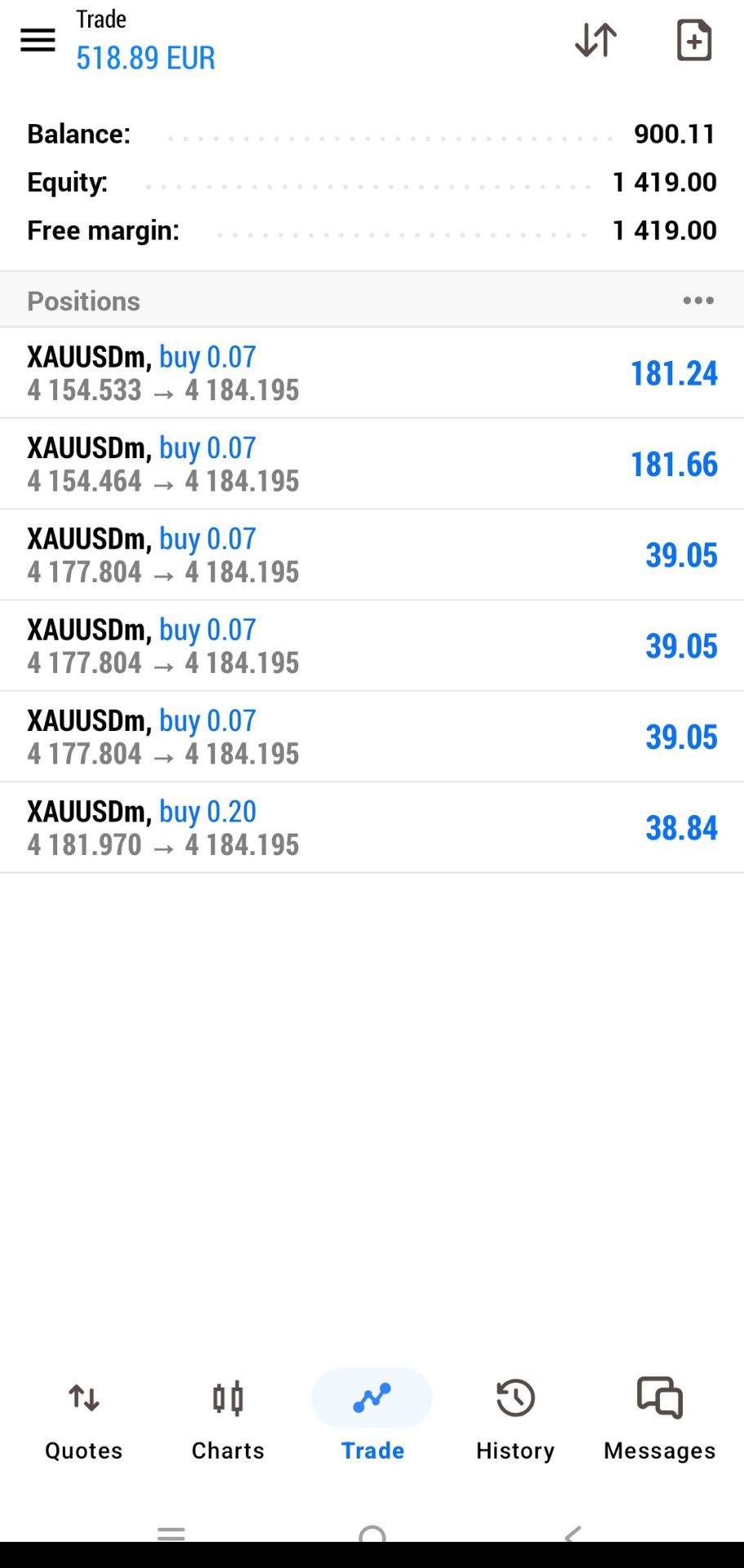
    @Mr DavidThis is a really nice move. Great scalping, bro. Well done.
    Mrkindness flag
    Kung Fu
    @Mr DavidThis is a really nice move. Great scalping, bro. Well done.
    @Kung Futhat at 8 am
    Kung Fu flag
    Mrkindness
    @Kung Futhat at 8 am
    @MrkindnessI don't understand what you mean by that at 8 AM. Could you please clarify
    Roberto flag
    it is sell in gold
    4807647 flag
    Mrkindness flag
    4807647
    @4807647why bro
    EMIKA flag
    hello , does anyone know demo account can play USA futures?
    EMIKA flag
    like NQ AND ES
    2633328 flag
    Lol demo, account...
    Кайрат ДАВ flag
    здраствуйте кто подскажет где кнопка для бэктеста
    Size flag
    Good morning traders..New week, fresh opportunities.
    sonam flag
    sonam
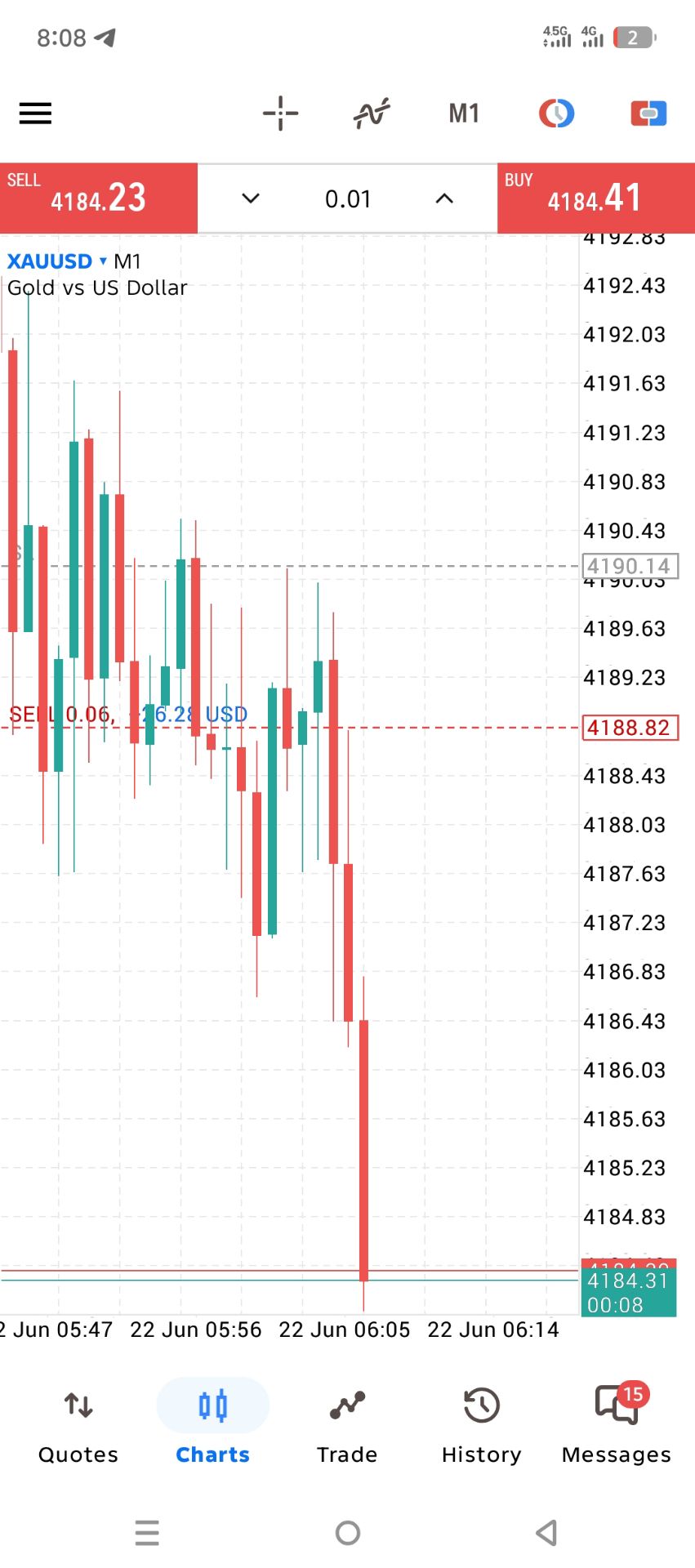
    Gold Buy Now 4180-4177 SL 4171 TP 4183 TP 4186 TP 4189 TP 4192 TP Open
    Gold Buy TP 1 Hit 80 pips profit Done from Zone ✅
    sonam flag
    sonam
    Gold Buy Now 4180-4177 SL 4171 TP 4183 TP 4186 TP 4189 TP 4192 TP Open
    Again smashing Gold
    sonam flag
    sonam flag
    sonam
    Gold Buy Now 4180-4177 SL 4171 TP 4183 TP 4186 TP 4189 TP 4192 TP Open
    Gold Buy TP 1 TP 2 hit 95 pips profit Done ✅
    Size flag
    Hope everyone had a good weekend and is ready for the markets ahead.
    Size flag
    sonam
    Gold Buy TP 1 Hit 80 pips profit Done from Zone ✅
    @sonamNice catch mate, congratulations
    sonam flag
    Size
    @sonamNice catch mate, congratulations
    @Sizethanks
    Type here...
    Add Symbol or Code

      No matching data

      All
      Recommend
      Stocks
      Cryptocurrencies
      Central Banks
      Trump Updates
      Featured News
      • All
      • Russia-Ukraine Conflict
      • Middle East Flashpoint
      • All
      • Russia-Ukraine Conflict
      • Middle East Flashpoint
      Search
      Products

      Charts Free Forever

      Chats Q&A with Experts
      Screeners Economic Calendar Data Tools
      Membership Features
      Data Warehouse Market Trends Institutional Data Policy Rates Macro

      Market Trends

      Market Sentiment Order Book Forex Correlations

      Top Indicators

      Charts Free Forever
      Markets

      News

      24/7 Analysis Education

      Latest Views

      Latest Update

      Signals

      Copy Rankings Latest Signals Become a signal provider AI Rating
      Contests
      Brokers

      Overview Brokers Assessment Rankings Regulators News Claims
      Broker listing Forex Brokers Comparison Tool Live Spread Comparison Scam
      Q&A Complaint Scam Alert Videos Tips to Detect Scam
      More

      Business
      Events
      Careers About Us Advertising Help Center

      White Label

      Broker API

      Data API

      Web Plug-ins

      Affiliate Program

      Awards Institution Evaluation IB Seminar Salon Event Exhibition
      Vietnam Thailand Singapore Dubai
      Fans Party Investment Sharing Session
      FastBull Summit BrokersView Expo
      Recent Searches
        Top Searches
          Markets
          Analysis
          User
          24/7
          Economic Calendar
          Education
          Data
          • Names
          • Latest
          • Prev

          View All

          No data

          Scan to Download

          Faster Charts, Chat Faster!

          Download
          English
          • English
          • Español
          • العربية
          • Bahasa Indonesia
          • Bahasa Melayu
          • Tiếng Việt
          • ภาษาไทย
          • Français
          • Italiano
          • Türkçe
          • Русский язык
          • 简中
          • 繁中
          Open Account
          Search
          Products
          Charts Free Forever
          Markets
          News
          Signals

          Copy Rankings Latest Signals Become a signal provider AI Rating
          Contests
          Brokers

          Overview Brokers Assessment Rankings Regulators News Claims
          Broker listing Forex Brokers Comparison Tool Live Spread Comparison Scam
          Q&A Complaint Scam Alert Videos Tips to Detect Scam
          More

          Business
          Events
          Careers About Us Advertising Help Center

          White Label

          Broker API

          Data API

          Web Plug-ins

          Affiliate Program

          Awards Institution Evaluation IB Seminar Salon Event Exhibition
          Vietnam Thailand Singapore Dubai
          Fans Party Investment Sharing Session
          FastBull Summit BrokersView Expo

          What Is the Gold Standard? History & Why the U.S. Abandoned It

          zhan chen
          Summary:

          From global commerce to the 1971 collapse, we examine the rise and fall of the gold standard—and why a return to commodity money remains economically unlikely.

          For centuries, governments linked their currencies to physical commodities to build trust and stabilize trade. Modern investors often ask exactly what is the gold standard and why it ended. This article explores the history of the gold standard, its mechanics, and the economic forces that drove the transition to today’s fiat monetary system.

          What Is the Gold Standard? History & Why the U.S. Abandoned It

          What Actually Was the Gold Standard, and How Did It Work?

          At its core, understanding how does the gold standard work requires looking at the direct link between paper money and physical metal. The system required a country to fix the value of its currency to a specific weight of gold. Anyone holding paper currency could present it to a bank and exchange it for actual gold coins or bullion. This hard-money approach meant that paper bills were simply convenient receipts for physical gold stored in a vault.

          How Did Governments Fix Currency to Gold in Practice?

          To implement this, governments established a legal exchange rate. For example, under the Bretton Woods system, the United States famously pegged the dollar to gold at $35 per troy ounce. Central banks were legally required to stand ready to buy and sell gold to anyone at this official price.

          This required maintaining massive stockpiles of physical gold. According to the Federal Reserve Bank of St. Louis, U.S. Reserve Banks once had to hold 40 cents worth of gold in their vaults for every Federal Reserve note issued. If a central bank lost gold reserves, it had to reduce the amount of paper currency in circulation.

          What Kept Countries From Just Printing More Money?

          The system placed a strict mathematical limit on government spending and currency creation. Central banks could only print new money if they acquired additional gold to back it.

          If a country printed excess money to fund a war or domestic spending, inflation would rise. Savvy investors and foreign governments would notice the currency losing its purchasing power and rush to redeem their paper notes for physical gold. This rapid depletion of a nation’s gold reserves forced policymakers to raise interest rates and shrink the money supply to stop the bleeding.

          How Did the Gold Standard Evolve From the 19th Century Until 1971?

          The classical era of gold-backed money emerged during the Industrial Revolution. However, the system underwent massive structural changes as global trade expanded and two World Wars disrupted the financial order.

          Why Did So Many Countries Adopt It in the 19th Century?

          In 1821, the United Kingdom formally tied the pound sterling to gold, kicking off widespread adoption. Other industrializing nations quickly followed suit to simplify international trade and lower exchange rate volatility.

          By adopting a unified monetary framework, countries could conduct cross-border commerce with absolute price certainty. During this "Classical Gold Standard" era (roughly 1871 to 1914), major global economies enjoyed relatively stable prices and rapid economic expansion.

          What Role Did the Gold Standard Play in the Great Depression?

          While the system promoted stability in good times, it severely restricted policymakers during crises. When the Great Depression hit in the 1930s, panicked citizens hoarded physical gold, creating an international shortage.

          Because central banks had to maintain gold reserves, they could not print money to stimulate the collapsing economy. To break this deflationary spiral, President Franklin D. Roosevelt suspended domestic convertibility in 1933. He ordered Americans to turn in their gold and subsequently devalued the dollar to $35 per ounce, giving the government leeway to expand the money supply.

          How Did the Bretton Woods System Create a Gold Exchange Standard After World War II?

          Following World War II, global leaders met in 1944 to design a new international monetary order. The resulting Bretton Woods Agreement created a modified framework known as a gold exchange standard.

          Instead of every country tying its currency directly to gold, foreign nations pegged their exchange rates to the U.S. dollar. The United States, holding the world's largest gold reserves, promised to convert dollars into gold for foreign central banks at $35 an ounce. This anchored the global economy to the dollar, establishing it as the world's primary reserve currency.

          Why Did the U.S. Finally Abandon the Gold Standard?

          By the late 1960s, the Bretton Woods system began to fracture under severe macroeconomic strain. Investors examining history often want to know who took us off the gold standard and what triggered the collapse.

          What Pressures Built Up Against the Dollar in the 1960s?

          During the 1960s, the U.S. government ran massive budget deficits to finance the Vietnam War and the "Great Society" domestic programs. To pay for these initiatives, the supply of U.S. dollars circulating globally exploded, causing inflation to rise.

          Foreign governments realized the U.S. was printing far more paper dollars than it had gold to support. This led to the "Triffin Dilemma," where the global need for dollar liquidity directly undermined confidence in the dollar's gold backing. Countries like France began aggressively exchanging their surplus dollars for physical U.S. gold, rapidly depleting American reserves.

          What Happened on August 15, 1971, and Why Did Nixon Act So Suddenly?

          Fearing the complete exhaustion of U.S. gold reserves, President Richard Nixon took drastic action. On August 15, 1971, he announced the temporary suspension of the dollar's convertibility into gold for foreign governments.

          This sudden, unilateral decision became known as the "Nixon Shock". It officially ended the Bretton Woods system. If you are wondering when did the united states go off the gold standard entirely, this date marks the definitive end of commodity-backed money. By severing the link, the connection between Nixon and the gold standard became permanently cemented in financial history.

          What Did Leaving the Gold Standard Actually Change?

          The shift from commodity money to a fiat monetary system fundamentally altered global economics. Money now derived its value entirely from government decree and institutional trust, rather than physical scarcity.

          How Has Inflation Evolved Since the U.S. Dropped the Gold Standard?

          Without the constraint of physical gold, central banks gained unlimited capacity to create money. Consequently, the world experienced a significant increase in consumer prices.

          Following the Nixon Shock, the U.S. faced rampant stagflation throughout the 1970s, with inflation peaking near 14.8% by 1980. While the gold era occasionally saw inflationary spikes during wars, long-term prices usually reverted to their historical average. In the modern fiat era, inflation has become a permanent, cumulative feature of the economy, continually eroding purchasing power over time.

          How Do Central Banks Control Money Supply Without Gold Backing It?

          Under a fiat system, institutions like the Federal Reserve control the money supply through monetary policy tools rather than vaults of metal.

          • Interest Rates: Central banks raise rates to slow lending and cool inflation, or lower them to stimulate borrowing.
          • Open Market Operations: They buy and sell government securities to add or remove liquidity from the banking system.
          • Reserve Requirements: They mandate how much capital commercial banks must hold against deposits.

          These mechanisms give policymakers maximum flexibility to respond to financial crises, but they require strict discipline to prevent runaway currency debasement.

          Should the U.S. Return to the Gold Standard Today?

          Debates regarding a return to commodity money frequently surface during periods of high inflation. Evaluating the pros and cons of the gold standard reveals why modern economists largely reject a return to the system.

          Pros of the Gold StandardCons of the Gold Standard
          Price Stability: Imposes strict limits on money printing, theoretically curbing long-term inflation.Policy Inflexibility: Prevents central banks from responding to recessions or financial crises with stimulus.
          Fiscal Discipline: Forces governments to balance budgets instead of deficit spending via debt monetization.Supply Constraints: Economic growth is artificially limited by the physical mining of new gold reserves.
          Currency Confidence: Eliminates arbitrary currency devaluation by providing tangible backing.Vulnerability to Shocks: Prone to deflationary spirals, bank runs, and external supply disruptions.

          Transitioning back today is practically impossible. The sheer volume of global commerce and outstanding debt vastly exceeds the physical supply of gold. Re-pegging the dollar would require setting the gold price to an astronomical level, causing severe economic disruption.

          FAQs about the gold standard

          Why did the US drop the gold standard?

          The United States faced massive trade deficits, rising inflation, and dwindling gold reserves due to foreign countries cashing in their dollars. President Nixon abandoned the standard to prevent a complete drain of U.S. gold and regain control over domestic monetary policy.

          What happens if the US goes back to the gold standard?

          Returning to the system would immediately limit the Federal Reserve's ability to stimulate the economy during recessions or financial crises. It would also require drastically revaluing gold upward to cover the massive supply of circulating fiat dollars.

          What is the gold standard?

          The gold standard is a monetary system where a nation's paper currency is directly linked to a fixed weight of physical gold. Under this framework, individuals or foreign governments can legally exchange their paper bills for actual gold reserves.

          Is anyone still on the gold standard?

          No country currently operates under a gold standard. Since the collapse of the Bretton Woods system in 1971, all global economies use fiat currencies backed by government decree.

          Conclusion

          The transition away from physical commodity money reshaped the global economy, providing flexibility at the cost of continuous inflation. While returning to the gold standard remains highly unlikely, understanding its history helps modern investors navigate fiat currency risks, evaluate central bank policies, and properly protect their long-term purchasing power.

          Risk Warnings and Disclaimers
          You understand and acknowledge that there is a high degree of risk involved in trading. Following any strategies or investment methods may lead to potential losses. The content on the site is provided by our contributors and analysts for information purposes only. You are solely responsible for determining whether any trading assets, securities, strategy, or any other product is suitable for investing based on your own investment objectives and financial situation.
          Add to Favorites
          Share
          FastBull
          Copyright © 2026 FastBull Ltd

          728 RM B 7/F GEE LOK IND BLDG NO 34 HUNG TO RD KWUN TONG KLN HONG KONG

          TelegramInstagramTwitterfacebooklinkedin
          App Store Google Play Android Windows
          Products
          Charts

          Chats

          Q&A with Experts
          Screeners
          Economic Calendar
          Data
          Tools
          Membership
          Features
          Function
          Markets
          Copy Trading
          Latest Signals
          Contests
          24/7
          Analysis
          Education
          Company
          Careers
          About Us
          Contact Us
          Advertising
          Download FastBull
          Help Center
          Feedback
          User Agreement
          Privacy Policy
          Personal Information Protection Statement
          Business

          White Label

          Broker API

          Data API

          Web Plug-ins

          Poster Maker

          Affiliate Program

          Risk Disclosure

          The risk of loss in trading financial instruments such as stocks, FX, commodities, futures, bonds, ETFs and crypto can be substantial. You may sustain a total loss of the funds that you deposit with your broker. Therefore, you should carefully consider whether such trading is suitable for you in light of your circumstances and financial resources.

          No decision to invest should be made without thoroughly conducting due diligence by yourself or consulting with your financial advisors. Our web content might not suit you since we don't know your financial conditions and investment needs. Our financial information might have latency or contain inaccuracy, so you should be fully responsible for any of your trading and investment decisions. The company will not be responsible for your capital loss.

          Without getting permission from the website, you are not allowed to copy the website's graphics, texts, or trademarks. Intellectual property rights in the content or data incorporated into this website belong to its providers and exchange merchants.

          Not Logged In

          Log in to access more features

          Connect Broker
          Become a signal provider
          Help Center
          Customer Service
          Dark Mode
          Price Up/Down Colors

          Log In

          Sign Up

          Position
          Layout
          Fullscreen
          Default to Chart
          The chart page opens by default when you visit fastbull.com