• Trade
  • Markets
  • Copy
  • Contests
  • 24/7
  • Calendar
  • Q&A
  • Chats
Screeners
SYMBOL
LAST
BID
ASK
HIGH
LOW
NET CHG.
%CHG.
SPREAD
SOURCE
SPX
S&P 500 Index
7365.45
7365.45
7365.45
7424.17
7347.60
-107.33
-1.44%
--
--
DJI
Dow Jones Industrial Average
51666.83
51666.83
51666.83
51872.56
51301.77
-45.87
-0.09%
--
--
IXIC
NASDAQ Composite Index
25587.05
25587.05
25587.05
25882.57
25513.26
-579.54
-2.21%
--
--
USDX
US Dollar Index
101.210
101.210
101.290
101.250
101.110
+0.080
+ 0.08%
--
--
EURUSD
Euro / US Dollar
1.13643
1.13643
1.13650
1.13837
1.13610
-0.00168
-0.15%
--
--
GBPUSD
Pound Sterling / US Dollar
1.31944
1.31944
1.31953
1.32044
1.31868
-0.00081
-0.06%
--
--
XAUUSD
Gold / US Dollar
4062.84
4062.84
4063.22
4114.95
4050.25
-47.64
-1.16%
--
--
WTI
Light Sweet Crude Oil
72.510
72.510
72.540
73.018
71.927
-0.353
-0.48%
--
--

Community Accounts

Signal Accounts
--
Profit Accounts
--
Loss Accounts
--
View More

Become a signal provider

Sell trading signals to earn additional income

View More

Guide to Copy Trading

Get started with ease and confidence

View More

Signal Accounts for Members

All Signal Accounts

Best Return
  • Best Return
  • Best P/L
  • Best MDD
Past 1W
  • Past 1W
  • Past 1M
  • Past 1Y

All Contests

  • All
  • Recommend
  • Stocks
  • Cryptocurrencies
  • Central Banks
  • Trump Updates
  • Featured News
Top News Only
Share

Reserve Bank Of India Governor: Gold In Foreign Exchange Reserves Is For Safety And Liquidity Needs

Share

Reserve Bank Of India Governor: Investment Facilitation Measures Are Being Prepared

Share

Reserve Bank Of India Governor: It Would Be A Good Thing If Indian Bonds Were Included In The Bloomberg Index

Share

Reserve Bank Of India Governor: Intervention Measures Are Aimed At Ensuring Orderly Fluctuations In The Foreign Exchange Market

Share

Reserve Bank Of India Governor: Capital Market-driven Foreign Capital Outflows Should Slow As Stock Market Valuations Moderately Decline

Share

Reserve Bank Of India Governor: Let Market Forces Determine The Rupee Exchange Rate

Share

Russian Defense Ministry: Russia Shot Down 323 Drones Overnight

Share

The Governor Of The Reserve Bank Of India Said That The Measures To Attract Dollar Inflows Have Received A Good Initial Response And Are Expected To Bring In A Considerable Amount Of Capital

Share

Affected By Rainfall, Six Rivers Nationwide Have Experienced Floods Exceeding Warning Levels

Share

US President Trump: I Have Instructed The Department Of Justice To Immediately Begin Investigating Oil Companies That Have Failed To Lower Oil Prices

Share

Reserve Bank Of India Governor: It's Too Early To Talk About Raising Interest Rates

Share

Reserve Bank Of India Governor: If We Want To Prepare The Market For Interest Rate Hikes, We Will Shift Our Stance From Neutral To Restrictive

Share

Reserve Bank Of India Governor: No Signs Of Widespread Inflation Yet

Share

Reserve Bank Of India Governor: Uncertainty Remains Regarding The Second Round Of Inflation Impact. Upside Risks Have Diminished

Share

Reserve Bank Of India Governor: The Easing Of Conflict In West Asia Is A Major Positive Development

Share

Reserve Bank Of India Governor: Currency And External Uncertainties Are Issues We Are All Concerned About

Share

Thailand's Deputy Finance Minister: The Weakening Of The Thai Baht Is Not A Cause For Concern

Share

Thailand's Deputy Finance Minister: There Is No Pressure To Raise Interest Rates

Share

The China Earthquake Networks Center Officially Reported That A Magnitude 3.0 Earthquake Occurred At 11:44 On June 24 In Zhenfeng County, Qianxinan Prefecture, Guizhou Province (25.54 Degrees North Latitude, 105.74 Degrees East Longitude), With A Focal Depth Of 10 Kilometers

Share

The China Earthquake Networks Center Automatically Determined That An Earthquake Of Approximately Magnitude 3.0 Occurred Near Zhenning County, Anshun City, Guizhou Province (25.47 Degrees North Latitude, 105.82 Degrees East Longitude) At 11:44 On June 24. The Final Result Is Subject To The Official Rapid Report

TIME
ACT
FCST
PREV
IMPACT
Argentina Retail Sales YoY (Apr)

A:--

F: --

P: --

XAUUSD
  • XAUUSD
  • XAGUSD
  • WTI
  • USDX
China, Mainland 1-Year Loan Prime Rate (LPR)

A:--

F: --

P: --

XAUUSD
  • XAUUSD
  • XAGUSD
  • WTI
  • USDX
China, Mainland 5-Year Loan Prime Rate

A:--

F: --

P: --

XAUUSD
  • XAUUSD
  • XAGUSD
  • WTI
  • USDX
Turkey Consumer Confidence Index (Jun)

A:--

F: --

P: --

XAUUSD
  • XAUUSD
  • XAGUSD
  • WTI
  • USDX
Canada National Economic Confidence Index

A:--

F: --

P: --

USDCAD
  • USDCAD
  • XAUUSD
  • XAGUSD
  • WTI
  • USDX
Canada Trimmed CPI YoY (SA) (May)

A:--

F: --

P: --

WTI
  • WTI
  • XAUUSD
  • XAGUSD
  • USDX
Canada Core CPI YoY (May)

A:--

F: --

P: --

WTI
  • WTI
  • XAUUSD
  • XAGUSD
  • USDX
Canada CPI MoM (May)

A:--

F: --

P: --

WTI
  • WTI
  • XAUUSD
  • XAGUSD
  • USDX
Canada CPI YoY (May)

A:--

F: --

P: --

WTI
  • WTI
  • XAUUSD
  • XAGUSD
  • USDX
Canada Core CPI MoM (May)

A:--

F: --

P: --

WTI
  • WTI
  • XAUUSD
  • XAGUSD
  • USDX
ECB President Lagarde Speaks
FOMC Member Waller Speaks
Argentina Unemployment Rate (Q1)

A:--

F: --

P: --

XAUUSD
  • XAUUSD
  • XAGUSD
  • WTI
  • USDX
ECB Chief Economist Lane Speaks
Germany 2-Year Schatz Auction Avg. Yield

A:--

F: --

P: --

EURUSD
  • EURUSD
  • XAUUSD
  • XAGUSD
  • WTI
  • USDX
U.K. CBI Industrial Prices Expectations (Jun)

A:--

F: --

P: --

GBPUSD
  • GBPUSD
  • XAUUSD
  • XAGUSD
  • WTI
  • USDX
U.K. CBI Industrial Trends - Orders (Jun)

A:--

F: --

P: --

GBPUSD
  • GBPUSD
  • XAUUSD
  • XAGUSD
  • WTI
  • USDX
Mexico Retail Sales MoM (Apr)

A:--

F: --

P: --

XAUUSD
  • XAUUSD
  • XAGUSD
  • WTI
  • USDX
Mexico Economic Activity Index YoY (Apr)

A:--

F: --

P: --

XAUUSD
  • XAUUSD
  • XAGUSD
  • WTI
  • USDX
U.S. Weekly Redbook Index YoY

A:--

F: --

P: --

XAUUSD
  • XAUUSD
  • XAGUSD
  • WTI
  • USDX
BOC Gov Macklem Speaks
U.S. Richmond Fed Manufacturing Composite Index (Jun)

A:--

F: --

P: --

USDX
  • USDX
  • XAUUSD
  • XAGUSD
  • WTI
U.S. Richmond Fed Services Revenue Index (Jun)

A:--

F: --

P: --

USDX
  • USDX
  • XAUUSD
  • XAGUSD
  • WTI
U.S. Richmond Fed Manufacturing Shipments Index (Jun)

A:--

F: --

P: --

USDX
  • USDX
  • XAUUSD
  • XAGUSD
  • WTI
U.S. 2-Year Note Auction Avg. Yield

A:--

F: --

P: --

XAUUSD
  • XAUUSD
  • XAGUSD
  • WTI
  • USDX
Argentina GDP YoY (Constant Prices) (Q1)

A:--

F: --

P: --

XAUUSD
  • XAUUSD
  • XAGUSD
  • WTI
  • USDX
U.S. API Weekly Cushing Crude Oil Stocks

A:--

F: --

P: --

WTI
  • WTI
  • XAUUSD
  • XAGUSD
  • USDX
U.S. API Weekly Crude Oil Stocks

A:--

F: --

P: --

WTI
  • WTI
  • XAUUSD
  • XAGUSD
  • USDX
U.S. API Weekly Refined Oil Stocks

A:--

F: --

P: --

WTI
  • WTI
  • XAUUSD
  • XAGUSD
  • USDX
U.S. API Weekly Gasoline Stocks

A:--

F: --

P: --

WTI
  • WTI
  • XAUUSD
  • XAGUSD
  • USDX
Germany Ifo Current Business Situation Index (SA) (Jun)

--

F: --

P: --

Germany IFO Business Climate Index (SA) (Jun)

--

F: --

P: --

Germany Ifo Business Expectations Index (SA) (Jun)

--

F: --

P: --

U.S. MBA Mortgage Application Activity Index WoW

--

F: --

P: --

U.S. Current Account (Q1)

--

F: --

P: --

U.S. New Home Sales Annualized MoM (May)

--

F: --

P: --

U.S. Annual Total New Home Sales (May)

--

F: --

P: --

U.S. EIA Weekly Heating Oil Stock Changes

--

F: --

P: --

U.S. EIA Weekly Crude Oil Imports Changes

--

F: --

P: --

U.S. EIA Weekly Gasoline Stocks Change

--

F: --

P: --

U.S. EIA Weekly Crude Demand Projected by Production

--

F: --

P: --

U.S. EIA Weekly Cushing, Oklahoma Crude Oil Stocks Change

--

F: --

P: --

U.S. EIA Weekly Crude Stocks Change

--

F: --

P: --

U.S. 5-Year Note Auction Avg. Yield

--

F: --

P: --

BOJ Gov Ueda Speaks
Australia Labor Force Participation Rate (SA) (May)

--

F: --

P: --

Australia Unemployment Rate (SA) (May)

--

F: --

P: --

Australia Full-time Employment (SA) (May)

--

F: --

P: --

Australia Employment (May)

--

F: --

P: --

Germany GfK Consumer Confidence Index (SA) (Jul)

--

F: --

P: --

South Africa PPI YoY (May)

--

F: --

P: --

U.K. CBI Retail Sales Expectations Index (Jun)

--

F: --

P: --

U.K. CBI Distributive Trades (Jun)

--

F: --

P: --

ECB Chief Economist Lane Speaks
Mexico Unemployment Rate (Not SA) (May)

--

F: --

P: --

U.S. Weekly Initial Jobless Claims (SA)

--

F: --

P: --

U.S. Core PCE Price Index YoY (May)

--

F: --

P: --

U.S. Personal Outlays MoM (SA) (May)

--

F: --

P: --

U.S. Real Personal Consumption Expenditures Final QoQ (Q1)

--

F: --

P: --

U.S. Core PCE Price Index MoM (May)

--

F: --

P: --

U.S. Durable Goods Orders MoM (May)

--

F: --

P: --

Q&A with Experts
    • All
    • Chatrooms
    • Groups
    • Friends
    风神1号 flag
    @RPGFXsl4049 没有到垦丁还在
    RPGFX flag
    风神1号
    @RPGFXsl4049 没有到垦丁还在
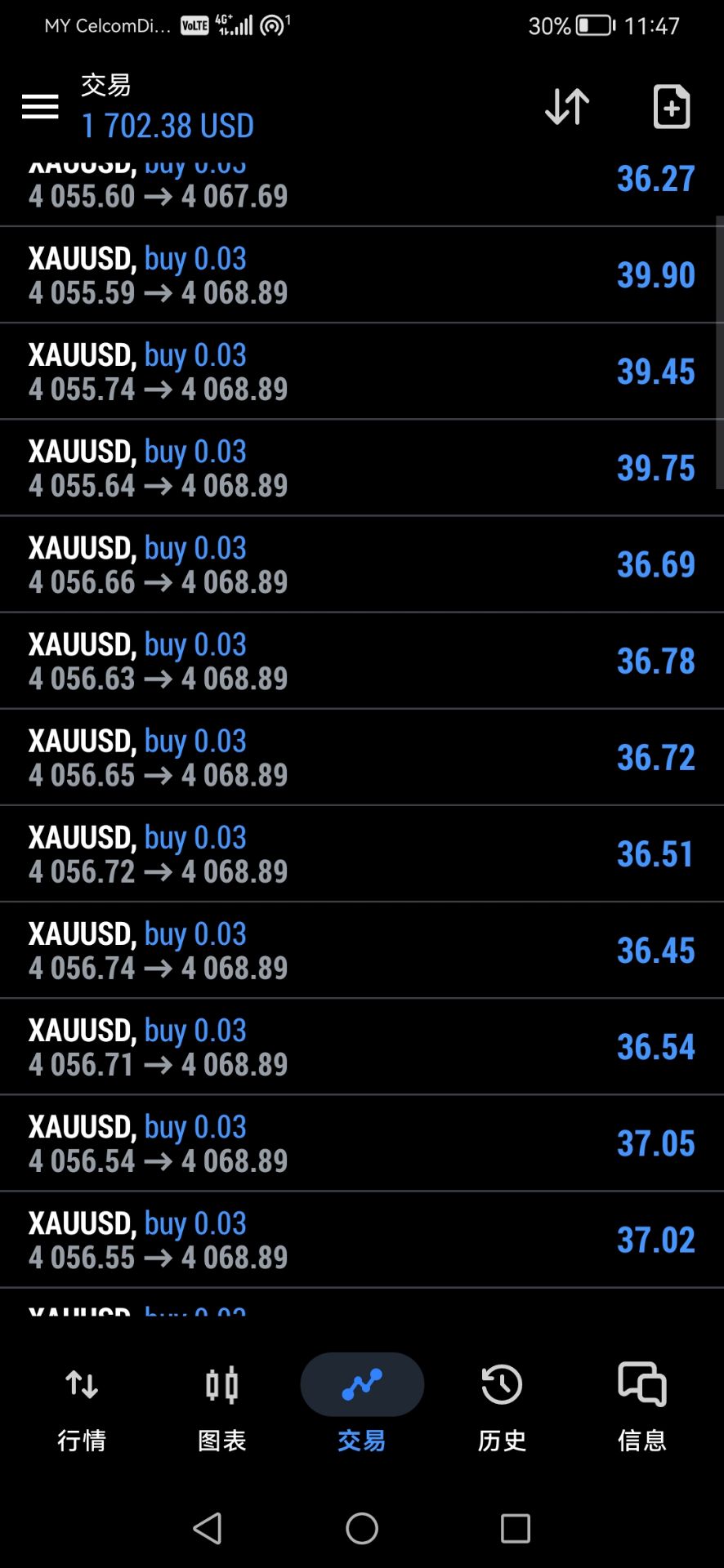
    @风神1号Alright, continue holding, let's be optimistic that it will buy
    john flag
    风神1号
    @RPGFXsl4049 没有到垦丁还在
    @风神1号one thing that seems certain is that gold is bearish at the moment
    JABO GOLD TRADER flag
    GOLD SELL NOW 4066+ 4068 TP ¹ •  4063 TP ² •  4060 TP ³ •  4057 TP ⁴ •  4053    SL • 4075
    JABO GOLD TRADER flag
    GOLD SELL NOW 4066+ 4068 TP ¹ •  4063 TP ² •  4060 TP ³ •  4057 TP ⁴ •  4053    SL • 4075
    风神1号 flag
    风神1号 flag
    像目标前进4073
    风神1号 flag
    john flag
    风神1号
    像目标前进4073
    @风神1号Gold below 4,100 is attracting plenty of attention.
    4788701 flag
    Mọi người đang bán vàng hay mua vậy?
    Suraj Hald flag
    sell
    4834096 flag
    hi
    风神1号 flag
    风神1号 flag
    4834096 flag
    sell or buy today...
    4834096 flag
    gold...
    sonam flag
    4834096
    sell or buy today...
    @Visitor4834096sell
    4834096 flag
    sonam
    @Visitor4834096sell
    how many rate just now... @sonam
    风神1号 flag
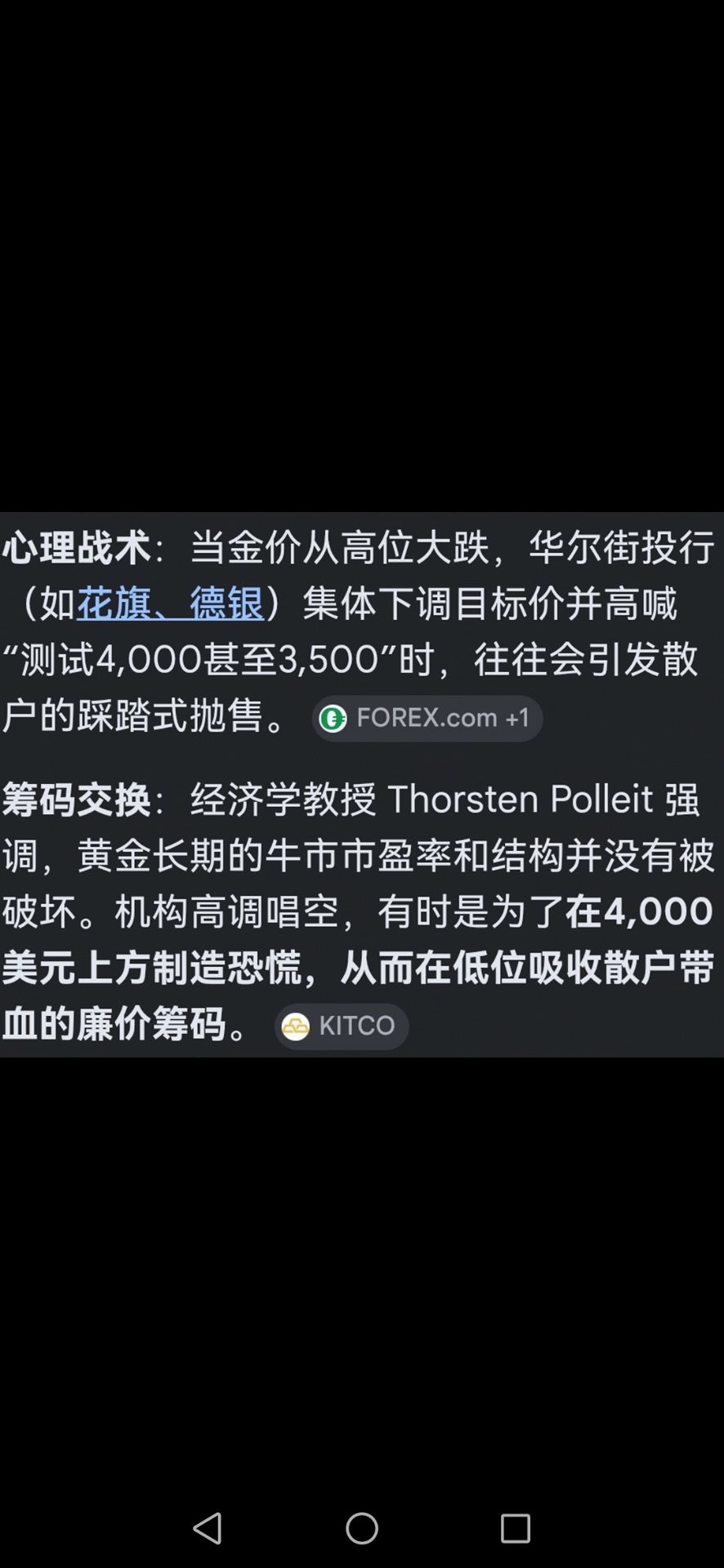
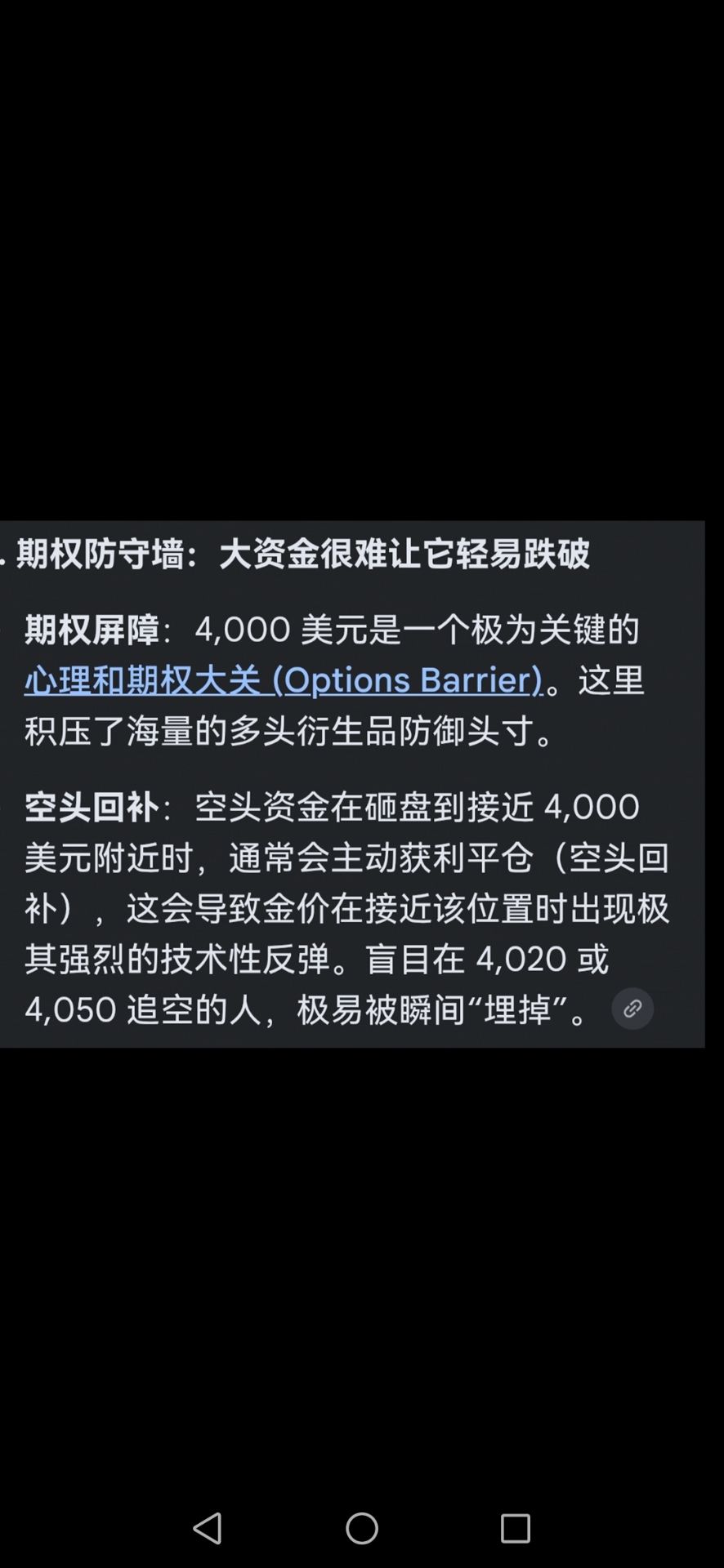
    小心不要被 埋 掉
    Abel Imonikaro flag
    any important fundamentals on Gold?
    Type here...
    Add Symbol or Code

      No matching data

      All
      Recommend
      Stocks
      Cryptocurrencies
      Central Banks
      Trump Updates
      Featured News
      • All
      • Russia-Ukraine Conflict
      • Middle East Flashpoint
      • All
      • Russia-Ukraine Conflict
      • Middle East Flashpoint
      Search
      Products

      Charts Free Forever

      Chats Q&A with Experts
      Screeners Economic Calendar Data Tools
      Membership Features
      Data Warehouse Market Trends Institutional Data Policy Rates Macro

      Market Trends

      Market Sentiment Order Book Forex Correlations

      Top Indicators

      Charts Free Forever
      Markets

      News

      24/7 Analysis Education

      Latest Views

      Latest Update

      Signals

      Copy Rankings Latest Signals Become a signal provider AI Rating
      Contests
      Brokers

      Overview Brokers Assessment Rankings Regulators News Claims
      Broker listing Forex Brokers Comparison Tool Live Spread Comparison Scam
      Q&A Complaint Scam Alert Videos Tips to Detect Scam
      More

      Business
      Events
      Careers About Us Advertising Help Center

      White Label

      Broker API

      Data API

      Web Plug-ins

      Affiliate Program

      Awards Institution Evaluation IB Seminar Salon Event Exhibition
      Vietnam Thailand Singapore Dubai
      Fans Party Investment Sharing Session
      FastBull Summit BrokersView Expo
      Recent Searches
        Top Searches
          Markets
          Analysis
          User
          24/7
          Economic Calendar
          Education
          Data
          • Names
          • Latest
          • Prev

          View All

          No data

          Scan to Download

          Faster Charts, Chat Faster!

          Download
          English
          • English
          • Español
          • العربية
          • Bahasa Indonesia
          • Bahasa Melayu
          • Tiếng Việt
          • ภาษาไทย
          • Français
          • Italiano
          • Türkçe
          • Русский язык
          • 简中
          • 繁中
          Open Account
          Search
          Products
          Charts Free Forever
          Markets
          News
          Signals

          Copy Rankings Latest Signals Become a signal provider AI Rating
          Contests
          Brokers

          Overview Brokers Assessment Rankings Regulators News Claims
          Broker listing Forex Brokers Comparison Tool Live Spread Comparison Scam
          Q&A Complaint Scam Alert Videos Tips to Detect Scam
          More

          Business
          Events
          Careers About Us Advertising Help Center

          White Label

          Broker API

          Data API

          Web Plug-ins

          Affiliate Program

          Awards Institution Evaluation IB Seminar Salon Event Exhibition
          Vietnam Thailand Singapore Dubai
          Fans Party Investment Sharing Session
          FastBull Summit BrokersView Expo

          Global Sugar Price Trend: 2026 Forecast & Market Outlook

          zhan chen
          Summary:

          Behind today’s sugar glut lies a brewing deficit. We analyze the shifting global sugar price trend as climate and policy risks threaten to upend the market.

          Global sugar markets are currently navigating a highly volatile transition phase, balancing immediate physical oversupply against the looming threat of long-term structural deficits. For commercial buyers, producers, and commodity investors, understanding the underlying mechanics of this shift is critical for navigating pricing risks into 2027. This outlook examines the core macroeconomic and environmental drivers dictating the global sugar price trend, detailing key technical levels, currency dynamics, and actionable strategies for market participants.

          Global Sugar Price Trend: 2026 Forecast & Market Outlook

          Why Are Global Sugar Prices Moving the Way They Are in 2026?

          Global sugar prices are currently caught in a tug-of-war between a record near-term production surplus and the looming probability of a structural deficit by the end of the year. As of May 2026, benchmark New York World Sugar #11 futures traded near 14.7 cents per pound, reflecting immediate oversupply. However, forward contracts are pricing in significant climate and policy risks that threaten to tighten the global sugar market outlook heading into 2027.

          How Did the 2024–2025 Supply Cycle Shape Where Prices Are Today?

          The transition from a 3.46 million metric ton (MMT) global deficit in 2024/25 to a 2.2 MMT surplus in 2025/26 established the current baseline for depressed prices. This reversal was driven by robust harvest recoveries across key growing regions, pushing the International Sugar Organization (ISO) to forecast a record 182 MMT of global sugar production for the 2025/26 season.

          This massive influx of supply forced the Food and Agriculture Organization (FAO) global sugar price index to multi-year lows. Rather than a permanent stabilization, this surplus reflects a brief window of optimal weather that has already begun to close, leading market analysts to view the current price floor as highly fragile.

          What Role Are Brazil and India Playing in Current Market Conditions?

          Brazil is currently expanding global supply through raw volume, while India is artificially constricting it through protectionist trade policies. Because these two nations dominate the global price of sugar, their opposing domestic incentives dictate the baseline volatility for the global sugar price trend.

          Market DriverBrazil (Center-South)India
          Production OutlookRecord harvest; estimated 632.2 MMT cane crush for 2026/27.Output falling short of domestic consumption for a second consecutive year.
          Export StanceAggressive exporting, incentivized by a weakening Brazilian Real.Total export ban on raw and white sugar extended until September 30, 2026.
          Key Price MechanismEthanol Parity: Mills actively shift cane crush allocation between sugar and ethanol based on gasoline prices.Inflation Control: Domestic reserves are prioritized strictly to suppress local food inflation.

          The most critical mechanism currently operating in Brazil is the ethanol parity trade. Despite a record cane harvest, Brazilian sugar mills are allocating less cane to sugar production—dropping the mix from 44.7% last year to 32.9% in early 2026. Rising domestic gasoline prices and an increase in the mandated anhydrous ethanol blending rate make ethanol production more profitable. Consequently, millions of tons of potential sugar are being diverted into fuel, placing a cap on how much Brazil can offset India's absence from the export market.

          How Are Weather Patterns and the Looming El Niño Influencing Supply?

          Forecasts indicating an 80% probability of El Niño conditions emerging by mid-2026 are forcing institutional analysts to abandon surplus expectations for the next crop cycle. The El Niño-Southern Oscillation (ENSO) does not impact all sugar-producing regions symmetrically; it creates a bifurcated supply shock that is already moving forward global sugar price forecasts.

          The specific regional mechanisms include:

          • India and Thailand (Yield Compression): El Niño brings hotter, drier conditions during the critical vegetative and grand growth phases of sugarcane. Reduced monsoon rainfall limits plant development and lowers juice content, directly compressing millable tonnage at harvest.
          • Brazil (Harvest Disruption): While El Niño generally increases rainfall in South America, supporting vegetative growth, excess moisture during the harvest season lowers sucrose concentration and severely delays mill crushing operations.

          Due to these compounding climate risks, the ISO projects that the 2026/27 season will swing back into a 262,000 MT deficit, while private consultancies like StoneX and Datagro estimate the shortfall could reach between 550,000 MT and 3.17 MMT. This structural deficit risk is why current spot prices remain low, yet the long-term global sugar price forecast points upward.

          Where Are Global Sugar Prices Right Now and What Does the Chart Show?

          As of mid-May 2026, global raw sugar futures (ICE Sugar No. 11) are trading near 14.70 US cents per pound, reflecting a bearish global sugar price chart heavily suppressed by a structural supply surplus. Recent price action indicates the market is attempting to build a technical floor following a steep descent to multi-year lows earlier in the year.

          How Have Raw Sugar Futures Performed So Far in 2026?

          Raw sugar futures have spent the first half of 2026 trending downward, dropping roughly 15% year-over-year as heavy global production outpaced immediate industrial demand. The benchmark ICE Sugar No. 11 contract currently oscillates between 14.50 and 15.50 US cents per pound, which translates to a global sugar price per ton of approximately $440 to $450 in the physical market.

          This prolonged weakness stems from the macroeconomic supply glut established earlier. With the International Sugar Organization (ISO) recently revising its 2025/2026 global sugar surplus estimate upward to 2.2 million metric tons—driven by a record 182 MMT global crop—Brazil's robust export pace out of the Center-South region has saturated the physical market. This forces a stark trade-off for mill operators: sell raw sugar into a depressed export market or divert sugarcane toward domestic ethanol production to capture higher energy premiums.

          However, the global sugar market outlook shows nascent signs of stabilization heading into the summer of 2026. Downward momentum is constrained by India’s decision to ban sugar exports through September 30, protecting local reserves from depletion. Concurrently, forecasting firms like StoneX and Datagro project the market will flip into the previously detailed structural deficit ranging from 550,000 MT to 3.17 MMT for the 2026/2027 season, citing the looming El Niño weather pattern’s threat to Thai and Indian crop yields.

          What Are the Key Price Levels Traders Are Watching?

          Market participants are anchoring their technical strategies around a tight trading band for the Sugar No. 11 contract, bounded by hard support near 13.50 US cents per pound and overhead resistance at 17.00 US cents.

          • Hard Support (13.50 – 14.00 US cents/lb): This multi-year floor represents the absolute cost-of-production threshold for many emerging market producers. A confirmed breakdown below 13.50 signals severe, unchecked structural oversupply.
          • Immediate Pivot Zone (14.70 – 15.30 US cents/lb): This is the current battleground where prices are consolidating as of May 2026. Reclaiming and holding this moving average transition zone indicates initial accumulation by commercial buyers and a shift from bearish to neutral momentum.
          • First Technical Resistance (17.00 US cents/lb): This recent swing high acts as the primary ceiling for short-term rallies. Breaching 17.00 requires a fundamental catalyst, such as immediate weather disruptions in Brazil's Center-South or a definitive diversion of cane away from sugar and into ethanol.
          • Macro Resistance (20.00 US cents/lb): This psychological ceiling marks the structural highs seen in previous years. Returning to this territory requires a confirmed transition from the current 2.2 MMT global surplus into the aggressive deficits projected for the 2026/2027 crop year.

          What Is the Global Sugar Price Forecast for the Rest of 2026?

          Global sugar prices are projected to face continued downward pressure through Q3 2026, trading predominantly in the 13.50 to 15.50 cents per pound range for ICE Sugar No. 11 futures. The market is currently absorbing a global surplus driven by a record 39 to 40 million-tonne harvest from Brazil’s Center-South (CS) region.

          Are Prices Expected to Rise, Fall, or Stay Range-Bound?

          Prices are expected to decline modestly before establishing a floor in the mid-13 cent range by late Q3. As of mid-May 2026, the ICE Sugar No. 11 benchmark sits near 14.70 cents per pound, down roughly 15% year-over-year. This bearish trajectory is not driven purely by physical fundamentals; financial markets and speculative traders have aggressively built net-short positions, pushing prices down faster than the physical surplus dictates.

          The futures curve indicates near-term oversupply but eventual tightening, with March 2027 contracts pricing back above 16.00 cents per pound. This contango structure incentivizes buyers to delay discretionary purchases, keeping spot demand sluggish. For the global sugar price trend to break out of this downward channel, the market requires an interruption in the current heavy flow of Brazilian exports or a structural shift in energy markets that alters the ethanol arbitrage.

          What Supply-Demand Shifts Could Push Prices Higher?

          While the baseline forecast is bearish, specific supply-side constrictions could immediately shift the global balance back into a deficit and force prices upward. Because the market currently relies heavily on a single origin, regional disruptions carry outsized global impact.

          • Brazilian Ethanol Parity Reversal: Brazilian mills are currently maximizing sugar production at the expense of ethanol because sugar offers better margins. If global crude oil prices spike—driving up domestic ethanol parity—mills will divert more sugarcane juice to biofuel. A drop of just 2-3% in the Brazilian sugar mix removes roughly 1.5 million tonnes from the global export market.
          • Indian Export Policy Extensions: India’s ongoing restriction on sugar exports, currently mandated through September 2026 to cool local prices, has already removed a major buffer from the global market. If domestic inflation persists and the ban is extended into the 2026/2027 marketing year, industrial users will scramble to secure alternative origins.
          • Logistical Bottlenecks in Brazil: A 40 million-tonne harvest is useless to the global market if it cannot leave the port. With India largely absent, global buyers are entirely dependent on Brazilian ports like Santos and Paranaguá. Heavy unseasonal rains or infrastructure failures during peak export months (August-October) would spike landed costs even if underlying physical supply remains abundant.
          • Thai Yield Reductions: Thailand's current minimum price guarantee mechanism is anchored to ICE No. 11 prices. With world prices sitting below 15 cents, Thai farmers lack the incentive to expand sugarcane acreage, potentially tightening the Asian export market supply for the upcoming harvest.

          What Could Cause a Bullish Reversal in the Second Half of 2026?

          A sharp bullish reversal in Q4 2026 will most likely materialize through a speculative short squeeze triggered by weather anomalies. When non-commercial traders hold massive net-short positions—betting heavily on continued price declines—any bullish catalyst forces them to buy back contracts rapidly to cover losses, artificially accelerating the price spike.

          The Q4 Reversal Framework:

          • If El Niño transition risks materialize: Weather models forecasting volatile conditions for the late 2026 harvest season could delay the final months of the Brazil CS crush. A delayed crush reduces Q4 export volumes, forcing traders to cover shorts immediately.
          • If European acreage contracts: European growers are currently facing compressed margins due to lower global prices. If early data in Q3 shows significant reductions in European beet plantings for the 26/27 cycle, forward prices will rally to price in a localized deficit.
          • If the White Sugar Premium widens beyond $130/mt: A lack of Indian raws forces refineries in the Middle East and Africa to compete aggressively for Brazilian supply. If refining capacity struggles to keep pace with localized consumption in Q4, the premium of refined white sugar over raw sugar will blow out, pulling the raw No. 11 contract higher with it.

          How Are Ethanol Demand and Currency Moves Affecting the Sugar Outlook?

          Beyond agricultural fundamentals and weather disruptions, the global sugar price trend is functionally tethered to Brazil’s domestic energy policy and foreign exchange rates. Because Brazil’s Center-South region dominates global exports, any domestic incentive to convert sugarcane into biofuel or any currency fluctuation that alters local-currency margins instantly moves the ICE No. 11 global benchmark contract.

          How Does Brazil's Ethanol Policy Pull Sugar Away From Export Markets?

          Brazil’s mills possess industrial flexibility: they can crush raw sugarcane into either crystalline sugar for export or ethanol for domestic fuel. The decision rests on the core arbitrage calculation known as ethanol parity. When domestic gasoline prices rise or government blending mandates increase, ethanol becomes more profitable than sugar, causing mills to adjust their crush ratios and instantly withdraw sugar from the global export market.

          Three specific mechanisms are driving this structural shift in the 2026/27 harvest:

          • The E32 Blending Mandate: The Brazilian government's 2026 initiative to increase the mandatory blend of anhydrous ethanol in gasoline from 30% to 32% requires an estimated 2 billion additional liters of ethanol. This forces mills to prioritize domestic fuel supply over global sugar exports.
          • Mill-Level Allocation Shifts: According to early 2026 data from the Brazilian Sugarcane Industry Association (UNICA), mills responded immediately to energy market signals, cutting the percentage of cane crushed for sugar to 32.9% in the first half of April, down sharply from 44.7% during the same period in the prior year.
          • The Ethanol Parity Floor: If global sugar prices (ICE No. 11) dip below the ethanol parity level—recently calculated near the 14.50 to 15.00 US cents per pound range—mills structurally stop producing export sugar. This diversion of sugarcane establishes a hard floor under global sugar prices.

          Why Does a Weaker Brazilian Real Make Sugar Cheaper for Global Buyers?

          A depreciating Brazilian Real (BRL) acts as a discount mechanism for global sugar buyers because Brazilian mills pay their operating costs in Real but sell their exported sugar in US Dollars. When the BRL weakens against the USD, mills capture higher local-currency revenues for every dollar of sugar sold abroad without altering their cost basis.

          To lock in these wider profit margins, Brazilian producers aggressively sell forward contracts on the Intercontinental Exchange (ICE). This surge in producer hedging increases global supply availability and drives the dollar-denominated ICE No. 11 contract price down.

          The structural trade-off operates as follows:

          Market ConditionBRL to USD Exchange RateMill Revenue DynamicsGlobal Market Impact
          Weak RealDepreciating (higher BRL per USD)USD-denominated exports translate to higher BRL revenues. Domestic costs remain static, widening profit margins.Mills aggressively export and hedge forward, increasing global supply and pushing ICE No. 11 prices down.
          Strong RealAppreciating (lower BRL per USD)USD-denominated exports yield fewer BRL. Local-currency margins compress.Mills withhold exports or pivot to domestic ethanol sales, reducing global supply and pushing ICE prices up.

          In May 2026, when the Brazilian Real tumbled to multi-week lows against the dollar, the market demonstrated this exact mechanism: ICE No. 11 prices settled sharply lower as Brazilian producers capitalized on the favorable exchange rate to push supply onto the export market. The currency acts as a permanent sliding scale for global sugar valuation, directly offsetting or amplifying underlying supply deficits.

          What Does the 2026 Sugar Market Outlook Mean for Buyers, Sellers, and Investors?

          The transition from an immediate 2.2 million metric ton (MMT) surplus in the 2025/26 season to a projected supply deficit in 2026/27 dictates a clear tactical divergence across the global sugar price trend. Commercial buyers face a closing window to hedge at multi-year lows, sellers must lean on ethanol parity to offset depressed raw prices, and investors should position for a steepening forward curve as weather risks materialize.

          2026 Strategic Posture by Market Participant

          Market ParticipantPrimary ObjectiveKey Market Trigger to WatchQ2/Q3 2026 Strategic Action
          Commercial BuyersMargin protectionICE Sugar No. 11 holding below 16.00 USd/lbsLock in forward supply contracts for 2027 delivery to front-run the forecasted deficit.
          Sellers / MillsMaximize yield valueBrazilian domestic gasoline prices vs. raw sugarMaximize ethanol diversion; delay unhedged physical sugar exports where storage permits.
          InvestorsYield / Spread captureEl Niño precipitation data in India and ThailandTrade the spread between discounted July '26 futures and tightening March '27 contracts.

          Strategic Implications for Commercial Buyers

          Commercial food, beverage, and import buyers should aggressively use the current sub-16-cent pricing window to lock in long-term supply agreements. As of May 2026, ICE Raw Sugar No. 11 futures are trading in the 14.70–15.60 cents per pound range, pressured by the immediate peak of the Center-South Brazil harvest and a temporary global surplus. However, waiting to purchase on the spot market later in the year carries severe upside risk.

          As noted, the International Sugar Organization (ISO) and private analysts at StoneX both project the market will swing back into a structural deficit by the 2026/27 season, with estimates ranging from a 262,000 MT shortfall to as high as a 3.17 MMT deficit modeled by Datagro. Buyers who fail to hedge their 2027 exposure now are absorbing the risk of India extending its export ban past September 30, alongside the looming threat of El Niño reducing cane yields across Thailand and the broader Asian theater.

          Strategic Implications for Sellers and Producers

          Mill operators and major exporters must rely heavily on production flexibility—specifically diverting sugarcane crush away from raw sugar and toward ethanol. Because current global sugar prices are trading below ethanol parity in Brazil, producers face a heavy margin penalty for prioritizing sugar.

          The shift is already underway. Unica data from early 2026 indicates that Brazilian mills have sharply cut their sugar allocation mix down to 32.9%, a severe drop from the 44.7% allocation seen during the same period last year. By channeling cane into ethanol to capitalize on high domestic gasoline prices, producers effectively tighten the global sugar supply. Sellers holding physical inventory in regions without robust ethanol infrastructure (like parts of Central America or Africa) face a harder trade-off: either sell into a depressed spot market or absorb elevated carrying costs to hold inventory until the projected Q1 2027 deficit materializes.

          Strategic Implications for Investors and Speculators

          Commodity investors should position for a structural rebalancing by trading the spread between depressed near-term contracts and tightening 2027 futures. The current global sugar market outlook is characterized by a heavy "short" speculative positioning, as funds have capitalized on the 2025/26 surplus.

          The analytical edge for investors lies in timing the reversal. Citigroup forecasts Brazil’s 2026/27 sugar production will drop to 39.50 MMT—well below the 43.95 MMT estimated by government agency Conab—driven entirely by the ethanol diversion mechanism. If the Center-South Brazilian crush undershoots government targets while Asian yields simultaneously falter under El Niño, the downside pressure on current futures will evaporate. Investors shorting the market at 14.70 cents face asymmetric risk, as the downside is fundamentally floored by ethanol parity; if sugar falls further, even more Brazilian cane will vanish into fuel tanks, forcibly correcting the global balance sheet.

          FAQs about global sugar price trend

          What are the primary factors driving global sugar price fluctuations?

          Global sugar prices are primarily driven by weather conditions, such as the El Niño phenomenon, which directly affect crop yields in top-producing nations like India and Brazil. Fluctuating energy markets also play a significant role, as producers frequently shift their sugarcane processing between refined sugar and ethanol based on profitability. Additionally, geopolitical conflicts, shifting export policies, and global supply chain disruptions regularly introduce short-term price volatility.

          What is the outlook for the global sugar market?

          The global sugar market currently faces a broadly bearish outlook for the 2025/2026 cycle due to projected supply surpluses. Record-breaking harvests and production recoveries in key exporting regions, particularly Brazil and Thailand, are expected to keep global supplies robust. Despite this surplus, market stability remains vulnerable to ongoing geopolitical tensions, export bans, and shifting international trade policies.

          Will sugar prices rise in 2026?

          While exact price movements cannot be guaranteed, widespread sustained increases in 2026 are currently considered unlikely due to a projected global supply surplus. Forecasts generally suggest a bearish trend driven by massive sugarcane harvests in Brazil and recovering agricultural output elsewhere. However, sudden short-term price spikes could still occur throughout the year in response to freight issues, port congestion, or unexpected weather disruptions.

          Will sugar be impacted by tariffs?

          Yes, tariffs and international trade policies remain significant factors shaping the global sugar market. In the United States, shifting dynamics around high-tier tariff imports and an influx of subsidized foreign sugar have directly pressured domestic pricing and grower profitability. Furthermore, changing import duties and regulatory shifts in major markets like the European Union and China continue to influence global trade flows and export incentives.

          Conclusion

          The current depression in raw sugar futures represents a temporary window shaped by record near-term harvests, rather than a permanent market baseline. As Brazil systematically diverts millions of tons of sugarcane into domestic ethanol production and weather patterns threaten upcoming yields across Asia, the immediate supply surplus is poised to evaporate by 2027. Market participants must leverage this transitional period strategically, securing forward supply or optimizing hedging frameworks before the projected global deficits fully price into the market.

          Risk Warnings and Disclaimers
          You understand and acknowledge that there is a high degree of risk involved in trading. Following any strategies or investment methods may lead to potential losses. The content on the site is provided by our contributors and analysts for information purposes only. You are solely responsible for determining whether any trading assets, securities, strategy, or any other product is suitable for investing based on your own investment objectives and financial situation.
          Add to Favorites
          Share
          FastBull
          Copyright © 2026 FastBull Ltd

          728 RM B 7/F GEE LOK IND BLDG NO 34 HUNG TO RD KWUN TONG KLN HONG KONG

          TelegramInstagramTwitterfacebooklinkedin
          App Store Google Play Android Windows
          Products
          Charts

          Chats

          Q&A with Experts
          Screeners
          Economic Calendar
          Data
          Tools
          Membership
          Features
          Function
          Markets
          Copy Trading
          Latest Signals
          Contests
          24/7
          Analysis
          Education
          Company
          Careers
          About Us
          Contact Us
          Advertising
          Download FastBull
          Help Center
          Feedback
          User Agreement
          Privacy Policy
          Personal Information Protection Statement
          Business

          White Label

          Broker API

          Data API

          Web Plug-ins

          Poster Maker

          Affiliate Program

          Risk Disclosure

          The risk of loss in trading financial instruments such as stocks, FX, commodities, futures, bonds, ETFs and crypto can be substantial. You may sustain a total loss of the funds that you deposit with your broker. Therefore, you should carefully consider whether such trading is suitable for you in light of your circumstances and financial resources.

          No decision to invest should be made without thoroughly conducting due diligence by yourself or consulting with your financial advisors. Our web content might not suit you since we don't know your financial conditions and investment needs. Our financial information might have latency or contain inaccuracy, so you should be fully responsible for any of your trading and investment decisions. The company will not be responsible for your capital loss.

          Without getting permission from the website, you are not allowed to copy the website's graphics, texts, or trademarks. Intellectual property rights in the content or data incorporated into this website belong to its providers and exchange merchants.

          Not Logged In

          Log in to access more features

          Connect Broker
          Become a signal provider
          Help Center
          Customer Service
          Dark Mode
          Price Up/Down Colors

          Log In

          Sign Up

          Position
          Layout
          Fullscreen
          Default to Chart
          The chart page opens by default when you visit fastbull.com