• Trade
  • Markets
  • Copy
  • Contests
  • 24/7
  • Calendar
  • Q&A
  • Chats
Screeners
SYMBOL
LAST
BID
ASK
HIGH
LOW
NET CHG.
%CHG.
SPREAD
SOURCE
SPX
S&P 500 Index
7365.45
7365.45
7365.45
7424.17
7347.60
-107.33
-1.44%
--
--
DJI
Dow Jones Industrial Average
51666.83
51666.83
51666.83
51872.56
51301.77
-45.87
-0.09%
--
--
IXIC
NASDAQ Composite Index
25587.05
25587.05
25587.05
25882.57
25513.26
-579.54
-2.21%
--
--
USDX
US Dollar Index
101.130
101.130
101.210
101.190
101.110
0.000
0.00%
--
--
EURUSD
Euro / US Dollar
1.13760
1.13760
1.13767
1.13837
1.13707
-0.00051
-0.04%
--
--
GBPUSD
Pound Sterling / US Dollar
1.32024
1.32024
1.32036
1.32044
1.31903
-0.00001
0.00%
--
--
XAUUSD
Gold / US Dollar
4069.60
4069.60
4069.98
4114.95
4063.35
-40.88
-0.99%
--
--
WTI
Light Sweet Crude Oil
72.435
72.435
72.470
73.018
72.178
-0.428
-0.59%
--
--

Community Accounts

Signal Accounts
--
Profit Accounts
--
Loss Accounts
--
View More

Become a signal provider

Sell trading signals to earn additional income

View More

Guide to Copy Trading

Get started with ease and confidence

View More

Signal Accounts for Members

All Signal Accounts

Best Return
  • Best Return
  • Best P/L
  • Best MDD
Past 1W
  • Past 1W
  • Past 1M
  • Past 1Y

All Contests

  • All
  • Recommend
  • Stocks
  • Cryptocurrencies
  • Central Banks
  • Trump Updates
  • Featured News
Top News Only
Share

The Price Of TSR20 Rubber Futures Contract 2608 Rose Nearly 1% During The Day, And Was Last Quoted At 15,810 Yuan/ton; The Trading Volume Was About 13.2 Billion Yuan, With An Increase Of Nearly 5,700 Lots In Open Interest During The Day, And Both Trading Volume And Open Interest Activity Increased

Share

Head Of The National Energy Administration Meets With Chairman Of Saudi International Power And Water Company

Share

Australia's Seasonally Adjusted CPI Monthly Rate Was -0.1% In May, Unchanged From The Previous Reading Of -0.1%

Share

Australia's Unadjusted Annual CPI Rate For May Was 4%, Compared To An Expected 4.3% And A Previous Reading Of 4.20%

Share

Australia's Unadjusted CPI Month-on-month Rate For May Was -0.7%, Versus An Expected -0.4% And A Previous Reading Of 0.4%

Share

LPG2608 Surged During The Session, With Gains Widening To 1.36%, And Last Quoted At 4605 Yuan/ton, With A Trading Volume Of Approximately 4.957 Billion Yuan. Open Interest Increased By Over 3100 Lots During The Day, And Trading Volume And Open Interest Activity Rose Simultaneously

Share

U.S. Senate Passes Resolution Calling On Trump To End Military Operations Against Iran

Share

China's Central Bank (PBOC) Announced Today That It Conducted 662.5 Billion Yuan Of 7-day Reverse Repurchase Operations, With Both The Bid And Winning Bids Amounting To 662.5 Billion Yuan. The Operating Rate Was 1.40%, Unchanged From The Previous Rate

Share

The Central Parity Rate Of The Yuan Against The US Dollar Was Lowered By 24.00 Basis Points To 6.8195 From The Previous Day

Share

Central Bank Of Malaysia: The Ringgit Fell Against The US Dollar After A Market Correction In June

Share

Central Bank Of Malaysia Reiterated That It Will Continue To Closely Monitor Developments In The Financial Markets

Share

Central Bank Of Malaysia: Members Of The Monetary Policy Committee Unanimously Agreed That Malaysia's Favorable Macroeconomic Fundamentals Remain Solid

Share

Central Bank Of Malaysia: Recent Volatility In The Ringgit And Regional Currencies Continues To Be Driven By Global Developments

Share

The Shanghai Silver 2608 Contract Weakened Significantly During The Session, With The Decline Widening To 5.05%, And The Price Dropping To 14,761 Yuan/kg. The Trading Volume Exceeded 83 Billion Yuan; Open Interest Increased By More Than 5,000 Lots During The Day, And Market Volatility Increased

Share

The Main Palladium Futures Contract Fell 2.00% During The Day, Currently Trading At 292.10 Yuan/gram

Share

U.S. Treasury Secretary: U.S. Economic Policy Will Strengthen Supply-chain Resilience To Mitigate Risks To Critical Materials

Share

Summary Of The Bank Of Japan's June Policy Meeting: A Representative From The Cabinet Office Stated That The Central Bank Must Assess The Impact Of Reducing The Size Of Its Balance Sheet On The Macroeconomy And Take Appropriate Measures To Maintain Market Stability

Share

Summary Of The Bank Of Japan's June Policy Meeting: One Member Stated That The Bank Of Japan Has Absolutely No Reason To Stop Reducing Its Bond Purchases

Share

Summary Of The Bank Of Japan's June Policy Meeting: One Member Stated That Global Demand Related To Artificial Intelligence Is Driving Economic Activity And Price Increases To A Greater Extent Than Expected

Share

Summary Of The Bank Of Japan's June Policy Meeting: One Member Stated That Inflation Expectations Have Shifted, With Negative Real Interest Rates Leading To Increases In Lending, Commercial Paper Issuance, And Asset Prices

TIME
ACT
FCST
PREV
IMPACT
Argentina Retail Sales YoY (Apr)

A:--

F: --

P: --

XAUUSD
  • XAUUSD
  • XAGUSD
  • WTI
  • USDX
China, Mainland 1-Year Loan Prime Rate (LPR)

A:--

F: --

P: --

XAUUSD
  • XAUUSD
  • XAGUSD
  • WTI
  • USDX
China, Mainland 5-Year Loan Prime Rate

A:--

F: --

P: --

XAUUSD
  • XAUUSD
  • XAGUSD
  • WTI
  • USDX
Turkey Consumer Confidence Index (Jun)

A:--

F: --

P: --

XAUUSD
  • XAUUSD
  • XAGUSD
  • WTI
  • USDX
Canada National Economic Confidence Index

A:--

F: --

P: --

USDCAD
  • USDCAD
  • XAUUSD
  • XAGUSD
  • WTI
  • USDX
Canada Trimmed CPI YoY (SA) (May)

A:--

F: --

P: --

WTI
  • WTI
  • XAUUSD
  • XAGUSD
  • USDX
Canada Core CPI YoY (May)

A:--

F: --

P: --

WTI
  • WTI
  • XAUUSD
  • XAGUSD
  • USDX
Canada CPI MoM (May)

A:--

F: --

P: --

WTI
  • WTI
  • XAUUSD
  • XAGUSD
  • USDX
Canada CPI YoY (May)

A:--

F: --

P: --

WTI
  • WTI
  • XAUUSD
  • XAGUSD
  • USDX
Canada Core CPI MoM (May)

A:--

F: --

P: --

WTI
  • WTI
  • XAUUSD
  • XAGUSD
  • USDX
ECB President Lagarde Speaks
FOMC Member Waller Speaks
Argentina Unemployment Rate (Q1)

A:--

F: --

P: --

XAUUSD
  • XAUUSD
  • XAGUSD
  • WTI
  • USDX
ECB Chief Economist Lane Speaks
Germany 2-Year Schatz Auction Avg. Yield

A:--

F: --

P: --

EURUSD
  • EURUSD
  • XAUUSD
  • XAGUSD
  • WTI
  • USDX
U.K. CBI Industrial Prices Expectations (Jun)

A:--

F: --

P: --

GBPUSD
  • GBPUSD
  • XAUUSD
  • XAGUSD
  • WTI
  • USDX
U.K. CBI Industrial Trends - Orders (Jun)

A:--

F: --

P: --

GBPUSD
  • GBPUSD
  • XAUUSD
  • XAGUSD
  • WTI
  • USDX
Mexico Retail Sales MoM (Apr)

A:--

F: --

P: --

XAUUSD
  • XAUUSD
  • XAGUSD
  • WTI
  • USDX
Mexico Economic Activity Index YoY (Apr)

A:--

F: --

P: --

XAUUSD
  • XAUUSD
  • XAGUSD
  • WTI
  • USDX
U.S. Weekly Redbook Index YoY

A:--

F: --

P: --

XAUUSD
  • XAUUSD
  • XAGUSD
  • WTI
  • USDX
BOC Gov Macklem Speaks
U.S. Richmond Fed Manufacturing Composite Index (Jun)

A:--

F: --

P: --

USDX
  • USDX
  • XAUUSD
  • XAGUSD
  • WTI
U.S. Richmond Fed Services Revenue Index (Jun)

A:--

F: --

P: --

USDX
  • USDX
  • XAUUSD
  • XAGUSD
  • WTI
U.S. Richmond Fed Manufacturing Shipments Index (Jun)

A:--

F: --

P: --

USDX
  • USDX
  • XAUUSD
  • XAGUSD
  • WTI
U.S. 2-Year Note Auction Avg. Yield

A:--

F: --

P: --

XAUUSD
  • XAUUSD
  • XAGUSD
  • WTI
  • USDX
Argentina GDP YoY (Constant Prices) (Q1)

A:--

F: --

P: --

XAUUSD
  • XAUUSD
  • XAGUSD
  • WTI
  • USDX
U.S. API Weekly Cushing Crude Oil Stocks

A:--

F: --

P: --

WTI
  • WTI
  • XAUUSD
  • XAGUSD
  • USDX
U.S. API Weekly Crude Oil Stocks

A:--

F: --

P: --

WTI
  • WTI
  • XAUUSD
  • XAGUSD
  • USDX
U.S. API Weekly Refined Oil Stocks

A:--

F: --

P: --

WTI
  • WTI
  • XAUUSD
  • XAGUSD
  • USDX
U.S. API Weekly Gasoline Stocks

A:--

F: --

P: --

WTI
  • WTI
  • XAUUSD
  • XAGUSD
  • USDX
Germany Ifo Current Business Situation Index (SA) (Jun)

--

F: --

P: --

Germany IFO Business Climate Index (SA) (Jun)

--

F: --

P: --

Germany Ifo Business Expectations Index (SA) (Jun)

--

F: --

P: --

U.S. MBA Mortgage Application Activity Index WoW

--

F: --

P: --

U.S. Current Account (Q1)

--

F: --

P: --

U.S. New Home Sales Annualized MoM (May)

--

F: --

P: --

U.S. Annual Total New Home Sales (May)

--

F: --

P: --

U.S. EIA Weekly Heating Oil Stock Changes

--

F: --

P: --

U.S. EIA Weekly Crude Oil Imports Changes

--

F: --

P: --

U.S. EIA Weekly Gasoline Stocks Change

--

F: --

P: --

U.S. EIA Weekly Crude Demand Projected by Production

--

F: --

P: --

U.S. EIA Weekly Cushing, Oklahoma Crude Oil Stocks Change

--

F: --

P: --

U.S. EIA Weekly Crude Stocks Change

--

F: --

P: --

U.S. 5-Year Note Auction Avg. Yield

--

F: --

P: --

BOJ Gov Ueda Speaks
Australia Labor Force Participation Rate (SA) (May)

--

F: --

P: --

Australia Unemployment Rate (SA) (May)

--

F: --

P: --

Australia Full-time Employment (SA) (May)

--

F: --

P: --

Australia Employment (May)

--

F: --

P: --

Germany GfK Consumer Confidence Index (SA) (Jul)

--

F: --

P: --

South Africa PPI YoY (May)

--

F: --

P: --

U.K. CBI Retail Sales Expectations Index (Jun)

--

F: --

P: --

U.K. CBI Distributive Trades (Jun)

--

F: --

P: --

ECB Chief Economist Lane Speaks
Mexico Unemployment Rate (Not SA) (May)

--

F: --

P: --

U.S. Weekly Initial Jobless Claims (SA)

--

F: --

P: --

U.S. Core PCE Price Index YoY (May)

--

F: --

P: --

U.S. Personal Outlays MoM (SA) (May)

--

F: --

P: --

U.S. Real Personal Consumption Expenditures Final QoQ (Q1)

--

F: --

P: --

U.S. Core PCE Price Index MoM (May)

--

F: --

P: --

U.S. Durable Goods Orders MoM (May)

--

F: --

P: --

Q&A with Experts
    • All
    • Chatrooms
    • Groups
    • Friends
    max flag
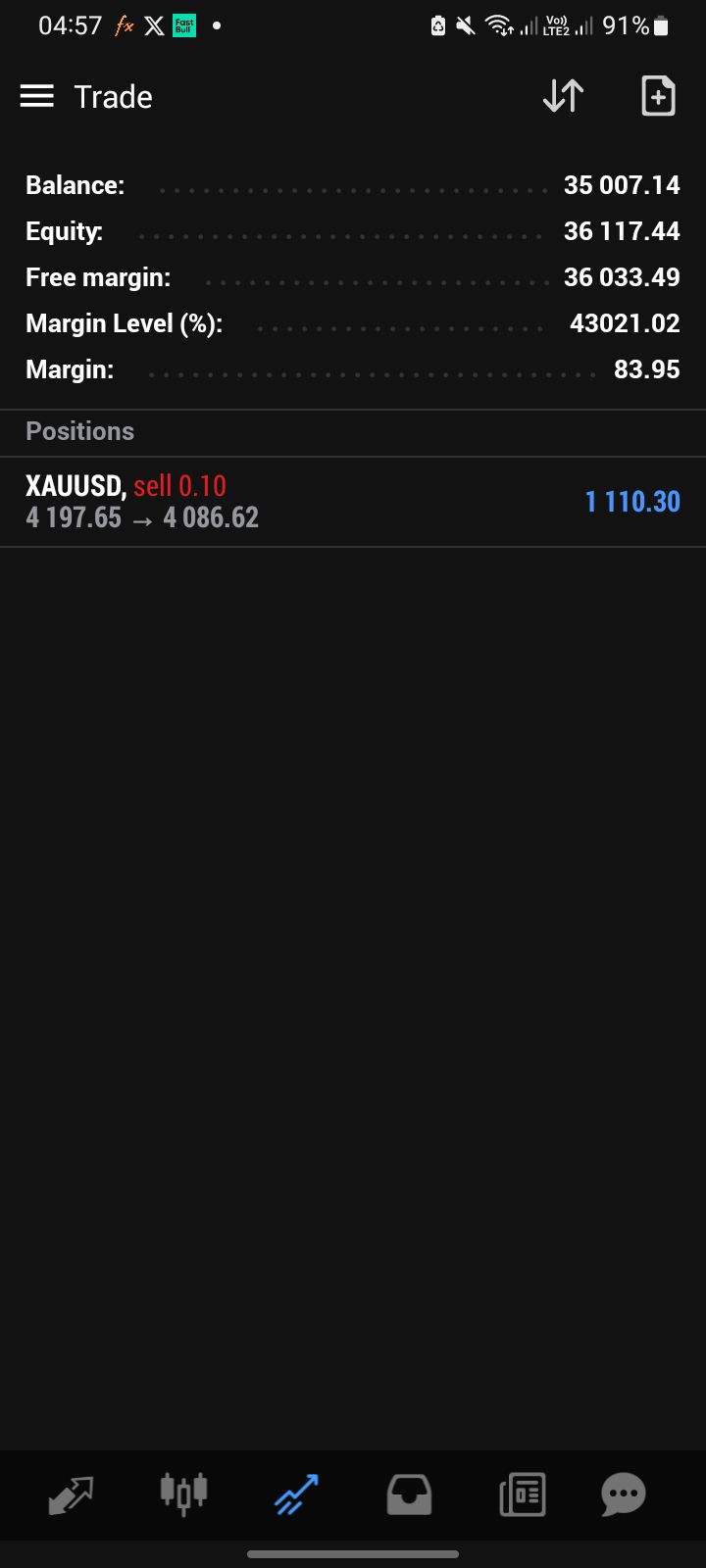
    held from 4197.65 we will never quit ,we pray for guidance from Allah.
    风神1号 flag
    我个人认为 现在休息11点再来
    sonam flag
    sonam
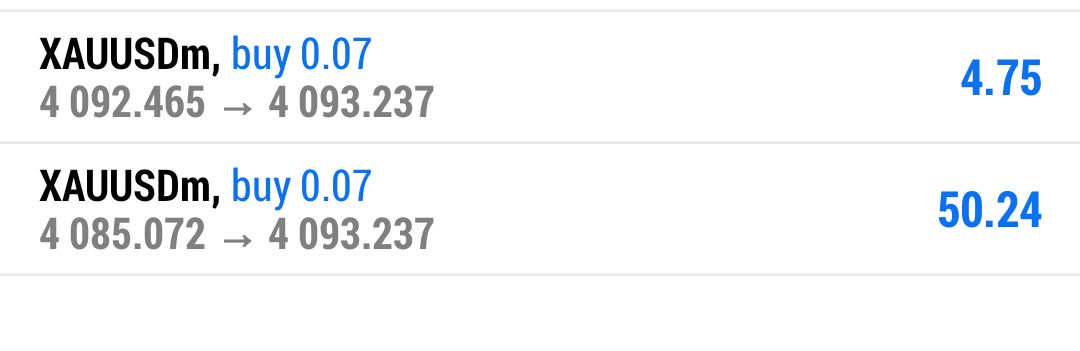
    ad 1 more Buy 4086
    70 pips profit Done ✅ Form Zone
    77 flag
    哈哈
    sonam flag
    sonam flag
    still hold
    sonam flag
    sonam
    Gold Buy Now 4094-4091 SL 4085 TP 4097 TP 4100 TP 4103 TP 4106 TP Open
    All entry in profit
    sonam flag
    I'm close same entry
    RPGFX flag
    Wamitifx
    Well its on critical level, butam more bearish but focussing on pullback sells
    @Wamitifx Okay, so now let's wait for the pull back to happen with this buys before we talk of new sell
    RPGFX flag
    max
    @max@max Nice hold, when did you enter this trade?
    RPGFX flag
    风神1号
    我个人认为 现在休息11点再来
    @风神1号 Alright bro, you can take a rest, I will see you at 11
    john flag
    sonam
    All entry in profit
    @sonamyou lucky to be buying when the market is selling
    RPGFX flag
    sonam
    All entry in profit
     @sonamYou so much believed it will return in profits and it finally did
    𝐤𝐚𝐩𝐨𝐱 𝐟𝐱 𝐩𝐫𝐨 flag
    RPGFX flag
    sonam
    All entry in profit
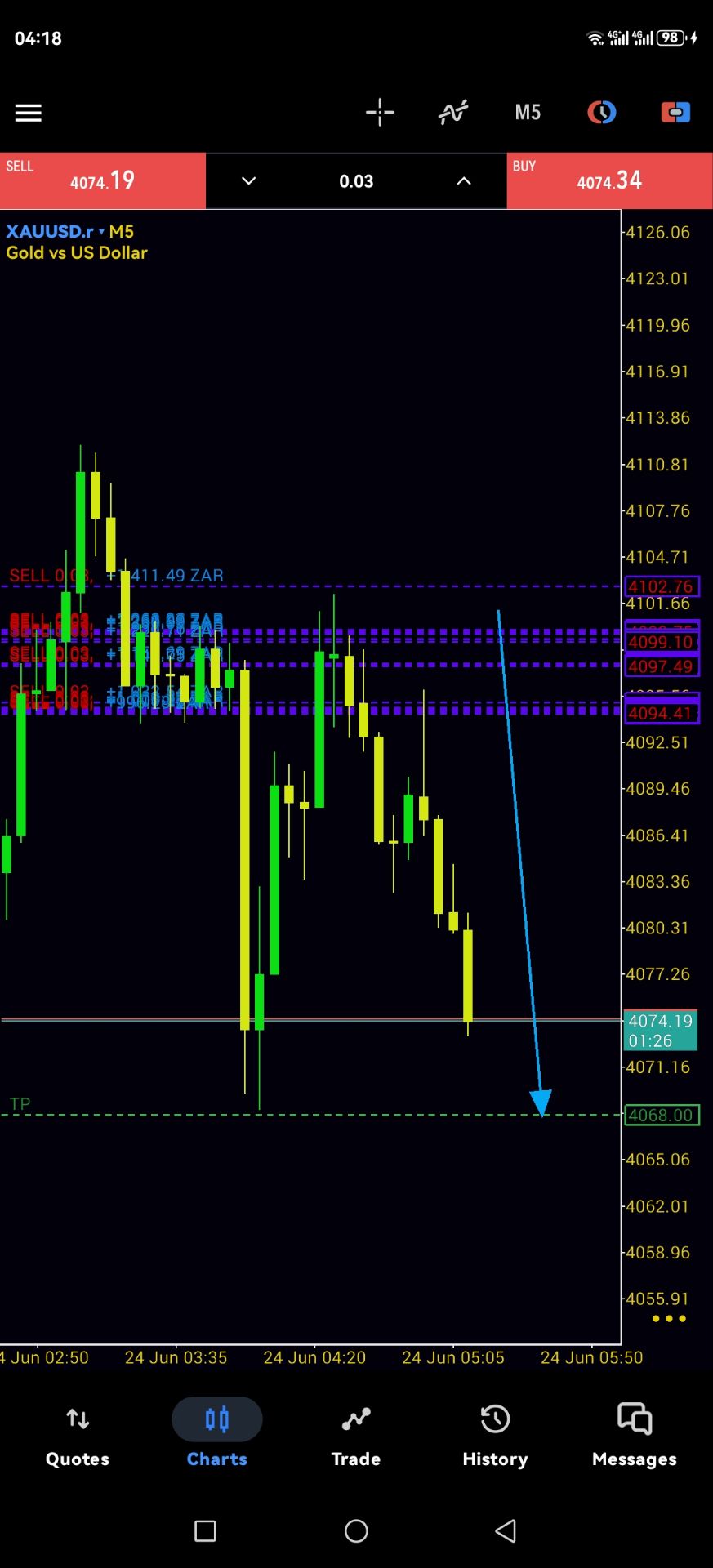
    @sonam However, it didn't get o target and dropped again, eventually taking out your stop loss with CMP 4073
    𝐤𝐚𝐩𝐨𝐱 𝐟𝐱 𝐩𝐫𝐨 flag
    King of scalpers
    RPGFX flag
    𝐤𝐚𝐩𝐨𝐱 𝐟𝐱 𝐩𝐫𝐨
    @𝐤𝐚𝐩𝐨𝐱 𝐟𝐱 𝐩𝐫𝐨You're part of those here enjoying the scalp
    RPGFX flag
    𝐤𝐚𝐩𝐨𝐱 𝐟𝐱 𝐩𝐫𝐨
    King of scalpers
    @𝐤𝐚𝐩𝐨𝐱 𝐟𝐱 𝐩𝐫𝐨Lol 😂 Many other scalpers here took those shorts too
    𝐤𝐚𝐩𝐨𝐱 𝐟𝐱 𝐩𝐫𝐨 flag
    RPGFX
    @𝐤𝐚𝐩𝐨𝐱 𝐟𝐱 𝐩𝐫𝐨You're part of those here enjoying the scalp
    @RPGFXyeah
    RPGFX flag
    𝐤𝐚𝐩𝐨𝐱 𝐟𝐱 𝐩𝐫𝐨
    @RPGFXyeah
    @𝐤𝐚𝐩𝐨𝐱 𝐟𝐱 𝐩𝐫𝐨 That is nice 💯
    Type here...
    Add Symbol or Code

      No matching data

      All
      Recommend
      Stocks
      Cryptocurrencies
      Central Banks
      Trump Updates
      Featured News
      • All
      • Russia-Ukraine Conflict
      • Middle East Flashpoint
      • All
      • Russia-Ukraine Conflict
      • Middle East Flashpoint
      Search
      Products

      Charts Free Forever

      Chats Q&A with Experts
      Screeners Economic Calendar Data Tools
      Membership Features
      Data Warehouse Market Trends Institutional Data Policy Rates Macro

      Market Trends

      Market Sentiment Order Book Forex Correlations

      Top Indicators

      Charts Free Forever
      Markets

      News

      24/7 Analysis Education

      Latest Views

      Latest Update

      Signals

      Copy Rankings Latest Signals Become a signal provider AI Rating
      Contests
      Brokers

      Overview Brokers Assessment Rankings Regulators News Claims
      Broker listing Forex Brokers Comparison Tool Live Spread Comparison Scam
      Q&A Complaint Scam Alert Videos Tips to Detect Scam
      More

      Business
      Events
      Careers About Us Advertising Help Center

      White Label

      Broker API

      Data API

      Web Plug-ins

      Affiliate Program

      Awards Institution Evaluation IB Seminar Salon Event Exhibition
      Vietnam Thailand Singapore Dubai
      Fans Party Investment Sharing Session
      FastBull Summit BrokersView Expo
      Recent Searches
        Top Searches
          Markets
          Analysis
          User
          24/7
          Economic Calendar
          Education
          Data
          • Names
          • Latest
          • Prev

          View All

          No data

          Scan to Download

          Faster Charts, Chat Faster!

          Download
          English
          • English
          • Español
          • العربية
          • Bahasa Indonesia
          • Bahasa Melayu
          • Tiếng Việt
          • ภาษาไทย
          • Français
          • Italiano
          • Türkçe
          • Русский язык
          • 简中
          • 繁中
          Open Account
          Search
          Products
          Charts Free Forever
          Markets
          News
          Signals

          Copy Rankings Latest Signals Become a signal provider AI Rating
          Contests
          Brokers

          Overview Brokers Assessment Rankings Regulators News Claims
          Broker listing Forex Brokers Comparison Tool Live Spread Comparison Scam
          Q&A Complaint Scam Alert Videos Tips to Detect Scam
          More

          Business
          Events
          Careers About Us Advertising Help Center

          White Label

          Broker API

          Data API

          Web Plug-ins

          Affiliate Program

          Awards Institution Evaluation IB Seminar Salon Event Exhibition
          Vietnam Thailand Singapore Dubai
          Fans Party Investment Sharing Session
          FastBull Summit BrokersView Expo

          trade.gov.ng Tariff Search: Find Nigerian HS Codes & Duties

          zhan chen
          Summary:

          Decode the trade gov ng tariff portal to master Nigerian import costs. Learn to calculate hidden levies, avoid port penalties, and protect your bottom line.

          Navigating Nigeria's import regulations requires precise knowledge of the exact taxes and levies attached to your specific goods. The trade.gov.ng tariff search tool acts as the primary gateway for calculating these financial liabilities before a shipment ever reaches the port. This guide breaks down how to effectively query the database, interpret the dense layers of regional tariffs and domestic surcharges, and utilize formal customs procedures when the portal's baseline estimates fall short. By mastering this system, importers can avoid costly delays, ensure accurate budgeting, and prevent unexpected reclassification penalties.

          trade.gov.ng Tariff Search: Find Nigerian HS Codes & Duties

          What Is trade.gov.ng and How Does Its Tariff Search Tool Work?

          The Nigeria Trade Portal (trade.gov.ng) is the official digital single window maintained by the Federal Ministry of Industry, Trade and Investment (FMITI) in partnership with the Nigeria Customs Service (NCS). Its tariff search tool enables importers, exporters, and clearing agents to identify exact import duties, levies, and regulatory documentation requirements by querying the ECOWAS Common External Tariff (CET) framework.

          The search mechanism executes through a straightforward sequence to translate broad product concepts into exact tax liabilities:

          1. Input Execution: Users enter either a broad commodity keyword (e.g., "agricultural tractors") or an existing Harmonized System (HS) code. The system accepts inputs ranging from a 2-digit chapter heading to a precise 10-digit national code.
          2. Framework Cross-Referencing: The engine runs the query against the localized ECOWAS CET schedule. This schedule merges the five-band regional tariff structure with Nigeria-specific fiscal policy deviations.
          3. Classification Mapping: If a keyword is used, the system displays all matching 10-digit HS codes, forcing the user to select the exact technical specification of their good to reveal the attached rates.

          What Data Does the Tariff Database Actually Cover?

          The database returns the complete tax matrix required to calculate the total landed cost of an import, rather than just a single baseline duty percentage. A standard search output aggregates the base tariff with mandatory federal and regional levies.

          When a user pulls an HS code file or queries a specific item, the portal delineates the following variables:

          Tax / Levy ComponentOperational MechanismStandard Rate Range
          Import Duty (ID)The base ECOWAS CET rate assigned by product necessity. Raw materials and capital goods sit lower; finished consumer goods sit higher.0% to 35%
          Value Added Tax (VAT)Applied not just to the item's cost, but to the CIF (Cost, Insurance, Freight) value plus the import duty and all other levies.7.5%
          CISS FeeThe Comprehensive Import Supervision Scheme fee. Calculated directly on the FOB (Free on Board) value of the shipment.1%
          ETLS LevyThe ECOWAS Trade Liberalization Scheme funding tax. Assessed on the CIF value of goods originating outside the ECOWAS bloc.0.5%
          Port SurchargeA national port development surcharge calculated directly as a fraction of the base import duty itself.7% of Import Duty
          Specific LeviesProtectionist taxes (e.g., National Automotive Council levy, sugar levy) applied selectively to restrict specific imports and protect local industry.15% to 75%

          Beyond tax rates, the search output explicitly lists the regulatory agencies governing that specific HS code. If a product requires a SONCAP certificate from the Standards Organisation of Nigeria or a NAFDAC permit, the database tags the commodity accordingly.

          How Current Are the Duty Rates Listed on the Site?

          The rates published on trade.gov.ng reflect the active ECOWAS CET schedule and the current Nigerian Fiscal Policy Measures (FPM), but they are vulnerable to update latency during periods of rapid regulatory change.

          When the Federal Ministry of Finance issues a new fiscal circular—such as introducing a new excise duty on plastics or adjusting the import levy on used vehicles—the Nigeria Customs Service immediately updates its internal clearing system (NICIS II) to enforce the new rates on incoming shipments. However, the public-facing trade.gov.ng portal can experience a delay of several days to weeks before mirroring these systemic updates.

          Because total duty payable is calculated at the exact moment a Pre-Arrival Assessment Report (PAAR) is generated, clearing agents cannot rely on the portal as a legal defense if rates have shifted. For highly volatile categories—particularly agricultural commodities, automotive imports, and textiles subject to import substitution policies—the portal provides the baseline structure, but the final liability must be verified against the most recent Ministry of Finance circulars.

          How to Search for HS Codes and Import Duties on trade.gov.ng

          Executing a successful query on the portal requires entering either a specific product description or a standard Harmonized System (HS) code to retrieve the exact ECOWAS Common External Tariff (CET) rates and statutory levies. The system generates a line-item breakdown of duties, taxes, and statutory levies required for clearing goods through the Nigeria Customs Service (NCS).

          How to Look Up a Product Using the AI-Powered HS Code Search Engine

          The portal’s search engine at trade.gov.ng/en/tools/tariff/search accepts both numerical inputs and natural language descriptions. Because Nigeria utilizes a 10-digit HS code system—where the first six digits align with World Customs Organization (WCO) standards and the final four represent regional ECOWAS and Nigerian specifics—precision in your search query dictates the accuracy of the returned rates.

          1. Locate the Search Interface: Navigate to the tariff search tool on the Trade Portal homepage.
          2. Enter the Identifier: Input the exact 10-digit HS code if known. If unknown, enter a specific, noun-based product description (e.g., "lithium-ion battery" rather than "electronics") to leverage the semantic search function.
          3. Filter by Section/Chapter: Use the drop-down menus to isolate specific CET Chapters (e.g., Chapter 85 for Electrical Machinery) to filter out false positives.
          4. Select the Exact Match: Click on the specific 10-digit item line in the results table to expand the associated duty profile.

          How to Read the Tariff Results: Duty Rate, Levy, and VAT Explained

          A standard trade.gov.ng tariff search result displays multiple percentage-based charges. These figures do not represent a single flat tax; they stack sequentially based on either the Cost, Insurance, and Freight (CIF) or Free on Board (FOB) value of the shipment.

          Charge TypeCurrent Rate / RangeCalculation BasisPurpose / Mechanism
          Import Duty (ID)0% to 35%CIF ValueThe baseline ECOWAS CET rate. Capital goods and raw materials typically incur 0-5%, while finished consumer goods attract 20-35%.
          Value Added Tax (VAT)7.5%(CIF + ID + Levy + Excise)Standard Nigerian consumption tax applied to the total landed cost of the imported goods, not just the base value.
          Import Levy0% to 50%+CIF ValueAdditional protectionist surcharges applied by the Nigerian government to restricted or locally manufactured items (e.g., specific vehicles or agricultural products).
          CISS1%FOB ValueComprehensive Import Supervision Scheme fee, mandated for all imports to fund destination inspection processes.
          ETLS0.5%CIF ValueECOWAS Trade Liberalization Scheme charge applied to goods originating outside the West African trading bloc.

          What to Do When a Product Returns No Results or an Incorrect Code

          The digital search tool frequently fails on highly specialized machinery or newly categorized chemicals. When a query yields zero results or a logically incorrect classification, execute the following fallback procedures.

          • Truncate to WCO Defaults: Search using only the first six digits of your international HS code. The portal often struggles with regional 10-digit variations imported from other jurisdictions (like the US Schedule B or EU TARIC). Finding the 6-digit WCO parent code will guide you to the correct Nigerian 10-digit sub-heading.
          • Cross-Reference the CET Tariff PDF: Download the official ECOWAS Common External Tariff (CET) PDF document directly from the Nigeria Customs Service. Searching the raw document via Ctrl+F bypasses the portal's indexing errors and lag.
          • Examine the General Rules of Interpretation (GRI): If a product fits multiple categories (e.g., a smart refrigerator with an integrated tablet), apply WCO GRI 3(b), which dictates classifying the product by the component that gives it its "essential character."
          • Request an Advance Tariff Ruling: If classification remains ambiguous and capital is at risk, file a formal request with the Tariff and Trade Department of the NCS. This provides a legally binding 10-digit code prior to shipping, preventing costly port delays or demurrage at Apapa or Tin Can Island.

          What Charges Will You Actually Pay Beyond the Listed Duty Rate?

          The base import duty listed on the trade.gov.ng tariff portal is only the starting point for calculating landed costs in Nigeria. Importers typically face a composite tax burden that adds 10% to 25% to the statutory duty rate through mandated port surcharges, regional trade levies, and domestic consumption taxes. Relying solely on the headline Harmonized System (HS) code rate guarantees a severe undercapitalization of customs clearance funds.

          How ECOWAS CET, Excise Duties, and VAT Stack on Top of Each Other

          Nigerian customs calculations follow a strict sequential formula where subsequent taxes compound on top of the base duty and prior levies. The final assessment is not a simple addition of percentages; it is a waterfall calculation that artificially inflates the taxable base for Value Added Tax (VAT).

          To calculate the exact total payable at the port, the Nigeria Customs Service processes charges in this specific order:

          1. Base Duty (ECOWAS CET): Between 0% and 35%, applied to the CIF (Cost, Insurance, and Freight) value of the shipment.
          2. Port Surcharge: A flat 7% applied directly to the base import duty amount, not the goods' value.
          3. CISS (Comprehensive Import Supervision Scheme): A mandatory 1% fee calculated on the FOB (Free on Board) value of the goods, intended to fund destination inspection agencies.
          4. ETLS (ECOWAS Trade Liberalization Scheme): A 0.5% levy applied to the CIF value. This is charged on goods imported from outside the ECOWAS region to fund the bloc's administrative commission.
          5. National Levies & Excise Duties: Additional product-specific percentages applied to the CIF value. For example, environmental levies or automotive council charges.
          6. Value Added Tax (VAT): Nigeria’s 7.5% VAT is calculated on the aggregate total. The formula is: 7.5% × (CIF + Base Duty + Surcharge + CISS + ETLS + Excise/Levies).

          Because VAT is calculated on the combined sum of the goods' value and all preceding taxes, the effective VAT rate on your original CIF value is often closer to 9% or 10%.

          Which Product Categories Face the Highest Total Import Cost in Nigeria?

          The Nigerian government uses punitive tariff bands and targeted import levies to protect domestic manufacturing, conserve foreign exchange, and discourage the consumption of non-essential items. If your product falls into these categories, the final cost multiplier will significantly exceed standard ECOWAS CET rates.

          • Fully Built Vehicles (Automobiles): Imported vehicles face the maximum 35% CET band. To protect the domestic assembly industry, the government stacks an additional National Automotive Council (NAC) levy ranging from 15% to 35% depending on the vehicle type and age. When combined with VAT and standard port surcharges, the effective tax rate on imported passenger vehicles routinely exceeds 70% of the CIF value.
          • Agricultural Staples (Rice, Sugar, Wheat): To force import substitution, basic commodities face severe baseline tariffs and extraordinary levies. Rice, for instance, historically attracts a 10% base duty paired with an aggressive import levy that can add 20% to 60%, making formal importation commercially prohibitive without specific government waivers.
          • Alcohol and Tobacco (Sin Taxes): Spirits and cigarettes incur the 20% to 35% CET rate, compounded by ad valorem excise duties and specific taxes (e.g., fixed Naira amounts per centiliter or per stick). These excise taxes are applied before VAT, dramatically inflating the final clearance cost.
          • Single-Use Plastics and Packaging: Recently targeted under fiscal policy shifts for environmental management, these materials face standard 20% CET rates plus a specialized 10% excise duty on single-use plastics, penalizing FMCG importers who rely on foreign packaging materials.

          When trade.gov.ng Doesn't Give You the Answer You Need

          Even with a firm understanding of high-cost product categories, discrepancies can still arise during clearance because the portal rarely reflects the final landed cost. Importers frequently budget based on the single percentage found in the search tool, only to face significantly higher financial obligations upon cargo arrival due to compounded domestic levies, automated currency valuations, and customs reclassification.

          Common Reasons the Listed Rate May Not Match What Customs Charges

          Discrepancies between the portal's stated duty and the final port invoice occur because the search tool isolates the base tariff while ignoring cumulative Nigerian fiscal policies. The final payable amount is an aggregate of baseline duties, administrative surcharges, and fluctuating foreign exchange rates.

          Cost ComponentWhat trade.gov.ng ShowsWhat Nigeria Customs Actually Charges
          Base DutyStatic ECOWAS CET percentage (0% to 35%)Base percentage applied to the CIF value
          Foreign ExchangeOften displays a static, legacy FX rateLive CBN exchange rate ingested via the B'Odogwu platform
          Administrative LeviesGenerally excluded1% CISS (on FOB value) + 0.5% ETLS (on CIF value)
          Value Added TaxRarely factored into the primary search7.5% calculated on the aggregate of CIF + Duty + CISS + ETLS + Surcharge
          Sector LeviesBase duty onlyAdditional protections (e.g., 15% NAC levy on vehicles, up to 85% on wheat)
          • Cumulative Administrative Surcharges: The base duty listed online excludes mandatory federal fees. Importers must also pay a 1% Comprehensive Import Supervision Scheme (CISS) charge calculated on the Free on Board (FOB) value, plus a 0.5% ECOWAS Trade Liberalization Scheme (ETLS) levy applied to the Cost, Insurance, and Freight (CIF) value.
          • The 7.5% VAT Compounding Effect: Nigeria applies a standard 7.5% Value Added Tax to imports, but it is not calculated solely on the item's value. VAT is assessed on the aggregate of the CIF value plus the base duty, a 7% port surcharge, CISS, and ETLS, significantly increasing the effective tax burden.
          • Sector-Specific Protection Levies: The CET search results often omit supplemental levies designed to protect domestic industries. For example, while the base tariff for used vehicles remains at 20%, the National Automotive Council (NAC) applies an additional 15% levy. Agricultural imports face similar protections, with effective duties reaching 85% for wheat and 75% for sugar.
          • B'Odogwu Platform FX Valuations: The legacy trade.gov.ng portal frequently displays outdated exchange rates. Actual import valuation is processed through the NCS B'Odogwu digital clearance system, which automatically ingests the live Central Bank of Nigeria (CBN) exchange rate at the time the Form M is opened.
          • Port-Level HS Code Reclassification: Importers often select the lowest-duty HS code (e.g., 5% for industrial machinery) when searching online. Customs officers at the destination port hold the authority to reject this classification based on physical inspection, reassigning the goods to a higher-duty band (e.g., 20% for finished consumer goods).

          How to Use the New Advance Ruling System (ARS) to Verify Tariffs With Nigerian Customs (NCS)

          To eliminate tariff ambiguity before shipping, importers can utilize the Advance Ruling System (ARS), launched by the NCS in May 2024 to provide legally binding decisions on classification, origin, and valuation. Securing an advance ruling prevents arbitrary reclassification at the port and establishes exact cost predictability for high-value shipments.

          1. Compile Technical Documentation: Gather exhaustive proof of the product's nature, including commercial invoices, chemical compositions, manufacturer blueprints, or detailed technical specifications. Vague product descriptions are the primary cause of rejected ARS applications.
          2. Submit Application via the NCS Portal: Route the request through the official Nigeria Customs Service trade portal rather than relying on legacy information sites. The application must clearly state the importer's suggested HS code alongside the supporting evidence.
          3. Undergo Tariff and Trade Department Review: Customs technical experts evaluate the submission against the five-band ECOWAS CET nomenclature. This process bypasses individual port officers, centralizing the decision at the federal level based on World Customs Organization (WCO) standards.
          4. Receive the Binding Ruling: If approved, the NCS issues a formal ruling detailing the definitive HS code and duty rate. This decision remains legally binding on both the importer and customs formations for a specified validity period, ensuring the goods will clear at the ruled rate regardless of port-level disputes.

          FAQs about trade gov ng tariff

          How can I access the Nigerian Customs Service Common External Tariff (CET) schedule?

          You can access the Common External Tariff (CET) schedule directly through the official Nigeria Customs Service (NCS) website or the Nigeria Trade Hub portal. These digitized platforms allow importers to search for specific Harmonized System (HS) codes and view the applicable duty rates for their goods. Using the official online portal ensures you are compliant with the most up-to-date ECOWAS regional tariff categories.

          What are the current import prohibition and restriction lists for trade in Nigeria?

          The Nigerian Customs Service maintains a strict Import Prohibition List designed to protect domestic industries and manage trade balances. Prohibited items include frozen poultry, pork, beef, bagged cement, refined vegetable oils, certain medications like paracetamol, and specific textiles such as African prints (Ankara). A comprehensive and updated list of restricted goods and their corresponding HS codes can be found on the official NCS website.

          How is import duty calculated for goods entering Nigeria?

          Import duty in Nigeria is calculated using the CIF (Cost, Insurance, and Freight) value of the imported goods. The base duty rate is determined by the product's Harmonized System (HS) code under the ECOWAS Common External Tariff (CET). To determine the final total payable to customs, several other levies are added to this base duty, including a 7% port surcharge, a 7.5% Value Added Tax (VAT), a 1% CISS administrative fee, and a 0.5% ECOWAS trade levy.

          What is the US tariff on Nigeria?

          In April 2025, the United States imposed a 14% reciprocal tariff on exports originating from Nigeria. This policy was enacted to address perceived trade imbalances and to directly counter the existing high average tariffs that Nigeria levies on American goods. Consequently, key Nigerian exports now face this 14% rate when entering the U.S. market, marking a shift from previously lower tariff rates.

          Conclusion

          Successfully clearing goods through the Nigeria Customs Service demands more than a quick glance at the base Harmonized System rates. Mastering the trade.gov.ng tariff search tool allows importers to build accurate landed-cost models that account for cascading port surcharges, regional levies, and precise VAT calculations. When classification ambiguities threaten supply chain budgets, leveraging the Advance Ruling System provides essential legal protection against unexpected port fees. Relying on accurate, legally binding data ultimately protects profit margins and ensures seamless compliance with shifting ECOWAS trade frameworks.

          Risk Warnings and Disclaimers
          You understand and acknowledge that there is a high degree of risk involved in trading. Following any strategies or investment methods may lead to potential losses. The content on the site is provided by our contributors and analysts for information purposes only. You are solely responsible for determining whether any trading assets, securities, strategy, or any other product is suitable for investing based on your own investment objectives and financial situation.
          Add to Favorites
          Share
          FastBull
          Copyright © 2026 FastBull Ltd

          728 RM B 7/F GEE LOK IND BLDG NO 34 HUNG TO RD KWUN TONG KLN HONG KONG

          TelegramInstagramTwitterfacebooklinkedin
          App Store Google Play Android Windows
          Products
          Charts

          Chats

          Q&A with Experts
          Screeners
          Economic Calendar
          Data
          Tools
          Membership
          Features
          Function
          Markets
          Copy Trading
          Latest Signals
          Contests
          24/7
          Analysis
          Education
          Company
          Careers
          About Us
          Contact Us
          Advertising
          Download FastBull
          Help Center
          Feedback
          User Agreement
          Privacy Policy
          Personal Information Protection Statement
          Business

          White Label

          Broker API

          Data API

          Web Plug-ins

          Poster Maker

          Affiliate Program

          Risk Disclosure

          The risk of loss in trading financial instruments such as stocks, FX, commodities, futures, bonds, ETFs and crypto can be substantial. You may sustain a total loss of the funds that you deposit with your broker. Therefore, you should carefully consider whether such trading is suitable for you in light of your circumstances and financial resources.

          No decision to invest should be made without thoroughly conducting due diligence by yourself or consulting with your financial advisors. Our web content might not suit you since we don't know your financial conditions and investment needs. Our financial information might have latency or contain inaccuracy, so you should be fully responsible for any of your trading and investment decisions. The company will not be responsible for your capital loss.

          Without getting permission from the website, you are not allowed to copy the website's graphics, texts, or trademarks. Intellectual property rights in the content or data incorporated into this website belong to its providers and exchange merchants.

          Not Logged In

          Log in to access more features

          Connect Broker
          Become a signal provider
          Help Center
          Customer Service
          Dark Mode
          Price Up/Down Colors

          Log In

          Sign Up

          Position
          Layout
          Fullscreen
          Default to Chart
          The chart page opens by default when you visit fastbull.com