- Nhà môi giới HOT
- Scam
- BV Đánh giá NEW
- Bảng xếp hạng
- Cơ quan quản lý
- Tin tức
- Bảo vệ quyền
- Triển lãm HOT
- Sự kiện
- Giải


Are bonds and small-caps near infection point?
The US and Iran agreed to a conditional two-week ceasefire deal that includes the reopening of the key Strait of Hormuz waterway. That came after Trump’s threat to wipe out the Persian civilisation.
The countries will hold negotiations in Islamabad, the capital of Pakistan, beginning in the coming days. Both sides claimed to have won the more than month-long battle, but endeavoured to avoid an escalation in fact.
The EIA raised its average Brent crude price forecast for 2026 to $96. Even if flows resume, lingering disruptions are likely to take time to resolve, with the risk of renewed outages expected to keep prices elevated.
Republicans won in 2024 by promising to cut the cost of living, but high gas prices are frustrating voters. Multiple polls show Trump’s approval rating has plunged to a record low of just 33%.
The odds are against the ruling party in the midterm election. Democrats have won a number of seats in state legislatures since Trump took office, even in some deep red states such as Texas.
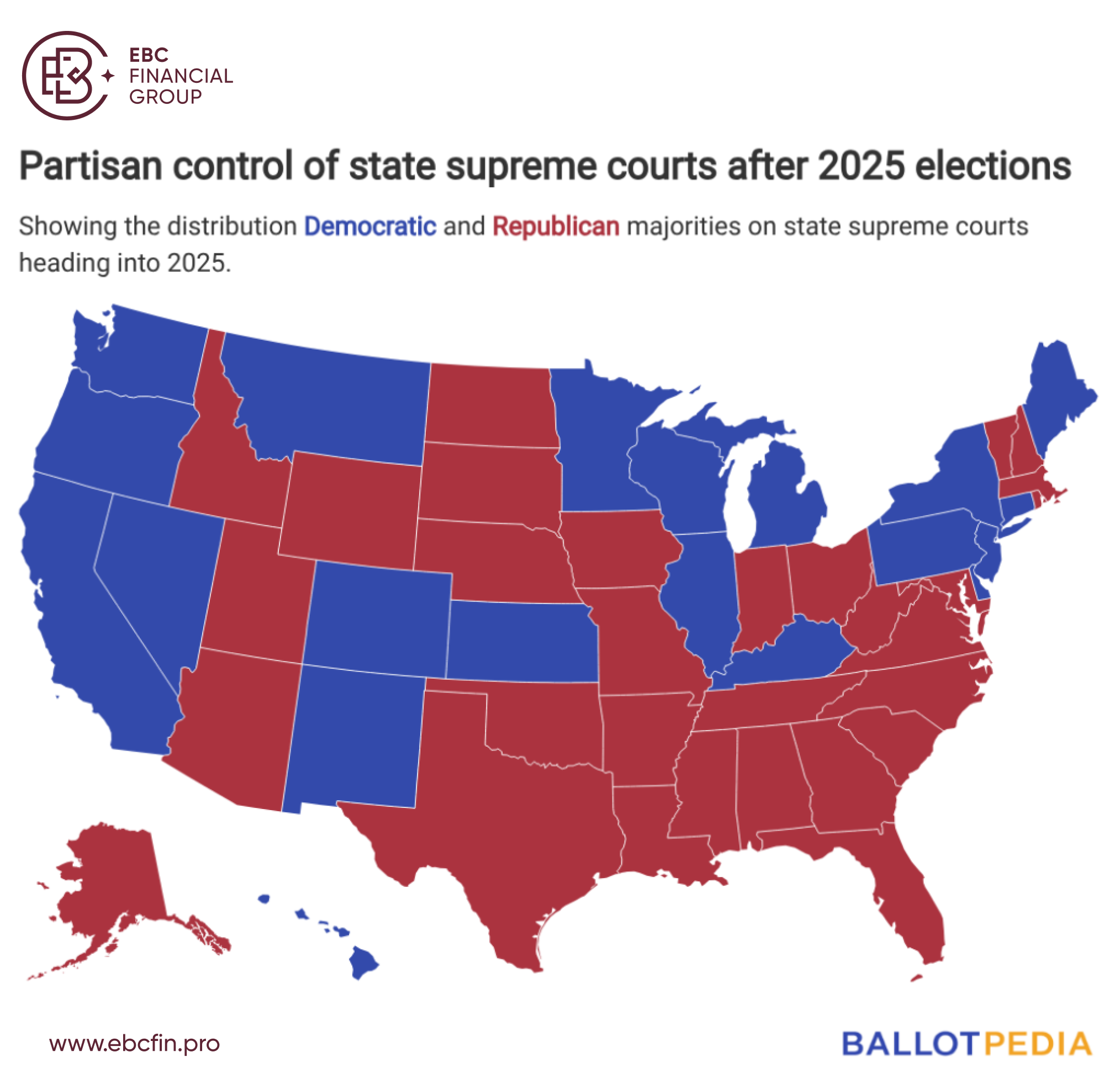
The election will be held in November - a test to Trump’s presidential power, so he is eager to end the war in Iran and perhaps conquer Cuba before his landmark visit to China and a joint review of USMCA.
Iran's president, Masoud Pezeshkian, said on 31 March that Tehran had the "necessary will" to end the war but his country would need guarantees "required to prevent repetition of the aggression".
Bond on radar
Some of Wall Street’s biggest bond-fund managers predict a rebound the risk that a rally as the risk that the war in Iran will cause a sharp economic slowdown is underestimated.
Goldman Sachs said the probability of a downturn over the next 12 months is about 30%. JPMorgan Asset Management have added to their holdings of debt as yields hit multiyear highs.
Surging oil and gas prices have driven up short-term inflation expectations across the globe, while longer-term expectations for US inflation have not kept up with “five-year, five-year forward” around 2.1%.
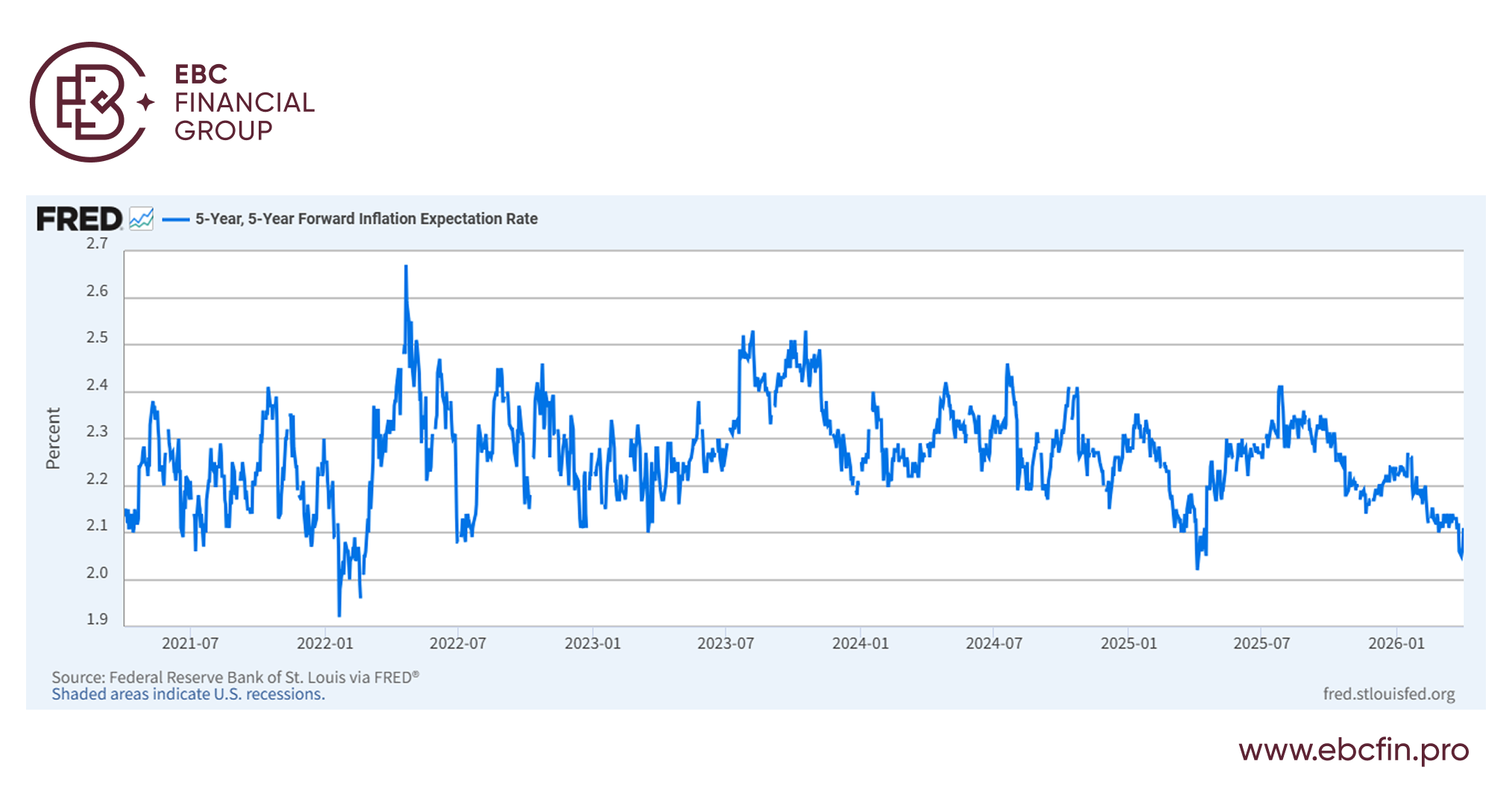
“The market is now letting its imagination run wild about what the world might look like in a month’s time if there is no resolution by then” to the war, said Gareth Berry, a strategist at Macquarie Group.
Powell said last Monday raising rates could have negative effects on the economy later. He noted that Fed rate moves have a lagged impact on the economy, so tightening would not help.
Labour market bounced back in March, with job creation much stronger than expected though the broader picture remained weak. Markets no longer expect any rate cut by the year end.
Matthew Hornbach, global head of macro strategy at Morgan Stanley, recommended buying 5-year Treasuries. iShares 3-7 Year Treasury Bond ETF rose to a record high in February.
Investor on tenterhooks
Macro hedge funds struggled in March as a jump in inflation expectations led to steep losses at many of the industry’s largest firms. By contrast quantitative hedge funds were a rare bright spot.
The extreme volatility also prompted stock trading at a record intensity. The daily turnover in the State Street SPDR S&P 500 ETF Trust has breached $60 billion 29 times this year.
Buying the dip was rewarded in recent years, with markets eventually bouncing to erase declines spurred by everything from the Covid-19 pandemic, inflation crisis to sweeping reciprocal tariffs.
“However, uncertainty around the details and durability (of the truce) is significant as both sides’ statements are contingent on the other’s behaviour,” said Stuart Kaiser, head of US equity trading strategy at Citigroup.
Seasonality adds to headwinds for the strategy. The S&P 500 has notched an average April gain of 1.5% since 1990, the second worst performing month, data compiled by Bloomberg show.
Notably, the Russell 2000 Index has significantly outperformed the major US stock indices year to date. The SMEs benefited from their lower exposures to lasting global supply chain disruption and currency fluctuations.
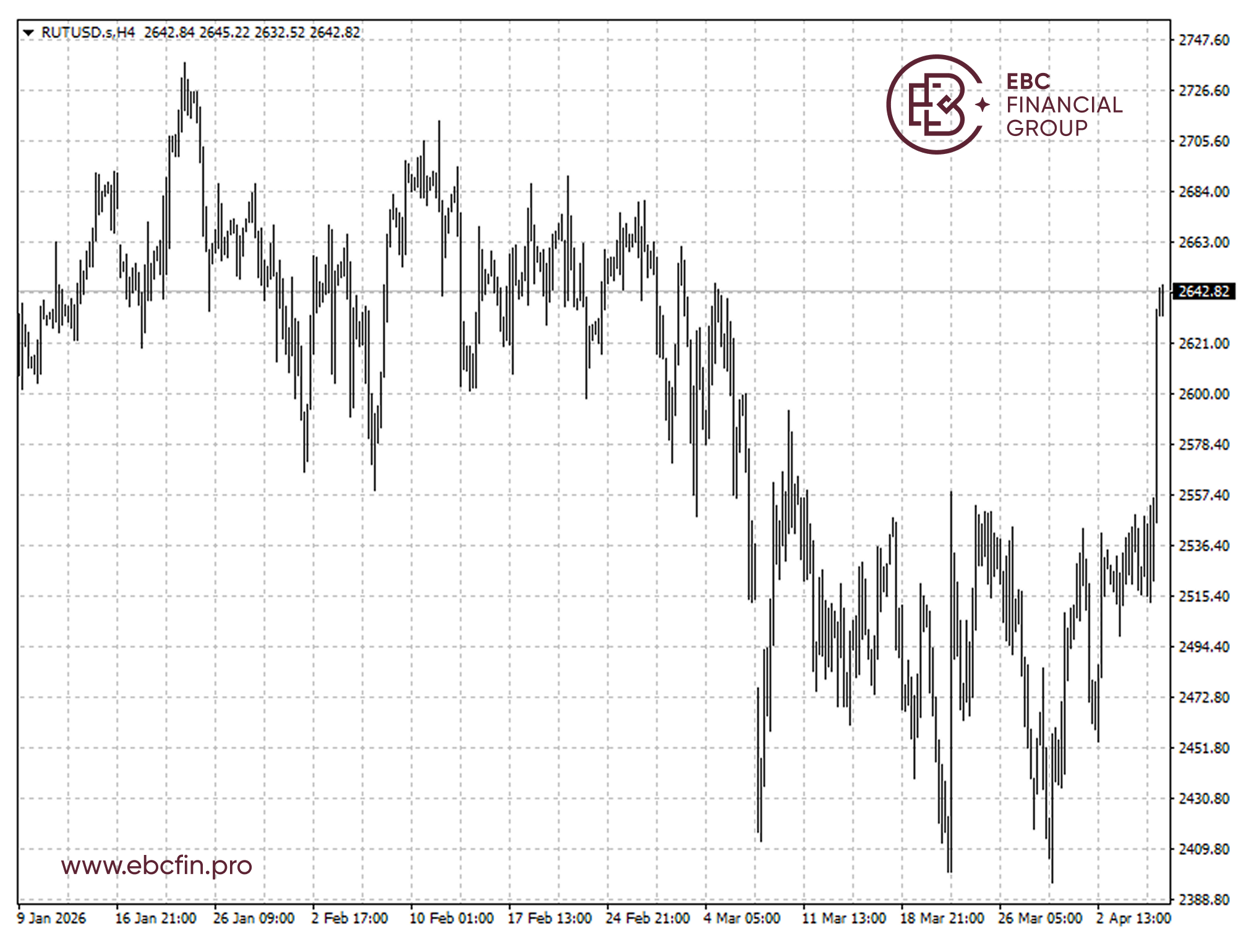
It could be too early to affirm the relative strength of small caps though. Their return generally impressed during the early stages of US GDP recovery, while we appear to be in the late stage.
Disclaimer: This material is for general information purposes only and is not intended as (and should not be considered to be) financial, investment or other advice on which reliance should be placed. No opinion given in the material constitutes a recommendation by EBC or the author that any particular investment, security, transaction or investment strategy is suitable for any specific person.


Copyright © 2026 FastBull Ltd


Cảnh báo rủi ro
Giao dịch ngoại hối có rủi ro cao và có thể không phù hợp với tất cả các nhà đầu tư. Giao dịch đòn bẩy sẽ có thể tạo ra nhiều rủi ro và thua lỗ. Trước khi quyết định giao dịch ngoại hối, bạn hãy xem xét cẩn thận mục đích đầu tư, trình độ giao dịch và khả năng chấp nhận rủi ro của bạn. Bạn có thể mất bộ phận hoặc toàn bộ khoản đầu tư của mình trong khi giao dịch; đừng dùng tiền mà bạn không có khả năng chi trả lại để tiến hành đầu , và bạn cũng nên tự tìm hiểu về các rủi ro liên quan đến giao dịch ngoại hối. Nếu bạn có bất kỳ câu hỏi nào, vui lòng tham khảo ý kiến của chuyên gia tư vấn tài chính hoặc chuyên gia tư vấn thuế. Tất cả các dữ liệu và thông tin được cung cấp của chúng tôi, chỉ nhằm mục đích cung cấp thông tin và không nhằm mục đích giao dịch hoặc lời khuyên đầu tư. Hiệu suất trong quá khứ không thể đảm bảo cho kết quả trong tương lai.
Tuyên bố từ chối trách nhiệm
Dữ liệu trong trang web này có thể không chính xác và tức thời. Các dữ liệu và giá cả trên trang web này không nhất định do thị trường hoặc sở giao dịch cung cấp, mà có lẽ là được cung cấp bởi các nhà tạo lập thị trường, vì vậy giá này có thể khác với giá thị trường thực tế, tức những giá cả này chỉ là yết giá chỉ thị, có phản ánh xu hướng thị trường, nhưng không nên dùng để làm mục đích giao dịch. Nhà cung cấp dữ liệu có trong trang web này sẽ không chịu trách nhiệm về bất kỳ tổn thất nào được gây ra bởi những hoạt động giao dịch của bạn hoặc những hoạt động khác của bạn dựa trên thông tin có trong trang web này.