• Trade
  • Markets
  • Copy
  • Contests
  • 24/7
  • Calendar
  • Q&A
  • Chats
Screeners
SYMBOL
LAST
BID
ASK
HIGH
LOW
NET CHG.
%CHG.
SPREAD
SOURCE
SPX
S&P 500 Index
7592.40
7592.40
7592.40
7652.76
7550.84
-26.98
-0.35%
--
--
DJI
Dow Jones Industrial Average
52297.09
52297.09
52297.09
52751.22
52271.16
-189.40
-0.36%
--
--
IXIC
NASDAQ Composite Index
25366.08
25366.08
25366.08
25597.23
25068.28
-100.10
-0.39%
--
--
USDX
US Dollar Index
103.102
103.102
103.182
103.173
102.940
+0.032
+ 0.03%
--
--
EURUSD
Euro / US Dollar
1.10504
1.10504
1.10514
1.10725
1.10440
-0.00038
-0.03%
--
--
GBPUSD
Pound Sterling / US Dollar
1.32307
1.32307
1.32319
1.32500
1.32177
-0.00040
-0.03%
--
--
XAUUSD
Gold / US Dollar
3886.54
3886.54
3886.95
3922.97
3872.76
+9.45
+ 0.24%
--
--
WTI
Light Sweet Crude Oil
88.143
88.143
88.173
88.402
86.859
+0.398
+ 0.45%
--
--

Community Accounts

Signal Accounts
--
Profit Accounts
--
Loss Accounts
--
View More

Become a signal provider

Sell trading signals to earn additional income

View More

Guide to Copy Trading

Get started with ease and confidence

View More

Signal Accounts for Members

All Signal Accounts

Best Return
  • Best Return
  • Best P/L
  • Best MDD
Past 1W
  • Past 1W
  • Past 1M
  • Past 1Y

All Contests

  • All
  • Recommend
  • Stocks
  • Cryptocurrencies
  • Central Banks
  • Trump Updates
  • Featured News
Top News Only
Share

UBS Has Given Hygon Information A Neutral Initial Rating With A Target Price Of RMB 215

Share

U.S. Natural Gas Futures Fell More Than 3.00%, Currently Trading At $3.632 Per Million British Thermal Units

Share

Spot Silver Fell More Than 1.00% On The Day, Currently Trading At $49.55 Per Ounce

Share

Boston Federal Reserve President Collins: Interest Rate Hikes Could Harm Housing Affordability

Share

Boston Federal Reserve President Collins Stated That Combating Inflation Is A Higher Priority Than The Housing Crisis

Share

Boston Federal Reserve President Collins: Increased Productivity Helps Curb Some Inflationary Pressures

Share

Boston Federal Reserve President Collins: Ensuring Price Stability Is A Long-term Positive For The Housing Market

Share

The French Foreign Ministry Stated That It Is Necessary To Increase Pressure On The Houthi Rebels In Yemen To Compel Them To Cease Their Unacceptable Attacks, Particularly Those Against Saudi Arabia

Share

Brazilian Central Bank Governor Gallipolo: We Have Not Yet Taken Into Account The Tax Rate Impact Of The Consumption Tax Reform

Share

Bank Of America Global Research Has Included A 25 Basis Point Rate Hike By The Federal Reserve In January 2027 In Its Forecast; It Currently Expects Rate Hikes In December, January, And March 2026

Share

According To Reports, The Israeli Army Carried Out A Large-scale Demolition Operation In The Town Of Khiam And Near Zautar Gharbiah In Southern Lebanon

Share

John Collins, A 2028 FOMC Voting Member And President Of The Federal Reserve Bank Of Boston, Will Deliver The Opening Remarks At The 70th Annual Economic Conference Hosted By The Federal Reserve Bank Of Boston In Ten Minutes

Share

Brazilian Central Bank's Monetary Policy Director, Galiboro, Stated That Inflation Exceeding The Target Range Is A Major Concern For The Central Bank, But It Remains Less Than One Percentage Point Lower Than US Interest Rates

Share

The U.S. Navy Issued A Statement Regarding The Return Of The Destroyer After 11 Months

Share

The US Navy Destroyer USS Michael Murphy Returned Home After Completing Its Deployment In The Middle East

Share

The Main Alumina Contract Fell 2.00% During The Day, Currently Trading At 2579 Yuan/ton

Share

Chicago Federal Reserve President Goolsby: If Data Shows That Inflation Is Worsening, The Fed Will Take More Aggressive Measures

Share

Spot Gold Fell $20 In The Short Term, Erasing All Gains Made After The Release Of The PPI Data, And Is Currently Trading At $3,874.89 Per Ounce

Share

The Central Bank Of Russia Reported That As Of October 1, Foreign Investors Held 32% Of Russian Sovereign European Bonds

Share

Mossad Director General Goffman Is Expected To Meet With U.S. Middle East Special Envoy Witkov In Miami

TIME
ACT
FCST
PREV
IMPACT
U.S. EIA Weekly Gasoline Stocks Change

A:--

F: --

P: --

WTI
  • WTI
  • XAUUSD
  • XAGUSD
  • USDX
U.S. EIA Weekly Crude Oil Imports Changes

A:--

F: --

P: --

WTI
  • WTI
  • XAUUSD
  • XAGUSD
  • USDX
U.S. EIA Weekly Heating Oil Stock Changes

A:--

F: --

P: --

WTI
  • WTI
  • XAUUSD
  • XAGUSD
  • USDX
U.S. 30-Year Bond Auction Avg. Yield

A:--

F: --

P: --

XAUUSD
  • XAUUSD
  • XAGUSD
  • WTI
  • USDX
U.S. Budget Balance (Oct)

A:--

F: --

P: --

USDX
  • USDX
  • XAUUSD
  • XAGUSD
  • WTI
Argentina CPI MoM (Oct)

A:--

F: --

P: --

XAUUSD
  • XAUUSD
  • XAGUSD
  • WTI
  • USDX
U.S. Weekly Treasuries Held by Foreign Central Banks

A:--

F: --

P: --

USDX
  • USDX
  • XAUUSD
  • XAGUSD
  • WTI
New York Federal Reserve President Williams delivered a speech.
France HICP Final MoM (Oct)

A:--

F: --

P: --

EURUSD
  • EURUSD
  • XAUUSD
  • XAGUSD
  • WTI
  • USDX
China, Mainland Outstanding Loans Growth YoY (Oct)

A:--

F: --

P: --

XAUUSD
  • XAUUSD
  • XAGUSD
  • WTI
  • USDX
IEA Oil Market Report
China, Mainland M2 Money Supply YoY (Oct)

A:--

F: --

P: --

XAUUSD
  • XAUUSD
  • XAGUSD
  • WTI
  • USDX
China, Mainland M0 Money Supply YoY (Oct)

A:--

F: --

P: --

XAUUSD
  • XAUUSD
  • XAGUSD
  • WTI
  • USDX
China, Mainland M1 Money Supply YoY (Oct)

A:--

F: --

P: --

XAUUSD
  • XAUUSD
  • XAGUSD
  • WTI
  • USDX
China, Mainland Social Financing Scale (Oct)

A:--

F: --

P: --

XAUUSD
  • XAUUSD
  • XAGUSD
  • WTI
  • USDX
Euro Zone Trade Balance (Not SA) (Sept)

A:--

F: --

P: --
EURUSD
  • EURUSD
  • XAUUSD
  • XAGUSD
  • WTI
  • USDX
Euro Zone Trade Balance (SA) (Sept)

A:--

F: --

P: --
EURUSD
  • EURUSD
  • XAUUSD
  • XAGUSD
  • WTI
  • USDX
Euro Zone Employment YoY (SA) (Q3)

A:--

F: --

P: --

EURUSD
  • EURUSD
  • XAUUSD
  • XAGUSD
  • WTI
  • USDX
Euro Zone GDP Revised YoY (Q3)

A:--

F: --

P: --

India Deposit Gowth YoY

A:--

F: --

P: --

XAUUSD
  • XAUUSD
  • XAGUSD
  • WTI
  • USDX
Brazil Retail Sales MoM (Sept)

A:--

F: --

P: --

XAUUSD
  • XAUUSD
  • XAGUSD
  • WTI
  • USDX
Canada Wholesale Sales MoM (SA) (Sept)

A:--

F: --

P: --
USDCAD
  • USDCAD
  • XAUUSD
  • XAGUSD
  • WTI
  • USDX
Canada Wholesale Sales YoY (Sept)

A:--

F: --

P: --

USDCAD
  • USDCAD
  • XAUUSD
  • XAGUSD
  • WTI
  • USDX
Canada Manufacturing Unfilled Orders MoM (Sept)

A:--

F: --

P: --

USDCAD
  • USDCAD
  • XAUUSD
  • XAGUSD
  • WTI
  • USDX
Canada Manufacturing New Orders MoM (Sept)

A:--

F: --

P: --
USDCAD
  • USDCAD
  • XAUUSD
  • XAGUSD
  • WTI
  • USDX
U.S. PPI MoM (SA) (Oct)

A:--

F: --

P: --
USDX
  • USDX
  • XAUUSD
  • XAGUSD
  • WTI
U.S. PPI YoY (Oct)

A:--

F: --

P: --

USDX
  • USDX
  • XAUUSD
  • XAGUSD
  • WTI
U.S. Core PPI MoM (SA) (Oct)

A:--

F: --

P: --
USDX
  • USDX
  • XAUUSD
  • XAGUSD
  • WTI
U.S. Core PPI YoY (Oct)

A:--

F: --

P: --

USDX
  • USDX
  • XAUUSD
  • XAGUSD
  • WTI
Canada Manufacturing Inventory MoM (Sept)

A:--

F: --

P: --

USDCAD
  • USDCAD
  • XAUUSD
  • XAGUSD
  • WTI
  • USDX
Canada Wholesale Inventory MoM (Sept)

A:--

F: --

P: --

USDCAD
  • USDCAD
  • XAUUSD
  • XAGUSD
  • WTI
  • USDX
Canada Wholesale Inventory YoY (Sept)

A:--

F: --

P: --

USDCAD
  • USDCAD
  • XAUUSD
  • XAGUSD
  • WTI
  • USDX
U.S. EIA Weekly Natural Gas Stocks Change

--

F: --

P: --

Russia CPI YoY (Oct)

--

F: --

P: --

U.S. Weekly Total Rig Count

--

F: --

P: --

U.S. Weekly Total Oil Rig Count

--

F: --

P: --

Saudi Arabia CPI YoY (Oct)

--

F: --

P: --

Japan Real GDP QoQ (Q3)

--

F: --

P: --

Japan Nominal GDP Prelim QoQ (Q3)

--

F: --

P: --

U.K. Rightmove House Price Index YoY (Nov)

--

F: --

P: --

China, Mainland Industrial Output YoY (YTD) (Oct)

--

F: --

P: --

China, Mainland Urban Area Unemployment Rate (Oct)

--

F: --

P: --

Japan Industrial Output Final MoM (Sept)

--

F: --

P: --

Japan Industrial Output Final YoY (Sept)

--

F: --

P: --

Euro Zone Industrial Output YoY (Sept)

--

F: --

P: --

Euro Zone Industrial Output MoM (Sept)

--

F: --

P: --

Euro Zone Total Reserve Assets (Oct)

--

F: --

P: --

Canada National Economic Confidence Index

--

F: --

P: --

U.S. NY Fed Manufacturing Prices Received Index (Nov)

--

F: --

P: --

U.S. NY Fed Manufacturing New Orders Index (Nov)

--

F: --

P: --

Canada Core CPI YoY (Oct)

--

F: --

P: --

Canada Core CPI MoM (Oct)

--

F: --

P: --

Q&A with Experts
    • All
    • Chatrooms
    • Groups
    • Friends
    The Apache flag
    I have 3 days sell anyways
    Sanjeev Ku flag
    Sanjeev Ku
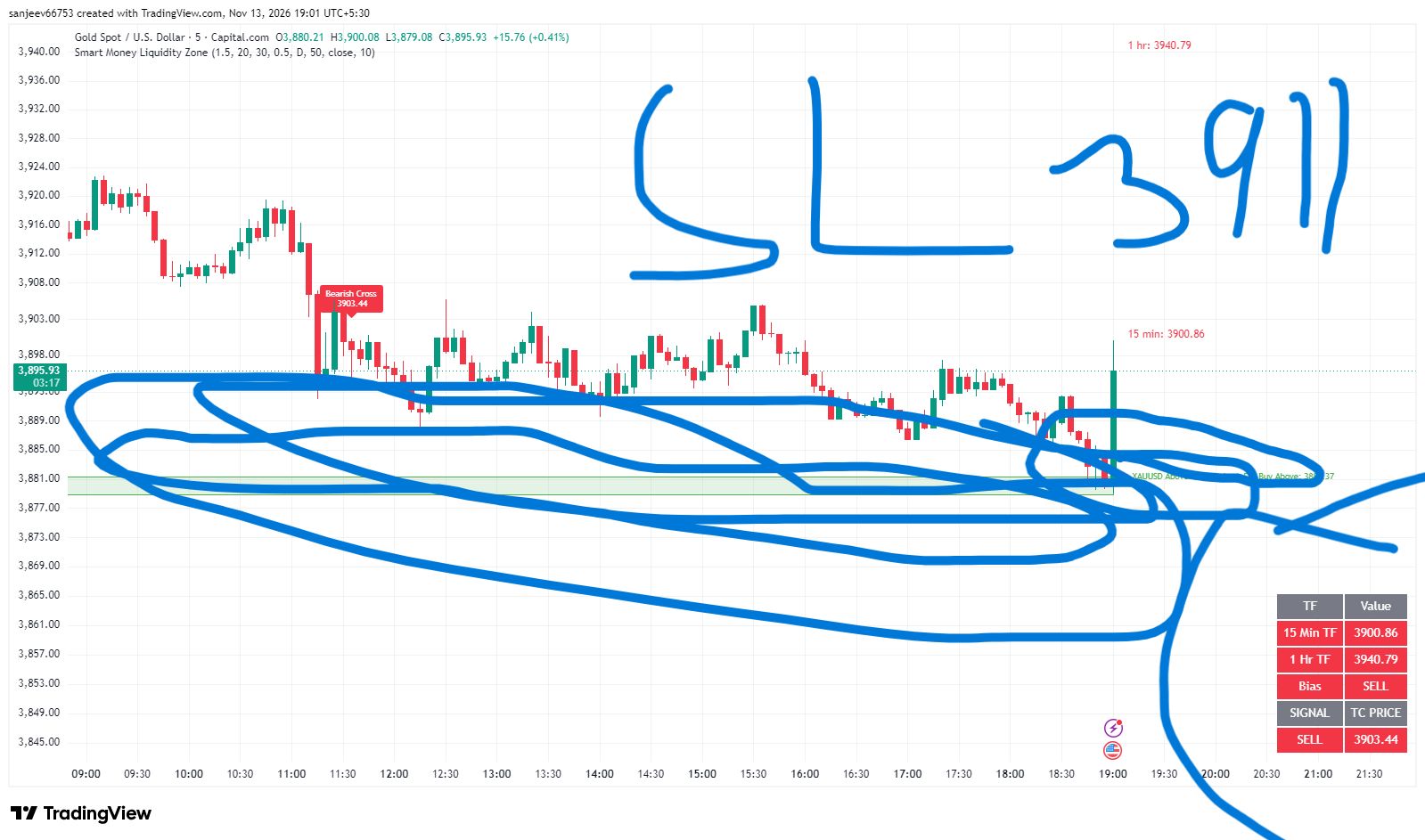
    entry 3903 sl 3911 tgt open
    Osaghae Cephas flag
    EuroTrader
    @Osaghae Cephasbuys are over for real? You think the buys are over and sells would continue lower
    yesss
    Osaghae Cephas flag
    EuroTrader
    @Osaghae Cephastake the trade on your account. Have you taken it bro..let's see how it goes for you 😜
    ok
    Fawad Khan flag
    EuroTrader
    @Fawad Khan ohh yes the data has been released..were you able to take any trades on Gold or any other currency pair
    @EuroTradercan you tell me data is against USD or in favour of USD?
    Osaghae Cephas flag
    Sanjeev Ku flag
    Sanjeev Ku
    entry 3903 sl 3911 tgt open
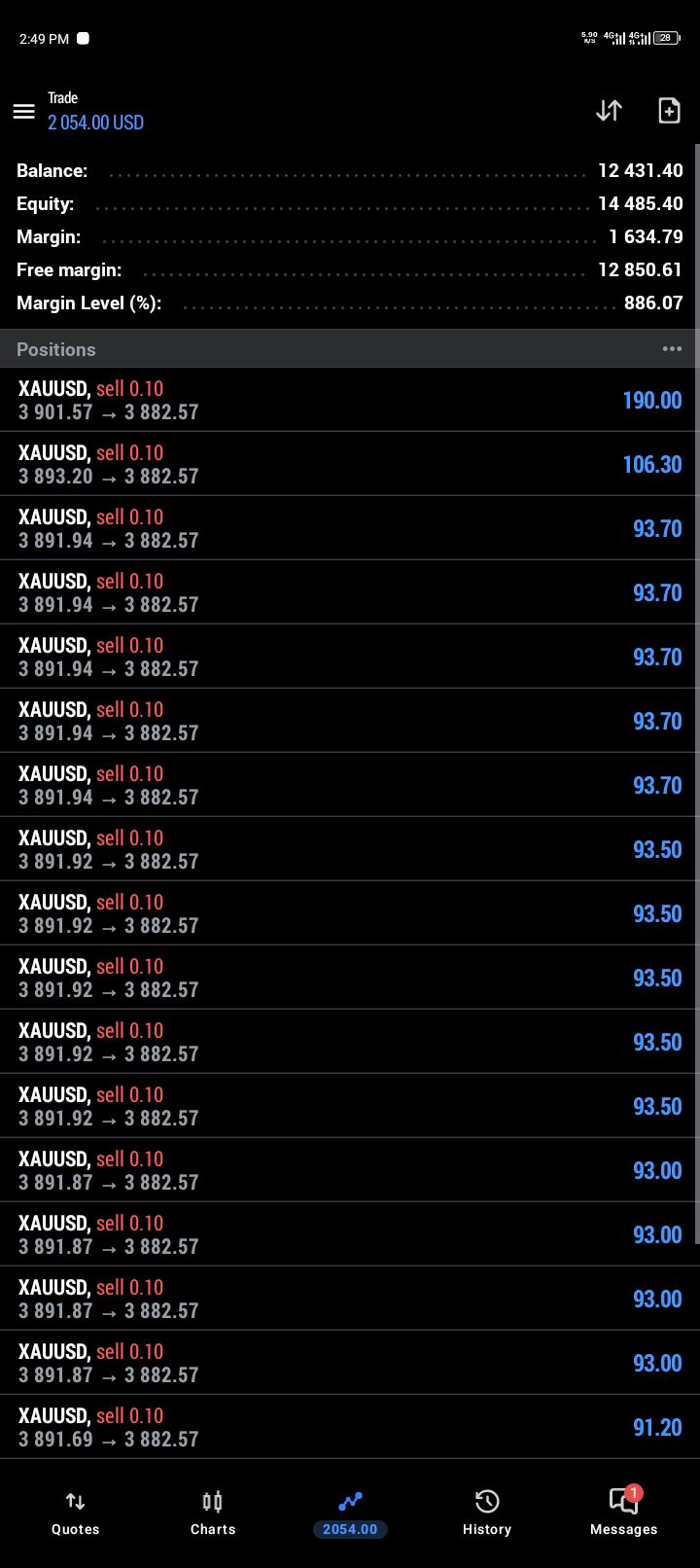
    now 3878 1:3 already
    Sanjeev Ku flag
    nhow 3875
    Oscar flag
    EuroTrader
    @Osaghae Cephastake the trade on your account. Have you taken it bro..let's see how it goes for you 😜
    @EuroTraderbro do you have another pair you can recommend to me
    john flag
    The Apache
    buyers of silver and gold may have a plan . so i sit with my thoughts
    @The Apache what is your plan ? What levels are you watching?
    john flag
    Capri flag
    Fawad Khan
    @EuroTradercan you tell me data is against USD or in favour of USD?
    @Fawad Khan brother focus market structure
    The Apache flag
    john
    @The Apache what is your plan ? What levels are you watching?
    @johnsilver indeed
    john flag
    Sanjeev Ku
    nhow 3875
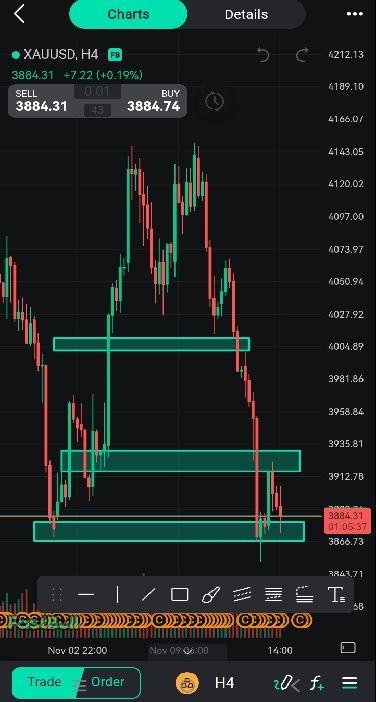
    @Sanjeev Kulooking at the current H4 gold seems poised for a further move lower
    john flag
    @The Apache But again it's Friday so let's proceed carefully whatsoever
    john flag
    The Apache
    @johnsilver indeed
    @The Apache So how are you positioned in silver at the moment
    "The Apache " recalled a message
    The Apache flag
    bearish
    The Apache flag
    john
    @The Apache So how are you positioned in silver at the moment
    @johnselling
    Sanjeev Ku flag
    john
    @Sanjeev Kulooking at the current H4 gold seems poised for a further move lower
    @john yeh bro. on days like today. place strict and non neogiable sl and ride the trade with some tgt in mind. by non negotiable i mean to say that no change in sl. some changes sl when price approaching there sl no. if hits ok tata bye bye thank you. see you later. see you later not to sl but instrument haha
    Type here...
    Add Symbol or Code

      No matching data

      All
      Recommend
      Stocks
      Cryptocurrencies
      Central Banks
      Trump Updates
      Featured News
      • All
      • Russia-Ukraine Conflict
      • Middle East Flashpoint
      • All
      • Russia-Ukraine Conflict
      • Middle East Flashpoint
      Search
      Products

      Charts Free Forever

      Chats Q&A with Experts
      Screeners Economic Calendar Data Tools
      Membership Features
      Data Warehouse Market Trends Institutional Data Policy Rates Macro

      Market Trends

      Market Sentiment Order Book Forex Correlations

      Top Indicators

      Charts Free Forever
      Markets

      News

      24/7 Analysis Education

      Latest Views

      Latest Update

      Signals

      Copy Rankings Latest Signals Become a signal provider AI Rating
      Contests
      Brokers

      Overview Brokers Assessment Rankings Regulators News Claims
      Broker listing Forex Brokers Comparison Tool Live Spread Comparison Scam
      Q&A Complaint Scam Alert Videos Tips to Detect Scam
      More

      Business
      Events
      Careers About Us Advertising Help Center

      White Label

      Broker API

      Data API

      Web Plug-ins

      Affiliate Program

      Awards Institution Evaluation IB Seminar Salon Event Exhibition
      Vietnam Thailand Singapore Dubai
      Fans Party Investment Sharing Session
      FastBull Summit BrokersView Expo
      Recent Searches
        Top Searches
          Markets
          Analysis
          User
          24/7
          Economic Calendar
          Education
          Data
          • Names
          • Latest
          • Prev

          View All

          No data

          Scan to Download

          Faster Charts, Chat Faster!

          Download
          English
          • English
          • Español
          • العربية
          • Bahasa Indonesia
          • Bahasa Melayu
          • Tiếng Việt
          • ภาษาไทย
          • Français
          • Italiano
          • Türkçe
          • Русский язык
          • 简中
          • 繁中
          Open Account
          Search
          Products
          Charts Free Forever
          Markets
          News
          Signals

          Copy Rankings Latest Signals Become a signal provider AI Rating
          Contests
          Brokers

          Overview Brokers Assessment Rankings Regulators News Claims
          Broker listing Forex Brokers Comparison Tool Live Spread Comparison Scam
          Q&A Complaint Scam Alert Videos Tips to Detect Scam
          More

          Business
          Events
          Careers About Us Advertising Help Center

          White Label

          Broker API

          Data API

          Web Plug-ins

          Affiliate Program

          Awards Institution Evaluation IB Seminar Salon Event Exhibition
          Vietnam Thailand Singapore Dubai
          Fans Party Investment Sharing Session
          FastBull Summit BrokersView Expo

          What Is Monetary Policy? How Central Banks Control Inflation and the Economy

          zhan chen
          Summary:

          What is monetary policy, and how does it work? Learn how central banks use interest rates to control inflation, influence the economy, and support growth.

          Monetary policy is how central banks influence interest rates and financial conditions to keep inflation under control and the economy stable. When prices rise too quickly, borrowing may become more expensive. When economic growth weakens, borrowing costs may fall. These decisions affect everything from mortgages and savings to jobs and business investment.
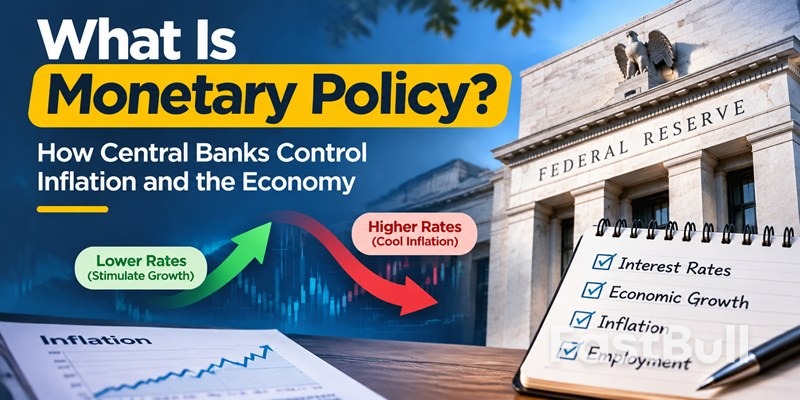
          What Is Monetary Policy? How Central Banks Control Inflation and the Economy_1

          What Is Monetary Policy?

          Monetary policy refers to the actions a central bank takes to influence the cost and availability of money and credit in an economy. Its purpose is to maintain price stability and support sustainable economic activity.

          Central banks do not directly control the prices consumers pay or the number of workers businesses hire. Instead, they influence financial conditions, primarily through interest rates, which affect how much people borrow, spend, save, and invest.

          Consider a simple example. If inflation is rising because consumers and businesses are spending faster than the economy can supply goods and services, a central bank may raise interest rates. Higher borrowing costs can discourage spending and reduce pressure on prices. If the economy is slowing and unemployment is increasing, the central bank may lower rates to encourage borrowing and investment.

          These decisions are monetary policy in action.

          What Are the Main Goals of Monetary Policy?

          The central goal of monetary policy is to keep the economy stable, although specific responsibilities differ across countries.

          In the United States, the Federal Reserve has two primary monetary policy goals, commonly called its dual mandate:

          • Price stability: Maintaining low and predictable inflation so households and businesses can plan their spending and investments with greater confidence.
          • Maximum employment: Supporting the highest level of employment the economy can sustain without creating persistent inflationary pressure.

          The Federal Reserve targets inflation of 2% over the longer run, measured by the Personal Consumption Expenditures (PCE) price index. This does not mean prices should fall by 2% or remain completely unchanged. It means the overall price level should rise at a relatively slow, predictable pace.

          These goals can sometimes conflict. Lower interest rates may support hiring but also increase inflation. Higher rates may control inflation but weaken employment. Policymakers must weigh these effects rather than pursue one goal without considering the other.

          Who Controls Monetary Policy?

          Monetary policy is generally managed by a country's central bank, not directly by its government.

          In the United States, the Federal Reserve conducts monetary policy. Its Federal Open Market Committee (FOMC) decides the target range for the federal funds rate, a benchmark that influences borrowing costs throughout the economy.

          Other central banks perform similar functions, including the European Central Bank (ECB) in the euro area and the Bank of England (BoE) in the United Kingdom. Their mandates and policy frameworks differ, but controlling inflation is a central responsibility.

          Governments influence the economy through taxation and public spending. Those decisions belong to fiscal policy, which is different from monetary policy.

          How Does Monetary Policy Work?

          Monetary policy works by changing financial conditions rather than directly ordering businesses to adjust prices or consumers to spend less.

          Interest rates are the main channel. When a central bank changes its policy rate, the effects spread through financial markets, commercial banks, household borrowing, and business investment. These changes influence demand for goods and services, which eventually affects employment and inflation.

          How Interest Rates Affect Inflation and Economic Growth

          Suppose inflation is running above the central bank's target. Raising interest rates makes borrowing more expensive. Some households delay purchasing homes or cars, while businesses reconsider expansion plans that depend on loans.

          As spending and investment slow, demand puts less pressure on the economy's productive capacity. Businesses may find it harder to raise prices without losing customers, allowing inflation to ease.

          The process generally follows this pattern:

          Higher interest rates → More expensive borrowing → Slower spending and investment → Weaker demand → Lower inflationary pressure.

          Lower interest rates generally work in the opposite direction. They can encourage borrowing and spending, supporting economic growth when demand is weak.

          However, monetary policy does not produce immediate or guaranteed results. It can take months or longer for interest rate changes to affect economic activity and inflation. Longer-term borrowing rates also depend on expectations about future rates, inflation, and financial risks.

          There are limits to what interest rates can achieve. For example, if oil prices rise because of a disruption in global supply, raising rates cannot produce more oil. It can reduce broader demand and prevent inflation from spreading, but it cannot directly resolve the shortage.

          Another important distinction is that lower inflation does not necessarily mean lower prices. If inflation falls from 6% to 2%, prices are still rising, just more slowly than before.

          How Monetary Policy Affects Borrowing, Savings, and Employment

          The effects of monetary policy extend beyond inflation statistics. They influence financial decisions that households and businesses make every day.

          • Mortgages and loans: Higher market interest rates generally increase the cost of new mortgages, car loans, and business financing. Existing fixed-rate loans may be unaffected, while variable-rate borrowers can experience changes more quickly.
          • Savings: Higher policy rates can lead to better returns on savings accounts and short-term deposits, although banks do not always pass along the full increase. Lower rates generally reduce these returns.
          • Business investment: Companies become more cautious about borrowing to open stores, purchase equipment, or expand operations when financing becomes expensive.
          • Employment: Weaker consumer demand and reduced business investment can slow hiring. Conversely, stronger spending may encourage businesses to expand and create jobs.

          These effects are connected. A business facing higher loan costs may postpone opening another location. That decision reduces demand for equipment, construction services, and additional workers.

          Monetary policy therefore affects employment and economic growth indirectly, even though the central bank does not determine individual wages, loan rates, or hiring decisions.

          Expansionary vs. Contractionary Monetary Policy

          Central banks adjust monetary policy according to economic conditions. When growth is weak, they may try to stimulate spending and investment. When inflation is persistently high, they may try to reduce demand.

          These two approaches are known as expansionary monetary policy and contractionary monetary policy.

          When Do Central Banks Use Expansionary Monetary Policy?

          Expansionary monetary policy is generally used when economic activity is weak, unemployment is rising, or inflation is below the central bank's target.

          Central banks can lower policy interest rates or use other measures to ease financial conditions. The aim is to make borrowing and investment more attractive, encouraging households and businesses to increase spending.

          For example, during an economic downturn, a company might delay expanding because sales are falling. Lower financing costs can make new investment more affordable, especially if the company expects demand to recover.

          However, lower rates cannot guarantee stronger growth. If businesses are pessimistic about future sales or consumers are worried about losing their jobs, they may avoid borrowing even when credit is inexpensive.

          Expansionary policy also carries inflation risks. If demand rises faster than the economy can increase production, prices may begin climbing too quickly.

          When Do Central Banks Use Contractionary Monetary Policy?

          Contractionary monetary policy is used when inflation is too high or economic demand is growing at an unsustainable pace.

          Central banks typically raise policy interest rates or tighten financial conditions through other tools. This discourages some borrowing and spending, helping bring demand closer to the economy's available supply.

          For example, if strong consumer demand is allowing businesses to raise prices repeatedly, higher borrowing costs can reduce purchases financed by credit. As demand moderates, businesses may have less room to increase prices.

          The trade-off is slower economic activity. If monetary policy becomes too restrictive, businesses may reduce investment, hiring may weaken, and the economy could enter a recession.

          The difference between the two approaches is summarized below.

          FeatureExpansionary PolicyContractionary Policy
          Main PurposeStimulate economic activityReduce inflationary pressure
          Typical ConditionsWeak growth, rising unemployment, or low inflationHigh inflation or excessive demand
          Interest Rate DirectionGenerally lowerGenerally higher
          Borrowing and SpendingEncouragedDiscouraged
          Employment ImpactMay support hiringMay slow hiring
          Main RiskExcessive inflationRecession and higher unemployment

          Neither approach is inherently better. The appropriate policy depends on whether the economy needs stronger demand or relief from inflationary pressure. Central banks may also keep policy unchanged while assessing whether earlier decisions are having their intended effects.

          What Tools Do Central Banks Use?

          Central banks use several tools to influence interest rates, credit conditions, and the amount of liquidity in the financial system. The exact tools vary by country, but interest rates and open market operations are among the most important.

          Interest Rates and Open Market Operations

          The main monetary policy tool used by the Federal Reserve is its target range for the federal funds rate. This is the interest rate banks charge each other for overnight loans of reserve balances.

          Although the Fed does not directly set mortgage rates, credit card rates, or business loan rates, changes in the federal funds rate influence borrowing costs across financial markets. Banks adjust their lending and deposit rates as funding conditions change.

          The Fed uses several mechanisms to keep short-term market rates within its target range. These include:

          • Interest on Reserve Balances (IORB): The interest the Fed pays banks on the funds they hold in reserve accounts. Changing this rate influences the rates banks are willing to accept when lending money overnight.
          • Overnight Reverse Repurchase Facility: This allows eligible financial institutions, including money market funds, to place funds with the Fed overnight at a specified rate. It helps establish a floor for certain short-term market rates.

          Another important tool is open market operations. These involve the Federal Reserve buying or selling government securities, or conducting short-term repurchase agreements, to manage liquidity and support its interest rate targets.

          For example, when the Fed buys securities, it adds reserve balances to the banking system. When it conducts operations that absorb reserves, it reduces available liquidity. These operations help the Fed implement its monetary policy decisions.

          Quantitative Easing, Quantitative Tightening, and Other Tools

          When adjusting short-term interest rates is not enough to influence financial conditions, central banks can use other measures, including quantitative easing (QE) and quantitative tightening (QT).

          • Quantitative Easing (QE): The central bank purchases large amounts of longer-term government bonds or other securities. These purchases increase demand for the assets and can push down longer-term interest rates, making mortgages and business financing more affordable.
          • Quantitative Tightening (QT): The central bank reduces its balance sheet, usually by allowing securities to mature without fully reinvesting the proceeds. This gradually reduces the central bank's holdings and can tighten financial conditions.

          QE is generally used when an economy needs additional monetary support, particularly when short-term interest rates are already very low. QT is more commonly used when policymakers want to gradually withdraw some of the monetary support provided through earlier asset purchases.

          Other tools include the discount window, through which eligible banks can borrow directly from the Federal Reserve to address short-term funding needs, and forward guidance, which communicates the central bank's likely future policy direction to influence market expectations.

          One distinction is important when looking at U.S. monetary policy: although reserve requirements are often listed in traditional explanations of central bank tools, the Federal Reserve reduced reserve requirement ratios to zero in March 2020. They are not a primary tool in its current operating framework.

          The Fed also ended its balance sheet reduction process on December 1, 2025. Therefore, QT is useful to understand as a monetary policy tool, but it should not be confused with an ongoing Fed policy as of November 2026.

          For a complete overview, see the Federal Reserve's monetary policy tools.

          How Does the Federal Reserve Make Monetary Policy Decisions?

          The Federal Reserve does not raise or lower interest rates simply because inflation changes in one month. Its policymakers examine a range of economic indicators to determine whether the economy needs tighter or looser financial conditions.

          What Factors Influence the Fed's Interest Rate Decisions?

          The Federal Open Market Committee (FOMC) is responsible for setting the direction of U.S. monetary policy. It holds eight regularly scheduled meetings each year to review economic conditions and decide whether to change its policy stance.

          Several factors influence these decisions:

          • Inflation: The Fed examines whether price increases are slowing, accelerating, or remaining above its 2% longer-run target. It also considers whether inflation is broad-based or concentrated in specific categories.
          • Employment: Job creation, unemployment, wage growth, and labor market conditions help policymakers assess whether the economy is overheating or losing momentum.
          • Economic growth: GDP, consumer spending, and business investment show whether overall demand is expanding at a sustainable pace.
          • Inflation expectations: If households and businesses expect prices to keep rising, workers may seek higher wages and companies may increase prices in advance. These expectations can make inflation harder to control.
          • Financial conditions: Credit availability, borrowing costs, asset prices, and broader market conditions help the Fed understand how its previous decisions are affecting the economy.

          The Fed must also consider how long monetary policy takes to work. An interest rate increase may affect new borrowing relatively quickly, but its full impact on consumer spending, business investment, hiring, and inflation can take much longer to appear.

          This is why policymakers look at both current economic data and the likely direction of the economy. Raising rates too aggressively can weaken employment and growth, while waiting too long to address persistent inflation can allow price pressures to become more entrenched.

          What Is the Fed's Current Monetary Policy?

          As of November 13, 2026, the Federal Reserve's latest monetary policy decision was announced on October 28, 2026. The FOMC voted 10–2 to maintain the federal funds rate target range at 3.75% to 4.00%.

          The Committee said economic activity was expanding at a strong pace, supported by resilient domestic spending, productivity growth, and business investment. Job gains had kept pace with the workforce, while inflation remained elevated relative to the Fed's 2% goal.

          The decision was not unanimous. Two FOMC members, Lisa D. Cook and Beth M. Hammack, preferred to raise the target range by another 0.25 percentage point rather than leave rates unchanged.

          This decision illustrates an important point: monetary policy is not determined by inflation alone. The Fed must weigh price stability against employment and economic growth, particularly when different indicators suggest different policy responses.

          Future rate decisions will depend on incoming economic data and how inflation and employment develop. The Fed does not follow a fixed schedule of rate increases or cuts simply because a particular number of months has passed.

          You can check the October 28, 2026 FOMC statement for the official decision and its economic assessment.

          Monetary Policy vs. Fiscal Policy: What's the Difference?

          Monetary policy and fiscal policy are two major ways governments influence economic activity, but they work through different channels and are controlled by different institutions.

          Monetary policy is managed by a country's central bank and mainly influences interest rates, credit conditions, and financial liquidity. Fiscal policy is determined by the government through taxation, public spending, and borrowing.

          In the United States, the Federal Reserve manages monetary policy, while Congress and the Administration make fiscal policy decisions.

          FeatureMonetary PolicyFiscal Policy
          Who Controls It?Central bank, such as the Federal ReserveGovernment, including Congress and the Administration in the U.S.
          Main ToolsInterest rates, open market operations, and asset purchasesTaxes, government spending, and transfers
          Primary FocusPrice stability and employmentEconomic growth, public services, income support, and employment
          How It Affects the EconomyChanges borrowing costs, credit conditions, and spending incentivesChanges household income, business incentives, and public demand
          ExampleThe Fed raises interest rates to reduce inflationary pressureThe government increases infrastructure spending to support economic activity

          The two policies can work together, but they can also pull the economy in different directions.

          For example, during a recession, the government may increase public spending to support jobs and consumer demand, while the central bank lowers interest rates to encourage private borrowing and investment. Both actions can support economic recovery.

          However, if the government increases spending significantly while inflation is already high, the central bank may need to maintain higher interest rates or tighten monetary policy to prevent additional demand from pushing prices up.

          In short, monetary policy influences the cost and availability of money and credit, while fiscal policy directly changes government revenue and spending. Both affect economic growth, but they do so through different mechanisms.

          For more details, see the Federal Reserve's explanation of the difference between monetary policy and fiscal policy.

          Conclusion

          Monetary policy influences inflation, employment, and economic growth by changing interest rates and financial conditions. Understanding how central banks use these tools helps explain why their decisions affect borrowing, saving, business investment, and the wider economy.

          Risk Warnings and Disclaimers
          You understand and acknowledge that there is a high degree of risk involved in trading. Following any strategies or investment methods may lead to potential losses. The content on the site is provided by our contributors and analysts for information purposes only. You are solely responsible for determining whether any trading assets, securities, strategy, or any other product is suitable for investing based on your own investment objectives and financial situation.
          Add to Favorites
          Share
          FastBull
          Copyright © 2026 FastBull Ltd

          728 RM B 7/F GEE LOK IND BLDG NO 34 HUNG TO RD KWUN TONG KLN HONG KONG

          TelegramInstagramTwitterfacebooklinkedin
          App Store Google Play Android Windows
          Products
          Charts

          Chats

          Q&A with Experts
          Screeners
          Economic Calendar
          Data
          Tools
          Membership
          Features
          Function
          Markets
          Copy Trading
          Latest Signals
          Contests
          24/7
          Analysis
          Education
          Company
          Careers
          About Us
          Contact Us
          Advertising
          Download FastBull
          Help Center
          Feedback
          User Agreement
          Privacy Policy
          Personal Information Protection Statement
          Business

          White Label

          Broker API

          Data API

          Web Plug-ins

          Poster Maker

          Affiliate Program

          Risk Disclosure

          The risk of loss in trading financial instruments such as stocks, FX, commodities, futures, bonds, ETFs and crypto can be substantial. You may sustain a total loss of the funds that you deposit with your broker. Therefore, you should carefully consider whether such trading is suitable for you in light of your circumstances and financial resources.

          No decision to invest should be made without thoroughly conducting due diligence by yourself or consulting with your financial advisors. Our web content might not suit you since we don't know your financial conditions and investment needs. Our financial information might have latency or contain inaccuracy, so you should be fully responsible for any of your trading and investment decisions. The company will not be responsible for your capital loss.

          Without getting permission from the website, you are not allowed to copy the website's graphics, texts, or trademarks. Intellectual property rights in the content or data incorporated into this website belong to its providers and exchange merchants.

          Not Logged In

          Log in to access more features

          Connect Broker
          Become a signal provider
          Help Center
          Customer Service
          Dark Mode
          Price Up/Down Colors

          Log In

          Sign Up

          Position
          Layout
          Fullscreen
          Default to Chart
          The chart page opens by default when you visit fastbull.com