• Trade
  • Markets
  • Copy
  • Contests
  • 24/7
  • Calendar
  • Q&A
  • Chats
Screeners
SYMBOL
LAST
BID
ASK
HIGH
LOW
NET CHG.
%CHG.
SPREAD
SOURCE
SPX
S&P 500 Index
7592.40
7592.40
7592.40
7652.76
7550.84
-26.98
-0.35%
--
--
DJI
Dow Jones Industrial Average
52297.09
52297.09
52297.09
52751.22
52271.16
-189.40
-0.36%
--
--
IXIC
NASDAQ Composite Index
25366.08
25366.08
25366.08
25597.23
25068.28
-100.10
-0.39%
--
--
USDX
US Dollar Index
103.117
103.117
103.197
103.173
102.940
+0.047
+ 0.05%
--
--
EURUSD
Euro / US Dollar
1.10477
1.10477
1.10486
1.10725
1.10426
-0.00065
-0.06%
--
--
GBPUSD
Pound Sterling / US Dollar
1.32283
1.32283
1.32295
1.32500
1.32177
-0.00064
-0.05%
--
--
XAUUSD
Gold / US Dollar
3891.39
3891.39
3891.80
3922.97
3872.76
+14.30
+ 0.37%
--
--
WTI
Light Sweet Crude Oil
88.324
88.324
88.354
88.402
86.859
+0.579
+ 0.66%
--
--

Community Accounts

Signal Accounts
--
Profit Accounts
--
Loss Accounts
--
View More

Become a signal provider

Sell trading signals to earn additional income

View More

Guide to Copy Trading

Get started with ease and confidence

View More

Signal Accounts for Members

All Signal Accounts

Best Return
  • Best Return
  • Best P/L
  • Best MDD
Past 1W
  • Past 1W
  • Past 1M
  • Past 1Y

All Contests

  • All
  • Recommend
  • Stocks
  • Cryptocurrencies
  • Central Banks
  • Trump Updates
  • Featured News
Top News Only
Share

According To Israeli Sources, The Israeli Military And Shin Bet, Israel's National Security Directorate (NSD), Killed More Than 10 Militants And Destroyed A Weapons Manufacturing Facility In The Gaza Strip Over The Past Week. Some Of These Militants Had Infiltrated Israel During The October 7 Attacks

Share

The Central Bank Of Chile Sold $75 Million In Foreign Exchange Forward Contracts At An Average Exchange Rate Of 1,000.51 Chilean Pesos Per US Dollar

Share

According To Local Sources, An Attack By Militants In Western Niger Has Killed At Least 37 Civilians

Share

The Most Active Fuel Oil Futures Contract Rose 3% Intraday, Currently Trading At 4236.00 Yuan

Share

UBS Has Given Hygon Information A Neutral Initial Rating With A Target Price Of RMB 215

Share

U.S. Natural Gas Futures Fell More Than 3.00%, Currently Trading At $3.632 Per Million British Thermal Units

Share

Spot Silver Fell More Than 1.00% On The Day, Currently Trading At $49.55 Per Ounce

Share

Boston Federal Reserve President Collins: Interest Rate Hikes Could Harm Housing Affordability

Share

Boston Federal Reserve President Collins Stated That Combating Inflation Is A Higher Priority Than The Housing Crisis

Share

Boston Federal Reserve President Collins: Increased Productivity Helps Curb Some Inflationary Pressures

Share

Boston Federal Reserve President Collins: Ensuring Price Stability Is A Long-term Positive For The Housing Market

Share

The French Foreign Ministry Stated That It Is Necessary To Increase Pressure On The Houthi Rebels In Yemen To Compel Them To Cease Their Unacceptable Attacks, Particularly Those Against Saudi Arabia

Share

Brazilian Central Bank Governor Gallipolo: We Have Not Yet Taken Into Account The Tax Rate Impact Of The Consumption Tax Reform

Share

Bank Of America Global Research Has Included A 25 Basis Point Rate Hike By The Federal Reserve In January 2027 In Its Forecast; It Currently Expects Rate Hikes In December, January, And March 2026

Share

According To Reports, The Israeli Army Carried Out A Large-scale Demolition Operation In The Town Of Khiam And Near Zautar Gharbiah In Southern Lebanon

Share

John Collins, A 2028 FOMC Voting Member And President Of The Federal Reserve Bank Of Boston, Will Deliver The Opening Remarks At The 70th Annual Economic Conference Hosted By The Federal Reserve Bank Of Boston In Ten Minutes

Share

Brazilian Central Bank's Monetary Policy Director, Galiboro, Stated That Inflation Exceeding The Target Range Is A Major Concern For The Central Bank, But It Remains Less Than One Percentage Point Lower Than US Interest Rates

Share

The U.S. Navy Issued A Statement Regarding The Return Of The Destroyer After 11 Months

Share

The US Navy Destroyer USS Michael Murphy Returned Home After Completing Its Deployment In The Middle East

Share

The Main Alumina Contract Fell 2.00% During The Day, Currently Trading At 2579 Yuan/ton

TIME
ACT
FCST
PREV
IMPACT
U.S. EIA Weekly Gasoline Stocks Change

A:--

F: --

P: --

WTI
  • WTI
  • XAUUSD
  • XAGUSD
  • USDX
U.S. EIA Weekly Crude Oil Imports Changes

A:--

F: --

P: --

WTI
  • WTI
  • XAUUSD
  • XAGUSD
  • USDX
U.S. EIA Weekly Heating Oil Stock Changes

A:--

F: --

P: --

WTI
  • WTI
  • XAUUSD
  • XAGUSD
  • USDX
U.S. 30-Year Bond Auction Avg. Yield

A:--

F: --

P: --

XAUUSD
  • XAUUSD
  • XAGUSD
  • WTI
  • USDX
U.S. Budget Balance (Oct)

A:--

F: --

P: --

USDX
  • USDX
  • XAUUSD
  • XAGUSD
  • WTI
Argentina CPI MoM (Oct)

A:--

F: --

P: --

XAUUSD
  • XAUUSD
  • XAGUSD
  • WTI
  • USDX
U.S. Weekly Treasuries Held by Foreign Central Banks

A:--

F: --

P: --

USDX
  • USDX
  • XAUUSD
  • XAGUSD
  • WTI
New York Federal Reserve President Williams delivered a speech.
France HICP Final MoM (Oct)

A:--

F: --

P: --

EURUSD
  • EURUSD
  • XAUUSD
  • XAGUSD
  • WTI
  • USDX
China, Mainland Outstanding Loans Growth YoY (Oct)

A:--

F: --

P: --

XAUUSD
  • XAUUSD
  • XAGUSD
  • WTI
  • USDX
IEA Oil Market Report
China, Mainland M2 Money Supply YoY (Oct)

A:--

F: --

P: --

XAUUSD
  • XAUUSD
  • XAGUSD
  • WTI
  • USDX
China, Mainland M0 Money Supply YoY (Oct)

A:--

F: --

P: --

XAUUSD
  • XAUUSD
  • XAGUSD
  • WTI
  • USDX
China, Mainland M1 Money Supply YoY (Oct)

A:--

F: --

P: --

XAUUSD
  • XAUUSD
  • XAGUSD
  • WTI
  • USDX
China, Mainland Social Financing Scale (Oct)

A:--

F: --

P: --

XAUUSD
  • XAUUSD
  • XAGUSD
  • WTI
  • USDX
Euro Zone Trade Balance (Not SA) (Sept)

A:--

F: --

P: --
EURUSD
  • EURUSD
  • XAUUSD
  • XAGUSD
  • WTI
  • USDX
Euro Zone Trade Balance (SA) (Sept)

A:--

F: --

P: --
EURUSD
  • EURUSD
  • XAUUSD
  • XAGUSD
  • WTI
  • USDX
Euro Zone Employment YoY (SA) (Q3)

A:--

F: --

P: --

EURUSD
  • EURUSD
  • XAUUSD
  • XAGUSD
  • WTI
  • USDX
Euro Zone GDP Revised YoY (Q3)

A:--

F: --

P: --

India Deposit Gowth YoY

A:--

F: --

P: --

XAUUSD
  • XAUUSD
  • XAGUSD
  • WTI
  • USDX
Brazil Retail Sales MoM (Sept)

A:--

F: --

P: --

XAUUSD
  • XAUUSD
  • XAGUSD
  • WTI
  • USDX
Canada Wholesale Sales MoM (SA) (Sept)

A:--

F: --

P: --
USDCAD
  • USDCAD
  • XAUUSD
  • XAGUSD
  • WTI
  • USDX
Canada Wholesale Sales YoY (Sept)

A:--

F: --

P: --

USDCAD
  • USDCAD
  • XAUUSD
  • XAGUSD
  • WTI
  • USDX
Canada Manufacturing Unfilled Orders MoM (Sept)

A:--

F: --

P: --

USDCAD
  • USDCAD
  • XAUUSD
  • XAGUSD
  • WTI
  • USDX
Canada Manufacturing New Orders MoM (Sept)

A:--

F: --

P: --
USDCAD
  • USDCAD
  • XAUUSD
  • XAGUSD
  • WTI
  • USDX
U.S. PPI MoM (SA) (Oct)

A:--

F: --

P: --
USDX
  • USDX
  • XAUUSD
  • XAGUSD
  • WTI
U.S. PPI YoY (Oct)

A:--

F: --

P: --

USDX
  • USDX
  • XAUUSD
  • XAGUSD
  • WTI
U.S. Core PPI MoM (SA) (Oct)

A:--

F: --

P: --
USDX
  • USDX
  • XAUUSD
  • XAGUSD
  • WTI
U.S. Core PPI YoY (Oct)

A:--

F: --

P: --

USDX
  • USDX
  • XAUUSD
  • XAGUSD
  • WTI
Canada Manufacturing Inventory MoM (Sept)

A:--

F: --

P: --

USDCAD
  • USDCAD
  • XAUUSD
  • XAGUSD
  • WTI
  • USDX
Canada Wholesale Inventory MoM (Sept)

A:--

F: --

P: --

USDCAD
  • USDCAD
  • XAUUSD
  • XAGUSD
  • WTI
  • USDX
Canada Wholesale Inventory YoY (Sept)

A:--

F: --

P: --

USDCAD
  • USDCAD
  • XAUUSD
  • XAGUSD
  • WTI
  • USDX
U.S. EIA Weekly Natural Gas Stocks Change

--

F: --

P: --

Russia CPI YoY (Oct)

--

F: --

P: --

U.S. Weekly Total Rig Count

--

F: --

P: --

U.S. Weekly Total Oil Rig Count

--

F: --

P: --

Saudi Arabia CPI YoY (Oct)

--

F: --

P: --

Japan Real GDP QoQ (Q3)

--

F: --

P: --

Japan Nominal GDP Prelim QoQ (Q3)

--

F: --

P: --

U.K. Rightmove House Price Index YoY (Nov)

--

F: --

P: --

China, Mainland Industrial Output YoY (YTD) (Oct)

--

F: --

P: --

China, Mainland Urban Area Unemployment Rate (Oct)

--

F: --

P: --

Japan Industrial Output Final MoM (Sept)

--

F: --

P: --

Japan Industrial Output Final YoY (Sept)

--

F: --

P: --

Euro Zone Industrial Output YoY (Sept)

--

F: --

P: --

Euro Zone Industrial Output MoM (Sept)

--

F: --

P: --

Euro Zone Total Reserve Assets (Oct)

--

F: --

P: --

Canada National Economic Confidence Index

--

F: --

P: --

U.S. NY Fed Manufacturing Prices Received Index (Nov)

--

F: --

P: --

U.S. NY Fed Manufacturing New Orders Index (Nov)

--

F: --

P: --

Canada Core CPI YoY (Oct)

--

F: --

P: --

Canada Core CPI MoM (Oct)

--

F: --

P: --

Q&A with Experts
    • All
    • Chatrooms
    • Groups
    • Friends
    The Apache flag
    john
    @The Apache what is your plan ? What levels are you watching?
    @johnsilver indeed
    john flag
    Sanjeev Ku
    nhow 3875
    @Sanjeev Kulooking at the current H4 gold seems poised for a further move lower
    john flag
    @The Apache But again it's Friday so let's proceed carefully whatsoever
    john flag
    The Apache
    @johnsilver indeed
    @The Apache So how are you positioned in silver at the moment
    "The Apache " recalled a message
    The Apache flag
    bearish
    The Apache flag
    john
    @The Apache So how are you positioned in silver at the moment
    @johnselling
    Sanjeev Ku flag
    john
    @Sanjeev Kulooking at the current H4 gold seems poised for a further move lower
    @john yeh bro. on days like today. place strict and non neogiable sl and ride the trade with some tgt in mind. by non negotiable i mean to say that no change in sl. some changes sl when price approaching there sl no. if hits ok tata bye bye thank you. see you later. see you later not to sl but instrument haha
    Osaghae Cephas flag
    Sanjeev Ku
    @john yeh bro. on days like today. place strict and non neogiable sl and ride the trade with some tgt in mind. by non negotiable i mean to say that no change in sl. some changes sl when price approaching there sl no. if hits ok tata bye bye thank you. see you later. see you later not to sl but instrument haha
    @Sanjeev Ku😂😖 what are u saying mate..
    EuroTrader flag
    Fawad Khan
    @EuroTradercan you tell me data is against USD or in favour of USD?
    @Fawad Khan data is definitely not good for the United States dollar. Dollar should be weak going forward
    EuroTrader flag
    EuroTrader flag
    Oscar
    @EuroTraderbro do you have another pair you can recommend to me
    @OscarThrse pairs I shared are the ones I trade asides Bitcoin and eth and Eurusd . You can trade Nasdaq and us500but they are not high probability to me
    Osaghae Cephas flag
    Sanjeev Ku
    @john yeh bro. on days like today. place strict and non neogiable sl and ride the trade with some tgt in mind. by non negotiable i mean to say that no change in sl. some changes sl when price approaching there sl no. if hits ok tata bye bye thank you. see you later. see you later not to sl but instrument haha
    @Sanjeev Kuwill the trend continue lover... or it will keep buying before going lower lemme know so I could close or can
    Osaghae Cephas flag
    EuroTrader flag
    EuroTrader
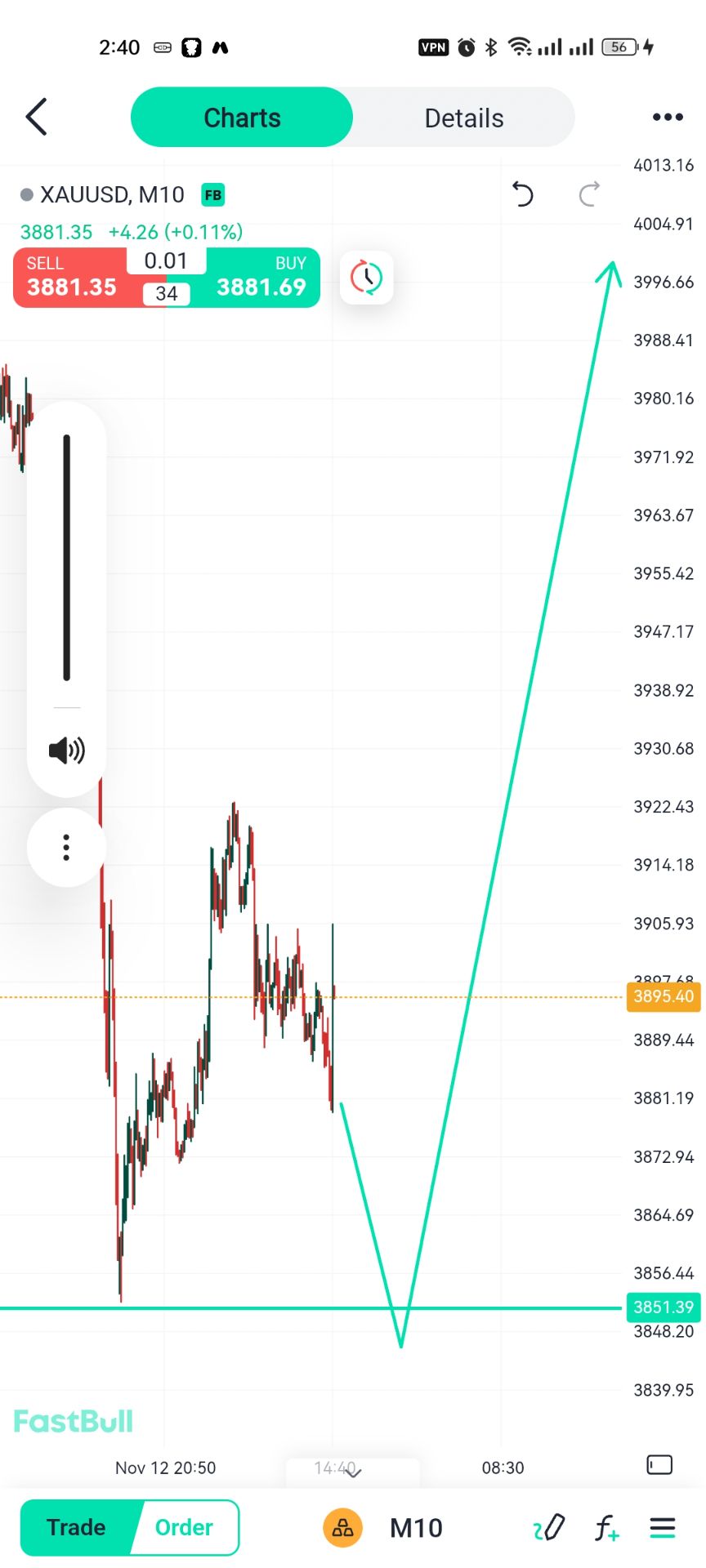
    This is the plan for the shiny metal called gold,it's gonna drop them continue higher @The Apache @Matthew
    EuroTrader flag
    Osaghae Cephas
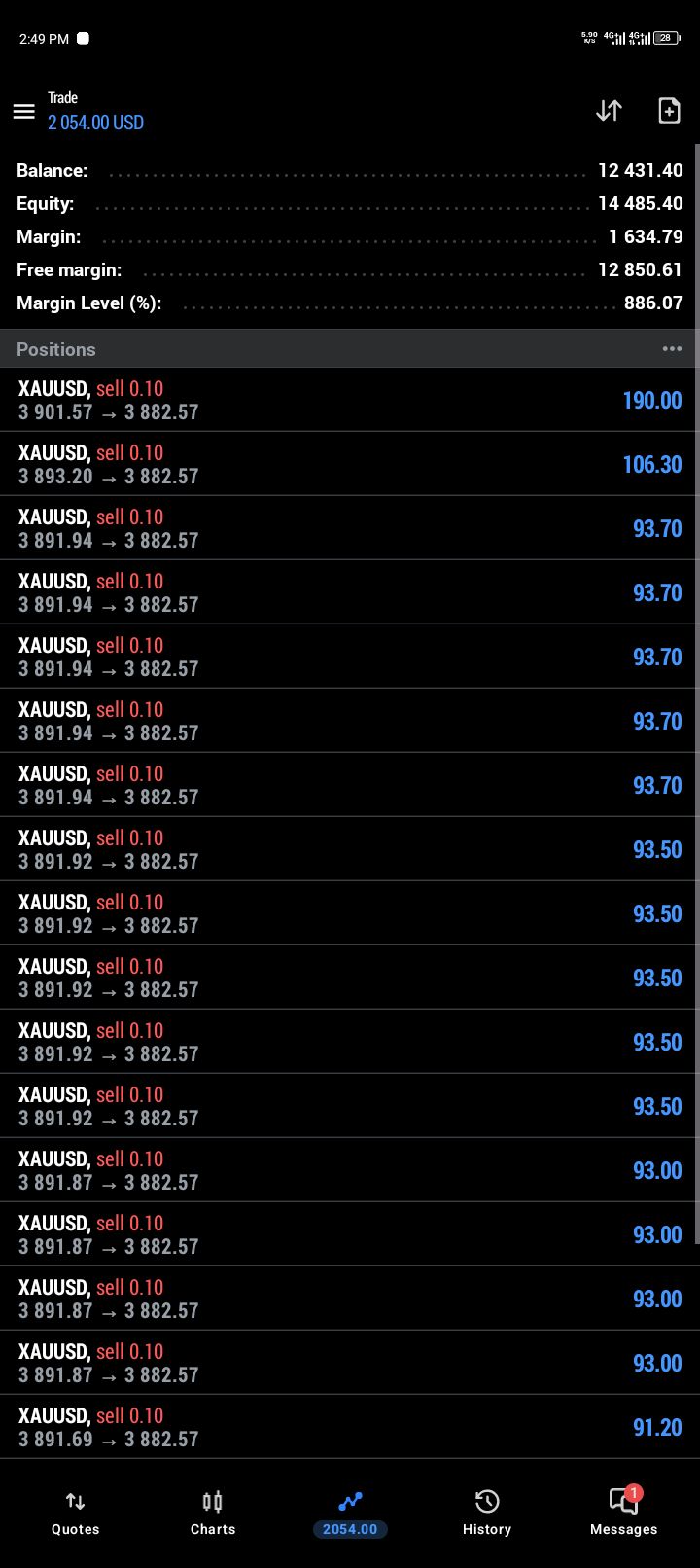
    @Osaghae CephasAm proud of you my brother. You made the call and you put a skin in the game on the call
    Osaghae Cephas flag
    EuroTrader
    @OscarThrse pairs I shared are the ones I trade asides Bitcoin and eth and Eurusd . You can trade Nasdaq and us500but they are not high probability to me
    @EuroTraderwhy is it that the call I'll will give that will make u some bucks u won't take it but the one that might give you losses you'll take it💔💔😂 what's the logic behind it? is it the universe or something🤦
    Osaghae Cephas flag
    EuroTrader
    @Osaghae CephasAm proud of you my brother. You made the call and you put a skin in the game on the call
    @EuroTraderof course
    EuroTrader flag
    Matthew
    @EuroTraderBitcoin is bullish?.
    @Matthewhow are you doing brother. Bitcoin has some inclination to head to the upside do I'll just wait patiently to see if my king entry is verified
    EuroTrader flag
    Osaghae Cephas
    @EuroTraderwhy is it that the call I'll will give that will make u some bucks u won't take it but the one that might give you losses you'll take it💔💔😂 what's the logic behind it? is it the universe or something🤦
    @Osaghae Cephasthsys just 9 pipzmy brother. It hasn't moved. You see the lot size you using? Where is your stop loss on the trade
    Type here...
    Add Symbol or Code

      No matching data

      All
      Recommend
      Stocks
      Cryptocurrencies
      Central Banks
      Trump Updates
      Featured News
      • All
      • Russia-Ukraine Conflict
      • Middle East Flashpoint
      • All
      • Russia-Ukraine Conflict
      • Middle East Flashpoint
      Search
      Products

      Charts Free Forever

      Chats Q&A with Experts
      Screeners Economic Calendar Data Tools
      Membership Features
      Data Warehouse Market Trends Institutional Data Policy Rates Macro

      Market Trends

      Market Sentiment Order Book Forex Correlations

      Top Indicators

      Charts Free Forever
      Markets

      News

      24/7 Analysis Education

      Latest Views

      Latest Update

      Signals

      Copy Rankings Latest Signals Become a signal provider AI Rating
      Contests
      Brokers

      Overview Brokers Assessment Rankings Regulators News Claims
      Broker listing Forex Brokers Comparison Tool Live Spread Comparison Scam
      Q&A Complaint Scam Alert Videos Tips to Detect Scam
      More

      Business
      Events
      Careers About Us Advertising Help Center

      White Label

      Broker API

      Data API

      Web Plug-ins

      Affiliate Program

      Awards Institution Evaluation IB Seminar Salon Event Exhibition
      Vietnam Thailand Singapore Dubai
      Fans Party Investment Sharing Session
      FastBull Summit BrokersView Expo
      Recent Searches
        Top Searches
          Markets
          Analysis
          User
          24/7
          Economic Calendar
          Education
          Data
          • Names
          • Latest
          • Prev

          View All

          No data

          Scan to Download

          Faster Charts, Chat Faster!

          Download
          English
          • English
          • Español
          • العربية
          • Bahasa Indonesia
          • Bahasa Melayu
          • Tiếng Việt
          • ภาษาไทย
          • Français
          • Italiano
          • Türkçe
          • Русский язык
          • 简中
          • 繁中
          Open Account
          Search
          Products
          Charts Free Forever
          Markets
          News
          Signals

          Copy Rankings Latest Signals Become a signal provider AI Rating
          Contests
          Brokers

          Overview Brokers Assessment Rankings Regulators News Claims
          Broker listing Forex Brokers Comparison Tool Live Spread Comparison Scam
          Q&A Complaint Scam Alert Videos Tips to Detect Scam
          More

          Business
          Events
          Careers About Us Advertising Help Center

          White Label

          Broker API

          Data API

          Web Plug-ins

          Affiliate Program

          Awards Institution Evaluation IB Seminar Salon Event Exhibition
          Vietnam Thailand Singapore Dubai
          Fans Party Investment Sharing Session
          FastBull Summit BrokersView Expo

          How Does Inflation Happen? Why Is U.S. Inflation So High?

          zhan chen
          Summary:

          How does inflation happen? Learn what causes prices to rise, why U.S. inflation remains a concern, who it affects most, and what makes inflation go down.

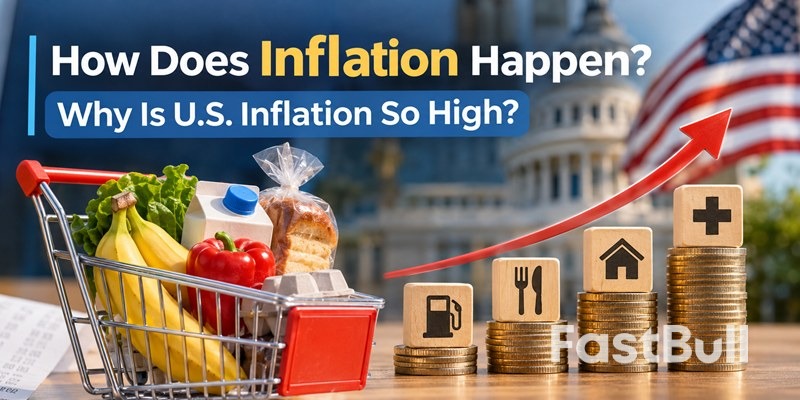
          Inflation happens when prices rise across the economy over time, reducing what each dollar can buy. It can result from stronger consumer demand, higher production costs, or an increase in the money supply relative to economic output. Understanding these causes also helps explain why inflation sometimes persists even after the original problem has eased.
          How Does Inflation Happen? Why Is U.S. Inflation So High?_1

          How Does Inflation Happen?

          Inflation occurs when the overall price level of goods and services increases. Imagine a grocery store where a basket of everyday items costs $100. If the same basket costs $105 a year later, its price has increased by 5%.

          But inflation is not simply one product becoming more expensive. Gasoline prices might rise because of an oil shortage, while electronics become cheaper. Economists look at price changes across a broad range of products and services to determine whether the economy is experiencing inflation.

          In the United States, the Consumer Price Index (CPI) measures changes in prices paid by urban consumers for a representative basket of goods and services, including food, housing, transportation, and medical care.

          Inflation generally develops through a few connected steps:

          1. Demand increases or supply becomes constrained. Consumers may buy more goods than businesses can produce, or shortages may make products harder to obtain.
          2. Businesses raise prices. When demand exceeds available supply or production becomes more expensive, companies may charge more.
          3. Higher prices spread through the economy. Rising costs for transportation, materials, and labor can affect many industries rather than a single product.
          4. Purchasing power declines. If prices rise faster than household income, consumers can afford fewer goods and services with the same amount of money.

          Does inflation happen every year? Not necessarily. Prices can remain stable or even fall during periods of deflation. However, the United States typically experiences positive inflation, and the Federal Reserve targets 2% annual inflation over the longer run, measured using the Personal Consumption Expenditures (PCE) price index.

          What Are the Main Causes of Inflation?

          Most inflation can be traced to demand growing faster than supply, rising production costs, or expectations that prices will continue increasing. Changes in the money supply can also contribute, particularly when spending expands faster than the economy's ability to produce goods and services.

          Demand-Pull Inflation: When Demand Exceeds Supply

          Demand-pull inflation occurs when consumers, businesses, or governments want to purchase more than the economy can readily produce.

          For example, suppose a car manufacturer can produce 10,000 vehicles per month, but demand suddenly increases to 13,000. If the company cannot expand production quickly, dealerships may raise prices because more buyers are competing for a limited number of vehicles.

          This can happen across the economy when employment is strong, wages increase, borrowing becomes cheaper, or government spending stimulates demand. Businesses may respond by increasing production, but expanding factories, hiring workers, and securing materials takes time.

          The important distinction: Strong demand does not automatically cause inflation. Prices come under greater pressure when demand grows faster than available supply.

          Cost-Push Inflation: When Production Costs Rise

          Cost-push inflation begins when businesses face higher expenses for producing or delivering their products.

          Consider an increase in crude oil prices. Transportation companies pay more for fuel, manufacturers face higher shipping expenses, and retailers may pass some of these costs on to customers.

          Other common sources include:

          • Energy shortages: Higher electricity, natural gas, or fuel costs increase operating expenses.
          • Supply chain disruptions: Shortages of materials or shipping capacity make production and distribution more expensive.
          • Higher import costs: Tariffs or a weaker domestic currency can raise the price of imported goods and components.

          Unlike demand-pull inflation, cost-push inflation can occur even when consumer spending is weak. It can also reduce economic growth because households have less money available for other purchases.

          Inflation Expectations and Rising Prices

          Inflation expectations can make existing price increases harder to reverse.

          If employees expect living costs to rise, they may negotiate higher wages. Businesses anticipating higher labor and material expenses may adjust their prices in advance. Suppliers may also increase contract prices to protect themselves against future costs.

          These decisions can reinforce inflation when higher wages and prices repeatedly influence each other. However, wage increases do not necessarily create inflation. If worker productivity improves at a similar rate, businesses may be able to pay higher wages without raising prices.

          This is why central banks pay attention to inflation expectations: people are more likely to make stable spending, wage, and pricing decisions when they believe inflation will remain under control.

          Why Does Printing More Money Cause Inflation?

          Creating more money can contribute to inflation when it leads to spending that grows faster than the supply of goods and services.

          Imagine an economy producing 1,000 identical products each year. If buyers suddenly have twice as much money to spend but production remains unchanged, they may compete for the same limited supply, pushing prices higher.

          In a real economy, however, the relationship is more complicated. Additional money does not automatically translate into an equal increase in spending or prices. People may save it, banks may hold additional reserves, and businesses may increase output to meet stronger demand.

          Central bank policies also influence inflation through interest rates and credit conditions, not simply through the amount of physical currency printed.

          In short: Money creation is most inflationary when it fuels sustained spending growth without a comparable increase in the economy's productive capacity.

          Why Is U.S. Inflation So High?

          U.S. inflation remains elevated because housing expenses, energy prices, food costs, and other everyday services continue to put pressure on household budgets.

          According to the Bureau of Labor Statistics, consumer prices rose 0.4% in October 2026 after increasing 0.6% in September. The latest available annual CPI rate was 3.7% in September, according to the September CPI report.

          An October 2026 annual CPI rate was not published because the government shutdown prevented data collection in October 2025. Separately, the Federal Reserve's preferred inflation measure, the PCE price index, rose 3.6% over the 12 months ending September 2026, above the Fed's 2% target.

          Energy, Food, and Housing Costs

          Housing is a major source of persistent inflation because rent and housing-related costs account for a large share of household spending.

          In October 2026, shelter prices increased 0.3%, accounting for more than 30% of the monthly CPI increase. Unlike gasoline prices, which can change quickly, rents often adjust gradually as leases expire and new contracts are signed.

          Food and energy also contributed to recent price increases:

          • Food: Prices increased 0.5% in October, including a 0.4% rise in groceries and a 0.5% increase in food away from home.
          • Energy: Prices rose 0.7% in October after jumping 5.2% in September, adding pressure to transportation and household expenses.
          • Housing: Continued increases in shelter costs made it harder for overall inflation to slow.

          These categories matter because households cannot easily stop paying for groceries, housing, or transportation when prices rise.

          Tariffs, Supply Chain Disruptions, and Higher Business Costs

          Import tariffs can increase the cost of foreign-made products and materials. When businesses pay more for imported components, they may absorb part of the increase or pass it on through higher retail prices.

          For example, a manufacturer importing steel or electronic components may face higher production costs. If domestic suppliers also raise their prices or production alternatives are limited, the cost increase can spread to finished products.

          Shipping disruptions and supply shortages can have similar effects by making goods more expensive to transport or harder to obtain.

          However, not every price increase comes from tariffs. Their effect depends on which products are affected, how businesses adjust their supply chains, and how much of the additional cost reaches consumers.

          Consumer Spending and Persistent Service Inflation

          Consumer spending also matters because businesses have more room to increase prices when customers continue buying despite higher costs.

          Service prices can be particularly difficult to bring down. Restaurants, medical providers, insurers, and other service businesses face ongoing expenses such as wages, property costs, and insurance.

          For example, motor vehicle insurance prices increased 0.7% in October 2026, while medical care prices rose 0.3%. These increases show that inflation is not limited to groceries or gasoline.

          As a result, falling prices in one category may not be enough to offset continued increases elsewhere.

          Who Is Hurt Most by Inflation?

          Inflation affects everyone who spends money, but the impact depends heavily on income growth, spending habits, savings, and debt.

          Low-income households are often hit hardest because necessities take up a larger share of their budgets. When rent, groceries, and utilities become more expensive, they have less flexibility to reduce spending without sacrificing essential purchases.

          Retirees and people on fixed incomes can lose purchasing power when their income does not increase as quickly as prices. Even when benefits receive cost-of-living adjustments, those increases may not match an individual's actual expenses.

          Cash savers also face losses in real purchasing power when the interest earned on their savings is lower than inflation. For example, if a savings account earns 2% annually while prices rise 4%, the account balance grows, but its purchasing power declines.

          However, inflation does not affect everyone equally. Workers whose wages rise faster than prices can maintain or improve their purchasing power. Borrowers with fixed-rate debt may also benefit when inflation reduces the real value of future repayments, although higher living costs can offset that advantage.

          The most important question is not simply how much prices increase, but whether someone's income and financial resources can keep up.

          What Makes Inflation Go Down?

          Inflation generally slows when demand becomes more balanced with supply, production costs decrease, or businesses face less pressure to raise prices.

          How the Federal Reserve Uses Interest Rates to Control Inflation

          The Federal Reserve can raise interest rates to make borrowing more expensive. Higher mortgage, auto loan, and business financing costs can discourage spending and investment, reducing demand for goods and services.

          For example, higher mortgage rates may reduce homebuying demand, while more expensive business loans may discourage companies from expanding.

          When demand cools, businesses may find it harder to keep increasing prices. However, monetary policy works gradually, and excessive tightening can weaken employment and economic growth.

          The Fed therefore aims to bring inflation toward its 2% PCE target while supporting maximum employment.

          How Lower Costs and Better Supply Reduce Inflation

          Inflation can also slow without a major decline in consumer demand.

          If energy prices fall, shipping becomes cheaper, or manufacturers increase production, businesses may face less pressure to raise their prices.

          Consider a semiconductor shortage that increases car production costs. When chip supplies recover, automakers can build more vehicles, reducing shortages and improving competition among sellers.

          The same principle applies to food production, transportation capacity, and housing supply. However, lower costs do not guarantee lower retail prices, particularly when other business expenses remain high.

          Does Lower Inflation Mean Prices Will Fall?

          No. Lower inflation usually means prices are rising more slowly, not that they are falling.

          Suppose a product costs $100:

          • With 6% inflation, its price rises to $106 after one year.
          • If inflation falls to 2% the following year, its price rises again to $108.12.
          • Only an actual price decline would make the product cheaper.

          A sustained decline in the overall price level is called deflation. Although lower prices may sound attractive, widespread deflation can create economic problems by encouraging consumers to delay purchases and increasing the real burden of debt.

          For most households, the more realistic improvement comes when inflation slows and wages grow faster than prices, allowing purchasing power to recover gradually.

          Conclusion

          Inflation happens when demand, production costs, and economic conditions push prices higher across the economy. In the United States, housing, energy, and persistent service costs remain important inflation pressures. While interest rate policies and improved supply can help inflation slow, meaningful relief for households depends on prices stabilizing and incomes keeping pace with living costs.

          Risk Warnings and Disclaimers
          You understand and acknowledge that there is a high degree of risk involved in trading. Following any strategies or investment methods may lead to potential losses. The content on the site is provided by our contributors and analysts for information purposes only. You are solely responsible for determining whether any trading assets, securities, strategy, or any other product is suitable for investing based on your own investment objectives and financial situation.
          Add to Favorites
          Share
          FastBull
          Copyright © 2026 FastBull Ltd

          728 RM B 7/F GEE LOK IND BLDG NO 34 HUNG TO RD KWUN TONG KLN HONG KONG

          TelegramInstagramTwitterfacebooklinkedin
          App Store Google Play Android Windows
          Products
          Charts

          Chats

          Q&A with Experts
          Screeners
          Economic Calendar
          Data
          Tools
          Membership
          Features
          Function
          Markets
          Copy Trading
          Latest Signals
          Contests
          24/7
          Analysis
          Education
          Company
          Careers
          About Us
          Contact Us
          Advertising
          Download FastBull
          Help Center
          Feedback
          User Agreement
          Privacy Policy
          Personal Information Protection Statement
          Business

          White Label

          Broker API

          Data API

          Web Plug-ins

          Poster Maker

          Affiliate Program

          Risk Disclosure

          The risk of loss in trading financial instruments such as stocks, FX, commodities, futures, bonds, ETFs and crypto can be substantial. You may sustain a total loss of the funds that you deposit with your broker. Therefore, you should carefully consider whether such trading is suitable for you in light of your circumstances and financial resources.

          No decision to invest should be made without thoroughly conducting due diligence by yourself or consulting with your financial advisors. Our web content might not suit you since we don't know your financial conditions and investment needs. Our financial information might have latency or contain inaccuracy, so you should be fully responsible for any of your trading and investment decisions. The company will not be responsible for your capital loss.

          Without getting permission from the website, you are not allowed to copy the website's graphics, texts, or trademarks. Intellectual property rights in the content or data incorporated into this website belong to its providers and exchange merchants.

          Not Logged In

          Log in to access more features

          Connect Broker
          Become a signal provider
          Help Center
          Customer Service
          Dark Mode
          Price Up/Down Colors

          Log In

          Sign Up

          Position
          Layout
          Fullscreen
          Default to Chart
          The chart page opens by default when you visit fastbull.com