


Ghosts of Iran war could linger
Thousands of soldiers are heading to the Middle East, an exercise in coercive diplomacy designed to increase leverage as Trump turns up the pressure for Iran to come to the negotiating table.
Teheran has declared it will not end the conflict unless Washington pays war reparations and affirms “exercise of sovereignty” over the Strait of Hormuz. A quick end to the war seems uncertain.
The clock is ticking on Trump’s tolerance. He may be eventually pushed inexorably into a showdown that makes it impossible for him to step back and accept a settlement regardless of the costs.
Iran’s president Masoud Pezeshkian has stuck a softer tone regarding talks about its nuclear programme on Tuesday. Despite that, even a peace deal is reached, the pains will not vanish overnight.
Shipping firms are unlikely to resume crossings through the strategic waterway until insurance premiums decline meaningfully and a credible multinational naval escort operation is in place.
According to the IEA, at least 40 critical Gulf energy sites have been “severely or very severely damaged" in the war. Some facilities, especially LNG plants, face repair timelines of multiple years.
Not only so, Russia’s energy facilities are under intense attack. In the near term, a bumpy road to development is here to stay for the economies featuring energy dependency and cost-of-living squeeze.
Goodbye India
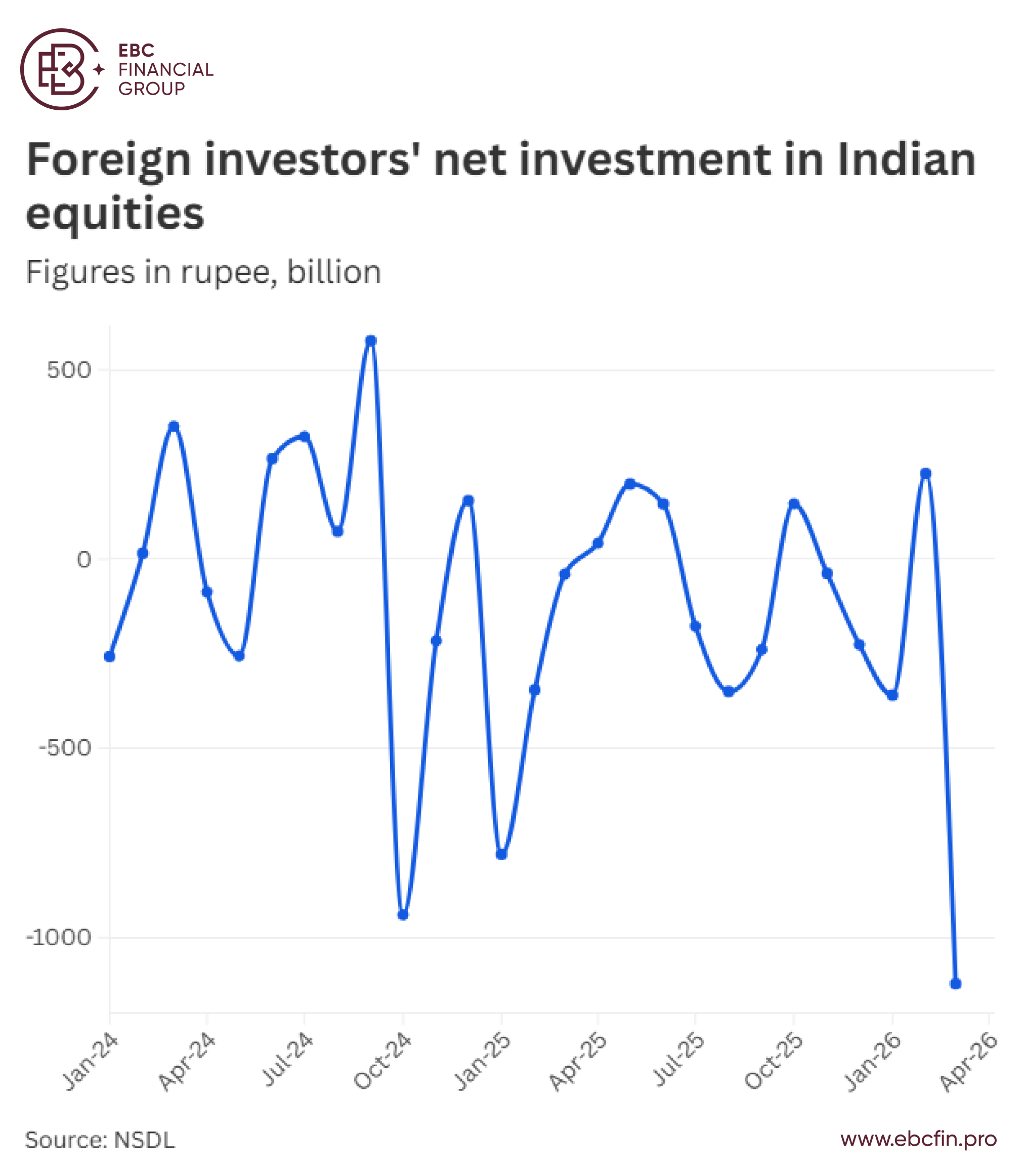
Foreign investors are on track to pull a record amount of capital from Indian equities last month as the Iran war disrupts oil and gas supplies, weighing on economy and reigniting already-hot inflation.
The outflow likely surpasses the previous high of 940 billion rupees in October 2024, according to data from NSDL. The stock market has registered 10 consecutive years of gains.
Despite that, a weaker rupee eroded the return significantly. iShares India 50 ETF fell 3% last year, and another roughly 17% as of Tuesday in 2026, bring the fund back to the level last seen in 2023.
India is among the most vulnerable to higher oil prices as its net oil imports amount to 3.5% of GDP, according to S&P Global Market Intelligence. The retail inflation eased to a more than 5-year low in March.
The Modi’s government plans a modest improvement in its fiscal picture in the coming financial year, with reductions in the fiscal deficit and debt, while boosting manufacturing in a range of sectors.
Notably, the US and India are yet to finalise an interim trade deal. A major chokepoint is tariff reductions on US agricultural imports, as farmers play a crucial part in the general elections.
In its latest report, Nomura described the country as “one of the biggest” underweights. But analysts warn that attractive valuations alone may not lure foreign investors back soon.
Australia runs dry
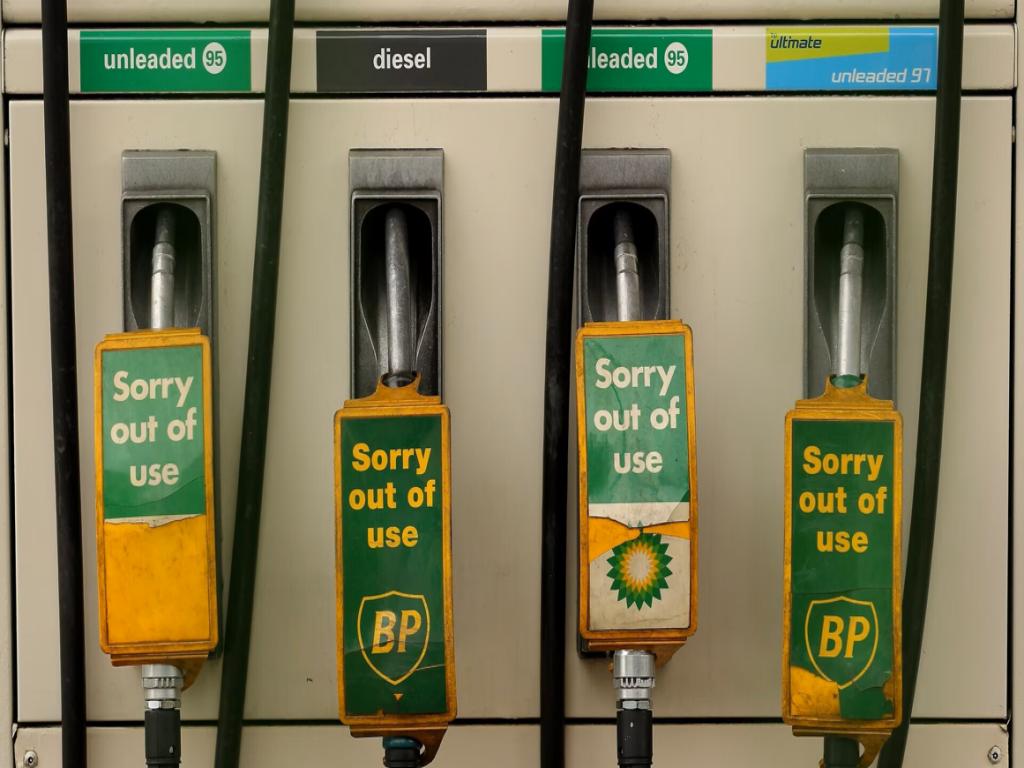
Australia relies heavily on oil imports and runs low fuel reserves. Dozens of petrol stations across the land run out of fuel as distributors struggle to keep up with customers’ panic-buying.
The ASX 200 sees a wave of profit downgrades, with analysts suggesting a potential 20% drop in corporate profits, despite some sectors showing resilience. UBS has revised down its target to 8150 from 8850.
Consumer confidence in the country has plunged to the lowest level since records began in 1973, creating challenges for Treasurer Jim Chalmers to sell an ambitious tax reform plan in the May budget.
He warned the prospect of inflation peaking in the high 4s or even higher this year is very real if oil prices stay above $100 per barrel for the first half of the year. CPI rose 3.7% in February, largely driven by housing costs.
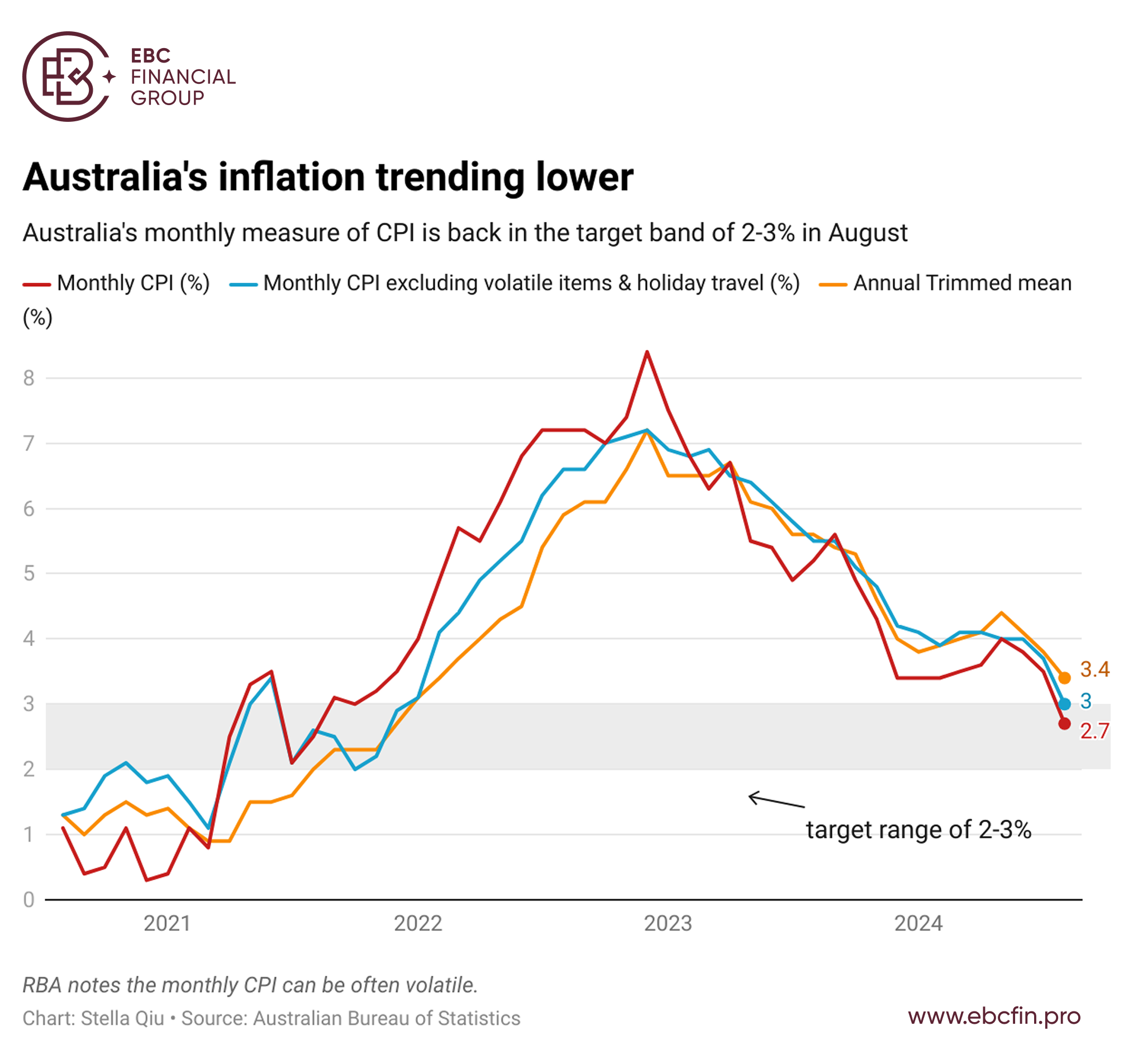
Australia had grappled with one of the biggest price pressures among advanced economies even before Khamenei’s death. On top of consumption woes, exports to Asia is facing heightened uncertainties.
Rising LNG revenue cannot fully offset the economic damage caused by oil shortages or price spikes. LNG is mostly sold under long-term contracts, while local firms and households pay global oil prices.
The ASX 200 lagged overseas peers as the tech sector makes up only 3% of the index. In these circumstances, investors are expected to keep the region off the radar in the foreseeable future.
Disclaimer: This material is for general information purposes only and is not intended as (and should not be considered to be) financial, investment or other advice on which reliance should be placed. No opinion given in the material constitutes a recommendation by EBC or the author that any particular investment, security, transaction or investment strategy is suitable for any specific person.






저작권 © 2026 FastBull Ltd


위험 경고
FX 거래는 위험도가 높으며 모든 투자자에게 적합하지 않을 수 있습니다. 레버리지는 추가적인 위험과 손실을 초래합니다. 거래하기 전에 투자 목표, 경험 수준 및 위험 허용 범위를 신중하게 고려하십시오. 초기 투자금의 일부 또는 전부를 잃을 수도 있습니다. 감당할 수 없는 돈을 투자하지 마십시오. FX 거래와 관련된 위험에 대해 스스로 교육하십시오. 질문이 있는 경우 독립적인 재무 또는 세무 자문가에게 문의하시기 바랍니다. 모든 데이터와 정보는 "있는 그대로" 제공되며 정보 제공 목적으로만 제공되며 거래나 추천 목적으로 제공되지 않습니다. 과거 성과는 미래 결과를 예측하지 않습니다.
부인 성명
본 웹사이트에 포함된 데이터는 실시간으로 정확하지 않을 수 있습니다. 본 사이트의 데이터 및 가격은 반드시 마켓이나 거래소에서 제공하는 것은 아니며, 마켓 메이커에 의해 제공될 수 있으므로 가격이 정확하지 않을 수 있으며 실제 시장 가격과 다를 수 있습니다. 즉, 해당 가격은 단지 시장 동향을 반영하기 위한 지표 가격으로 매매 목적으로는 불리합니다. 웹사이트에 포함된 데이터 제공자는 귀하의 거래 활동이나 웹사이트에 포함된 정보에 대한 의존으로 인해 귀하에게 발생한 손실에 대해 책임을 지지 않습니다.