





- USDCAD
- XAUUSD
- XAGUSD
- WTI
- USDX










Cả SPX và SPY đều cung cấp khả năng tiếp cận chỉ số SP 500, nhưng chúng là những công cụ khác nhau. SPX là chính chỉ số đó; SPY là một quỹ giao dịch chứng khoán (ETF) theo dõi chỉ số này. Sự khác biệt này ảnh hưởng đến giá cả, giao dịch và cách sử dụng trong danh mục đầu tư.
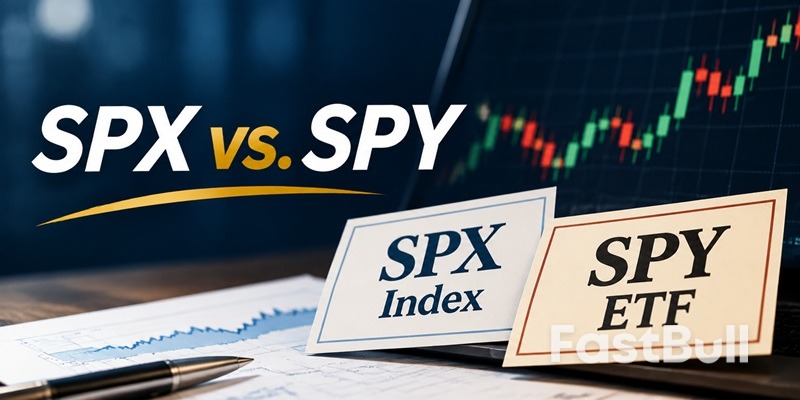
SPX và SPY là gì?
SPX là gì?
SPX là mã chứng khoán thường được sử dụng cho chỉ số SP 500, một chỉ số chuẩn của 500 công ty hàng đầu của Mỹ. Chỉ số này được tính trọng số dựa trên vốn hóa thị trường điều chỉnh theo lượng cổ phiếu lưu hành tự do, do đó các công ty lớn hơn thường có ảnh hưởng lớn hơn đến mức độ của chỉ số này.
SPX là một chỉ số, không phải là cổ phiếu hay quỹ. Nhà đầu tư không thể mua trực tiếp chỉ số này, nhưng họ có thể tiếp cận chỉ số SP 500 thông qua các quỹ ETF hoặc các công cụ phái sinh như quyền chọn SPX.
SPY là gì?
SPY là viết tắt của State Street SPDR SP 500 ETF Trust, một quỹ ETF được thiết kế để theo dõi chỉ số SP 500 trước khi trừ đi các chi phí của quỹ. Quỹ này được giao dịch trên sàn NYSE Arca, do đó nhà đầu tư có thể mua và bán cổ phiếu thông qua tài khoản môi giới trong giờ giao dịch.
Khác với SPX, SPY cho phép đầu tư trực tiếp. Quỹ này nắm giữ danh mục cổ phiếu được thiết kế để theo dõi chỉ số, nhận cổ tức từ các khoản đầu tư đó và phân phối thu nhập cho các cổ đông. Tỷ lệ chi phí gộp của quỹ là 0,0945% tính đến ngày 18 tháng 11 năm 2026; hãy kiểm tra các tài liệu mới nhất của quỹ vì phí có thể thay đổi.
| Tính năng | SPX | Điệp viên |
|---|---|---|
| Kiểu | Chỉ số SP 500 | Quỹ ETF S&P 500 |
| Có thể đầu tư trực tiếp? | KHÔNG | Vâng, thông qua cổ phiếu ETF. |
| Được trích dẫn trong | Điểm chỉ số | Đô la trên mỗi cổ phiếu |
| Cổ tức | Không được tính vào chỉ số giá. | Tiếp nhận và phân phối thu nhập của quỹ. |
| Sử dụng phổ biến | Các công cụ phái sinh chỉ số và chuẩn mực | Đầu tư và giao dịch quyền chọn ETF |
Chỉ số SPX và SPY so sánh với nhau như thế nào về giá cả và hiệu năng?
Tại sao giá SPX cao hơn SPY?
Chỉ số SPX được tính bằng điểm, trong khi SPY được tính bằng đô la trên mỗi cổ phần ETF. Mức giá của SPX thường cao gấp khoảng mười lần giá cổ phần của SPY. Đây chỉ là sự khác biệt về đơn vị tính giá, chứ không phải bằng chứng cho thấy SPX có giá trị gấp mười lần hoặc SPY là phiên bản chiết khấu của chỉ số.
Tỷ lệ này không cố định. Việc phân phối lợi nhuận của SPY, chi phí quỹ, chênh lệch theo dõi và các khoản phí bảo hiểm hoặc chiết khấu nhỏ so với giá trị tài sản ròng (NAV) có thể làm thay đổi mối quan hệ này theo thời gian.
Cách tính chênh lệch giá giữa SPX và SPY
Chia mức chỉ số SPX cho giá cổ phiếu SPY vào cùng ngày:
Tỷ lệ SPX/SPY = Mức chỉ số SPX ÷ Giá cổ phiếu SPY
Vào ngày 18 tháng 11 năm 2026, chỉ số SP 500 đóng cửa ở mức 7.323,63 và chỉ số SPY đóng cửa ở mức 730,20 đô la. Tỷ lệ này xấp xỉ 10,03. Đây là sự so sánh giữa giá trị niêm yết của hai chỉ số; nó không phải là tỷ lệ chuyển đổi hay thước đo hiệu suất.
Để so sánh lợi nhuận theo thời gian, hãy sử dụng phần trăm thay đổi thay vì giá gốc:
Tỷ lệ hoàn vốn = (Giá trị cuối kỳ − Giá trị ban đầu) ÷ Giá trị ban đầu × 100
Chỉ số SPX và SPY có hiệu suất tương đương nhau không?
Quỹ SPY được thiết kế để theo dõi chỉ số SP 500, vì vậy tỷ lệ biến động giá của chúng thường khá gần nhau, nhưng không hoàn toàn giống nhau. Chi phí quản lý quỹ, sự khác biệt trong việc theo dõi chỉ số và mức phí bảo hiểm hoặc chiết khấu so với giá trị tài sản ròng (NAV) có thể tạo ra những chênh lệch nhỏ.
The dividend treatment also matters. The commonly quoted SPX level is a price index and excludes dividends. SPY receives dividends from its holdings, and its published total-return figures assume reinvestment of dividends and capital gains, net of fund fees.
For a fair comparison, match the measures: compare the SP 500 price index with SPY's price return, or compare the SP 500 Total Return Index with SPY's total return. When charting, reset both series to 100 at the start date to compare percentage performance. Comparing a price index with a dividend-reinvested ETF return mixes two different measures.
How Are SPX and SPY Options Different?
Contract Size and Notional Value
Both standard SPX and SPY options have a $100 contract multiplier, but they represent different underlying values. An SPX contract represents 100 times the index level; a standard SPY contract represents 100 ETF shares. Because SPX is usually about ten times SPY's share price, one SPX contract generally has about ten times the notional exposure.
Using the November 18, 2026 closing levels:
- One SPX contract: about $732,363 in notional exposure (7,323.63 × $100).
- One SPY contract: about $73,020 ($730.20 × 100 shares).
Notional exposure is not the option premium or the amount paid to open a position. The premium is the option quote multiplied by the contract multiplier. Larger SPX exposure can mean larger dollar gains and losses for a similar percentage move.
Cash Settlement vs. Physical Settlement
SPX options are cash-settled. At expiration, the difference between the settlement value and strike price is credited to or debited from the account; no ETF shares are delivered.
SPY options are physically settled. Exercising a standard contract involves buying or selling 100 SPY shares at the strike price. SPY options are American-style and can be exercised before expiration, creating early assignment risk for option sellers.
SPX options are European-style and can only be exercised at expiration. This removes early assignment risk, but expiration and settlement risks remain.
SPX vs. SPY for 0DTE Trading
0DTE means zero days to expiration: the option expires on the current trading day. Both products have short-dated options, but their listed schedules differ. SPX weekly and end-of-month options currently have weekday expirations; SPY options are listed for Monday, Wednesday, and Friday, plus standard monthly and end-of-month dates. Check the option chain and Cboe contract specifications for the exact expiration and settlement time.
SPX may suit traders seeking larger index exposure, cash settlement, and European-style exercise. SPY may suit traders who prefer smaller contract exposure and accept the possibility of ETF share delivery or assignment.
Both carry substantial 0DTE risk. Options can lose value rapidly near expiration, and small moves in the underlying can cause large changes in option prices. Position size and expiration risk matter more than assuming one product is automatically safer.
Options Volume and Liquidity
Both markets are active, but contract counts alone do not provide an equal comparison. One SPX contract represents roughly ten times the underlying exposure of one SPY contract.
Compare bid-ask spreads, volume, open interest, and market depth for the specific strike and expiration. SPY's smaller contract size allows finer position adjustments, while SPX provides larger exposure through fewer contracts.
Tax Treatment: Section 1256 vs. Standard Tax Rules
Qualifying SPX index options generally receive Section 1256 treatment. Gains and losses are typically treated as 60% long-term and 40% short-term, regardless of holding period. Section 1256 contracts are also generally marked to market at year-end.
SPY options generally follow standard equity option tax rules, with gains and losses classified as short-term or long-term under the applicable holding-period rules.
Tax results depend on the contract, strategy, and taxpayer. Straddles and hedging transactions may trigger special rules, so consult a qualified tax professional before choosing a product for tax reasons.
SPX vs. SPY vs. VOO vs. ES: What Are the Differences?
SPY vs. VOO: Which SP 500 ETF Is Better?
SPY and VOO both track the SP 500 and provide exposure to broadly similar portfolios. Their main differences include fees and trading use. SPY has an established options market, which can matter to active traders. VOO may appeal to long-term investors because of its lower expense ratio.
As of the latest fund data checked for this article, SPY's gross expense ratio was 0.0945% (November 18, 2026), compared with 0.03% for VOO (April 28, 2026). Fees can change, so check each fund's latest prospectus.
SPX vs. ES: Index vs. Futures
SPX is the SP 500 Index; ES is the contract code for CME Group's E-mini SP 500 futures. Each ES contract has a multiplier of $50 times the futures price. Futures provide leveraged exposure because traders post margin rather than paying the full notional value.
ES trades nearly 23 hours a day from Sunday through Friday, providing access outside regular U.S. stock-market hours. See CME Group's E-mini SP 500 futures details for current contract information. Leverage can magnify gains and losses, and futures are subject to margin requirements and expiration rules. SPX is an index, SPY is an ETF, and ES is a futures contract.
Which Is Better: SPX or SPY?
Which Is Better for Long-Term Investors?
Đối với việc đầu tư dài hạn vào chỉ số SP 500, SPY thực tế hơn SPX vì nhà đầu tư có thể mua và nắm giữ cổ phiếu ETF trong tài khoản môi giới và nhận phân phối lợi nhuận từ quỹ. Tuy nhiên, VOO cũng đáng để so sánh vì tỷ lệ chi phí thấp hơn. Bản thân SPX không thể mua trực tiếp và không thể thay thế ETF trong danh mục đầu tư truyền thống.
Loại nào tốt hơn cho nhà giao dịch năng động?
Sự lựa chọn phụ thuộc vào mục tiêu giao dịch, quy mô tài khoản và khả năng chấp nhận rủi ro:
- Các tùy chọn SPX: Hãy cân nhắc chúng để có mức độ tiếp xúc với chỉ số lớn hơn, thanh toán bằng tiền mặt, thực hiện quyền chọn theo kiểu châu Âu và có thể được hưởng ưu đãi theo Mục 1256.
- Các tùy chọn SPY: Hãy cân nhắc chúng nếu bạn muốn có hợp đồng quy mô nhỏ hơn, thực hiện quyền chọn theo kiểu Mỹ và có khả năng giao dịch hoặc nắm giữ cổ phiếu ETF cơ sở.
Không có cái nào tốt hơn cái nào một cách tuyệt đối. SPX có thể phù hợp với các nhà giao dịch giàu kinh nghiệm quản lý các vị thế lớn, trong khi SPY cung cấp khả năng phân bổ vị thế chi tiết hơn. Hãy so sánh giá trị vị thế, quy tắc thanh toán, chi phí giao dịch và tổn thất tiềm năng trước khi giao dịch.


