
• Giao dịch
  • Thị trường
  • Sao chép
  • Cuộc thi
  • 24x7
  • Lịch kinh tế
  • Q&A
  • Trò chuyện
Bộ lọc
Tài sản
Giá
Giá mua
Giá bán
Cao nhất
Thấp nhất
+/-
%
Chênh lệch
Nguồn
SPX
S&P 500 Index
7688.62
7688.62
7688.62
7715.57
7635.81
+119.70
+ 1.58%
--
--
DJI
Dow Jones Industrial Average
53356.12
53356.12
53356.12
53492.40
52410.23
+1569.40
+ 3.03%
--
--
IXIC
NASDAQ Composite Index
25736.52
25736.52
25736.52
26048.83
25602.14
+364.52
+ 1.44%
--
--
USDX
Chỉ số đô la Mỹ
101.215
101.215
101.295
101.295
101.023
-0.130
-0.13%
--
--
EURUSD
Euro/Đô la Mỹ
1.12472
1.12472
1.12480
1.12678
1.12217
+0.00197
+ 0.18%
--
--
GBPUSD
Đồng bảng Anh/Đô la Mỹ
1.34787
1.34787
1.34798
1.35003
1.34621
+0.00080
+ 0.06%
--
--
XAUUSD
Gold / US Dollar
4132.78
4132.78
4133.19
4146.77
4057.55
+71.93
+ 1.77%
--
--
WTI
Light Sweet Crude Oil
87.474
87.474
87.504
87.736
86.001
+0.110
+ 0.13%
--
--

Tài khoản cộng đồng

Tài khoản tín hiệu
--
Tài khoản sinh lời
--
Tài khoản thua lỗ
--
Xem thêm

Trở thành nhà cung cấp tín hiệu

Bán tín hiệu và nhận thu nhập

Xem thêm

Hướng dẫn sao chép giao dịch

Bắt đầu dễ dàng

Xem thêm

Tín hiệu VIP

Tất cả

Lợi nhuận
  • Lợi nhuận
  • Tỷ lệ lời lỗ
  • Sụt giảm tối đa
1 tuần qua
  • 1 tuần qua
  • 1 tháng qua
  • 1 năm qua

Tất cả

  • Tất cả
  • Đề xuất
  • Cổ phiếu
  • Tiền điện tử
  • Ngân hàng trung ương
  • Cập nhật về Trump
  • Tin tức nổi bật
Chỉ xem Tin Top
Chia sẻ

Bộ Thương mại Trung Quốc thông báo rằng, bắt đầu từ ngày 6 tháng 11 năm 2026, thuế chống trợ cấp sẽ tiếp tục được áp dụng đối với n-propanol nhập khẩu có nguồn gốc từ Hoa Kỳ trong thời hạn 5 năm.

Chia sẻ

Bộ Thương mại Trung Quốc thông báo rằng thuế chống bán phá giá sẽ tiếp tục được áp dụng đối với n-propanol nhập khẩu có nguồn gốc từ Hoa Kỳ, có hiệu lực từ ngày 6 tháng 11 năm 2026, trong thời hạn 5 năm.

Chia sẻ

Cuộc họp các bộ trưởng ngoại giao G7, ban đầu dự kiến ​​diễn ra vào ngày 9-10 tháng 11, đã được chuyển từ Marseille đến Paris vì lý do hậu cần và hoạt động.

Chia sẻ

Ngân hàng Trung ương Na Uy: Đồng krone Na Uy đã tăng giá và mạnh hơn dự kiến.

Chia sẻ

Ngân hàng Trung ương Nga sẽ mua lượng ngoại tệ và vàng tương đương 15,6 tỷ rúp mỗi ngày từ ngày 9 tháng 11 đến ngày 4 tháng 12.

Chia sẻ

Tổng thống Thổ Nhĩ Kỳ Recep Tayyip Erdoğan: Tôi hy vọng sẽ có cuộc hội đàm với Tổng thống Nga Vladimir Putin sau cuộc gặp với Tổng thống Ukraine Volodymyr Zelensky để thảo luận về các biện pháp chấm dứt xung đột Nga-Ukraine.

Chia sẻ

Sàn giao dịch kim loại Luân Đôn (LME): Tồn kho kẽm giảm 2.225 tấn, tồn kho niken giảm 2.550 tấn, tồn kho đồng tăng 6.425 tấn, tồn kho nhôm giảm 275 tấn, tồn kho chì giảm 1.600 tấn, và tồn kho thiếc không thay đổi.

Chia sẻ

Ngân hàng Trung ương Na Uy tuyên bố rằng kể từ cuộc họp chính sách tiền tệ hồi tháng 9, ủy ban chưa nhận được bất kỳ thông tin nào cho thấy sự thay đổi đáng kể nào về triển vọng của nền kinh tế Na Uy.

Chia sẻ

Ngân hàng Trung ương Na Uy: Nếu cần thiết, chúng tôi sẵn sàng tăng lãi suất chính sách để đưa lạm phát xuống mức mục tiêu trong một khoảng thời gian hợp lý.

Chia sẻ

Tổng thống Thổ Nhĩ Kỳ Recep Tayyip Erdoğan: Chúng tôi hy vọng cuộc bầu cử giữa nhiệm kỳ của Mỹ sẽ có tác động tích cực đến hòa bình khu vực, và Thổ Nhĩ Kỳ sẽ tiếp tục duy trì liên lạc chặt chẽ với Quốc hội Mỹ.

Chia sẻ

Ngân hàng trung ương Na Uy giữ nguyên lãi suất chuẩn ở mức 4,5%; dự báo là 4,50%.

Chia sẻ

Tổng thống Thổ Nhĩ Kỳ Erdogan: Công chúng không hề biết rằng những người liên quan đến vụ bê bối tài chính này lại có liên quan đến vụ việc trên.

Chia sẻ

Bộ trưởng Tài chính Thổ Nhĩ Kỳ: Mục tiêu thu ngân sách năm 2027 đầy tham vọng nhưng hoàn toàn có thể đạt được.

Chia sẻ

Commerzbank đang tiến hành một số biện pháp tái cấu trúc bổ sung.

Chia sẻ

Bộ trưởng Tài chính Thổ Nhĩ Kỳ: Các công ty bảo hiểm và quỹ hưu trí của Thổ Nhĩ Kỳ đang ở mức cao và cơ cấu tài chính của họ rất vững mạnh.

Chia sẻ

Bộ trưởng Tài chính Thổ Nhĩ Kỳ: Chính sách tiền tệ thắt chặt, nhu cầu nội địa vừa phải và sự giảm bớt quán tính của lạm phát dịch vụ sẽ hỗ trợ giảm lạm phát trong năm 2027.

Chia sẻ

Bộ trưởng Tài chính Thổ Nhĩ Kỳ: Cơ cấu tăng trưởng kinh tế dự kiến ​​sẽ duy trì ổn định song song với quá trình giảm phát.

Chia sẻ

Bộ trưởng Tài chính Thổ Nhĩ Kỳ: Tăng trưởng dự kiến ​​sẽ tăng tốc dần vào năm 2027 khi nhu cầu và đầu tư bên ngoài phục hồi.

Chia sẻ

Bộ trưởng Tài chính Thổ Nhĩ Kỳ: Chúng tôi dự kiến ​​nền kinh tế sẽ tăng trưởng 3,3% trong năm nay, thấp hơn khoảng 0,5 điểm phần trăm so với mục tiêu đã đề ra.

Chia sẻ

CEO của Maersk: (Về cuộc bầu cử giữa nhiệm kỳ của Mỹ) Thật đáng ngạc nhiên là nhu cầu vẫn mạnh mẽ như vậy bất chấp các rào cản thương mại.

Thời gian
Thực tế
Dự báo
Trước đây
Tác động
Canada: Xuất khẩu (Điều chỉnh theo mùa) (Tháng 9)

T:--

D: --

T: --
USDCAD
  • USDCAD
  • XAUUSD
  • XAGUSD
  • WTI
  • USDX
Canada: Nhập khẩu (Điều chỉnh theo mùa) (Tháng 9)

T:--

D: --

T: --
USDCAD
  • USDCAD
  • XAUUSD
  • XAGUSD
  • WTI
  • USDX
Mỹ: Giá trị xuất khẩu (Tháng 9)

T:--

D: --

T: --

USDX
  • USDX
  • XAUUSD
  • XAGUSD
  • WTI
Mỹ: Cán cân thương mại (Tháng 9)

T:--

D: --

T: --
USDX
  • USDX
  • XAUUSD
  • XAGUSD
  • WTI
Bộ Tài chính Hoa Kỳ đã công bố thông báo tái cấp vốn hàng quý.
Mỹ: PMI ngành dịch vụ IHS Markit (Cuối cùng) (Tháng 10)

T:--

D: --

T: --

USDX
  • USDX
  • XAUUSD
  • XAGUSD
  • WTI
Mỹ: PMI IHS Markit (Cuối cùng) (Tháng 10)

T:--

D: --

T: --

USDX
  • USDX
  • XAUUSD
  • XAGUSD
  • WTI
Mỹ: Chỉ số đơn đặt hàng mới của ngành phi sản xuất ISM (Tháng 10)

T:--

D: --

T: --

USDX
  • USDX
  • XAUUSD
  • XAGUSD
  • WTI
Mỹ: Chỉ số hàng tồn kho phi sản xuất ISM (Tháng 10)

T:--

D: --

T: --

USDX
  • USDX
  • XAUUSD
  • XAGUSD
  • WTI
Mỹ: Chỉ số giá phi sản xuất ISM (Tháng 10)

T:--

D: --

T: --

USDX
  • USDX
  • XAUUSD
  • XAGUSD
  • WTI
Mỹ: PMI phi sản xuất ISM (Tháng 10)

T:--

D: --

T: --

USDX
  • USDX
  • XAUUSD
  • XAGUSD
  • WTI
Mỹ: Chỉ số việc làm phi sản xuất ISM (Tháng 10)

T:--

D: --

T: --

USDX
  • USDX
  • XAUUSD
  • XAGUSD
  • WTI
Mỹ: Biến động Tồn trữ xăng dầu hàng tuần EIA

T:--

D: --

T: --

WTI
  • WTI
  • XAUUSD
  • XAGUSD
  • USDX
Mỹ: Biến động Dự trữ dầu thô hàng tuần EIA

T:--

D: --

T: --

WTI
  • WTI
  • XAUUSD
  • XAGUSD
  • USDX
Mỹ: Biến động Tồn trữ dầu thô hàng tuần EIA Cushing, Oklahoma

T:--

D: --

T: --

WTI
  • WTI
  • XAUUSD
  • XAGUSD
  • USDX
Mỹ: Dự báo nhu cầu hàng tuần của EIA theo sản lượng dầu thô

T:--

D: --

T: --

WTI
  • WTI
  • XAUUSD
  • XAGUSD
  • USDX
Mỹ: Biến động nhập khẩu dầu thô hàng tuần EIA

T:--

D: --

T: --

WTI
  • WTI
  • XAUUSD
  • XAGUSD
  • USDX
Mỹ: Tồn trữ dầu đốt hàng tuần EIA

T:--

D: --

T: --

WTI
  • WTI
  • XAUUSD
  • XAGUSD
  • USDX
Brazil: Công việc theo bảng lương ròng CAGED (Tháng 9)

T:--

D: --

T: --

XAUUSD
  • XAUUSD
  • XAGUSD
  • WTI
  • USDX
Brazil: Lãi suất mục tiêu Selic

T:--

D: --

T: --

XAUUSD
  • XAUUSD
  • XAGUSD
  • WTI
  • USDX
Nhật Bản: PMI IHS Markit (Tháng 10)

T:--

D: --

T: --

USDJPY
  • USDJPY
  • XAUUSD
  • XAGUSD
  • WTI
Nhật Bản: PMI ngành dịch vụ IHS Markit (Tháng 10)

T:--

D: --

T: --

USDJPY
  • USDJPY
  • XAUUSD
  • XAGUSD
  • WTI
Úc: Cán cân thương mại (Điều chỉnh theo mùa) (Tháng 9)

T:--

D: --

T: --
AUDUSD
  • AUDUSD
  • XAUUSD
  • XAGUSD
  • WTI
  • USDX
Úc: Xuất khẩu MoM (Điều chỉnh theo mùa) (Tháng 9)

T:--

D: --

T: --
AUDUSD
  • AUDUSD
  • XAUUSD
  • XAGUSD
  • WTI
Nhật Bản: Lợi suất đấu giá trái phiếu kho bạc kỳ hạn 10 năm

T:--

D: --

T: --

USDJPY
  • USDJPY
  • XAUUSD
  • XAGUSD
  • WTI
  • USDX
Indonesia: GDP YoY (Quý 3)

T:--

D: --

T: --

XAUUSD
  • XAUUSD
  • XAGUSD
  • WTI
  • USDX
Nga: PMI ngành dịch vụ IHS Markit (Tháng 10)

T:--

D: --

T: --

WTI
  • WTI
  • XAUUSD
  • XAGUSD
  • USDX
Nam Phi: PMI IHS Markit (Điều chỉnh theo mùa) (Tháng 10)

T:--

D: --

T: --

XAUUSD
  • XAUUSD
  • XAGUSD
  • WTI
  • USDX
Pháp: Giá trị sản xuất công nghiệp MoM (Điều chỉnh theo mùa) (Tháng 9)

T:--

D: --

T: --
EURUSD
  • EURUSD
  • XAUUSD
  • XAGUSD
  • WTI
  • USDX
Đức: PMI ngành xây dựng (Điều chỉnh theo mùa) (Tháng 10)

T:--

D: --

T: --

EURUSD
  • EURUSD
  • XAUUSD
  • XAGUSD
  • WTI
  • USDX
Ý: Doanh số bán lẻ MoM (Điều chỉnh theo mùa) (Tháng 9)

T:--

D: --

T: --

EURUSD
  • EURUSD
  • XAUUSD
  • XAGUSD
  • WTI
  • USDX
Vương Quốc Anh: PMI ngành xây dựng Markit/CIPS (Tháng 10)

--

D: --

T: --

Khu vực Đồng Euro: PPI YoY (Tháng 9)

--

D: --

T: --

Khu vực Đồng Euro: PPI MoM (Tháng 9)

--

D: --

T: --

Pháp: Lợi suất trung bình đấu giá trái phiếu kho bạc OAT kỳ hạn 10 năm

--

D: --

T: --

Mỹ: Cắt giảm việc làm của hãng Challenger YoY (Tháng 10)

--

D: --

T: --

Mỹ: Cắt giảm việc làm của hãng Challenger (Tháng 10)

--

D: --

T: --

Mỹ: Cắt giảm việc làm của hãng Challenger MoM (Tháng 10)

--

D: --

T: --

Mexico: Chỉ số niềm tin người tiêu dùng (Tháng 10)

--

D: --

T: --

Vương Quốc Anh: Số thành viên MPC bỏ phiếu cho việc giữ nguyên lãi suất

--

D: --

T: --

Vương Quốc Anh: Số thành viên MPC bỏ phiếu cho việc tăng lãi suất

--

D: --

T: --

Vương Quốc Anh: Lãi suất cơ bản

--

D: --

T: --

Vương Quốc Anh: Số thành viên MPC bỏ phiếu cho việc cắt giảm lãi suất

--

D: --

T: --

Quyết định lãi suất của MPC
Thống đốc Ngân hàng Anh, ông Bailey, đã tổ chức một cuộc họp báo về chính sách tiền tệ.
Brazil: PMI ngành dịch vụ IHS Markit (Tháng 10)

--

D: --

T: --

Brazil: PMI IHS Markit (Tháng 10)

--

D: --

T: --

Mỹ: Số đơn xin trợ cấp thất nghiệp lần đầu hàng tuần (Điều chỉnh theo mùa)

--

D: --

T: --

Mỹ: Số đơn xin trợ cấp thất nghiệp liên tục hàng tuần (Điều chỉnh theo mùa)

--

D: --

T: --

Mỹ: Số đơn xin trợ cấp thất nghiệp lần đầu trung bình 4 tuần (Điều chỉnh theo mùa)

--

D: --

T: --

Thành viên FOMC Hammack phát biểu
Chủ tịch Cục Dự trữ Liên bang Richmond, ông Barkin, đã có bài phát biểu.
Chủ tịch ECB Lagarde phát biểu
Mỹ: Biến động Tồn trữ khí thiên nhiên hàng tuần EIA

--

D: --

T: --

Thống đốc Ngân hàng Trung ương Canada Macklem và Phó Thống đốc cấp cao Rogers đã điều trần trước một ủy ban Thượng viện.
Nhà kinh tế trưởng Lane của ECB phát biểu
Chủ tịch ECB Lagarde phát biểu
Mexico: Lãi suất chính sách

--

D: --

T: --

Mỹ: Lượng trái phiếu Kho bạc mà các ngân hàng trung ương nước ngoài nắm giữ hàng tuần

--

D: --

T: --

Nhật Bản: Tiền lương MoM (Tháng 9)

--

D: --

T: --

Đức: Giá trị sản xuất công nghiệp MoM (Điều chỉnh theo mùa) (Tháng 9)

--

D: --

T: --

Q&A cùng chuyên gia
    • Tất cả
    • Phòng Chat
    • Nhóm
    • Bạn
    Skylark flag
    Size
    The key is not getting carried away by the excitement or trying to catch every move.@Pierluigi
    @Sanjeev Ku Yes I agree with you on that. You're not supposed to catch every move because it might make you so greedy and jumping into one trade or the other. I think two or three trades a day is more better than catching every move, or even a no trade day.
    EuroTrader flag
    Skylark
    It seems we are expecting to see price reach 82,000 on BTC or even more. What do you think?
    @Skylarkyeahh exactly, I am expecting price to head for those levels but first I'll love to see price take below 9338 levels. before I go long
    Skylark flag
    Size
    @Pierluigi Haha, gold can humble even the most confident trader, mate.
    Yes true, it's an asset that shakes people and makes people tremble. But with the right setup or strategy and proper risk management I think you can take care of it.
    Skylark flag
    Size
    Gold has maintained strong bullish momentum today, although we're seeing room for some profit-taking after that sharp rally.@Benjamin Tailor
    @Benjamin TailorYeah, gold has been in a bullish rally and it might continue throughout this week since tomorrow is the last day of the week. So let's see how that goes.
    Skylark flag
    EuroTrader
    @Skylarkyeahh exactly, I am expecting price to head for those levels but first I'll love to see price take below 9338 levels. before I go long
    Okay, but it seems you make some mistake. Price go below 9338. Are you trying to say 7338?
    Skylark flag
    Sanjeev Ku
    sl cant be changed
    @Sanjeev Kuyes stop loss can't be changed and is what keeps us safe from any unexpected move or any sudden crash. It what keep us going.
    Matthew flag
    EuroTrader
    @Matthewwhta would you be doing till the start of the new York session.? You should be on the charts or researching
    @EuroTraderi have a job so I am working
    Skylark flag
    john
    @SkylarkYeah,,,let's align with what the market is doing let's see how it all unfold ahead of tomorrow NFP
    Yeah, that's the best thing to do, you know. You align with what the market is doing, or you follow the market, and you should be safe. No issue.
    Matthew flag
    EuroTrader
    Eth has more of a better setup than BTC at the moment. You can see we still have a b shaped profile but there is an orderblock that could hold price.now we would like to see price take out the lows and then find rejection at the base @Matthew
    @EuroTraderIf it come down then we would look for pin bar right?
    Skylark flag
    Matthew
    @EuroTraderi have a job so I am working
    @Matthew Hello mate, how are you doing today? How's it going on your own end?
    Skylark flag
    Matthew
    @EuroTraderIf it come down then we would look for pin bar right?
    @Matthew Yeah, a pin bar is a candlestick pattern tyat shows Price is going the opposite direction, either top or bottom. So yes.
    EuroTrader flag
    Matthew
    @EuroTraderi have a job so I am working
    @Matthewohh I forgot about the fact that you actually work. I thought you re like me that sleeps in the cahtriom.
    EuroTrader flag
    Matthew
    @EuroTraderIf it come down then we would look for pin bar right?
    @Matthewexactly what I would be doing of prive trades below these lows and we get pin bar and negative delta profile that's the only reason I'll be going long
    Size flag
    Matthew
    @EuroTraderi have a job so I am working
    @MatthewThat's understandable, mate. Having a job alongside trading can actually be a good balance.
    Skylark flag
    Benjamin Tailor
    sir? gold selling power big today?
    @Benjamin Tailor Well, for now, I don't think so. I think the bullish rally is still holding, so let's see what would happen during New York if a change of character will happen.
    Size flag
    Matthew
    @EuroTraderi have a job so I am working
    It takes the pressure off having to make money from every market.
    Skylark flag
    john
    I like how Trump handles things 😂
    @john He definitely knows how to handle things and also is making some impact don't you think so?
    Skylark flag
    Size
    @MatthewThat's understandable, mate. Having a job alongside trading can actually be a good balance.
    @Matthew It can be actually good and it takes away pressure, you know, to make money from the market. It gives you this breathing room to follow your setup and to go for what works for you.
    Teophily M flag
    who has a good setup today?
    Skylark flag
    john
    This is funny 😂 I mean Trump has been taking credit all through
    @johnYeah, because he has been really doing some impact. Don't you think so? So maybe he deserves it.
    Nhập nội dung...
    Thêm tài sản hoặc mã

      Không có dữ liệu phù hợp

      Tất cả
      Đề xuất
      Cổ phiếu
      Tiền điện tử
      Ngân hàng trung ương
      Cập nhật về Trump
      Tin tức nổi bật
      • Tất cả
      • Xung đột Nga-Ukraine
      • Điểm Nóng Trung Đông
      • Tất cả
      • Xung đột Nga-Ukraine
      • Điểm Nóng Trung Đông
      Tìm kiếm
      Sản phẩm

      Biểu đồ Miễn phí vĩnh viễn

      Trò chuyện Q&A cùng chuyên gia
      Bộ lọc Lịch kinh tế Dữ liệu Công cụ
      FastBull VIP Tính năng đặc sắc
      Trung tâm dữ liệu Xu hướng Dữ liệu từ sở giao dịch Lãi suất chính sách Vĩ mô

      Xu hướng

      Tâm lý Thị trường Sổ lệnh Hệ số tương quan

      Chỉ báo phổ biến

      Biểu đồ Miễn phí vĩnh viễn
      Thị trường

      Tin tức

      24x7 Phân tích Học tập

      Quan điểm mới nhất

      Cập nhật mới nhất

      Tín hiệu

      Sao chép Bảng xếp hạng Tín hiệu mới nhất Trở thành nhà cung cấp tín hiệu AI Đánh giá
      Cuộc thi
      Brokers

      Tổng quan Nhà môi giới Đánh giá Bảng xếp hạng Cơ quan quản lý Tin tức Bảo vệ quyền
      Danh sách nhà môi giới Công cụ so sánh nhà môi giới So sánh điều kiện giao dịch Scam
      Q&A Khiếu nại Video cảnh báo Scam Phòng tránh Scam
      Thêm

      Thương mại
      Sự kiện
      Tuyển dụng Về chúng tôi Hợp tác quảng cáo Trung tâm trợ giúp

      Nhãn trắng

      Broker API

      Data API

      Tiện ích Website

      Chương trình Tiếp thị Liên kết

      Giải Đánh giá từ cơ quan quản lý IB Seminar Sự kiện Salon Triển lãm
      Việt Nam Thái Lan Singapore Dubai
      Fans Party Investment Sharing Session
      FastBull Summit Triển lãm BrokersView
      Tìm kiếm gần đây
        Xu hướng tìm kiếm
          Thị trường
          Phân tích
          Người dùng
          24x7
          Lịch kinh tế
          Học tập
          Dữ liệu
          • Tên
          • Mới nhất
          • Trước đây

          Xem tất cả kết quả tìm kiếm

          Không có dữ liệu

          Quét để tải xuống

          Faster Charts, Chat Faster!

          Tải xuống
          • English
          • Español
          • العربية
          • Bahasa Indonesia
          • Bahasa Melayu
          • Tiếng Việt
          • ภาษาไทย
          • Français
          • Italiano
          • Türkçe
          • Русский язык
          • 简中
          • 繁中
          Mở tài khoản
          Tìm kiếm
          Sản phẩm
          Biểu đồ Miễn phí vĩnh viễn
          Thị trường
          Tin tức
          Tín hiệu

          Sao chép Bảng xếp hạng Tín hiệu mới nhất Trở thành nhà cung cấp tín hiệu AI Đánh giá
          Cuộc thi
          Brokers

          Tổng quan Nhà môi giới Đánh giá Bảng xếp hạng Cơ quan quản lý Tin tức Bảo vệ quyền
          Danh sách nhà môi giới Công cụ so sánh nhà môi giới So sánh điều kiện giao dịch Scam
          Q&A Khiếu nại Video cảnh báo Scam Phòng tránh Scam
          Thêm

          Thương mại
          Sự kiện
          Tuyển dụng Về chúng tôi Hợp tác quảng cáo Trung tâm trợ giúp

          Nhãn trắng

          Broker API

          Data API

          Tiện ích Website

          Chương trình Tiếp thị Liên kết

          Giải Đánh giá từ cơ quan quản lý IB Seminar Sự kiện Salon Triển lãm
          Việt Nam Thái Lan Singapore Dubai
          Fans Party Investment Sharing Session
          FastBull Summit Triển lãm BrokersView

          Khai thác Bitcoin một mình vào năm 2025: ROI và thực sự khó như thế nào?

          Winkelmann

          Crypto

          Tóm tắt:

          Việc đào Bitcoin một mình vào năm 2025 về mặt kỹ thuật là khả thi nhưng cực kỳ khó khăn. Tìm hiểu về tỷ lệ thành công, chi phí, lợi nhuận so với đào theo nhóm, và liệu có đáng để thử hay không.
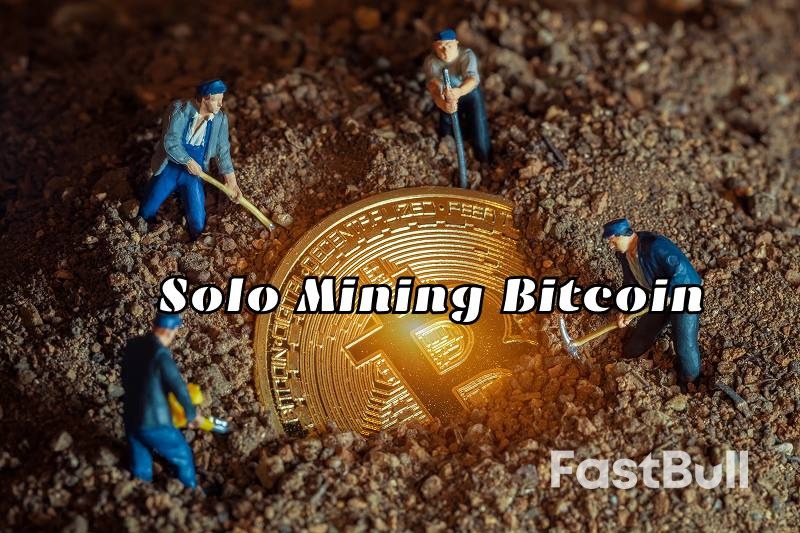
          Khai thác Bitcoin solo hay khai thác theo nhóm: Hình thức nào có lợi nhuận cao hơn vào năm 2025?

          Khai thác Bitcoin một mình vào năm 2025: ROI Thực sự khó đến mức nào?_1

          Khai thác Bitcoin một mình đã trở nên ngày càng hiếm hoi khi các nhóm khai thác công nghiệp thống trị mạng lưới vào năm 2025. Tuy nhiên, một số thợ đào vẫn theo đuổi sự độc lập và tiềm năng lợi nhuận trọn vẹn của việc khai thác một mình. Hướng dẫn này giải thích cách thức hoạt động của khai thác một mình hiện nay, mức độ khó khăn của nó, và liệu các cá nhân có còn có thể hưởng lợi từ nó hay không.

          Khai thác Bitcoin đơn lẻ là gì?

          Đào Bitcoin một mình nghĩa là bạn tự đào các khối Bitcoin mà không cần tham gia vào một nhóm đào nào. Khi đào một mình, bạn cạnh tranh trực tiếp với toàn bộ mạng lưới thợ đào toàn cầu để giải các câu đố mật mã phức tạp. Nếu tìm thấy một khối, bạn sẽ nhận được toàn bộ phần thưởng khối - hiện tại là 6,25 BTC cộng với phí giao dịch - nhưng bạn tự chịu mọi chi phí tính toán và rủi ro.

          Cách thức hoạt động của khai thác đơn lẻ

          Quá trình đào Bitcoin một mình tuân theo cơ chế đồng thuận bằng chứng công việc (proof-of-work) của Bitcoin. Phần cứng đào của bạn liên tục băm dữ liệu tiêu đề khối, tìm kiếm giá trị băm đáp ứng mục tiêu độ khó của mạng. Về cơ bản, đây là một trò chơi xổ số tính toán, trong đó sức mạnh băm càng cao thì cơ hội trúng càng lớn nhưng không đảm bảo điều gì.

          Sau đây là những gì xảy ra trong quá trình khai thác bitcoin một mình:

          • Giàn khai thác của bạn kết nối với một nút đầy đủ Bitcoin mà bạn vận hành
          • Nút cung cấp cho thợ đào của bạn các mẫu khối ứng viên có chứa các giao dịch chưa được xác nhận
          • Máy đào ASIC của bạn thực hiện hàng nghìn tỷ phép tính băm mỗi giây, tìm kiếm giải pháp hợp lệ
          • Nếu bạn tìm thấy một khối hợp lệ, nút của bạn sẽ phát nó tới mạng để xác minh
          • Sau khi xác nhận, bạn sẽ nhận được toàn bộ phần thưởng khối trực tiếp vào ví của mình

          Không giống như khai thác theo nhóm, nơi phần thưởng được phân phối dựa trên công sức đóng góp, khai thác đơn lẻ hoạt động theo cơ chế "được ăn cả ngã về không". Bạn có thể đào trong nhiều tháng hoặc nhiều năm mà không tìm thấy một khối nào, hoặc về mặt lý thuyết, bạn có thể tìm thấy một khối ngay trong ngày đầu tiên - mặc dù kịch bản thứ hai cực kỳ khó xảy ra với phần cứng thông thường.

          Khai thác đơn lẻ so với khai thác nhóm: Sự khác biệt chính

          Việc hiểu được những khác biệt cơ bản giữa khai thác solo và khai thác theo nhóm là điều cần thiết trước khi cam kết nguồn lực cho bất kỳ phương pháp nào.

          Diện mạoKhai thác đơn lẻKhai thác mỏ
          Phân phối phần thưởng100% phần thưởng khối (6,25 BTC + phí) nếu thành côngTỷ lệ chia sẻ dựa trên hashrate đóng góp
          Tần suất thanh toánCực kỳ hiếm, không thể đoán trước (có thể không bao giờ)Thanh toán thường xuyên (hàng ngày đến hàng tuần)
          Sự ổn định thu nhậpKhông có thu nhập trong thời gian dài, sau đó được trả tiền lớnLợi nhuận ổn định và có thể dự đoán được
          Phí hồ bơiKhông có1-3% thu nhập
          Yêu cầu kỹ thuậtChạy nút Bitcoin đầy đủ, thiết lập nâng caoKết nối đơn giản đến máy chủ nhóm
          Rủi ro phương saiTỷ lệ cược cực kỳ cao—giống như xổ sốLợi nhuận thấp—được làm mịn trên nhiều thợ đào
          Hashrate tối thiểuThực tế là 100+ TH/s cho bất kỳ cơ hội hợp lý nàoBất kỳ số tiền nào được chấp nhận (kể cả ASIC đơn lẻ)

          The economic reality is stark: pool mining provides predictable income that covers electricity costs and generates steady profit, while solo mining bitcoin resembles buying lottery tickets with your electricity bill. Most rational miners choose pools because consistent returns allow for business planning, equipment maintenance, and risk management.

          How Hard Is Solo Bitcoin Mining in 2025?

          The difficulty of solo mining bitcoin has reached unprecedented levels in 2025. To understand just how challenging it has become, we need to examine the current network conditions and calculate your realistic probability of success.

          Current Bitcoin Network Difficulty

          Bitcoin's mining difficulty adjusts every 2,016 blocks (approximately every two weeks) to maintain a consistent 10-minute block time. As of 2025, the network difficulty has increased dramatically compared to Bitcoin's early years, making solo mining exponentially harder than it was even a few years ago.

          Key network statistics that impact solo mining difficulty:

          • Total network hashrate exceeds 600 exahashes per second (EH/s), representing the combined computing power of millions of ASIC miners worldwide
          • Mining difficulty has increased over 100 trillion times since Bitcoin's launch in 2009
          • Industrial mining operations with hundreds of petahashes dominate the network, making individual miners statistically insignificant
          • The average time between blocks remains 10 minutes, but this is distributed across the entire global mining network

          This difficulty level means that even a state-of-the-art ASIC miner running at 100 terahashes per second (TH/s) represents only 0.000017% of the total network hashrate. You're competing against massive mining farms with thousands of machines operating in regions with cheap electricity.

          Your Actual Chances of Mining a Block Solo

          Mathematics reveals the harsh reality of bitcoin solo mining success. Your probability of finding a block depends entirely on your hashrate relative to the total network hashrate.

          Here's the probability calculation for different hardware scenarios:

          Your Hashrate% of NetworkExpected Time to Find 1 BlockProbability per Day
          100 TH/s (1 high-end ASIC)0.000017%~11.4 years0.024%
          500 TH/s (5 ASICs)0.000083%~2.3 years0.12%
          1 PH/s (10 ASICs)0.00017%~14 months0.24%
          10 PH/s (100 ASICs)0.0017%~42 days2.4%
          100 PH/s (1000 ASICs)0.017%~4.2 days24%

          These are expected averages based on probability. The actual time could be much shorter or significantly longer due to the random nature of mining. You might find a block on your first day (probability near zero) or mine for triple the expected time without success—both scenarios have occurred in practice.

          For perspective, if you run a single high-end ASIC costing $3,000-$5,000 with electricity expenses around $150-$300 monthly, you could spend $20,000+ on electricity over the expected 11.4 years before finding your first block. Even if successful, the block reward might not cover your accumulated costs, especially considering hardware depreciation and potential Bitcoin price fluctuations.

          Real Success Stories (and Failures)

          Despite astronomical odds, solo bitcoin mining pool victories do occasionally occur—but context matters enormously when evaluating these rare successes.

          Notable recent success cases include:

          • In January 2024, a solo miner with approximately 120 TH/s successfully mined a block, earning 6.25 BTC plus transaction fees (worth roughly $270,000 at that time). However, this miner had been attempting solo mining for over a year, with electricity costs likely exceeding $15,000 during that period.
          • A small mining operation with around 400 TH/s found a block in mid-2023 after seven months of continuous mining. While profitable on paper, they calculated that pool mining during the same period would have generated nearly the same revenue with zero risk of complete failure.
          • Several hobbyist miners report bitcoin solo mining success after running old S9 ASICs for multiple years—but when accounting for electricity costs and hardware investment, most actually operated at a net loss compared to simply buying Bitcoin directly.

          The failure stories are far more common but rarely discussed:

          • Thousands of miners attempt solo mining annually with modest hashrates (10-100 TH/s) and abandon the effort after 6-12 months of zero returns and mounting electricity bills
          • Several documented cases exist of miners spending $50,000+ on equipment and electricity over 2-3 years without finding a single block
          • The vast majority of solo mining attempts end in financial loss, with miners eventually switching to pools or exiting mining entirely

          Even success stories often reveal that pool mining would have been more profitable when considering risk-adjusted returns. The psychological appeal of potentially winning a full block reward clouds the mathematical reality that consistent pool returns typically generate superior outcomes over time.

          Hardware Requirements for Solo Bitcoin Mining

          Successfully mining bitcoins solo demands significant hardware investment and infrastructure planning. Unlike pool mining where even modest equipment can generate some returns, solo mining requires substantial computational power to have any realistic chance of finding a block within a reasonable timeframe.

          ASIC Miners: What You Need

          Application-Specific Integrated Circuit (ASIC) miners are the only viable hardware for solo bitcoin mining in 2025. Graphics cards (GPUs) and CPUs became obsolete for Bitcoin mining years ago due to efficiency limitations. Modern ASIC miners are purpose-built for the SHA-256 algorithm that Bitcoin uses, delivering hashrates that general-purpose hardware cannot match.

          Current top-tier ASIC miners for solo mining consideration:

          ModelHashratePower ConsumptionEfficiencyApproximate Cost
          Antminer S21200 TH/s3,500W17.5 J/TH$5,000-$7,000
          Whatsminer M60172 TH/s3,344W19.4 J/TH$4,500-$6,500
          Antminer S19 XP140 TH/s3,010W21.5 J/TH$3,500-$5,000
          AvalonMiner 1466150 TH/s3,500W23.3 J/TH$4,000-$5,500

          For solo mining to be remotely feasible, you realistically need at least 500 TH/s to 1 PH/s of total hashrate. This translates to investing in 3-5 high-end ASIC miners, with an initial hardware outlay of $15,000 to $35,000. Even at this investment level, your expected time to find a block remains between 1-3 years under current network conditions.

          Critical factors when selecting ASIC hardware:

          • Energy efficiency matters tremendously for long-term operations—a few joules per terahash difference can mean thousands in annual electricity costs
          • Newer models offer better efficiency but command premium prices, while older models are cheaper but consume more power per hash
          • Consider used ASIC markets cautiously—mining hardware degrades over time, and warranty coverage is often limited or nonexistent
          • Noise levels are substantial (70-90 decibels)—these machines require dedicated space with sound insulation for residential settings
          • Heat generation is massive—each miner produces 3,000-3,500 watts of heat that must be managed through ventilation or cooling systems

          Some miners explore solar powered bitcoin mining to offset electricity costs, though this requires additional investment in solar panels, inverters, and battery storage systems. A typical ASIC drawing 3,500 watts continuously needs approximately 12-15 kilowatts of solar panel capacity (accounting for efficiency losses and nighttime operations), adding $10,000-$20,000 to your initial investment per miner.

          Electricity and Infrastructure Costs

          Electricity represents the ongoing operational expense that determines whether solo bitcoin mining remains financially viable. Unlike the one-time hardware purchase, electricity costs accumulate continuously and often exceed hardware investment over extended mining periods.

          Understanding your electricity costs:

          Hardware SetupTotal Power DrawMonthly kWhCost at $0.10/kWhCost at $0.15/kWh
          1 ASIC (200 TH/s)3,500W2,520 kWh$252$378
          3 ASICs (600 TH/s)10,500W7,560 kWh$756$1,134
          5 ASICs (1 PH/s)17,500W12,600 kWh$1,260$1,890
          10 ASICs (2 PH/s)35,000W25,200 kWh$2,520$3,780

          Beyond electricity, infrastructure requirements add substantial costs:

          • Electrical infrastructure upgrades—residential circuits typically cannot handle multiple ASICs drawing 15-20 amps each; professional electrician services to install 240V circuits and proper breaker capacity can cost $2,000-$5,000
          • Cooling and ventilation systems—industrial fans, ducting, and exhaust systems to prevent overheating, typically adding $1,000-$3,000 depending on space configuration
          • Network infrastructure—stable, high-uptime internet connection and potentially backup connectivity; running a full Bitcoin node requires significant bandwidth and storage
          • Physical space costs—dedicated room or facility with proper ventilation, fire suppression considerations, and security measures
          • Monitoring systems—remote monitoring equipment to track temperatures, hashrates, and downtime alerts, adding $200-$500

          Solar bitcoin mining can reduce operational costs, but requires substantial upfront investment and depends heavily on geographic location. Areas with optimal sun exposure (Southwest United States, parts of Australia, Middle East) provide better ROI for solar installations. However, battery storage systems necessary for 24/7 mining operations significantly increase costs—a battery bank capable of running 5 ASICs overnight might cost $15,000-$30,000 alone.

          Insurance and maintenance represent ongoing expenses often overlooked by new miners. ASIC miners require regular cleaning, fan replacements, and occasional repairs. Budget approximately 5-10% of hardware value annually for maintenance and unexpected component failures.

          Solo Mining Bitcoin: ROI Analysis

          Return on investment calculations for solo bitcoin mining reveal why most rational actors choose pool mining instead. While the potential for a massive one-time payout exists, the mathematical expected value typically favors consistent pool returns when accounting for risk, time value of money, and operational complexities.

          Cost vs Potential Reward

          A comprehensive cost analysis exposes the financial reality of solo mining attempts. Let's examine a realistic scenario with specific numbers to illustrate the economic challenge.

          Example scenario: 1 PH/s solo mining operation (5 high-end ASICs)

          Cost CategoryInitial InvestmentMonthly RecurringAnnual Total
          ASIC Hardware (5 miners)$30,000——
          Infrastructure Setup$5,000——
          Electricity (at $0.12/kWh)—$1,512$18,144
          Internet Maintenance—$150$1,800
          Hardware Depreciation——$7,500
          Total First Year$35,000$1,662$62,444

          Expected outcome analysis:

          • With 1 PH/s, expected time to find one block: approximately 14 months under current network difficulty
          • Block reward if successful: 6.25 BTC + transaction fees (approximately 0.1-0.3 BTC), totaling roughly 6.35-6.55 BTC
          • Bitcoin price assumption: $60,000 per BTC (conservative 2025 estimate)
          • Expected reward value: $381,000-$393,000
          • Total costs over 14 months: approximately $58,317
          • Net profit if successful: $322,683-$334,683

          This appears attractive on paper, but several critical risk factors undermine this optimistic scenario:

          • The 14-month timeframe is an average expectation—actual time could be 3 months or 4 years due to probability variance
          • If you don't find a block within 24 months, you've spent $74,732 with zero return, potentially forcing you to abandon the operation at a total loss
          • Network difficulty continuously increases, reducing your probability over time as more hashrate joins the network
          • Hardware depreciation accelerates—ASICs lose 50-70% of resale value after 12-18 months of operation
          • Bitcoin price volatility creates enormous uncertainty; if BTC drops to $40,000, your expected reward falls to $254,000-$262,000, barely doubling your investment after 14+ months of risk

          The probability distribution matters enormously. You have roughly a 30% chance of finding zero blocks in 20 months, a scenario where you lose your entire $70,000+ investment. Conversely, you have about a 5% chance of finding a block within 2 months, generating exceptional returns. This risk profile resembles venture capital investing or gambling rather than traditional business operations.

          Solo Mining vs Pool Mining Profitability

          Comparing identical hardware operating in solo versus pool mining modes reveals the fundamental economic trade-off between variance and expected value.

          Using the same 1 PH/s setup over 14 months:

          MetricSolo MiningPool Mining
          Expected Blocks Found1 block (average)N/A (proportional shares)
          Expected Revenue$381,000-$393,000$385,000
          Pool Fees$0$7,700 (2%)
          Net Mining Revenue$381,000-$393,000$377,300
          Operating Costs$58,317$58,317
          Net Profit$322,683-$334,683$318,983
          Revenue CertaintyHigh variance (might be $0)99%+ certainty
          Cash FlowZero for months, then lump sumDaily/weekly payouts

          The expected value difference is minimal—solo mining potentially saves 2% in pool fees, translating to roughly $3,700-$15,700 more profit over 14 months. However, this marginal advantage disappears when considering:

          • Risk-adjusted returns heavily favor pool mining—consistent income allows you to cover electricity costs, service debts, and reinvest profits without depending on a single probabilistic event
          • Cash flow management becomes impossible with solo mining; you cannot pay monthly electricity bills with hypothetical future block rewards, potentially forcing you to fund operations from external sources or abandon the effort before success
          • Psychological stress of operating at zero revenue for months or years often leads solo miners to quit prematurely, realizing losses that pool mining would have avoided
          • Pool mining allows scaling flexibility—you can start with one ASIC, verify profitability, and expand gradually; solo mining demands massive upfront commitment to achieve reasonable success probability

          The solo bitcoin mining pool concept has emerged as a middle-ground option, where miners contribute hashrate to a pool that attempts solo mining on behalf of participants. If the pool finds a block, rewards distribute proportionally among contributors. This reduces individual variance while maintaining some solo mining characteristics, though it doesn't eliminate the fundamental probability challenges of competing against the entire network.

          Bitcoin Price Impact on Profitability

          Bitcoin's notorious price volatility introduces another layer of complexity to solo mining ROI calculations. Unlike pool mining where you can sell rewards regularly to lock in prices, solo mining forces you to bet on Bitcoin's value at an unknowable future date when you might find a block.

          Price scenario analysis for 1 PH/s operation finding a block after 14 months:

          BTC Price ScenarioBlock Reward ValueTotal CostsNet Profit/LossROI
          $100,000 (bull case)$635,000$58,317+$576,683989%
          $80,000 (optimistic)$508,000$58,317+$449,683771%
          $60,000 (moderate)$381,000$58,317+$322,683553%
          $40,000 (pessimistic)$254,000$58,317+$195,683336%
          $25,000 (bear market)$158,750$58,317+$100,433172%

          Even in pessimistic price scenarios, finding a block generates positive returns—but this analysis assumes you successfully find a block. The compounding risk involves both probability (might never find a block) and price uncertainty (block might be worth less than expected).

          Additional price-related considerations:

          • If Bitcoin price crashes during your mining period, continuing operations might become unprofitable even if you eventually find a block—$25,000 BTC means each month of operation costs $1,512 while the expected value of your mining drops proportionally
          • Pool miners can implement dollar-cost-averaging strategies by selling portions of daily earnings, reducing exposure to price crashes; solo miners hold all risk until block discovery
          • Rising Bitcoin prices increase mining competition as more hashrate comes online seeking profits, paradoxically reducing your probability of bitcoin solo mining success even as potential rewards increase
          • Market timing becomes critical for solo mining; starting during bear markets when difficulty is lower and prices depressed could yield higher ROI if you find a block during subsequent recovery

          The optimal strategy for most miners involves pool mining to generate steady income while Bitcoin price remains uncertain, then potentially switching to solo mining only if accumulating significant hashrate (10+ PH/s) that makes probability of success reasonable within specific timeframes. Attempting solo mining with modest hashrate essentially converts your mining operation into a speculative bet on both probability and future Bitcoin valuation—a dual-risk proposition that sophisticated investors typically avoid.

          How to Start Solo Mining Bitcoin (Step-by-Step)

          Setting up a solo mining operation requires technical knowledge beyond simply connecting hardware to a pool. You'll need to run your own Bitcoin node, configure mining software, and maintain reliable infrastructure. This section walks through the essential steps for anyone determined to attempt mining bitcoins solo despite the challenging odds.

          Software Setup

          The foundation of any solo mining operation is a fully synchronized Bitcoin Core node. Unlike pool mining where the pool operator manages blockchain data, solo miners must maintain their own complete copy of the Bitcoin blockchain and validate all transactions independently.

          Step-by-step Bitcoin Core installation:

          • Download Bitcoin Core from the official bitcoin.org website—verify the download signature to ensure file authenticity and avoid malware
          • Install Bitcoin Core on a computer with at least 500GB of available storage (the blockchain exceeds 450GB and grows continuously)
          • Allow the initial blockchain synchronization to complete, which typically takes 24-72 hours depending on internet speed and hardware performance
          • Configure your bitcoin.conf file to enable mining functionality by adding the parameters: server=1, rpcuser=yourusername, rpcpassword=yourpassword, and rpcallowip=192.168.1.0/24 (adjust IP range to match your local network)
          • Restart Bitcoin Core to apply configuration changes and verify RPC interface is accessible

          Mining software configuration comes next. Several options exist for solo bitcoin mining, each with different features and compatibility:

          SoftwareBest ForKey FeaturesDifficulty Level
          CGMinerAdvanced usersHighly customizable, supports multiple hardware typesHigh
          BFGMinerASIC minersDynamic clocking, monitoring, remote interfaceHigh
          Braiins OS+Antminer hardwareFirmware replacement with optimization featuresMedium
          Solo CK PoolBeginners wanting solo experienceSimplified solo mining without running full nodeLow

          For true solo mining, CGMiner or BFGMiner connected to your local Bitcoin Core node provides complete control. Configure your mining software with these essential parameters:

          • Point the software to your Bitcoin Core RPC interface (typically localhost:8332)
          • Provide RPC authentication credentials matching your bitcoin.conf configuration
          • Set your Bitcoin wallet address where block rewards will be sent if you successfully mine a block
          • Configure intensity and workload settings appropriate for your ASIC hardware model
          • Enable temperature monitoring and automatic shutdown thresholds to prevent hardware damage

          Alternative approach for those wanting to avoid full node complexity: solo bitcoin mining pool services like Solo CK Pool allow you to attempt solo mining by connecting your hardware to their infrastructure. You maintain the solo mining reward structure (keeping 100% of any block found minus a small fee), but delegate the technical burden of running a node. This reduces setup complexity but introduces minor centralization and trust requirements.

          Connecting Your ASIC Miner

          Once your software infrastructure is ready, connecting ASIC hardware involves both physical setup and network configuration. Modern ASICs include built-in web interfaces that simplify configuration compared to earlier generations of mining hardware.

          Physical connection process:

          • Position your ASIC in a location with adequate ventilation—these devices generate extreme heat and require constant airflow; enclosed spaces without cooling will cause thermal shutdown or hardware damage within minutes
          • Connect the power supply unit (PSU) to your ASIC, ensuring you're using the correct voltage (typically 220V for optimal efficiency) and that your electrical circuit can handle the amperage load
          • Attach an Ethernet cable from your ASIC to your local network router—WiFi is not recommended for mining operations due to stability and latency concerns
          • Power on the device and wait 2-3 minutes for the boot sequence to complete

          Network configuration through ASIC web interface:

          • Locate your ASIC's IP address through your router's device list or use scanning tools like Advanced IP Scanner
          • Access the web interface by entering the IP address in your browser (default credentials are usually admin/admin or root/root—change these immediately for security)
          • Navigate to the mining pool configuration section
          • Enter your Bitcoin Core node address as Pool 1: stratum+tcp://your-node-ip:8332
          • Input your RPC username and password in the worker credentials fields
          • Add backup pools (either other solo options or a traditional pool) to prevent downtime if your primary node experiences issues
          • Save configuration and restart the miner to apply changes

          Verification steps to confirm successful connection:

          • Check the ASIC dashboard for active hashrate—you should see your device reporting its expected TH/s within 5-10 minutes of starting
          • Monitor your Bitcoin Core debug log for incoming share submissions from your miner
          • Verify that all hashing boards are operational—ASICs typically have 3 boards that should all show active temperature and hashrate readings
          • Confirm network latency remains low (under 50ms) to minimize stale shares and maximize efficiency

          Common troubleshooting issues include incorrect RPC credentials, firewall blocking connections between miner and node, or insufficient PSU power delivery causing hashboard failures. Most ASIC manufacturers provide detailed logs through the web interface that help diagnose connectivity problems.

          Monitoring Your Mining Operation

          Continuous monitoring separates successful mining operations from costly failures. Hardware issues, network disruptions, or configuration problems can silently drain electricity for days while generating zero useful work. Implementing robust monitoring systems provides early warning of problems and maximizes your already-slim chances of bitcoin solo mining success.

          Essential metrics to monitor continuously:

          • Hashrate consistency—your reported hashrate should remain within 5% of the ASIC's rated specification; significant drops indicate hardware degradation, overheating, or connectivity issues
          • Temperature readings across all boards—optimal operating temperature ranges from 60-75°C; sustained temperatures above 80°C accelerate hardware failure and may trigger automatic shutdowns
          • Fan speeds and performance—fans should maintain consistent RPMs; declining fan speed often precedes complete failure and potential hardware damage from overheating
          • Network uptime and latency—mining effectiveness depends on constant connectivity to your Bitcoin node; even brief disconnections mean wasted electricity and missed opportunities
          • Bitcoin Core node synchronization—your node must remain fully synchronized with the network; falling behind by even a few blocks means you're mining on outdated data and cannot successfully find valid blocks

          Monitoring tools and platforms:

          ToolTypeKey FeaturesCost
          Awesome MinerSoftware suiteMulti-device monitoring, alerts, remote managementFree (limited) / $200+ (pro)
          Hive OSOperating systemComprehensive dashboard, mobile app, auto-tuningFree (3 devices) / $3/device/month
          MinerStatWeb platformCloud monitoring, profit switching, alerts$2-4/device/month
          Built-in ASIC interfaceHardware nativeBasic stats, logs, configurationFree (included)

          Setting up effective alert systems prevents costly extended downtime:

          • Configure email or SMS notifications for hashrate drops below 90% of expected performance
          • Set temperature alerts at 75°C (warning) and 82°C (critical) thresholds
          • Enable alerts for miner disconnections lasting more than 5 minutes
          • Monitor your Bitcoin wallet address for block reward deposits—the moment you've been waiting months for
          • Track electricity consumption through smart meters or monitoring devices to detect abnormal power usage that might indicate hardware problems

          For operations using solar powered bitcoin mining, additional monitoring becomes essential. Track solar panel output, battery charge levels, and grid consumption to optimize your energy mix. Solar monitoring systems should alert you when battery reserves drop below thresholds needed to maintain 24/7 operation, allowing you to temporarily reduce mining intensity or switch to grid power during extended cloudy periods.

          Regular maintenance schedules complement automated monitoring. Monthly tasks should include physically inspecting your ASICs for dust accumulation, verifying all fans spin freely, checking cable connections remain secure, and reviewing performance trends to identify gradual degradation before catastrophic failure occurs. Quarterly deep cleaning with compressed air prevents dust buildup that reduces cooling efficiency and shortens hardware lifespan.

          Documentation practices help optimize long-term operations. Maintain logs of hashrate performance, downtime incidents, maintenance activities, and electricity costs. This data proves invaluable for calculating actual ROI, identifying patterns in hardware behavior, and making informed decisions about when to upgrade equipment or abandon unprofitable operations.

          FAQs about Solo Mining Bitcoin

          1. Is solo mining Bitcoin possible?

          Yes, solo mining Bitcoin is still possible in 2025, but success chances are extremely low due to the high network difficulty and dominance of industrial-scale miners.

          2. How long does it take to solo mine 1 Bitcoin?

          Với một máy đào ASIC cao cấp, trung bình có thể mất hơn 10 năm để tìm được một khối. Ngay cả những thiết bị lớn cũng có thể phải chờ hàng tháng hoặc hàng năm mà vẫn không thành công.

          3. Thợ đào Bitcoin đơn lẻ kiếm được bao nhiêu?

          Hầu hết thợ đào đơn lẻ không kiếm được gì trừ khi họ tìm thấy một khối đầy đủ. Khi thành công, phần thưởng có thể vượt quá 300.000 đô la tùy thuộc vào giá và phí của Bitcoin.

          4. Khai thác solo có hợp pháp không?

          Đúng vậy, khai thác đơn lẻ là hợp pháp và phù hợp với thiết kế phi tập trung của Bitcoin. Tuy nhiên, khả năng sinh lời ổn định là rất thấp đối với hầu hết mọi người.

          Phần kết luận

          Việc khai thác Bitcoin một mình vào năm 2025 về mặt kỹ thuật vẫn khả thi nhưng đầy thách thức. Việc này đòi hỏi đầu tư đáng kể, nguồn điện liên tục và sự sẵn sàng chấp nhận rủi ro dài hạn để đạt được những phần thưởng không chắc chắn. Mặc dù hấp dẫn những người coi trọng tính độc lập và phi tập trung, hầu hết thợ đào đều thấy khai thác theo nhóm là một phương pháp thực tế và sinh lời hơn nhiều.

          Cảnh báo Rủi ro và Tuyên bố Từ chối Trách nhiệm
          Bạn nên hiểu và thừa nhận rằng, việc đầu tư với các chiến lược này chứa mức độ rủi ro cao. Đầu tư hoặc giao dịch theo bất cứ chiến lược hoặc phương thức đầu tư nào cũng có thể xảy ra tổn thất. Nội dung trong trang web này chỉ mang tính tham khảo, và không tạo thành lời khuyên đầu tư. Bạn là người duy nhất chịu trách nhiệm về hoạt động đầu tư của bạn, bao gồm xem xét mục tiêu đầu tư, tình hình tài chính hoặc các nhu cầu khác của bạn.
          Thêm
          Chia sẻ
          FastBull
          Copyright © 2026 FastBull Ltd

          728 RM B 7/F GEE LOK IND BLDG NO 34 HUNG TO RD KWUN TONG KLN HONG KONG

          TelegramInstagramTwitterfacebooklinkedin
          App Store Google Play Android Windows
          Sản phẩm
          Biểu đồ

          Trò chuyện

          Q&A cùng chuyên gia
          Bộ lọc
          Lịch kinh tế
          Dữ liệu
          Công cụ
          FastBull VIP
          Tính năng đặc sắc
          Chức năng
          Thị trường
          Sao chép giao dịch
          Tín hiệu mới nhất
          Cuộc thi
          24x7
          Phân tích
          Học tập
          Công ty
          Tuyển dụng
          Về chúng tôi
          Liên hệ chúng tôi
          Hợp tác quảng cáo
          Tải xuống FastBull
          Trung tâm trợ giúp
          Phản hồi
          Thỏa thuận Người dùng
          Chính sách Bảo mật
          Tuyên bố bảo vệ thông tin cá nhân
          Thương mại

          Nhãn trắng

          Broker API

          Data API

          Tiện ích Website

          Công cụ thiết kế Poster

          Chương trình Tiếp thị Liên kết

          Tuyên bố rủi ro

          Giao dịch các công cụ tài chính như cổ phiếu, tiền tệ, hàng hóa, hợp đồng tương lai, trái phiếu, quỹ hoặc tiền kỹ thuật số tiềm ẩn mức độ rủi ro cao, bao gồm rủi ro mất một phần hoặc toàn bộ vốn đầu tư, và có thể không phù hợp với mọi nhà đầu tư.

          Trước khi quyết định giao dịch các công cụ tài chính hoặc tiền điện tử, bạn cần hiểu đầy đủ về rủi ro và chi phí giao dịch trên thị trường tài chính, thận trọng cân nhắc đối tượng đầu tư, và tiến hành tư vấn chuyên môn cần thiết. Dữ liệu trên trang web này không nhất thiết là theo thời gian thực hay chính xác. Dữ liệu và giá cả trên trang web không nhất thiết là thông tin do bất kỳ sở giao dịch nào cung cấp, nhưng có thể được cung cấp bởi các nhà tạo lập thị trường. Bạn chịu trách nhiệm hoàn toàn về tất cả quyết kết giao dịch bạn đã thực hiện. Chúng tôi không chấp nhận bất cứ nghĩa vụ nào trước bất kỳ tổn thất hay thiệt hại nào xảy ra từ kết quả giao dịch của bạn, hoặc trước việc bạn dựa vào thông tin có trong trang web này.

          Bạn không được phép sử dụng, lưu trữ, sao chép, hiển thị, sửa đổi, truyền hay phân phối dữ liệu có trên trang web này và chưa nhận được sự cho phép rõ ràng bằng văn bản của Trang web này. Tất cả các quyền sở hữu trí tuệ đều được bảo hộ bởi các nhà cung cấp và/hoặc sở giao dịch cung cấp dữ liệu có trên trang web này.

          Chưa đăng nhập

          Đăng nhập để xem nội dung nhiều hơn

          Kết nối Nhà môi giới
          Trở thành nhà cung cấp tín hiệu
          Trung tâm trợ giúp
          Dịch vụ Khách hàng
          Chế độ tối
          Màu tăng giảm

          Đăng nhập

          Đăng ký

          Thanh bên
          Bố cục
          Toàn màn hình
          Mặc định chuyển sang biểu đồ
          Khi truy cập fastbull.com, mặc định mở ra trang biểu đồ