


SoFi Stock Faces the Profitability Test
Key Takeaways
-SoFi delivered record growth across revenue, membership and loan originations, but investors focused on whether growth can translate into stronger profitability.
-The market is shifting attention from customer expansion towards earnings quality and long-term business efficiency.
-SoFi’s banking charter provides greater control over deposits and lending economics, creating a potential competitive advantage.
-Future performance will depend on credit quality, customer monetisation and the company’s ability to scale its financial platform.
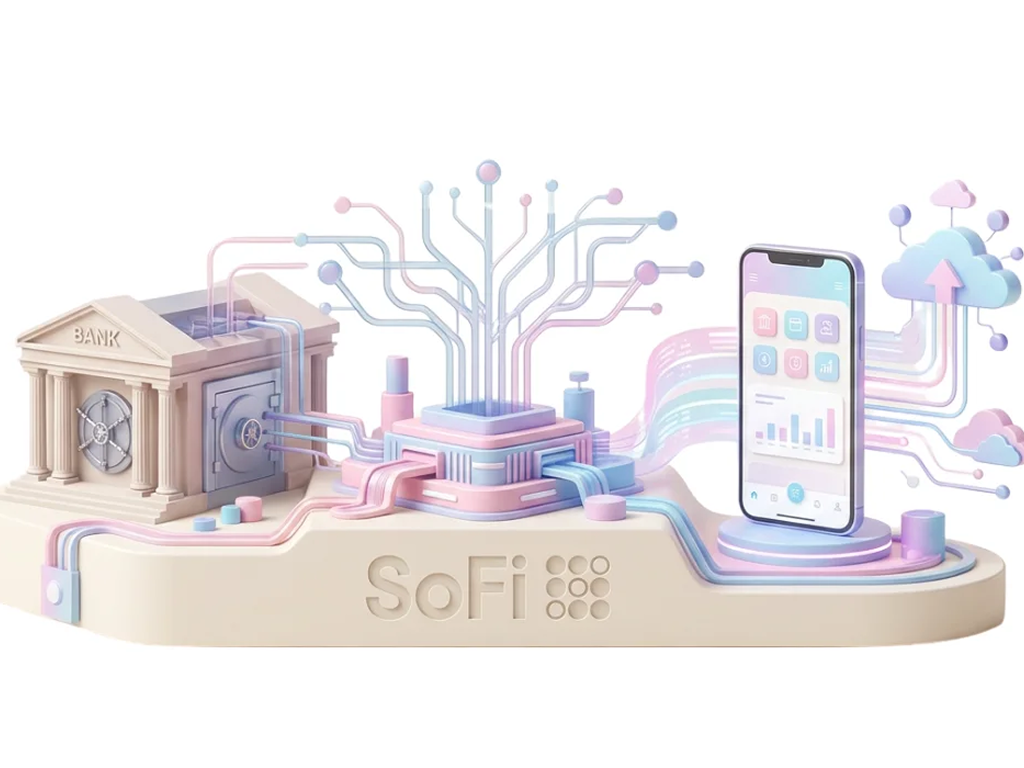
SoFi delivered one of its strongest quarters yet, with revenue, membership and loan originations reaching record levels.
However, the stock reaction showed that investors are looking beyond headline growth. Despite strong results, shares fell around 10% after earnings as the market focused on whether SoFi can convert its expanding ecosystem into stronger profitability.
The next phase of SoFi’s story is less about proving growth and more about proving the quality and sustainability of that growth.
Why Traders Are Watching SoFi
SoFi is attempting to build a broader financial platform across lending, banking, investing and other services.
The company’s strategy is based on increasing customer engagement over time, with multiple products creating more value from each relationship.
Unlike traditional financial institutions that often rely on separate business lines, SoFi aims to combine digital banking, lending and technology capabilities within one ecosystem.
Key factors investors are monitoring include:
-Profitability: Whether revenue growth can translate into stronger earnings and margins.
-Credit Quality: Whether lending expansion remains sustainable as consumer conditions change.
-Customer Value: Whether broader product adoption improves retention and long-term customer economics.
-Competition: Whether SoFi can continue competing with traditional banks and other fintech platforms.
The key question for investors is whether SoFi’s expanding ecosystem can create stronger financial returns over time.
The Banking Charter Advantage
SoFi’s banking charter has strengthened its business model by giving the company greater control over deposits and lending activities.
Before becoming a bank, SoFi relied more heavily on partner institutions to support parts of its financial services model. The banking charter allowed the company to capture more of the economics from customer relationships through its own banking infrastructure.
This creates an advantage compared with many fintech companies that operate mainly as technology platforms without direct control over deposits.
However, the opportunity still depends on execution. Investors will be watching whether this structural advantage can translate into stronger profitability and sustainable returns.
Bottom Line
SoFi has built a strong foundation through customer growth, banking capabilities and expanding financial products.
The market’s next question is whether those advantages can create better earnings and a more scalable business model.
While growth remains a key strength, investors are increasingly focused on profitability, credit quality and whether SoFi can successfully evolve from a digital finance company into a broader financial platform.
For a deeper analysis of SoFi’s growth strategy, profitability outlook and the factors shaping its stock performance, read this article.






Copyright © 2026 FastBull Ltd


风险提示
外汇交易具有很高的风险,可能并不适合所有投资者。杠杆可能会造成额外的损失风险。在决定参与外汇交易商之前,请仔细考虑您的投资目标、经验水平和风险承受能力。您可能会损失部分或全部初始投资,真诚的建议您,不要投资承受不起的风险交易。请经常提醒自己参与外汇交易的风险,如果有任何疑问,请咨询独立的财务或税务顾问。我们提供的任何数据和信息,均来自交易商和各国外汇监管机构的官方数据,仅出于提供信息的目的,不作为交易建议。另外,过去的表现并不预示未来的结果。
免责声明
本网站所含数据未必实时、准确。本网站的数据和价格未必由市场或交易所提供,而可能由做市商提供,所以价格可能并不准确且可能与实际市场价格行情存在差异。即该价格仅为指示性价格,反映行情走势,不宜为交易目的使用。对于您因交易行为或依赖本网站所含信息所导致的任何损失,本网站所含数据的提供商不承担责任。