


Vietnam Indicts Egroup Chairman in Multi-Trillion Dong Investor Fraud Case
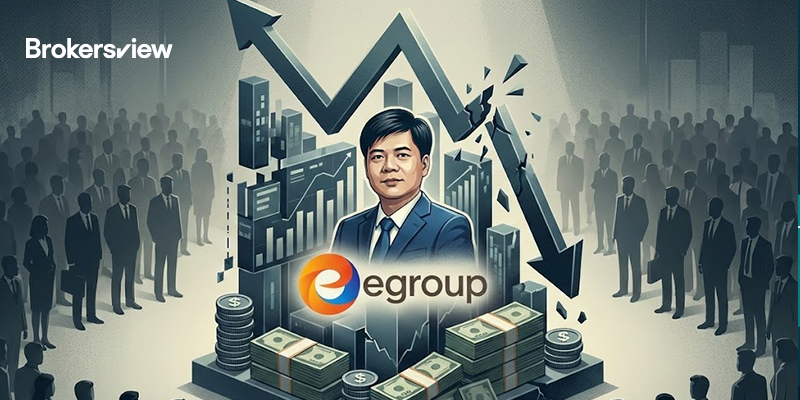
Vietnamese prosecutors have accused Nguyen Ngoc Thuy, widely known as "Shark Thuy," of playing a central role in a large-scale investment fraud that allegedly affected more than 10,000 investors and resulted in losses exceeding 7.677 trillion VND, according to an indictment issued by the Supreme People's Procuracy.
Thuy, who served as Chairman and CEO of Egroup JSC and Egame Investment and Distribution JSC, has been charged alongside 28 other defendants with offenses including fraud, embezzlement, and bribery. Authorities allege that only around 2 billion VND has been repaid to investors so far.
Investigators said that between 2015 and 2023, Egroup's registered charter capital stood at just 32 billion VND, equivalent to 3.2 million shares. Despite this, Thuy allegedly directed the sale of more than 209 million shares under over 26,000 contracts, raising approximately 7.765 trillion VND. Only a small portion of those shares corresponded to legitimate capital, while the remainder were sold without authorization and were not recorded in the company's financial statements or tax filings.
From late 2020, prosecutors allege that funds raised from new investors were partially used to service earlier obligations, while the remainder was diverted toward personal expenses, debt payments, and related entities. Authorities concluded that Egroup and Egame ultimately became insolvent and unable to meet repayment obligations.
The indictment also outlines additional fundraising activities linked to bonds, cooperation contracts, education-related restructuring, and tuition payments, involving thousands of complaints and significant sums. These matters have been separated for further investigation due to procedural time limits.
The case is among the largest financial fraud prosecutions in Vietnam in recent years and has prompted calls from investigators for enhanced oversight and more frequent audits of large enterprises.



Hottest



Copyright © 2026 FastBull Ltd


Risk Warning
FX trading is of high risk and may not be suitable for all investors. Leverage will create additional risks and loss. Before trading, please carefully consider your investment objectives, experience level and risk tolerance. You may lose part or all of your initial investment; do not invest money that you cannot afford. Educate yourself about the risks associated with FX trading. If you have any questions, please consult an independent financial or tax advisor. Any data and information are provided "as is" and only for information purpose, not for trading or recommendations. Past performance does not predict future results.
Disclaimer
The data contained in this website may not be real-time and accurate. The data and prices on this site are not necessarily provided by the market or exchange, but may be provided by market makers, so prices may be inaccurate and differ from actual market prices. Namely, this price is indicative price only to reflect market trend, and is unfavorable for trading purpose. The provider of the data contained in the Website shall not be liable for any loss incurred by you as a result of your trading activities or reliance on the information contained in the Website.