





- XAUUSD
- XAGUSD
- WTI
- USDX








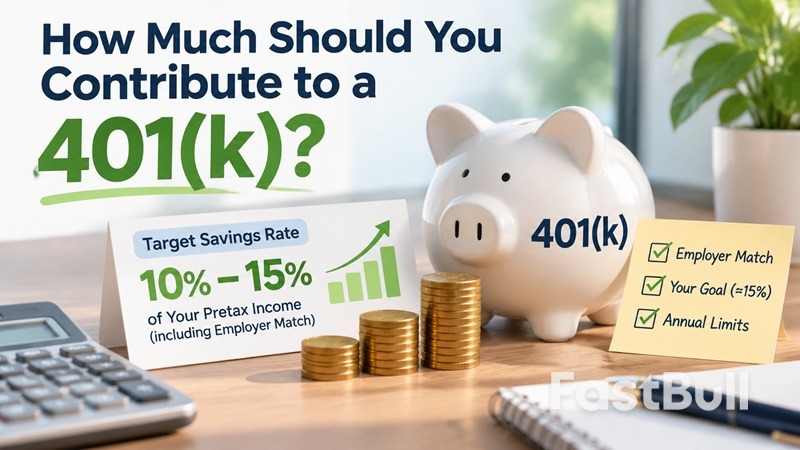
คุณควรฝากเงินเข้ากองทุน 401(k) เท่าไหร่ดี? จุดเริ่มต้นที่เหมาะสมคือ การฝากเงินให้มากพอที่จะได้รับเงินสมทบจากนายจ้างอย่างเต็มจำนวน จากนั้นค่อย ๆ ตั้งเป้าหมายออมเงินเพื่อการเกษียณให้ได้ประมาณ 15% ของรายได้ก่อนหักภาษี ซึ่งรวมถึงเงินสมทบจากนายจ้างด้วย เป้าหมายของคุณขึ้นอยู่กับอายุ เงินออมปัจจุบัน รายได้ และเป้าหมายการเกษียณของคุณ
คุณควรกันเงินส่วนหนึ่งจากเงินเดือนของคุณเข้ากองทุน 401(k) กี่เปอร์เซ็นต์?
โดยทั่วไปแล้ว เกณฑ์มาตรฐานคือการออมเงินเพื่อการเกษียณอายุ 15% ของรายได้ก่อนหักภาษีในแต่ละปี ซึ่งนับรวมทั้งส่วนที่คุณสมทบเองและส่วนที่นายจ้างสมทบด้วย นั่นไม่ได้หมายความว่าคุณต้องนำ 15% ของเงินเดือนของคุณไปใส่ในบัญชี 401(k) ด้วยตัวเอง ส่วนที่คุณสมทบเองอาจน้อยกว่านี้ได้หากนายจ้างของคุณสมทบเงินเพิ่ม หรือหากคุณออมเงินในบัญชี IRA เพิ่มเติมด้วย
เริ่มต้นด้วยการขอรับเงินสมทบจากนายจ้างอย่างครบถ้วน
หากนายจ้างของคุณสมทบเงินเข้ากองทุน 401(k) ให้พยายามสมทบเงินให้เพียงพอเพื่อรับเงินสมทบเต็มจำนวน โดยคำนึงถึงงบประมาณของคุณเป็นสำคัญ มิเช่นนั้น คุณอาจสูญเสียผลประโยชน์ส่วนหนึ่งจากค่าตอบแทนของคุณไปโดยไม่ได้ใช้ประโยชน์
ตัวอย่างเช่น สมมติว่าคุณมีรายได้ 80,000 ดอลลาร์ และนายจ้างของคุณสมทบเงินเข้าบัญชี 50% ของเงินที่คุณบริจาค โดยสูงสุดไม่เกิน 6% ของเงินเดือนของคุณ
| ผลงาน | เงินบริจาคประจำปีของคุณ | การจับคู่ของนายจ้าง |
|---|---|---|
| 3% | 2,400 เหรียญสหรัฐ | 1,200 เหรียญสหรัฐ |
| 6% | 4,800 เหรียญสหรัฐ | 2,400 เหรียญสหรัฐ |
| 8% | 6,400 เหรียญสหรัฐ | 2,400 เหรียญสหรัฐ |
หากคุณสมทบเงินในอัตรา 6% คุณจะได้รับเงินสมทบสูงสุด 2,400 ดอลลาร์ การเพิ่มอัตราการสมทบเป็น 8% จะเพิ่มเงินของคุณเองอีก 1,600 ดอลลาร์ แต่จะไม่เพิ่มเงินสมทบจากนายจ้างในตัวอย่างนี้
ตรวจสอบสูตรการจับคู่เงินสมทบและตารางการรับสิทธิ์ของแผนของคุณ ตารางการรับสิทธิ์จะระบุว่าเงินสมทบจากนายจ้างจะตกเป็นของคุณเมื่อใด
ตั้งเป้าหมายออมเงินเพื่อการเกษียณให้ได้ 15%
แนวทางการออมเพื่อการเกษียณของ Fidelityแนะนำให้เก็บออมอย่างน้อย 15% ของรายได้ก่อนหักภาษีสำหรับการเกษียณ ซึ่งรวมถึงเงินสมทบจากนายจ้างด้วย นี่เป็นเป้าหมายที่ควรพยายามไปให้ถึง ไม่ใช่กฎที่ใช้ได้กับทุกคน เงิน 15% นี้สามารถรวมเงินที่คุณฝากใน IRA ได้ ไม่จำเป็นต้องฝากใน 401(k) ทั้งหมด
ตัวอย่างเช่น หากคุณมีรายได้ 80,000 ดอลลาร์ 15% จะเท่ากับ 12,000 ดอลลาร์ต่อปี หากนายจ้างของคุณสมทบเงินให้ 2,400 ดอลลาร์ คุณจะต้องออมเงินอีก 9,600 ดอลลาร์ในบัญชีเกษียณของคุณเองเพื่อให้บรรลุเป้าหมายนั้น
ถ้าคุณไม่มีเงินมากพอที่จะบริจาคล่ะ?
คุณไม่จำเป็นต้องออมให้ถึง 15% ในทันที เริ่มต้นด้วยจำนวนเงินที่คุณสามารถรักษาไว้ได้ แล้วค่อยเพิ่มเมื่องบประมาณของคุณดีขึ้น หากเป็นไปได้ ให้พยายามออมให้ครบตามจำนวนเงินที่นายจ้างสมทบก่อน คุณยังสามารถเพิ่มเงินสมทบของคุณอีกหนึ่งเปอร์เซ็นต์หลังจากได้รับเงินเดือนเพิ่มขึ้น และใช้การหักเงินเดือนอัตโนมัติเพื่อช่วยให้คุณออมได้อย่างสม่ำเสมอ
วิธีคำนวณเงินสมทบ 401(k) ของคุณ
โดยทั่วไปแล้ว การคำนวณเงินสมทบ 401(k) จะคิดเป็นเปอร์เซ็นต์ของเงินเดือนที่มีสิทธิ์ได้รับเงินสมทบ ในการประมาณเงินสมทบรายปีของคุณ ให้คูณเงินเดือนของคุณด้วยอัตราการสมทบของคุณ
เงินสมทบประจำปีของพนักงาน = เงินเดือนประจำปี × อัตราเงินสมทบ
ตัวอย่างเช่น หากคุณมีรายได้ 80,000 ดอลลาร์ และออมเงิน 8% คุณจะประหยัดเงินได้ 6,400 ดอลลาร์ต่อปี หากคุณได้รับเงินเดือนทุกสองสัปดาห์ หรือ 26 ครั้งต่อปี นั่นหมายถึงคุณจะประหยัดเงินได้ประมาณ 246.15 ดอลลาร์ต่อการจ่ายเงินแต่ละครั้ง
คำนวณเงินสมทบของคุณตามเงินเดือนของคุณ
The table shows how different contribution rates affect savings on an $80,000 salary. It assumes 26 paychecks per year and does not include employer matching.
| Contribution Rate | Annual Contribution | Biweekly Contribution |
|---|---|---|
| 3% | $2,400 | $92.31 |
| 5% | $4,000 | $153.85 |
| 8% | $6,400 | $246.15 |
| 10% | $8,000 | $307.69 |
| 12% | $9,600 | $369.23 |
| 15% | $12,000 | $461.54 |
Your actual take-home pay will depend on whether you use a traditional or Roth 401(k), your tax situation, and how your plan calculates eligible compensation.
Estimate Your Contribution Per Paycheck
Use the calculator to estimate your employee contribution, amount per paycheck, employer match, and combined annual contributions. It assumes a flat employer match percentage up to the salary percentage you enter. Some plans use tiered formulas, so check your plan documents for an exact match calculation.
401(k) Contribution Calculator
Annual Employee Contribution: $6,400.00
Contribution Per Paycheck: $246.15
Estimated Annual Employer Match: $2,400.00
Total Annual Contributions: $8,800.00
Note: This calculator provides estimates and does not account for IRS contribution limits, vesting schedules, tiered employer matching formulas, or payroll rounding.
How Should Your 401(k) Contribution Change With Age and Income?
The right contribution rate depends partly on how long your savings have to grow and how much you have already accumulated. Someone who starts in their 20s has more time to invest than someone who begins in their 40s or 50s.
Starting Early vs. Catching Up Later
Starting early gives contributions more time to benefit from compounding. If you begin in your 20s or early 30s, working toward a 15% retirement savings rate, including employer contributions, can be a useful benchmark.
If you start later, you may need to save a larger share of your income, work longer, or adjust your retirement spending expectations. Workers aged 50 and older may also be eligible for catch-up contributions, subject to plan rules and annual IRS limits.
Adjusting Contributions Based on Your Retirement Goals
Income affects the dollar amount you save. A 10% contribution from a $60,000 salary is $6,000 a year; the same rate on a $100,000 salary is $10,000. But income alone does not determine whether you are on track. Consider your current retirement balance, planned retirement age, expected expenses, and other income sources such as Social Security, a pension, an IRA, or taxable investments.
What Are the 401(k) Contribution Limits for 2026 and 2027?
The IRS sets annual limits on employee 401(k) contributions and on total additions to a defined contribution plan. The 2027 limits were announced in November 2026.
Employee Contribution Limits and Catch-Up Contributions
For 2026, employees can defer up to $24,500 into traditional and Roth 401(k) accounts combined. For 2027, the limit increases to $25,500. Employees aged 50 or older may be able to contribute an additional catch-up amount if their plan permits it.
| Age Group | 2026 Employee Limit | 2027 Employee Limit |
|---|---|---|
| Under 50 | $24,500 | $25,500 |
| 50–59 and 64+ | $32,500 | $34,000 |
| Ages 60–63 | $35,750 | $37,250 |
The age 60–63 limit includes the higher catch-up amount instead of the standard catch-up; it is not added on top of it. Traditional and Roth 401(k) salary deferrals share the same employee limit. If you participate in more than one 401(k) or 403(b) plan during the year, your employee deferrals generally count toward the same annual limit.
How Employer Contributions Affect the Annual Limit
Employer matching and nonelective contributions do not count toward the regular employee deferral limit, but they do count toward the overall annual additions limit.
For most defined contribution plans, that limit is the lesser of 100% of eligible compensation or:
| Tax Year | Overall Annual Additions Limit |
|---|---|
| 2026 | $72,000 |
| 2027 | $75,000 |
Catch-up contributions that qualify under IRS rules are generally excluded from this overall limit. Check your plan rules before trying to maximize contributions. Your employer may impose plan-specific restrictions, and the plan must permit catch-up contributions.
For the official figures, see the IRS announcement of the 2027 contribution limits and IRS Notice 2026-66.
Should You Increase or Max Out Your 401(k)?
Maxing out your 401(k) can help build retirement savings faster, but it is not automatically the best choice for every household. Consider your income, cash reserves, debt, employer benefits, and other financial goals before increasing contributions.
When It Makes Sense to Increase Your Contributions
Increasing contributions can make sense when your salary rises, essential expenses are covered, and you have enough emergency savings. You may also want to increase your rate if you are behind on your retirement target or want to make full use of the annual limit.
A practical approach is to raise your contribution gradually rather than making a large change that strains your monthly budget. Check how much you have already contributed during the year so you do not accidentally exceed the applicable limit.
When Other Financial Priorities Come First
If you have no emergency savings or carry high-interest credit card debt, putting every available dollar into your 401(k) may not be sensible. Consider keeping cash for unexpected expenses and paying down expensive debt while contributing enough to receive the full employer match when possible.
You do not have to choose one goal exclusively. A balanced plan can maintain retirement contributions while improving your short-term financial stability.
Is a 401(k) Enough for Retirement?
บัญชี 401(k) สามารถเป็นแหล่งรายได้หลักสำหรับการเกษียณ แต่จะเพียงพอหรือไม่นั้นขึ้นอยู่กับอัตราการออม ผลการลงทุน อายุเกษียณ และความต้องการใช้จ่ายของคุณ หลายคนรวมบัญชี 401(k) กับประกันสังคม บัญชี IRA เงินบำนาญ หรือการลงทุนอื่นๆ
ควรตรวจสอบเงินออมและอัตราการออมของคุณอย่างสม่ำเสมอ โดยเฉพาะอย่างยิ่งหลังจากมีการเปลี่ยนแปลงเงินเดือนหรือเหตุการณ์สำคัญในชีวิต เป้าหมายคือการสร้างทรัพยากรให้เพียงพอต่อการใช้ชีวิตหลังเกษียณตามที่คุณคาดหวัง ไม่ใช่เพียงแค่การออมให้ถึงวงเงินสูงสุดทุกปี


