• การซื้อขาย
  • ตลาด
  • คัดลอก
  • การแข่งขัน
  • 24x7
  • ปฏิทิน
  • Q&A
  • แชท
ตัวกรอง
สินทรัพย์
ล่าสุด
ราคาขาย
ราคาซื้อ
สูงสุด
ต่ำสุด
เปลี่ยน
% เปลี่ยน
สเปรด
แหล่งที่มา
SPX
S&P 500 Index
7688.62
7688.62
7688.62
7715.57
7635.81
+119.70
+ 1.58%
--
--
DJI
Dow Jones Industrial Average
53356.12
53356.12
53356.12
53492.40
52410.23
+1569.40
+ 3.03%
--
--
IXIC
NASDAQ Composite Index
25736.52
25736.52
25736.52
26048.83
25602.14
+364.52
+ 1.44%
--
--
USDX
ดัชนีดอลลาร์สหรัฐ
101.430
101.430
101.510
101.467
101.023
+0.085
+ 0.08%
--
--
EURUSD
ยูโร/ดอลลาร์สหรัฐ
1.12229
1.12229
1.12236
1.12678
1.12162
-0.00046
-0.04%
--
--
GBPUSD
ปอนด์สเตอร์ลิง/ดอลลาร์สหรัฐ
1.34567
1.34567
1.34579
1.35003
1.34476
-0.00140
-0.10%
--
--
XAUUSD
Gold / US Dollar
4117.80
4117.80
4118.21
4146.77
4057.55
+56.95
+ 1.40%
--
--
WTI
Light Sweet Crude Oil
89.312
89.312
89.342
89.597
86.001
+1.948
+ 2.23%
--
--

บัญชีชุมชน

บัญชีสัญญาณ (อัน)
--
บัญชีกำไร (อัน)
--
บัญชีขาดทุน (อัน)
--
ดูเพิ่มเติม

มาเป็นผู้ให้สัญญาณ

ขายสัญญาณและรับรายได้

ดูเพิ่มเติม

คู่มือการคัดลอกการซื้อขาย

เริ่มต้นง่ายๆ

ดูเพิ่มเติม

สัญญาณ VIP

ทั้งหมด

ผลตอบแทนที่ดีที่สุด
  • ผลตอบแทนที่ดีที่สุด
  • กำไร/ขาดทุนที่ดีที่สุด
  • MDD ที่ดีที่สุด
1 สัปดาห์ที่ผ่านมา
  • 1 สัปดาห์ที่ผ่านมา
  • 1 เดือนที่ผ่านมา
  • 1 ปีที่ผ่านมา

ทั้งหมด

  • ทั้งหมด
  • แนะนำ
  • หุ้น
  • สกุลเงินดิจิทัล
  • ธนาคารกลาง
  • อัปเดตทรัมป์
  • ข่าวเด่น
ดูข่าวเด่นเท่านั้น
แชร์

โลแบดลีย์จากธนาคารแห่งอังกฤษกล่าวว่า "เราไม่มองว่าค่าจ้างในภาครัฐเป็นความเสี่ยงโดยเฉพาะ"

แชร์

รองผู้ว่าการธนาคารแห่งอังกฤษ แรมส์เดน กล่าวว่า แนวโน้มราคาสินค้าในภาคบริการของสหราชอาณาจักรที่ลดลงดูเหมือนจะชะลอตัวลงหรือหยุดลงแล้ว

แชร์

ราคาน้ำมันดิบ WTI แตะระดับ 90 ดอลลาร์ต่อบาร์เรล เพิ่มขึ้น 2.24% ในวันเดียวกัน ขณะที่ราคาน้ำมันดิบเบรนท์ปรับตัวสูงขึ้นกว่า 2.8%

แชร์

ผู้ว่าการธนาคารแห่งอังกฤษ นายเบลีย์ กล่าวว่า หากสงครามยังคงดำเนินต่อไป มีเหตุผลที่จะต้องขึ้นอัตราดอกเบี้ยอีก 25 จุดพื้นฐาน

แชร์

ราคาน้ำมันดิบ WTI ปรับตัวขึ้น 2% ในวันนี้ โดยปัจจุบันซื้อขายอยู่ที่ 89.92 ดอลลาร์ต่อบาร์เรล

แชร์

ผู้ว่าการธนาคารแห่งอังกฤษ นายเบลีย์ กล่าวว่า สถานการณ์มีความผันผวนมาก และเราไม่สามารถมุ่งเน้นไปที่ข่าวในช่วงสองวันที่ผ่านมาได้ เพราะข่าวเหล่านั้นไม่ได้แสดงให้เห็นถึงความคืบหน้าที่ชัดเจนในกระบวนการสันติภาพ

แชร์

ประธานธนาคารกลางสวิตเซอร์แลนด์ ชเลเกล กล่าวว่า ธนาคารกลางสวิตเซอร์แลนด์ไม่สนับสนุนการใช้กลยุทธ์การชี้นำล่วงหน้า

แชร์

ผู้ว่าการธนาคารแห่งอังกฤษ นายเบลีย์ กล่าวว่า: ผมไม่เห็นด้วยกับความคิดที่ว่า "การลดอัตราดอกเบี้ยสองครั้งก็เพียงพอแล้ว"

แชร์

ผู้ว่าการธนาคารแห่งอังกฤษ นายเบลีย์ กล่าวว่า: ผมไม่คิดว่าเราดำเนินการช้าเกินไป

แชร์

รองผู้ว่าการธนาคารแห่งอังกฤษ ลอมบาร์ดี กล่าวว่า ข้อมูลอัตราเงินเฟ้อของยูโรโซนแสดงให้เห็นว่าสหราชอาณาจักรไม่ใช่ประเทศเดียวที่ได้รับผลกระทบจากราคาน้ำมัน

แชร์

ราคาทองคำขาวแพลเลเดียมปรับตัวสูงขึ้น 4.00% ในวันนี้ โดยปัจจุบันซื้อขายอยู่ที่ 1,046.24 ดอลลาร์ต่อออนซ์

แชร์

สัญญาซื้อขายล่วงหน้ากากเมล็ดเรพซีดหลักปรับตัวขึ้น 2.00% ในระหว่างวัน โดยปัจจุบันซื้อขายอยู่ที่ 2223.00 หยวน/ตัน

แชร์

สัญญาซื้อขายล่วงหน้าโพรพิลีนที่มีการซื้อขายมากที่สุดลดลง 4% ในระหว่างวัน โดยปัจจุบันซื้อขายอยู่ที่ 9330.00 หยวน

แชร์

สัญญาซื้อขายน้ำมันเชื้อเพลิงหลักลดลง 2.00% ในระหว่างวัน โดยปัจจุบันซื้อขายอยู่ที่ 4220.00 หยวน/ตัน

แชร์

ธนาคารกลางยูเครนคัดค้านร่างกฎหมายคริปโตฉบับปัจจุบัน: แสดงความกังวลเกี่ยวกับอำนาจอธิปไตยทางการเงิน และเรียกร้องให้มีการแก้ไขก่อนการพิจารณาขั้นสุดท้าย

แชร์

สัญญาซื้อขายล่วงหน้าก๊าซปิโตรเลียมเหลว (LPG) ที่มีการซื้อขายมากที่สุด ปรับตัวลดลง 4% ในระหว่างวัน โดยปัจจุบันซื้อขายอยู่ที่ 6705.00 หยวน

แชร์

ผู้ก่อตั้ง SkyBridge: เหรียญมีมทรัมป์เป็นสาเหตุที่ทำให้การผลักดันร่างกฎหมาย CLARITY Act ล้มเหลว ทั้งพรรคเดโมแครตและพรรครีพับลิกันต่างมีส่วนรับผิดชอบ

แชร์

สัญญาซื้อขายล่วงหน้าเมทานอลที่มีการซื้อขายมากที่สุดลดลง 1% ในระหว่างวัน โดยปัจจุบันซื้อขายอยู่ที่ 3201.00 หยวน

แชร์

ดัชนี Baltic Dry Index ปรับตัวสูงขึ้น 1.71% สู่ระดับ 2,740 จุด

แชร์

สัญญาซื้อขายหลักสำหรับน้ำมันเชื้อเพลิงกำมะถันต่ำ (LU) ปรับตัวสูงขึ้นมากกว่า 2.00% ในระหว่างวัน โดยปัจจุบันซื้อขายอยู่ที่ 5098.00 หยวน/ตัน

เวลา
ค่าจริง
คาดการณ์
ครั้งก่อน
ผลกระทบ
สหรัฐอเมริกา การเปลี่ยนแปลงสต็อกน้ำมันเบนซินรายสัปดาห์ของ EIA

ค:--

ค: --

ค: --

WTI
  • WTI
  • XAUUSD
  • XAGUSD
  • USDX
สหรัฐอเมริกา การเปลี่ยนแปลงการนำเข้าน้ำมันดิบรายสัปดาห์ EIA

ค:--

ค: --

ค: --

WTI
  • WTI
  • XAUUSD
  • XAGUSD
  • USDX
สหรัฐอเมริกา การเปลี่ยนแปลงสต็อกน้ำมันเชื้อเพลิงรายสัปดาห์ของ EIA

ค:--

ค: --

ค: --

WTI
  • WTI
  • XAUUSD
  • XAGUSD
  • USDX
บราซิล ค่าแรงงานสุทธิ CAGED (ก.ย.)

ค:--

ค: --

ค: --

XAUUSD
  • XAUUSD
  • XAGUSD
  • WTI
  • USDX
บราซิล อัตราดอกเบี้ย Selic

ค:--

ค: --

ค: --

XAUUSD
  • XAUUSD
  • XAGUSD
  • WTI
  • USDX
ญี่ปุ่น PMI คอมโพสิต IHS Markit (ต.ค.)

ค:--

ค: --

ค: --

USDJPY
  • USDJPY
  • XAUUSD
  • XAGUSD
  • WTI
ญี่ปุ่น PMI อุตสาหกรรมบริการ IHS Markit (ต.ค.)

ค:--

ค: --

ค: --

USDJPY
  • USDJPY
  • XAUUSD
  • XAGUSD
  • WTI
ออสเตรเลีย ดุลการค้า (SA) (ก.ย.)

ค:--

ค: --

ค: --
AUDUSD
  • AUDUSD
  • XAUUSD
  • XAGUSD
  • WTI
  • USDX
ออสเตรเลีย ปริมาณการส่งออก MoM (SA) (ก.ย.)

ค:--

ค: --

ค: --
AUDUSD
  • AUDUSD
  • XAUUSD
  • XAGUSD
  • WTI
ญี่ปุ่น อัตราผลตอบแทนการประมูล JGB 10-ปี

ค:--

ค: --

ค: --

USDJPY
  • USDJPY
  • XAUUSD
  • XAGUSD
  • WTI
  • USDX
อินโดนีเซีย GDP YoY (ไตรมาส 3)

ค:--

ค: --

ค: --

XAUUSD
  • XAUUSD
  • XAGUSD
  • WTI
  • USDX
รัสเซีย PMI อุตสาหกรรมบริการ IHS Markit (ต.ค.)

ค:--

ค: --

ค: --

WTI
  • WTI
  • XAUUSD
  • XAGUSD
  • USDX
แอฟริกาใต้ PMI คอมโพสิต IHS Markit (SA) (ต.ค.)

ค:--

ค: --

ค: --

XAUUSD
  • XAUUSD
  • XAGUSD
  • WTI
  • USDX
ฝรั่งเศส การผลิตภาคอุตสาหกรรม MoM(SA) (ก.ย.)

ค:--

ค: --

ค: --
EURUSD
  • EURUSD
  • XAUUSD
  • XAGUSD
  • WTI
  • USDX
เยอรมนี ดัชนี PMI การก่อสร้าง (SA) (ต.ค.)

ค:--

ค: --

ค: --

EURUSD
  • EURUSD
  • XAUUSD
  • XAGUSD
  • WTI
  • USDX
อิตาลี ดัชนียอดค้าปลีก MoM (SA) (ก.ย.)

ค:--

ค: --

ค: --

EURUSD
  • EURUSD
  • XAUUSD
  • XAGUSD
  • WTI
  • USDX
สหราชอาณาจักร PMI อุตสาหกรรมการก่อสร้าง Markit/CIPS (ต.ค.)

ค:--

ค: --

ค: --

GBPUSD
  • GBPUSD
  • XAUUSD
  • XAGUSD
  • WTI
  • USDX
ยูโรโซน PPI YoY (ก.ย.)

ค:--

ค: --

ค: --
EURUSD
  • EURUSD
  • XAUUSD
  • XAGUSD
  • WTI
  • USDX
ยูโรโซน PPI MoM (ก.ย.)

ค:--

ค: --

ค: --
EURUSD
  • EURUSD
  • XAUUSD
  • XAGUSD
  • WTI
  • USDX
ฝรั่งเศส อัตราผลตอบแทนเฉลี่ยการประมูลหนี้ OAT 10-ปี

ค:--

ค: --

ค: --

EURUSD
  • EURUSD
  • XAUUSD
  • XAGUSD
  • WTI
  • USDX
สหรัฐอเมริกา การเลิกจ้างพนักงานบริษัทชาเลนเจอร์ เกรย์ และคริสต์มาส YoY (ต.ค.)

ค:--

ค: --

ค: --

USDX
  • USDX
  • XAUUSD
  • XAGUSD
  • WTI
สหรัฐอเมริกา จำนวนการปลดพนักงานบริษัทชาเลนเจอร์ เกรย์ และคริสต์มาส YoY (ต.ค.)

ค:--

ค: --

ค: --

USDX
  • USDX
  • XAUUSD
  • XAGUSD
  • WTI
สหรัฐอเมริกา การเลิกจ้างพนักงานบริษัทชาเลนเจอร์ เกรย์ และคริสต์มาส MoM (ต.ค.)

ค:--

ค: --

ค: --

USDX
  • USDX
  • XAUUSD
  • XAGUSD
  • WTI
เม็กซิโก ดัชนีความเชื่อมั่นผู้บริโภค (ต.ค.)

ค:--

ค: --

ค: --

XAUUSD
  • XAUUSD
  • XAGUSD
  • WTI
  • USDX
สหราชอาณาจักร BOE MPCโหวตไม่เปลี่ยนอัตราดอกเบี้ย

ค:--

ค: --

ค: --

GBPUSD
  • GBPUSD
  • XAUUSD
  • XAGUSD
  • WTI
  • USDX
สหราชอาณาจักร BOE MPCโหวตเพิ่มอัตราดอกเบี้ย

ค:--

ค: --

ค: --

GBPUSD
  • GBPUSD
  • XAUUSD
  • XAGUSD
  • WTI
  • USDX
สหราชอาณาจักร ดอกเบี้ยอ้างอิง

ค:--

ค: --

ค: --

GBPUSD
  • GBPUSD
  • XAUUSD
  • XAGUSD
  • WTI
  • USDX
สหราชอาณาจักร BOE MPCโหวตลดอัตราดอกเบี้ย

ค:--

ค: --

ค: --

GBPUSD
  • GBPUSD
  • XAUUSD
  • XAGUSD
  • WTI
  • USDX
รายงานนโยบายการเงิน BOE
นายเบลีย์ ผู้ว่าการธนาคารแห่งประเทศอังกฤษ จัดการแถลงข่าวเกี่ยวกับนโยบายการเงิน
บราซิล PMI อุตสาหกรรมบริการ IHS Markit (ต.ค.)

ค:--

ค: --

ค: --

XAUUSD
  • XAUUSD
  • XAGUSD
  • WTI
  • USDX
บราซิล PMI คอมโพสิต IHS Markit (ต.ค.)

ค:--

ค: --

ค: --

XAUUSD
  • XAUUSD
  • XAGUSD
  • WTI
  • USDX
สหรัฐอเมริกา จำนวนผู้ขอรับสวัสดิการว่างงานครั้งแรกรายสัปดาห์ (SA)

--

ค: --

ค: --

สหรัฐอเมริกา จำนวนผู้ขอรับสวัสดิการว่างงานต่อรายสัปดาห์ (SA)

--

ค: --

ค: --

สหรัฐอเมริกา ค่าเฉลี่ยจำนวนผู้ขอรับสวัสดิการว่างงานครั้งแรก4 สัปดาห์ (SA)

--

ค: --

ค: --

คำกล่าวของแฮมแม็ก สมาชิกคณะกรรมการนโยบายการเงินของธนาคารกลางสหรัฐ (FOMC)
นายบาร์กิน ประธานธนาคารกลางสหรัฐสาขาริชมอนด์ ได้กล่าวสุนทรพจน์
คำกล่าวของประธาน ECB
สหรัฐอเมริกา การเปลี่ยนแปลงสต็อกก๊าซธรรมชาติประจำสัปดาห์ของ EIA

--

ค: --

ค: --

ผู้ว่าการธนาคารกลางแคนาดา นายแม็คเล็ม และรองผู้ว่าการอาวุโส นายโรเจอร์ส ได้ให้การต่อคณะกรรมการวุฒิสภา
คำกล่าวของ Lane หัวหน้านักเศรษฐศาสตร์ของ ECB
คำกล่าวของประธาน ECB
เม็กซิโก อัตราดอกเบี้ยนโยบาย

--

ค: --

ค: --

สหรัฐอเมริกา การถือครองธนารักษ์สหรัฐฯของธนาคารกลางต่างประเทศรายสัปดาห์

--

ค: --

ค: --

ญี่ปุ่น ค่าจ้าง MoM (ก.ย.)

--

ค: --

ค: --

เยอรมนี การผลิตภาคอุตสาหกรรม MoM(SA) (ก.ย.)

--

ค: --

ค: --

สหราชอาณาจักร ดัชนีราคาที่อยู่อาศัย Halifax YoY (SA) (ต.ค.)

--

ค: --

ค: --

สหราชอาณาจักร ดัชนีราคาที่อยู่อาศัย Halifax MoM (SA) (ต.ค.)

--

ค: --

ค: --

ฝรั่งเศส ดุลการค้า (SA) (ก.ย.)

--

ค: --

ค: --

ประธานเฟดนิวยอร์ก นายวิลเลียมส์ และหัวหน้านักเศรษฐศาสตร์ของธนาคารกลางยุโรป นายเลน เข้าร่วมการหารือในการประชุมตลาดการเงินของธนาคารกลางยุโรปประจำปี 2026
ยูโรโซน ดัชนียอดค้าปลีก YoY (ก.ย.)

--

ค: --

ค: --

ยูโรโซน ดัชนียอดค้าปลีก MoM (ก.ย.)

--

ค: --

ค: --

อินเดีย การเติบโตของเงินฝาก YoY

--

ค: --

ค: --

แคนาดา การจ้างงาน (SA) (ต.ค.)

--

ค: --

ค: --

แคนาดา การจ้างงานเต็มเวลา (SA) (ต.ค.)

--

ค: --

ค: --

แคนาดา การจ้างงานนอกเวลา (SA) (ต.ค.)

--

ค: --

ค: --

สหรัฐอเมริกา การจ้างงานของรัฐบาล (ต.ค.)

--

ค: --

ค: --

สหรัฐอเมริกา อัตราการว่างงาน U6 (SA) (ต.ค.)

--

ค: --

ค: --

สหรัฐอเมริกา การจ้างงานภาคการผลิต (SA) (ต.ค.)

--

ค: --

ค: --

สหรัฐอเมริกา ค่าจ้างรายชั่วโมงเฉลี่ย YoY (ต.ค.)

--

ค: --

ค: --

สหรัฐอเมริกา ค่าจ้างรายชั่วโมงเฉลี่ย MoM (SA) (ต.ค.)

--

ค: --

ค: --

Q&A กับผู้เชี่ยวชาญ
    • ทั้งหมด
    • ห้องสนทนา
    • กลุ่ม
    • เพื่อน
    EuroTrader flag
    Matthew
    @EuroTradermaybe you can read it again before you post
    @Matthewohh sorry about that, , sometimes you are typing so fast you make mistakes. That's what happened
    Skylark flag
    TubaInShadows
    00:18
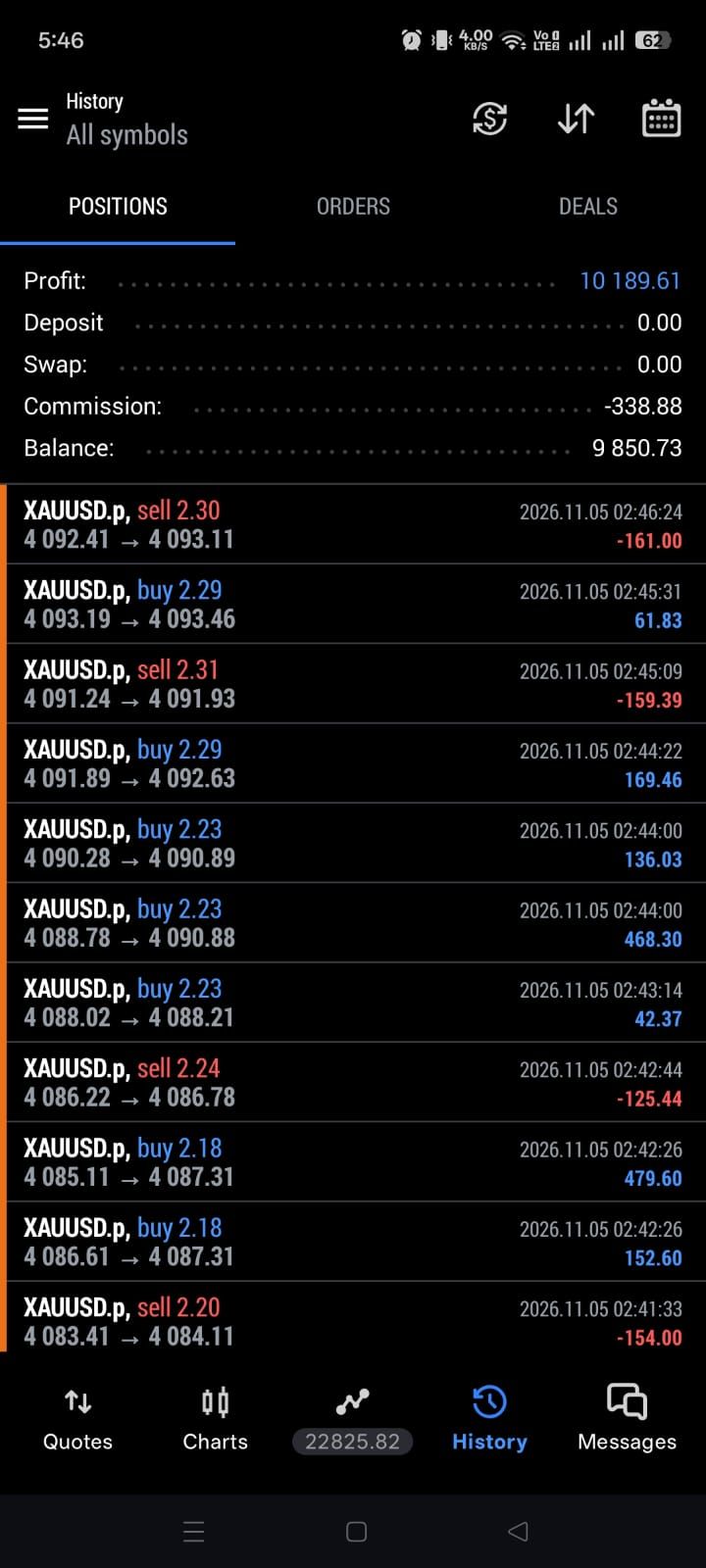
    @TubaInShadowsseems you are back with your bot Today?
    TubaInShadows flag
    EuroTrader
    @TubaInShadowsi am interested in the bot, can you please tell me how to get the bot
    @EuroTraderI didn't buy it, I made it myself.
    Matthew flag
    EuroTrader
    @Matthewohh sorry about that, , sometimes you are typing so fast you make mistakes. That's what happened
    @EuroTraderokay thank you
    Matthew flag
    @EuroTraderhave you now see Bitcoin
    Size flag
    TubaInShadows
    @TubaInShadowsNice catch mate.. your bot is treating you well mate..
    Nawhdir flag
    ih
    Skylark flag
    TubaInShadows
    @EuroTraderI didn't buy it, I made it myself.
    @TubaInShadowswow that's good, it seems to serve you well
    EuroTrader flag
    TubaInShadows
    @EuroTraderI didn't buy it, I made it myself.
    @TubaInShadowsokay. Do you sell the bot or how can I get the bot to trade with
    Sanjeev Ku flag
    TubaInShadows
    @EuroTraderI didn't buy it, I made it myself.
    @TubaInShadows from which server are you accessing live data.
    EuroTrader flag
    Sanjeev Ku flag
    Sanjeev Ku
    @TubaInShadows from which server are you accessing live data.
    hello
    Skylark flag
    Sanjeev Ku
    @TubaInShadows from which server are you accessing live data.
    @Sanjeev Kuyes she should tell her more about those things
    EuroTrader flag
    EuroTrader
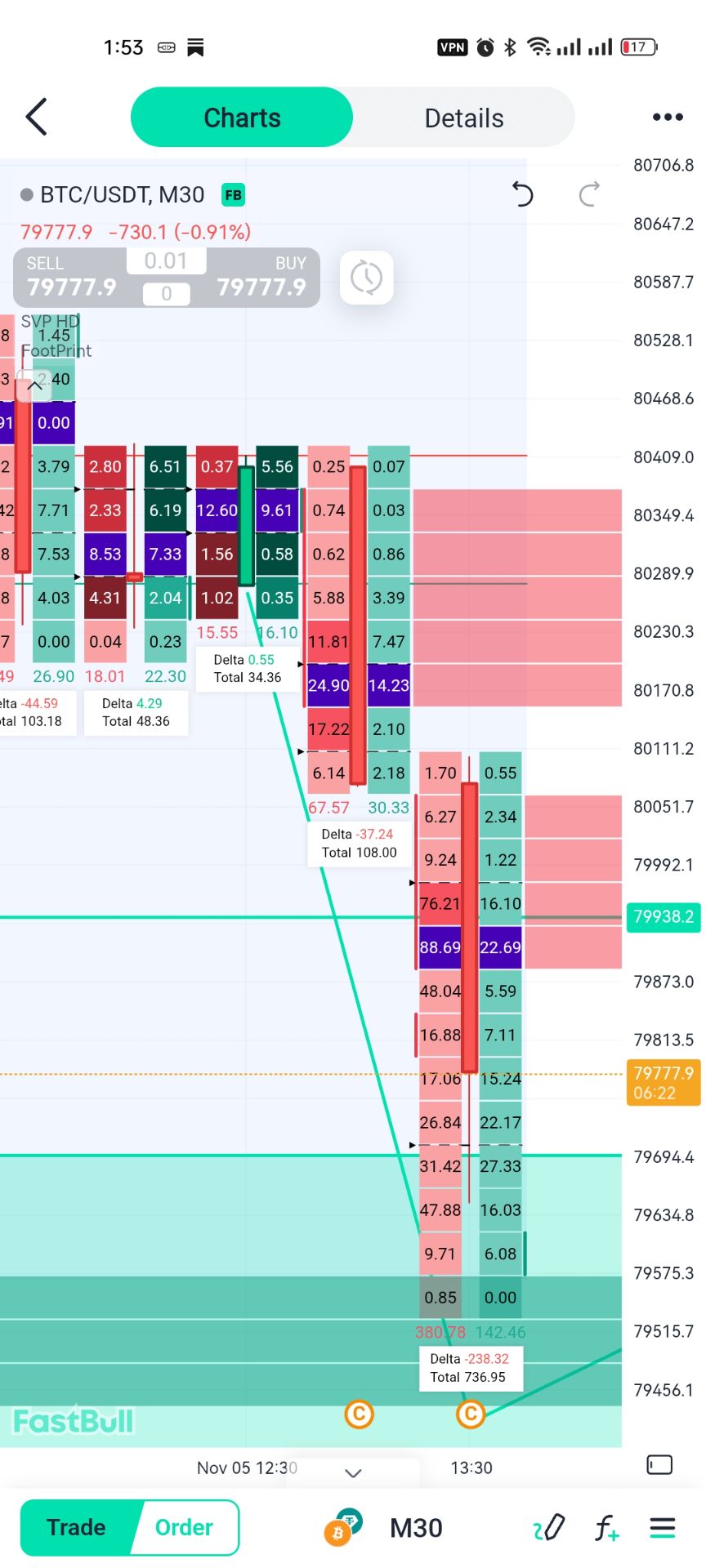
    @Matthewwhen we take a close look at the delta profile we can see that the delta is strongly negative so no need for seeking reversals
    Sanjeev Ku flag
    Skylark
    @Sanjeev Kuyes she should tell her more about those things
    @Skylark bot takes decision based on data building. so she must be accessing some server in order to get that data.
    Size flag
    Sanjeev Ku flag
    Sanjeev Ku
    @Skylark bot takes decision based on data building. so she must be accessing some server in order to get that data.
    also it would be nice if she discloses the language in which she has programmed it
    EuroTrader flag
    Sanjeev Ku
    @Skylark bot takes decision based on data building. so she must be accessing some server in order to get that data.
    @Sanjeev Kutue bot looks like a high frequency trading bot. What do you think about the bot
    Skylark flag
    Sanjeev Ku
    @Skylark bot takes decision based on data building. so she must be accessing some server in order to get that data.
    @Sanjeev KuOK don't have idea of how bot is been created
    Skylark flag
    Sanjeev Ku
    also it would be nice if she discloses the language in which she has programmed it
    @Sanjeev KuOK seems you want to try it out right?
    พิมพ์ที่นี่...
    เพิ่มชื่อสินทรัพย์หรือรหัส

      ไม่มีข้อมูลที่ตรงกัน

      ทั้งหมด
      แนะนำ
      หุ้น
      สกุลเงินดิจิทัล
      ธนาคารกลาง
      อัปเดตทรัมป์
      ข่าวเด่น
      • ทั้งหมด
      • สงครามรัสเซีย–ยูเครน
      • โฟกัสตะวันออกกลาง
      • ทั้งหมด
      • สงครามรัสเซีย–ยูเครน
      • โฟกัสตะวันออกกลาง
      ค้นหา
      ผลิตภัณฑ์

      กราฟ ฟรีตลอดไป

      แชท Q&A กับผู้เชี่ยวชาญ
      ตัวกรอง ปฏิทินเศรษฐกิจ ข้อมูล เครื่องมือ
      สมาชิก ฟีเจอร์
      ศูนย์ข้อมูล แนวโน้มของตลาด ข้อมูลสถาบัน อัตราดอกเบี้ยของธนาคารกลาง เศรษฐกิจมหภาค

      แนวโน้มของตลาด

      ความเชื่อมั่น สมุดคำสั่งซื้อขาย ความสัมพันธ์ในตลาดฟอเร็กซ์

      ตัวชี้วัดยอดนิยม

      กราฟ ฟรีตลอดไป
      ตลาด

      ข่าวสาร

      24x7 การวิเคราะห์ แหล่งเรียนรู้

      ทัศนคติล่าสุด

      อัปเดตล่าสุด

      สัญญาณ

      คัดลอก อันดับ สัญญาณล่าสุด มาเป็นผู้ให้สัญญาณ การจัดอันดับ AI
      การแข่งขัน
      Brokers

      ภาพรวม โบรกเกอร์ เรตติ้ง อันดับ หน่วยงานควบคุม ข่าวสาร การเรียกร้อง
      รายชื่อโบรกเกอร์ การเปรียบเทียบโบรกเกอร์ฟอเร็กซ์ การเปรียบเทียบสเปรดสด โบรกเกอร์โกง
      Q&A ร้องเรียน วิดีโอแจ้งเตือนการหลอกลวง เคล็ดลับการตรวจจับการหลอกลวง
      เพิ่มเติม

      สำหรับธุรกิจ
      กิจกรรม
      รับสมัครงาน เกี่ยวกับเรา การลงโฆษณา ศูนย์ช่วยเหลือ

      ไวท์เลเบล

      Broker API

      Data API

      ปลั๊กอินเว็บไซต์

      โครงการพันธมิตร

      รางวัล การประเมินสถาบัน IB Seminar กิจกรรม Salon นิทรรศการ
      เวียดนาม ประเทศไทย สิงคโปร์ ดูไบ
      Fans Party เซสชั่นการแบ่งปันการลงทุน
      การประชุมสุดยอด FastBull นิทรรศการ BrokersView
      การค้นหาเมื่อเร็วๆนี้
        คำศัพท์ที่ยอดนิยม
          ตลาด
          การวิเคราะห์
          ผู้ใช้
          24x7
          ปฏิทินเศรษฐกิจ
          แหล่งเรียนรู้
          ข้อมูล
          • ชื่อ
          • ค่าล่าสุด
          • ครั้งก่อน

          ดูผลการค้นหาทั้งหมด

          ไม่มีข้อมูล

          สแกน ดาวน์โหลด

          Faster Charts, Chat Faster!

          ดาวน์โหลด
          • English
          • Español
          • العربية
          • Bahasa Indonesia
          • Bahasa Melayu
          • Tiếng Việt
          • ภาษาไทย
          • Français
          • Italiano
          • Türkçe
          • Русский язык
          • 简中
          • 繁中
          เปิดบัญชี
          ค้นหา
          ผลิตภัณฑ์
          กราฟ ฟรีตลอดไป
          ตลาด
          ข่าวสาร
          สัญญาณ

          คัดลอก อันดับ สัญญาณล่าสุด มาเป็นผู้ให้สัญญาณ การจัดอันดับ AI
          การแข่งขัน
          Brokers

          ภาพรวม โบรกเกอร์ เรตติ้ง อันดับ หน่วยงานควบคุม ข่าวสาร การเรียกร้อง
          รายชื่อโบรกเกอร์ การเปรียบเทียบโบรกเกอร์ฟอเร็กซ์ การเปรียบเทียบสเปรดสด โบรกเกอร์โกง
          Q&A ร้องเรียน วิดีโอแจ้งเตือนการหลอกลวง เคล็ดลับการตรวจจับการหลอกลวง
          เพิ่มเติม

          สำหรับธุรกิจ
          กิจกรรม
          รับสมัครงาน เกี่ยวกับเรา การลงโฆษณา ศูนย์ช่วยเหลือ

          ไวท์เลเบล

          Broker API

          Data API

          ปลั๊กอินเว็บไซต์

          โครงการพันธมิตร

          รางวัล การประเมินสถาบัน IB Seminar กิจกรรม Salon นิทรรศการ
          เวียดนาม ประเทศไทย สิงคโปร์ ดูไบ
          Fans Party เซสชั่นการแบ่งปันการลงทุน
          การประชุมสุดยอด FastBull นิทรรศการ BrokersView

          ออปชั่น Put กับ Call: ความแตกต่างที่สำคัญ วิธีการทำงาน และเวลาที่ควรใช้แต่ละแบบ

          จ้านเฉิน
          สรุป:

          เรียนรู้ความแตกต่างระหว่างออปชั่นประเภท Put และ Call วิธีการทำงานของสัญญาแต่ละประเภท ผลกำไรและความเสี่ยงที่อาจเกิดขึ้น และเมื่อใดที่เทรดเดอร์ควรใช้ Put หรือ Call

          การซื้อขายออปชั่นอาจดูซับซ้อนในตอนแรก โดยเฉพาะอย่างยิ่งเมื่อคำศัพท์ต่างๆ เช่น พุต คอล ราคาใช้สิทธิ และวันหมดอายุ ปรากฏขึ้นพร้อมกัน อย่างไรก็ตาม การเข้าใจความแตกต่างระหว่างพุตและคอลเป็นขั้นตอนที่สำคัญที่สุดขั้นตอนหนึ่งในการเรียนรู้ว่าออปชั่นทำงานอย่างไร ความแตกต่างพื้นฐานนั้นง่ายมาก: คอลให้สิทธิ์แก่ผู้ซื้อในการซื้อสินทรัพย์ในราคาที่กำหนด ในขณะที่พุตให้สิทธิ์แก่ผู้ซื้อในการขายสินทรัพย์นั้น ทั้งสองอย่างสามารถใช้เพื่อเก็งกำไรจากการเคลื่อนไหวของราคา บริหารความเสี่ยงของพอร์ตโฟลิโอ หรือสร้างกลยุทธ์การซื้อขายขั้นสูงได้
          Put กับ Call: ความแตกต่างที่สำคัญ วิธีการทำงาน และเวลาที่ควรใช้แต่ละแบบ_1

          สารบัญ

          • 1. ออปชั่นซื้อ (Call Option) คืออะไร?
          • 2. ออปชั่นขาย (Put Option) คืออะไร?
          • 3. ออปชั่นซื้อ (Put) กับ ออปชั่นขาย (Call): ความแตกต่างที่สำคัญ
          • 4. การซื้อและขาย Put และ Call
          • 5. ราคาใช้สิทธิและค่าพรีเมียมมีผลต่อออปชั่นซื้อและออปชั่นขายอย่างไร?
          • 6. ควรใช้ Call Option หรือ Put Option เมื่อใด?
          • 7. ปัจจัยใดบ้างที่ส่งผลต่อมูลค่าของออปชั่นซื้อและออปชั่นขาย?
          • 8. ข้อผิดพลาดทั่วไปในการซื้อขายออปชั่นซื้อและขาย
          • 9. คำถามที่พบบ่อย
          • 10. ข้อคิดส่งท้าย

          Call Option คืออะไร?

          สัญญาซื้อขายสิทธิซื้อ (Call Option) เป็นสัญญาทางการเงินที่ให้สิทธิแก่ผู้ซื้อ แต่ไม่ใช่ภาระผูกพัน ในการซื้อสินทรัพย์อ้างอิงในราคาที่กำหนดไว้ล่วงหน้า ซึ่งเรียกว่าราคาใช้สิทธิ (Strike Price) ก่อนหรือในวันหมดอายุ

          โดยทั่วไป นักลงทุนจะซื้อออปชั่นซื้อ (call option) เมื่อคาดว่าราคาของสินทรัพย์จะเพิ่มขึ้น แทนที่จะซื้อหุ้นโดยตรง พวกเขาสามารถจ่ายค่าพรีเมียมของออปชั่นเพื่อรับโอกาสในการได้รับผลประโยชน์จากราคาที่อาจเพิ่มขึ้นได้

          ตัวอย่างเช่น สมมติว่าหุ้นตัวหนึ่งซื้อขายอยู่ที่ 50 ดอลลาร์ คุณซื้อออปชั่นซื้อ (call option) ที่มีราคาใช้สิทธิ (strike price) 55 ดอลลาร์ และจ่ายค่าพรีเมียม 2 ดอลลาร์ต่อหุ้น

          หากราคาหุ้นเพิ่มขึ้นเป็น 65 ดอลลาร์ก่อนวันหมดอายุ ออปชั่นนี้จะมีมูลค่าที่แท้จริง 10 ดอลลาร์ต่อหุ้น หลังจากหักค่าพรีเมียม 2 ดอลลาร์แล้ว กำไรที่คุณอาจได้รับคือ 8 ดอลลาร์ต่อหุ้น โดยไม่รวมค่าใช้จ่ายในการทำธุรกรรม

          หากราคาหุ้นยังคงต่ำกว่า 55 ดอลลาร์เมื่อถึงวันหมดอายุ ออปชั่นอาจหมดอายุโดยไม่มีมูลค่า และคุณจะเสียเบี้ยประกันที่จ่ายไป

          ลักษณะสำคัญของออปชั่นซื้อ (Call Option):

          • แนวโน้มตลาด: โดยทั่วไปเป็นขาขึ้น
          • สิทธิ์ของผู้ซื้อ: สามารถซื้อสินทรัพย์อ้างอิงได้
          • กำไรที่อาจได้รับ: ไม่จำกัดสำหรับการซื้อหุ้นระยะยาว (long stock call)
          • ความเสียหายสูงสุด: เบี้ยประกันที่จ่ายไป
          • วัตถุประสงค์ทั่วไป: การเก็งกำไรจากราคาที่สูงขึ้น หรือการลงทุนโดยใช้เงินทุนเริ่มต้นน้อย

          ออปชั่นขาย (Put Option) คืออะไร?

          ออปชั่นขาย (Put Option) ให้สิทธิ์แก่ผู้ซื้อ แต่ไม่ใช่ภาระผูกพัน ในการขายสินทรัพย์อ้างอิงในราคาใช้สิทธิ์ที่ระบุไว้ ก่อนหรือในวันหมดอายุ

          โดยทั่วไป นักลงทุนมักซื้อออปชั่นขาย (put option) เมื่อคาดว่าราคาของสินทรัพย์จะลดลง ออปชั่นขายยังสามารถใช้เป็นรูปแบบหนึ่งของการปกป้องพอร์ตการลงทุน โดยช่วยให้นักลงทุนสามารถกำหนดราคาขายขั้นต่ำที่เป็นไปได้สำหรับหุ้นที่มีอยู่ได้

          ลองพิจารณาหุ้นที่มีราคาซื้อขายอยู่ที่ 50 ดอลลาร์ คุณซื้อออปชั่นขาย (put option) ที่มีราคาใช้สิทธิ์ (strike price) 45 ดอลลาร์ และจ่ายค่าพรีเมียม 2 ดอลลาร์ต่อหุ้น

          หากราคาหุ้นลดลงเหลือ 35 ดอลลาร์ก่อนวันหมดอายุ ออปชั่นขาย (put option) จะมีมูลค่าที่แท้จริง 10 ดอลลาร์ต่อหุ้น หลังจากหักค่าพรีเมียม 2 ดอลลาร์แล้ว กำไรที่คุณอาจได้รับคือ 8 ดอลลาร์ต่อหุ้น

          อย่างไรก็ตาม หากราคาหุ้นยังคงอยู่เหนือ 45 ดอลลาร์เมื่อถึงวันหมดอายุ สัญญาขายอาจหมดอายุโดยไม่มีมูลค่า ส่งผลให้สูญเสียค่าพรีเมียม 2 ดอลลาร์

          ลักษณะสำคัญของออปชั่นขาย (Put Option):

          • แนวโน้มตลาด: โดยทั่วไปเป็นขาลง
          • Buyer's right: Sell the underlying asset.
          • Potential profit: Limited because the underlying asset cannot fall below zero.
          • Maximum loss: Premium paid.
          • Common purpose: Speculating on falling prices or protecting existing investments.

          Put vs Call: Key Differences

          Although both puts and calls are options contracts, they serve different purposes. The most important differences involve the buyer's rights, market expectations, and potential returns.

          FeatureCall OptionPut Option
          Buyer's rightRight to buyRight to sell
          Typical outlookBullishBearish
          Profits whenPrice risesPrice falls
          Maximum buyer lossPremium paidPremium paid
          Maximum profitUnlimitedLimited
          Common useUpside speculationDownside protection
          Seller's obligationSell the assetBuy the asset

          The direction of the expected price movement is usually the easiest way to distinguish the two.

          A call buyer generally wants the underlying asset to rise above the strike price sufficiently to cover the premium. A put buyer generally wants the asset to fall below the strike price sufficiently to offset the premium.

          However, market direction is not the only factor. Time until expiration, implied volatility, and the option's premium can all influence whether a trade becomes profitable.

          Buying vs Selling Puts and Calls

          Another important distinction in options trading is whether you buy or sell a contract.

          Buying an option gives you a right, while selling an option creates an obligation if the contract is assigned.

          There are four basic positions:

          1. Buy a Call

          You expect the underlying asset to rise. Your maximum loss is generally limited to the premium paid, while your potential profit is theoretically unlimited.

          2. Sell a Call

          You receive a premium in exchange for accepting the obligation to sell the underlying asset at the strike price if assigned. An uncovered or naked short call has theoretically unlimited loss potential.

          3. Buy a Put

          You expect the underlying asset to decline. You can potentially profit from falling prices, while your maximum loss is generally limited to the premium paid.

          4. Sell a Put

          You receive a premium and accept the obligation to buy the underlying asset at the strike price if assigned. If the asset falls significantly, your potential losses can be substantial.

          Understanding these four positions is essential because buying and selling the same option type can produce very different risk profiles.

          How Do Strike Price and Premium Affect Puts and Calls?

          Two terms appear in almost every options transaction: strike price and premium.

          The strike price is the predetermined price at which the underlying asset can be bought or sold through the contract.

          The premium is the amount the option buyer pays to acquire the contract. For standard US equity options, one contract typically represents 100 shares, although contract specifications can vary.

          Options can also be classified into three categories:

          • In the money (ITM): A call is ITM when the stock price is above its strike price. A put is ITM when the stock price is below its strike price.
          • At the money (ATM): The stock price is approximately equal to the strike price.
          • Out of the money (OTM): A call is OTM when the stock price is below its strike price. A put is OTM when the stock price is above its strike price.

          These classifications help traders evaluate an option's current intrinsic value, but they do not guarantee profitability.

          An option can be in the money and still produce a loss if the premium paid exceeds its intrinsic value at expiration.

          When Should You Use a Call vs a Put?

          Choosing between a put and a call depends on your market outlook and trading objectives.

          When to Consider Buying Calls

          A call option may be suitable when you expect a stock, ETF, or index to rise within a specific period.

          For example, if a company announces stronger-than-expected earnings and you believe its share price could increase, buying a call may provide leveraged exposure to that potential movement.

          Calls can also be useful when traders want to participate in potential upside without purchasing the underlying shares outright.

          However, the market must move sufficiently in the expected direction before expiration to offset the premium and other trading costs.

          When to Consider Buying Puts

          A put option may be useful when you expect an asset's price to decline or want protection against potential losses.

          For example, an investor holding 100 shares of a company at $100 might purchase a put with a $90 strike price.

          If the stock drops sharply, the put can help offset some of the decline by providing the right to sell shares at $90, subject to the premium paid.

          This approach is commonly known as a protective put.

          Puts can also be used for bearish speculation without directly short-selling shares.

          What Factors Affect the Value of Puts and Calls?

          The underlying asset's price is important, but several other factors influence options premiums.

          1. Underlying Asset Price

          A rising stock price generally benefits calls and hurts puts. A falling stock price generally benefits puts and hurts calls, all else being equal.

          2. Time to Expiration

          Options have limited lifespans. As expiration approaches, their time value generally decreases. This process is known as time decay, or theta.

          3. Implied Volatility

          Implied volatility reflects the market's expectations of future price fluctuations. Higher implied volatility generally increases both call and put premiums because larger price movements become more likely.

          4. Interest Rates

          Interest rates can influence option pricing, although their effects depend on the underlying asset, strike price, and expiration period.

          5. Dividends

          Expected dividends can affect stock prices and options valuations. Traders should consider upcoming ex-dividend dates when evaluating positions, particularly around expiration.

          Common Mistakes When Trading Puts and Calls

          Understanding the mechanics of options does not automatically make trading them profitable. Beginners often make several avoidable mistakes.

          • Ignoring expiration dates: An option can lose value over time even if the underlying asset moves in the expected direction.
          • Buying contracts based only on low premiums: Cheap options may have very low probabilities of finishing profitably.
          • Overlooking implied volatility: High premiums can make it difficult to generate a profit, even when the market moves favorably.
          • Confusing buying and selling: Selling options creates obligations and can expose traders to losses beyond the premium received.
          • Using excessive leverage: Options can amplify gains and losses relative to the initial capital committed.
          • Ignoring liquidity: Wide bid-ask spreads can increase transaction costs and make positions harder to close at favorable prices.

          Before trading, understand the contract specifications, potential assignment, margin requirements, and maximum possible loss.

          For a more detailed explanation of options risks and mechanics, consult the SEC's Options Investor Bulletin and the Options Industry Council's educational resources.

          Frequently Asked Questions

          Is a put or call better for beginners?

          Neither is automatically better. Calls are generally easier to understand when learning bullish strategies, while puts are useful for understanding bearish positions and portfolio protection. Beginners should learn the risks of both before trading with real money.

          Can you buy puts and calls on the same stock?

          Yes. Traders can purchase both puts and calls on the same underlying asset. One example is a long straddle, which involves buying a call and a put with the same strike price and expiration date to potentially benefit from a significant price movement in either direction.

          Can you lose more than you invest in puts and calls?

          When buying standard options, the maximum loss is generally the premium paid, plus applicable transaction costs. However, selling uncovered options can create much larger losses. Naked calls, in particular, have theoretically unlimited loss potential.

          Do puts make money when stocks go down?

          They can. A purchased put generally increases in intrinsic value as the underlying stock falls below its strike price. However, the decline must be sufficient to overcome the premium and trading costs for the position to generate a net profit.

          Final Thoughts

          The difference between put vs call options comes down to the right to sell versus the right to buy. Calls are generally used when traders anticipate rising prices, while puts are commonly used when they expect falling prices or want to protect an existing investment.

          ไม่มีสัญญาใดรับประกันผลกำไร ราคาใช้สิทธิ ค่าพรีเมียม วันหมดอายุ ความผันผวนโดยนัย และสภาวะตลาด ล้วนมีผลต่อผลลัพธ์ การทำความเข้าใจปัจจัยเหล่านี้ก่อนเข้าสู่สถานะซื้อขายเป็นสิ่งสำคัญสำหรับการบริหารความเสี่ยงและการตัดสินใจซื้อขายออปชั่นอย่างชาญฉลาดมากขึ้น

          คำเตือนความเสี่ยงและข้อจำกัดความรับผิดชอบในการลงทุน
          ตลาดมีความเสี่ยง การลงทุนจำเป็นต้องระมัดระวัง เนื้อหาของบทความนี้มีไว้สำหรับอ้างอิงเท่านั้น และไม่ได้ถือเป็นคำแนะนำในการลงทุนส่วนบุคคล และไม่ได้คำนึงถึงเป้าหมายการลงทุนพิเศษ สถานะทางการเงินหรืออื่นๆของบุคคล ลงทุนตามนั้น ต้องรับผิดชอบความเสี่ยงของคุณเอง
          รายการโปรด
          แชร์
          FastBull
          ลิขสิทธิ์ © 2026 FastBull Ltd

          728 RM B 7/F GEE LOK IND BLDG NO 34 HUNG TO RD KWUN TONG KLN HONG KONG

          TelegramInstagramTwitterfacebooklinkedin
          App Store Google Play Android Windows
          ผลิตภัณฑ์
          กราฟ

          แชท

          Q&A กับผู้เชี่ยวชาญ
          ตัวกรอง
          ปฏิทินเศรษฐกิจ
          ข้อมูล
          เครื่องมือ
          สมาชิก
          ฟีเจอร์
          ฟังก์ชั่น
          ตลาด
          ธุรกรรมคัดลอก
          สัญญาณล่าสุด
          การแข่งขัน
          24x7
          การวิเคราะห์
          แหล่งเรียนรู้
          บริษัท
          รับสมัครงาน
          เกี่ยวกับเรา
          ติดต่อเรา
          การลงโฆษณา
          ดาวน์โหลด FastBull
          ศูนย์ช่วยเหลือ
          ข้อเสนอแนะ
          ข้อตกลงผู้ใช้
          นโยบายความเป็นส่วนตัว
          นโยบายความเป็นส่วนตัว
          สำหรับธุรกิจ

          ไวท์เลเบล

          Broker API

          Data API

          ปลั๊กอินเว็บไซต์

          เครื่องมือออกแบบโปสเตอร์

          โครงการพันธมิตร

          การเปิดเผยความเสี่ยง

          ความเสี่ยงของการสูญเสียในการซื้อขายสินทรัพย์ทางการเงิน เช่น หุ้น FX สินค้าโภคภัณฑ์ ฟิวเจอร์ส พันธบัตร ETFs หรือเงินดิจิทัลอาจมีมาก คุณอาจสูญเสียเงินทุนทั้งหมดที่คุณฝากไว้กับโบรกเกอร์ของคุณ ดังนั้น คุณควรพิจารณาอย่างรอบคอบว่าการซื้อขายดังกล่าวเหมาะสมกับคุณหรือไม่ในสถานการณ์และทรัพยากรทางการเงินของคุณ

          ไม่ควรตัดสินใจลงทุนโดยไม่ได้ดำเนินการตรวจสอบสถานะอย่างละเอียดถี่ถ้วนด้วยตัวเองหรือปรึกษากับที่ปรึกษาทางการเงินของคุณ เนื้อหาเว็บของเราอาจไม่เหมาะกับคุณเนื่องจากเราไม่ทราบเงื่อนไขทางการเงินและความต้องการในการลงทุนของคุณ ข้อมูลทางการเงินของเราอาจมีความล่าช้าหรือมีความไม่ถูกต้อง ดังนั้นคุณควรรับผิดชอบอย่างเต็มที่ต่อการตัดสินใจซื้อขายและการลงทุนของคุณ บริษัทจะไม่รับผิดชอบต่อการสูญเสียเงินทุนของคุณ

          หากไม่ได้รับอนุญาตจากเว็บไซต์ คุณจะไม่สามารถคัดลอกกราฟิก ข้อความ หรือเครื่องหมายการค้าของเว็บไซต์ได้ สิทธิ์ในทรัพย์สินทางปัญญาในเนื้อหาหรือข้อมูลที่รวมอยู่ในเว็บไซต์นี้เป็นของผู้ให้บริการและผู้ค้าแลกเปลี่ยน

          ไม่ได้ล็อกอิน

          เข้าสู่ระบบเพื่อเข้าถึงฟังก์ชั่นเพิ่มเติม

          เชื่อมต่อโบรกเกอร์
          มาเป็นผู้ให้สัญญาณ
          ศูนย์ช่วยเหลือ
          บริการลูกค้า
          โหมดมืด
          สีขึ้นและลง

          เข้าสู่ระบบ

          ลงทะเบียน

          แถบข้าง
          เลย์เอาท์
          เต็มหน้าจอ
          ตั้งค่าเริ่มต้นเป็นกราฟ
          หน้ากราฟจะเปิดขึ้นตามค่าเริ่มต้นเมื่อคุณเข้า fastbull.com