


- EURUSD
- XAUUSD
- XAGUSD
- WTI
- USDX


ตลาด
การวิเคราะห์
ผู้ใช้
24x7
ปฏิทินเศรษฐกิจ
แหล่งเรียนรู้
ข้อมูล
- ชื่อ
- ค่าล่าสุด
- ครั้งก่อน




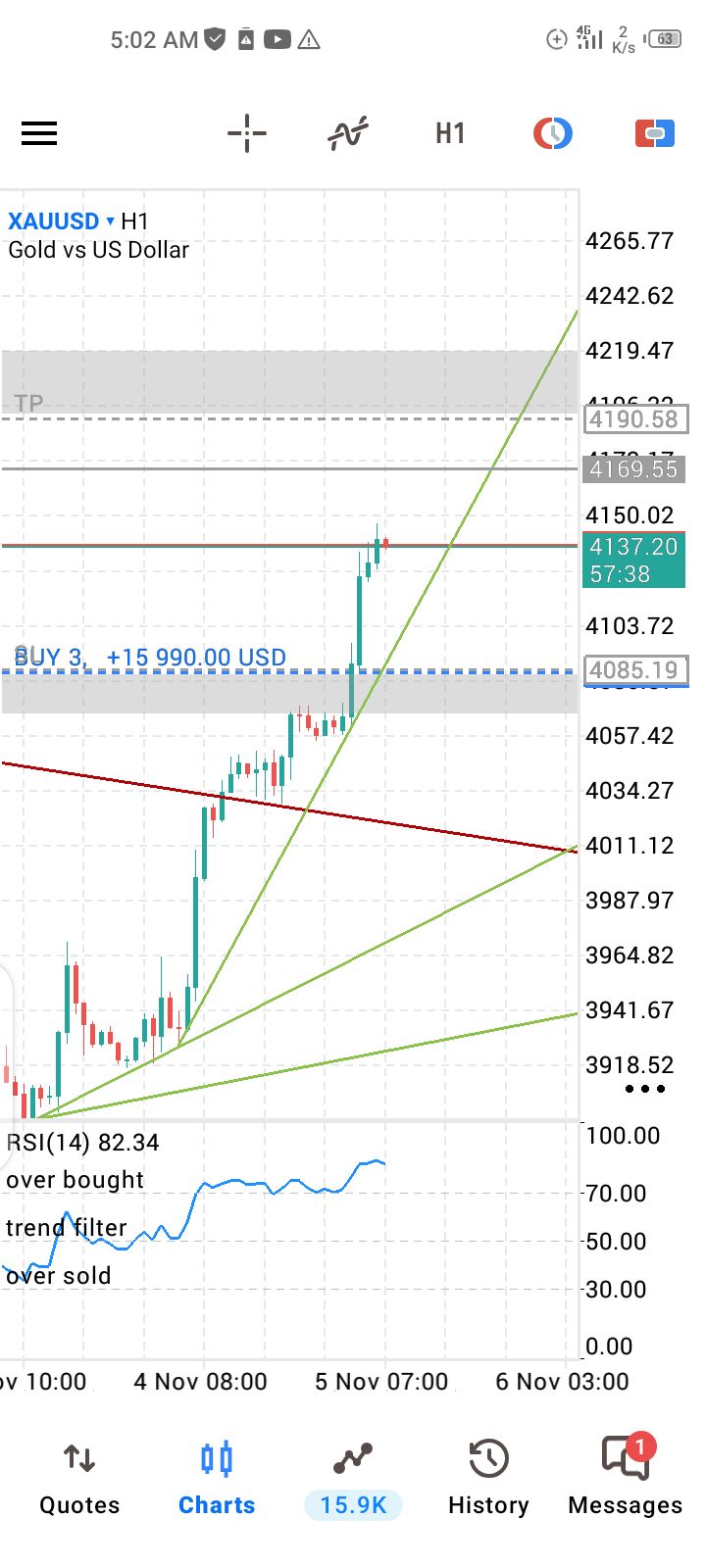

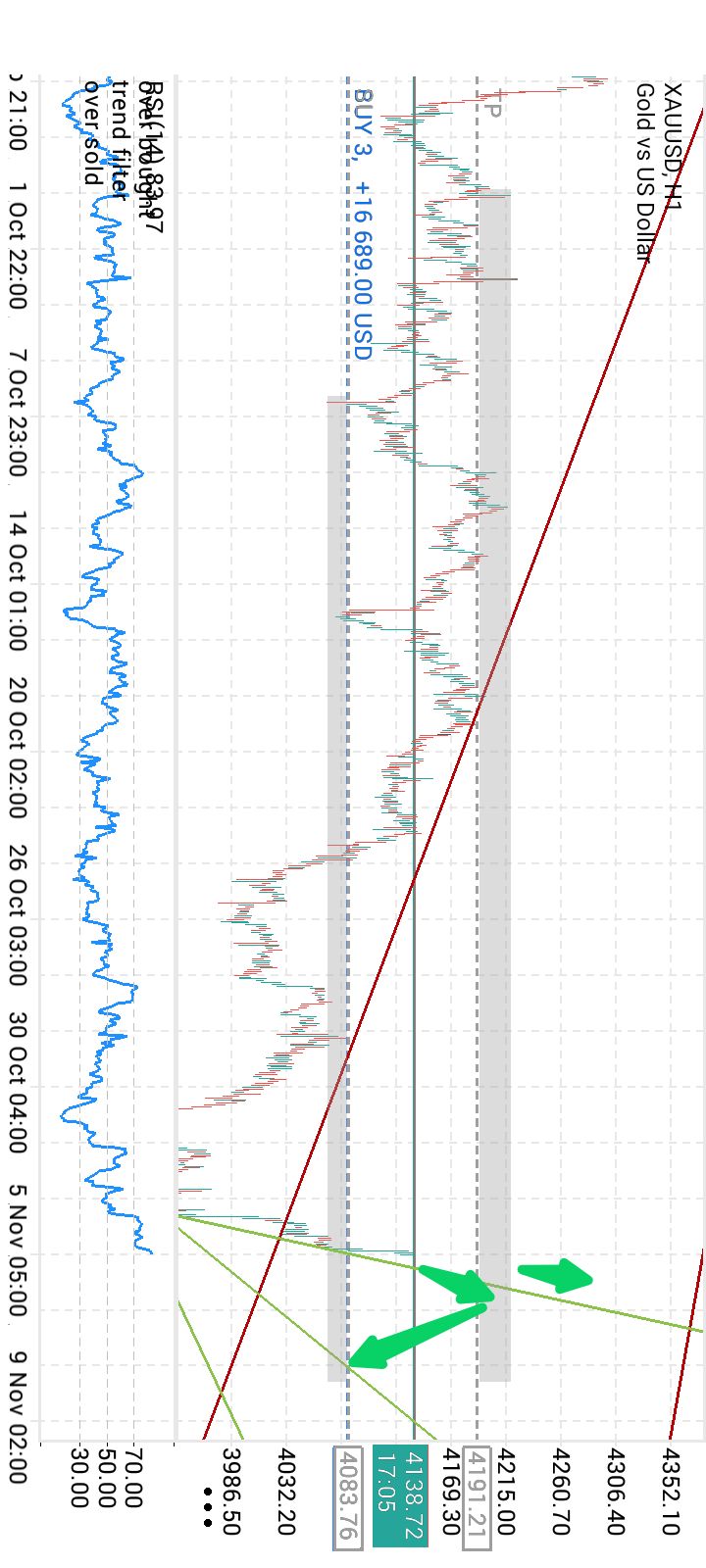


เรียนรู้วิธีการทำงานของโปรแกรมจำลองการซื้อขายหุ้น สำรวจประโยชน์และข้อจำกัด และค้นพบวิธีการฝึกฝนกลยุทธ์การซื้อขายโดยไม่ต้องเสี่ยงกับเงินจริง
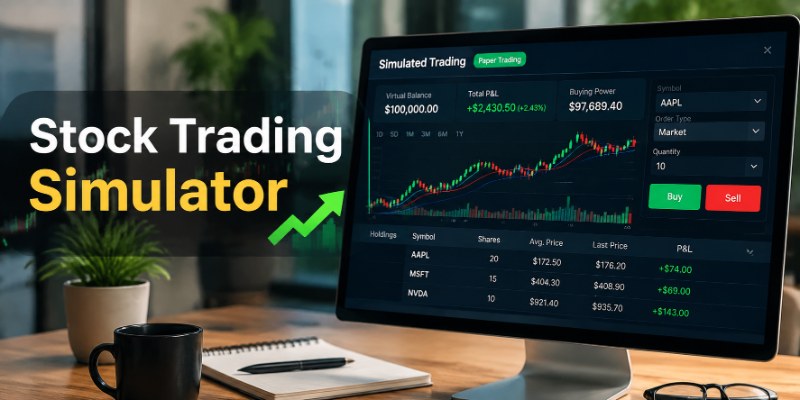
โปรแกรมจำลองการซื้อขายหุ้นช่วยให้นักลงทุนสามารถซื้อและขายหุ้นโดยใช้เงินเสมือนจริงแทนเงินทุนจริง โปรแกรมนี้จำลองหลายแง่มุมของตลาดหุ้น รวมถึงการเคลื่อนไหวของราคา การวางคำสั่งซื้อ และประสิทธิภาพของพอร์ตโฟลิโอ ทำให้ผู้เริ่มต้นเรียนรู้การซื้อขายได้อย่างเป็นรูปธรรม
สารบัญ
ไม่ว่าคุณจะเป็นมือใหม่ในด้านการลงทุนหรือกำลังทดสอบกลยุทธ์ใหม่ โปรแกรมจำลองการลงทุนก็สามารถช่วยให้คุณสร้างประสบการณ์ก่อนที่จะลงทุนด้วยเงินจริงได้ อย่างไรก็ตาม การเข้าใจข้อจำกัดของมันก็สำคัญไม่แพ้การเรียนรู้วิธีการใช้งาน
โปรแกรมจำลองการซื้อขายหุ้นเป็นแพลตฟอร์มที่จำลองการซื้อขายหุ้นในโลกแห่งความเป็นจริงด้วยเงินทุนเสมือนจริง ผู้ใช้สามารถสร้างพอร์ตการลงทุนจำลอง วางคำสั่งซื้อและขาย และติดตามผลการดำเนินงานโดยไม่ต้องเสี่ยงกับเงินจริง
โปรแกรมจำลองส่วนใหญ่ใช้ข้อมูลตลาดแบบเรียลไทม์หรือแบบหน่วงเวลาเพื่อสะท้อนการเปลี่ยนแปลงของราคาหุ้น บางโปรแกรมยังจำลองคุณสมบัติการซื้อขาย เช่น คำสั่งซื้อขายแบบจำกัดราคา คำสั่งหยุดขาดทุน คำสั่งซื้อขายตามราคาตลาด และการจัดสรรพอร์ตโฟลิโอด้วย
ตัวอย่างเช่น สมมติว่าคุณเริ่มต้นด้วยเงินเสมือนจริง 100,000 ดอลลาร์ คุณตัดสินใจซื้อหุ้น 20 หุ้นของบริษัทแห่งหนึ่งที่ซื้อขายในราคาหุ้นละ 150 ดอลลาร์ โปรแกรมจำลองจะหักเงิน 3,000 ดอลลาร์จากยอดเงินเสมือนจริงของคุณและเพิ่มหุ้นเหล่านั้นเข้าไปในพอร์ตโฟลิโอของคุณ
หากราคาหุ้นเพิ่มขึ้นเป็น 165 ดอลลาร์ ตำแหน่งจำลองของคุณจะได้รับกำไร 300 ดอลลาร์ หากราคาหุ้นลดลงเหลือ 135 ดอลลาร์ ตำแหน่งนั้นจะขาดทุน 300 ดอลลาร์
ผลลัพธ์ที่ได้เป็นเพียงภาพเสมือนจริง แต่กระบวนการนี้จะช่วยให้คุณเข้าใจว่าการเปลี่ยนแปลงราคาจะมีผลกระทบต่อพอร์ตการลงทุนอย่างไร
โปรแกรมจำลองการซื้อขายหุ้นส่วนใหญ่มีขั้นตอนที่ไม่ซับซ้อน แม้ว่าอินเทอร์เฟซจะแตกต่างกันไปในแต่ละแพลตฟอร์ม แต่ประสบการณ์พื้นฐานจะคล้ายกับการใช้บัญชีซื้อขายหลักทรัพย์ออนไลน์
ขั้นแรก ลงทะเบียนกับแพลตฟอร์มที่ให้บริการการซื้อขายจำลอง บริการบางแห่งมีบัญชีซื้อขายจำลองโดยเฉพาะ ในขณะที่บางแห่งรวมฟีเจอร์การจำลองไว้ในแพลตฟอร์มการซื้อขายปกติของตน
คุณอาจได้รับยอดเงินเสมือนจริงที่กำหนดไว้ล่วงหน้า เช่น 10,000 ดอลลาร์ 50,000 ดอลลาร์ หรือ 100,000 ดอลลาร์
เมื่อบัญชีของคุณพร้อมแล้ว ให้ค้นหาหุ้นโดยใช้ชื่อบริษัทหรือสัญลักษณ์ตัวย่อของหุ้น
คุณสามารถเลือกบริษัทแต่ละแห่ง กองทุนรวมดัชนี (ETFs) หรือเครื่องมือทางการเงินอื่นๆ ที่รองรับได้ ขึ้นอยู่กับโปรแกรมจำลองนั้นๆ
เลือกจำนวนหุ้นที่คุณต้องการซื้อหรือขาย และเลือกประเภทคำสั่งซื้อขาย
ประเภทคำสั่งซื้อทั่วไป ได้แก่:
After placing an order, the simulator updates your virtual holdings and cash balance.
You can monitor unrealized gains and losses, completed trades, portfolio allocation, and overall performance.
The final step is evaluating your decisions. Look at which trades performed well, where you made mistakes, and whether your strategy followed its original rules.
Keeping a trading journal can make this process more useful by recording entry prices, exit prices, reasons for entering trades, and lessons learned.
A stock trading simulator offers several advantages, particularly for beginners who want to understand the market before investing their savings.
The most obvious benefit is that you do not lose real money when a simulated trade goes wrong.
You can experiment with different stocks, order types, and strategies without worrying about losing your initial capital.
This makes simulators useful for learning basic trading mechanics and understanding how market movements affect investments.
Brokerage platforms can be confusing for new investors. Charts, order tickets, watchlists, indicators, and portfolio tools may take time to understand.
A simulator provides an opportunity to become familiar with these features before placing actual orders.
You can use simulated accounts to experiment with various approaches, including:
Comparing results across different strategies helps you understand which approaches deserve further research.
Successful trading involves more than choosing stocks that might rise. Position sizing, stop-loss placement, and portfolio diversification also matter.
A simulator allows you to practice these techniques and see how different risk levels affect your overall results.
Repeated practice can help beginners become more comfortable with market terminology, price fluctuations, and order execution.
However, confidence should come from consistent decision-making rather than a few profitable simulated trades.
Not every simulator provides the same experience. Some focus on basic investing education, while others offer advanced charting and realistic order execution.
The following features are worth considering:
| Feature | Why It Matters |
|---|---|
| Virtual starting balance | Provides capital for simulated trades |
| Real-time market data | Helps reflect current market movements |
| Advanced charts | Supports technical analysis |
| Multiple order types | Allows realistic order practice |
| Portfolio tracking | Measures gains, losses, and allocation |
| Trading history | Helps review previous decisions |
| Performance reports | Identifies strengths and weaknesses |
| Mobile access | Allows practice across devices |
For beginners, an easy-to-use interface and reliable price data are usually more important than a large collection of advanced indicators.
More experienced traders may prefer platforms with customizable charts, technical indicators, and detailed performance statistics.
Although simulators recreate many brokerage functions, simulated trading is not identical to trading with real money.
| Category | Stock Trading Simulator | Real Trading |
|---|---|---|
| Capital | Virtual money | Actual money |
| Financial risk | No direct trading loss | Possible loss of capital |
| Emotional pressure | Usually lower | Often higher |
| Order execution | Simulated | Subject to market conditions |
| Slippage | May be simplified | Can affect actual execution |
| Trading fees | May be excluded | May apply |
| Dividends | Depends on platform | Actual eligible payments |
| Market impact | Usually not modeled | Can affect execution |
One important difference is emotional pressure.
When using virtual funds, it is easier to hold a losing position or take an aggressive trade because there is no real financial consequence. With actual money, fear and greed can influence decisions.
Execution quality is another limitation. Simulators may not fully reproduce bid-ask spreads, liquidity constraints, partial fills, or rapid price changes.
As a result, strong simulated performance does not guarantee similar results in a live account.
Different simulators are designed for different trading styles and experience levels.
These platforms run directly in a web browser and generally do not require installing desktop software.
They are convenient for beginners who want to practice buying and selling stocks, monitor virtual portfolios, and learn basic market concepts.
Some online brokers provide simulated accounts alongside their regular brokerage services.
For example, Interactive Brokers offers a paper trading environment that allows users to explore trading tools and strategies without executing actual exchange transactions. Its simulator also has certain differences from live trading. Learn about paper trading.
These platforms can be particularly useful for traders who eventually plan to use the same broker for real investments.
Mobile simulators allow users to practice trading through smartphones or tablets.
They are suitable for people who want to monitor virtual positions, check stock prices, and learn how trading applications work while away from their computers.
Some simulators are designed primarily for financial education rather than professional trading.
For example, The Stock Market Game provides a virtual investment portfolio that helps participants learn about stocks, bonds, diversification, and investment decisions.
Its official website provides information about its educational programs and simulated investing activities.
Simply placing virtual trades is not enough to develop good trading habits. A structured approach makes practice more valuable.
Here are five steps to get better results.
Choose a virtual balance that reflects the amount you could reasonably afford to invest.
For example, if you expect to start investing with $5,000, avoid practicing with $500,000 in virtual funds.
A realistic balance encourages more practical decisions about position sizing, diversification, and risk exposure.
Decide what type of trading you want to practice before placing your first order.
For example:
Each approach requires different research methods and risk management techniques.
Practice using the same risk controls you would apply to a real account.
For example, you might decide not to risk more than 1% of your simulated portfolio on a single trade.
If your virtual portfolio contains $10,000, that would mean limiting the planned loss on an individual trade to $100.
The exact percentage depends on your strategy and risk tolerance. The important point is to establish rules and follow them consistently.
Maintain a trading journal that includes:
This information helps you identify recurring mistakes and evaluate whether your strategy is actually working.
Do not judge a strategy based on two or three successful trades.
Instead, review a meaningful sample of trades across different market conditions.
Pay attention to metrics such as:
A strategy with a high win rate is not necessarily profitable if its occasional losses are significantly larger than its gains.
Simulated trading can create bad habits if users focus only on virtual profits.
Here are several mistakes worth avoiding.
1. Taking excessive risks: Virtual money can encourage traders to make oversized bets or use aggressive strategies. These habits can become dangerous when real capital is involved.
2. Ignoring trading costs: Some simulators do not accurately account for commissions, spreads, financing costs, or other expenses. Include realistic estimated costs when evaluating performance.
3. Overtrading: Making frequent trades simply because there is no financial risk can encourage impulsive decisions. Every trade should have a clear reason.
4. Changing strategies too frequently: Switching approaches after every losing trade makes it difficult to determine whether a strategy has a genuine advantage.
5. Confusing simulated profits with real trading ability: A profitable virtual portfolio does not prove that a trader can consistently make money in live markets.
6. Ignoring market conditions: A strategy that performs well during a strong bull market may struggle during periods of volatility or prolonged declines.
A stock trading simulator and a backtesting tool are related but serve different purposes.
A stock trading simulator allows you to practice placing trades in a simulated market environment, often using current or delayed market data.
Backtesting evaluates a trading strategy against historical market data to estimate how it would have performed in the past.
| Category | Stock Trading Simulator | Backtesting |
|---|---|---|
| Data | Live, delayed, or simulated | Historical |
| Main purpose | Practice trading | Evaluate strategies |
| Order placement | Simulated orders | Historical trade calculations |
| Decision-making | Often manual | Usually rule-based |
| Market conditions | Current or simulated | Past market conditions |
| Main benefit | Develop practical skills | Identify historical strategy performance |
For example, if you have a moving-average crossover strategy, backtesting can show how it performed over the previous five years.
A simulator can then help you practice applying the same rules to current market conditions.
Using both tools provides a more complete approach to trading preparation.
There is no universal period that determines when someone is ready to trade with real money.
Some beginners practice for several weeks, while others need several months to understand market behavior and develop consistent habits.
Rather than focusing entirely on time, consider whether you can meet the following conditions:
แม้ว่าคุณจะปฏิบัติตามเงื่อนไขเหล่านี้แล้วก็ตาม ควรพิจารณาเริ่มต้นด้วยเงินจำนวนเล็กน้อยแทนที่จะนำเงินออมส่วนใหญ่ไปลงทุนทันที
การเปลี่ยนผ่านอย่างค่อยเป็นค่อยไปจะช่วยให้เข้าใจความแตกต่างระหว่างการจำลองและการดำเนินการจริงได้ง่ายขึ้น
โปรแกรมจำลองการซื้อขายหุ้นหลายแห่งเปิดให้ใช้งานฟีเจอร์การซื้อขายเสมือนจริงขั้นพื้นฐานได้ฟรี บางแพลตฟอร์มที่ผสานรวมกับโบรกเกอร์อาจต้องมีบัญชีผู้ใช้ ในขณะที่เครื่องมือขั้นสูงหรือการสมัครใช้งานข้อมูลตลาดอาจมีค่าใช้จ่ายเพิ่มเติม
ไม่ โปรแกรมจำลองการซื้อขายหุ้นมาตรฐานใช้เงินเสมือนจริง ดังนั้นกำไรที่จำลองขึ้นจึงไม่สามารถถอนเป็นเงินสดได้ตามปกติ จุดประสงค์ของมันคือเพื่อเป็นสภาพแวดล้อมสำหรับการฝึกฝน
ใช่แล้ว การซื้อขายบนกระดาษเป็นอีกคำหนึ่งที่ใช้เรียกการซื้อขายจำลอง ทั้งสองอย่างนี้ช่วยให้ผู้ใช้สามารถฝึกฝนการซื้อและขายตราสารทางการเงินได้โดยไม่ต้องใช้เงินทุนจริง
บางแพลตฟอร์มใช้ข้อมูลตลาดแบบเรียลไทม์ ในขณะที่บางแพลตฟอร์มใช้ราคาที่ล่าช้าหรือข้อมูลตลาดจำลอง ตรวจสอบนโยบายข้อมูลของแพลตฟอร์มก่อนนำไปใช้ประเมินกลยุทธ์การซื้อขาย
ใช่ค่ะ ผู้เริ่มต้นสามารถใช้โปรแกรมจำลองเพื่อเรียนรู้วิธีการทำงานของคำสั่งซื้อขายหุ้น ทำความเข้าใจการจัดการพอร์ตโฟลิโอ และฝึกฝนกลยุทธ์การลงทุนขั้นพื้นฐานก่อนที่จะเปิดบัญชีซื้อขายหลักทรัพย์ด้วยเงินทุนจริง
แบบจำลองเหล่านี้สามารถให้ข้อมูลประมาณการที่เป็นประโยชน์เกี่ยวกับกิจกรรมในตลาดได้ แต่ไม่ได้จำลองสภาวะการซื้อขายจริงได้อย่างแม่นยำเสมอไป ความแตกต่างในด้านสภาพคล่อง การคลาดเคลื่อนของราคา การเติมเต็มคำสั่งซื้อ และแรงกดดันทางอารมณ์ อาจส่งผลต่อผลลัพธ์การซื้อขายจริงได้
โปรแกรมจำลองการซื้อขายหุ้นเป็นจุดเริ่มต้นที่ใช้งานได้จริงสำหรับทุกคนที่ต้องการทำความเข้าใจตลาดหุ้นและพัฒนาทักษะการซื้อขายโดยไม่ต้องเสี่ยงกับเงินจริง
ที่นี่เป็นสถานที่สำหรับเรียนรู้การดำเนินการตามคำสั่งซื้อขาย ทดสอบกลยุทธ์ ฝึกฝนการบริหารความเสี่ยง และประเมินการตัดสินใจลงทุน
อย่างไรก็ตาม ผลกำไรเสมือนจริงไม่ควรถูกนำมาใช้เป็นหลักฐานยืนยันความสำเร็จในอนาคต ประโยชน์ที่สำคัญที่สุดของการใช้โปรแกรมจำลองไม่ใช่การบรรลุผลตอบแทนสูงสุดที่เป็นไปได้ แต่เป็นการพัฒนาขั้นตอนการทำงานที่สม่ำเสมอ ซึ่งสามารถประเมินและปรับปรุงได้ก่อนที่จะนำเงินจริงเข้ามาเกี่ยวข้อง

728 RM B 7/F GEE LOK IND BLDG NO 34 HUNG TO RD KWUN TONG KLN HONG KONG


ความเสี่ยงของการสูญเสียในการซื้อขายสินทรัพย์ทางการเงิน เช่น หุ้น FX สินค้าโภคภัณฑ์ ฟิวเจอร์ส พันธบัตร ETFs หรือเงินดิจิทัลอาจมีมาก คุณอาจสูญเสียเงินทุนทั้งหมดที่คุณฝากไว้กับโบรกเกอร์ของคุณ ดังนั้น คุณควรพิจารณาอย่างรอบคอบว่าการซื้อขายดังกล่าวเหมาะสมกับคุณหรือไม่ในสถานการณ์และทรัพยากรทางการเงินของคุณ
ไม่ควรตัดสินใจลงทุนโดยไม่ได้ดำเนินการตรวจสอบสถานะอย่างละเอียดถี่ถ้วนด้วยตัวเองหรือปรึกษากับที่ปรึกษาทางการเงินของคุณ เนื้อหาเว็บของเราอาจไม่เหมาะกับคุณเนื่องจากเราไม่ทราบเงื่อนไขทางการเงินและความต้องการในการลงทุนของคุณ ข้อมูลทางการเงินของเราอาจมีความล่าช้าหรือมีความไม่ถูกต้อง ดังนั้นคุณควรรับผิดชอบอย่างเต็มที่ต่อการตัดสินใจซื้อขายและการลงทุนของคุณ บริษัทจะไม่รับผิดชอบต่อการสูญเสียเงินทุนของคุณ
หากไม่ได้รับอนุญาตจากเว็บไซต์ คุณจะไม่สามารถคัดลอกกราฟิก ข้อความ หรือเครื่องหมายการค้าของเว็บไซต์ได้ สิทธิ์ในทรัพย์สินทางปัญญาในเนื้อหาหรือข้อมูลที่รวมอยู่ในเว็บไซต์นี้เป็นของผู้ให้บริการและผู้ค้าแลกเปลี่ยน
ไม่ได้ล็อกอิน
เข้าสู่ระบบเพื่อเข้าถึงฟังก์ชั่นเพิ่มเติม


เข้าสู่ระบบ
ลงทะเบียน


