• การซื้อขาย
  • ตลาด
  • คัดลอก
  • การแข่งขัน
  • 24x7
  • ปฏิทิน
  • Q&A
  • แชท
ตัวกรอง
สินทรัพย์
ล่าสุด
ราคาขาย
ราคาซื้อ
สูงสุด
ต่ำสุด
เปลี่ยน
% เปลี่ยน
สเปรด
แหล่งที่มา
SPX
S&P 500 Index
7500.57
7500.57
7500.57
7511.07
7468.32
+80.46
+ 1.08%
--
--
DJI
Dow Jones Industrial Average
51564.69
51564.69
51564.69
51949.26
51554.53
+72.15
+ 0.14%
--
--
IXIC
NASDAQ Composite Index
26517.94
26517.94
26517.94
26559.74
26188.69
+496.30
+ 1.91%
--
--
USDX
ดัชนีดอลลาร์สหรัฐ
100.670
100.670
100.750
100.870
100.500
+0.080
+ 0.08%
--
--
EURUSD
ยูโร/ดอลลาร์สหรัฐ
1.14438
1.14438
1.14445
1.14653
1.14176
-0.00129
-0.11%
--
--
GBPUSD
ปอนด์สเตอร์ลิง/ดอลลาร์สหรัฐ
1.31982
1.31982
1.31991
1.32111
1.31628
-0.00060
-0.05%
--
--
XAUUSD
Gold / US Dollar
4155.30
4155.30
4155.73
4212.98
4121.53
-53.86
-1.28%
--
--
WTI
Light Sweet Crude Oil
76.128
76.128
76.158
76.663
74.888
+0.730
+ 0.97%
--
--

บัญชีชุมชน

บัญชีสัญญาณ (อัน)
--
บัญชีกำไร (อัน)
--
บัญชีขาดทุน (อัน)
--
ดูเพิ่มเติม

มาเป็นผู้ให้สัญญาณ

ขายสัญญาณและรับรายได้

ดูเพิ่มเติม

คู่มือการคัดลอกการซื้อขาย

เริ่มต้นง่ายๆ

ดูเพิ่มเติม

สัญญาณ VIP

ทั้งหมด

ผลตอบแทนที่ดีที่สุด
  • ผลตอบแทนที่ดีที่สุด
  • กำไร/ขาดทุนที่ดีที่สุด
  • MDD ที่ดีที่สุด
1 สัปดาห์ที่ผ่านมา
  • 1 สัปดาห์ที่ผ่านมา
  • 1 เดือนที่ผ่านมา
  • 1 ปีที่ผ่านมา

ทั้งหมด

  • ทั้งหมด
  • แนะนำ
  • หุ้น
  • สกุลเงินดิจิทัล
  • ธนาคารกลาง
  • อัปเดตทรัมป์
  • ข่าวเด่น
ดูข่าวเด่นเท่านั้น
แชร์

เลน หัวหน้านักเศรษฐศาสตร์ของธนาคารกลางยุโรป: เป็นเรื่องยากที่จะบอกว่าเราไม่ควรขึ้นอัตราดอกเบี้ย

แชร์

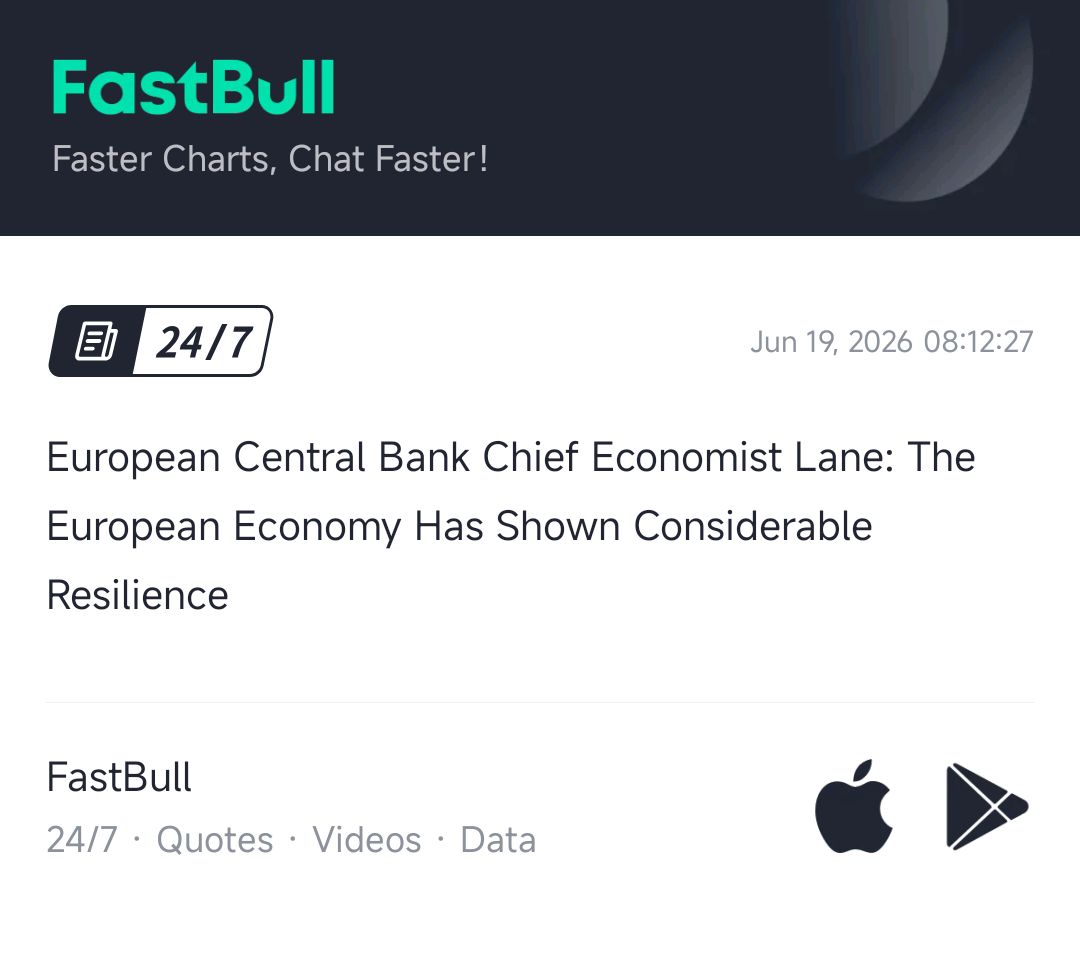
นายเลน หัวหน้านักเศรษฐศาสตร์ของธนาคารกลางยุโรป กล่าวว่า เศรษฐกิจยุโรปแสดงให้เห็นถึงความยืดหยุ่นอย่างมาก

แชร์

เลน หัวหน้านักเศรษฐศาสตร์ของธนาคารกลางยุโรป กล่าวว่า อัตราเงินเฟ้อจะยังคงสูงกว่า 3% ไปจนถึงสิ้นปี

แชร์

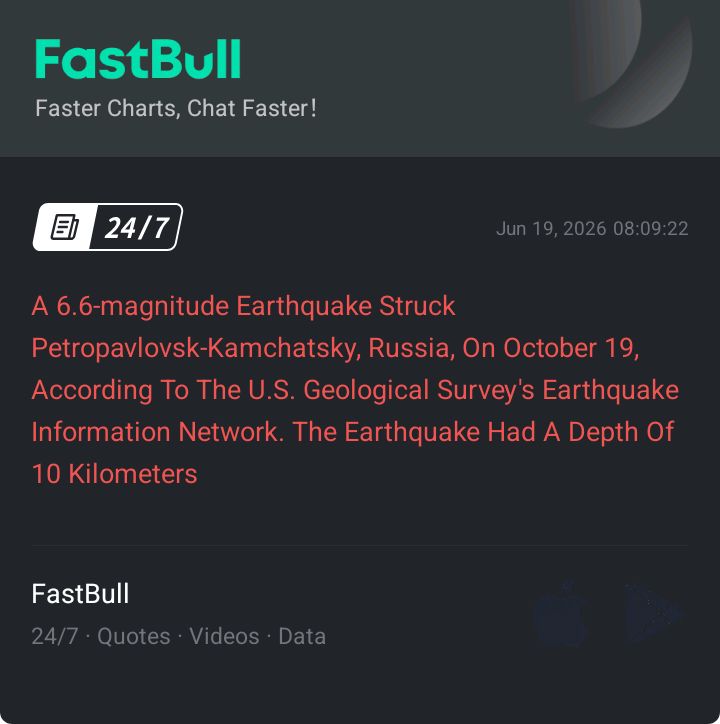
เครือข่ายข้อมูลแผ่นดินไหวของสำนักงานสำรวจทางธรณีวิทยาแห่งสหรัฐอเมริกา (US Geological Survey's Earthquake Information Network) รายงานว่า เกิดแผ่นดินไหวขนาด 6.6 ริกเตอร์ ที่เมืองเปโตรปาฟลอฟสค์-คัมชัตสกี ประเทศรัสเซีย เมื่อวันที่ 19 ตุลาคม โดยมีจุดศูนย์กลางอยู่ที่ระดับความลึก 10 กิโลเมตร

แชร์

สตาโตอิล: จัดหาแก๊สธรรมชาติให้แก่ยุโรปมากขึ้น

แชร์

อัตราผลตอบแทนพันธบัตรรัฐบาลสหราชอาณาจักรอายุ 10 ปี ปรับตัวสูงขึ้น 5 จุดพื้นฐานในระหว่างวัน ทะลุระดับ 4.80%

แชร์

ซีอีโอของ Rosneft กล่าวว่า บริษัทฯ มุ่งมั่นที่จะเพิ่มการผลิตน้ำมัน ข้อตกลง OPEC+ อนุญาตให้บริษัทฯ เพิ่มการผลิตได้ และผลผลิตทั้งหมดจะถูกจำหน่ายออกไป

แชร์

รัฐมนตรีต่างประเทศฝรั่งเศส บาร์โร กล่าวว่า มาตรการคว่ำบาตรของคณะมนตรีความมั่นคงแห่งสหประชาชาติที่มีต่ออิหร่านจะไม่ถูกยกเลิกหากไม่ได้รับการอนุมัติจากฝรั่งเศส

แชร์

ตัวเลขล่าสุดของค่าจ้างเฉลี่ยรายเดือนของฝรั่งเศสในไตรมาสแรก (โดยไม่ปรับปรุงค่าแรง) อยู่ที่ 0.7% ซึ่งสอดคล้องกับที่คาดการณ์ไว้และตัวเลขก่อนหน้านี้ที่ 0.70%

แชร์

รัฐมนตรีต่างประเทศฝรั่งเศส บาร์โร: ผมยังคงผลักดันให้มีการจัดประชุมนานาชาติเพื่อให้การสนับสนุนกองทัพเลบานอน

แชร์

[โอกาสที่เฟดจะขึ้นอัตราดอกเบี้ยในการประชุมวันที่ 29 กรกฎาคม อยู่ที่ 40.6%] เมื่อวันที่ 19 มิถุนายน ตามรายงานของ CME FedWatch ตลาดกำลังประเมินว่ามีโอกาส 40.6% ที่เฟดจะขึ้นอัตราดอกเบี้ยในการประชุมวันที่ 29 กรกฎาคม

แชร์

สมาชิกสภาบริหารธนาคารกลางยุโรป (ECB) นายวินช์ กล่าวว่า หากข้อมูลไม่เคลื่อนไหวไปในทิศทางที่ถูกต้อง ผมจะเรียกร้องให้มีการปรับขึ้นอัตราดอกเบี้ยครั้งที่สองในเดือนกรกฎาคม

แชร์

สมาชิกสภาบริหารธนาคารกลางยุโรป (ECB) วินช์ กล่าวว่า: หากข้อมูลไม่ชัดเจน ผมคิดว่าไม่จำเป็นต้องรีบร้อนดำเนินการใดๆ

แชร์

สมาชิกสภาบริหารธนาคารกลางยุโรป (ECB) นายวินช์ กล่าวว่า หากเราพบว่าอัตราเงินเฟ้อในภาคบริการเพิ่มสูงขึ้น เราอาจพิจารณาปรับขึ้นอัตราดอกเบี้ยอีก 25 จุด เพื่อความปลอดภัย

แชร์

อัตราผลตอบแทนพันธบัตรรัฐบาลญี่ปุ่นอายุ 30 ปี ปรับตัวสูงขึ้น 7.5 จุดพื้นฐาน สู่ระดับ 3.845% ซึ่งเป็นระดับสูงสุดนับตั้งแต่วันที่ 11 มิถุนายน

แชร์

ยอดการกู้ยืมสุทธิของภาครัฐในสหราชอาณาจักรในเดือนพฤษภาคมอยู่ที่ 23.294 พันล้านปอนด์ ลดลงจากที่คาดการณ์ไว้ที่ 18.5 พันล้านปอนด์ และจากตัวเลขก่อนหน้าที่ 24.343 พันล้านปอนด์

แชร์

ดัชนีราคาผู้ผลิต (PPI) ของเยอรมนีเพิ่มขึ้น 0.3% เมื่อเทียบกับเดือนก่อนหน้าในเดือนพฤษภาคม ซึ่งต่ำกว่าที่คาดการณ์ไว้ที่ 0.70% และต่ำกว่าตัวเลขก่อนหน้าที่ 1.20%

แชร์

ในเดือนพฤษภาคม การขาดดุลทางการคลังของรัฐบาลสหราชอาณาจักรอยู่ที่ 24.069 พันล้านปอนด์ ขณะที่ตัวเลขก่อนหน้านี้ได้รับการแก้ไขจาก 9.547 พันล้านปอนด์ เป็น 9.458 พันล้านปอนด์

แชร์

อัตราเงินเฟ้อราคาผู้ผลิต (PPI) ของเยอรมนีในเดือนพฤษภาคมอยู่ที่ 2.2% เมื่อเทียบกับปีก่อน เทียบกับที่คาดการณ์ไว้ที่ 2.50% และตัวเลขก่อนหน้าที่ 1.70%

แชร์

กระทรวงการต่างประเทศสวิตเซอร์แลนด์แถลงว่า แม้การเจรจาที่เกี่ยวข้องกับสหรัฐอเมริกา อิหร่าน กาตาร์ และปากีสถานจะถูกเลื่อนออกไป แต่สวิตเซอร์แลนด์ยังคงยินดีให้ความช่วยเหลือในการดำเนินการเจรจา

เวลา
ค่าจริง
คาดการณ์
ครั้งก่อน
ผลกระทบ
สหราชอาณาจักร BOE MPCโหวตไม่เปลี่ยนอัตราดอกเบี้ย (มิ.ย.)

ค:--

ค: --

ค: --

GBPUSD
  • GBPUSD
  • XAUUSD
  • XAGUSD
  • WTI
  • USDX
รายงานนโยบายการเงิน BOE
สหรัฐอเมริกา ดัชนีกิจกรรมทางธุรกิจPhiladelphia Fed (SA) (มิ.ย.)

ค:--

ค: --

ค: --

USDX
  • USDX
  • XAUUSD
  • XAGUSD
  • WTI
สหรัฐอเมริกา ดัชนีการจ้างงานภาคการผลิตของรัฐฟิลาเดลเฟีย (มิ.ย.)

ค:--

ค: --

ค: --

USDX
  • USDX
  • XAUUSD
  • XAGUSD
  • WTI
แคนาดา ดัชนีราคาสินค้าอุตสาหกรรม MoM (พ.ค.)

ค:--

ค: --

ค: --
USDCAD
  • USDCAD
  • XAUUSD
  • XAGUSD
  • WTI
  • USDX
สหรัฐอเมริกา ค่าเฉลี่ยจำนวนผู้ขอรับสวัสดิการว่างงานครั้งแรก4 สัปดาห์ (SA)

ค:--

ค: --

ค: --
XAUUSD
  • XAUUSD
  • XAGUSD
  • WTI
  • USDX
สหรัฐอเมริกา จำนวนผู้ขอรับสวัสดิการว่างงานครั้งแรกรายสัปดาห์ (SA)

ค:--

ค: --

ค: --
XAUUSD
  • XAUUSD
  • XAGUSD
  • WTI
  • USDX
แคนาดา ดัชนีราคาสินค้าอุตสาหกรรม YoY (พ.ค.)

ค:--

ค: --

ค: --
USDCAD
  • USDCAD
  • XAUUSD
  • XAGUSD
  • WTI
  • USDX
สหรัฐอเมริกา จำนวนผู้ขอรับสวัสดิการว่างงานต่อรายสัปดาห์ (SA)

ค:--

ค: --

ค: --
XAUUSD
  • XAUUSD
  • XAGUSD
  • WTI
  • USDX
สหรัฐอเมริกา อินดิเคเตอร์ชั้นนำของคณะกรรมการการประชุม MoM (พ.ค.)

ค:--

ค: --

ค: --
USDX
  • USDX
  • XAUUSD
  • XAGUSD
  • WTI
สหรัฐอเมริกา อินดิเคเตอร์ซิงค์ของคณะกรรมการการประชุม MoM (พ.ค.)

ค:--

ค: --

ค: --

USDX
  • USDX
  • XAUUSD
  • XAGUSD
  • WTI
สหรัฐอเมริกา อินดิเคเตอร์ล้าหลังของคณะกรรมการการประชุม MoM (พ.ค.)

ค:--

ค: --

ค: --

USDX
  • USDX
  • XAUUSD
  • XAGUSD
  • WTI
สหรัฐอเมริกา อินดิเคเตอร์ชั้นนำของคณะกรรมการการประชุม (พ.ค.)

ค:--

ค: --

ค: --

USDX
  • USDX
  • XAUUSD
  • XAGUSD
  • WTI
สหรัฐอเมริกา การเปลี่ยนแปลงสต็อกก๊าซธรรมชาติประจำสัปดาห์ของ EIA

ค:--

ค: --

ค: --

WTI
  • WTI
  • XAUUSD
  • XAGUSD
  • USDX
สหรัฐอเมริกา ปริมาณเครื่องเจาะน้ำมันทั้งหมดรายสัปดาห์

ค:--

ค: --

ค: --

WTI
  • WTI
  • XAUUSD
  • XAGUSD
  • USDX
สหรัฐอเมริกา ปริมาณเครื่องเจาะทั้งหมดรายสัปดาห์

ค:--

ค: --

ค: --

WTI
  • WTI
  • XAUUSD
  • XAGUSD
  • USDX
อาร์เจนตินา ดุลการค้า (พ.ค.)

ค:--

ค: --

ค: --

XAUUSD
  • XAUUSD
  • XAGUSD
  • WTI
  • USDX
สหรัฐอเมริกา การถือครองธนารักษ์สหรัฐฯของธนาคารกลางต่างประเทศรายสัปดาห์

ค:--

ค: --

ค: --

USDX
  • USDX
  • XAUUSD
  • XAGUSD
  • WTI
เกาหลีใต้ PPI MoM (พ.ค.)

ค:--

ค: --

ค: --
XAUUSD
  • XAUUSD
  • XAGUSD
  • WTI
  • USDX
สหราชอาณาจักร ดัชนีความเชื่อมั่นของผู้บริโภค GFK (มิ.ย.)

ค:--

ค: --

ค: --

GBPUSD
  • GBPUSD
  • XAUUSD
  • XAGUSD
  • WTI
ญี่ปุ่น ดัชนี CPI หลักแห่งชาติ YoY (พ.ค.)

ค:--

ค: --

ค: --

USDJPY
  • USDJPY
  • XAUUSD
  • XAGUSD
  • WTI
ญี่ปุ่น ดัชนีราคาผู้บริโภคพื้นฐานแห่งชาติMoM(Not SA) (พ.ค.)

ค:--

ค: --

ค: --

USDJPY
  • USDJPY
  • XAUUSD
  • XAGUSD
  • WTI
ญี่ปุ่น ดัชนีราคาผู้บริโภคพื้นฐานแห่งชาติ YoY (พ.ค.)

ค:--

ค: --

ค: --

USDJPY
  • USDJPY
  • XAUUSD
  • XAGUSD
  • WTI
ญี่ปุ่น ดัชนีราคาผู้บริโภคพื้นฐานแห่งชาติ MoM (พ.ค.)

ค:--

ค: --

ค: --

USDJPY
  • USDJPY
  • XAUUSD
  • XAGUSD
  • WTI
ญี่ปุ่น CPI MoM (พ.ค.)

ค:--

ค: --

ค: --

USDJPY
  • USDJPY
  • XAUUSD
  • XAGUSD
  • WTI
  • USDX
สหราชอาณาจักร ดัชนียอดค้าปลีก YoY(SA) (พ.ค.)

ค:--

ค: --

ค: --
GBPUSD
  • GBPUSD
  • XAUUSD
  • XAGUSD
  • WTI
  • USDX
เยอรมนี PPI MoM (พ.ค.)

ค:--

ค: --

ค: --

EURUSD
  • EURUSD
  • XAUUSD
  • XAGUSD
  • WTI
  • USDX
เยอรมนี PPI YoY (พ.ค.)

ค:--

ค: --

ค: --

EURUSD
  • EURUSD
  • XAUUSD
  • XAGUSD
  • WTI
  • USDX
สหราชอาณาจักร ดัชนีขายปลีกหลัก YoY (SA) (พ.ค.)

ค:--

ค: --

ค: --

GBPUSD
  • GBPUSD
  • XAUUSD
  • XAGUSD
  • WTI
  • USDX
สหราชอาณาจักร ดัชนียอดค้าปลีก MoM (SA) (พ.ค.)

ค:--

ค: --

ค: --

GBPUSD
  • GBPUSD
  • XAUUSD
  • XAGUSD
  • WTI
  • USDX
ตุรกี อัตราการใช้กำลังการผลิต (มิ.ย.)

ค:--

ค: --

ค: --

XAUUSD
  • XAUUSD
  • XAGUSD
  • WTI
  • USDX
รัสเซีย อัตราดอกเบี้ย Key Rate

--

ค: --

ค: --

แคนาดา ดัชนีขายปลีกหลัก MoM(SA) (เม.ย.)

--

ค: --

ค: --

แคนาดา ดัชนียอดค้าปลีก MoM (SA) (เม.ย.)

--

ค: --

ค: --

คำกล่าวของ Lane หัวหน้านักเศรษฐศาสตร์ของ ECB
อาร์เจนตินา ดัชนียอดค้าปลีก YoY (เม.ย.)

--

ค: --

ค: --

จีนแผ่นดินใหญ่ อัตราดอกเบี้ยเงินกู้ลูกหนี้ชั้นดีระยะ 1 ปี

--

ค: --

ค: --

จีนแผ่นดินใหญ่ LPR 5-ปี

--

ค: --

ค: --

ตุรกี ดัชนีความเชื่อมั่นผู้บริโภค (มิ.ย.)

--

ค: --

ค: --

แคนาดา ดัชนีความเชื่อมั่นเศรษฐกิจแห่งชาติ

--

ค: --

ค: --

แคนาดา ค่าเฉลี่ยปรับแต่ง CPI YoY (SA) (พ.ค.)

--

ค: --

ค: --

แคนาดา CPI หลัก YoY (พ.ค.)

--

ค: --

ค: --

แคนาดา CPI MoM (พ.ค.)

--

ค: --

ค: --

แคนาดา CPI YoY (พ.ค.)

--

ค: --

ค: --

แคนาดา CPI หลัก MoM (พ.ค.)

--

ค: --

ค: --

อาร์เจนตินา อัตราการว่างงาน (ไตรมาส 1)

--

ค: --

ค: --

เยอรมนี อัตราผลตอบแทนเฉลี่ยการประมูลSchatz 2-ปี

--

ค: --

ค: --

สหราชอาณาจักร ความคาดหวังราคาอุตสาหกรรม CBI (มิ.ย.)

--

ค: --

ค: --

สหราชอาณาจักร แนวโน้มอุตสาหกรรม CBI - คำสั่งซื้อ (มิ.ย.)

--

ค: --

ค: --

สหราชอาณาจักร ความคาดหวังผลผลิตอุตสาหกรรม CBI (มิ.ย.)

--

ค: --

ค: --

เม็กซิโก ดัชนียอดค้าปลีก MoM (เม.ย.)

--

ค: --

ค: --

เม็กซิโก ดัชนีกิจกรรมทางเศรษฐกิจ YoY (เม.ย.)

--

ค: --

ค: --

สหรัฐอเมริกา Redbook ประจำปีการขายปลีกเชิงพาณิชย์รายสัปดาห์

--

ค: --

ค: --

สหรัฐอเมริกา ดัชนีรวมภาคการผลิต Richmond Fed (มิ.ย.)

--

ค: --

ค: --

สหรัฐอเมริกา ดัชนีรายได้ภาคบริการ Richmond Fed (มิ.ย.)

--

ค: --

ค: --

สหรัฐอเมริกา ดัชนีการส่งสินค้าภาคการผลิต Richmond Fed (มิ.ย.)

--

ค: --

ค: --

สหรัฐอเมริกา อัตราผลตอบแทนเฉลี่ยการประมูลพันธบัตรรัฐบาล 2-ปี

--

ค: --

ค: --

อาร์เจนตินา GDP YoY (ราคาคงที่) (ไตรมาส 1)

--

ค: --

ค: --

สหรัฐอเมริกา สต็อกน้ำมันดิบที่เมืองคุชชิ่งรายสัปดาห์ API

--

ค: --

ค: --

สหรัฐอเมริกา สต็อกน้ำมันดิบรายสัปดาห์ API

--

ค: --

ค: --

สหรัฐอเมริกา สต็อกน้ำมันสำเร็จรูปรายสัปดาห์ API

--

ค: --

ค: --

Q&A กับผู้เชี่ยวชาญ
    • ทั้งหมด
    • ห้องสนทนา
    • กลุ่ม
    • เพื่อน
    انا flag
    I will share my deals with you
    Kung Fu flag
    Size
    @SizeBut the content of the news says October 19th instead of June 19th
    SlowBear ⛅ flag
    انا
    I will share my deals with you
    @اناi will love to see it friend
    Kung Fu flag
    انا
    I will share my deals with you
    @اناOkay, bro. Please do.
    mis Dallas
    Kung Fu
    @mis Dallas Okay, but have you got any update on it? Uh, you're looking to still further sell GBP AUD this session?
    @Kung Furight now in h1 market a cumulative now so we have to wait today is Friday no any news or impact so let keep consistent and patient bit
    Kung Fu flag
    انا flag
    Kung Fu
    @اناIn other words, when the big players go for liquidity, you follow right behind them. Is that correct?
    Yes
    Kung Fu flag
    Kung Fu
    @风神1号I think this news is actually a boost for the euro and indirectly also is a driving force behind gold.
    انا flag
    First and foremost, liquidity must be determined.
    Kung Fu flag
    mis Dallas
    @Kung Furight now in h1 market a cumulative now so we have to wait today is Friday no any news or impact so let keep consistent and patient bit
    @mis Dallas
    Size flag
    Kung Fu
    @SizeBut the content of the news says October 19th instead of June 19th
    @Kung FuGuess is a clear sign the report may be inaccurate or poorly edited...
    انا flag
    Because the price is trending towards low liquidity
    mis Dallas
    Kung Fu
    @mis Dallas
    @Kung Fuhmmm
    Kung Fu flag
    Okay that is GBP AUD. Okay then I'll wait but I'll still check the chart.@mis Dallas
    Issy Nakam flag
    Seeng that Gold was a sucsess sell yesturday , i cant wait on the buy of EURUSD today guys . Leeeeets Gooo !!!
    Kung Fu flag
    mis Dallas
    @Kung Fuhmmm
    @mis Dallas Sorry that was a mistake. I mentioned you without making a statement.
    mis Dallas
    Kung Fu
    Okay that is GBP AUD. Okay then I'll wait but I'll still check the chart.@mis Dallas
    @Kung Fuokay am going now but soon I will be back
    انا flag
    In gold, a relatively large stop-loss order should be placed because gold's movements are strong.
    Kung Fu flag
    Issy Nakam
    Seeng that Gold was a sucsess sell yesturday , i cant wait on the buy of EURUSD today guys . Leeeeets Gooo !!!
    @Issy Nakamis still too early to buy. Why not just wait for the London kill zone? It's just under 15 minutes away.
    Kung Fu flag
    mis Dallas
    @Kung Fuokay am going now but soon I will be back
    @mis Dallas All right brother. we still be here hanging around watching the charts, monitoring price action and so on and so forth until you return.
    พิมพ์ที่นี่...
    เพิ่มชื่อสินทรัพย์หรือรหัส

      ไม่มีข้อมูลที่ตรงกัน

      ทั้งหมด
      แนะนำ
      หุ้น
      สกุลเงินดิจิทัล
      ธนาคารกลาง
      อัปเดตทรัมป์
      ข่าวเด่น
      • ทั้งหมด
      • สงครามรัสเซีย–ยูเครน
      • โฟกัสตะวันออกกลาง
      • ทั้งหมด
      • สงครามรัสเซีย–ยูเครน
      • โฟกัสตะวันออกกลาง
      ค้นหา
      ผลิตภัณฑ์

      กราฟ ฟรีตลอดไป

      แชท Q&A กับผู้เชี่ยวชาญ
      ตัวกรอง ปฏิทินเศรษฐกิจ ข้อมูล เครื่องมือ
      สมาชิก ฟีเจอร์
      ศูนย์ข้อมูล แนวโน้มของตลาด ข้อมูลสถาบัน อัตราดอกเบี้ยของธนาคารกลาง เศรษฐกิจมหภาค

      แนวโน้มของตลาด

      ความเชื่อมั่น สมุดคำสั่งซื้อขาย ความสัมพันธ์ในตลาดฟอเร็กซ์

      ตัวชี้วัดยอดนิยม

      กราฟ ฟรีตลอดไป
      ตลาด

      ข่าวสาร

      24x7 การวิเคราะห์ แหล่งเรียนรู้

      ทัศนคติล่าสุด

      อัปเดตล่าสุด

      สัญญาณ

      คัดลอก อันดับ สัญญาณล่าสุด มาเป็นผู้ให้สัญญาณ การจัดอันดับ AI
      การแข่งขัน
      Brokers

      ภาพรวม โบรกเกอร์ เรตติ้ง อันดับ หน่วยงานควบคุม ข่าวสาร การเรียกร้อง
      รายชื่อโบรกเกอร์ การเปรียบเทียบโบรกเกอร์ฟอเร็กซ์ การเปรียบเทียบสเปรดสด โบรกเกอร์โกง
      Q&A ร้องเรียน วิดีโอแจ้งเตือนการหลอกลวง เคล็ดลับการตรวจจับการหลอกลวง
      เพิ่มเติม

      สำหรับธุรกิจ
      กิจกรรม
      รับสมัครงาน เกี่ยวกับเรา การลงโฆษณา ศูนย์ช่วยเหลือ

      ไวท์เลเบล

      Broker API

      Data API

      ปลั๊กอินเว็บไซต์

      โครงการพันธมิตร

      รางวัล การประเมินสถาบัน IB Seminar กิจกรรม Salon นิทรรศการ
      เวียดนาม ประเทศไทย สิงคโปร์ ดูไบ
      Fans Party เซสชั่นการแบ่งปันการลงทุน
      การประชุมสุดยอด FastBull นิทรรศการ BrokersView
      การค้นหาเมื่อเร็วๆนี้
        คำศัพท์ที่ยอดนิยม
          ตลาด
          การวิเคราะห์
          ผู้ใช้
          24x7
          ปฏิทินเศรษฐกิจ
          แหล่งเรียนรู้
          ข้อมูล
          • ชื่อ
          • ค่าล่าสุด
          • ครั้งก่อน

          ดูผลการค้นหาทั้งหมด

          ไม่มีข้อมูล

          สแกน ดาวน์โหลด

          Faster Charts, Chat Faster!

          ดาวน์โหลด
          • English
          • Español
          • العربية
          • Bahasa Indonesia
          • Bahasa Melayu
          • Tiếng Việt
          • ภาษาไทย
          • Français
          • Italiano
          • Türkçe
          • Русский язык
          • 简中
          • 繁中
          เปิดบัญชี
          ค้นหา
          ผลิตภัณฑ์
          กราฟ ฟรีตลอดไป
          ตลาด
          ข่าวสาร
          สัญญาณ

          คัดลอก อันดับ สัญญาณล่าสุด มาเป็นผู้ให้สัญญาณ การจัดอันดับ AI
          การแข่งขัน
          Brokers

          ภาพรวม โบรกเกอร์ เรตติ้ง อันดับ หน่วยงานควบคุม ข่าวสาร การเรียกร้อง
          รายชื่อโบรกเกอร์ การเปรียบเทียบโบรกเกอร์ฟอเร็กซ์ การเปรียบเทียบสเปรดสด โบรกเกอร์โกง
          Q&A ร้องเรียน วิดีโอแจ้งเตือนการหลอกลวง เคล็ดลับการตรวจจับการหลอกลวง
          เพิ่มเติม

          สำหรับธุรกิจ
          กิจกรรม
          รับสมัครงาน เกี่ยวกับเรา การลงโฆษณา ศูนย์ช่วยเหลือ

          ไวท์เลเบล

          Broker API

          Data API

          ปลั๊กอินเว็บไซต์

          โครงการพันธมิตร

          รางวัล การประเมินสถาบัน IB Seminar กิจกรรม Salon นิทรรศการ
          เวียดนาม ประเทศไทย สิงคโปร์ ดูไบ
          Fans Party เซสชั่นการแบ่งปันการลงทุน
          การประชุมสุดยอด FastBull นิทรรศการ BrokersView

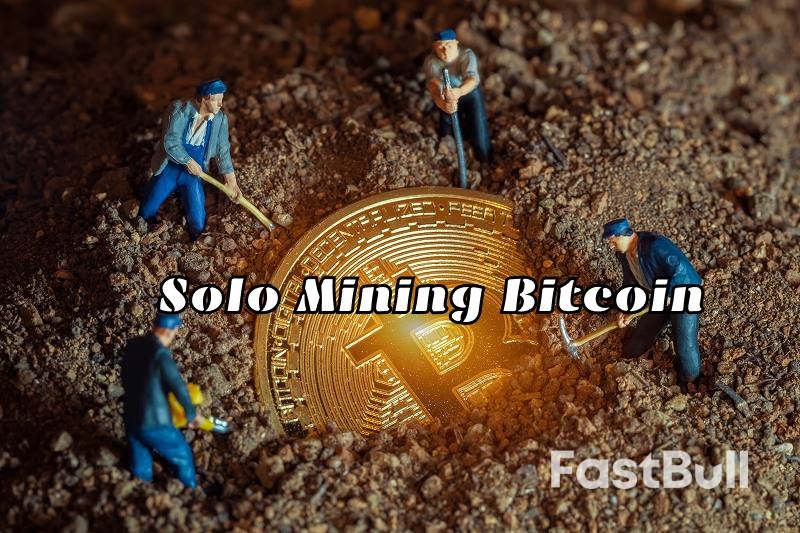
          การขุด Bitcoin แบบเดี่ยวในปี 2025: ROI และยากแค่ไหนกันแน่?

          Winkelmann

          สกุลเงินดิจิทัล

          สรุป:

          การขุด Bitcoin แบบเดี่ยวในปี 2025 เป็นไปได้ในทางเทคนิคแต่ยากมาก เรียนรู้เกี่ยวกับอัตราความสำเร็จ ต้นทุน ผลกำไรเมื่อเทียบกับการขุดแบบรวมกลุ่ม และดูว่าคุ้มค่าที่จะลองหรือไม่
          การขุด Bitcoin แบบเดี่ยวหรือแบบ Pool: อะไรมีกำไรมากกว่าในปี 2025?

          การขุด Bitcoin แบบเดี่ยวในปี 2025: ROI ยากแค่ไหนกันนะ?_1

          การขุด Bitcoin แบบเดี่ยวกลายเป็นสิ่งที่หาได้ยากขึ้นเรื่อยๆ เนื่องจากกลุ่มขุดแบบอุตสาหกรรมเข้ามาครอบงำเครือข่ายในปี 2025 อย่างไรก็ตาม นักขุดบางคนยังคงแสวงหาความเป็นอิสระและศักยภาพในการได้รับผลตอบแทนเต็มจำนวนจากการขุดแบบเดี่ยว คู่มือนี้จะอธิบายวิธีการทำงานของการขุดแบบเดี่ยวในปัจจุบัน ความยากลำบากที่มันเกิดขึ้น และบุคคลทั่วไปยังสามารถทำกำไรจากมันได้หรือไม่

          การขุด Bitcoin แบบ Solo คืออะไร?

          การขุด Bitcoin แบบเดี่ยว หมายถึงการพยายามขุดบล็อก Bitcoin อย่างอิสระ โดยไม่ต้องเข้าร่วมกลุ่มขุด เมื่อคุณขุดแบบเดี่ยว คุณจะแข่งขันโดยตรงกับเครือข่ายนักขุดทั่วโลกเพื่อไขปริศนาการเข้ารหัสที่ซับซ้อน หากคุณพบบล็อกสำเร็จ คุณจะได้รับรางวัลเต็มจำนวนบล็อก ซึ่งปัจจุบันคือ 6.25 BTC บวกค่าธรรมเนียมการทำธุรกรรม แต่คุณจะต้องแบกรับต้นทุนและความเสี่ยงในการคำนวณทั้งหมดเพียงลำพัง

          การขุดแบบเดี่ยวทำงานอย่างไร

          กระบวนการขุดบิตคอยน์แบบเดี่ยวเป็นไปตามกลไกฉันทามติแบบ Proof-of-Work ของบิตคอยน์ ฮาร์ดแวร์ขุดของคุณจะทำการแฮชข้อมูลส่วนหัวของบล็อกซ้ำๆ เพื่อค้นหาค่าแฮชที่ตรงตามเป้าหมายความยากของเครือข่าย ซึ่งโดยพื้นฐานแล้วนี่คือลอตเตอรีเชิงคำนวณที่พลังแฮชที่มากขึ้นจะเพิ่มโอกาสของคุณ แต่ไม่ได้รับประกันอะไรเลย

          นี่คือสิ่งที่เกิดขึ้นระหว่างการขุด Bitcoin แบบเดี่ยว:

          • แท่นขุดของคุณเชื่อมต่อกับโหนดเต็มของ Bitcoin ที่คุณใช้งาน
          • โหนดจะมอบเทมเพลตบล็อกผู้สมัครให้กับนักขุดของคุณซึ่งประกอบด้วยธุรกรรมที่ยังไม่ได้รับการยืนยัน
          • เครื่องขุด ASIC ของคุณทำการคำนวณแฮชนับล้านล้านครั้งต่อวินาที เพื่อค้นหาโซลูชันที่ถูกต้อง
          • หากคุณพบบล็อกที่ถูกต้อง โหนดของคุณจะกระจายสัญญาณไปยังเครือข่ายเพื่อการตรวจสอบ
          • เมื่อได้รับการยืนยันแล้ว คุณจะได้รับรางวัลบล็อกทั้งหมดโดยตรงไปยังกระเป๋าเงินของคุณ

          ต่างจากการขุดแบบรวมกลุ่มที่รางวัลจะกระจายตามผลงานที่ร่วมทำ การขุดแบบเดี่ยวจะดำเนินการแบบทั้งหมดหรือไม่มีเลย คุณอาจขุดเป็นเวลาหลายเดือนหรือหลายปีโดยไม่พบบล็อกแม้แต่บล็อกเดียว หรือในทางทฤษฎีคุณอาจพบบล็อกในวันแรกก็ได้ แม้ว่าสถานการณ์หลังจะมีโอกาสเกิดขึ้นน้อยมากเมื่อใช้ฮาร์ดแวร์ทั่วไป

          การขุดแบบเดี่ยวกับการขุดแบบรวม: ความแตกต่างที่สำคัญ

          การเข้าใจความแตกต่างพื้นฐานระหว่างการขุดแบบเดี่ยวและการขุดแบบรวมเป็นสิ่งสำคัญก่อนที่จะจัดสรรทรัพยากรให้กับแนวทางใดแนวทางหนึ่ง

          ด้านโซโลไมนิ่งการขุดสระว่ายน้ำ
          การแจกรางวัลรางวัลบล็อก 100% (6.25 BTC + ค่าธรรมเนียม) หากประสบความสำเร็จส่วนแบ่งตามสัดส่วนตามอัตราแฮชที่สนับสนุน
          ความถี่ในการชำระเงินหายากมาก ไม่สามารถคาดเดาได้ (อาจจะไม่มีวันเกิดขึ้น)การจ่ายเงินปกติ (รายวันถึงรายสัปดาห์)
          ความมั่นคงของรายได้ไม่มีรายได้เป็นระยะเวลานาน จากนั้นจ่ายเงินจำนวนมหาศาลผลตอบแทนที่สม่ำเสมอและคาดเดาได้
          ค่าธรรมเนียมสระว่ายน้ำไม่มี1-3% ของรายได้
          ข้อกำหนดทางเทคนิครันโหนด Bitcoin เต็มรูปแบบ การตั้งค่าขั้นสูงการเชื่อมต่อแบบง่ายไปยังเซิร์ฟเวอร์พูล
          ความเสี่ยงจากความแปรปรวนโอกาสสูงมากเหมือนลอตเตอรี่ผลตอบแทนที่ต่ำและราบรื่นในเหมืองหลายแห่ง
          อัตราแฮชขั้นต่ำตามความเป็นจริง 100+ TH/s สำหรับโอกาสที่สมเหตุสมผลใดๆรับทุกจำนวน (แม้แต่ ASIC เดียว)

          The economic reality is stark: pool mining provides predictable income that covers electricity costs and generates steady profit, while solo mining bitcoin resembles buying lottery tickets with your electricity bill. Most rational miners choose pools because consistent returns allow for business planning, equipment maintenance, and risk management.

          How Hard Is Solo Bitcoin Mining in 2025?

          The difficulty of solo mining bitcoin has reached unprecedented levels in 2025. To understand just how challenging it has become, we need to examine the current network conditions and calculate your realistic probability of success.

          Current Bitcoin Network Difficulty

          Bitcoin's mining difficulty adjusts every 2,016 blocks (approximately every two weeks) to maintain a consistent 10-minute block time. As of 2025, the network difficulty has increased dramatically compared to Bitcoin's early years, making solo mining exponentially harder than it was even a few years ago.

          Key network statistics that impact solo mining difficulty:

          • Total network hashrate exceeds 600 exahashes per second (EH/s), representing the combined computing power of millions of ASIC miners worldwide
          • Mining difficulty has increased over 100 trillion times since Bitcoin's launch in 2009
          • Industrial mining operations with hundreds of petahashes dominate the network, making individual miners statistically insignificant
          • The average time between blocks remains 10 minutes, but this is distributed across the entire global mining network

          This difficulty level means that even a state-of-the-art ASIC miner running at 100 terahashes per second (TH/s) represents only 0.000017% of the total network hashrate. You're competing against massive mining farms with thousands of machines operating in regions with cheap electricity.

          Your Actual Chances of Mining a Block Solo

          Mathematics reveals the harsh reality of bitcoin solo mining success. Your probability of finding a block depends entirely on your hashrate relative to the total network hashrate.

          Here's the probability calculation for different hardware scenarios:

          Your Hashrate% of NetworkExpected Time to Find 1 BlockProbability per Day
          100 TH/s (1 high-end ASIC)0.000017%~11.4 years0.024%
          500 TH/s (5 ASICs)0.000083%~2.3 years0.12%
          1 PH/s (10 ASICs)0.00017%~14 months0.24%
          10 PH/s (100 ASICs)0.0017%~42 days2.4%
          100 PH/s (1000 ASICs)0.017%~4.2 days24%

          These are expected averages based on probability. The actual time could be much shorter or significantly longer due to the random nature of mining. You might find a block on your first day (probability near zero) or mine for triple the expected time without success—both scenarios have occurred in practice.

          For perspective, if you run a single high-end ASIC costing $3,000-$5,000 with electricity expenses around $150-$300 monthly, you could spend $20,000+ on electricity over the expected 11.4 years before finding your first block. Even if successful, the block reward might not cover your accumulated costs, especially considering hardware depreciation and potential Bitcoin price fluctuations.

          Real Success Stories (and Failures)

          Despite astronomical odds, solo bitcoin mining pool victories do occasionally occur—but context matters enormously when evaluating these rare successes.

          Notable recent success cases include:

          • In January 2024, a solo miner with approximately 120 TH/s successfully mined a block, earning 6.25 BTC plus transaction fees (worth roughly $270,000 at that time). However, this miner had been attempting solo mining for over a year, with electricity costs likely exceeding $15,000 during that period.
          • A small mining operation with around 400 TH/s found a block in mid-2023 after seven months of continuous mining. While profitable on paper, they calculated that pool mining during the same period would have generated nearly the same revenue with zero risk of complete failure.
          • Several hobbyist miners report bitcoin solo mining success after running old S9 ASICs for multiple years—but when accounting for electricity costs and hardware investment, most actually operated at a net loss compared to simply buying Bitcoin directly.

          The failure stories are far more common but rarely discussed:

          • Thousands of miners attempt solo mining annually with modest hashrates (10-100 TH/s) and abandon the effort after 6-12 months of zero returns and mounting electricity bills
          • Several documented cases exist of miners spending $50,000+ on equipment and electricity over 2-3 years without finding a single block
          • The vast majority of solo mining attempts end in financial loss, with miners eventually switching to pools or exiting mining entirely

          Even success stories often reveal that pool mining would have been more profitable when considering risk-adjusted returns. The psychological appeal of potentially winning a full block reward clouds the mathematical reality that consistent pool returns typically generate superior outcomes over time.

          Hardware Requirements for Solo Bitcoin Mining

          Successfully mining bitcoins solo demands significant hardware investment and infrastructure planning. Unlike pool mining where even modest equipment can generate some returns, solo mining requires substantial computational power to have any realistic chance of finding a block within a reasonable timeframe.

          ASIC Miners: What You Need

          Application-Specific Integrated Circuit (ASIC) miners are the only viable hardware for solo bitcoin mining in 2025. Graphics cards (GPUs) and CPUs became obsolete for Bitcoin mining years ago due to efficiency limitations. Modern ASIC miners are purpose-built for the SHA-256 algorithm that Bitcoin uses, delivering hashrates that general-purpose hardware cannot match.

          Current top-tier ASIC miners for solo mining consideration:

          ModelHashratePower ConsumptionEfficiencyApproximate Cost
          Antminer S21200 TH/s3,500W17.5 J/TH$5,000-$7,000
          Whatsminer M60172 TH/s3,344W19.4 J/TH$4,500-$6,500
          Antminer S19 XP140 TH/s3,010W21.5 J/TH$3,500-$5,000
          AvalonMiner 1466150 TH/s3,500W23.3 J/TH$4,000-$5,500

          For solo mining to be remotely feasible, you realistically need at least 500 TH/s to 1 PH/s of total hashrate. This translates to investing in 3-5 high-end ASIC miners, with an initial hardware outlay of $15,000 to $35,000. Even at this investment level, your expected time to find a block remains between 1-3 years under current network conditions.

          Critical factors when selecting ASIC hardware:

          • Energy efficiency matters tremendously for long-term operations—a few joules per terahash difference can mean thousands in annual electricity costs
          • Newer models offer better efficiency but command premium prices, while older models are cheaper but consume more power per hash
          • Consider used ASIC markets cautiously—mining hardware degrades over time, and warranty coverage is often limited or nonexistent
          • Noise levels are substantial (70-90 decibels)—these machines require dedicated space with sound insulation for residential settings
          • Heat generation is massive—each miner produces 3,000-3,500 watts of heat that must be managed through ventilation or cooling systems

          Some miners explore solar powered bitcoin mining to offset electricity costs, though this requires additional investment in solar panels, inverters, and battery storage systems. A typical ASIC drawing 3,500 watts continuously needs approximately 12-15 kilowatts of solar panel capacity (accounting for efficiency losses and nighttime operations), adding $10,000-$20,000 to your initial investment per miner.

          Electricity and Infrastructure Costs

          Electricity represents the ongoing operational expense that determines whether solo bitcoin mining remains financially viable. Unlike the one-time hardware purchase, electricity costs accumulate continuously and often exceed hardware investment over extended mining periods.

          Understanding your electricity costs:

          Hardware SetupTotal Power DrawMonthly kWhCost at $0.10/kWhCost at $0.15/kWh
          1 ASIC (200 TH/s)3,500W2,520 kWh$252$378
          3 ASICs (600 TH/s)10,500W7,560 kWh$756$1,134
          5 ASICs (1 PH/s)17,500W12,600 kWh$1,260$1,890
          10 ASICs (2 PH/s)35,000W25,200 kWh$2,520$3,780

          Beyond electricity, infrastructure requirements add substantial costs:

          • Electrical infrastructure upgrades—residential circuits typically cannot handle multiple ASICs drawing 15-20 amps each; professional electrician services to install 240V circuits and proper breaker capacity can cost $2,000-$5,000
          • Cooling and ventilation systems—industrial fans, ducting, and exhaust systems to prevent overheating, typically adding $1,000-$3,000 depending on space configuration
          • Network infrastructure—stable, high-uptime internet connection and potentially backup connectivity; running a full Bitcoin node requires significant bandwidth and storage
          • Physical space costs—dedicated room or facility with proper ventilation, fire suppression considerations, and security measures
          • Monitoring systems—remote monitoring equipment to track temperatures, hashrates, and downtime alerts, adding $200-$500

          Solar bitcoin mining can reduce operational costs, but requires substantial upfront investment and depends heavily on geographic location. Areas with optimal sun exposure (Southwest United States, parts of Australia, Middle East) provide better ROI for solar installations. However, battery storage systems necessary for 24/7 mining operations significantly increase costs—a battery bank capable of running 5 ASICs overnight might cost $15,000-$30,000 alone.

          Insurance and maintenance represent ongoing expenses often overlooked by new miners. ASIC miners require regular cleaning, fan replacements, and occasional repairs. Budget approximately 5-10% of hardware value annually for maintenance and unexpected component failures.

          Solo Mining Bitcoin: ROI Analysis

          Return on investment calculations for solo bitcoin mining reveal why most rational actors choose pool mining instead. While the potential for a massive one-time payout exists, the mathematical expected value typically favors consistent pool returns when accounting for risk, time value of money, and operational complexities.

          Cost vs Potential Reward

          A comprehensive cost analysis exposes the financial reality of solo mining attempts. Let's examine a realistic scenario with specific numbers to illustrate the economic challenge.

          Example scenario: 1 PH/s solo mining operation (5 high-end ASICs)

          Cost CategoryInitial InvestmentMonthly RecurringAnnual Total
          ASIC Hardware (5 miners)$30,000——
          Infrastructure Setup$5,000——
          Electricity (at $0.12/kWh)—$1,512$18,144
          Internet Maintenance—$150$1,800
          Hardware Depreciation——$7,500
          Total First Year$35,000$1,662$62,444

          Expected outcome analysis:

          • With 1 PH/s, expected time to find one block: approximately 14 months under current network difficulty
          • Block reward if successful: 6.25 BTC + transaction fees (approximately 0.1-0.3 BTC), totaling roughly 6.35-6.55 BTC
          • Bitcoin price assumption: $60,000 per BTC (conservative 2025 estimate)
          • Expected reward value: $381,000-$393,000
          • Total costs over 14 months: approximately $58,317
          • Net profit if successful: $322,683-$334,683

          This appears attractive on paper, but several critical risk factors undermine this optimistic scenario:

          • The 14-month timeframe is an average expectation—actual time could be 3 months or 4 years due to probability variance
          • If you don't find a block within 24 months, you've spent $74,732 with zero return, potentially forcing you to abandon the operation at a total loss
          • Network difficulty continuously increases, reducing your probability over time as more hashrate joins the network
          • Hardware depreciation accelerates—ASICs lose 50-70% of resale value after 12-18 months of operation
          • Bitcoin price volatility creates enormous uncertainty; if BTC drops to $40,000, your expected reward falls to $254,000-$262,000, barely doubling your investment after 14+ months of risk

          The probability distribution matters enormously. You have roughly a 30% chance of finding zero blocks in 20 months, a scenario where you lose your entire $70,000+ investment. Conversely, you have about a 5% chance of finding a block within 2 months, generating exceptional returns. This risk profile resembles venture capital investing or gambling rather than traditional business operations.

          Solo Mining vs Pool Mining Profitability

          Comparing identical hardware operating in solo versus pool mining modes reveals the fundamental economic trade-off between variance and expected value.

          Using the same 1 PH/s setup over 14 months:

          MetricSolo MiningPool Mining
          Expected Blocks Found1 block (average)N/A (proportional shares)
          Expected Revenue$381,000-$393,000$385,000
          Pool Fees$0$7,700 (2%)
          Net Mining Revenue$381,000-$393,000$377,300
          Operating Costs$58,317$58,317
          Net Profit$322,683-$334,683$318,983
          Revenue CertaintyHigh variance (might be $0)99%+ certainty
          Cash FlowZero for months, then lump sumDaily/weekly payouts

          The expected value difference is minimal—solo mining potentially saves 2% in pool fees, translating to roughly $3,700-$15,700 more profit over 14 months. However, this marginal advantage disappears when considering:

          • Risk-adjusted returns heavily favor pool mining—consistent income allows you to cover electricity costs, service debts, and reinvest profits without depending on a single probabilistic event
          • Cash flow management becomes impossible with solo mining; you cannot pay monthly electricity bills with hypothetical future block rewards, potentially forcing you to fund operations from external sources or abandon the effort before success
          • Psychological stress of operating at zero revenue for months or years often leads solo miners to quit prematurely, realizing losses that pool mining would have avoided
          • Pool mining allows scaling flexibility—you can start with one ASIC, verify profitability, and expand gradually; solo mining demands massive upfront commitment to achieve reasonable success probability

          The solo bitcoin mining pool concept has emerged as a middle-ground option, where miners contribute hashrate to a pool that attempts solo mining on behalf of participants. If the pool finds a block, rewards distribute proportionally among contributors. This reduces individual variance while maintaining some solo mining characteristics, though it doesn't eliminate the fundamental probability challenges of competing against the entire network.

          Bitcoin Price Impact on Profitability

          Bitcoin's notorious price volatility introduces another layer of complexity to solo mining ROI calculations. Unlike pool mining where you can sell rewards regularly to lock in prices, solo mining forces you to bet on Bitcoin's value at an unknowable future date when you might find a block.

          Price scenario analysis for 1 PH/s operation finding a block after 14 months:

          BTC Price ScenarioBlock Reward ValueTotal CostsNet Profit/LossROI
          $100,000 (bull case)$635,000$58,317+$576,683989%
          $80,000 (optimistic)$508,000$58,317+$449,683771%
          $60,000 (moderate)$381,000$58,317+$322,683553%
          $40,000 (pessimistic)$254,000$58,317+$195,683336%
          $25,000 (bear market)$158,750$58,317+$100,433172%

          Even in pessimistic price scenarios, finding a block generates positive returns—but this analysis assumes you successfully find a block. The compounding risk involves both probability (might never find a block) and price uncertainty (block might be worth less than expected).

          Additional price-related considerations:

          • If Bitcoin price crashes during your mining period, continuing operations might become unprofitable even if you eventually find a block—$25,000 BTC means each month of operation costs $1,512 while the expected value of your mining drops proportionally
          • Pool miners can implement dollar-cost-averaging strategies by selling portions of daily earnings, reducing exposure to price crashes; solo miners hold all risk until block discovery
          • Rising Bitcoin prices increase mining competition as more hashrate comes online seeking profits, paradoxically reducing your probability of bitcoin solo mining success even as potential rewards increase
          • Market timing becomes critical for solo mining; starting during bear markets when difficulty is lower and prices depressed could yield higher ROI if you find a block during subsequent recovery

          The optimal strategy for most miners involves pool mining to generate steady income while Bitcoin price remains uncertain, then potentially switching to solo mining only if accumulating significant hashrate (10+ PH/s) that makes probability of success reasonable within specific timeframes. Attempting solo mining with modest hashrate essentially converts your mining operation into a speculative bet on both probability and future Bitcoin valuation—a dual-risk proposition that sophisticated investors typically avoid.

          How to Start Solo Mining Bitcoin (Step-by-Step)

          Setting up a solo mining operation requires technical knowledge beyond simply connecting hardware to a pool. You'll need to run your own Bitcoin node, configure mining software, and maintain reliable infrastructure. This section walks through the essential steps for anyone determined to attempt mining bitcoins solo despite the challenging odds.

          Software Setup

          The foundation of any solo mining operation is a fully synchronized Bitcoin Core node. Unlike pool mining where the pool operator manages blockchain data, solo miners must maintain their own complete copy of the Bitcoin blockchain and validate all transactions independently.

          Step-by-step Bitcoin Core installation:

          • Download Bitcoin Core from the official bitcoin.org website—verify the download signature to ensure file authenticity and avoid malware
          • Install Bitcoin Core on a computer with at least 500GB of available storage (the blockchain exceeds 450GB and grows continuously)
          • Allow the initial blockchain synchronization to complete, which typically takes 24-72 hours depending on internet speed and hardware performance
          • Configure your bitcoin.conf file to enable mining functionality by adding the parameters: server=1, rpcuser=yourusername, rpcpassword=yourpassword, and rpcallowip=192.168.1.0/24 (adjust IP range to match your local network)
          • Restart Bitcoin Core to apply configuration changes and verify RPC interface is accessible

          Mining software configuration comes next. Several options exist for solo bitcoin mining, each with different features and compatibility:

          SoftwareBest ForKey FeaturesDifficulty Level
          CGMinerAdvanced usersHighly customizable, supports multiple hardware typesHigh
          BFGMinerASIC minersDynamic clocking, monitoring, remote interfaceHigh
          Braiins OS+Antminer hardwareFirmware replacement with optimization featuresMedium
          Solo CK PoolBeginners wanting solo experienceSimplified solo mining without running full nodeLow

          For true solo mining, CGMiner or BFGMiner connected to your local Bitcoin Core node provides complete control. Configure your mining software with these essential parameters:

          • Point the software to your Bitcoin Core RPC interface (typically localhost:8332)
          • Provide RPC authentication credentials matching your bitcoin.conf configuration
          • Set your Bitcoin wallet address where block rewards will be sent if you successfully mine a block
          • Configure intensity and workload settings appropriate for your ASIC hardware model
          • Enable temperature monitoring and automatic shutdown thresholds to prevent hardware damage

          Alternative approach for those wanting to avoid full node complexity: solo bitcoin mining pool services like Solo CK Pool allow you to attempt solo mining by connecting your hardware to their infrastructure. You maintain the solo mining reward structure (keeping 100% of any block found minus a small fee), but delegate the technical burden of running a node. This reduces setup complexity but introduces minor centralization and trust requirements.

          Connecting Your ASIC Miner

          Once your software infrastructure is ready, connecting ASIC hardware involves both physical setup and network configuration. Modern ASICs include built-in web interfaces that simplify configuration compared to earlier generations of mining hardware.

          Physical connection process:

          • Position your ASIC in a location with adequate ventilation—these devices generate extreme heat and require constant airflow; enclosed spaces without cooling will cause thermal shutdown or hardware damage within minutes
          • Connect the power supply unit (PSU) to your ASIC, ensuring you're using the correct voltage (typically 220V for optimal efficiency) and that your electrical circuit can handle the amperage load
          • Attach an Ethernet cable from your ASIC to your local network router—WiFi is not recommended for mining operations due to stability and latency concerns
          • Power on the device and wait 2-3 minutes for the boot sequence to complete

          Network configuration through ASIC web interface:

          • Locate your ASIC's IP address through your router's device list or use scanning tools like Advanced IP Scanner
          • Access the web interface by entering the IP address in your browser (default credentials are usually admin/admin or root/root—change these immediately for security)
          • Navigate to the mining pool configuration section
          • Enter your Bitcoin Core node address as Pool 1: stratum+tcp://your-node-ip:8332
          • Input your RPC username and password in the worker credentials fields
          • Add backup pools (either other solo options or a traditional pool) to prevent downtime if your primary node experiences issues
          • Save configuration and restart the miner to apply changes

          Verification steps to confirm successful connection:

          • Check the ASIC dashboard for active hashrate—you should see your device reporting its expected TH/s within 5-10 minutes of starting
          • Monitor your Bitcoin Core debug log for incoming share submissions from your miner
          • Verify that all hashing boards are operational—ASICs typically have 3 boards that should all show active temperature and hashrate readings
          • Confirm network latency remains low (under 50ms) to minimize stale shares and maximize efficiency

          Common troubleshooting issues include incorrect RPC credentials, firewall blocking connections between miner and node, or insufficient PSU power delivery causing hashboard failures. Most ASIC manufacturers provide detailed logs through the web interface that help diagnose connectivity problems.

          Monitoring Your Mining Operation

          Continuous monitoring separates successful mining operations from costly failures. Hardware issues, network disruptions, or configuration problems can silently drain electricity for days while generating zero useful work. Implementing robust monitoring systems provides early warning of problems and maximizes your already-slim chances of bitcoin solo mining success.

          Essential metrics to monitor continuously:

          • Hashrate consistency—your reported hashrate should remain within 5% of the ASIC's rated specification; significant drops indicate hardware degradation, overheating, or connectivity issues
          • Temperature readings across all boards—optimal operating temperature ranges from 60-75°C; sustained temperatures above 80°C accelerate hardware failure and may trigger automatic shutdowns
          • Fan speeds and performance—fans should maintain consistent RPMs; declining fan speed often precedes complete failure and potential hardware damage from overheating
          • Network uptime and latency—mining effectiveness depends on constant connectivity to your Bitcoin node; even brief disconnections mean wasted electricity and missed opportunities
          • Bitcoin Core node synchronization—your node must remain fully synchronized with the network; falling behind by even a few blocks means you're mining on outdated data and cannot successfully find valid blocks

          Monitoring tools and platforms:

          ToolTypeKey FeaturesCost
          Awesome MinerSoftware suiteMulti-device monitoring, alerts, remote managementFree (limited) / $200+ (pro)
          Hive OSOperating systemComprehensive dashboard, mobile app, auto-tuningFree (3 devices) / $3/device/month
          MinerStatWeb platformCloud monitoring, profit switching, alerts$2-4/device/month
          Built-in ASIC interfaceHardware nativeBasic stats, logs, configurationFree (included)

          Setting up effective alert systems prevents costly extended downtime:

          • Configure email or SMS notifications for hashrate drops below 90% of expected performance
          • Set temperature alerts at 75°C (warning) and 82°C (critical) thresholds
          • Enable alerts for miner disconnections lasting more than 5 minutes
          • Monitor your Bitcoin wallet address for block reward deposits—the moment you've been waiting months for
          • Track electricity consumption through smart meters or monitoring devices to detect abnormal power usage that might indicate hardware problems

          For operations using solar powered bitcoin mining, additional monitoring becomes essential. Track solar panel output, battery charge levels, and grid consumption to optimize your energy mix. Solar monitoring systems should alert you when battery reserves drop below thresholds needed to maintain 24/7 operation, allowing you to temporarily reduce mining intensity or switch to grid power during extended cloudy periods.

          Regular maintenance schedules complement automated monitoring. Monthly tasks should include physically inspecting your ASICs for dust accumulation, verifying all fans spin freely, checking cable connections remain secure, and reviewing performance trends to identify gradual degradation before catastrophic failure occurs. Quarterly deep cleaning with compressed air prevents dust buildup that reduces cooling efficiency and shortens hardware lifespan.

          Documentation practices help optimize long-term operations. Maintain logs of hashrate performance, downtime incidents, maintenance activities, and electricity costs. This data proves invaluable for calculating actual ROI, identifying patterns in hardware behavior, and making informed decisions about when to upgrade equipment or abandon unprofitable operations.

          FAQs about Solo Mining Bitcoin

          1. Is solo mining Bitcoin possible?

          Yes, solo mining Bitcoin is still possible in 2025, but success chances are extremely low due to the high network difficulty and dominance of industrial-scale miners.

          2. How long does it take to solo mine 1 Bitcoin?

          ด้วยเครื่องขุด ASIC ระดับไฮเอนด์เพียงเครื่องเดียว โดยเฉลี่ยแล้วอาจต้องใช้เวลามากกว่า 10 ปีในการค้นหาบล็อกหนึ่งบล็อก แม้แต่การตั้งค่าขนาดใหญ่ก็อาจต้องรอหลายเดือนหรือหลายปีโดยไม่ประสบความสำเร็จ

          3. นักขุด Bitcoin เดี่ยวสร้างรายได้ได้เท่าไร?

          นักขุดเดี่ยวส่วนใหญ่ไม่ได้อะไรเลย เว้นแต่จะพบบล็อกที่เต็ม เมื่อสำเร็จ รางวัลอาจสูงถึง 300,000 ดอลลาร์ ขึ้นอยู่กับราคาและค่าธรรมเนียมของบิตคอยน์

          4. การขุดแบบเดี่ยวถูกกฎหมายหรือไม่?

          ใช่ การขุดแบบเดี่ยวนั้นถูกต้องตามกฎหมายและสอดคล้องกับการออกแบบแบบกระจายศูนย์ของบิตคอยน์ อย่างไรก็ตาม โอกาสในการทำกำไรอย่างสม่ำเสมอนั้นน้อยมากสำหรับคนส่วนใหญ่

          บทสรุป

          การขุด Bitcoin แบบเดี่ยวในปี 2025 ยังคงเป็นไปได้ในทางเทคนิค แต่ท้าทายอย่างมาก จำเป็นต้องมีการลงทุนจำนวนมาก แหล่งพลังงานที่เพียงพอ และความพร้อมรับความเสี่ยงในระยะยาวเพื่อผลตอบแทนที่ไม่แน่นอน แม้ว่าวิธีนี้จะดึงดูดผู้ที่ให้ความสำคัญกับความเป็นอิสระและการกระจายอำนาจ แต่นักขุดส่วนใหญ่กลับมองว่าการขุดแบบรวมกลุ่มเป็นวิธีที่ใช้งานได้จริงและให้ผลกำไรมากกว่า

          คำเตือนความเสี่ยงและข้อจำกัดความรับผิดชอบในการลงทุน
          ตลาดมีความเสี่ยง การลงทุนจำเป็นต้องระมัดระวัง เนื้อหาของบทความนี้มีไว้สำหรับอ้างอิงเท่านั้น และไม่ได้ถือเป็นคำแนะนำในการลงทุนส่วนบุคคล และไม่ได้คำนึงถึงเป้าหมายการลงทุนพิเศษ สถานะทางการเงินหรืออื่นๆของบุคคล ลงทุนตามนั้น ต้องรับผิดชอบความเสี่ยงของคุณเอง
          รายการโปรด
          แชร์
          FastBull
          ลิขสิทธิ์ © 2026 FastBull Ltd

          728 RM B 7/F GEE LOK IND BLDG NO 34 HUNG TO RD KWUN TONG KLN HONG KONG

          TelegramInstagramTwitterfacebooklinkedin
          App Store Google Play Android Windows
          ผลิตภัณฑ์
          กราฟ

          แชท

          Q&A กับผู้เชี่ยวชาญ
          ตัวกรอง
          ปฏิทินเศรษฐกิจ
          ข้อมูล
          เครื่องมือ
          สมาชิก
          ฟีเจอร์
          ฟังก์ชั่น
          ตลาด
          ธุรกรรมคัดลอก
          สัญญาณล่าสุด
          การแข่งขัน
          24x7
          การวิเคราะห์
          แหล่งเรียนรู้
          บริษัท
          รับสมัครงาน
          เกี่ยวกับเรา
          ติดต่อเรา
          การลงโฆษณา
          ดาวน์โหลด FastBull
          ศูนย์ช่วยเหลือ
          ข้อเสนอแนะ
          ข้อตกลงผู้ใช้
          นโยบายความเป็นส่วนตัว
          นโยบายความเป็นส่วนตัว
          สำหรับธุรกิจ

          ไวท์เลเบล

          Broker API

          Data API

          ปลั๊กอินเว็บไซต์

          เครื่องมือออกแบบโปสเตอร์

          โครงการพันธมิตร

          การเปิดเผยความเสี่ยง

          ความเสี่ยงของการสูญเสียในการซื้อขายสินทรัพย์ทางการเงิน เช่น หุ้น FX สินค้าโภคภัณฑ์ ฟิวเจอร์ส พันธบัตร ETFs หรือเงินดิจิทัลอาจมีมาก คุณอาจสูญเสียเงินทุนทั้งหมดที่คุณฝากไว้กับโบรกเกอร์ของคุณ ดังนั้น คุณควรพิจารณาอย่างรอบคอบว่าการซื้อขายดังกล่าวเหมาะสมกับคุณหรือไม่ในสถานการณ์และทรัพยากรทางการเงินของคุณ

          ไม่ควรตัดสินใจลงทุนโดยไม่ได้ดำเนินการตรวจสอบสถานะอย่างละเอียดถี่ถ้วนด้วยตัวเองหรือปรึกษากับที่ปรึกษาทางการเงินของคุณ เนื้อหาเว็บของเราอาจไม่เหมาะกับคุณเนื่องจากเราไม่ทราบเงื่อนไขทางการเงินและความต้องการในการลงทุนของคุณ ข้อมูลทางการเงินของเราอาจมีความล่าช้าหรือมีความไม่ถูกต้อง ดังนั้นคุณควรรับผิดชอบอย่างเต็มที่ต่อการตัดสินใจซื้อขายและการลงทุนของคุณ บริษัทจะไม่รับผิดชอบต่อการสูญเสียเงินทุนของคุณ

          หากไม่ได้รับอนุญาตจากเว็บไซต์ คุณจะไม่สามารถคัดลอกกราฟิก ข้อความ หรือเครื่องหมายการค้าของเว็บไซต์ได้ สิทธิ์ในทรัพย์สินทางปัญญาในเนื้อหาหรือข้อมูลที่รวมอยู่ในเว็บไซต์นี้เป็นของผู้ให้บริการและผู้ค้าแลกเปลี่ยน

          ไม่ได้ล็อกอิน

          เข้าสู่ระบบเพื่อเข้าถึงฟังก์ชั่นเพิ่มเติม

          เชื่อมต่อโบรกเกอร์
          มาเป็นผู้ให้สัญญาณ
          ศูนย์ช่วยเหลือ
          บริการลูกค้า
          โหมดมืด
          สีขึ้นและลง

          เข้าสู่ระบบ

          ลงทะเบียน

          แถบข้าง
          เลย์เอาท์
          เต็มหน้าจอ
          ตั้งค่าเริ่มต้นเป็นกราฟ
          หน้ากราฟจะเปิดขึ้นตามค่าเริ่มต้นเมื่อคุณเข้า fastbull.com