• การซื้อขาย
  • ตลาด
  • คัดลอก
  • การแข่งขัน
  • 24x7
  • ปฏิทิน
  • Q&A
  • แชท
ตัวกรอง
สินทรัพย์
ล่าสุด
ราคาขาย
ราคาซื้อ
สูงสุด
ต่ำสุด
เปลี่ยน
% เปลี่ยน
สเปรด
แหล่งที่มา
SPX
S&P 500 Index
7592.40
7592.40
7592.40
7652.76
7550.84
-26.98
-0.35%
--
--
DJI
Dow Jones Industrial Average
52297.09
52297.09
52297.09
52751.22
52271.16
-189.40
-0.36%
--
--
IXIC
NASDAQ Composite Index
25366.08
25366.08
25366.08
25597.23
25068.28
-100.10
-0.39%
--
--
USDX
ดัชนีดอลลาร์สหรัฐ
103.098
103.098
103.178
103.173
102.940
+0.028
+ 0.03%
--
--
EURUSD
ยูโร/ดอลลาร์สหรัฐ
1.10510
1.10510
1.10519
1.10725
1.10440
-0.00032
-0.03%
--
--
GBPUSD
ปอนด์สเตอร์ลิง/ดอลลาร์สหรัฐ
1.32305
1.32305
1.32318
1.32500
1.32177
-0.00042
-0.03%
--
--
XAUUSD
Gold / US Dollar
3885.42
3885.42
3885.83
3922.97
3872.76
+8.33
+ 0.21%
--
--
WTI
Light Sweet Crude Oil
88.035
88.035
88.065
88.402
86.859
+0.290
+ 0.33%
--
--

บัญชีชุมชน

บัญชีสัญญาณ (อัน)
--
บัญชีกำไร (อัน)
--
บัญชีขาดทุน (อัน)
--
ดูเพิ่มเติม

มาเป็นผู้ให้สัญญาณ

ขายสัญญาณและรับรายได้

ดูเพิ่มเติม

คู่มือการคัดลอกการซื้อขาย

เริ่มต้นง่ายๆ

ดูเพิ่มเติม

สัญญาณ VIP

ทั้งหมด

ผลตอบแทนที่ดีที่สุด
  • ผลตอบแทนที่ดีที่สุด
  • กำไร/ขาดทุนที่ดีที่สุด
  • MDD ที่ดีที่สุด
1 สัปดาห์ที่ผ่านมา
  • 1 สัปดาห์ที่ผ่านมา
  • 1 เดือนที่ผ่านมา
  • 1 ปีที่ผ่านมา

ทั้งหมด

  • ทั้งหมด
  • แนะนำ
  • หุ้น
  • สกุลเงินดิจิทัล
  • ธนาคารกลาง
  • อัปเดตทรัมป์
  • ข่าวเด่น
ดูข่าวเด่นเท่านั้น
แชร์

ราคาก๊าซธรรมชาติล่วงหน้าของสหรัฐฯ ลดลงมากกว่า 3.00% โดยปัจจุบันซื้อขายอยู่ที่ 3.632 ดอลลาร์ต่อล้านหน่วยความร้อนบริติช (BTU)

แชร์

ราคาสปอตเงินลดลงมากกว่า 1.00% ในวันนี้ โดยปัจจุบันซื้อขายอยู่ที่ 49.55 ดอลลาร์ต่อออนซ์

แชร์

ประธานธนาคารกลางสหรัฐสาขาบอสตัน นายคอลลินส์ กล่าวว่า การขึ้นอัตราดอกเบี้ยอาจส่งผลเสียต่อความสามารถในการซื้อที่อยู่อาศัย

แชร์

ประธานธนาคารกลางสหรัฐสาขาบอสตัน นายคอลลินส์ กล่าวว่า การต่อสู้กับภาวะเงินเฟ้อมีความสำคัญมากกว่าวิกฤตการณ์ด้านที่อยู่อาศัย

แชร์

ประธานธนาคารกลางสหรัฐสาขาบอสตัน นายคอลลินส์ กล่าวว่า ผลผลิตที่เพิ่มขึ้นช่วยลดแรงกดดันด้านเงินเฟ้อได้บางส่วน

แชร์

ประธานธนาคารกลางสหรัฐสาขาบอสตัน นายคอลลินส์ กล่าวว่า การสร้างเสถียรภาพด้านราคาเป็นผลดีในระยะยาวต่อตลาดที่อยู่อาศัย

แชร์

กระทรวงการต่างประเทศฝรั่งเศสระบุว่า จำเป็นต้องเพิ่มแรงกดดันต่อกลุ่มกบฏฮูตีในเยเมน เพื่อบีบให้พวกเขายุติการโจมตีที่ไม่สามารถยอมรับได้ โดยเฉพาะอย่างยิ่งการโจมตีซาอุดีอาระเบีย

แชร์

ผู้ว่าการธนาคารกลางบราซิล กัลลิโปโล กล่าวว่า: เรายังไม่ได้พิจารณาผลกระทบของการปฏิรูปภาษีการบริโภคต่ออัตราภาษีเลย

แชร์

ฝ่ายวิจัยระดับโลกของ Bank of America ได้รวมการปรับขึ้นอัตราดอกเบี้ย 25 จุดพื้นฐานโดยธนาคารกลางสหรัฐ (Federal Reserve) ในเดือนมกราคม 2027 ไว้ในการคาดการณ์ของตน โดยปัจจุบันคาดการณ์ว่าจะมีการปรับขึ้นอัตราดอกเบี้ยในเดือนธันวาคม มกราคม และมีนาคม 2026

แชร์

รายงานระบุว่า กองทัพอิสราเอลได้ดำเนินการรื้อถอนครั้งใหญ่ในเมืองคิอัมและบริเวณใกล้เคียงเมืองซาอูตาร์ การ์บิอาห์ ทางตอนใต้ของเลบานอน

แชร์

จอห์น คอลลินส์ สมาชิกผู้มีสิทธิ์ออกเสียงในคณะกรรมการนโยบายการเงินของธนาคารกลางสหรัฐ (FOMC) ปี 2028 และประธานธนาคารกลางสหรัฐสาขาบอสตัน จะกล่าวเปิดงานการประชุมเศรษฐกิจประจำปีครั้งที่ 70 ซึ่งจัดโดยธนาคารกลางสหรัฐสาขาบอสตัน ในอีกสิบนาทีข้างหน้า

แชร์

นายกาลิโบโร ผู้อำนวยการฝ่ายนโยบายการเงินของธนาคารกลางบราซิล กล่าวว่า อัตราเงินเฟ้อที่สูงเกินเป้าหมายเป็นเรื่องที่น่ากังวลอย่างยิ่งสำหรับธนาคารกลาง แต่ก็ยังคงต่ำกว่าอัตราดอกเบี้ยของสหรัฐฯ เพียงไม่ถึงหนึ่งเปอร์เซ็นต์

แชร์

กองทัพเรือสหรัฐฯ ออกแถลงการณ์เกี่ยวกับการกลับมาของเรือพิฆาตลำดังกล่าวหลังจากหายไป 11 เดือน

แชร์

เรือพิฆาต USS Michael Murphy ของกองทัพเรือสหรัฐฯ เดินทางกลับบ้านหลังจากเสร็จสิ้นภารกิจในตะวันออกกลาง

แชร์

สัญญาซื้อขายอะลูมินาหลักลดลง 2.00% ในระหว่างวัน โดยปัจจุบันซื้อขายอยู่ที่ 2,579 หยวน/ตัน

แชร์

ประธานธนาคารกลางสหรัฐสาขาชิคาโก นายกูลส์บี กล่าวว่า ปัจจุบันเฟดไม่ได้อยู่ในเส้นทางที่จะบรรลุเป้าหมายอัตราเงินเฟ้อ 2% และธนาคารกลางจำเป็นต้องแก้ไขปัญหานี้ โดยต้องแน่ใจว่าอุปสงค์จะไม่ร้อนแรงเกินไป

แชร์

ประธานธนาคารกลางสหรัฐสาขาชิคาโก นายกูลส์บี กล่าวว่า หากข้อมูลแสดงให้เห็นว่าอัตราเงินเฟ้อกำลังแย่ลง ธนาคารกลางสหรัฐจะใช้มาตรการที่เข้มงวดมากขึ้น

แชร์

ราคาทองคำสปอตลดลง 20 ดอลลาร์ในระยะสั้น ลบกำไรทั้งหมดที่ได้มาหลังจากมีการเผยแพร่ข้อมูลดัชนีราคาผู้ผลิต (PPI) และปัจจุบันซื้อขายอยู่ที่ 3,874.89 ดอลลาร์ต่อออนซ์

แชร์

ธนาคารกลางรัสเซียรายงานว่า ณ วันที่ 1 ตุลาคม นักลงทุนต่างชาติถือครองพันธบัตรรัฐบาลรัสเซียในตลาดยุโรปคิดเป็นร้อยละ 32

แชร์

คาดว่าพลเอกก็อฟฟ์แมน ผู้อำนวยการมอสสาด จะเข้าพบกับพลเอกวิตคอฟ ทูตพิเศษสหรัฐฯ ประจำตะวันออกกลาง ที่เมืองไมอามี

เวลา
ค่าจริง
คาดการณ์
ครั้งก่อน
ผลกระทบ
สหรัฐอเมริกา การเปลี่ยนแปลงสต็อกน้ำมันเบนซินรายสัปดาห์ของ EIA

ค:--

ค: --

ค: --

WTI
  • WTI
  • XAUUSD
  • XAGUSD
  • USDX
สหรัฐอเมริกา การเปลี่ยนแปลงการนำเข้าน้ำมันดิบรายสัปดาห์ EIA

ค:--

ค: --

ค: --

WTI
  • WTI
  • XAUUSD
  • XAGUSD
  • USDX
สหรัฐอเมริกา การเปลี่ยนแปลงสต็อกน้ำมันเชื้อเพลิงรายสัปดาห์ของ EIA

ค:--

ค: --

ค: --

WTI
  • WTI
  • XAUUSD
  • XAGUSD
  • USDX
สหรัฐอเมริกา อัตราผลตอบแทนเฉลี่ยการประมูลพันธบัตรรัฐบาล30-ปี

ค:--

ค: --

ค: --

XAUUSD
  • XAUUSD
  • XAGUSD
  • WTI
  • USDX
สหรัฐอเมริกา งบประมาณสมดุล (ต.ค.)

ค:--

ค: --

ค: --

USDX
  • USDX
  • XAUUSD
  • XAGUSD
  • WTI
อาร์เจนตินา CPI MoM (ต.ค.)

ค:--

ค: --

ค: --

XAUUSD
  • XAUUSD
  • XAGUSD
  • WTI
  • USDX
สหรัฐอเมริกา การถือครองธนารักษ์สหรัฐฯของธนาคารกลางต่างประเทศรายสัปดาห์

ค:--

ค: --

ค: --

USDX
  • USDX
  • XAUUSD
  • XAGUSD
  • WTI
นายวิลเลียมส์ ประธานธนาคารกลางสหรัฐสาขานิวยอร์ก ได้กล่าวสุนทรพจน์
ฝรั่งเศส HICP Final MoM (ต.ค.)

ค:--

ค: --

ค: --

EURUSD
  • EURUSD
  • XAUUSD
  • XAGUSD
  • WTI
  • USDX
จีนแผ่นดินใหญ่ การเติบโตของสินเชื่อคงค้าง (ต.ค.)

ค:--

ค: --

ค: --

XAUUSD
  • XAUUSD
  • XAGUSD
  • WTI
  • USDX
รายงานตลาดน้ำมันของ IEA
จีนแผ่นดินใหญ่ Money Supply ปริมาณเงิน M2 YoY (ต.ค.)

ค:--

ค: --

ค: --

XAUUSD
  • XAUUSD
  • XAGUSD
  • WTI
  • USDX
จีนแผ่นดินใหญ่ Money Supply ปริมาณเงิน M0 YoY (ต.ค.)

ค:--

ค: --

ค: --

XAUUSD
  • XAUUSD
  • XAGUSD
  • WTI
  • USDX
จีนแผ่นดินใหญ่ Money Supply ปริมาณเงิน M1 YoY (ต.ค.)

ค:--

ค: --

ค: --

XAUUSD
  • XAUUSD
  • XAGUSD
  • WTI
  • USDX
จีนแผ่นดินใหญ่ มาตราส่วนการเงินเพื่อสังคม (ต.ค.)

ค:--

ค: --

ค: --

XAUUSD
  • XAUUSD
  • XAGUSD
  • WTI
  • USDX
ยูโรโซน ดุลการค้า (Not SA) (ก.ย.)

ค:--

ค: --

ค: --
EURUSD
  • EURUSD
  • XAUUSD
  • XAGUSD
  • WTI
  • USDX
ยูโรโซน ดุลการค้า (SA) (ก.ย.)

ค:--

ค: --

ค: --
EURUSD
  • EURUSD
  • XAUUSD
  • XAGUSD
  • WTI
  • USDX
ยูโรโซน การจ้างงาน YoY (SA) (ไตรมาส 3)

ค:--

ค: --

ค: --

EURUSD
  • EURUSD
  • XAUUSD
  • XAGUSD
  • WTI
  • USDX
ยูโรโซน GDP Revised YoY (ไตรมาส 3)

ค:--

ค: --

ค: --

อินเดีย การเติบโตของเงินฝาก YoY

ค:--

ค: --

ค: --

XAUUSD
  • XAUUSD
  • XAGUSD
  • WTI
  • USDX
บราซิล ดัชนียอดค้าปลีก MoM (ก.ย.)

ค:--

ค: --

ค: --

XAUUSD
  • XAUUSD
  • XAGUSD
  • WTI
  • USDX
แคนาดา ยอดขายการค้าส่ง MoM (SA) (ก.ย.)

ค:--

ค: --

ค: --
USDCAD
  • USDCAD
  • XAUUSD
  • XAGUSD
  • WTI
  • USDX
แคนาดา ยอดขายการค้าส่ง YoY (ก.ย.)

ค:--

ค: --

ค: --

USDCAD
  • USDCAD
  • XAUUSD
  • XAGUSD
  • WTI
  • USDX
แคนาดา การสั่งซื้อที่กำลังดำเนินอยู่ของภาคการผลิต MoM (ก.ย.)

ค:--

ค: --

ค: --

USDCAD
  • USDCAD
  • XAUUSD
  • XAGUSD
  • WTI
  • USDX
แคนาดา คำสั่งซื้อใหม่ภาคการผลิต MoM (ก.ย.)

ค:--

ค: --

ค: --
USDCAD
  • USDCAD
  • XAUUSD
  • XAGUSD
  • WTI
  • USDX
สหรัฐอเมริกา PPI MoM (SA) (ต.ค.)

ค:--

ค: --

ค: --
USDX
  • USDX
  • XAUUSD
  • XAGUSD
  • WTI
สหรัฐอเมริกา PPI YoY (ต.ค.)

ค:--

ค: --

ค: --

USDX
  • USDX
  • XAUUSD
  • XAGUSD
  • WTI
สหรัฐอเมริกา PPIหลัก MoM (SA) (ต.ค.)

ค:--

ค: --

ค: --
USDX
  • USDX
  • XAUUSD
  • XAGUSD
  • WTI
สหรัฐอเมริกา PPIหลัก YoY (ต.ค.)

ค:--

ค: --

ค: --

USDX
  • USDX
  • XAUUSD
  • XAGUSD
  • WTI
แคนาดา สินค้าคงคลังภาคการผลิต MoM (ก.ย.)

ค:--

ค: --

ค: --

USDCAD
  • USDCAD
  • XAUUSD
  • XAGUSD
  • WTI
  • USDX
แคนาดา ปริมาณสินค้าคงคลังภาคการค้าส่ง MoM (ก.ย.)

ค:--

ค: --

ค: --

USDCAD
  • USDCAD
  • XAUUSD
  • XAGUSD
  • WTI
  • USDX
แคนาดา ปริมาณสินค้าคงคลังภาคการค้าส่ง YoY (ก.ย.)

ค:--

ค: --

ค: --

USDCAD
  • USDCAD
  • XAUUSD
  • XAGUSD
  • WTI
  • USDX
สหรัฐอเมริกา การเปลี่ยนแปลงสต็อกก๊าซธรรมชาติประจำสัปดาห์ของ EIA

--

ค: --

ค: --

รัสเซีย CPI YoY (ต.ค.)

--

ค: --

ค: --

สหรัฐอเมริกา ปริมาณเครื่องเจาะทั้งหมดรายสัปดาห์

--

ค: --

ค: --

สหรัฐอเมริกา ปริมาณเครื่องเจาะน้ำมันทั้งหมดรายสัปดาห์

--

ค: --

ค: --

ซาอุดิอาระเบีย CPI YoY (ต.ค.)

--

ค: --

ค: --

ญี่ปุ่น GDPที่แท้จริง QoQ (ไตรมาส 3)

--

ค: --

ค: --

ญี่ปุ่น GDP Nominal เบื้องต้นQoQ (ไตรมาส 3)

--

ค: --

ค: --

สหราชอาณาจักร ดัชนีราคาที่อยู่อาศัย Rightmove YoY (พ.ย.)

--

ค: --

ค: --

จีนแผ่นดินใหญ่ ผลผลิตภาคอุตสาหกรรม YoY (YTD) (ต.ค.)

--

ค: --

ค: --

จีนแผ่นดินใหญ่ อัตราการว่างงานในเขตเมือง (ต.ค.)

--

ค: --

ค: --

ญี่ปุ่น การผลิตภาคอุตสาหกรรมสุดท้าย MoM (ก.ย.)

--

ค: --

ค: --

ญี่ปุ่น การผลิตภาคอุตสาหกรรม YoY (ก.ย.)

--

ค: --

ค: --

ยูโรโซน ผลผลิตภาคอุตสาหกรรม YoY (ก.ย.)

--

ค: --

ค: --

ยูโรโซน การผลิตภาคอุตสาหกรรม MoM (ก.ย.)

--

ค: --

ค: --

ยูโรโซน สินทรัพย์สำรองทั้งหมด (ต.ค.)

--

ค: --

ค: --

แคนาดา ดัชนีความเชื่อมั่นเศรษฐกิจแห่งชาติ

--

ค: --

ค: --

สหรัฐอเมริกา ดัชนีราคาในการได้มาภาคการผลิต NY Fed (พ.ย.)

--

ค: --

ค: --

สหรัฐอเมริกา ดัชนีคำสั่งซื้อภาคการผลิตใหม่ NY Fed (พ.ย.)

--

ค: --

ค: --

แคนาดา CPI หลัก YoY (ต.ค.)

--

ค: --

ค: --

แคนาดา CPI หลัก MoM (ต.ค.)

--

ค: --

ค: --

Q&A กับผู้เชี่ยวชาญ
    • ทั้งหมด
    • ห้องสนทนา
    • กลุ่ม
    • เพื่อน
    The Apache flag
    I have 3 days sell anyways
    Sanjeev Ku flag
    Sanjeev Ku
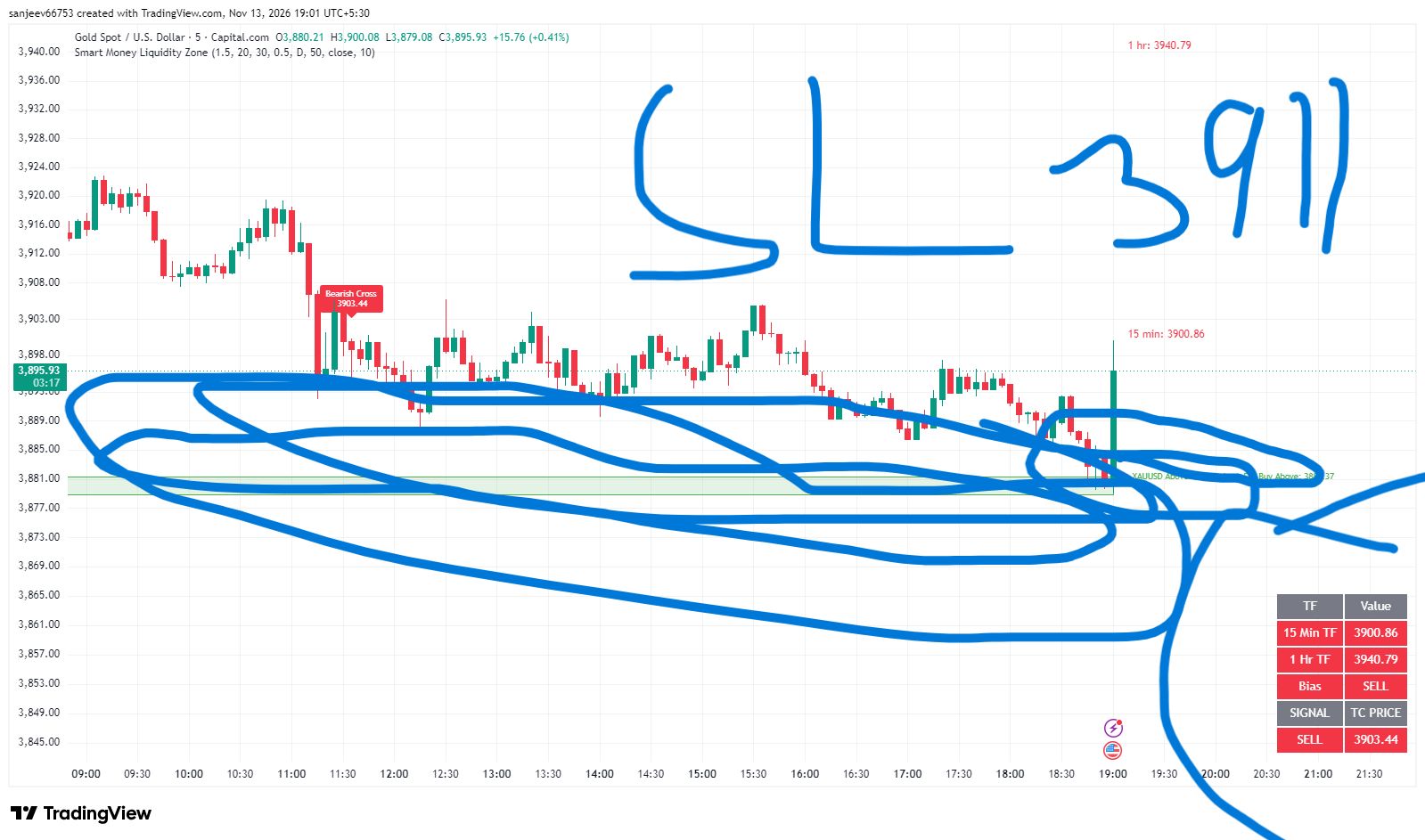
    entry 3903 sl 3911 tgt open
    Osaghae Cephas flag
    EuroTrader
    @Osaghae Cephasbuys are over for real? You think the buys are over and sells would continue lower
    yesss
    Osaghae Cephas flag
    EuroTrader
    @Osaghae Cephastake the trade on your account. Have you taken it bro..let's see how it goes for you 😜
    ok
    Fawad Khan flag
    EuroTrader
    @Fawad Khan ohh yes the data has been released..were you able to take any trades on Gold or any other currency pair
    @EuroTradercan you tell me data is against USD or in favour of USD?
    Osaghae Cephas flag
    Sanjeev Ku flag
    Sanjeev Ku
    entry 3903 sl 3911 tgt open
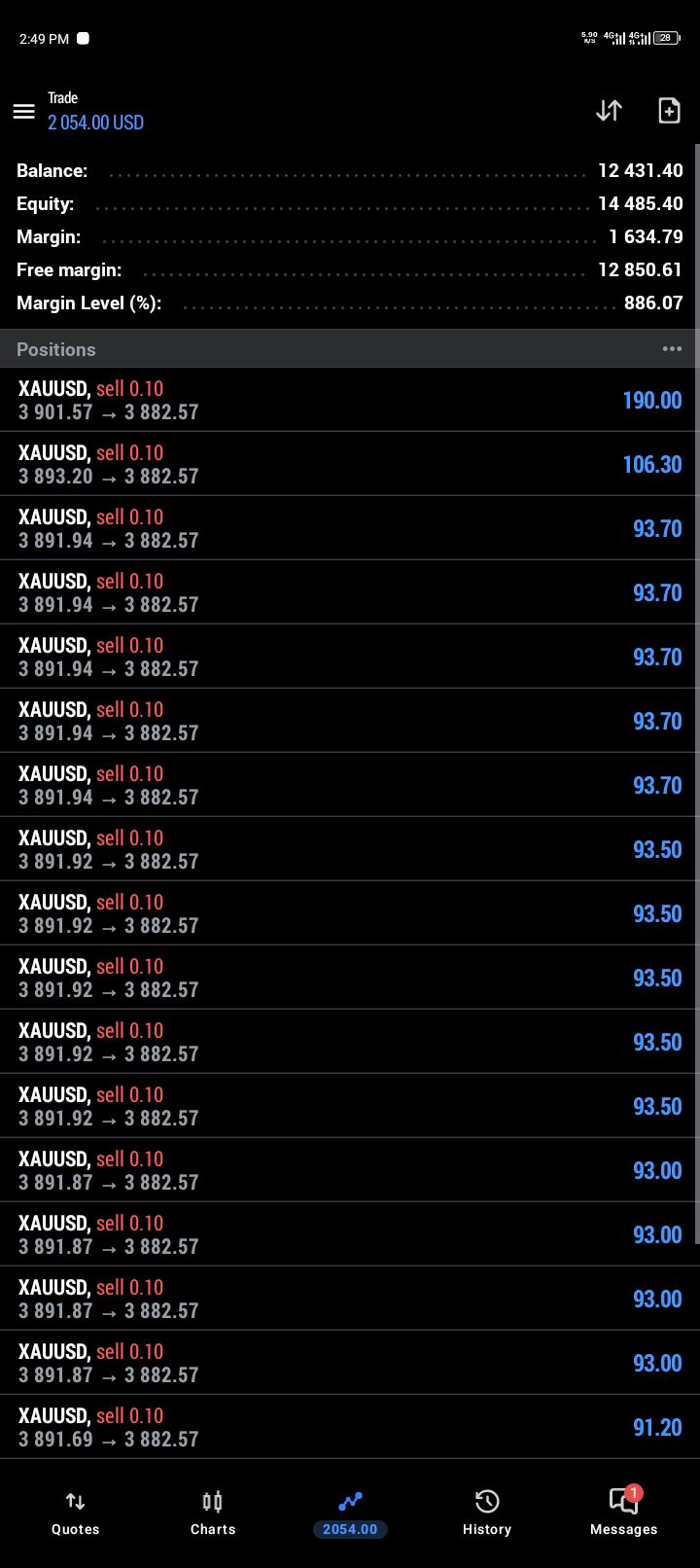
    now 3878 1:3 already
    Sanjeev Ku flag
    nhow 3875
    Oscar flag
    EuroTrader
    @Osaghae Cephastake the trade on your account. Have you taken it bro..let's see how it goes for you 😜
    @EuroTraderbro do you have another pair you can recommend to me
    john flag
    The Apache
    buyers of silver and gold may have a plan . so i sit with my thoughts
    @The Apache what is your plan ? What levels are you watching?
    john flag
    Capri flag
    Fawad Khan
    @EuroTradercan you tell me data is against USD or in favour of USD?
    @Fawad Khan brother focus market structure
    The Apache flag
    john
    @The Apache what is your plan ? What levels are you watching?
    @johnsilver indeed
    john flag
    Sanjeev Ku
    nhow 3875
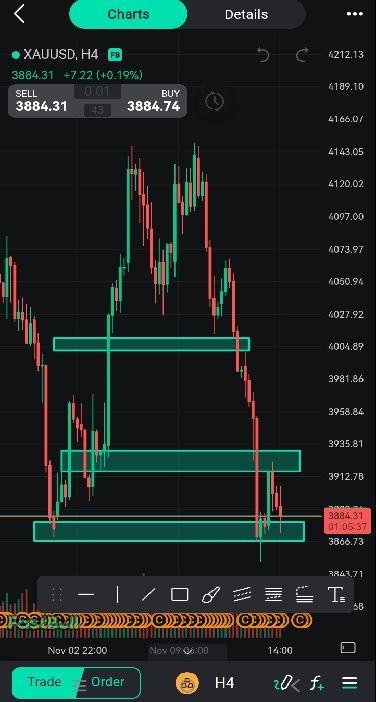
    @Sanjeev Kulooking at the current H4 gold seems poised for a further move lower
    john flag
    @The Apache But again it's Friday so let's proceed carefully whatsoever
    john flag
    The Apache
    @johnsilver indeed
    @The Apache So how are you positioned in silver at the moment
    "The Apache " ยกเลิกข้อความ
    The Apache flag
    bearish
    The Apache flag
    john
    @The Apache So how are you positioned in silver at the moment
    @johnselling
    Sanjeev Ku flag
    john
    @Sanjeev Kulooking at the current H4 gold seems poised for a further move lower
    @john yeh bro. on days like today. place strict and non neogiable sl and ride the trade with some tgt in mind. by non negotiable i mean to say that no change in sl. some changes sl when price approaching there sl no. if hits ok tata bye bye thank you. see you later. see you later not to sl but instrument haha
    พิมพ์ที่นี่...
    เพิ่มชื่อสินทรัพย์หรือรหัส

      ไม่มีข้อมูลที่ตรงกัน

      ทั้งหมด
      แนะนำ
      หุ้น
      สกุลเงินดิจิทัล
      ธนาคารกลาง
      อัปเดตทรัมป์
      ข่าวเด่น
      • ทั้งหมด
      • สงครามรัสเซีย–ยูเครน
      • โฟกัสตะวันออกกลาง
      • ทั้งหมด
      • สงครามรัสเซีย–ยูเครน
      • โฟกัสตะวันออกกลาง
      ค้นหา
      ผลิตภัณฑ์

      กราฟ ฟรีตลอดไป

      แชท Q&A กับผู้เชี่ยวชาญ
      ตัวกรอง ปฏิทินเศรษฐกิจ ข้อมูล เครื่องมือ
      สมาชิก ฟีเจอร์
      ศูนย์ข้อมูล แนวโน้มของตลาด ข้อมูลสถาบัน อัตราดอกเบี้ยของธนาคารกลาง เศรษฐกิจมหภาค

      แนวโน้มของตลาด

      ความเชื่อมั่น สมุดคำสั่งซื้อขาย ความสัมพันธ์ในตลาดฟอเร็กซ์

      ตัวชี้วัดยอดนิยม

      กราฟ ฟรีตลอดไป
      ตลาด

      ข่าวสาร

      24x7 การวิเคราะห์ แหล่งเรียนรู้

      ทัศนคติล่าสุด

      อัปเดตล่าสุด

      สัญญาณ

      คัดลอก อันดับ สัญญาณล่าสุด มาเป็นผู้ให้สัญญาณ การจัดอันดับ AI
      การแข่งขัน
      Brokers

      ภาพรวม โบรกเกอร์ เรตติ้ง อันดับ หน่วยงานควบคุม ข่าวสาร การเรียกร้อง
      รายชื่อโบรกเกอร์ การเปรียบเทียบโบรกเกอร์ฟอเร็กซ์ การเปรียบเทียบสเปรดสด โบรกเกอร์โกง
      Q&A ร้องเรียน วิดีโอแจ้งเตือนการหลอกลวง เคล็ดลับการตรวจจับการหลอกลวง
      เพิ่มเติม

      สำหรับธุรกิจ
      กิจกรรม
      รับสมัครงาน เกี่ยวกับเรา การลงโฆษณา ศูนย์ช่วยเหลือ

      ไวท์เลเบล

      Broker API

      Data API

      ปลั๊กอินเว็บไซต์

      โครงการพันธมิตร

      รางวัล การประเมินสถาบัน IB Seminar กิจกรรม Salon นิทรรศการ
      เวียดนาม ประเทศไทย สิงคโปร์ ดูไบ
      Fans Party เซสชั่นการแบ่งปันการลงทุน
      การประชุมสุดยอด FastBull นิทรรศการ BrokersView
      การค้นหาเมื่อเร็วๆนี้
        คำศัพท์ที่ยอดนิยม
          ตลาด
          การวิเคราะห์
          ผู้ใช้
          24x7
          ปฏิทินเศรษฐกิจ
          แหล่งเรียนรู้
          ข้อมูล
          • ชื่อ
          • ค่าล่าสุด
          • ครั้งก่อน

          ดูผลการค้นหาทั้งหมด

          ไม่มีข้อมูล

          สแกน ดาวน์โหลด

          Faster Charts, Chat Faster!

          ดาวน์โหลด
          • English
          • Español
          • العربية
          • Bahasa Indonesia
          • Bahasa Melayu
          • Tiếng Việt
          • ภาษาไทย
          • Français
          • Italiano
          • Türkçe
          • Русский язык
          • 简中
          • 繁中
          เปิดบัญชี
          ค้นหา
          ผลิตภัณฑ์
          กราฟ ฟรีตลอดไป
          ตลาด
          ข่าวสาร
          สัญญาณ

          คัดลอก อันดับ สัญญาณล่าสุด มาเป็นผู้ให้สัญญาณ การจัดอันดับ AI
          การแข่งขัน
          Brokers

          ภาพรวม โบรกเกอร์ เรตติ้ง อันดับ หน่วยงานควบคุม ข่าวสาร การเรียกร้อง
          รายชื่อโบรกเกอร์ การเปรียบเทียบโบรกเกอร์ฟอเร็กซ์ การเปรียบเทียบสเปรดสด โบรกเกอร์โกง
          Q&A ร้องเรียน วิดีโอแจ้งเตือนการหลอกลวง เคล็ดลับการตรวจจับการหลอกลวง
          เพิ่มเติม

          สำหรับธุรกิจ
          กิจกรรม
          รับสมัครงาน เกี่ยวกับเรา การลงโฆษณา ศูนย์ช่วยเหลือ

          ไวท์เลเบล

          Broker API

          Data API

          ปลั๊กอินเว็บไซต์

          โครงการพันธมิตร

          รางวัล การประเมินสถาบัน IB Seminar กิจกรรม Salon นิทรรศการ
          เวียดนาม ประเทศไทย สิงคโปร์ ดูไบ
          Fans Party เซสชั่นการแบ่งปันการลงทุน
          การประชุมสุดยอด FastBull นิทรรศการ BrokersView

          นโยบายการเงินคืออะไร? ธนาคารกลางควบคุมอัตราเงินเฟ้อและเศรษฐกิจได้อย่างไร?

          จ้านเฉิน
          สรุป:

          นโยบายการเงินคืออะไร และทำงานอย่างไร เรียนรู้ว่าธนาคารกลางใช้อัตราดอกเบี้ยอย่างไรในการควบคุมอัตราเงินเฟ้อ มีอิทธิพลต่อเศรษฐกิจ และสนับสนุนการเติบโต

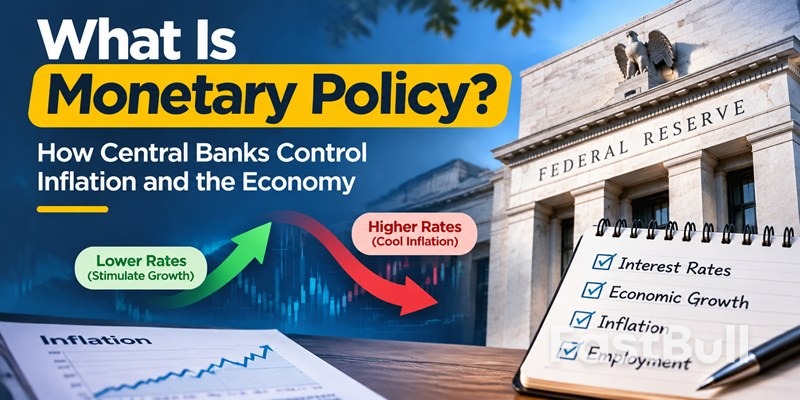
          นโยบายการเงินคือวิธีการที่ธนาคารกลางใช้ในการควบคุมอัตราดอกเบี้ยและสภาวะทางการเงิน เพื่อควบคุมอัตราเงินเฟ้อและรักษาเสถียรภาพทางเศรษฐกิจ เมื่อราคาสินค้าสูงขึ้นเร็วเกินไป การกู้ยืมอาจมีราคาแพงขึ้น เมื่อการเติบโตทางเศรษฐกิจอ่อนแอลง ต้นทุนการกู้ยืมอาจลดลง การตัดสินใจเหล่านี้ส่งผลกระทบต่อทุกสิ่ง ตั้งแต่สินเชื่อบ้านและเงินออม ไปจนถึงการจ้างงานและการลงทุนทางธุรกิจ
          นโยบายการเงินคืออะไร? ธนาคารกลางควบคุมอัตราเงินเฟ้อและเศรษฐกิจอย่างไร_1

          นโยบายการเงินคืออะไร?

          นโยบายการเงินหมายถึงการกระทำของธนาคารกลางเพื่อควบคุมต้นทุนและความพร้อมของเงินและสินเชื่อในระบบเศรษฐกิจ จุดประสงค์คือเพื่อรักษาเสถียรภาพราคาและสนับสนุนกิจกรรมทางเศรษฐกิจที่ยั่งยืน

          ธนาคารกลางไม่ได้ควบคุมราคาสินค้าที่ผู้บริโภคจ่ายหรือจำนวนแรงงานที่ธุรกิจจ้างโดยตรง แต่ธนาคารกลางมีอิทธิพลต่อสภาวะทางการเงิน โดยส่วนใหญ่ผ่านทางอัตราดอกเบี้ย ซึ่งส่งผลต่อจำนวนเงินที่ประชาชนกู้ยืม ใช้จ่าย ออม และลงทุน

          ลองพิจารณาตัวอย่างง่ายๆ หากอัตราเงินเฟ้อสูงขึ้นเนื่องจากผู้บริโภคและธุรกิจใช้จ่ายเร็วกว่าที่เศรษฐกิจจะสามารถจัดหาสินค้าและบริการได้ ธนาคารกลางอาจขึ้นอัตราดอกเบี้ย ต้นทุนการกู้ยืมที่สูงขึ้นสามารถลดการใช้จ่ายและลดแรงกดดันต่อราคาได้ หากเศรษฐกิจชะลอตัวและอัตราการว่างงานเพิ่มขึ้น ธนาคารกลางอาจลดอัตราดอกเบี้ยเพื่อกระตุ้นการกู้ยืมและการลงทุน

          การตัดสินใจเหล่านี้คือการดำเนินงานตามนโยบายการเงิน

          เป้าหมายหลักของนโยบายการเงินคืออะไร?

          เป้าหมายหลักของนโยบายการเงินคือการรักษาเสถียรภาพทางเศรษฐกิจ แม้ว่าความรับผิดชอบเฉพาะเจาะจงจะแตกต่างกันไปในแต่ละประเทศก็ตาม

          ในสหรัฐอเมริกา ธนาคารกลางสหรัฐ (Federal Reserve) มีเป้าหมายนโยบายการเงินหลักสองประการ ซึ่งโดยทั่วไปเรียกว่าภารกิจคู่ขนาน (dual mandate ):

          • เสถียรภาพด้านราคา:การรักษาอัตราเงินเฟ้อให้อยู่ในระดับต่ำและคาดการณ์ได้ เพื่อให้ครัวเรือนและธุรกิจสามารถวางแผนการใช้จ่ายและการลงทุนได้อย่างมั่นใจยิ่งขึ้น
          • การจ้างงานสูงสุด:สนับสนุนระดับการจ้างงานสูงสุดที่เศรษฐกิจสามารถรองรับได้โดยไม่ก่อให้เกิดภาวะเงินเฟ้ออย่างต่อเนื่อง

          ธนาคารกลางสหรัฐตั้งเป้าหมายอัตราเงินเฟ้อไว้ที่ 2% ในระยะยาว โดยวัดจากดัชนีราคาการใช้จ่ายเพื่อการบริโภคส่วนบุคคล (PCE) นี่ไม่ได้หมายความว่าราคาสินค้าควรลดลง 2% หรือคงที่โดยสิ้นเชิง แต่หมายความว่าระดับราคาสินค้าโดยรวมควรเพิ่มขึ้นในอัตราที่ค่อนข้างช้าและคาดการณ์ได้

          เป้าหมายเหล่านี้อาจขัดแย้งกันได้ในบางครั้ง อัตราดอกเบี้ยที่ต่ำลงอาจช่วยกระตุ้นการจ้างงาน แต่ก็อาจทำให้เกิดภาวะเงินเฟ้อเพิ่มขึ้น ในขณะที่อัตราดอกเบี้ยที่สูงขึ้นอาจช่วยควบคุมเงินเฟ้อ แต่ก็อาจทำให้การจ้างงานลดลง ผู้กำหนดนโยบายต้องชั่งน้ำหนักผลกระทบเหล่านี้ แทนที่จะมุ่งเน้นเพียงเป้าหมายเดียวโดยไม่คำนึงถึงอีกเป้าหมายหนึ่ง

          ใครเป็นผู้ควบคุมนโยบายการเงิน?

          โดยทั่วไปแล้ว นโยบายการเงินจะถูกบริหารจัดการโดยธนาคารกลางของประเทศ ไม่ใช่โดยรัฐบาลโดยตรง

          ในสหรัฐอเมริกาธนาคารกลางสหรัฐ (Federal Reserve)เป็นผู้ดำเนินนโยบายการเงิน คณะกรรมการตลาดเปิดกลาง (FOMC) ของธนาคารกลางสหรัฐเป็นผู้กำหนดช่วงเป้าหมายของอัตราดอกเบี้ยเงินกู้ระหว่างธนาคาร (federal funds rate) ซึ่งเป็นดัชนีชี้วัดที่มีอิทธิพลต่อต้นทุนการกู้ยืมทั่วทั้งระบบเศรษฐกิจ

          Other central banks perform similar functions, including the European Central Bank (ECB) in the euro area and the Bank of England (BoE) in the United Kingdom. Their mandates and policy frameworks differ, but controlling inflation is a central responsibility.

          Governments influence the economy through taxation and public spending. Those decisions belong to fiscal policy, which is different from monetary policy.

          How Does Monetary Policy Work?

          Monetary policy works by changing financial conditions rather than directly ordering businesses to adjust prices or consumers to spend less.

          Interest rates are the main channel. When a central bank changes its policy rate, the effects spread through financial markets, commercial banks, household borrowing, and business investment. These changes influence demand for goods and services, which eventually affects employment and inflation.

          How Interest Rates Affect Inflation and Economic Growth

          Suppose inflation is running above the central bank's target. Raising interest rates makes borrowing more expensive. Some households delay purchasing homes or cars, while businesses reconsider expansion plans that depend on loans.

          As spending and investment slow, demand puts less pressure on the economy's productive capacity. Businesses may find it harder to raise prices without losing customers, allowing inflation to ease.

          The process generally follows this pattern:

          Higher interest rates → More expensive borrowing → Slower spending and investment → Weaker demand → Lower inflationary pressure.

          Lower interest rates generally work in the opposite direction. They can encourage borrowing and spending, supporting economic growth when demand is weak.

          However, monetary policy does not produce immediate or guaranteed results. It can take months or longer for interest rate changes to affect economic activity and inflation. Longer-term borrowing rates also depend on expectations about future rates, inflation, and financial risks.

          There are limits to what interest rates can achieve. For example, if oil prices rise because of a disruption in global supply, raising rates cannot produce more oil. It can reduce broader demand and prevent inflation from spreading, but it cannot directly resolve the shortage.

          Another important distinction is that lower inflation does not necessarily mean lower prices. If inflation falls from 6% to 2%, prices are still rising, just more slowly than before.

          How Monetary Policy Affects Borrowing, Savings, and Employment

          The effects of monetary policy extend beyond inflation statistics. They influence financial decisions that households and businesses make every day.

          • Mortgages and loans: Higher market interest rates generally increase the cost of new mortgages, car loans, and business financing. Existing fixed-rate loans may be unaffected, while variable-rate borrowers can experience changes more quickly.
          • Savings: Higher policy rates can lead to better returns on savings accounts and short-term deposits, although banks do not always pass along the full increase. Lower rates generally reduce these returns.
          • Business investment: Companies become more cautious about borrowing to open stores, purchase equipment, or expand operations when financing becomes expensive.
          • Employment: Weaker consumer demand and reduced business investment can slow hiring. Conversely, stronger spending may encourage businesses to expand and create jobs.

          These effects are connected. A business facing higher loan costs may postpone opening another location. That decision reduces demand for equipment, construction services, and additional workers.

          Monetary policy therefore affects employment and economic growth indirectly, even though the central bank does not determine individual wages, loan rates, or hiring decisions.

          Expansionary vs. Contractionary Monetary Policy

          Central banks adjust monetary policy according to economic conditions. When growth is weak, they may try to stimulate spending and investment. When inflation is persistently high, they may try to reduce demand.

          These two approaches are known as expansionary monetary policy and contractionary monetary policy.

          When Do Central Banks Use Expansionary Monetary Policy?

          Expansionary monetary policy is generally used when economic activity is weak, unemployment is rising, or inflation is below the central bank's target.

          Central banks can lower policy interest rates or use other measures to ease financial conditions. The aim is to make borrowing and investment more attractive, encouraging households and businesses to increase spending.

          For example, during an economic downturn, a company might delay expanding because sales are falling. Lower financing costs can make new investment more affordable, especially if the company expects demand to recover.

          However, lower rates cannot guarantee stronger growth. If businesses are pessimistic about future sales or consumers are worried about losing their jobs, they may avoid borrowing even when credit is inexpensive.

          Expansionary policy also carries inflation risks. If demand rises faster than the economy can increase production, prices may begin climbing too quickly.

          When Do Central Banks Use Contractionary Monetary Policy?

          Contractionary monetary policy is used when inflation is too high or economic demand is growing at an unsustainable pace.

          Central banks typically raise policy interest rates or tighten financial conditions through other tools. This discourages some borrowing and spending, helping bring demand closer to the economy's available supply.

          For example, if strong consumer demand is allowing businesses to raise prices repeatedly, higher borrowing costs can reduce purchases financed by credit. As demand moderates, businesses may have less room to increase prices.

          The trade-off is slower economic activity. If monetary policy becomes too restrictive, businesses may reduce investment, hiring may weaken, and the economy could enter a recession.

          The difference between the two approaches is summarized below.

          FeatureExpansionary PolicyContractionary Policy
          Main PurposeStimulate economic activityReduce inflationary pressure
          Typical ConditionsWeak growth, rising unemployment, or low inflationHigh inflation or excessive demand
          Interest Rate DirectionGenerally lowerGenerally higher
          Borrowing and SpendingEncouragedDiscouraged
          Employment ImpactMay support hiringMay slow hiring
          Main RiskExcessive inflationRecession and higher unemployment

          Neither approach is inherently better. The appropriate policy depends on whether the economy needs stronger demand or relief from inflationary pressure. Central banks may also keep policy unchanged while assessing whether earlier decisions are having their intended effects.

          What Tools Do Central Banks Use?

          Central banks use several tools to influence interest rates, credit conditions, and the amount of liquidity in the financial system. The exact tools vary by country, but interest rates and open market operations are among the most important.

          Interest Rates and Open Market Operations

          The main monetary policy tool used by the Federal Reserve is its target range for the federal funds rate. This is the interest rate banks charge each other for overnight loans of reserve balances.

          Although the Fed does not directly set mortgage rates, credit card rates, or business loan rates, changes in the federal funds rate influence borrowing costs across financial markets. Banks adjust their lending and deposit rates as funding conditions change.

          The Fed uses several mechanisms to keep short-term market rates within its target range. These include:

          • Interest on Reserve Balances (IORB): The interest the Fed pays banks on the funds they hold in reserve accounts. Changing this rate influences the rates banks are willing to accept when lending money overnight.
          • Overnight Reverse Repurchase Facility: This allows eligible financial institutions, including money market funds, to place funds with the Fed overnight at a specified rate. It helps establish a floor for certain short-term market rates.

          Another important tool is open market operations. These involve the Federal Reserve buying or selling government securities, or conducting short-term repurchase agreements, to manage liquidity and support its interest rate targets.

          For example, when the Fed buys securities, it adds reserve balances to the banking system. When it conducts operations that absorb reserves, it reduces available liquidity. These operations help the Fed implement its monetary policy decisions.

          Quantitative Easing, Quantitative Tightening, and Other Tools

          When adjusting short-term interest rates is not enough to influence financial conditions, central banks can use other measures, including quantitative easing (QE) and quantitative tightening (QT).

          • Quantitative Easing (QE): The central bank purchases large amounts of longer-term government bonds or other securities. These purchases increase demand for the assets and can push down longer-term interest rates, making mortgages and business financing more affordable.
          • Quantitative Tightening (QT): The central bank reduces its balance sheet, usually by allowing securities to mature without fully reinvesting the proceeds. This gradually reduces the central bank's holdings and can tighten financial conditions.

          QE is generally used when an economy needs additional monetary support, particularly when short-term interest rates are already very low. QT is more commonly used when policymakers want to gradually withdraw some of the monetary support provided through earlier asset purchases.

          Other tools include the discount window, through which eligible banks can borrow directly from the Federal Reserve to address short-term funding needs, and forward guidance, which communicates the central bank's likely future policy direction to influence market expectations.

          One distinction is important when looking at U.S. monetary policy: although reserve requirements are often listed in traditional explanations of central bank tools, the Federal Reserve reduced reserve requirement ratios to zero in March 2020. They are not a primary tool in its current operating framework.

          The Fed also ended its balance sheet reduction process on December 1, 2025. Therefore, QT is useful to understand as a monetary policy tool, but it should not be confused with an ongoing Fed policy as of November 2026.

          For a complete overview, see the Federal Reserve's monetary policy tools.

          How Does the Federal Reserve Make Monetary Policy Decisions?

          The Federal Reserve does not raise or lower interest rates simply because inflation changes in one month. Its policymakers examine a range of economic indicators to determine whether the economy needs tighter or looser financial conditions.

          What Factors Influence the Fed's Interest Rate Decisions?

          The Federal Open Market Committee (FOMC) is responsible for setting the direction of U.S. monetary policy. It holds eight regularly scheduled meetings each year to review economic conditions and decide whether to change its policy stance.

          Several factors influence these decisions:

          • Inflation: The Fed examines whether price increases are slowing, accelerating, or remaining above its 2% longer-run target. It also considers whether inflation is broad-based or concentrated in specific categories.
          • Employment: Job creation, unemployment, wage growth, and labor market conditions help policymakers assess whether the economy is overheating or losing momentum.
          • Economic growth: GDP, consumer spending, and business investment show whether overall demand is expanding at a sustainable pace.
          • Inflation expectations: If households and businesses expect prices to keep rising, workers may seek higher wages and companies may increase prices in advance. These expectations can make inflation harder to control.
          • Financial conditions: Credit availability, borrowing costs, asset prices, and broader market conditions help the Fed understand how its previous decisions are affecting the economy.

          The Fed must also consider how long monetary policy takes to work. An interest rate increase may affect new borrowing relatively quickly, but its full impact on consumer spending, business investment, hiring, and inflation can take much longer to appear.

          This is why policymakers look at both current economic data and the likely direction of the economy. Raising rates too aggressively can weaken employment and growth, while waiting too long to address persistent inflation can allow price pressures to become more entrenched.

          What Is the Fed's Current Monetary Policy?

          As of November 13, 2026, the Federal Reserve's latest monetary policy decision was announced on October 28, 2026. The FOMC voted 10–2 to maintain the federal funds rate target range at 3.75% to 4.00%.

          The Committee said economic activity was expanding at a strong pace, supported by resilient domestic spending, productivity growth, and business investment. Job gains had kept pace with the workforce, while inflation remained elevated relative to the Fed's 2% goal.

          The decision was not unanimous. Two FOMC members, Lisa D. Cook and Beth M. Hammack, preferred to raise the target range by another 0.25 percentage point rather than leave rates unchanged.

          This decision illustrates an important point: monetary policy is not determined by inflation alone. The Fed must weigh price stability against employment and economic growth, particularly when different indicators suggest different policy responses.

          Future rate decisions will depend on incoming economic data and how inflation and employment develop. The Fed does not follow a fixed schedule of rate increases or cuts simply because a particular number of months has passed.

          You can check the October 28, 2026 FOMC statement for the official decision and its economic assessment.

          Monetary Policy vs. Fiscal Policy: What's the Difference?

          Monetary policy and fiscal policy are two major ways governments influence economic activity, but they work through different channels and are controlled by different institutions.

          นโยบายการเงินบริหารจัดการโดยธนาคารกลางของประเทศ และมีอิทธิพลหลักต่ออัตราดอกเบี้ย เงื่อนไขสินเชื่อ และสภาพคล่องทางการเงิน ส่วนนโยบายการคลังกำหนดโดยรัฐบาลผ่านการจัดเก็บภาษี การใช้จ่ายภาครัฐ และการกู้ยืม

          ในสหรัฐอเมริกา ธนาคารกลางสหรัฐ (Federal Reserve) ทำหน้าที่บริหารนโยบายการเงิน ในขณะที่รัฐสภาและฝ่ายบริหารทำหน้าที่ตัดสินใจเกี่ยวกับนโยบายการคลัง

          คุณสมบัตินโยบายการเงินนโยบายการคลัง
          ใครเป็นผู้ควบคุม?ธนาคารกลาง เช่น ธนาคารกลางสหรัฐ (Federal Reserve)รัฐบาล ซึ่งรวมถึงรัฐสภาและฝ่ายบริหารในสหรัฐอเมริกา
          เครื่องมือหลักอัตราดอกเบี้ย การดำเนินงานในตลาดเปิด และการซื้อสินทรัพย์ภาษี การใช้จ่ายของรัฐบาล และการโอนเงิน
          จุดเน้นหลักเสถียรภาพราคาและการจ้างงานการเติบโตทางเศรษฐกิจ บริการสาธารณะ การสนับสนุนรายได้ และการจ้างงาน
          ผลกระทบต่อเศรษฐกิจการเปลี่ยนแปลงต้นทุนการกู้ยืม เงื่อนไขสินเชื่อ และแรงจูงใจในการใช้จ่ายการเปลี่ยนแปลงรายได้ครัวเรือน แรงจูงใจทางธุรกิจ และความต้องการของประชาชน
          ตัวอย่างธนาคารกลางสหรัฐ (เฟด) ปรับขึ้นอัตราดอกเบี้ยเพื่อลดแรงกดดันด้านเงินเฟ้อรัฐบาลเพิ่มงบประมาณด้านโครงสร้างพื้นฐานเพื่อสนับสนุนกิจกรรมทางเศรษฐกิจ

          นโยบายทั้งสองสามารถส่งเสริมซึ่งกันและกันได้ แต่ก็อาจดึงเศรษฐกิจไปในทิศทางที่แตกต่างกันได้เช่นกัน

          ตัวอย่างเช่น ในช่วงเศรษฐกิจถดถอย รัฐบาลอาจเพิ่มการใช้จ่ายภาครัฐเพื่อสนับสนุนการจ้างงานและความต้องการของผู้บริโภค ในขณะที่ธนาคารกลางลดอัตราดอกเบี้ยเพื่อกระตุ้นการกู้ยืมและการลงทุนของภาคเอกชน การดำเนินการทั้งสองอย่างนี้สามารถช่วยสนับสนุนการฟื้นตัวทางเศรษฐกิจได้

          อย่างไรก็ตาม หากรัฐบาลเพิ่มการใช้จ่ายอย่างมีนัยสำคัญในขณะที่อัตราเงินเฟ้อสูงอยู่แล้ว ธนาคารกลางอาจจำเป็นต้องคงอัตราดอกเบี้ยไว้ในระดับสูงหรือเข้มงวดนโยบายการเงินเพื่อป้องกันไม่ให้ความต้องการที่เพิ่มขึ้นผลักดันราคาให้สูงขึ้น

          กล่าวโดยสรุป นโยบายการเงินมีอิทธิพลต่อต้นทุนและความพร้อมใช้งานของเงินและสินเชื่อ ในขณะที่นโยบายการคลังเปลี่ยนแปลงรายได้และรายจ่ายของรัฐบาลโดยตรง ทั้งสองนโยบายส่งผลต่อการเติบโตทางเศรษฐกิจ แต่ใช้กลไกที่แตกต่างกัน

          สำหรับรายละเอียดเพิ่มเติม โปรดดูคำอธิบายของธนาคารกลางสหรัฐเกี่ยวกับความแตกต่างระหว่างนโยบายการเงินและนโยบายการคลัง

          บทสรุป

          นโยบายการเงินมีอิทธิพลต่ออัตราเงินเฟ้อ การจ้างงาน และการเติบโตทางเศรษฐกิจโดยการเปลี่ยนแปลงอัตราดอกเบี้ยและเงื่อนไขทางการเงิน การทำความเข้าใจว่าธนาคารกลางใช้เครื่องมือเหล่านี้อย่างไร จะช่วยอธิบายได้ว่าเหตุใดการตัดสินใจของธนาคารกลางจึงส่งผลกระทบต่อการกู้ยืม การออม การลงทุนทางธุรกิจ และเศรษฐกิจโดยรวม

          คำเตือนความเสี่ยงและข้อจำกัดความรับผิดชอบในการลงทุน
          ตลาดมีความเสี่ยง การลงทุนจำเป็นต้องระมัดระวัง เนื้อหาของบทความนี้มีไว้สำหรับอ้างอิงเท่านั้น และไม่ได้ถือเป็นคำแนะนำในการลงทุนส่วนบุคคล และไม่ได้คำนึงถึงเป้าหมายการลงทุนพิเศษ สถานะทางการเงินหรืออื่นๆของบุคคล ลงทุนตามนั้น ต้องรับผิดชอบความเสี่ยงของคุณเอง
          รายการโปรด
          แชร์
          FastBull
          ลิขสิทธิ์ © 2026 FastBull Ltd

          728 RM B 7/F GEE LOK IND BLDG NO 34 HUNG TO RD KWUN TONG KLN HONG KONG

          TelegramInstagramTwitterfacebooklinkedin
          App Store Google Play Android Windows
          ผลิตภัณฑ์
          กราฟ

          แชท

          Q&A กับผู้เชี่ยวชาญ
          ตัวกรอง
          ปฏิทินเศรษฐกิจ
          ข้อมูล
          เครื่องมือ
          สมาชิก
          ฟีเจอร์
          ฟังก์ชั่น
          ตลาด
          ธุรกรรมคัดลอก
          สัญญาณล่าสุด
          การแข่งขัน
          24x7
          การวิเคราะห์
          แหล่งเรียนรู้
          บริษัท
          รับสมัครงาน
          เกี่ยวกับเรา
          ติดต่อเรา
          การลงโฆษณา
          ดาวน์โหลด FastBull
          ศูนย์ช่วยเหลือ
          ข้อเสนอแนะ
          ข้อตกลงผู้ใช้
          นโยบายความเป็นส่วนตัว
          นโยบายความเป็นส่วนตัว
          สำหรับธุรกิจ

          ไวท์เลเบล

          Broker API

          Data API

          ปลั๊กอินเว็บไซต์

          เครื่องมือออกแบบโปสเตอร์

          โครงการพันธมิตร

          การเปิดเผยความเสี่ยง

          ความเสี่ยงของการสูญเสียในการซื้อขายสินทรัพย์ทางการเงิน เช่น หุ้น FX สินค้าโภคภัณฑ์ ฟิวเจอร์ส พันธบัตร ETFs หรือเงินดิจิทัลอาจมีมาก คุณอาจสูญเสียเงินทุนทั้งหมดที่คุณฝากไว้กับโบรกเกอร์ของคุณ ดังนั้น คุณควรพิจารณาอย่างรอบคอบว่าการซื้อขายดังกล่าวเหมาะสมกับคุณหรือไม่ในสถานการณ์และทรัพยากรทางการเงินของคุณ

          ไม่ควรตัดสินใจลงทุนโดยไม่ได้ดำเนินการตรวจสอบสถานะอย่างละเอียดถี่ถ้วนด้วยตัวเองหรือปรึกษากับที่ปรึกษาทางการเงินของคุณ เนื้อหาเว็บของเราอาจไม่เหมาะกับคุณเนื่องจากเราไม่ทราบเงื่อนไขทางการเงินและความต้องการในการลงทุนของคุณ ข้อมูลทางการเงินของเราอาจมีความล่าช้าหรือมีความไม่ถูกต้อง ดังนั้นคุณควรรับผิดชอบอย่างเต็มที่ต่อการตัดสินใจซื้อขายและการลงทุนของคุณ บริษัทจะไม่รับผิดชอบต่อการสูญเสียเงินทุนของคุณ

          หากไม่ได้รับอนุญาตจากเว็บไซต์ คุณจะไม่สามารถคัดลอกกราฟิก ข้อความ หรือเครื่องหมายการค้าของเว็บไซต์ได้ สิทธิ์ในทรัพย์สินทางปัญญาในเนื้อหาหรือข้อมูลที่รวมอยู่ในเว็บไซต์นี้เป็นของผู้ให้บริการและผู้ค้าแลกเปลี่ยน

          ไม่ได้ล็อกอิน

          เข้าสู่ระบบเพื่อเข้าถึงฟังก์ชั่นเพิ่มเติม

          เชื่อมต่อโบรกเกอร์
          มาเป็นผู้ให้สัญญาณ
          ศูนย์ช่วยเหลือ
          บริการลูกค้า
          โหมดมืด
          สีขึ้นและลง

          เข้าสู่ระบบ

          ลงทะเบียน

          แถบข้าง
          เลย์เอาท์
          เต็มหน้าจอ
          ตั้งค่าเริ่มต้นเป็นกราฟ
          หน้ากราฟจะเปิดขึ้นตามค่าเริ่มต้นเมื่อคุณเข้า fastbull.com