


Yen hardly benefits from faster rate hikes
The IMF projected an economic slowdown for Asia next year, warning of growing risks from an Iran war energy shock, a potential AI bubble correction, and surging global bond yields.
A downturn in AI demand could be hitting manufacturing hubs in the region hardest due to its heavy integration into the semiconductor supply chain, particularly Japan and South Korea.
Japan's trade deficit widened worrisomely to 1.1 trillion yen in August, marking the fourth straight month of trade red ink. Exports grew 19.3% though the pace slowed for the first time in 6 months.
Iran has escalated its strikes on commercial ships transiting Hormuz in recent weeks. Crude oil exports through the waterway hit prewar levels in September, but shipments have since pulled back.
The highly publicized Russia diesel deal provides volumes so small that they will cover less than a single day’s worth of US transport sector consumption. Crude oil prices stay well above $100 per barrel.
That means potential net imports will likely continue to slow Japan’s recovery. A structural "vicious loop" emerges where a weak yen feeds into a persistent trade deficit, which in turn drives the currency even lower.
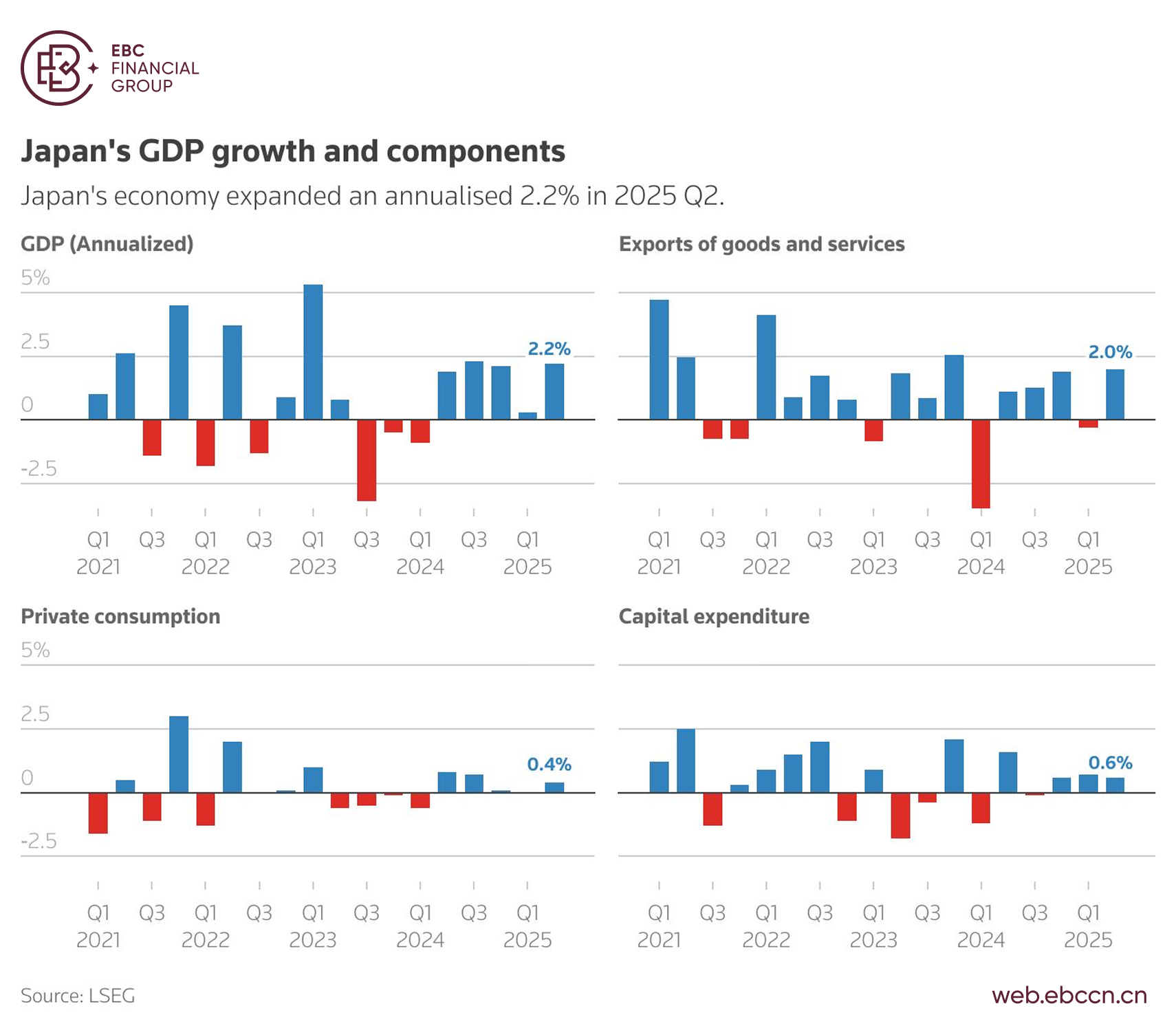
Consumption and investment also show signs of weaknesses. The economy is expected to be effectively flat in Q3, with consensus forecasts heavily downgrading expectations to near-zero growth.
Bumpy road to normal
Both manufacturers and non-manufacturers expect business conditions to worsen three months ahead, according to the latest BOJ survey. Those firms forecast inflation at 2.6% within three years and 2.5% in five.
Annual core inflation in Tokyo accelerated in September at its fastest pace in 10 months. As a leading indicator of nationwide trends, the core reading surpassed the 2% for the first time since January.
A primary factor would be how the recent rises in wholesale and consumer prices affect public perception of future price movement, which is crucial for anchoring underlying inflation, analysts said.
“Nationwide core inflation will likely exceed 3% in coming months. With upside risks to underlying inflation, the BOJ will be on the hook for another rate hike as soon as December,” said Dai-ichi Life Research Institute analyst.
Governor Ueda stated last month that policy has entered a "new phase" to prevent inflation risks, as prices growth appears sustainable. This shift clears the path for faster interest rate hikes ahead.
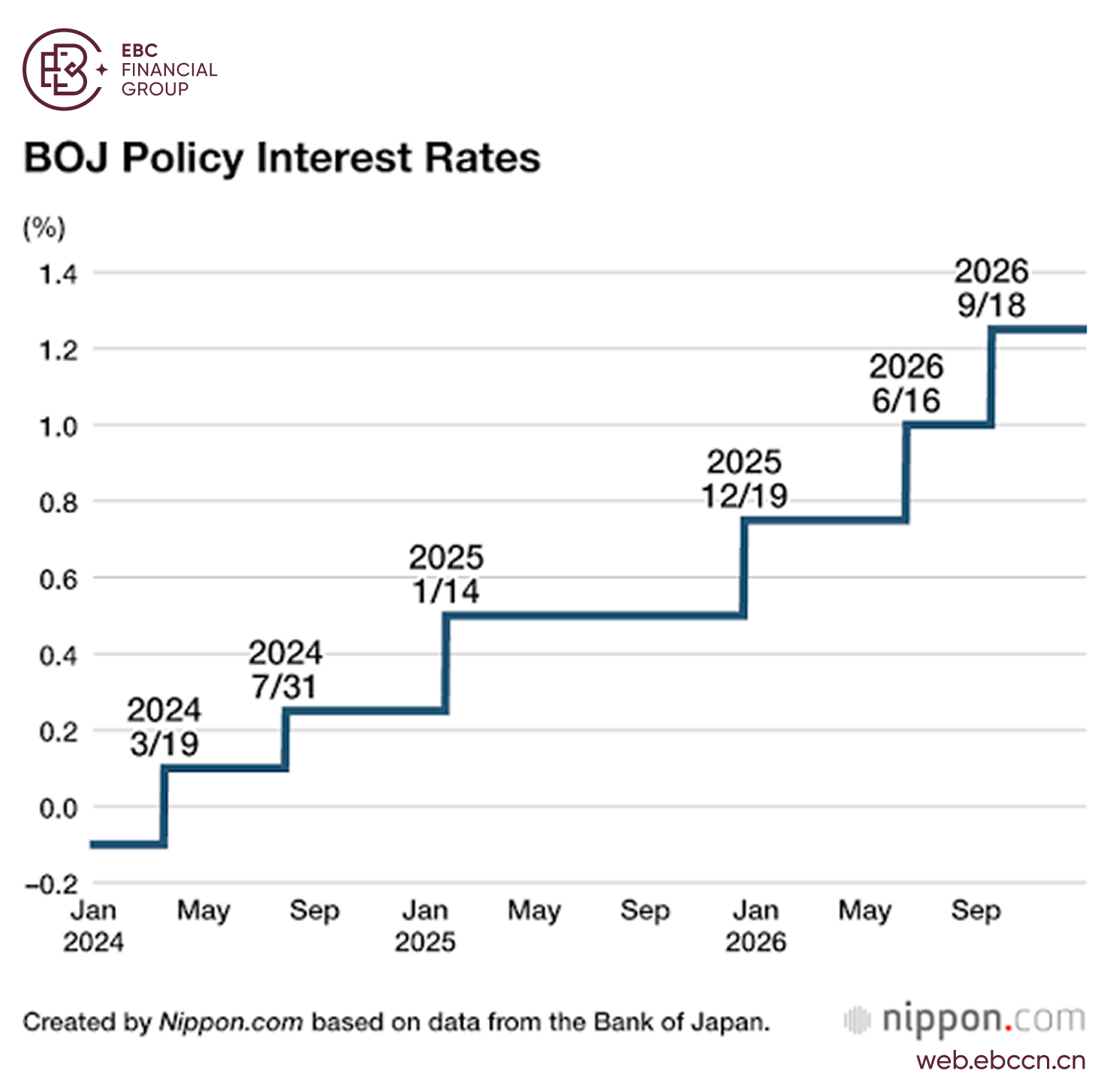
Policymakers raised the key rate to a 31-year high of 1.25% last month, signalling that rice increases driven by higher raw material costs were spreading to consumer goods with some firms hiking prices more often.
Makoto Sakurai, a former member of the BOJ board who remains close to active policymakers, noted that he forecasts a rate hike to 2% by roughly June next year, up from the current 1.25%.
Freewheeling Takaichi
Major Japanese asset managers shifting to domestic bonds are expected to gradually repatriate foreign funds, creating a structural floor for the yen as domestic yields rise.
The benchmark 10-year JGB yield perches below 3%, within a whisker of the 30-year peak hit last month. But it is premature to call it peak given external shocks and more debt issuance by Tokyo.
Investors fear that PM Takaichi's aggressive spending plans will worsen its public finances. That have been partially blamed for depreciating the yen and driving up government bond yields.
Bond markets have grown anxious due to her administration's failure to explain how it will fund a temporary food levy suspension alongside an anticipated surge in defence spending.
OCBC strategists said further depreciation of the yen is set to be capped by extreme currency undervaluation and rising risks of official forex intervention last seen in July and August.
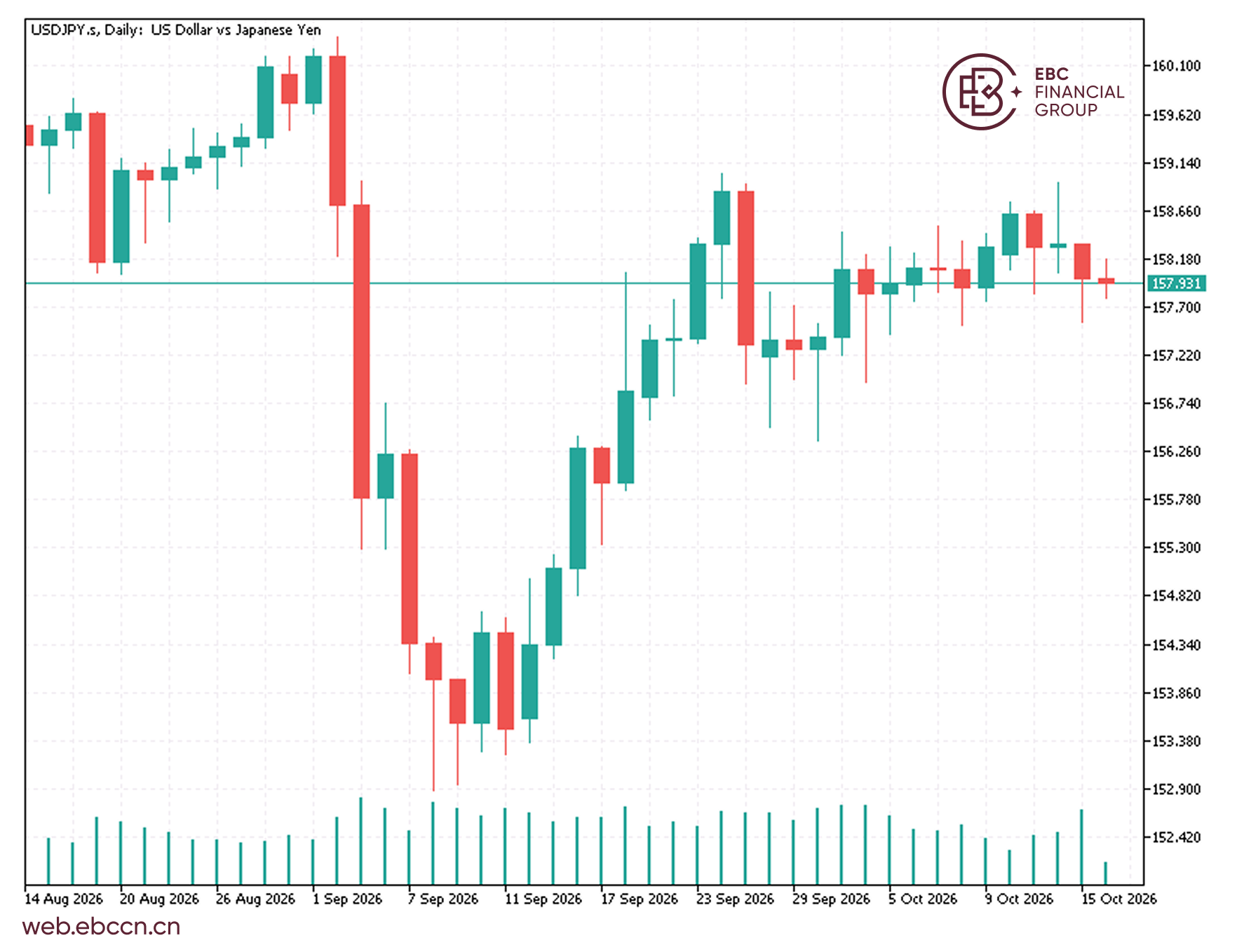
According to the IMF, while countries should let flexible exchange rates absorb external shocks, currency intervention remains a viable option if market fluctuations become disorderly.
The yen is on track to crack the worst performing major currency for the 6th straight year. The massive yield spread and remarkably stronger US economic growth signals limited upside room.
Disclaimer: This material is for general information purposes only and is not intended as (and should not be considered to be) financial, investment or other advice on which reliance should be placed. No opinion given in the material constitutes a recommendation by EBC or the author that any particular investment, security, transaction or investment strategy is suitable for any specific person.







著作権 © 2026 FastBull Ltd


リスク警告
FX取引はリスクが高く、すべての投資家に適しているわけではありません。レバレッジを利用するとさらなるリスクと損失が生じます。取引する前に、投資目的、経験レベル、リスク許容度を慎重に検討してください。初期投資の一部または全部を失う可能性があります。余裕のないお金は投資しないでください。FX取引に伴うリスクについてよく理解してください。ご質問がある場合は、独立した財務または税務アドバイザーにご相談ください。あらゆるデータと情報は「現状のまま」提供され、情報提供のみを目的としており、取引や推奨のために提供されるものではありません。過去のパフォーマンスは将来の結果を予測するものではありません。
免責事項
このウェブサイトに含まれるデータはリアルタイムかつ正確ではない可能性があります。このサイトのデータと価格は必ずしも市場や取引所から提供されているわけではなく、マーケットメーカーによって提供されている場合があるため、価格は不正確であり、実際の市場価格とは異なる場合があります。つまり、この価格は市場動向を反映するための参考価格であり、取引目的には不利です。ウェブサイトに含まれるデータの提供者は、お客様の取引活動またはウェブサイトに含まれる情報への依存の結果として被った損失に対して責任を負いません。