- โบรกเกอร์ HOT
- โบรกเกอร์โกง
- BV ประเมิน NEW
- อันดับ
- หน่วยงานควบคุม
- ข่าว
- การเรียกร้อง
- เอ็กซ์โป HOT
- กิจกรรม
- รางวัล


AUD/NZD up on renewed geopolitical tensions
The Australian dollar gained on Tuesday against the kiwi after Iran fired two ballistic missiles overnight targeting American forces stationed in Kuwait. A peace deal seems increasingly unlikely, according to EBC Financial Group.
The pair may weaken further as traders unwind bearish positions in New Zealand’s currency following a hawkish shift from the RBNZ last week, analysts said.
Interest-rate differentials between the two economies may have peaked, while any de-escalation in the Middle East tensions would be a boon to the kiwi, according to Goldman Sachs.
Australia’s current account deficit widened to A$27.1 billion. The RBA has raised interest rates three times this year. There are signs the tight financial conditions are working to cool demand.
While traders have pared bearish bets on the kiwi since a six-year peak last month, short positions are yet to unwind to levels seen before the Iran war, according to CFTC data.
Meanwhile, bullish wagers on the Aussie are hovering near the highest since February, leaving scope for a sharp reversal if sentiment turns sour.
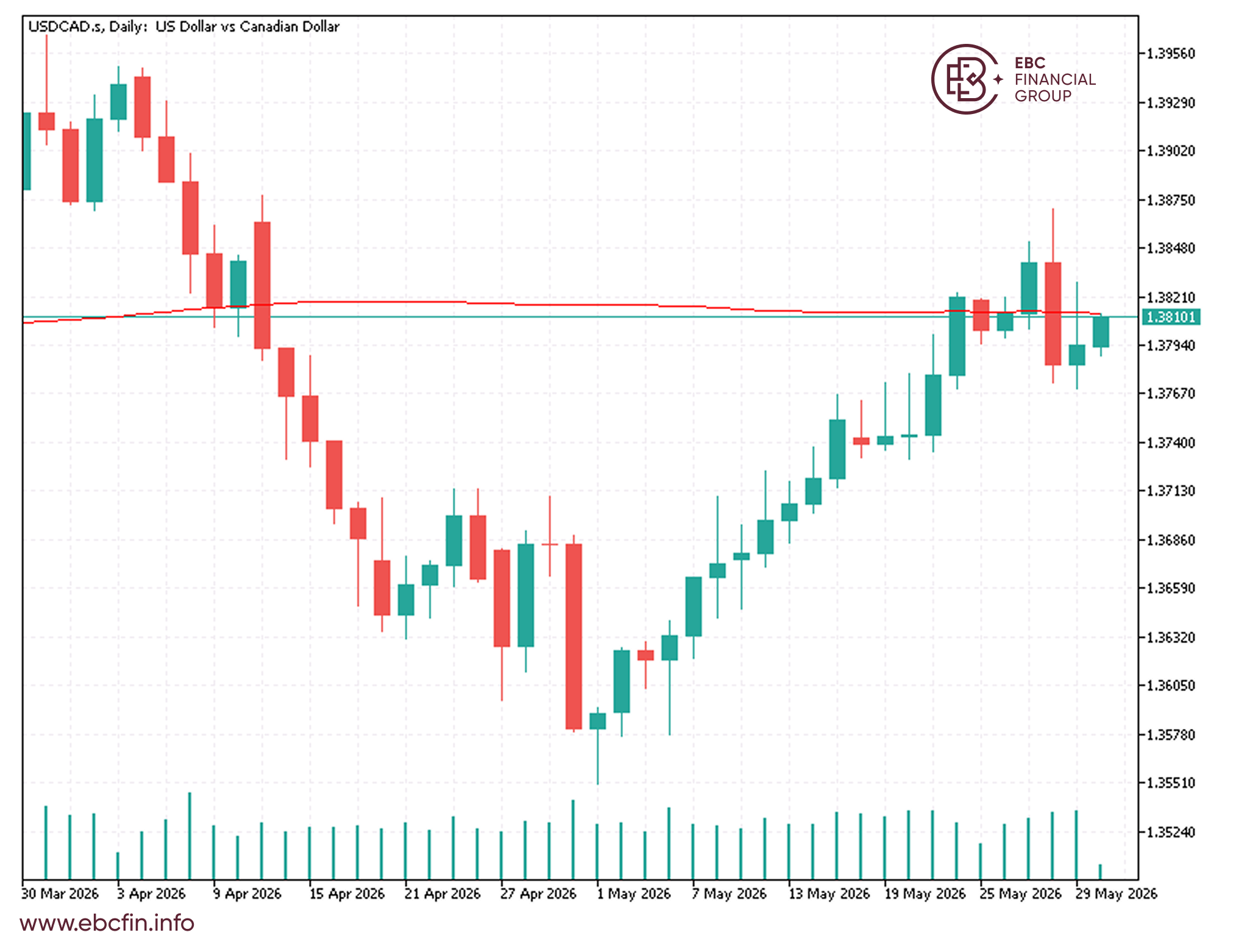
A bearish MACD divergence occurred, after the AUD/NZD rally stalled. That suggested the underlying upward buying momentum was fading, so a drop below 1.2000 may be in the wind.
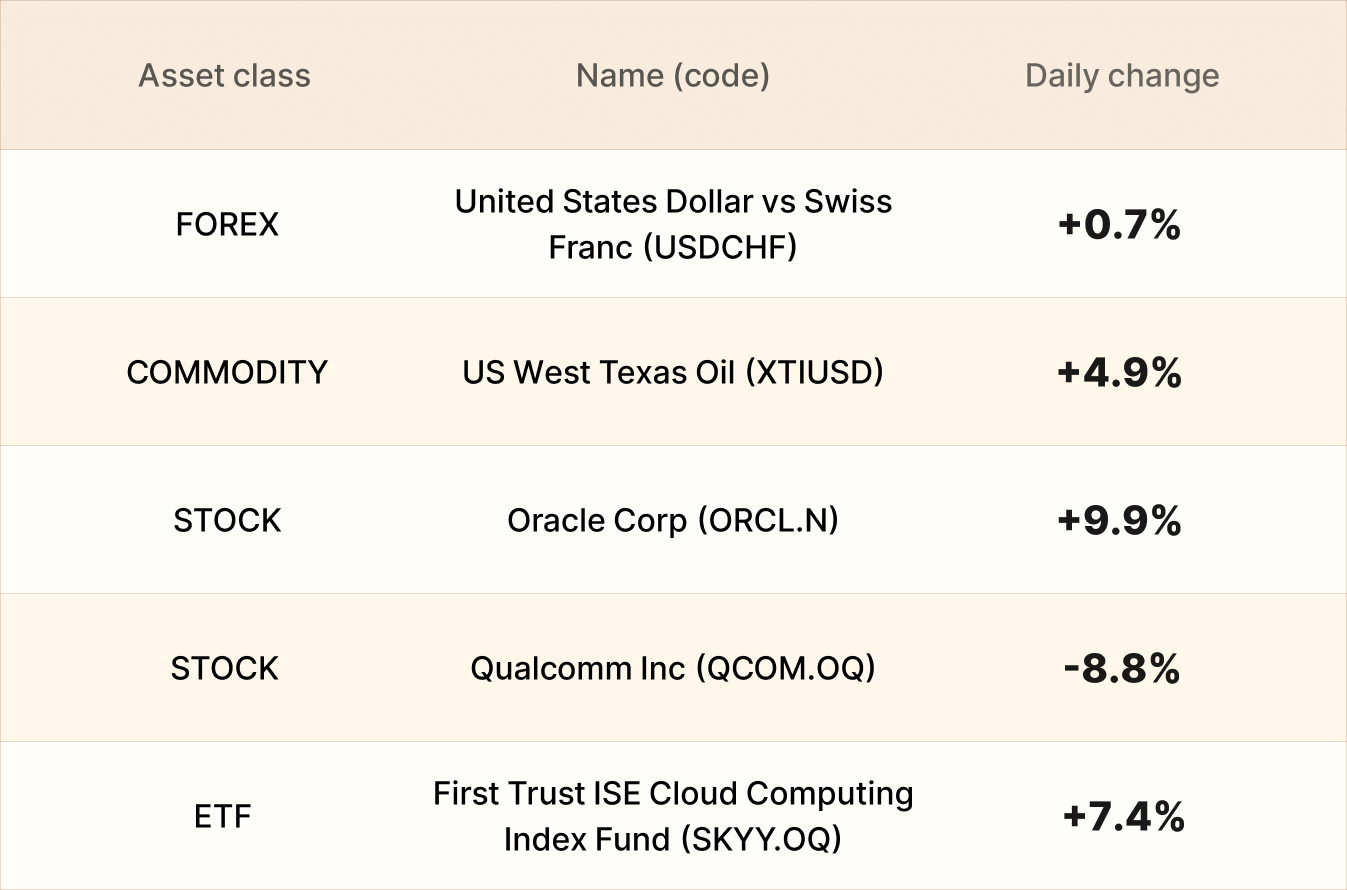
Asset recap
Disclaimer: This material is for general information purposes only and is not intended as (and should not be considered to be) financial, investment or other advice on which reliance should be placed. No opinion given in the material constitutes a recommendation by EBC or the author that any particular investment, security, transaction or investment strategy is suitable for any specific person.
ความยอดนิยม







ลิขสิทธิ์ © 2026 FastBull Ltd


คำเตือนความเสี่ยง
การเทรดฟอเร็กซ์มีความเสี่ยงสูงและอาจไม่เหมาะสำหรับนักลงทุนทั้งหมด เลเวอเรจอาจเป็นการเพิ่มความเสี่ยงและการสูญเสีย ก่อนตัดสินใจซื้อขาฟอเร็กซ์ โปรดพิจารณาวัตถุประสงค์การลงทุน ระดับประสบการณ์ และความเสี่ยงที่ยอมรับได้อย่างรอบคอบ คุณอาจสูญเสียเงินลงทุนเริ่มแรกบางส่วนหรือทั้งหมด อย่าลงทุนด้วยเงินที่คุณไม่พร้อมเสีย ทำความเข้าใจความรู้เกี่ยวกับความเสี่ยงที่เกี่ยวข้องกับการเทรดฟอเร็กซ์ หากคุณมีคำถามเพิ่มเติม โปรดขอคำแนะนำกับที่ปรึกษาทางการเงินหรือที่ปรึกษาภาษี การบริการข้อมูลต่างๆ "ตามสภาพจริง"มีวัตถุประสงค์ในการให้ข้อมูล มิใช่เพื่อการเทรดหรือให้คำแนะนำผลงานในอดีตไม่สามารถทำนายผลในอนาคตได้
ข้อจำกัดความรับผิดชอบ
ข้อมูลที่อยู่ในเว็บไซต์นี้อาจไม่ถูกต้องแบบเรียลไทม์ ข้อมูลและราคาในเว็บไซต์นี้ไม่ได้มาจากตลาดหรือการแลกเปลี่ยน อาจมาจากผู้ดูแลสภาพคล่อง ดังนั้น ราคาอาจไม่ถูกต้องและแตกต่างจากตลาดจริงกล่าวคือราคาเป็นเพียงเครื่องบ่งชี้ซึ่งสะท้อนถึงแนวโน้มของลาด และไม่ควรใช้เพื่อการค้าผู้ให้บริการ โบรกเกอร์ที่ให้ข้อมูลในเว็บไซต์นี้จะไม่รับผิดชอบต่อความสูญเสียใด ๆ ที่คุณอาจได้รับอันเป็นผลมาจากแนวทางการเทรดที่ไม่เหมาะสมหรือการพึ่งพาข้อมูลที่มีอยู่ในเว็บไซต์นี้