• Trade
  • Cotizaciones
  • Copiar
  • Concurso
  • 24/7
  • Calendario
  • P&R
  • Charlar
Filtros
SIMBOLO
ÚLTIMO
OFERTA
DEMANDA
ALTO
BAJO
VAR. NETA
VAR. %
SPREAD
FUENTE
SPX
S&P 500 Index
7592.40
7592.40
7592.40
0.00
0
0.00
0.00%
--
--
DJI
Dow Jones Industrial Average
52297.09
52297.09
52297.09
0.00
0
0.00
0.00%
--
--
IXIC
NASDAQ Composite Index
25305.93
25305.93
25305.93
25423.09
25261.61
-60.15
-0.24%
--
--
USDX
US Dollar Index
103.110
103.110
103.190
103.173
102.940
+0.040
+ 0.04%
--
--
EURUSD
Euro / US Dollar
1.10471
1.10471
1.10481
1.10725
1.10426
-0.00071
-0.06%
--
--
GBPUSD
Pound Sterling / US Dollar
1.32341
1.32341
1.32352
1.32500
1.32177
-0.00006
0.00%
--
--
XAUUSD
Gold / US Dollar
3893.77
3893.77
3894.18
3922.97
3872.76
+16.68
+ 0.43%
--
--
WTI
Light Sweet Crude Oil
88.293
88.293
88.323
88.426
86.859
+0.548
+ 0.62%
--
--

Cuenta de Comunidad

Cuentas de Señales
--
Cuentas Rentables
--
Cuentas con Pérdidas
--
Ver más

Conviértete en proveedor de señales

Vender señales y obtener ingresos

Ver más

Guía para el Copy Trading

Comienza con facilidad y confianza

Ver más

Cuentas de Señal para Miembros

Todas las Cuentas de Señal

Mejor Retorno
  • Mejor Retorno
  • Mejor P/L
  • Mejor MDD
Última 1 Semana
  • Última 1 Semana
  • Último 1 Mes
  • Último 1 Año

Todos los Concursos

  • Todo
  • Recomendar
  • Acciones
  • Criptomonedas
  • Bancos centrales
  • Actualizaciones de Trump
  • Noticias destacadas
Solo las noticias principales
Compartir

Fitch Ratings: Los índices de morosidad de las oficinas estadounidenses que emiten valores respaldados por hipotecas comerciales (CMBS) alcanzaron un máximo histórico en octubre.

Compartir

Las acciones de Nvidia abrieron al alza, pero luego cayeron bruscamente, bajando más del 1%, después de haber subido hasta un 1,6% en un momento dado durante las primeras horas de la sesión.

Compartir

El índice de semiconductores de Filadelfia cayó un 1% en la jornada, cotizando actualmente a 10.398 puntos.

Compartir

El presidente de la Reserva Federal de Dallas, Logan, miembro con derecho a voto del FOMC en 2026, pronunciará el discurso de apertura de la Conferencia de Financiación Bancaria de 2026 en diez minutos.

Compartir

La rentabilidad del bono del Tesoro estadounidense a 10 años alcanzó un máximo del 5,16% durante la jornada, influenciada por el aumento de los precios del petróleo.

Compartir

Un portavoz del Ministerio de Asuntos Exteriores francés declaró que Francia solicitará a la Comisión Europea que investigue el incumplimiento por parte de Argelia de su acuerdo conjunto con la UE.

Compartir

Según fuentes israelíes, el ejército israelí y el Shin Bet, la Dirección de Seguridad Nacional (DSN) de Israel, abatieron a más de 10 milicianos y destruyeron una fábrica de armas en la Franja de Gaza la semana pasada. Algunos de estos milicianos se habían infiltrado en Israel durante los ataques del 7 de octubre.

Compartir

El Banco Central de Chile vendió contratos a plazo de divisas por valor de 75 millones de dólares a un tipo de cambio promedio de 1.000,51 pesos chilenos por dólar estadounidense.

Compartir

Según fuentes locales, un ataque perpetrado por milicianos en el oeste de Níger ha dejado al menos 37 civiles muertos.

Compartir

El contrato de futuros de fueloil más activo subió un 3% durante la jornada y actualmente cotiza a 4236,00 yuanes.

Compartir

UBS ha otorgado a Hygon Information una calificación inicial neutral con un precio objetivo de 215 RMB.

Compartir

Los futuros del gas natural en Estados Unidos cayeron más del 3,00%, cotizando actualmente a 3,632 dólares por millón de unidades térmicas británicas.

Compartir

La plata al contado cayó más del 1,00% en la jornada, cotizando actualmente a 49,55 dólares por onza.

Compartir

El presidente de la Reserva Federal de Boston, Collins, afirmó que las subidas de los tipos de interés podrían perjudicar la asequibilidad de la vivienda.

Compartir

El presidente de la Reserva Federal de Boston, Collins, afirmó que combatir la inflación es una prioridad mayor que la crisis inmobiliaria.

Compartir

Collins, presidente de la Reserva Federal de Boston, afirma que el aumento de la productividad ayuda a frenar algunas presiones inflacionarias.

Compartir

Collins, presidente de la Reserva Federal de Boston, afirmó: Garantizar la estabilidad de precios es un factor positivo a largo plazo para el mercado inmobiliario.

Compartir

El Ministerio de Asuntos Exteriores francés declaró que es necesario aumentar la presión sobre los rebeldes hutíes en Yemen para obligarlos a cesar sus inaceptables ataques, en particular los dirigidos contra Arabia Saudí.

Compartir

El gobernador del Banco Central de Brasil, Gallipolo, declaró: "Todavía no hemos tenido en cuenta el impacto en la tasa impositiva de la reforma del impuesto al consumo".

Compartir

Bank of America Global Research ha incluido en su pronóstico una subida de tipos de interés de 25 puntos básicos por parte de la Reserva Federal en enero de 2027; actualmente prevé subidas de tipos en diciembre, enero y marzo de 2026.

HORA
ACT.
PNSTC.
PREV.
IMPACTO
Estados Unidos Variación semanal de las existencias de gasóleo de calefacción de la EIA

A:--

P: --

A: --

WTI
  • WTI
  • XAUUSD
  • XAGUSD
  • USDX
Estados Unidos Tasa promedio de la subasta de Bonos a 30 años

A:--

P: --

A: --

XAUUSD
  • XAUUSD
  • XAGUSD
  • WTI
  • USDX
Estados Unidos Balance presupuestario (Octubre)

A:--

P: --

A: --

USDX
  • USDX
  • XAUUSD
  • XAGUSD
  • WTI
Argentina IPC Intermensual (Octubre)

A:--

P: --

A: --

XAUUSD
  • XAUUSD
  • XAGUSD
  • WTI
  • USDX
Estados Unidos Tenencias semanales de bonos del Tesoro por bancos centrales extranjeros

A:--

P: --

A: --

USDX
  • USDX
  • XAUUSD
  • XAGUSD
  • WTI
El presidente de la Reserva Federal de Nueva York, Williams, pronunció un discurso.
Francia IPCA Final Intermensual (Octubre)

A:--

P: --

A: --

EURUSD
  • EURUSD
  • XAUUSD
  • XAGUSD
  • WTI
  • USDX
China continental Incremento anual de préstamos pendientes (Octubre)

A:--

P: --

A: --

XAUUSD
  • XAUUSD
  • XAGUSD
  • WTI
  • USDX
Informe del mercado petrolero de la AIE
China continental M2 Oferta monetaria interanual (Octubre)

A:--

P: --

A: --

XAUUSD
  • XAUUSD
  • XAGUSD
  • WTI
  • USDX
China continental M0 oferta monetaria Interanual (Octubre)

A:--

P: --

A: --

XAUUSD
  • XAUUSD
  • XAGUSD
  • WTI
  • USDX
China continental M1 Oferta monetaria Interanual (Octubre)

A:--

P: --

A: --

XAUUSD
  • XAUUSD
  • XAGUSD
  • WTI
  • USDX
China continental Escala de financiación social (Octubre)

A:--

P: --

A: --

XAUUSD
  • XAUUSD
  • XAGUSD
  • WTI
  • USDX
Zona Euro Balanza Comercial (No SA) (Septiembre)

A:--

P: --

A: --
EURUSD
  • EURUSD
  • XAUUSD
  • XAGUSD
  • WTI
  • USDX
Zona Euro Balanza Comercial (SA) (Septiembre)

A:--

P: --

A: --
EURUSD
  • EURUSD
  • XAUUSD
  • XAGUSD
  • WTI
  • USDX
Zona Euro Empleo Interanual (SA) (Tercer trimestre)

A:--

P: --

A: --

EURUSD
  • EURUSD
  • XAUUSD
  • XAGUSD
  • WTI
  • USDX
Zona Euro PIB Revisión Interanual (Tercer trimestre)

A:--

P: --

A: --

India Crecimiento de los depósitos Interanual

A:--

P: --

A: --

XAUUSD
  • XAUUSD
  • XAGUSD
  • WTI
  • USDX
Brasil Ventas minoristas Intermensual (Septiembre)

A:--

P: --

A: --

XAUUSD
  • XAUUSD
  • XAGUSD
  • WTI
  • USDX
Canada Ventas al por mayor intermensuales (SA) (Septiembre)

A:--

P: --

A: --
USDCAD
  • USDCAD
  • XAUUSD
  • XAGUSD
  • WTI
  • USDX
Canada Ventas al por mayor interanuales (Septiembre)

A:--

P: --

A: --

USDCAD
  • USDCAD
  • XAUUSD
  • XAGUSD
  • WTI
  • USDX
Canada Pedidos pendientes de fabricación intermensual (Septiembre)

A:--

P: --

A: --

USDCAD
  • USDCAD
  • XAUUSD
  • XAGUSD
  • WTI
  • USDX
Canada Nuevos pedidos manufactureros intermensuales (Septiembre)

A:--

P: --

A: --
USDCAD
  • USDCAD
  • XAUUSD
  • XAGUSD
  • WTI
  • USDX
Estados Unidos PPI Intermensual (SA) (Octubre)

A:--

P: --

A: --
USDX
  • USDX
  • XAUUSD
  • XAGUSD
  • WTI
Estados Unidos IPP interanual (Octubre)

A:--

P: --

A: --

USDX
  • USDX
  • XAUUSD
  • XAGUSD
  • WTI
Estados Unidos IPP básico intermensual (SA) (Octubre)

A:--

P: --

A: --
USDX
  • USDX
  • XAUUSD
  • XAGUSD
  • WTI
Estados Unidos IPP subyacente interanual (Octubre)

A:--

P: --

A: --

USDX
  • USDX
  • XAUUSD
  • XAGUSD
  • WTI
Canada Inventario manufacturero intermensual (Septiembre)

A:--

P: --

A: --

USDCAD
  • USDCAD
  • XAUUSD
  • XAGUSD
  • WTI
  • USDX
Canada Inventario mayorista intermensual (Septiembre)

A:--

P: --

A: --

USDCAD
  • USDCAD
  • XAUUSD
  • XAGUSD
  • WTI
  • USDX
Canada Inventario mayorista interanual (Septiembre)

A:--

P: --

A: --

USDCAD
  • USDCAD
  • XAUUSD
  • XAGUSD
  • WTI
  • USDX
Estados Unidos Variación semanal de las existencias de gas natural de la EIA

--

P: --

A: --

Rusia IPC Interanual (Octubre)

--

P: --

A: --

Estados Unidos Perforación total Semanal

--

P: --

A: --

Estados Unidos Total semanal de perforaciones petrolíferas

--

P: --

A: --

Arabia Saudita IPC Interanual (Octubre)

--

P: --

A: --

Japón PIB real intertrimestral (Tercer trimestre)

--

P: --

A: --

Japón PIB nominal intertrimestral preliminar (Tercer trimestre)

--

P: --

A: --

Reino Unido Índice Rightmove de precios de la vivienda interanual (Noviembre)

--

P: --

A: --

China continental Producción industrial interanual (Octubre)

--

P: --

A: --

China continental Zona urbana Tasa de desempleo (Octubre)

--

P: --

A: --

Japón Producción industrial final intermensual (Septiembre)

--

P: --

A: --

Japón Producción industrial final interanual (Septiembre)

--

P: --

A: --

Zona Euro Producción industrial Interanual (Septiembre)

--

P: --

A: --

Zona Euro Producción industrial intermensual (Septiembre)

--

P: --

A: --

Zona Euro Total de activos de reserva (Octubre)

--

P: --

A: --

Canada Índice Nacional de Confianza Económica

--

P: --

A: --

Estados Unidos Índice de adquisición de precios manufactureros de la Fed de Nueva York (Noviembre)

--

P: --

A: --

Estados Unidos Índice de nuevos pedidos manufactureros de la Fed de Nueva York (Noviembre)

--

P: --

A: --

Canada IPC subyacente Interanual (Octubre)

--

P: --

A: --

Canada IPC subyacente intermensual (Octubre)

--

P: --

A: --

Estados Unidos Índice de empleo manufacturero de la Fed de Nueva York (Noviembre)

--

P: --

A: --

Estados Unidos Índice manufacturero de la Fed de Nueva York (Noviembre)

--

P: --

A: --

Canada IPC Interanual (Octubre)

--

P: --

A: --

Canada IPC Intermensual (Octubre)

--

P: --

A: --

Canada IPC recortado interanual (SA) (Octubre)

--

P: --

A: --

Reino Unido Tasa de desempleo de la OIT a 3 meses (Septiembre)

--

P: --

A: --

Reino Unido Tasa de desempleo (Octubre)

--

P: --

A: --

Reino Unido Número de solicitantes de desempleo (Octubre)

--

P: --

A: --

Reino Unido Variación trimestral del empleo en la OIT (Septiembre)

--

P: --

A: --

Reino Unido Salario trimestral (semanal, sin distribución) Aumento interanual (Septiembre)

--

P: --

A: --

P&R con expertos
    • Todo
    • Sala de chat
    • Grupos
    • Amigos
    EuroTrader flag
    EuroTrader
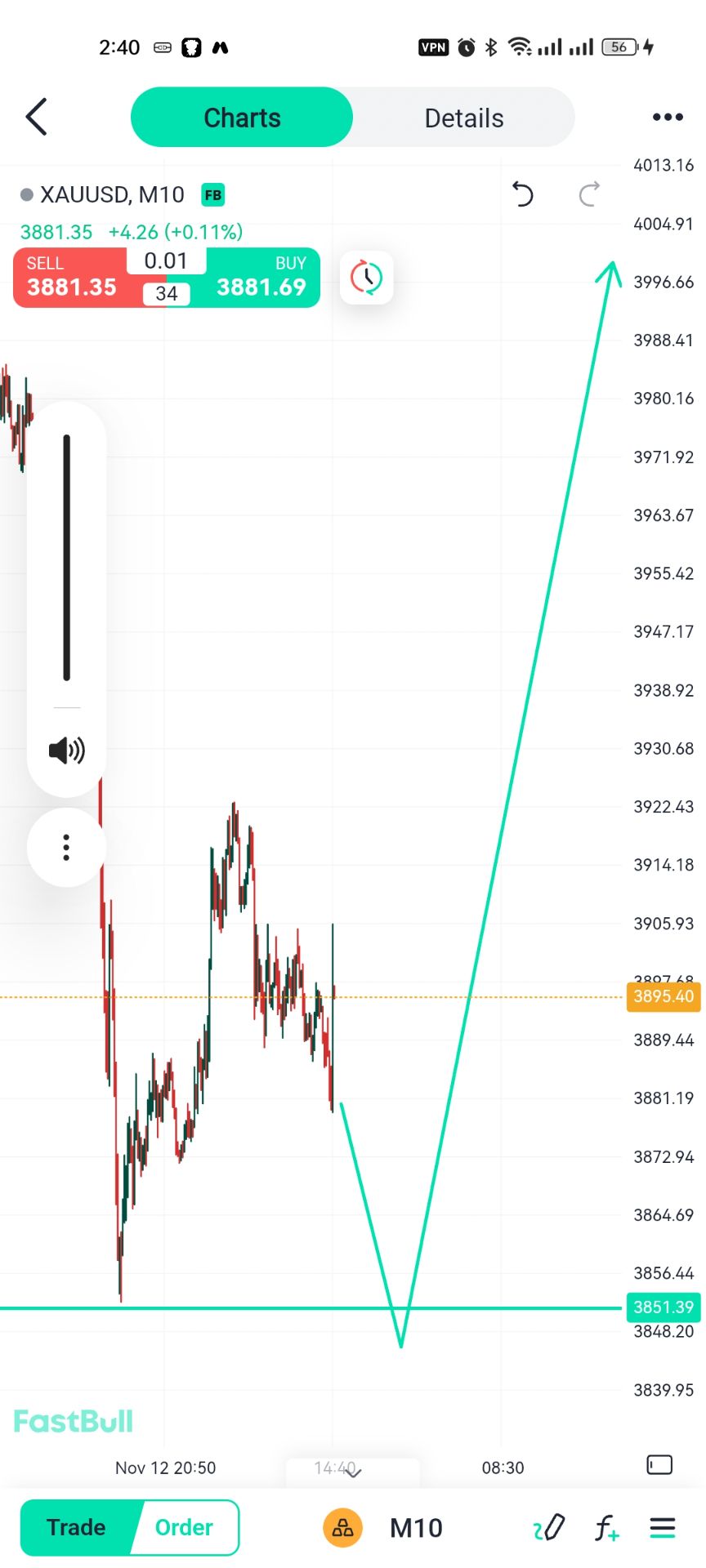
    This is the plan for the shiny metal called gold,it's gonna drop them continue higher @The Apache @Matthew
    EuroTrader flag
    Osaghae Cephas
    @Osaghae CephasAm proud of you my brother. You made the call and you put a skin in the game on the call
    Osaghae Cephas flag
    EuroTrader
    @OscarThrse pairs I shared are the ones I trade asides Bitcoin and eth and Eurusd . You can trade Nasdaq and us500but they are not high probability to me
    @EuroTraderwhy is it that the call I'll will give that will make u some bucks u won't take it but the one that might give you losses you'll take it💔💔😂 what's the logic behind it? is it the universe or something🤦
    Osaghae Cephas flag
    EuroTrader
    @Osaghae CephasAm proud of you my brother. You made the call and you put a skin in the game on the call
    @EuroTraderof course
    EuroTrader flag
    Matthew
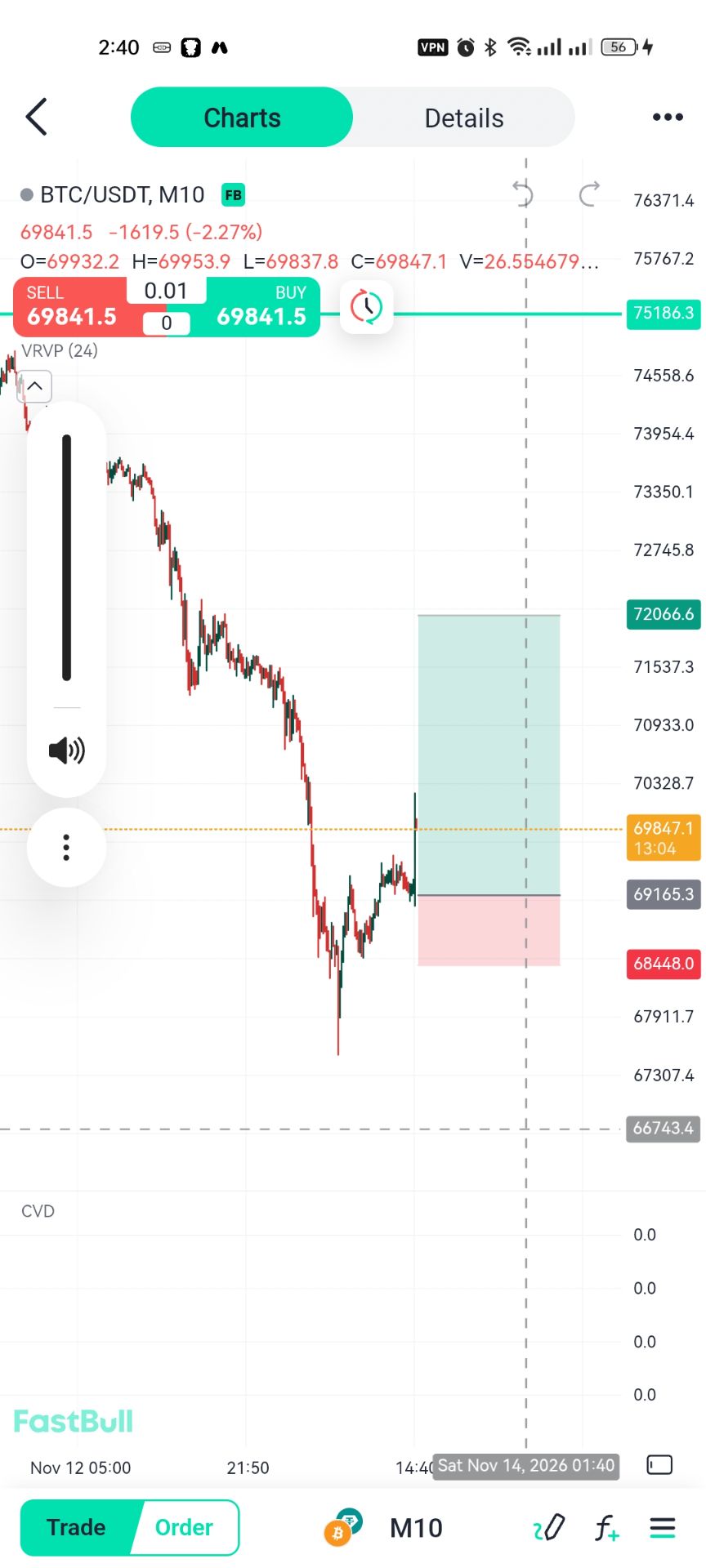
    @EuroTraderBitcoin is bullish?.
    @Matthewhow are you doing brother. Bitcoin has some inclination to head to the upside do I'll just wait patiently to see if my king entry is verified
    EuroTrader flag
    Osaghae Cephas
    @EuroTraderwhy is it that the call I'll will give that will make u some bucks u won't take it but the one that might give you losses you'll take it💔💔😂 what's the logic behind it? is it the universe or something🤦
    @Osaghae Cephasthsys just 9 pipzmy brother. It hasn't moved. You see the lot size you using? Where is your stop loss on the trade
    "EuroTrader" Grabó un mensaje
    EuroTrader flag
    Osaghae Cephas flag
    EuroTrader
    @Osaghae Cephasthsys just 9 pipzmy brother. It hasn't moved. You see the lot size you using? Where is your stop loss on the trade
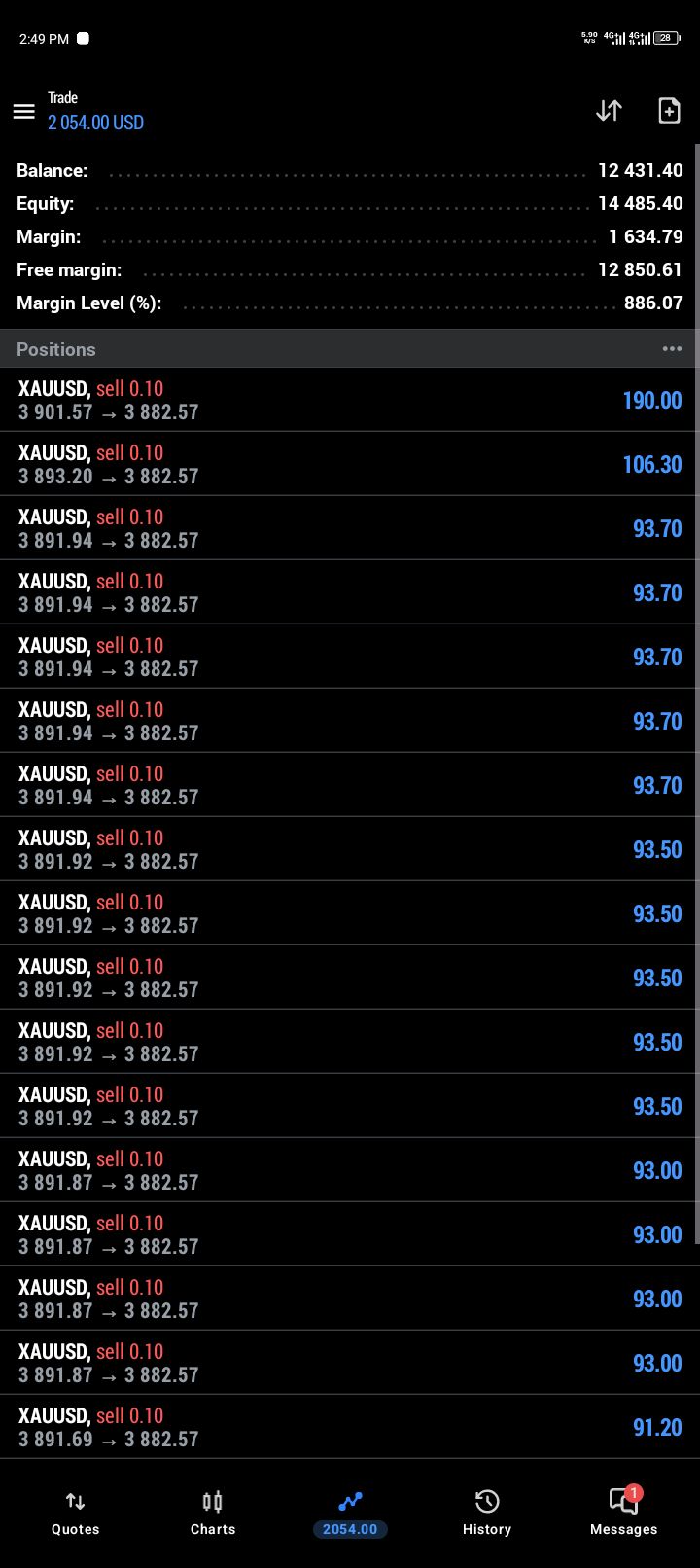
    @EuroTraderoh no worries it will and besides if it hits SL I'll loose 1.5k which is little for me so no worries about my SL my SL is 3905@EuroTrader
    EuroTrader flag
    Osaghae Cephas
    @EuroTraderoh no worries it will and besides if it hits SL I'll loose 1.5k which is little for me so no worries about my SL my SL is 3905@EuroTrader
    @Osaghae Cephasokay let's take a look at it. I'll check it and go short now on Xauusd.
    The Apache flag
    buy silver . buy gold now
    john flag
    登峰造极 flag
    多还是空
    john flag
    john
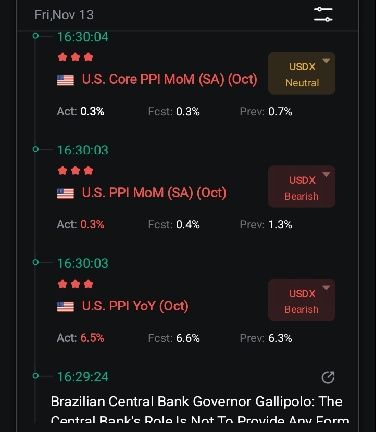
    @Osaghae CephasThis soft PPI data explains the current move in the market
    登峰造极 flag
    The Apache
    buy silver . buy gold now
    @The Apache 要暴涨了嘛?
    登峰造极 flag
    为什么要立即购买黄金
    登峰造极 flag
    啥意思不懂
    The Apache flag
    登峰造极
    @The Apache 要暴涨了嘛?
    @登峰造极u kn how it is
    Osaghae Cephas flag
    EuroTrader
    @Osaghae Cephasvale, echemos un vistazo. Lo revisaré y ahora pondré posiciones cortas en Xauusd.
    @EuroTraderOK
    john flag
    登峰造极
    ¿Largo o corto?
    @登峰造极Yeah seems to be buying after the soft PPI print but again this might be short-lived
    Escriba aquí...
    Agregar nombre o código de activo

      Sin datos que coincidan

      Todo
      Recomendar
      Acciones
      Criptomonedas
      Bancos centrales
      Actualizaciones de Trump
      Noticias destacadas
      • Todo
      • Conflicto Rusia-Ucrania
      • Punto de tensión en Oriente Medio
      • Todo
      • Conflicto Rusia-Ucrania
      • Punto de tensión en Oriente Medio
      Buscar
      Productos

      Gráficos Gratis para siempre

      Charlar P&R con expertos
      Filtros Calendario económico Datos Herramienta
      Membresía Características
      Centro de datos Tendencias del mercado Datos institucionales Política de tipos de interés Macro

      Tendencias del mercado

      Sentimiento de Mercado Libro de Órdenes Correlaciones Forex

      Indicadores populares

      Gráficos Gratis para siempre
      Mercado

      Noticias

      24/7 Análisis Educación

      Últimas perspecivas

      Última actualización

      Señales

      Copiar Clasificaciones Últimas Señales Conviértete en proveedor de señales Calificación de IA
      Concurso
      Brokers

      Descripción Brokers Evaluación Clasificaciones Reguladores Noticias Reclamaciones
      Listado de Corredores Herramienta de Comparación de Corredores de Forex Comparación de Spreads en Vivo Estafa
      P&R Queja Videos de Alerta de Estafa Consejos para Detectar Estafas
      Más

      Empresa
      Evento
      Reclutamiento Sobre nosotros Publicidad Centro de ayuda

      Etiqueta blanca

      Broker API

      API de datos

      Complementos web

      Programa de afiliados

      Premios Evaluación Institucional IB Seminar Evento de Salón Exhibición
      Vietnam Tailandia Singapur Dubái
      Reunión de fans Sesión de Compartición de Inversiones
      Cumbre FastBull Exposición BrokersView
      Búsquedas recientes
        Búsquedas populares
          Cotizaciones
          Análisis
          Usuario
          24/7
          Calendario económico
          Educación
          Datos
          • Nombres
          • Último
          • Anterior

          Ver todo

          Sin datos

          Escanear para descargar

          Faster Charts, Chat Faster!

          Descargar
          Español
          • English
          • Español
          • العربية
          • Bahasa Indonesia
          • Bahasa Melayu
          • Tiếng Việt
          • ภาษาไทย
          • Français
          • Italiano
          • Türkçe
          • Русский язык
          • 简中
          • 繁中
          Abrir Cuenta
          Buscar
          Productos
          Gráficos Gratis para siempre
          Mercado
          Noticias
          Señales

          Copiar Clasificaciones Últimas Señales Conviértete en proveedor de señales Calificación de IA
          Concurso
          Brokers

          Descripción Brokers Evaluación Clasificaciones Reguladores Noticias Reclamaciones
          Listado de Corredores Herramienta de Comparación de Corredores de Forex Comparación de Spreads en Vivo Estafa
          P&R Queja Videos de Alerta de Estafa Consejos para Detectar Estafas
          Más

          Empresa
          Evento
          Reclutamiento Sobre nosotros Publicidad Centro de ayuda

          Etiqueta blanca

          Broker API

          API de datos

          Complementos web

          Programa de afiliados

          Premios Evaluación Institucional IB Seminar Evento de Salón Exhibición
          Vietnam Tailandia Singapur Dubái
          Reunión de fans Sesión de Compartición de Inversiones
          Cumbre FastBull Exposición BrokersView

          ¿Qué es la política monetaria? Cómo los bancos centrales controlan la inflación y la economía.

          zhan chen
          Resumen:

          ¿Qué es la política monetaria y cómo funciona? Aprenda cómo los bancos centrales utilizan las tasas de interés para controlar la inflación, influir en la economía y fomentar el crecimiento.

          La política monetaria es la forma en que los bancos centrales influyen en los tipos de interés y las condiciones financieras para controlar la inflación y mantener la economía estable. Cuando los precios suben demasiado rápido, el crédito puede encarecerse. Cuando el crecimiento económico se debilita, los costes de endeudamiento pueden bajar. Estas decisiones afectan a todo, desde las hipotecas y los ahorros hasta el empleo y la inversión empresarial.
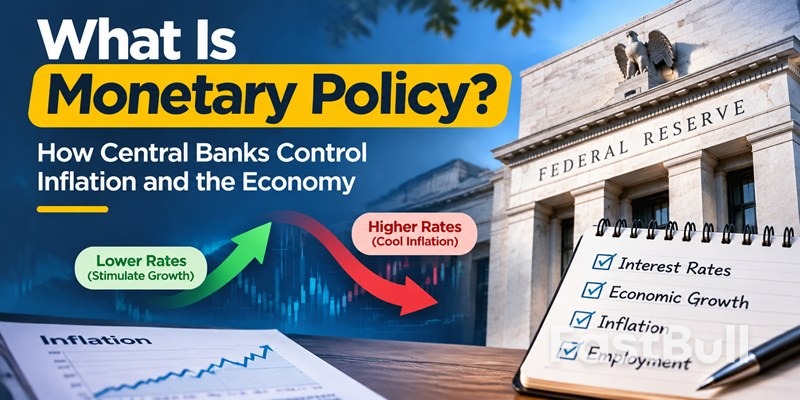
          ¿Qué es la política monetaria? Cómo los bancos centrales controlan la inflación y la economía_1

          ¿Qué es la política monetaria?

          La política monetaria se refiere a las acciones que un banco central emprende para influir en el costo y la disponibilidad del dinero y el crédito en una economía. Su propósito es mantener la estabilidad de precios y apoyar la actividad económica sostenible.

          Los bancos centrales no controlan directamente los precios que pagan los consumidores ni el número de trabajadores que contratan las empresas. En cambio, influyen en las condiciones financieras, principalmente a través de los tipos de interés, que afectan a la cantidad que la gente pide prestada, gasta, ahorra e invierte.

          Consideremos un ejemplo sencillo. Si la inflación aumenta porque los consumidores y las empresas gastan más rápido de lo que la economía puede ofrecer bienes y servicios, un banco central podría subir los tipos de interés. Unos costes de endeudamiento más elevados pueden desincentivar el gasto y reducir la presión sobre los precios. Si la economía se desacelera y el desempleo aumenta, el banco central podría bajar los tipos para incentivar el crédito y la inversión.

          Estas decisiones representan la política monetaria en acción.

          ¿Cuáles son los principales objetivos de la política monetaria?

          El objetivo central de la política monetaria es mantener la economía estable, aunque las responsabilidades específicas varían según los países.

          En Estados Unidos, la Reserva Federal tiene dos objetivos principales de política monetaria, comúnmente denominados su doble mandato :

          • Estabilidad de precios: Mantener una inflación baja y predecible para que los hogares y las empresas puedan planificar sus gastos e inversiones con mayor confianza.
          • Máximo empleo: Apoyar el nivel de empleo más alto que la economía pueda sostener sin generar una presión inflacionaria persistente.

          La Reserva Federal tiene como objetivo una inflación del 2% a largo plazo, medida por el índice de precios de gastos de consumo personal (PCE). Esto no significa que los precios deban bajar un 2% ni que deban permanecer sin cambios. Significa que el nivel general de precios debería aumentar a un ritmo relativamente lento y predecible.

          Estos objetivos a veces pueden entrar en conflicto. Unos tipos de interés bajos pueden favorecer la creación de empleo, pero también aumentar la inflación. Unos tipos más altos pueden controlar la inflación, pero debilitar el empleo. Los responsables políticos deben sopesar estos efectos en lugar de perseguir un objetivo sin tener en cuenta el otro.

          ¿Quién controla la política monetaria?

          La política monetaria suele ser gestionada por el banco central de un país, no directamente por su gobierno.

          En Estados Unidos, la Reserva Federal es la encargada de la política monetaria. Su Comité Federal de Mercado Abierto (FOMC, por sus siglas en inglés) decide el rango objetivo para la tasa de fondos federales, un indicador que influye en los costos de endeudamiento en toda la economía.

          Other central banks perform similar functions, including the European Central Bank (ECB) in the euro area and the Bank of England (BoE) in the United Kingdom. Their mandates and policy frameworks differ, but controlling inflation is a central responsibility.

          Governments influence the economy through taxation and public spending. Those decisions belong to fiscal policy, which is different from monetary policy.

          How Does Monetary Policy Work?

          Monetary policy works by changing financial conditions rather than directly ordering businesses to adjust prices or consumers to spend less.

          Interest rates are the main channel. When a central bank changes its policy rate, the effects spread through financial markets, commercial banks, household borrowing, and business investment. These changes influence demand for goods and services, which eventually affects employment and inflation.

          How Interest Rates Affect Inflation and Economic Growth

          Suppose inflation is running above the central bank's target. Raising interest rates makes borrowing more expensive. Some households delay purchasing homes or cars, while businesses reconsider expansion plans that depend on loans.

          As spending and investment slow, demand puts less pressure on the economy's productive capacity. Businesses may find it harder to raise prices without losing customers, allowing inflation to ease.

          The process generally follows this pattern:

          Higher interest rates → More expensive borrowing → Slower spending and investment → Weaker demand → Lower inflationary pressure.

          Lower interest rates generally work in the opposite direction. They can encourage borrowing and spending, supporting economic growth when demand is weak.

          However, monetary policy does not produce immediate or guaranteed results. It can take months or longer for interest rate changes to affect economic activity and inflation. Longer-term borrowing rates also depend on expectations about future rates, inflation, and financial risks.

          There are limits to what interest rates can achieve. For example, if oil prices rise because of a disruption in global supply, raising rates cannot produce more oil. It can reduce broader demand and prevent inflation from spreading, but it cannot directly resolve the shortage.

          Another important distinction is that lower inflation does not necessarily mean lower prices. If inflation falls from 6% to 2%, prices are still rising, just more slowly than before.

          How Monetary Policy Affects Borrowing, Savings, and Employment

          The effects of monetary policy extend beyond inflation statistics. They influence financial decisions that households and businesses make every day.

          • Mortgages and loans: Higher market interest rates generally increase the cost of new mortgages, car loans, and business financing. Existing fixed-rate loans may be unaffected, while variable-rate borrowers can experience changes more quickly.
          • Savings: Higher policy rates can lead to better returns on savings accounts and short-term deposits, although banks do not always pass along the full increase. Lower rates generally reduce these returns.
          • Business investment: Companies become more cautious about borrowing to open stores, purchase equipment, or expand operations when financing becomes expensive.
          • Employment: Weaker consumer demand and reduced business investment can slow hiring. Conversely, stronger spending may encourage businesses to expand and create jobs.

          These effects are connected. A business facing higher loan costs may postpone opening another location. That decision reduces demand for equipment, construction services, and additional workers.

          Monetary policy therefore affects employment and economic growth indirectly, even though the central bank does not determine individual wages, loan rates, or hiring decisions.

          Expansionary vs. Contractionary Monetary Policy

          Central banks adjust monetary policy according to economic conditions. When growth is weak, they may try to stimulate spending and investment. When inflation is persistently high, they may try to reduce demand.

          These two approaches are known as expansionary monetary policy and contractionary monetary policy.

          When Do Central Banks Use Expansionary Monetary Policy?

          Expansionary monetary policy is generally used when economic activity is weak, unemployment is rising, or inflation is below the central bank's target.

          Central banks can lower policy interest rates or use other measures to ease financial conditions. The aim is to make borrowing and investment more attractive, encouraging households and businesses to increase spending.

          For example, during an economic downturn, a company might delay expanding because sales are falling. Lower financing costs can make new investment more affordable, especially if the company expects demand to recover.

          However, lower rates cannot guarantee stronger growth. If businesses are pessimistic about future sales or consumers are worried about losing their jobs, they may avoid borrowing even when credit is inexpensive.

          Expansionary policy also carries inflation risks. If demand rises faster than the economy can increase production, prices may begin climbing too quickly.

          When Do Central Banks Use Contractionary Monetary Policy?

          Contractionary monetary policy is used when inflation is too high or economic demand is growing at an unsustainable pace.

          Central banks typically raise policy interest rates or tighten financial conditions through other tools. This discourages some borrowing and spending, helping bring demand closer to the economy's available supply.

          For example, if strong consumer demand is allowing businesses to raise prices repeatedly, higher borrowing costs can reduce purchases financed by credit. As demand moderates, businesses may have less room to increase prices.

          The trade-off is slower economic activity. If monetary policy becomes too restrictive, businesses may reduce investment, hiring may weaken, and the economy could enter a recession.

          The difference between the two approaches is summarized below.

          FeatureExpansionary PolicyContractionary Policy
          Main PurposeStimulate economic activityReduce inflationary pressure
          Typical ConditionsWeak growth, rising unemployment, or low inflationHigh inflation or excessive demand
          Interest Rate DirectionGenerally lowerGenerally higher
          Borrowing and SpendingEncouragedDiscouraged
          Employment ImpactMay support hiringMay slow hiring
          Main RiskExcessive inflationRecession and higher unemployment

          Neither approach is inherently better. The appropriate policy depends on whether the economy needs stronger demand or relief from inflationary pressure. Central banks may also keep policy unchanged while assessing whether earlier decisions are having their intended effects.

          What Tools Do Central Banks Use?

          Central banks use several tools to influence interest rates, credit conditions, and the amount of liquidity in the financial system. The exact tools vary by country, but interest rates and open market operations are among the most important.

          Interest Rates and Open Market Operations

          The main monetary policy tool used by the Federal Reserve is its target range for the federal funds rate. This is the interest rate banks charge each other for overnight loans of reserve balances.

          Although the Fed does not directly set mortgage rates, credit card rates, or business loan rates, changes in the federal funds rate influence borrowing costs across financial markets. Banks adjust their lending and deposit rates as funding conditions change.

          The Fed uses several mechanisms to keep short-term market rates within its target range. These include:

          • Interest on Reserve Balances (IORB): The interest the Fed pays banks on the funds they hold in reserve accounts. Changing this rate influences the rates banks are willing to accept when lending money overnight.
          • Overnight Reverse Repurchase Facility: This allows eligible financial institutions, including money market funds, to place funds with the Fed overnight at a specified rate. It helps establish a floor for certain short-term market rates.

          Another important tool is open market operations. These involve the Federal Reserve buying or selling government securities, or conducting short-term repurchase agreements, to manage liquidity and support its interest rate targets.

          For example, when the Fed buys securities, it adds reserve balances to the banking system. When it conducts operations that absorb reserves, it reduces available liquidity. These operations help the Fed implement its monetary policy decisions.

          Quantitative Easing, Quantitative Tightening, and Other Tools

          When adjusting short-term interest rates is not enough to influence financial conditions, central banks can use other measures, including quantitative easing (QE) and quantitative tightening (QT).

          • Quantitative Easing (QE): The central bank purchases large amounts of longer-term government bonds or other securities. These purchases increase demand for the assets and can push down longer-term interest rates, making mortgages and business financing more affordable.
          • Quantitative Tightening (QT): The central bank reduces its balance sheet, usually by allowing securities to mature without fully reinvesting the proceeds. This gradually reduces the central bank's holdings and can tighten financial conditions.

          QE is generally used when an economy needs additional monetary support, particularly when short-term interest rates are already very low. QT is more commonly used when policymakers want to gradually withdraw some of the monetary support provided through earlier asset purchases.

          Other tools include the discount window, through which eligible banks can borrow directly from the Federal Reserve to address short-term funding needs, and forward guidance, which communicates the central bank's likely future policy direction to influence market expectations.

          One distinction is important when looking at U.S. monetary policy: although reserve requirements are often listed in traditional explanations of central bank tools, the Federal Reserve reduced reserve requirement ratios to zero in March 2020. They are not a primary tool in its current operating framework.

          The Fed also ended its balance sheet reduction process on December 1, 2025. Therefore, QT is useful to understand as a monetary policy tool, but it should not be confused with an ongoing Fed policy as of November 2026.

          For a complete overview, see the Federal Reserve's monetary policy tools.

          How Does the Federal Reserve Make Monetary Policy Decisions?

          The Federal Reserve does not raise or lower interest rates simply because inflation changes in one month. Its policymakers examine a range of economic indicators to determine whether the economy needs tighter or looser financial conditions.

          What Factors Influence the Fed's Interest Rate Decisions?

          The Federal Open Market Committee (FOMC) is responsible for setting the direction of U.S. monetary policy. It holds eight regularly scheduled meetings each year to review economic conditions and decide whether to change its policy stance.

          Several factors influence these decisions:

          • Inflation: The Fed examines whether price increases are slowing, accelerating, or remaining above its 2% longer-run target. It also considers whether inflation is broad-based or concentrated in specific categories.
          • Employment: Job creation, unemployment, wage growth, and labor market conditions help policymakers assess whether the economy is overheating or losing momentum.
          • Economic growth: GDP, consumer spending, and business investment show whether overall demand is expanding at a sustainable pace.
          • Inflation expectations: If households and businesses expect prices to keep rising, workers may seek higher wages and companies may increase prices in advance. These expectations can make inflation harder to control.
          • Financial conditions: Credit availability, borrowing costs, asset prices, and broader market conditions help the Fed understand how its previous decisions are affecting the economy.

          The Fed must also consider how long monetary policy takes to work. An interest rate increase may affect new borrowing relatively quickly, but its full impact on consumer spending, business investment, hiring, and inflation can take much longer to appear.

          This is why policymakers look at both current economic data and the likely direction of the economy. Raising rates too aggressively can weaken employment and growth, while waiting too long to address persistent inflation can allow price pressures to become more entrenched.

          What Is the Fed's Current Monetary Policy?

          As of November 13, 2026, the Federal Reserve's latest monetary policy decision was announced on October 28, 2026. The FOMC voted 10–2 to maintain the federal funds rate target range at 3.75% to 4.00%.

          The Committee said economic activity was expanding at a strong pace, supported by resilient domestic spending, productivity growth, and business investment. Job gains had kept pace with the workforce, while inflation remained elevated relative to the Fed's 2% goal.

          The decision was not unanimous. Two FOMC members, Lisa D. Cook and Beth M. Hammack, preferred to raise the target range by another 0.25 percentage point rather than leave rates unchanged.

          This decision illustrates an important point: monetary policy is not determined by inflation alone. The Fed must weigh price stability against employment and economic growth, particularly when different indicators suggest different policy responses.

          Future rate decisions will depend on incoming economic data and how inflation and employment develop. The Fed does not follow a fixed schedule of rate increases or cuts simply because a particular number of months has passed.

          You can check the October 28, 2026 FOMC statement for the official decision and its economic assessment.

          Monetary Policy vs. Fiscal Policy: What's the Difference?

          Monetary policy and fiscal policy are two major ways governments influence economic activity, but they work through different channels and are controlled by different institutions.

          La política monetaria es gestionada por el banco central de un país e influye principalmente en los tipos de interés, las condiciones crediticias y la liquidez financiera. La política fiscal la determina el gobierno mediante la recaudación de impuestos, el gasto público y el endeudamiento.

          En Estados Unidos, la Reserva Federal gestiona la política monetaria, mientras que el Congreso y la Administración toman las decisiones de política fiscal.

          CaracterísticaPolítica monetariaPolítica fiscal
          ¿Quién lo controla?Banco central, como la Reserva FederalGobierno, incluyendo el Congreso y la Administración en los Estados Unidos
          Herramientas principalesTipos de interés, operaciones de mercado abierto y compra de activosImpuestos, gasto público y transferencias
          Enfoque principalEstabilidad de precios y empleoCrecimiento económico, servicios públicos, apoyo a los ingresos y empleo.
          Cómo afecta a la economíaModifica los costos de endeudamiento, las condiciones crediticias y los incentivos al gasto.Cambios en los ingresos familiares, los incentivos empresariales y la demanda pública.
          EjemploLa Reserva Federal sube los tipos de interés para reducir la presión inflacionaria.El gobierno aumenta el gasto en infraestructura para apoyar la actividad económica.

          Ambas políticas pueden complementarse, pero también pueden llevar a la economía en direcciones opuestas.

          Por ejemplo, durante una recesión, el gobierno puede aumentar el gasto público para apoyar el empleo y la demanda de los consumidores, mientras que el banco central reduce las tasas de interés para incentivar el crédito privado y la inversión. Ambas medidas pueden contribuir a la recuperación económica.

          Sin embargo, si el gobierno aumenta el gasto de forma significativa cuando la inflación ya es alta, el banco central podría tener que mantener tipos de interés más elevados o endurecer la política monetaria para evitar que una mayor demanda eleve los precios.

          En resumen, la política monetaria influye en el costo y la disponibilidad del dinero y el crédito, mientras que la política fiscal modifica directamente los ingresos y el gasto del gobierno. Ambas afectan el crecimiento económico, pero lo hacen a través de mecanismos diferentes.

          Para obtener más detalles, consulte la explicación de la Reserva Federal sobre la diferencia entre política monetaria y política fiscal .

          Conclusión

          La política monetaria influye en la inflación, el empleo y el crecimiento económico mediante la modificación de los tipos de interés y las condiciones financieras. Comprender cómo los bancos centrales utilizan estas herramientas ayuda a explicar por qué sus decisiones afectan al crédito, el ahorro, la inversión empresarial y la economía en general.

          Advertencias de riesgo y descargo de responsabilidad en inversiones
          Usted entiende y reconoce que existe un alto grado de riesgo a la hora de operar con estrategias. Al seguir cualquier estrategia o metodología de inversión existe un riesgo potencial de pérdidas. El contenido de este sitios se ha proporcionado por nuestros colaboradores y analistas con un único propósito informativo. Usted, bajo su discreción, es el responsable exclusivo de determinar si los activos bursátiles, valores o estrategias de los productos son adecuados para usted según sus objetivos de inversión y situación financiera.
          Favoritos
          Compartir
          FastBull
          Copyright © 2026 FastBull Ltd

          728 RM B 7/F GEE LOK IND BLDG NO 34 HUNG TO RD KWUN TONG KLN HONG KONG

          TelegramInstagramTwitterfacebooklinkedin
          App Store Google Play Android Windows
          Productos
          Gráficos

          Charlar

          P&R con expertos
          Filtros
          Calendario económico
          Datos
          Herramienta
          Membresía
          Características
          Función
          Cotizaciones
          Operaciones de Copia
          Últimas Señales
          Concurso
          24/7
          Análisis
          Educación
          Empresa
          Reclutamiento
          Sobre nosotros
          Contáctenos
          Publicidad
          Descargar FastBull
          Centro de ayuda
          Opinión
          Acuerdo de usuario y la
          Política de privacidad
          Declaración de Protección de Información Personal de
          Empresa

          Etiqueta blanca

          Broker API

          API de datos

          Complementos web

          Creador de carteles

          Programa de afiliados

          Divulgación de riesgos

          El riesgo de pérdida en el comercio de activos financieros como acciones, divisas, materias primas, futuros, bonos, ETF o criptomonedas puede ser considerable. Puede sufrir una pérdida total de los fondos que deposita con su corredor. Por lo tanto, debe considerar cuidadosamente si dicha negociación es adecuada para usted tomando en cuenta sus circunstancias y recursos financieros.

          No se debe considerar invertir sin llevar a cabo, su propia diligencia de manera minuciosa o consultar con sus asesores financieros. Nuestro contenido web puede no ser adecuado para usted, ya que no conocemos su situación financiera ni sus necesidades de inversión. Es posible que nuestra información financiera tenga latencia o contenga inexactitudes, por lo que usted debe ser completamente responsable de cualquiera de sus transacciones y decisiones de inversión. La empresa no se hará responsable de su capital perdido.

          Sin obtener el permiso del sitio web, no se le permite copiar los gráficos, textos o marcas comerciales del sitio web. Los derechos de propiedad intelectual sobre los contenidos o datos incorporados a este sitio web pertenecen a sus proveedores y comerciantes de intercambio.

          No conectado

          Inicia sesión para acceder a más funciones

          Conectar al Broker
          Conviértete en proveedor de señales
          Centro de ayuda
          Servicio al Cliente
          Modo oscuro
          Colores precio

          Iniciar sesión

          Registrarse

          Posición
          Disposición
          Pantalla Completa
          Predeterminado a Gráfico
          La página de gráficos se abre por defecto al visitar fastbull.com