• Trade
  • Cotizaciones
  • Copiar
  • Concurso
  • 24/7
  • Calendario
  • P&R
  • Charlar
Filtros
SIMBOLO
ÚLTIMO
OFERTA
DEMANDA
ALTO
BAJO
VAR. NETA
VAR. %
SPREAD
SPX
S&P 500 Index
6575.33
6575.33
6575.33
6609.68
6554.28
+46.81
+ 0.72%
--
DJI
Dow Jones Industrial Average
46565.73
46565.73
46565.73
46803.36
46396.12
+224.21
+ 0.48%
--
IXIC
NASDAQ Composite Index
21840.94
21840.94
21840.94
21983.07
21723.72
+250.32
+ 1.16%
--
USDX
US Dollar Index
99.960
99.960
100.040
99.970
99.230
+0.590
+ 0.59%
--
EURUSD
Euro / US Dollar
1.15232
1.15232
1.15240
1.16053
1.15149
-0.00670
-0.58%
--
GBPUSD
Pound Sterling / US Dollar
1.31953
1.31953
1.31963
1.33200
1.31951
-0.01108
-0.83%
--
XAUUSD
Gold / US Dollar
4621.08
4621.08
4621.51
4800.35
4553.60
-136.72
-2.87%
--
WTI
Light Sweet Crude Oil
101.397
101.397
101.427
101.633
92.483
+7.243
+ 7.69%
--

Cuenta de Comunidad

Cuentas de Señales
--
Cuentas Rentables
--
Cuentas con Pérdidas
--
Ver más

Conviértete en proveedor de señales

Vender señales y obtener ingresos

Ver más

Guía para el Copy Trading

Comienza con facilidad y confianza

Ver más

Cuentas de Señal para Miembros

Todas las Cuentas de Señal

Mejor Retorno
  • Mejor Retorno
  • Mejor P/L
  • Mejor MDD
Última 1 Semana
  • Última 1 Semana
  • Último 1 Mes
  • Último 1 Año

Todos los Concursos

  • Todo
  • Actualizaciones de Trump
  • Recomendar
  • Acciones
  • Criptomonedas
  • Bancos centrales
  • Noticias destacadas
Solo las noticias principales
Compartir

Las ventas minoristas de Italia, ajustadas estacionalmente, registraron un crecimiento intermensual del 0% en febrero, en comparación con el 0,60% del mes anterior.

Compartir

[Una ballena depositó 4,97 millones de dólares en HyperLiquid hace dos semanas y ahora ha comenzado a vender petróleo en corto con un apalancamiento de 3x.] 2 de abril. Según el monitoreo de Onchainlens, una ballena depositó 4,97 millones de dólares en HyperLiquid hace dos semanas y ahora ha abierto una pequeña posición corta en BRENTOIL (petróleo crudo Brent) con un apalancamiento de 3x. Es posible que añada posiciones o abra otras en el futuro.

Compartir

Los ataques consecutivos contra plantas de aluminio en Oriente Medio podrían provocar un importante desequilibrio entre la oferta y la demanda en el mercado mundial del aluminio.

Compartir

Agencia Judicial Iraní de Noticias: Irán ejecuta a un hombre acusado de incendiar instalaciones militares durante las protestas de enero.

Compartir

Ministerio de Comercio de Turquía: El déficit comercial se amplió un 56,6% interanual en marzo.

Compartir

La Casa Azul de Corea del Sur declaró que los informes sobre la posibilidad de cobrar tasas por el paso por el estrecho de Ormuz son falsos.

Compartir

Ministro de Relaciones Exteriores de Filipinas: El ministro de Relaciones Exteriores de Irán aseguró que Irán permitirá que los buques con bandera filipina, los suministros de energía y todos los marineros filipinos transiten de forma segura, sin obstáculos y con rapidez por el estrecho de Ormuz.

Compartir

Un ejecutivo de Rosatom, la compañía estatal rusa de energía nuclear, afirmó que el volumen de carga a través de la ruta marítima del Ártico podría superar los 40 millones de toneladas para 2026.

Compartir

Índices CSI: Lanzarán una serie de 15 índices, incluido el Índice CSI de Ponderación Constante de Renta Variable y Bonos de Innovación Científica y Tecnológica y Emprendimiento.

Compartir

El Gobierno de la India ha emitido una orden que extiende su programa de alivio arancelario y fiscal a las exportaciones hasta septiembre de 2026.

Compartir

El regulador energético del Reino Unido, OFGEM, afirmó que la continua volatilidad en el mercado mundial del gas natural podría ejercer presión sobre los precios del mercado durante el futuro período de limitación de precios.

Compartir

El regulador energético del Reino Unido, OFGEM, declaró que seguirá vigilando de cerca la situación en Oriente Medio y colaborará con los gobiernos y las partes interesadas del sector para proteger a los consumidores.

Compartir

El Banco de Inglaterra ha anunciado un cambio en la fecha de publicación de los datos y las sesiones informativas del panel de responsables políticos sobre las condiciones empresariales institucionales, de modo que ya no coincidirán con la fecha de publicación del Informe de Política Monetaria.

Compartir

Banco de Inglaterra: Las empresas británicas prevén que los salarios aumenten un 3,6% en febrero.

Compartir

Responsables de la política monetaria del Banco de Inglaterra: En los tres meses hasta marzo, las empresas esperaban que la inflación de los precios de sus propios productos fuera del 3,5% durante el próximo año, 0,1 puntos porcentuales más alta que el nivel reportado por las empresas en los tres meses hasta febrero.

Compartir

Los datos preliminares del gobierno del Reino Unido muestran que las emisiones de gases de efecto invernadero del Reino Unido disminuirán un 2 % para 2025.

Compartir

Ministro de Relaciones Exteriores de Filipinas: Se alcanzó un consenso positivo sobre la seguridad de los marineros y la seguridad del suministro energético.

Compartir

El yuan onshore cerró a 6,8936 frente al dólar estadounidense a las 16:30 del 2 de abril, con un descenso de 196 puntos respecto a la jornada anterior.

Compartir

Ministro de Relaciones Exteriores de Filipinas: Tuve una conversación productiva con el Ministro de Relaciones Exteriores de Irán.

Compartir

Gazprom: Una estación de compresión fue atacada por drones anoche, pero el ataque fue repelido.

HORA
ACT.
PNSTC.
PREV.
Estados Unidos Ventas minoristas Interanual (Febrero)

A:--

P: --

A: --

Estados Unidos Ventas minoristas Intermensual (Febrero)

A:--

P: --

A: --
Estados Unidos Ventas minoristas básicas intermensuales (Febrero)

A:--

P: --

A: --

Estados Unidos Ventas al por menor (Febrero)

A:--

P: --

A: --

Estados Unidos Ventas minoristas (Febrero)

A:--

P: --

A: --

Brasil PMI manufacturero IHS Markit (Marzo)

A:--

P: --

A: --

Canada PMI manufacturero (SA) (Marzo)

A:--

P: --

A: --

Estados Unidos Índice ISM de existencias (Marzo)

A:--

P: --

A: --

Estados Unidos Índice ISM de empleo en el sector manufacturero (Marzo)

A:--

P: --

A: --

Estados Unidos Inventario comercial intermensual (Enero)

A:--

P: --

A: --
Estados Unidos Índice de producción del ISM (Marzo)

A:--

P: --

A: --

Estados Unidos PMI manufacturero ISM (Marzo)

A:--

P: --

A: --

Estados Unidos Índice ISM de nuevos pedidos en el sector manufacturero (Marzo)

A:--

P: --

A: --

Estados Unidos Variación semanal de las existencias de crudo de la EIA en Cushing, Oklahoma

A:--

P: --

A: --

Estados Unidos Cambios en las importaciones semanales de crudo de la EIA

A:--

P: --

A: --

Estados Unidos Variación semanal de las existencias de gasolina de la EIA

A:--

P: --

A: --

Estados Unidos Variación semanal de las existencias de gasóleo de calefacción de la EIA

A:--

P: --

A: --

Estados Unidos Proyección de la demanda semanal de crudo de la EIA en función de la producción

A:--

P: --

A: --

Estados Unidos Variación semanal de las existencias de crudo de la EIA en Cushing, Oklahoma

A:--

P: --

A: --

México PMI manufacturero (Marzo)

A:--

P: --

A: --

Rusia Ventas minoristas Interanual (Febrero)

A:--

P: --

A: --

Rusia Tasa de desempleo (Febrero)

A:--

P: --

A: --

Corea del Sur IPC Interanual (Marzo)

A:--

P: --

A: --

Japón Base monetaria interanual (SA) (Marzo)

A:--

P: --

A: --

Australia Exportaciones Intermensuales (SA) (Febrero)

A:--

P: --

A: --
Australia Balanza Comercial (SA) (Febrero)

A:--

P: --

A: --
Japón Tasa la subasta de Notas a 10 años

A:--

P: --

A: --

India PMI manufacturero HSBC final (Marzo)

A:--

P: --

A: --

Francia Tasa promedio de la subasta OAT a 10 años

A:--

P: --

A: --

Italia Ventas menoristas Intermensuales (SA) (Febrero)

A:--

P: --

A: --

Estados Unidos Cortes de empledo de Challenger, Grey & Christmas Intermensual (Marzo)

--

P: --

A: --

Estados Unidos Cortes de empledo de Challenger, Grey & Christmas Interanual (Marzo)

--

P: --

A: --

Estados Unidos Cortes de empledo de Challenger, Grey & Christmas (Marzo)

--

P: --

A: --

Estados Unidos Peticiones semanales iniciales de subsidio de desempleo (SA)

--

P: --

A: --

Canada Importaciones (SA) (Febrero)

--

P: --

A: --

Canada Balanza Comercial (SA) (Febrero)

--

P: --

A: --

Canada Exportaciones (SA) (Febrero)

--

P: --

A: --

Estados Unidos Peticiones semanales continuas de subsidio de desempleo (SA)

--

P: --

A: --

Estados Unidos Balanza comercial (Febrero)

--

P: --

A: --

Estados Unidos Peticiones semanales iniciales de subsidio de desempleo pmdio. a 4 semanas (SA)

--

P: --

A: --

Estados Unidos Exportaciones (Febrero)

--

P: --

A: --

Estados Unidos Variación semanal de las existencias de gas natural de la EIA

--

P: --

A: --

Estados Unidos Perforación total Semanal

--

P: --

A: --

Estados Unidos Total semanal de perforaciones petrolíferas

--

P: --

A: --

Estados Unidos Tenencias semanales de bonos del Tesoro por bancos centrales extranjeros

--

P: --

A: --

Japón IHS Markit PMI compuesto (Marzo)

--

P: --

A: --

Japón PMI de servicios de IHS Markit (Marzo)

--

P: --

A: --

China continental PMI de servicios Caixin (Marzo)

--

P: --

A: --

China continental PMI compuesto Caixin (Marzo)

--

P: --

A: --

Rusia PMI de servicios de IHS Markit (Marzo)

--

P: --

A: --

Francia Producción industrial intermensual (SA) (Febrero)

--

P: --

A: --

Turquia IPP interanual (Marzo)

--

P: --

A: --

Turquia IPC Interanual (Marzo)

--

P: --

A: --

India Crecimiento de los depósitos Interanual

--

P: --

A: --

Estados Unidos Tasa de participación en el empleo (SA) (Marzo)

--

P: --

A: --

Estados Unidos Empleo en el sector manufacturero (SA) (Marzo)

--

P: --

A: --

Estados Unidos Salario medio por hora interanual (Marzo)

--

P: --

A: --

Estados Unidos U6 Tasa de desempleo (SA) (Marzo)

--

P: --

A: --

Estados Unidos Tasa de desempleo (SA) (Marzo)

--

P: --

A: --

Estados Unidos Nóminas no agrícolas (SA) (Marzo)

--

P: --

A: --

P&R con expertos
    • Todo
    • Sala de chat
    • Grupos
    • Amigos
    Osaghae Cephas flag
    00:17
    SlowBear ⛅ flag
    Osaghae Cephas
    @SlowBear ⛅and y do you think it will keep going down
    @Osaghae Cephasbase on my forecast and analysis i thinn 50k-40k is in view for BTC to touch!
    Eon flag
    @SlowBear ⛅ how re you doing?
    Osaghae Cephas flag
    SlowBear ⛅
    @Osaghae Cephasbase on my forecast and analysis i thinn 50k-40k is in view for BTC to touch!
    @SlowBear ⛅ok
    Gold Hacker flag
    SlowBear ⛅
    @Gold HackerLol tell me more abou that person bro, i am interestd
    @SlowBear ⛅While Gold was dropping, he was advising to increase positions on the buy side
    Osaghae Cephas flag
    SlowBear ⛅
    @Osaghae Cephasbase on my forecast and analysis i thinn 50k-40k is in view for BTC to touch!
    @SlowBear ⛅ok
    Osaghae Cephas flag
    SlowBear ⛅
    @Osaghae Cephasbase on my forecast and analysis i thinn 50k-40k is in view for BTC to touch!
    what forecast?@SlowBear ⛅
    SlowBear ⛅ flag
    Gold Hacker
    @SlowBear ⛅While Gold was dropping, he was advising to increase positions on the buy side
    @Gold Hacker Oh wow, i did not catch that information, it must have hapened during the Asian session?
    SlowBear ⛅ flag
    Eon
    @SlowBear ⛅ how re you doing?
    @EonI am doing well bro, how are you? did not see much of you yesterday
    SlowBear ⛅ flag
    Osaghae Cephas
    @SlowBear ⛅ok
    @Osaghae Cephasyes that is my swing plan so how it gets there is what i have to trade
    Mayor flag
    SlowBear ⛅
    @Gold Hacker Oh wow, i did not catch that information, it must have hapened during the Asian session?
    @SlowBear ⛅yeah
    Gold Hacker flag
    This is why I always say — pride blinds a person
    Abhishek flag
    any strategy for btc
    SlowBear ⛅ flag
    Osaghae Cephas
    what forecast?@SlowBear ⛅
    @Osaghae CephasForecast is like your swing or long term nalysis boss
    Abhishek flag
    I long a btc of price is 67100 it's good or not
    Gold Hacker flag
    ok bye . I will come again 😉
    SlowBear ⛅ flag
    Mayor
    @SlowBear ⛅yeah
    @MayorOh okay, do you know this person too bro/
    SlowBear ⛅ flag
    Gold Hacker
    This is why I always say — pride blinds a person
    @Gold HackerYes pride is the biggest blinder of all time bro, we should always stay opne to all possibilities in the market
    SlowBear ⛅ flag
    Gold Hacker
    ok bye . I will come again 😉
    @Gold HackerOkay bro, come back with actionable / tradeable setups
    Gold Hacker flag
    SlowBear ⛅
    @Gold HackerOkay bro, come back with actionable / tradeable setups
    @SlowBear ⛅InshaAllah
    Escriba aquí...
    Agregar nombre o código de activo

      Sin datos que coincidan

      Todo
      Actualizaciones de Trump
      Recomendar
      Acciones
      Criptomonedas
      Bancos centrales
      Noticias destacadas
      • Todo
      • Conflicto Rusia-Ucrania
      • Punto de tensión en Oriente Medio
      • Todo
      • Conflicto Rusia-Ucrania
      • Punto de tensión en Oriente Medio
      Buscar
      Productos

      Gráficos Gratis para siempre

      Charlar P&R con expertos
      Filtros Calendario económico Datos Herramienta
      Membresía Características
      Centro de datos Tendencias del mercado Datos institucionales Política de tipos de interés Macro

      Tendencias del mercado

      Sentimiento de Mercado Libro de Órdenes Correlaciones Forex

      Indicadores populares

      Gráficos Gratis para siempre
      Mercado

      Noticias

      24/7 Análisis Educación

      Últimas perspecivas

      Última actualización

      Señales

      Copiar Clasificaciones Últimas Señales Conviértete en proveedor de señales Calificación de IA
      Concurso
      Brokers

      Descripción Brokers Evaluación Clasificaciones Reguladores Noticias Reclamaciones
      Listado de Corredores Herramienta de Comparación de Corredores de Forex Comparación de Spreads en Vivo Estafa
      P&R Queja Videos de Alerta de Estafa Consejos para Detectar Estafas
      Más

      Empresa
      Evento
      Reclutamiento Sobre nosotros Publicidad Centro de ayuda

      Etiqueta blanca

      Broker API

      API de datos

      Complementos web

      Programa de afiliados

      Premios Evaluación Institucional IB Seminar Evento de Salón Exhibición
      Vietnam Tailandia Singapur Dubái
      Reunión de fans Sesión de Compartición de Inversiones
      Cumbre FastBull Exposición BrokersView
      Búsquedas recientes
        Búsquedas populares
          Cotizaciones
          Análisis
          Usuario
          24/7
          Calendario económico
          Educación
          Datos
          • Nombres
          • Último
          • Anterior

          Ver todo

          Sin datos

          Escanear para descargar

          Faster Charts, Chat Faster!

          Descargar aplicación
          Español
          • English
          • Español
          • العربية
          • Bahasa Indonesia
          • Bahasa Melayu
          • Tiếng Việt
          • ภาษาไทย
          • Français
          • Italiano
          • Türkçe
          • Русский язык
          • 简中
          • 繁中
          Abrir Cuenta
          Buscar
          Productos
          Gráficos Gratis para siempre
          Mercado
          Noticias
          Señales

          Copiar Clasificaciones Últimas Señales Conviértete en proveedor de señales Calificación de IA
          Concurso
          Brokers

          Descripción Brokers Evaluación Clasificaciones Reguladores Noticias Reclamaciones
          Listado de Corredores Herramienta de Comparación de Corredores de Forex Comparación de Spreads en Vivo Estafa
          P&R Queja Videos de Alerta de Estafa Consejos para Detectar Estafas
          Más

          Empresa
          Evento
          Reclutamiento Sobre nosotros Publicidad Centro de ayuda

          Etiqueta blanca

          Broker API

          API de datos

          Complementos web

          Programa de afiliados

          Premios Evaluación Institucional IB Seminar Evento de Salón Exhibición
          Vietnam Tailandia Singapur Dubái
          Reunión de fans Sesión de Compartición de Inversiones
          Cumbre FastBull Exposición BrokersView

          Minería individual de Bitcoin en 2025: ¿Retorno de la inversión y qué tan difícil es realmente?

          Winkelman

          Criptomoneda

          Resumen:

          Minar Bitcoin en solitario en 2025 es técnicamente posible, pero extremadamente difícil. Infórmate sobre las tasas de éxito, los costes, la rentabilidad frente a la minería en pool y si merece la pena intentarlo.
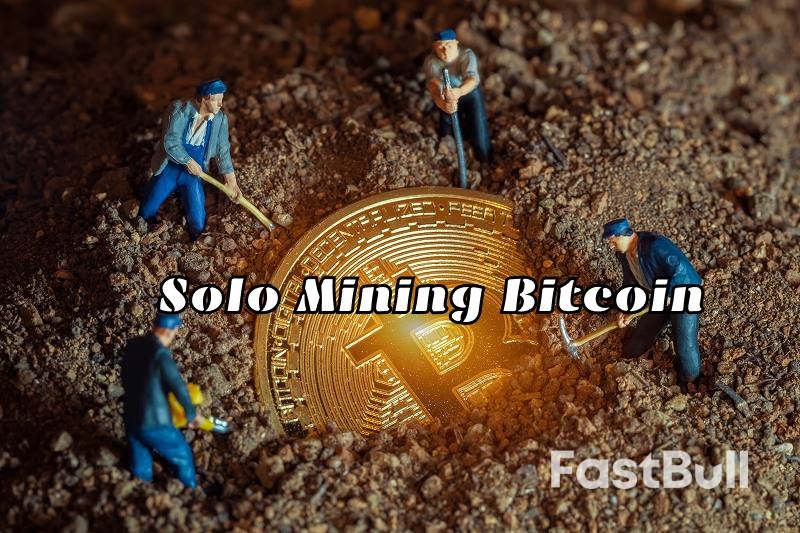
          Minería de Bitcoin en solitario vs. minería en pool: ¿Cuál será más rentable en 2025?

          Minería individual de Bitcoin en 2025: ¿Qué tan difícil es realmente obtener un retorno de la inversión?_1

          La minería individual de Bitcoin se ha vuelto una práctica cada vez más rara, ya que los pools de minería industrial dominarán la red en 2025. Sin embargo, algunos mineros aún buscan la independencia y el potencial de recompensa completa de la minería en solitario. Esta guía explica cómo funciona la minería individual hoy en día, su dificultad actual y si aún es posible obtener beneficios de ella.

          ¿Qué es la minería de Bitcoin en solitario?

          La minería de Bitcoin en solitario consiste en intentar minar bloques de Bitcoin de forma independiente, sin unirse a un grupo de minería. Al minar en solitario, compites directamente contra toda la red global de mineros para resolver complejos problemas criptográficos. Si encuentras un bloque con éxito, recibes la recompensa completa (actualmente 6,25 BTC más las comisiones por transacción), pero asumes todos los costes computacionales y los riesgos por tu cuenta.

          Cómo funciona la minería en solitario

          El proceso de minería individual de bitcoins sigue el mecanismo de consenso de prueba de trabajo de Bitcoin. Tu hardware de minería calcula repetidamente el hash de los datos de la cabecera del bloque, buscando un valor hash que cumpla con el objetivo de dificultad de la red. En esencia, se trata de una lotería computacional donde una mayor potencia de hash aumenta tus probabilidades, pero no garantiza nada.

          Esto es lo que sucede durante la minería de bitcoin en solitario:

          • Tu equipo de minería se conecta a un nodo completo de Bitcoin que tú operas.
          • El nodo proporciona a tu minero plantillas de bloques candidatos que contienen transacciones no confirmadas.
          • Tu minero ASIC realiza billones de cálculos de hash por segundo, buscando una solución válida.
          • Si encuentras un bloque válido, tu nodo lo difunde a la red para su verificación.
          • Una vez confirmado, recibirás la recompensa completa del bloque directamente en tu monedero.

          A diferencia de la minería en pool, donde las recompensas se distribuyen según el trabajo aportado, la minería en solitario funciona con el principio de todo o nada. Podrías minar durante meses o años sin encontrar un solo bloque, o teóricamente podrías encontrar uno el primer día, aunque este último escenario es extremadamente improbable con el hardware típico.

          Minería en solitario vs. minería en grupo: diferencias clave

          Comprender las diferencias fundamentales entre la minería en solitario y la minería en grupo es esencial antes de comprometer recursos con cualquiera de los dos enfoques.

          AspectoMinería en solitarioMinería en cúmulos
          Distribución de recompensasSe otorgará el 100% de la recompensa del bloque (6,25 BTC + comisiones) si tiene éxito.Reparto proporcional basado en la tasa de hash aportada
          Frecuencia de pagoExtremadamente raro, impredecible (posiblemente nunca)Pagos regulares (diarios a semanales)
          Estabilidad de ingresosCero ingresos durante largos períodos, luego un pago masivoRentabilidad constante y predecible
          Tarifas de piscinaNinguno1-3% de las ganancias
          Requisitos técnicosEjecutar un nodo completo de Bitcoin, configuración avanzadaConexión sencilla a servidores de pool
          Riesgo de varianzaProbabilidades extremadamente altas, similares a las de la lotería.Rentabilidades bajas y suavizadas en muchas mineras
          Tasa de hash mínimaEn realidad, se necesitan más de 100 TH/s para tener alguna posibilidad razonable.Se acepta cualquier cantidad (incluso una sola ASIC).

          The economic reality is stark: pool mining provides predictable income that covers electricity costs and generates steady profit, while solo mining bitcoin resembles buying lottery tickets with your electricity bill. Most rational miners choose pools because consistent returns allow for business planning, equipment maintenance, and risk management.

          How Hard Is Solo Bitcoin Mining in 2025?

          The difficulty of solo mining bitcoin has reached unprecedented levels in 2025. To understand just how challenging it has become, we need to examine the current network conditions and calculate your realistic probability of success.

          Current Bitcoin Network Difficulty

          Bitcoin's mining difficulty adjusts every 2,016 blocks (approximately every two weeks) to maintain a consistent 10-minute block time. As of 2025, the network difficulty has increased dramatically compared to Bitcoin's early years, making solo mining exponentially harder than it was even a few years ago.

          Key network statistics that impact solo mining difficulty:

          • Total network hashrate exceeds 600 exahashes per second (EH/s), representing the combined computing power of millions of ASIC miners worldwide
          • Mining difficulty has increased over 100 trillion times since Bitcoin's launch in 2009
          • Industrial mining operations with hundreds of petahashes dominate the network, making individual miners statistically insignificant
          • The average time between blocks remains 10 minutes, but this is distributed across the entire global mining network

          This difficulty level means that even a state-of-the-art ASIC miner running at 100 terahashes per second (TH/s) represents only 0.000017% of the total network hashrate. You're competing against massive mining farms with thousands of machines operating in regions with cheap electricity.

          Your Actual Chances of Mining a Block Solo

          Mathematics reveals the harsh reality of bitcoin solo mining success. Your probability of finding a block depends entirely on your hashrate relative to the total network hashrate.

          Here's the probability calculation for different hardware scenarios:

          Your Hashrate% of NetworkExpected Time to Find 1 BlockProbability per Day
          100 TH/s (1 high-end ASIC)0.000017%~11.4 years0.024%
          500 TH/s (5 ASICs)0.000083%~2.3 years0.12%
          1 PH/s (10 ASICs)0.00017%~14 months0.24%
          10 PH/s (100 ASICs)0.0017%~42 days2.4%
          100 PH/s (1000 ASICs)0.017%~4.2 days24%

          These are expected averages based on probability. The actual time could be much shorter or significantly longer due to the random nature of mining. You might find a block on your first day (probability near zero) or mine for triple the expected time without success—both scenarios have occurred in practice.

          For perspective, if you run a single high-end ASIC costing $3,000-$5,000 with electricity expenses around $150-$300 monthly, you could spend $20,000+ on electricity over the expected 11.4 years before finding your first block. Even if successful, the block reward might not cover your accumulated costs, especially considering hardware depreciation and potential Bitcoin price fluctuations.

          Real Success Stories (and Failures)

          Despite astronomical odds, solo bitcoin mining pool victories do occasionally occur—but context matters enormously when evaluating these rare successes.

          Notable recent success cases include:

          • In January 2024, a solo miner with approximately 120 TH/s successfully mined a block, earning 6.25 BTC plus transaction fees (worth roughly $270,000 at that time). However, this miner had been attempting solo mining for over a year, with electricity costs likely exceeding $15,000 during that period.
          • A small mining operation with around 400 TH/s found a block in mid-2023 after seven months of continuous mining. While profitable on paper, they calculated that pool mining during the same period would have generated nearly the same revenue with zero risk of complete failure.
          • Several hobbyist miners report bitcoin solo mining success after running old S9 ASICs for multiple years—but when accounting for electricity costs and hardware investment, most actually operated at a net loss compared to simply buying Bitcoin directly.

          The failure stories are far more common but rarely discussed:

          • Thousands of miners attempt solo mining annually with modest hashrates (10-100 TH/s) and abandon the effort after 6-12 months of zero returns and mounting electricity bills
          • Several documented cases exist of miners spending $50,000+ on equipment and electricity over 2-3 years without finding a single block
          • The vast majority of solo mining attempts end in financial loss, with miners eventually switching to pools or exiting mining entirely

          Even success stories often reveal that pool mining would have been more profitable when considering risk-adjusted returns. The psychological appeal of potentially winning a full block reward clouds the mathematical reality that consistent pool returns typically generate superior outcomes over time.

          Hardware Requirements for Solo Bitcoin Mining

          Successfully mining bitcoins solo demands significant hardware investment and infrastructure planning. Unlike pool mining where even modest equipment can generate some returns, solo mining requires substantial computational power to have any realistic chance of finding a block within a reasonable timeframe.

          ASIC Miners: What You Need

          Application-Specific Integrated Circuit (ASIC) miners are the only viable hardware for solo bitcoin mining in 2025. Graphics cards (GPUs) and CPUs became obsolete for Bitcoin mining years ago due to efficiency limitations. Modern ASIC miners are purpose-built for the SHA-256 algorithm that Bitcoin uses, delivering hashrates that general-purpose hardware cannot match.

          Current top-tier ASIC miners for solo mining consideration:

          ModelHashratePower ConsumptionEfficiencyApproximate Cost
          Antminer S21200 TH/s3,500W17.5 J/TH$5,000-$7,000
          Whatsminer M60172 TH/s3,344W19.4 J/TH$4,500-$6,500
          Antminer S19 XP140 TH/s3,010W21.5 J/TH$3,500-$5,000
          AvalonMiner 1466150 TH/s3,500W23.3 J/TH$4,000-$5,500

          For solo mining to be remotely feasible, you realistically need at least 500 TH/s to 1 PH/s of total hashrate. This translates to investing in 3-5 high-end ASIC miners, with an initial hardware outlay of $15,000 to $35,000. Even at this investment level, your expected time to find a block remains between 1-3 years under current network conditions.

          Critical factors when selecting ASIC hardware:

          • Energy efficiency matters tremendously for long-term operations—a few joules per terahash difference can mean thousands in annual electricity costs
          • Newer models offer better efficiency but command premium prices, while older models are cheaper but consume more power per hash
          • Consider used ASIC markets cautiously—mining hardware degrades over time, and warranty coverage is often limited or nonexistent
          • Noise levels are substantial (70-90 decibels)—these machines require dedicated space with sound insulation for residential settings
          • Heat generation is massive—each miner produces 3,000-3,500 watts of heat that must be managed through ventilation or cooling systems

          Some miners explore solar powered bitcoin mining to offset electricity costs, though this requires additional investment in solar panels, inverters, and battery storage systems. A typical ASIC drawing 3,500 watts continuously needs approximately 12-15 kilowatts of solar panel capacity (accounting for efficiency losses and nighttime operations), adding $10,000-$20,000 to your initial investment per miner.

          Electricity and Infrastructure Costs

          Electricity represents the ongoing operational expense that determines whether solo bitcoin mining remains financially viable. Unlike the one-time hardware purchase, electricity costs accumulate continuously and often exceed hardware investment over extended mining periods.

          Understanding your electricity costs:

          Hardware SetupTotal Power DrawMonthly kWhCost at $0.10/kWhCost at $0.15/kWh
          1 ASIC (200 TH/s)3,500W2,520 kWh$252$378
          3 ASICs (600 TH/s)10,500W7,560 kWh$756$1,134
          5 ASICs (1 PH/s)17,500W12,600 kWh$1,260$1,890
          10 ASICs (2 PH/s)35,000W25,200 kWh$2,520$3,780

          Beyond electricity, infrastructure requirements add substantial costs:

          • Electrical infrastructure upgrades—residential circuits typically cannot handle multiple ASICs drawing 15-20 amps each; professional electrician services to install 240V circuits and proper breaker capacity can cost $2,000-$5,000
          • Cooling and ventilation systems—industrial fans, ducting, and exhaust systems to prevent overheating, typically adding $1,000-$3,000 depending on space configuration
          • Network infrastructure—stable, high-uptime internet connection and potentially backup connectivity; running a full Bitcoin node requires significant bandwidth and storage
          • Physical space costs—dedicated room or facility with proper ventilation, fire suppression considerations, and security measures
          • Monitoring systems—remote monitoring equipment to track temperatures, hashrates, and downtime alerts, adding $200-$500

          Solar bitcoin mining can reduce operational costs, but requires substantial upfront investment and depends heavily on geographic location. Areas with optimal sun exposure (Southwest United States, parts of Australia, Middle East) provide better ROI for solar installations. However, battery storage systems necessary for 24/7 mining operations significantly increase costs—a battery bank capable of running 5 ASICs overnight might cost $15,000-$30,000 alone.

          Insurance and maintenance represent ongoing expenses often overlooked by new miners. ASIC miners require regular cleaning, fan replacements, and occasional repairs. Budget approximately 5-10% of hardware value annually for maintenance and unexpected component failures.

          Solo Mining Bitcoin: ROI Analysis

          Return on investment calculations for solo bitcoin mining reveal why most rational actors choose pool mining instead. While the potential for a massive one-time payout exists, the mathematical expected value typically favors consistent pool returns when accounting for risk, time value of money, and operational complexities.

          Cost vs Potential Reward

          A comprehensive cost analysis exposes the financial reality of solo mining attempts. Let's examine a realistic scenario with specific numbers to illustrate the economic challenge.

          Example scenario: 1 PH/s solo mining operation (5 high-end ASICs)

          Cost CategoryInitial InvestmentMonthly RecurringAnnual Total
          ASIC Hardware (5 miners)$30,000——
          Infrastructure Setup$5,000——
          Electricity (at $0.12/kWh)—$1,512$18,144
          Internet Maintenance—$150$1,800
          Hardware Depreciation——$7,500
          Total First Year$35,000$1,662$62,444

          Expected outcome analysis:

          • With 1 PH/s, expected time to find one block: approximately 14 months under current network difficulty
          • Block reward if successful: 6.25 BTC + transaction fees (approximately 0.1-0.3 BTC), totaling roughly 6.35-6.55 BTC
          • Bitcoin price assumption: $60,000 per BTC (conservative 2025 estimate)
          • Expected reward value: $381,000-$393,000
          • Total costs over 14 months: approximately $58,317
          • Net profit if successful: $322,683-$334,683

          This appears attractive on paper, but several critical risk factors undermine this optimistic scenario:

          • The 14-month timeframe is an average expectation—actual time could be 3 months or 4 years due to probability variance
          • If you don't find a block within 24 months, you've spent $74,732 with zero return, potentially forcing you to abandon the operation at a total loss
          • Network difficulty continuously increases, reducing your probability over time as more hashrate joins the network
          • Hardware depreciation accelerates—ASICs lose 50-70% of resale value after 12-18 months of operation
          • Bitcoin price volatility creates enormous uncertainty; if BTC drops to $40,000, your expected reward falls to $254,000-$262,000, barely doubling your investment after 14+ months of risk

          The probability distribution matters enormously. You have roughly a 30% chance of finding zero blocks in 20 months, a scenario where you lose your entire $70,000+ investment. Conversely, you have about a 5% chance of finding a block within 2 months, generating exceptional returns. This risk profile resembles venture capital investing or gambling rather than traditional business operations.

          Solo Mining vs Pool Mining Profitability

          Comparing identical hardware operating in solo versus pool mining modes reveals the fundamental economic trade-off between variance and expected value.

          Using the same 1 PH/s setup over 14 months:

          MetricSolo MiningPool Mining
          Expected Blocks Found1 block (average)N/A (proportional shares)
          Expected Revenue$381,000-$393,000$385,000
          Pool Fees$0$7,700 (2%)
          Net Mining Revenue$381,000-$393,000$377,300
          Operating Costs$58,317$58,317
          Net Profit$322,683-$334,683$318,983
          Revenue CertaintyHigh variance (might be $0)99%+ certainty
          Cash FlowZero for months, then lump sumDaily/weekly payouts

          The expected value difference is minimal—solo mining potentially saves 2% in pool fees, translating to roughly $3,700-$15,700 more profit over 14 months. However, this marginal advantage disappears when considering:

          • Risk-adjusted returns heavily favor pool mining—consistent income allows you to cover electricity costs, service debts, and reinvest profits without depending on a single probabilistic event
          • Cash flow management becomes impossible with solo mining; you cannot pay monthly electricity bills with hypothetical future block rewards, potentially forcing you to fund operations from external sources or abandon the effort before success
          • Psychological stress of operating at zero revenue for months or years often leads solo miners to quit prematurely, realizing losses that pool mining would have avoided
          • Pool mining allows scaling flexibility—you can start with one ASIC, verify profitability, and expand gradually; solo mining demands massive upfront commitment to achieve reasonable success probability

          The solo bitcoin mining pool concept has emerged as a middle-ground option, where miners contribute hashrate to a pool that attempts solo mining on behalf of participants. If the pool finds a block, rewards distribute proportionally among contributors. This reduces individual variance while maintaining some solo mining characteristics, though it doesn't eliminate the fundamental probability challenges of competing against the entire network.

          Bitcoin Price Impact on Profitability

          Bitcoin's notorious price volatility introduces another layer of complexity to solo mining ROI calculations. Unlike pool mining where you can sell rewards regularly to lock in prices, solo mining forces you to bet on Bitcoin's value at an unknowable future date when you might find a block.

          Price scenario analysis for 1 PH/s operation finding a block after 14 months:

          BTC Price ScenarioBlock Reward ValueTotal CostsNet Profit/LossROI
          $100,000 (bull case)$635,000$58,317+$576,683989%
          $80,000 (optimistic)$508,000$58,317+$449,683771%
          $60,000 (moderate)$381,000$58,317+$322,683553%
          $40,000 (pessimistic)$254,000$58,317+$195,683336%
          $25,000 (bear market)$158,750$58,317+$100,433172%

          Even in pessimistic price scenarios, finding a block generates positive returns—but this analysis assumes you successfully find a block. The compounding risk involves both probability (might never find a block) and price uncertainty (block might be worth less than expected).

          Additional price-related considerations:

          • If Bitcoin price crashes during your mining period, continuing operations might become unprofitable even if you eventually find a block—$25,000 BTC means each month of operation costs $1,512 while the expected value of your mining drops proportionally
          • Pool miners can implement dollar-cost-averaging strategies by selling portions of daily earnings, reducing exposure to price crashes; solo miners hold all risk until block discovery
          • Rising Bitcoin prices increase mining competition as more hashrate comes online seeking profits, paradoxically reducing your probability of bitcoin solo mining success even as potential rewards increase
          • Market timing becomes critical for solo mining; starting during bear markets when difficulty is lower and prices depressed could yield higher ROI if you find a block during subsequent recovery

          The optimal strategy for most miners involves pool mining to generate steady income while Bitcoin price remains uncertain, then potentially switching to solo mining only if accumulating significant hashrate (10+ PH/s) that makes probability of success reasonable within specific timeframes. Attempting solo mining with modest hashrate essentially converts your mining operation into a speculative bet on both probability and future Bitcoin valuation—a dual-risk proposition that sophisticated investors typically avoid.

          How to Start Solo Mining Bitcoin (Step-by-Step)

          Setting up a solo mining operation requires technical knowledge beyond simply connecting hardware to a pool. You'll need to run your own Bitcoin node, configure mining software, and maintain reliable infrastructure. This section walks through the essential steps for anyone determined to attempt mining bitcoins solo despite the challenging odds.

          Software Setup

          The foundation of any solo mining operation is a fully synchronized Bitcoin Core node. Unlike pool mining where the pool operator manages blockchain data, solo miners must maintain their own complete copy of the Bitcoin blockchain and validate all transactions independently.

          Step-by-step Bitcoin Core installation:

          • Download Bitcoin Core from the official bitcoin.org website—verify the download signature to ensure file authenticity and avoid malware
          • Install Bitcoin Core on a computer with at least 500GB of available storage (the blockchain exceeds 450GB and grows continuously)
          • Allow the initial blockchain synchronization to complete, which typically takes 24-72 hours depending on internet speed and hardware performance
          • Configure your bitcoin.conf file to enable mining functionality by adding the parameters: server=1, rpcuser=yourusername, rpcpassword=yourpassword, and rpcallowip=192.168.1.0/24 (adjust IP range to match your local network)
          • Restart Bitcoin Core to apply configuration changes and verify RPC interface is accessible

          Mining software configuration comes next. Several options exist for solo bitcoin mining, each with different features and compatibility:

          SoftwareBest ForKey FeaturesDifficulty Level
          CGMinerAdvanced usersHighly customizable, supports multiple hardware typesHigh
          BFGMinerASIC minersDynamic clocking, monitoring, remote interfaceHigh
          Braiins OS+Antminer hardwareFirmware replacement with optimization featuresMedium
          Solo CK PoolBeginners wanting solo experienceSimplified solo mining without running full nodeLow

          For true solo mining, CGMiner or BFGMiner connected to your local Bitcoin Core node provides complete control. Configure your mining software with these essential parameters:

          • Point the software to your Bitcoin Core RPC interface (typically localhost:8332)
          • Provide RPC authentication credentials matching your bitcoin.conf configuration
          • Set your Bitcoin wallet address where block rewards will be sent if you successfully mine a block
          • Configure intensity and workload settings appropriate for your ASIC hardware model
          • Enable temperature monitoring and automatic shutdown thresholds to prevent hardware damage

          Alternative approach for those wanting to avoid full node complexity: solo bitcoin mining pool services like Solo CK Pool allow you to attempt solo mining by connecting your hardware to their infrastructure. You maintain the solo mining reward structure (keeping 100% of any block found minus a small fee), but delegate the technical burden of running a node. This reduces setup complexity but introduces minor centralization and trust requirements.

          Connecting Your ASIC Miner

          Once your software infrastructure is ready, connecting ASIC hardware involves both physical setup and network configuration. Modern ASICs include built-in web interfaces that simplify configuration compared to earlier generations of mining hardware.

          Physical connection process:

          • Position your ASIC in a location with adequate ventilation—these devices generate extreme heat and require constant airflow; enclosed spaces without cooling will cause thermal shutdown or hardware damage within minutes
          • Connect the power supply unit (PSU) to your ASIC, ensuring you're using the correct voltage (typically 220V for optimal efficiency) and that your electrical circuit can handle the amperage load
          • Attach an Ethernet cable from your ASIC to your local network router—WiFi is not recommended for mining operations due to stability and latency concerns
          • Power on the device and wait 2-3 minutes for the boot sequence to complete

          Network configuration through ASIC web interface:

          • Locate your ASIC's IP address through your router's device list or use scanning tools like Advanced IP Scanner
          • Access the web interface by entering the IP address in your browser (default credentials are usually admin/admin or root/root—change these immediately for security)
          • Navigate to the mining pool configuration section
          • Enter your Bitcoin Core node address as Pool 1: stratum+tcp://your-node-ip:8332
          • Input your RPC username and password in the worker credentials fields
          • Add backup pools (either other solo options or a traditional pool) to prevent downtime if your primary node experiences issues
          • Save configuration and restart the miner to apply changes

          Verification steps to confirm successful connection:

          • Check the ASIC dashboard for active hashrate—you should see your device reporting its expected TH/s within 5-10 minutes of starting
          • Monitor your Bitcoin Core debug log for incoming share submissions from your miner
          • Verify that all hashing boards are operational—ASICs typically have 3 boards that should all show active temperature and hashrate readings
          • Confirm network latency remains low (under 50ms) to minimize stale shares and maximize efficiency

          Common troubleshooting issues include incorrect RPC credentials, firewall blocking connections between miner and node, or insufficient PSU power delivery causing hashboard failures. Most ASIC manufacturers provide detailed logs through the web interface that help diagnose connectivity problems.

          Monitoring Your Mining Operation

          Continuous monitoring separates successful mining operations from costly failures. Hardware issues, network disruptions, or configuration problems can silently drain electricity for days while generating zero useful work. Implementing robust monitoring systems provides early warning of problems and maximizes your already-slim chances of bitcoin solo mining success.

          Essential metrics to monitor continuously:

          • Hashrate consistency—your reported hashrate should remain within 5% of the ASIC's rated specification; significant drops indicate hardware degradation, overheating, or connectivity issues
          • Temperature readings across all boards—optimal operating temperature ranges from 60-75°C; sustained temperatures above 80°C accelerate hardware failure and may trigger automatic shutdowns
          • Fan speeds and performance—fans should maintain consistent RPMs; declining fan speed often precedes complete failure and potential hardware damage from overheating
          • Network uptime and latency—mining effectiveness depends on constant connectivity to your Bitcoin node; even brief disconnections mean wasted electricity and missed opportunities
          • Bitcoin Core node synchronization—your node must remain fully synchronized with the network; falling behind by even a few blocks means you're mining on outdated data and cannot successfully find valid blocks

          Monitoring tools and platforms:

          ToolTypeKey FeaturesCost
          Awesome MinerSoftware suiteMulti-device monitoring, alerts, remote managementFree (limited) / $200+ (pro)
          Hive OSOperating systemComprehensive dashboard, mobile app, auto-tuningFree (3 devices) / $3/device/month
          MinerStatWeb platformCloud monitoring, profit switching, alerts$2-4/device/month
          Built-in ASIC interfaceHardware nativeBasic stats, logs, configurationFree (included)

          Setting up effective alert systems prevents costly extended downtime:

          • Configure email or SMS notifications for hashrate drops below 90% of expected performance
          • Set temperature alerts at 75°C (warning) and 82°C (critical) thresholds
          • Enable alerts for miner disconnections lasting more than 5 minutes
          • Monitor your Bitcoin wallet address for block reward deposits—the moment you've been waiting months for
          • Track electricity consumption through smart meters or monitoring devices to detect abnormal power usage that might indicate hardware problems

          For operations using solar powered bitcoin mining, additional monitoring becomes essential. Track solar panel output, battery charge levels, and grid consumption to optimize your energy mix. Solar monitoring systems should alert you when battery reserves drop below thresholds needed to maintain 24/7 operation, allowing you to temporarily reduce mining intensity or switch to grid power during extended cloudy periods.

          Regular maintenance schedules complement automated monitoring. Monthly tasks should include physically inspecting your ASICs for dust accumulation, verifying all fans spin freely, checking cable connections remain secure, and reviewing performance trends to identify gradual degradation before catastrophic failure occurs. Quarterly deep cleaning with compressed air prevents dust buildup that reduces cooling efficiency and shortens hardware lifespan.

          Documentation practices help optimize long-term operations. Maintain logs of hashrate performance, downtime incidents, maintenance activities, and electricity costs. This data proves invaluable for calculating actual ROI, identifying patterns in hardware behavior, and making informed decisions about when to upgrade equipment or abandon unprofitable operations.

          FAQs about Solo Mining Bitcoin

          1. Is solo mining Bitcoin possible?

          Yes, solo mining Bitcoin is still possible in 2025, but success chances are extremely low due to the high network difficulty and dominance of industrial-scale miners.

          2. How long does it take to solo mine 1 Bitcoin?

          Con un solo minero ASIC de gama alta, se podrían tardar más de 10 años de media en encontrar un bloque. Incluso con configuraciones a gran escala, podrían pasar meses o años sin éxito.

          3. ¿Cuánto ganan los mineros de Bitcoin que trabajan solos?

          La mayoría de los mineros solitarios no ganan nada a menos que encuentren un bloque completo. Cuando lo logran, las recompensas pueden superar los 300 000 dólares, dependiendo del precio del Bitcoin y las comisiones.

          4. ¿Es legítima la minería en solitario?

          Sí, la minería en solitario es legítima y se ajusta al diseño descentralizado de Bitcoin. Sin embargo, las probabilidades de obtener una rentabilidad constante son muy bajas para la mayoría de los usuarios.

          Conclusión

          Minar Bitcoin en solitario en 2025 sigue siendo técnicamente posible, pero sumamente complejo. Requiere una inversión considerable, un suministro eléctrico constante y la disposición a asumir riesgos a largo plazo por recompensas inciertas. Si bien resulta atractivo para quienes valoran la independencia y la descentralización, la mayoría de los mineros consideran que la minería en grupo es un método mucho más práctico y rentable.

          Advertencias de riesgo y descargo de responsabilidad en inversiones
          Usted entiende y reconoce que existe un alto grado de riesgo a la hora de operar con estrategias. Al seguir cualquier estrategia o metodología de inversión existe un riesgo potencial de pérdidas. El contenido de este sitios se ha proporcionado por nuestros colaboradores y analistas con un único propósito informativo. Usted, bajo su discreción, es el responsable exclusivo de determinar si los activos bursátiles, valores o estrategias de los productos son adecuados para usted según sus objetivos de inversión y situación financiera.
          Favoritos
          Compartir
          FastBull
          Copyright © 2026 FastBull Ltd

          728 RM B 7/F GEE LOK IND BLDG NO 34 HUNG TO RD KWUN TONG KLN HONG KONG

          TelegramInstagramTwitterfacebooklinkedin
          App Store Google Play Google Play
          Productos
          Gráficos

          Charlar

          P&R con expertos
          Filtros
          Calendario económico
          Datos
          Herramienta
          Membresía
          Características
          Función
          Cotizaciones
          Operaciones de Copia
          Últimas Señales
          Concurso
          24/7
          Análisis
          Educación
          Empresa
          Reclutamiento
          Sobre nosotros
          Contáctenos
          Publicidad
          Centro de ayuda
          Opinión
          Acuerdo de usuario y la
          Política de privacidad
          Declaración de Protección de Información Personal de
          Empresa

          Etiqueta blanca

          Broker API

          API de datos

          Complementos web

          Creador de carteles

          Programa de afiliados

          Divulgación de riesgos

          El riesgo de pérdida en el comercio de activos financieros como acciones, divisas, materias primas, futuros, bonos, ETF o criptomonedas puede ser considerable. Puede sufrir una pérdida total de los fondos que deposita con su corredor. Por lo tanto, debe considerar cuidadosamente si dicha negociación es adecuada para usted tomando en cuenta sus circunstancias y recursos financieros.

          No se debe considerar invertir sin llevar a cabo, su propia diligencia de manera minuciosa o consultar con sus asesores financieros. Nuestro contenido web puede no ser adecuado para usted, ya que no conocemos su situación financiera ni sus necesidades de inversión. Es posible que nuestra información financiera tenga latencia o contenga inexactitudes, por lo que usted debe ser completamente responsable de cualquiera de sus transacciones y decisiones de inversión. La empresa no se hará responsable de su capital perdido.

          Sin obtener el permiso del sitio web, no se le permite copiar los gráficos, textos o marcas comerciales del sitio web. Los derechos de propiedad intelectual sobre los contenidos o datos incorporados a este sitio web pertenecen a sus proveedores y comerciantes de intercambio.

          No conectado

          Inicia sesión para acceder a más funciones

          Conectar al Broker
          Conviértete en proveedor de señales
          Centro de ayuda
          Servicio al Cliente
          Modo oscuro
          Colores precio

          Iniciar sesión

          Registrarse

          Posición
          Disposición
          Pantalla Completa
          Predeterminado a Gráfico
          La página de gráficos se abre por defecto al visitar fastbull.com